High-efficiency interfaces engineered for high data density, long durability lifecycle, and seamless enterprise deployment.
In modern enterprise and industrial computing architectures, the persistent trend toward thinner form factors has resulted in the systematic removal of the dedicated 8P8C (RJ45) physical Ethernet port from notebooks, tablets, and edge devices. Yet, wireless alternatives fail to meet critical B2B metrics: security audits, low-latency industrial automation commands, and consistent, high-bandwidth pipelines. The USB Type-C to LAN adapter serves as the definitive bridge, transforming versatile packet-based USB protocols into reliable baseband IEEE 802.3 Ethernet streams.
For international procurement departments, purchasing managers, and distributors, selecting the ideal manufacturer involves assessing mechanical integrity, signal processing IC reliability, thermal envelope control, and global regulatory compliance. This whitepaper analyzes these elements, providing the strategic framework necessary to establish a resilient, high-volume sourcing strategy.
Utilizing high-performance controller chipsets like the Realtek RTL8153/RTL8156B and ASIX AX88179A to minimize packet loss and maintain ultra-low latency.
Dual-layer aluminum shielding and high-density copper braiding isolate internal data channels from adjacent electromagnetic interference.
Seamless USB PD passthrough up to 240W, facilitating concurrent charging and high-speed data transmission over a single Type-C physical port.
At the physical and link layer, a USB Type-C to LAN adapter is a sophisticated, localized system-on-chip (SoC) micro-assembly. The mechanical structure houses a multi-layer PCB containing:
The technological landscape is moving toward higher transmission speeds and lower latencies:
Operating primarily on USB 3.2 Gen 1 (5Gbps bandwidth). Realtek RTL8156B structures are deployed heavily in enterprise docking units to provide 2.5G network pathways, critical for local network backups, network-attached storage (NAS) communication, and multi-stream media pipelines.
The expansion of USB4 and Thunderbolt 4 pathways enables native PCIe tunneling. In the next 18-36 months, the market will shift toward high-performance 10Gbps Ethernet converters using Aquantia chipsets. These modules require high-efficiency thermal interfaces, heat-sink fins, and robust power delivery tolerances to sustain high duty cycles without thermal throttling.
Understanding cost-driver breakdowns is essential for B2B procurement professionals aiming to optimize margins while ensuring signal stability. Hardware cost profiles are divided into chip allocation, structural assembly (enclosure material, PCB complexity), and testing validation protocols.
| Adapter Tier / Specifications | Core Chipset | Housing Material | Est. OEM Unit Price Range (MOQ 1K) | Target Sourcing Scenario |
|---|---|---|---|---|
| Standard Gigabit (10/100/1000Mbps) | Realtek RTL8153 / ASIX | Eco ABS Thermoplastic | $2.80 – $4.50 USD | High-volume promotional projects & office accessory deployment |
| Premium Metallic Gigabit + PD Pass-through | RTL8153B + PD Controller | Anodized Aluminum Alloy | $5.20 – $7.50 USD | Professional workspace setup, corporate branding integration |
| High-Speed Multi-Gigabit (2.5Gbps) | Realtek RTL8156B | CNC Aluminum + Passive Fins | $9.80 – $14.00 USD | Engineering workstations, NAS storage management, content creation hubs |
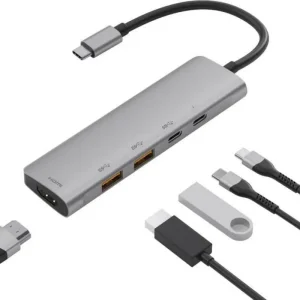
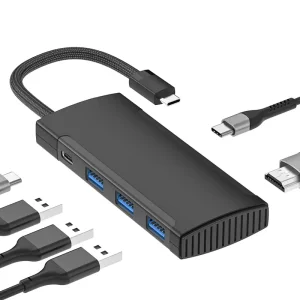
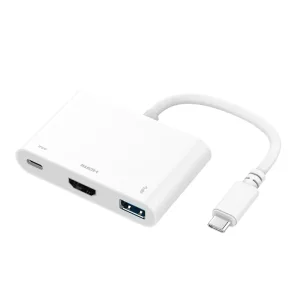
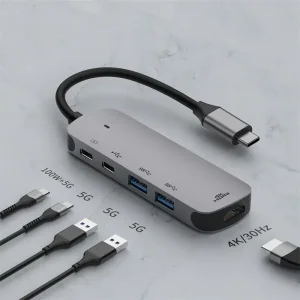
| Multi-Port Hub (USB-C to LAN + HDMI + USB-A) | RTL8153 + Parade/Synopsys | Die-Cast Metal Shell | $12.50 – $18.50 USD | Universal remote office docking systems |
Note: The pricing matrix represents raw factory FOB (Free On Board) cost baselines. Total landing costs will vary based on packaging specifications, custom tooling fees, freight logistics, and component supply fluctuations.
USB Type-C to LAN converters are deployed across diverse target environments, each requiring distinct hardware configurations:
In modern smart factories, machinery control systems run on EtherCAT or Profinet protocols. Handheld industrial tablets without RJ45 ports use specialized USB-C to LAN dongles featuring integrated mounting clips, IP-rated seals, and high-degree ESD protection circuitry to ensure interference-free machine communication.
For organizations complying with strict security standards like ISO 27001 or SOC Type II, wireless connections are often restricted. Corporate workstations utilize USB-C to LAN adapters supporting PXE boot (Preboot Execution Environment), Wake-on-LAN (WoL), and MAC Address Pass-Through for remote operating system updates and centralized device audits.
Medical imaging devices, such as portable ultrasound systems, require rapid data transfer to local picture archiving and communication systems (PACS). High-throughput 2.5G adapters offer a secure, high-bandwidth connection without adding RF noise that could interfere with sensitive diagnostic instrumentation.
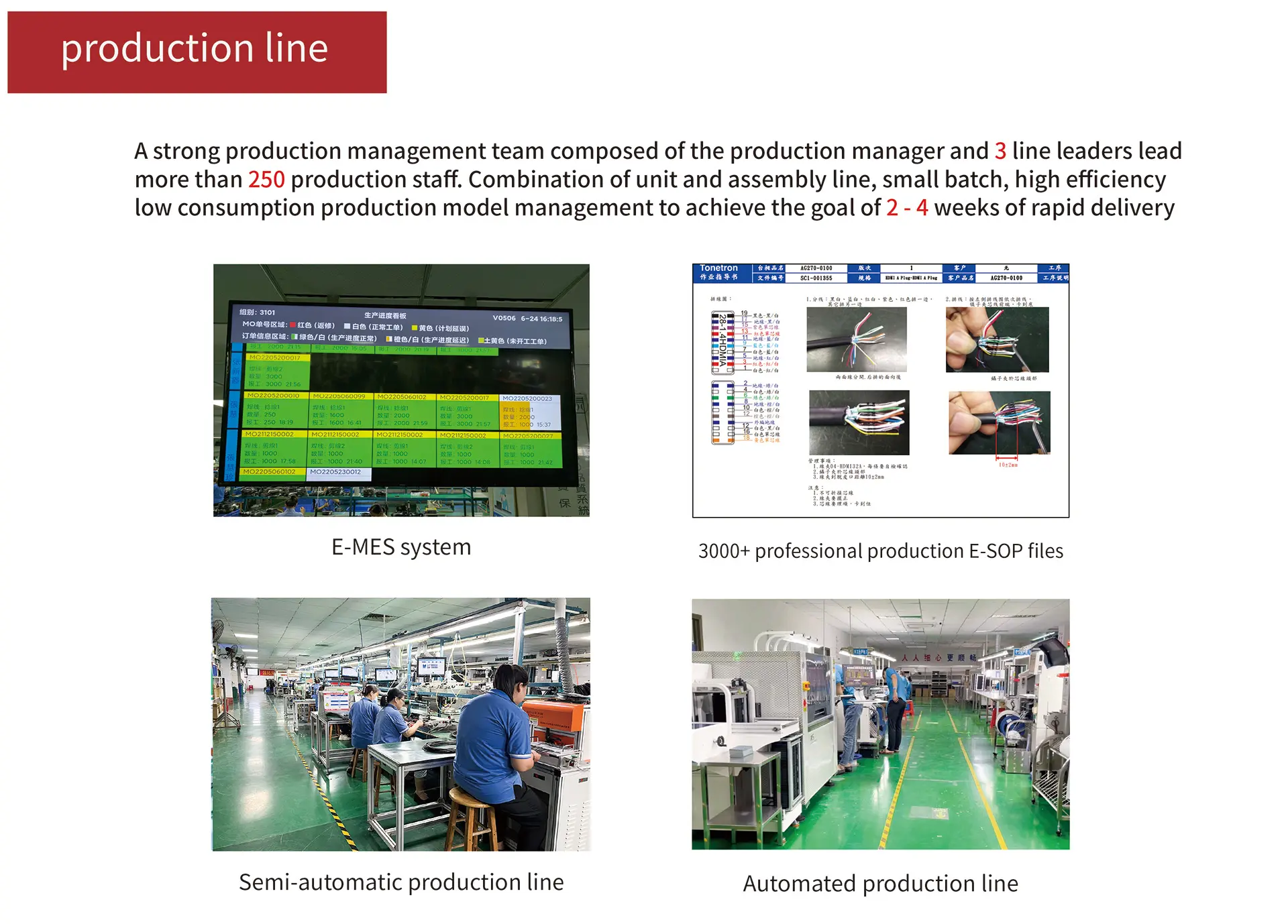
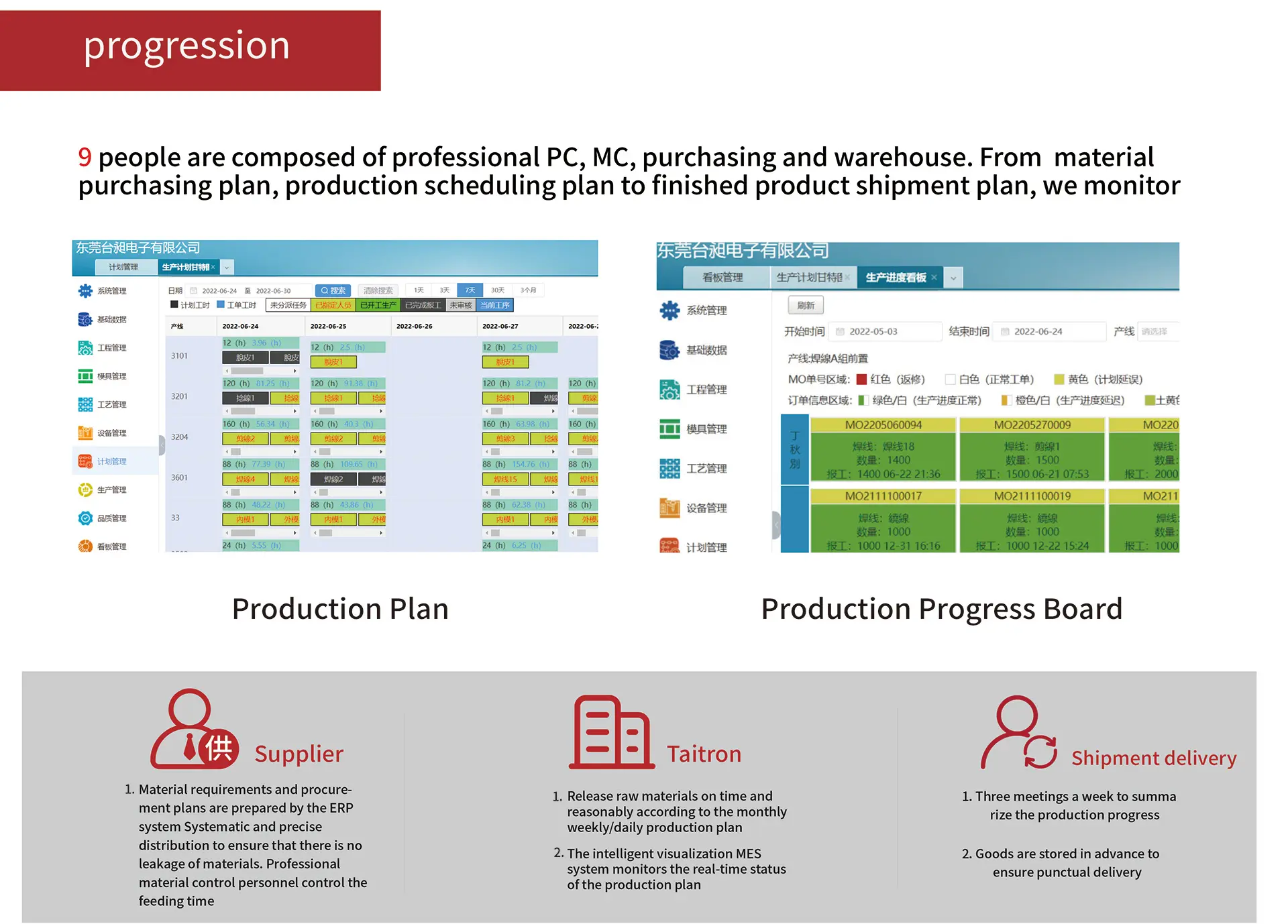
China’s supply chain resilience lies in localized industrial clustering, high-precision automated manufacturing, and rapid prototyping capabilities. The Pearl River Delta, specifically Dongguan City, represents a hub for high-performance cabling and connection system production. Access to regional component suppliers, specialized SMT lines, and skilled technical teams enables fast turnaround times and competitive scaling.
In 1984, Dongguan Taitron Electronics Limited., formerly known as Tonetron, was founded in Keelung, Taiwan. In 1993, it moved to the self-built independent production industrial park in Dalingshan Town, Dongguan City, China, and changed its name to Dongguan Taitron Electronics Limited.
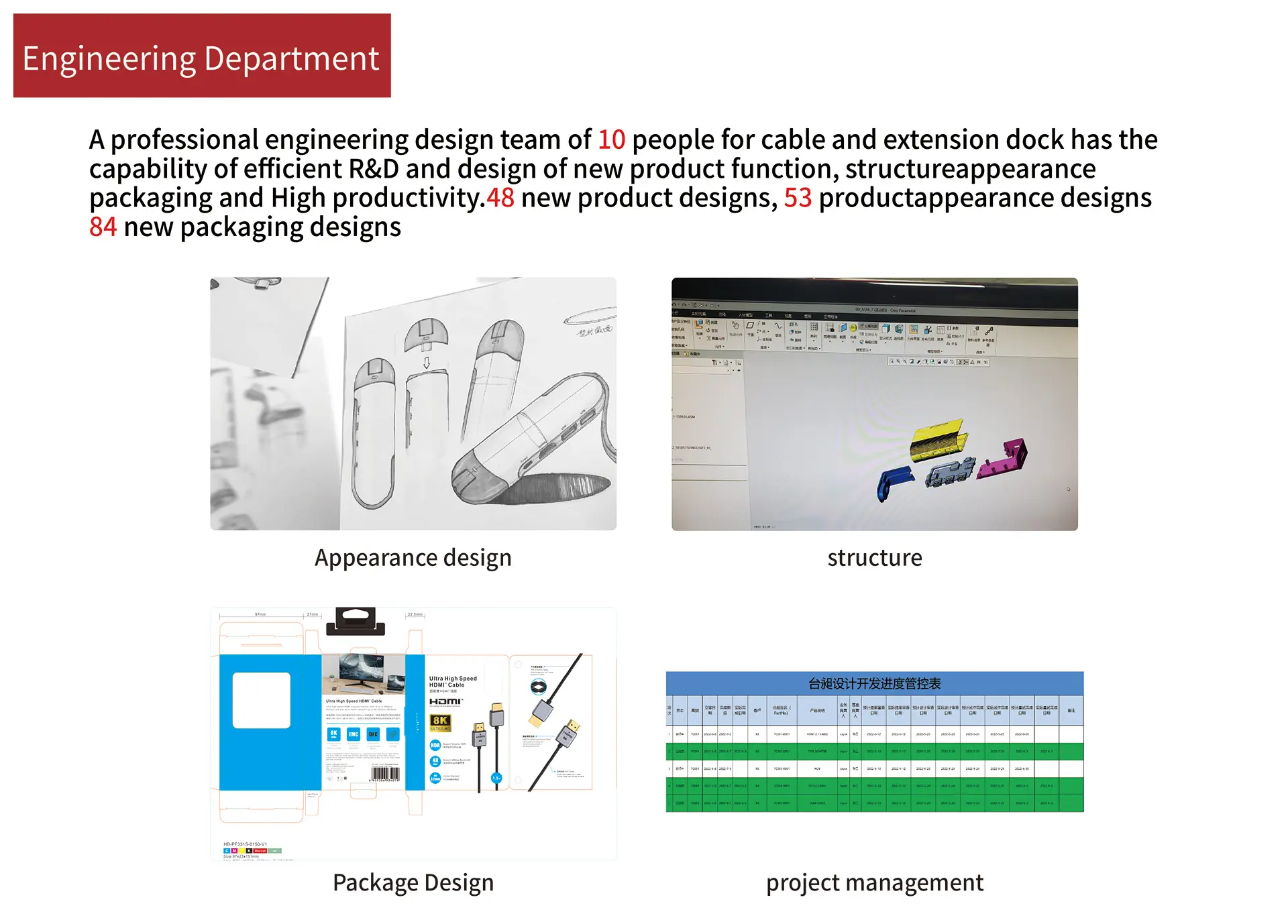
With 38 years to pass professional video and audio peripheral equipment connection line manufacturing as the foundation, Dongguan Taitron Electronics Limited has gradually developed into the high-end audio and video cable and data cable sector. Their current capabilities include researching, developing, and manufacturing products such as HDMI2.1 cables, DP2.0 cables, USB4 data cables, USB-C 3.1Gen2 data cables, high-power USB charging cables, 8K HD conversion cables, and multi-functional Type-C expansion docks.
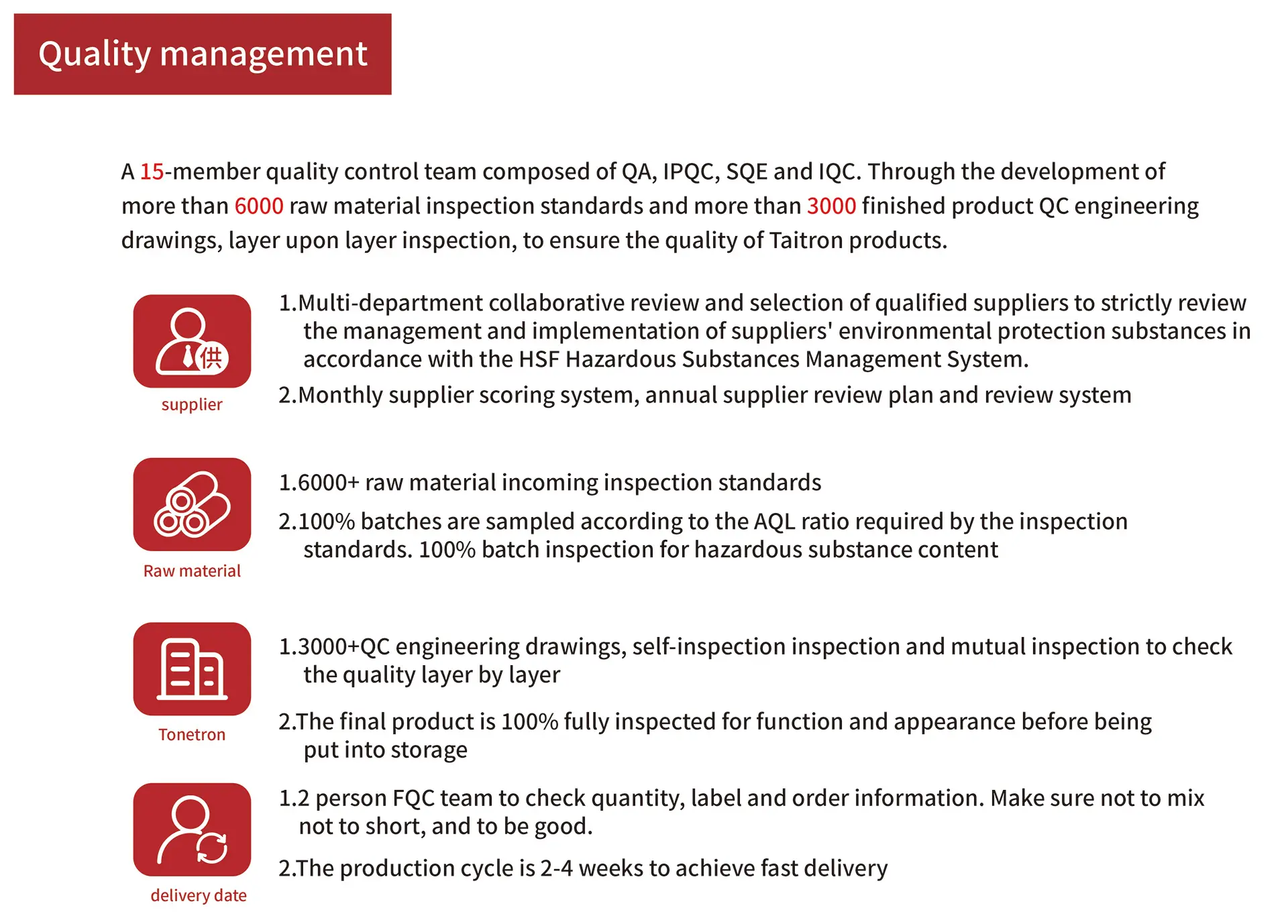

Navigating international trade barriers and product standards requires a rigorous approach to compliance certification. When sourcing connection systems for global markets, manufacturers must hold and maintain valid certifications that guarantee environmental safety, compatibility, and low electromagnetic radiation.
Essential technical and logistical answers for corporate procurement specialists.
Dropouts are typically caused by thermal overload or insufficient power delivery. High-speed chipsets like the RTL8156B can run warm during sustained multi-gigabit transfers. If the adapter is housed in a low-cost, unventilated plastic shell, internal thermal protection circuits may trigger, throttling speeds or temporarily resetting the link. Quality manufacturers use aluminum alloy housings with thermal pads to dissipate heat.
Most modern operating systems (Windows 10/11, macOS, ChromeOS, and Linux kernels 3.9+) include native support for Realtek and ASIX controllers, allowing for plug-and-play integration. However, older enterprise configurations or legacy installations may require manual driver loading, which can be pre-configured by writing custom VID/PID parameters to the adapter's EEPROM.
Industrial settings are prone to static discharge and voltage surges. Adapters equipped with integrated transient voltage suppressors (TVS) and ESD protection (meeting IEC 61000-4-2 standards for ±8kV contact and ±15kV air discharge) prevent voltage spikes from damaging the internal network controller chip, ensuring reliable continuous operation.
In multi-port adapters with PD pass-through, the USB-C controller dynamically manages power routing. High-quality designs isolate data and power pathways on the PCB to prevent electrical noise from the charging line from interfering with high-frequency network signals.
For standard ABS or simple aluminum alloy extrusions, factory MOQs typically begin at 1,000 units. For custom CNC tooling, dynamic chassis alterations, or specific Pantone matches, MOQs generally start at 3,000 to 5,000 units, depending on manufacturing setup requirements.
Extended array of high-quality adapter structures, signal cables, and multiport dock systems.
 Taichang Electronic