Explore our foundational range of premium signal transmission cables, custom-developed to meet international performance and testing specifications.
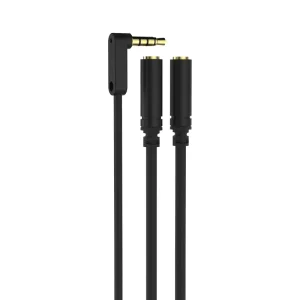
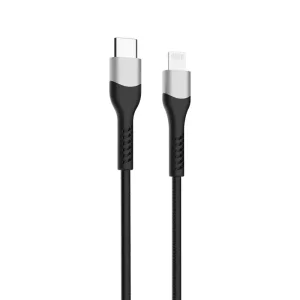
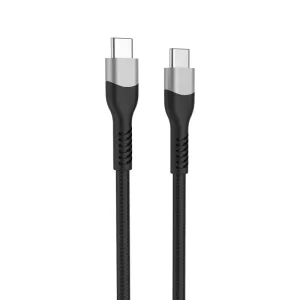
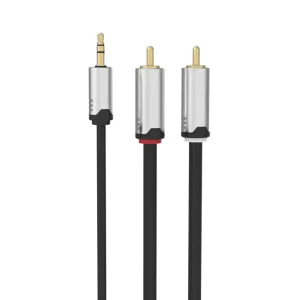
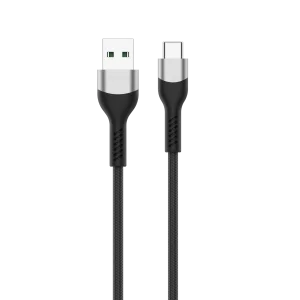
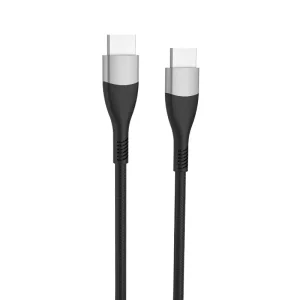
A statistical projection of our capabilities, high-speed output capacity, and foundational manufacturing pedigree.
A comprehensive study on wire HDMI architecture, transmission physics, global supply chain structures, and factory-level selection frameworks.
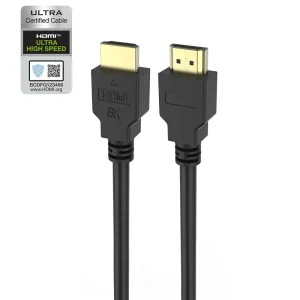
In modern digital signal distribution, high-definition multimedia interfaces (HDMI) form the backbone of commercial display infrastructures, broadcast control systems, and residential home theaters. As high-speed networking standards shift toward ultra-high-definition (UHD) video playback at 8K and 10K resolutions, the raw physical engineering of the wire is subjected to rigorous electromagnetic limitations. Under the HDMI 2.1a specification, the maximum transition-minimized differential signaling (TMDS) throughput has been surpassed by Fixed Rate Link (FRL) technology, expanding bandwidth thresholds up to 48 Gbps.
Achieving this requires precise control over signal attenuation, skin effect losses, and crosstalk within the cable assembly. At Dongguan Taitron Electronics, our cable construction leverages oxygen-free high-conductivity (OFHC) copper conductors insulated with physically foamed polyethylene (FPE). This composition maintains consistent impedance matching around 100 ohms (±5 ohms deviation tolerances). By employing multi-layered shielding strategies containing aluminum-mylar foil paired with tight density tinned copper braiding (covering greater than 85% of the total outer diameter), we isolate high-frequency lines from local electromagnetic interference (EMI) and radio frequency interference (RFI).
Technical Insight: Active Optical Fiber (AOC) vs. Passive Copper: While passive copper remains optimal for high-current delivery and durability at lengths below 5 meters, active optical fiber conversion utilizing micro-optics within the connector housing becomes mandatory for runs spanning up to 100 meters to bypass the physical physics of high-frequency attenuation.
Industrial display configurations require ruggedized interconnect solutions. In harsh manufacturing zones, smart factory integration projects rely heavily on visual inspection systems utilizing machine-vision cameras connected through reliable HDMI or DisplayPort architectures. The physical wires must withstand constant vibration, localized temperature shifts, and potential exposure to chemical contaminants.
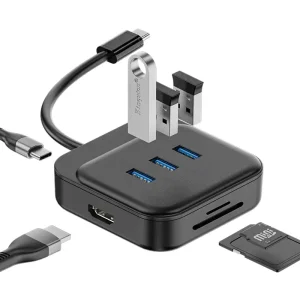
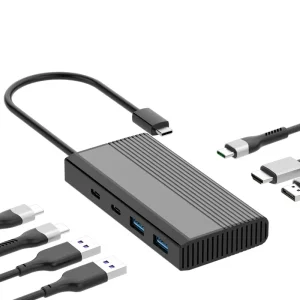
Similarly, in high-end medical imaging rooms (MRI, CT scans, and surgical displays), signal lag and digital artifacts are unacceptable. These applications utilize our shielded HDMI assemblies and high-performance Type-C expansion docks to stream high-resolution, uncompressed video signals from imaging equipment to diagnostic monitors in real-time. By selecting the correct wire gauge (ranging from 24 AWG to 30 AWG depending on path length), integration engineers can prevent signal drops and avoid costly installation setbacks.
| HDMI Specification Version | Maximum Bandwidth | Max Resolution & Refresh Rate | Ideal Wire Gauge Range (AWG) | Primary Transmission Technology |
|---|---|---|---|---|
| HDMI 1.4 | 10.2 Gbps | 4K @ 30Hz / 1080p @ 120Hz | 28 AWG - 30 AWG | TMDS (Transition Minimized Differential) |
| HDMI 2.0 | 18.0 Gbps | 4K @ 60Hz / 1440p @ 144Hz | 26 AWG - 30 AWG | TMDS (Transition Minimized Differential) |
| HDMI 2.1a | 48.0 Gbps | 8K @ 60Hz / 4K @ 120Hz / 10K | 24 AWG - 28 AWG (or AOC) | FRL (Fixed Rate Link) & DSC 1.2a |
Global supply chain logistics require strict compliance with international testing agencies. The European market mandates CE Certification, requiring strict adherence to EMI/EMC directives. Meanwhile, companies distributing smart accessories inside the Apple ecosystem must verify MFi certification.
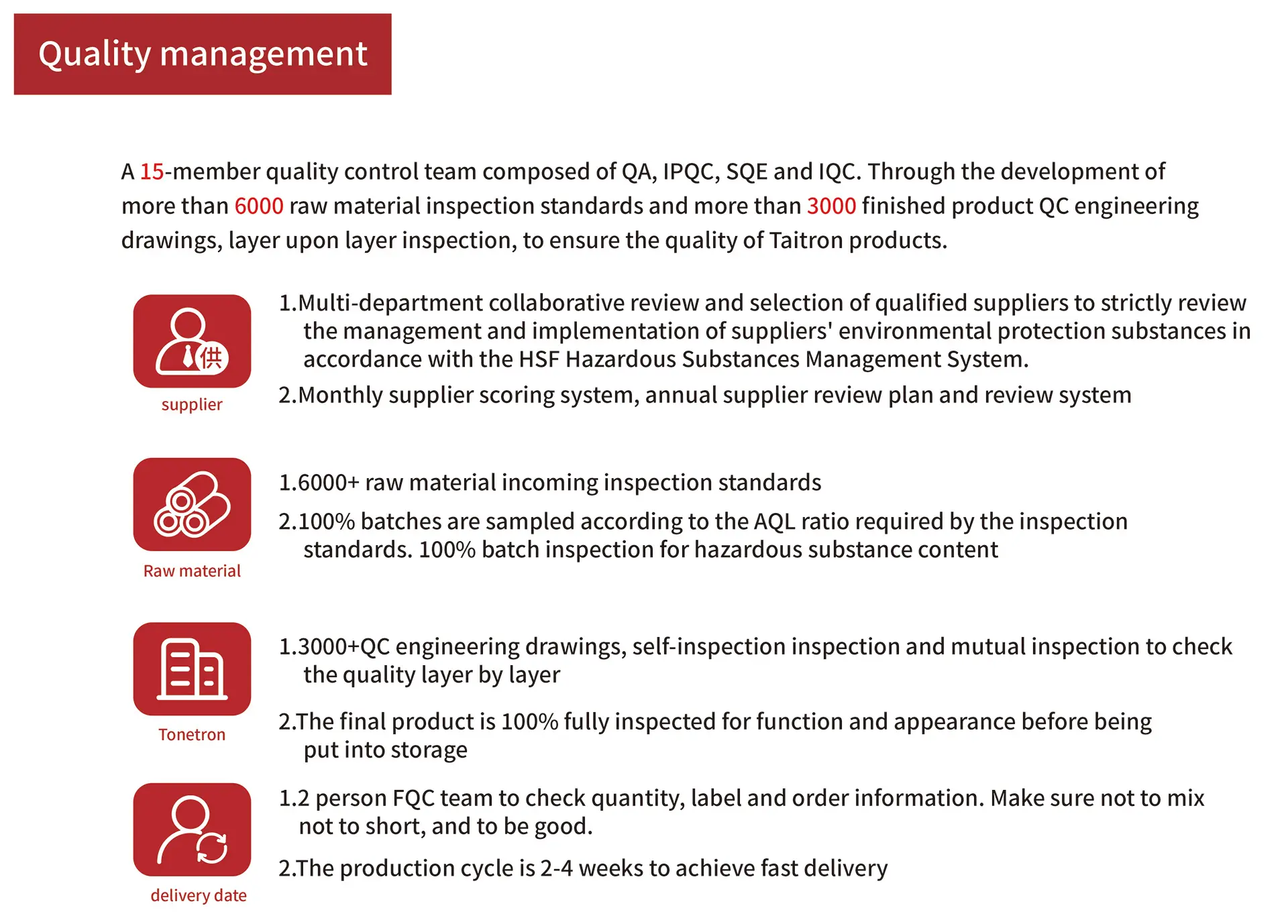
To ensure compatibility with global standards, our quality control facilities implement regular time-domain reflectometer (TDR) measurements, network analyzer assessments, and specialized environment simulation tests. This ensures our products meet all standard requirements for fire-retardant cable routing jackets (such as CL2, CL3, and LSZH options), preventing legal challenges and safety concerns for building installers worldwide.
Deep-rooted engineering expertise passing down through decades of hardware developments and technological shifts.
Originally founded in Keelung, Taiwan in 1984 under the name Tonetron, our enterprise quickly recognized the potential of professional video and audio peripheral equipment connection lines. In 1993, to expand our production capacity and meet growing global demand, we relocated to a self-built independent production industrial park in Dalingshan Town, Dongguan City, China, officially changing our name to Dongguan Taitron Electronics Limited.
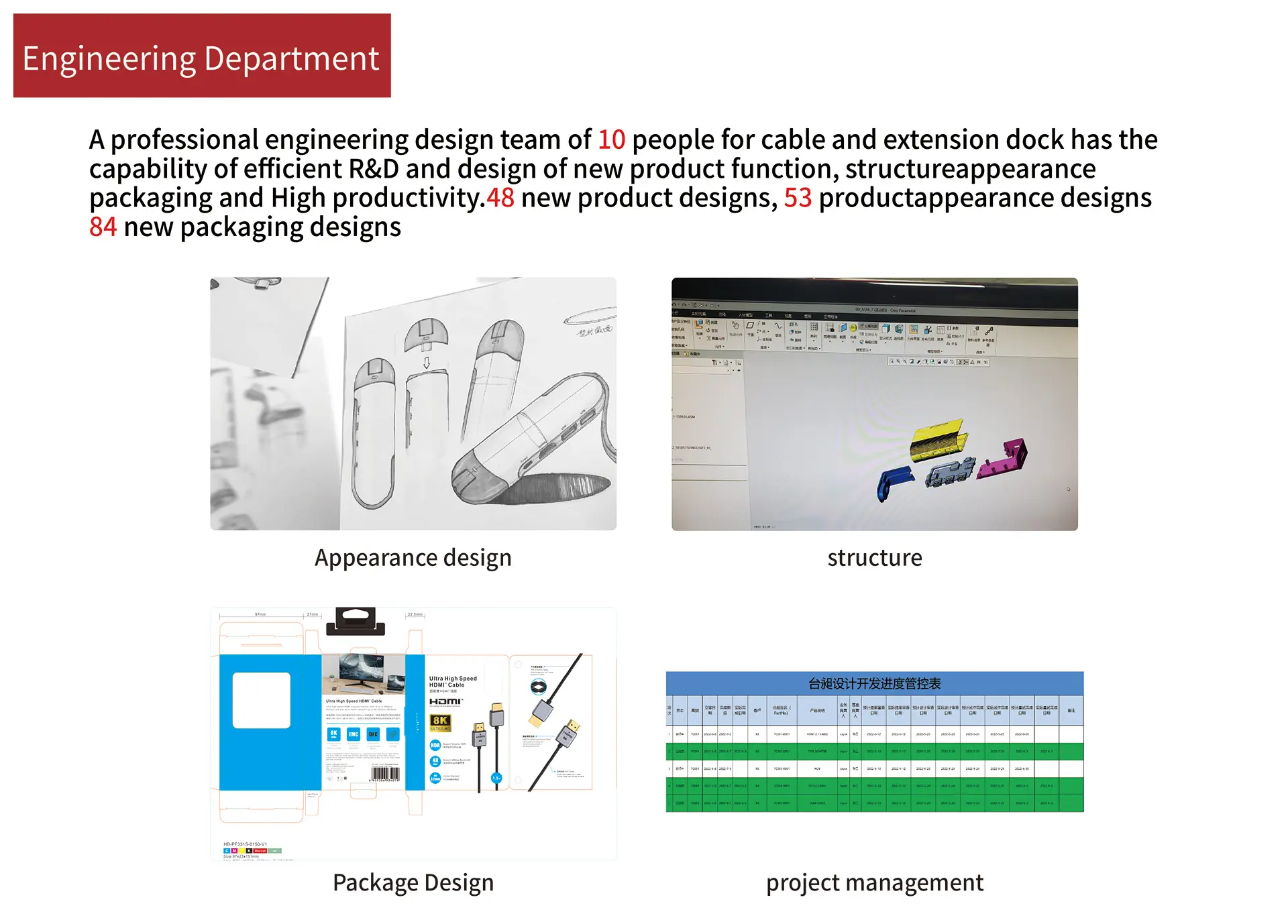
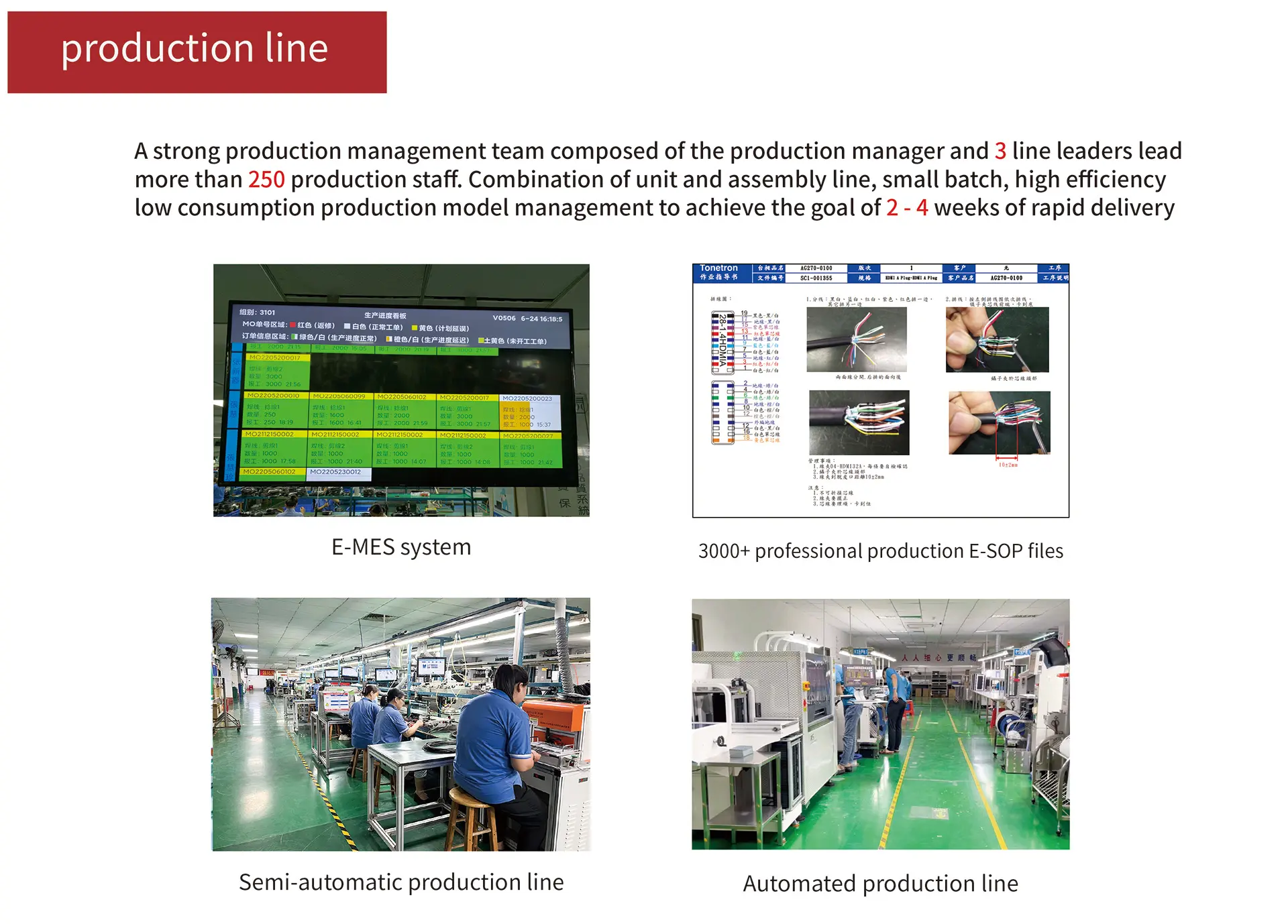
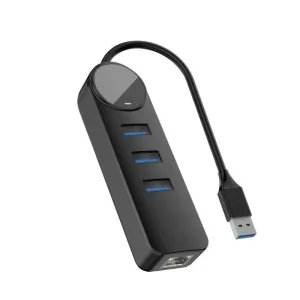
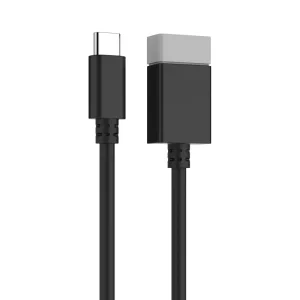
Over the past 38 years, our team has accumulated deep manufacturing and R&D experience. From our beginnings in analog audio/video cabling, we have continuously advanced into high-end digital transmission technologies. Today, our catalog includes cutting-edge interfaces such as HDMI 2.1 cables, DP 2.0 cables, USB4 data cables, USB-C 3.1 Gen2 cables, high-power USB charging cables, 8K HD conversion cables, and multi-functional Type-C expansion docks. Our production facilities integrate tooling design, plastic injection molding, automated welding, assembly, and testing under one roof, providing robust support for global OEM and ODM projects.

B2B buyers, supply managers, and distribution partners require reliable, structured pricing when purchasing wire and cable solutions. The unit cost of high-quality HDMI cables is primarily determined by raw material indices (principally LME copper prices), shielding specifications, connector plating depth (such as 15u" to 50u" gold plating), and jacket materials (such as standard PVC versus RoHS-compliant halogen-free TPE).
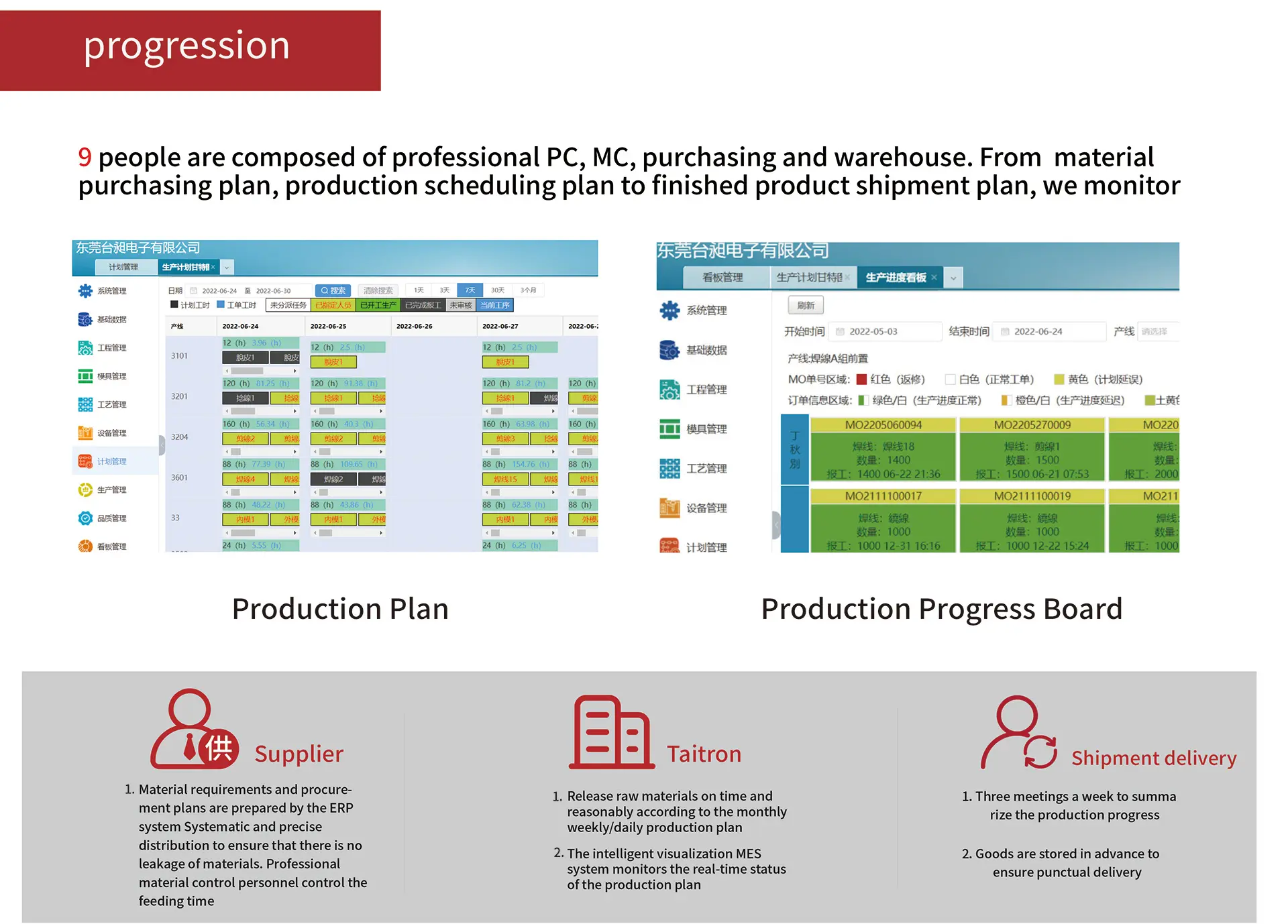
Our pricing matrix is built on high production efficiency and optimized supply chain logistics, ensuring competitive rates without compromising on quality. In addition, we offer customized packaging design (such as retail color boxes, polybag packaging, and industrial bulk packing) to help reduce transportation costs and simplify customs clearance in the destination country.
The copper interconnect industry is shifting from traditional physical layouts toward hybrid architectures. With the development of the USB4 and DP 2.0/2.1 standards, the line between video transmission and raw data transfer continues to blur. Over the next decade, we expect to see wider adoption of PAM3/PAM4 multi-level signaling technologies, which will allow for higher data throughput over existing physical wire gauges. Our engineering department is focused on developing future-ready solutions to support these high-speed specifications while maintaining cost-effective manufacturing processes.
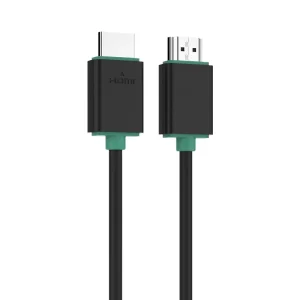
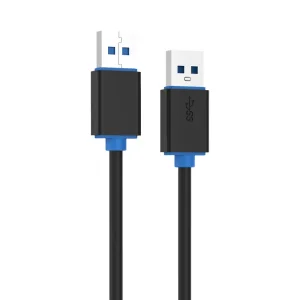
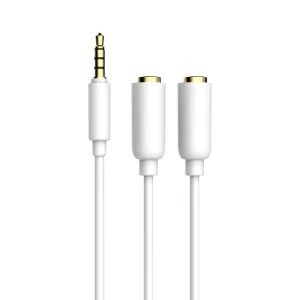
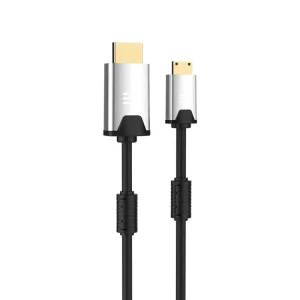
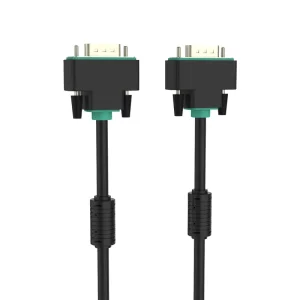
A detailed view of our secondary product catalog, including high-speed conversion dongles, docking stations, and custom high-resolution connection lines.
 Taichang Electronic