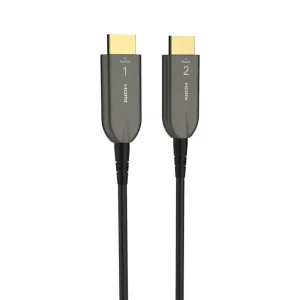
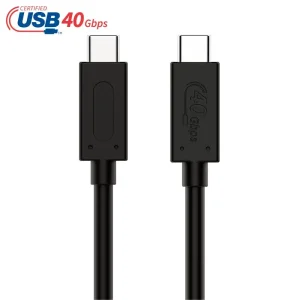
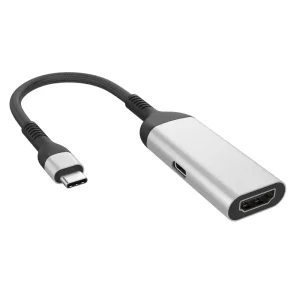
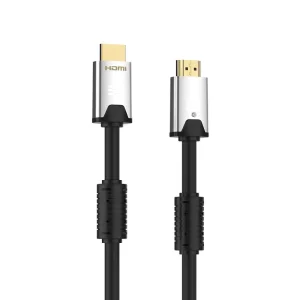
Industrial-grade components built for global deployment, featuring enhanced shielding, certified specifications, and robust jacket constructions.
Understanding data limits, charging capabilities, and physical layouts of modern cable standards.
Even with the launch of USB4 and Thunderbolt 4 architectures, the 480Mbps USB 2.0 standard remains the primary configuration for charging infrastructure. By utilizing the dedicated D+/D- differential lines, this architecture maintains a clean separation between raw power routing and high-frequency data lines. This minimizes signal attenuation, ensures broad compatibility with standard power adapters, and avoids the layout complexity and costs of high-speed active controllers. For standard operations like charging an iPhone 15 or syncing peripherals, it offers a highly efficient power-to-performance ratio.
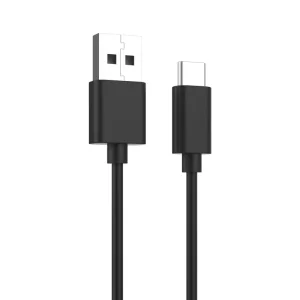
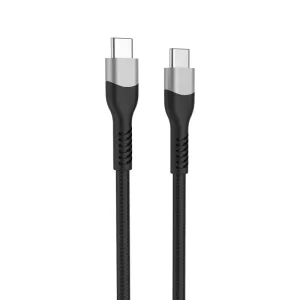
With Apple's transition from Lightning to the USB-C standard interface on the iPhone 15 series, systemic compatibility requirements have changed. The baseline iPhone 15 utilizes a USB C 2.0 controller that supports a data transfer speed of 480Mbps. Using a high-quality USB C to C 2.0 cable with proper E-Marker negotiation enables safe Power Delivery (PD) up to 60W (3A / 20V) or 100W (5A / 20V) without extra heat. This approach provides safe, steady charging while avoiding the unnecessary cost of expensive USB-C 3.2 gen 2 or active copper cables.
Modern slim cables reduce wire diameters (down to an Outer Diameter of 2.8mm to 3.2mm) while maintaining structural integrity. Our advanced engineering teams use thinner, high-purity oxygen-free copper (OFC) cores paired with dense protective layers. By upgrading from bulky insulation jackets to slim PVC formulations, these cables remain highly flexible and easy to manage in tight spaces, making them ideal for consumer devices, travel kits, and compact workspace setups.
How our manufacturing lines guarantee performance, structural durability, and electrical safety.
Customizing connectivity and power distribution networks for demanding enterprise applications.
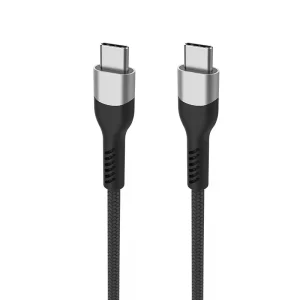
For large office spaces, keeping cables organized is key. Thin, braided USB C to C 2.0 cables provide a durable and flexible solution for charging mobile setups, laptops, and desktop peripherals. Using a PVC outer layer reinforced with a tight nylon/cotton braid protects against wear and tear in high-use environments. This reduces replacement costs and keeps office connections running smoothly.
In medical settings, cables must meet strict safety standards. Our custom PVC braided USB-C cables are designed with non-porous outer jackets that are easy to clean and sanitize. The double-shielded design prevents electromagnetic interference (EMI) from disrupting nearby sensitive medical devices, ensuring reliable power and data performance in critical environments.
Smart classrooms and university labs require durable, cost-effective charging setups. Standard USB C 2.0 cables are ideal for bulk charging carts, tablets, and student laptops. Our robust strain-relief moldings protect the internal connections from rough daily handling, keeping devices powered up and ready for learning.
Meeting international standards to ensure worry-free customs clearance and safe operations worldwide.
We source raw PVC and braiding materials that strictly comply with REACH and RoHS guidelines. This guarantees that all components are free from harmful phthalates, heavy metals, and toxic chemical compounds. By keeping our materials clean, our cables are safe for use in consumer electronics, classrooms, and workplaces around the world.
Every cable batch undergoes testing to ensure electromagnetic compliance. Our shielded twisted-pair designs block RF noise, meeting the strict requirements for CE and FCC marks. This prevents interference with wireless networks, Bluetooth setups, and other nearby electronics.
We provide full documentation, factory test reports, and compliance certificates for global distribution. This helps procurement teams avoid customs issues, tariff delays, or retail hold-ups, ensuring your shipments arrive on time and ready for sale.
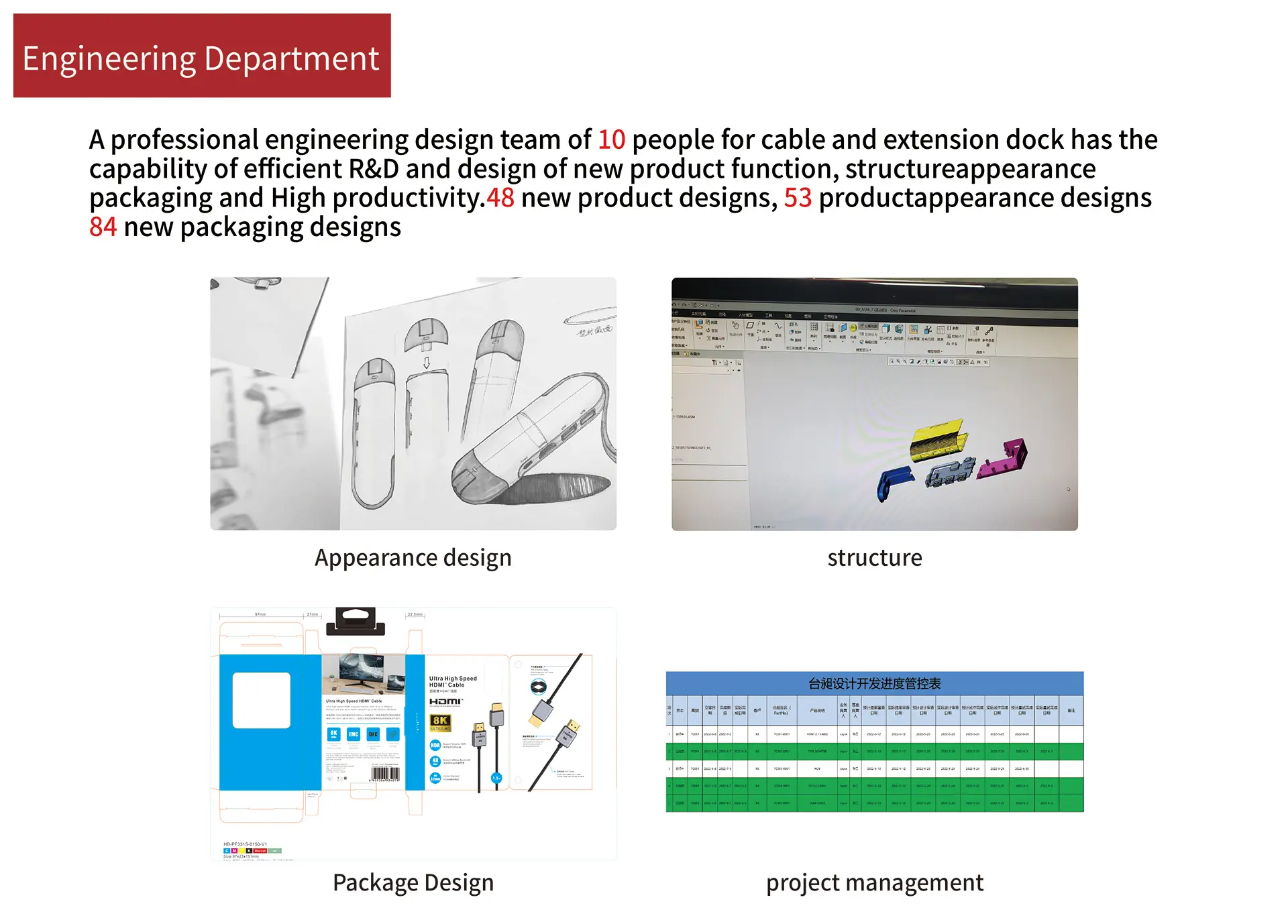
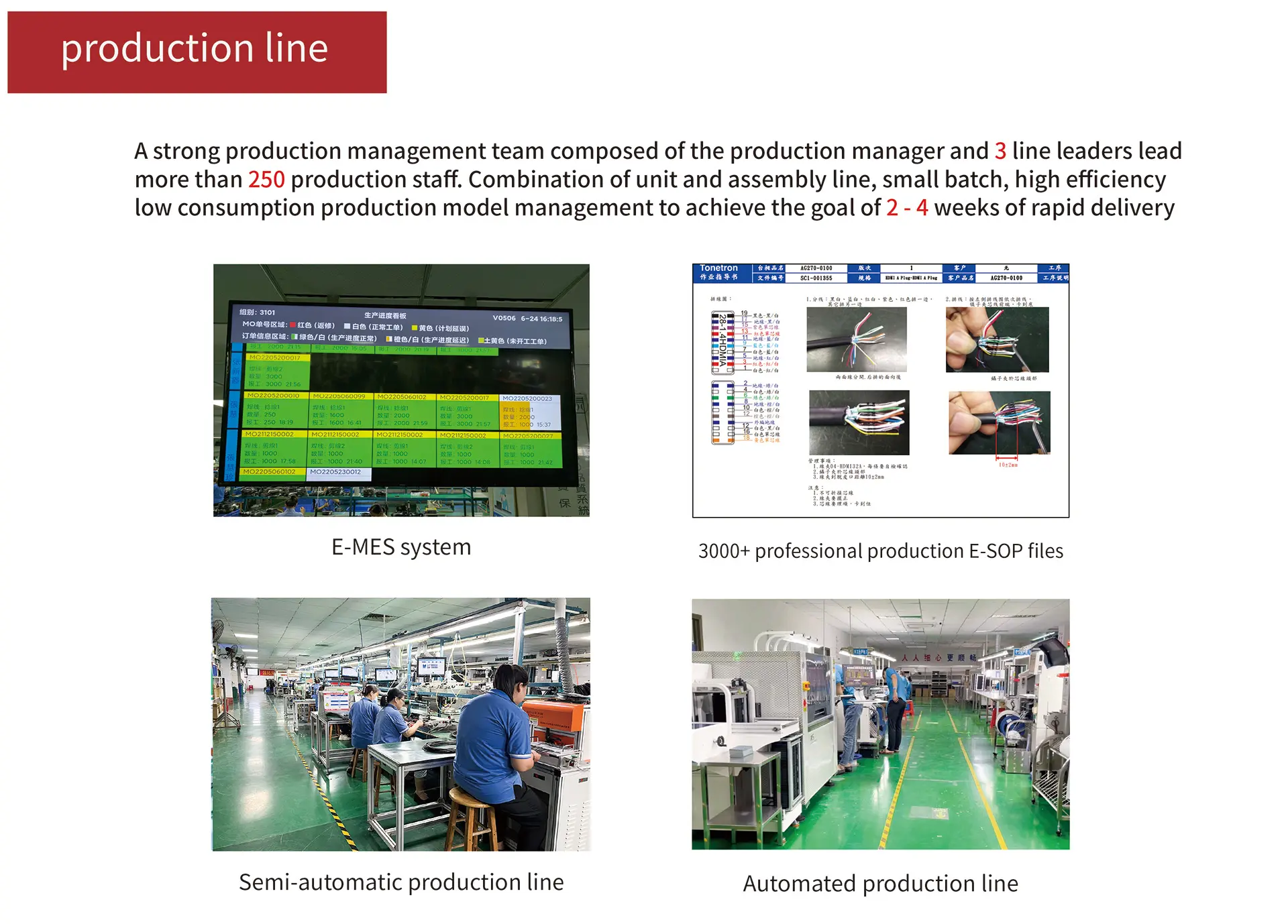
Combining automated production lines with strict quality controls at our Dongguan facilities.
Our factory utilizes high-precision automated soldering and laser-welding machines to attach connector pins with absolute consistency. This automated assembly minimizes contact resistance and significantly improves strain relief compared to manual soldering. Our efficient setup allows us to quickly ramp up production for high-volume orders.
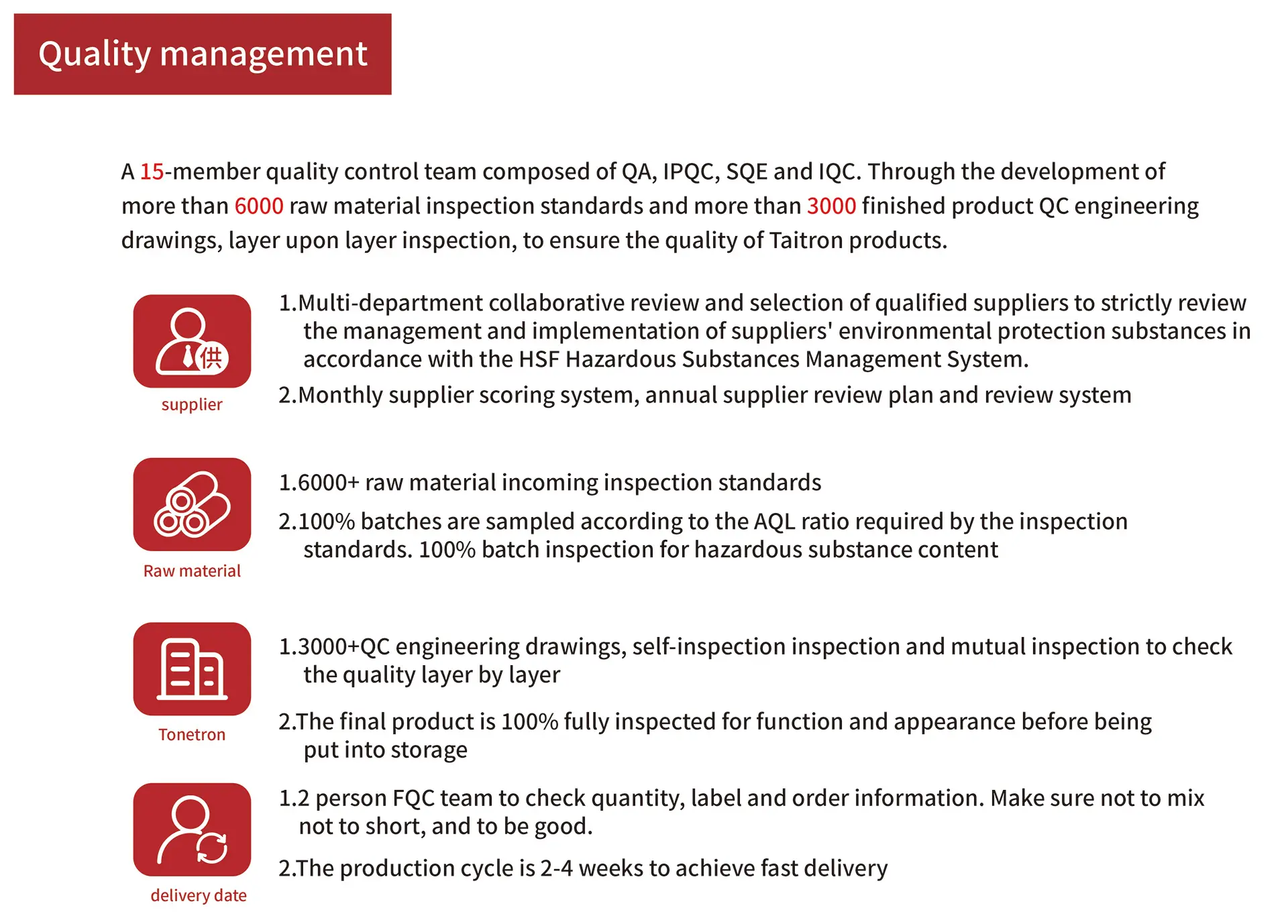
Every single cable undergoes dynamic electrical testing on the line. We check continuity, measure impedance, and test insulation resistance to ensure high performance. This strict screening filters out defective items before packaging, keeping our defect rates extremely low.
By keeping production processes under one roof, we manage everything from copper drawing to PVC formulation and outer braiding. This vertical integration helps us secure raw materials at stable costs, protect against supply chain delays, and pass the savings on to our customers.
Over 38 Years of Audio, Video, and High-Speed Data Cable Engineering Excellence.
In 1984, Dongguan Taitron Electronics Limited., formerly known as Tonetron, was founded in Keelung, Taiwan. In 1993, it moved to the self-built independent production industrial park in Dalingshan Town, Dongguan City, China, and changed its name to Dongguan Taitron Electronics Limited.
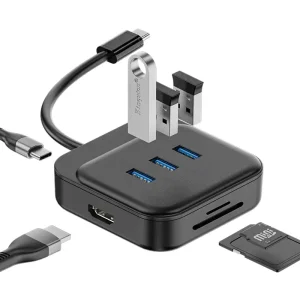
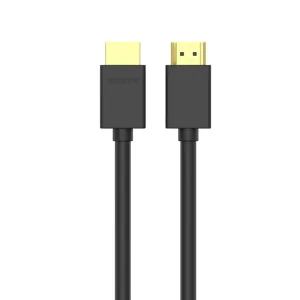
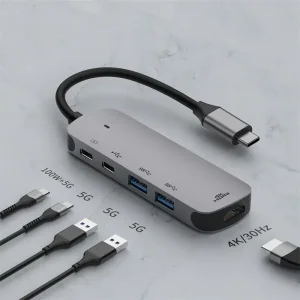
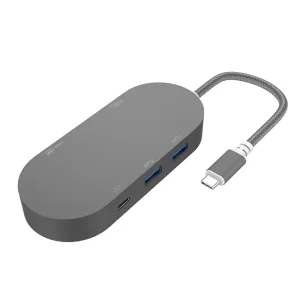
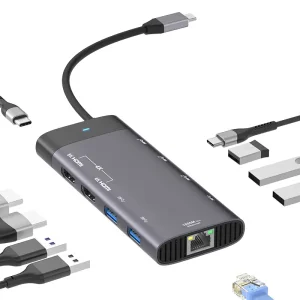
For 38 years, our foundation has been built on manufacturing professional video and audio peripheral equipment connection lines. Over the decades, we have expanded our research, development, and manufacturing capabilities to include high-end audio and video cables, data cables such as HDMI 2.1, DP 2.0, USB4, USB-C 3.1 Gen2, high-power USB charging cables, 8K HD conversion cables, and multi-functional Type-C docking stations.
Streamlining bulk purchasing for distributors, retail brands, and OEM/ODM clients.
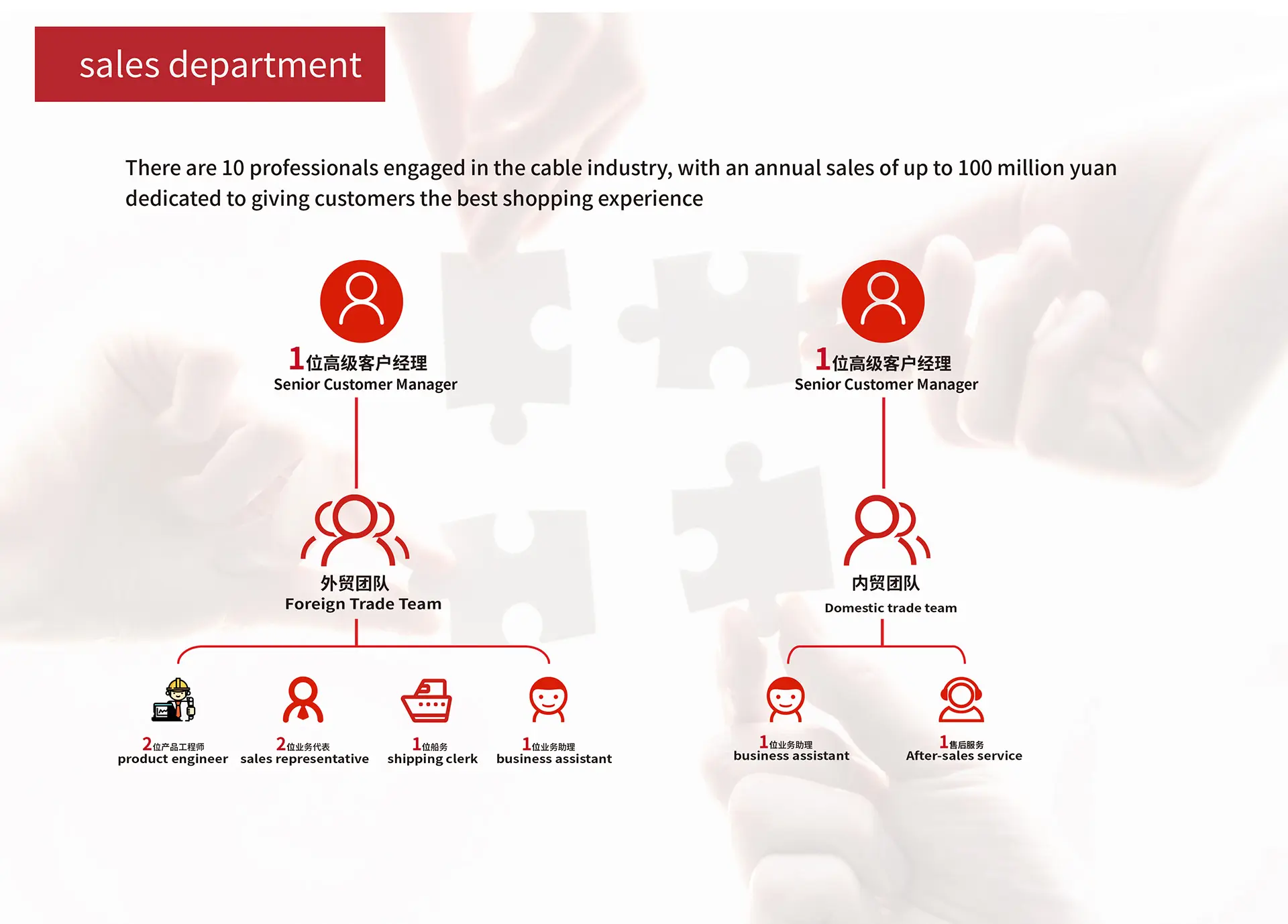
We offer full OEM and ODM services, including customized retail packaging, barcode printing, and private labeling. Whether you need blister packs, eco-friendly paper boxes, or retail-ready hangtags, our packaging lines can match your brand's style guidelines.
Our pricing model scales with your order volume, giving you clear cost breakdowns for raw materials, assembly, and packaging. We work to lower per-unit costs on larger runs, helping you maintain healthy profit margins in competitive markets.
We work with experienced shipping partners to offer FOB, CIF, DDP, and EXW delivery options. Our logistics team handles customs paperwork and shipping routes to ensure your products arrive smoothly at your distribution centers.
Answers to common questions about specifications, ordering, and factory production.
1. Can a 480Mbps USB C 2.0 Cable support 60W or 100W Power Delivery?
Yes. Data transfer rates and charging speeds run on separate pins within the USB-C connector. A cable can transfer data at 480Mbps while carrying 60W (3A) or 100W (5A) of power, provided it uses the correct gauge wire and an integrated E-Marker chip for 5A configurations.
2. Is the iPhone 15 fully compatible with these USB C 2.0 Cables?
Yes, the base iPhone 15 and iPhone 15 Plus models feature USB 2.0-capable Type-C ports. Our USB C 2.0 cables are designed to handle both charging and data transfer for these devices at standard 480Mbps speeds.
3. What makes PVC Braided Cables better than standard TPE options?
PVC braided cables offer a balanced mix of flexibility and durability. The PVC core protects the internal wiring, while the outer braided sleeve adds extra resistance to friction, twisting, and general wear, making them ideal for heavy daily use.
4. Why choose a slim USB-C cable over a standard thick cable?
Slim cables are lighter, more flexible, and easier to pack, making them popular for travel and tidy workspaces. Although they are thinner, they still contain shielded wiring to prevent signal loss and ensure safe charging.
5. What is the MOQ for custom OEM cable runs?
Our standard Minimum Order Quantity (MOQ) for custom cable runs starts at 1,000 to 3,000 units per specification, depending on the customization needed (such as custom branding, packaging, or special colors).
6. How does the factory verify cable quality?
We perform continuity testing, insulation resistance testing, physical bend testing, and plug/unplug cycle tests on our production lines to ensure every cable meets our quality standards.
7. Are your PVC materials RoHS and REACH compliant?
Yes, all our raw PVC materials are tested to ensure compliance with RoHS and REACH standards. This guarantees our products are free from restricted chemicals and safe for global markets.
From advanced high-speed video converters to durable daily charging accessories.
 Taichang Electronic