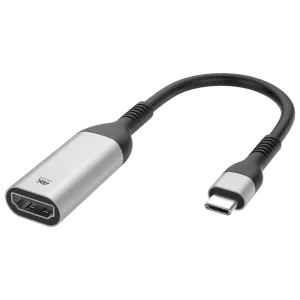
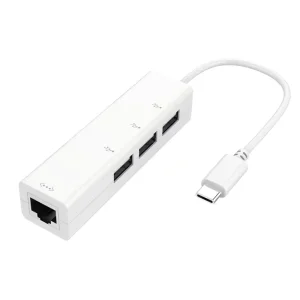
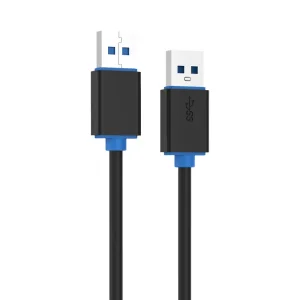
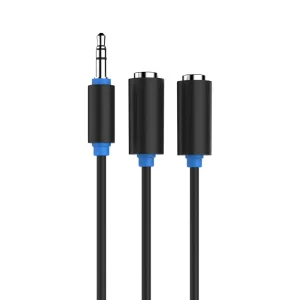
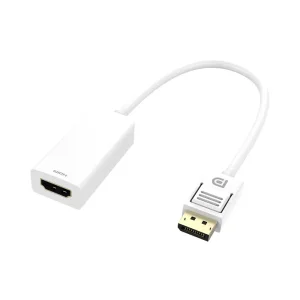
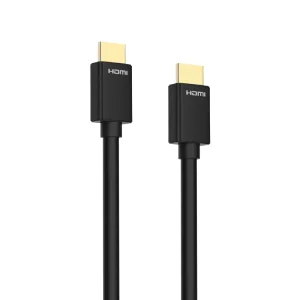
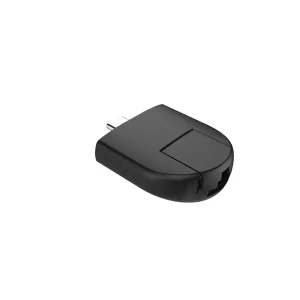
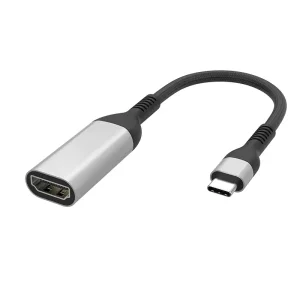
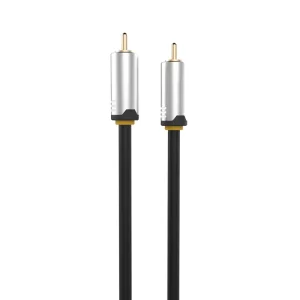
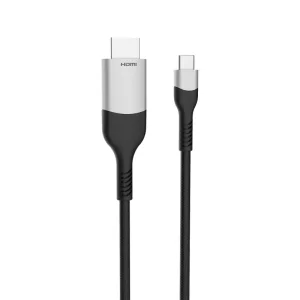
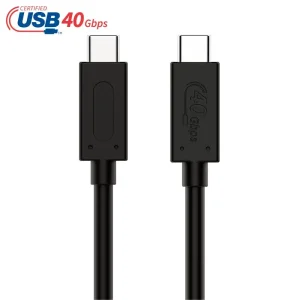
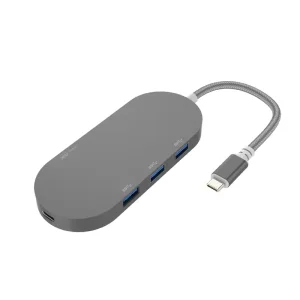
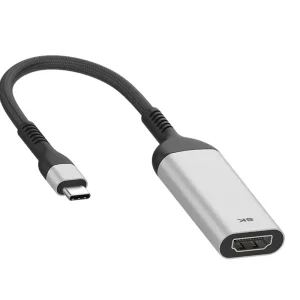
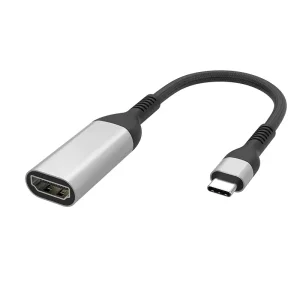
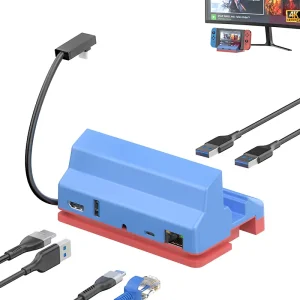
Explore our core engineering catalog featuring state-of-the-art signal converters, high-speed docks, and ultra-durable data transfer systems manufactured under rigid international standards.
How Modern B2B Procurement and Networking Paradigms Drive the Demand for USB-to-RJ45 Hardware Architecture.
In the contemporary digital landscape, corporate environments and industrial facilities are facing a structural paradox. On one hand, thin-and-light laptop designs, rugged tablets, and IoT edge devices have discarded the physical RJ45 Ethernet port to achieve ultra-compact form factors. On the other hand, the requirement for reliable, zero-latency, secure gigabit and multi-gigabit connections remains absolute in modern operational environments. Consequently, the humble Ethernet Cable to USB Converter has transformed from a simple retail accessory into a business-critical hardware interface for global enterprises.
"Enterprise networks cannot rely solely on congested wireless spectra (Wi-Fi 6E/7) for operations handling high-throughput telemetry, financial transactions, or proprietary intellectual property. Hardwired copper lines remain the gold standard, elevating the strategic importance of reliable USB Network Adapters."
For decades, the standard USB-A 2.0 network adapter was sufficient for basic 100Mbps Ethernet connectivity. However, the rise of big data analytics, real-time cloud collaboration, industrial camera feeds, and automated production pipelines has driven the transition to Gigabit (1000Mbps) and Multi-Gigabit (2.5Gbps/5Gbps/10Gbps) standards. Modern converters integrate advanced Ethernet controller chipsets (such as Realtek's RTL8153 and RTL8156, or ASIX's AX88179) that support advanced protocols including Wake-on-LAN (WoL), PXE Boot, and MAC Address Pass-Through.
Furthermore, the universal rollout of the USB Type-C (USB-C) interface, alongside USB4 and Thunderbolt 4 architectures, allows converters to handle not only high-speed network traffic but also concurrent Power Delivery (PD) and display signal protocols. An engineering project manager sourcing connectivity devices must ensure their supply partner is equipped to produce high-frequency, multi-layer PCBA layouts capable of processing these high-speed signals without crosstalk, electromagnetic interference (EMI), or thermal throttling.
Native hardware optimization supporting up to 2.5G/5G Ethernet speeds over standard USB 3.2 Gen 2 and Type-C data lanes.
Fully compliant with IEEE 802.1X security networks, supporting MAC address cloning and PXE network installation.
Integrated Power Delivery (PD) pass-through options supporting up to 100W charging for host devices.
Leveraging 38+ Years of Audio, Video, and Data Interconnection Manufacturing Expertise.
In 1984, Dongguan Taitron Electronics Limited., formerly known as Tonetron, was founded in Keelung, Taiwan. In 1993, recognizing the structural shifts in global electronics assembly, the company moved its operations to a self-built, independent production industrial park in Dalingshan Town, Dongguan City, China, changing its official operating name to Dongguan Taitron Electronics Limited.
Over a span of 38 years, Taitron has established itself on the foundation of professional video and audio peripheral equipment connection line manufacturing. We have gradually developed our expertise into high-end audio and video cables and data cables, including HDMI 2.1 cables, DP 2.0 cables, USB4 data cables, USB-C 3.1 Gen2 data cables, high-power USB charging cables, 8K HD conversion cables, multi-functional Type-C expansion docks, and various advanced conversion adapters. Today, our facility operates as a fully integrated, state-of-the-art center for research, development, and high-volume manufacture.
Founded in Taiwan
Years Engineering Experience
Automated Quality Controls
Certified Facility
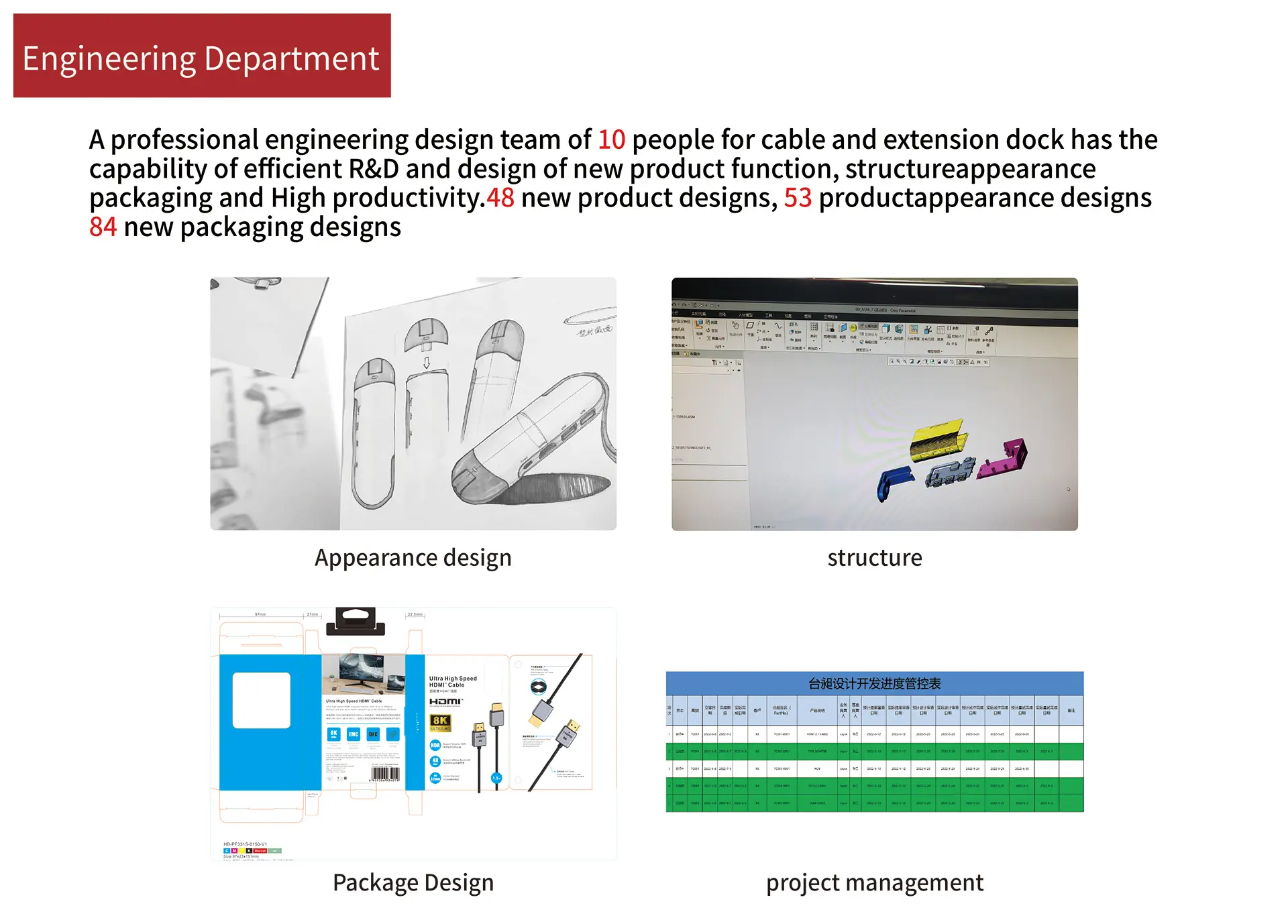
Taitron's engineering department focuses on signal integrity, high-frequency design optimization, and mechanical durability. Our products are designed to withstand rugged physical applications, environmental shifts, and electrical surges. We utilize premium raw materials, ensuring that every converter, cable, and dock conforms to strict environmental standards, including RoHS and REACH, and holds crucial safety certificates like CE, FCC, and UL.
How vertical integration and automated testing translate to lead-time predictability and cost benefits for global buyers.
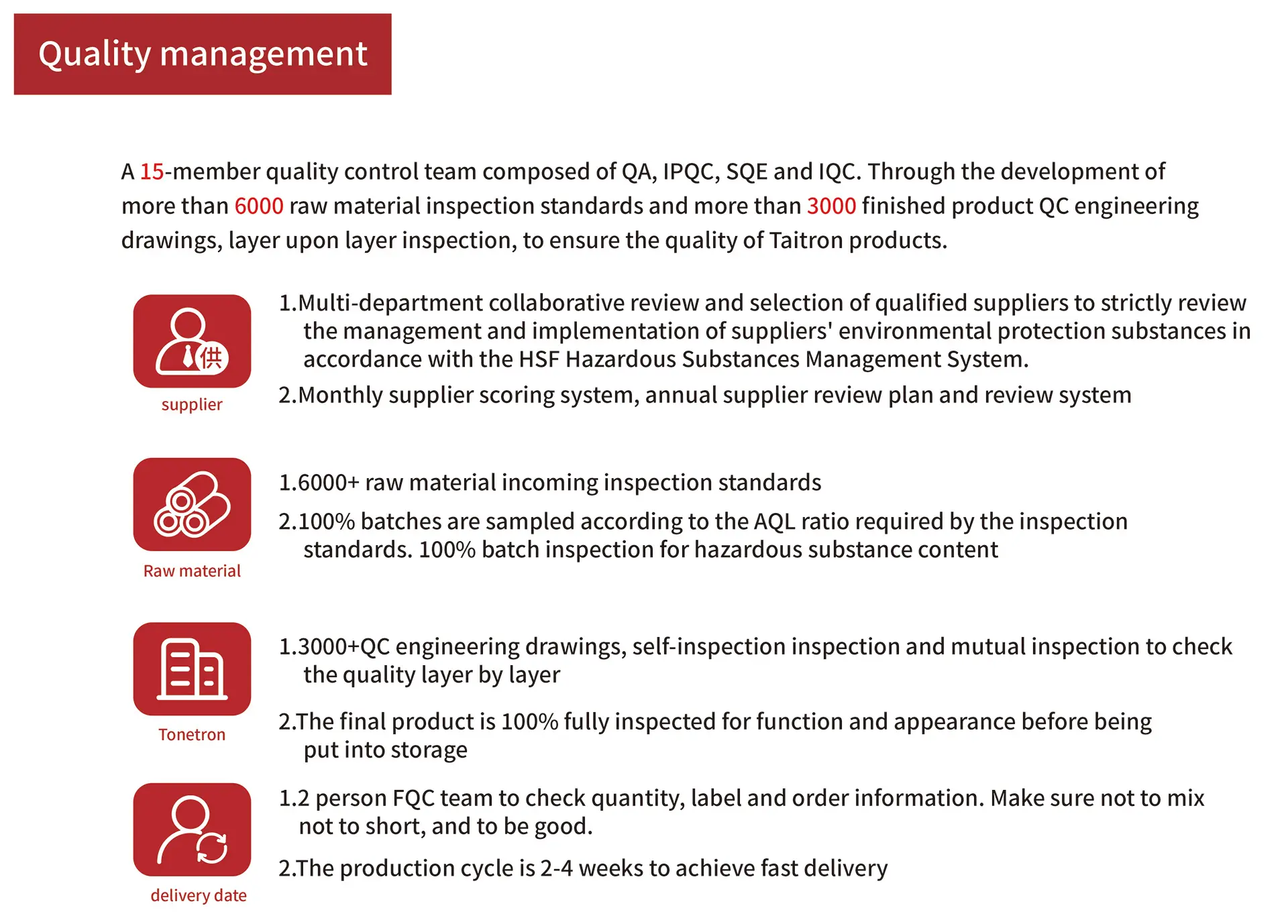
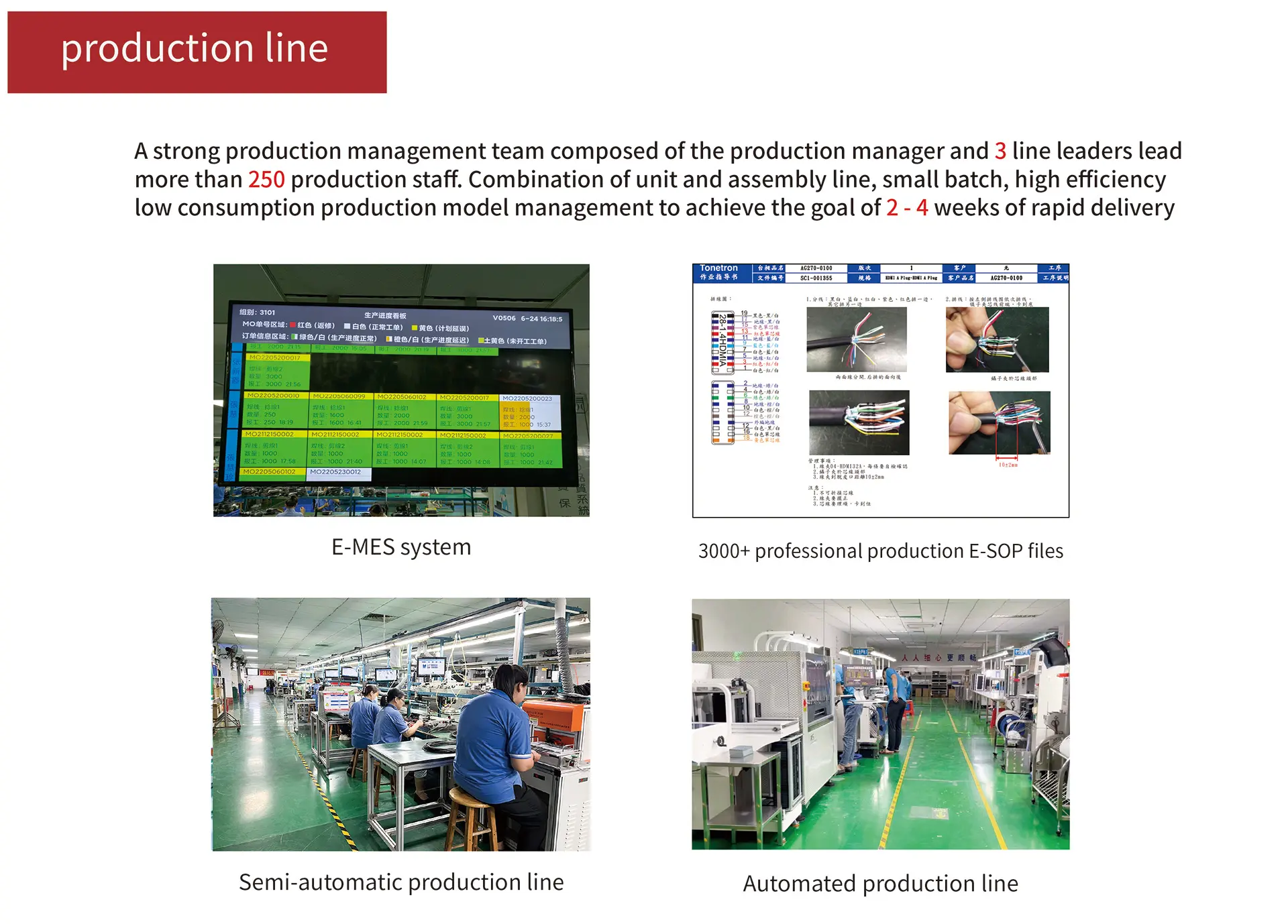
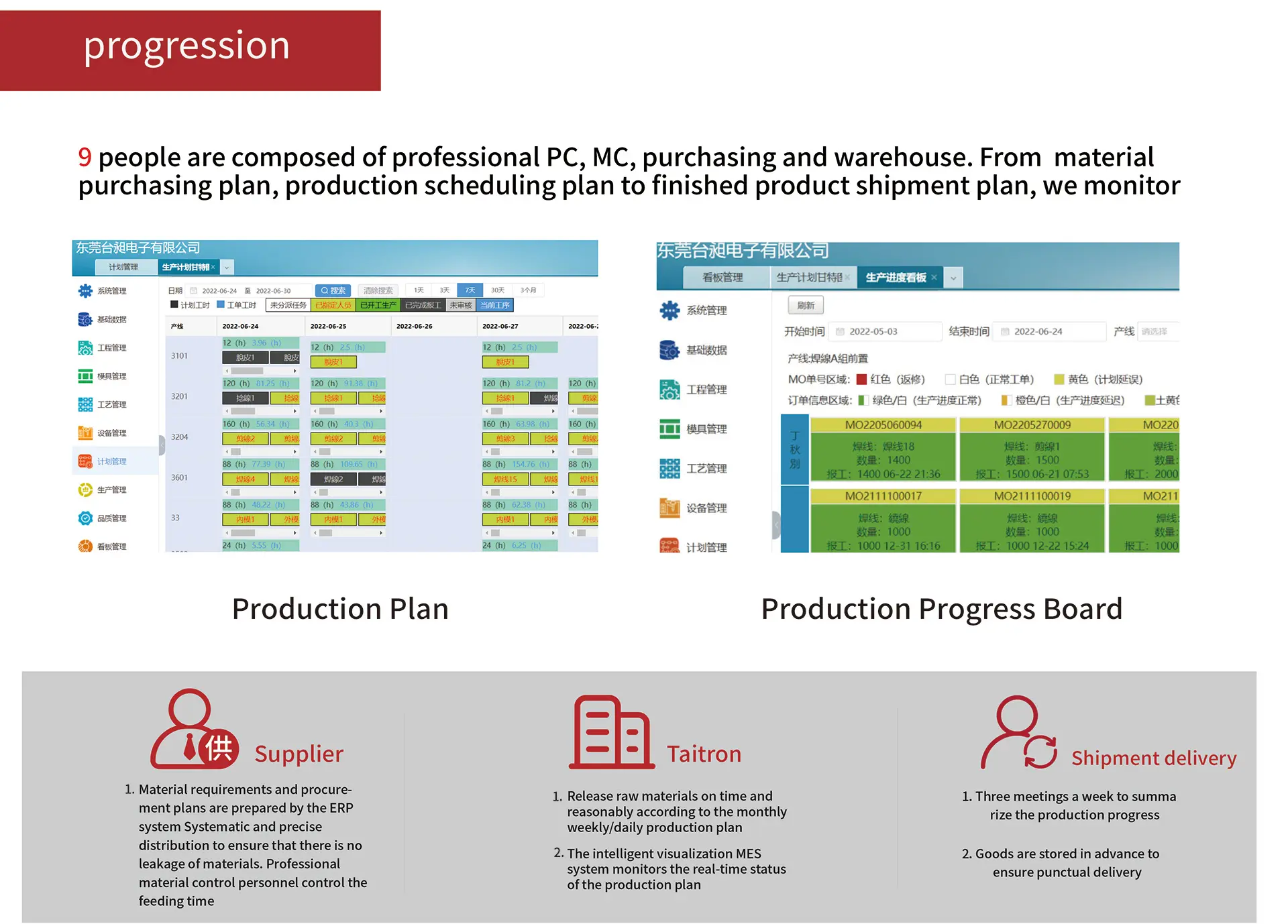
By housing our primary production facilities in Dalingshan Town, Dongguan, Taitron operates at the heart of the world's most dense electronic components ecosystem. Our manufacturing site is characterized by high levels of vertical integration. Unlike assembly-only workshops that source cheap external PCBs and generic shells, our facility manages the entire production cycle under one roof. Our operations range from initial wire drawing and shielding braiding to precision SMT placement, high-density injection molding, and comprehensive automated testing.
This localized supply chain control offers key benefits to our B2B customers:
| Specification Parameter | Standard Retail Grade | Taitron Industrial Grade |
|---|---|---|
| Casing Material | Recycled ABS Plastic | Premium Aircraft-grade Aluminum Alloy (Precision CNC milled) |
| Shielding Architecture | Single-layer foil shielding | Triple-layer shielding (Aluminum Foil + My-lar + Tinned Copper Braiding) |
| PCB Layer Count | Double-sided (2 Layers) | 4-Layer to 6-Layer Impedance Controlled PCBs |
| Operating Temperature | 0°C to 45°C | -10°C to 70°C (Extended temperature range component sourcing) |
| Warranty & MTBF | Undefined / 1 Year | MTBF > 50,000 continuous operating hours |
Deploying USB to Ethernet Converters in Industrial, Retail, and Infrastructure Sectors.
Ensuring that portable inventory-scanning tablets and terminals connect directly to internal database hubs with zero packet loss during massive inventory updates.
Providing thin notebooks lacking native RJ45 ports with a hardwired LAN connection, bypassing the security vulnerabilities associated with public or enterprise Wi-Fi networks.
Enabling consistent, uninterrupted transactional connections for touch-screen POS systems, receipt printers, and merchant terminals over USB hubs.
Inside Taitron Electronics' independent industrial park in Dalingshan Town, Dongguan, China.

Providing direct answers to technical queries, compatibility requirements, and manufacturing options.
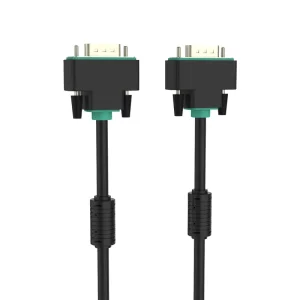
Complete your deployment requirements with our high-bandwidth audio-visual interconnects, VGA/HDMI converters, and advanced Thunderbolt-ready data platforms.
 Taichang Electronic