High-fidelity interfaces engineered for maximum data throughput, hardware longevity, and enterprise compliance.
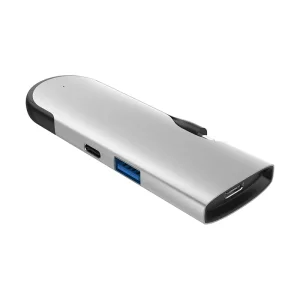
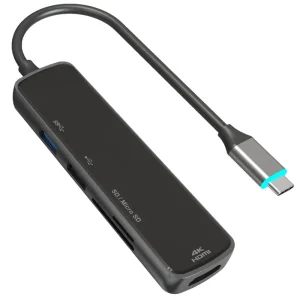
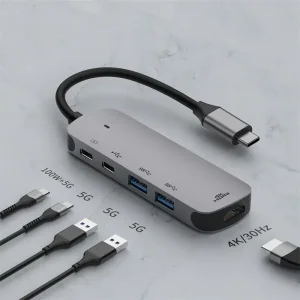
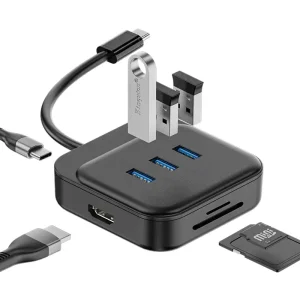
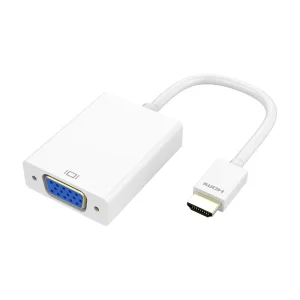
Decoding demand, standardizing quality parameters, and identifying supply bottlenecks in modern data transmissions.
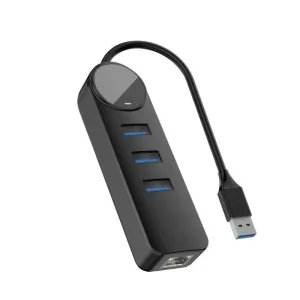
Within modern corporate environments and digitized industrial plants, the demand for USB on Ethernet adapters, external USB-C to RJ45 converters, and USB-over-IP connectivity bridges has experienced an unprecedented surge. As device manufacturers continue to thin out laptop designs, physical ports like the classic RJ45 Ethernet connection are systematically omitted in favor of universal ports. However, reliance on Wi-Fi alone introduces data latency, localized wireless congestion, and major cyber-vulnerabilities. This has driven enterprise IT administrators and purchasing managers to systematically secure bulk supplies of high-performance USB-to-Ethernet adapters.
Procuring reliable networking peripherals requires navigating complex chip architecture, compatibility issues across operating systems (OS), and physical component wear. In critical sectors like banking, government offices, defense, and healthcare, a drop in wired connectivity translates immediately to security and economic risks. Therefore, procurement metrics must prioritize MTBF (Mean Time Between Failures), thermal efficiency, and standardized controller components (such as ASIX or Realtek chipsets) over low-cost consumer designs.
Enables ultra-fast, gigabit-level connections for lightweight laptops (Ultrabooks, MacBooks) in desk layouts, reducing packet loss and ensuring reliable VoIP/video-conferencing.
Connects localized PLCs, legacy hardware terminals, and monitoring cameras to centralized industrial networks via USB interfaces where Ethernet cards cannot be installed.
Banks and regulatory zones enforce disabled wireless capabilities. USB-on-Ethernet remains the primary authorized portal for temporary and hot-desk device wired integration.
How USB-to-Ethernet hardware solves network segmentation, latency stabilization, and legacy-modern integration challenges.
Modern communication systems face the challenge of bridging different physical network interfaces. At a macro scale, the standardization of USB-C and USB4 has paved the way for converged network interfaces. A key technical focus is the transmission protocol translation layer. When converting USB packet data (under USB 3.0/3.1 protocols) to TCP/IP Ethernet frames, the conversion chip must handle buffer management and physical layer (PHY) transactions with minimal latency. High-performance adapters incorporate dedicated microcontrollers to offload data checksum calculations directly on the adapter, freeing up host CPU resources.
B2B procurers often overlook the integrated circuit (IC) inside their adapters. However, the IC determines the adapter's stability and OS compatibility. Below is an engineering comparison of the primary chipsets utilized by industrial suppliers like Taitron Electronics:
| Chipset Model | Supported Speeds | Power Draw | OS Integration (Driverless) | Optimal Application Scenario |
|---|---|---|---|---|
| Realtek RTL8153 | 10/100/1000 Mbps | ~150 mA (Low) | Windows 10/11, macOS, ChromeOS, Linux | Enterprise Office Deployments, Thin Laptops |
| ASIX AX88179A | 10/100/1000 Mbps | ~120 mA (Ultra-low) | Windows, macOS, Nintendo Switch, Embedded Linux | Industrial Systems, Smart Consoles, IoT Terminals |
| Realtek RTL8156B | 10/100/1000/2500 Mbps | ~300 mA (Medium) | Windows 10/11, macOS (requires driver for optimized 2.5G) | NAS Data Centers, Media Workstations, High-Speed LANs |
Continuous transmission at gigabit speeds generates heat inside the compact shells of USB adapters. Aluminum alloy casings are preferred for their heat dissipation capabilities, preventing thermal throttling which can drop speeds to less than 100Mbps. Additionally, internal EMI shielding shields the chipset from high-frequency wireless noise emitted by neighboring USB 3.0 ports, preventing signal degradation.
Over 38 years of precision manufacturing, engineering innovation, and global supply chain partnerships.
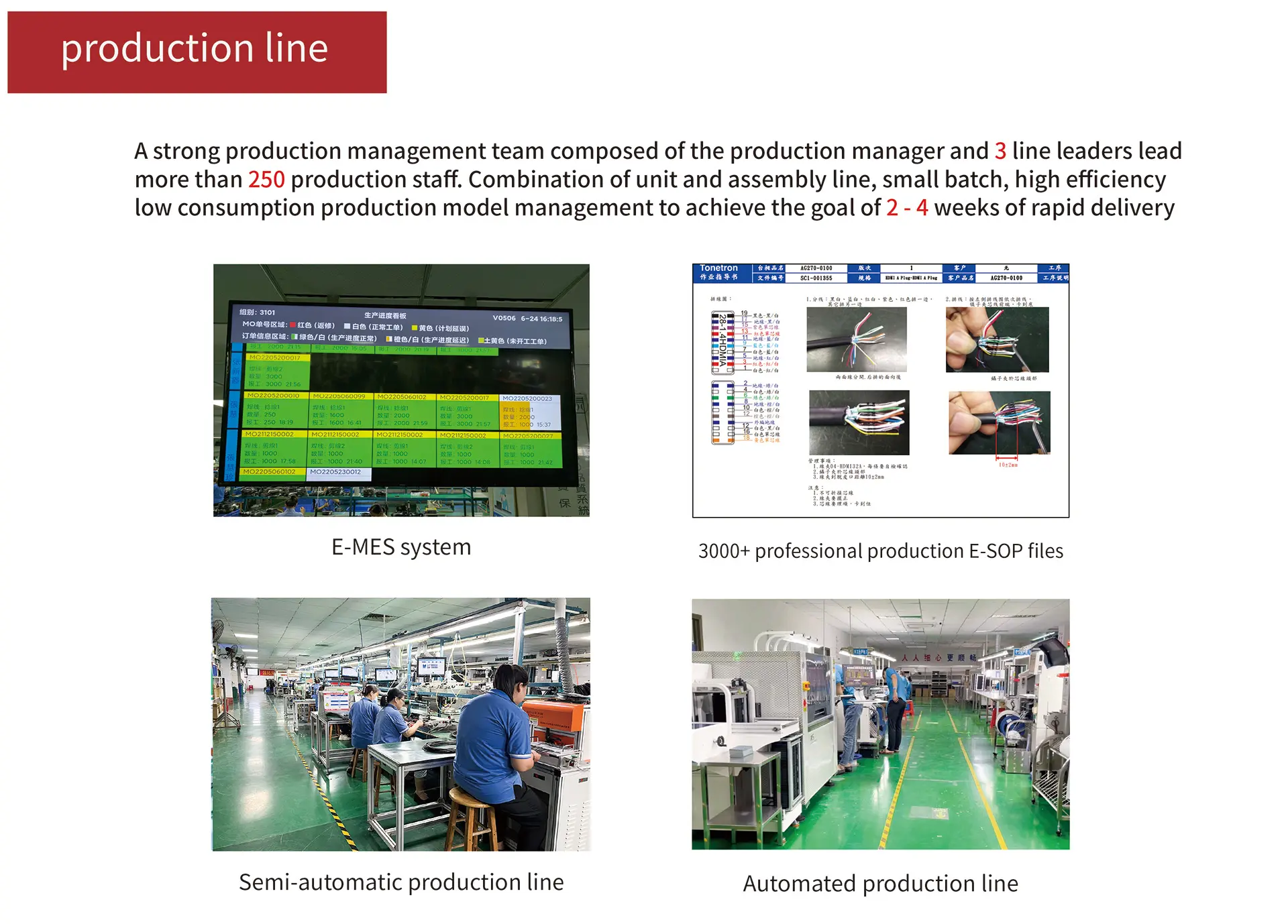
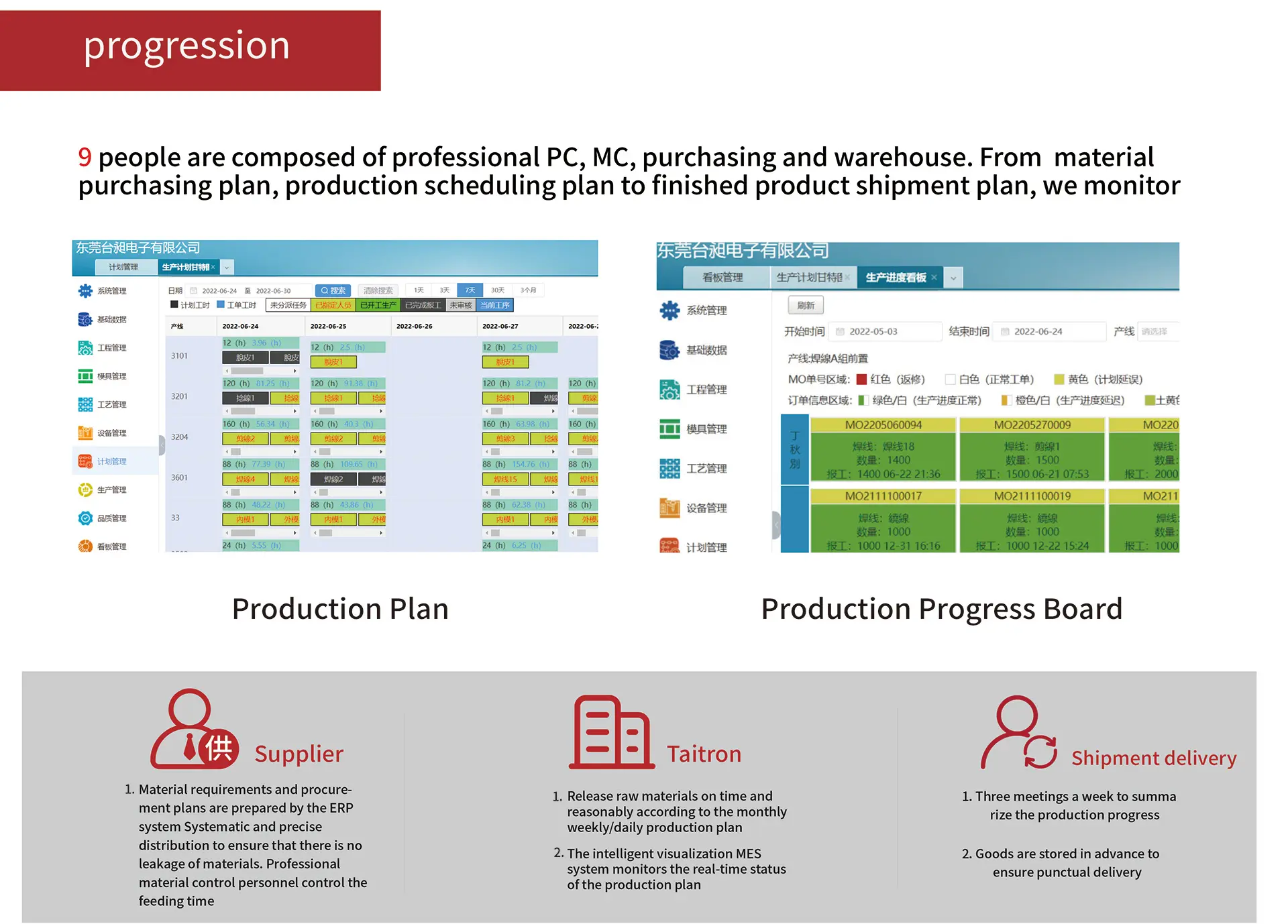
In 1984, Dongguan Taitron Electronics Limited., formerly known as Tonetron, was founded in Keelung, Taiwan. Guided by a mission to engineer high-fidelity signal transmission accessories, the company established its reputation for audio and video connectivity. In 1993, responding to global demand and the need for larger scale production, Taitron relocated its operations to a custom-built, independent production industrial park in Dalingshan Town, Dongguan City, China. There, the facility was renamed Dongguan Taitron Electronics Limited.
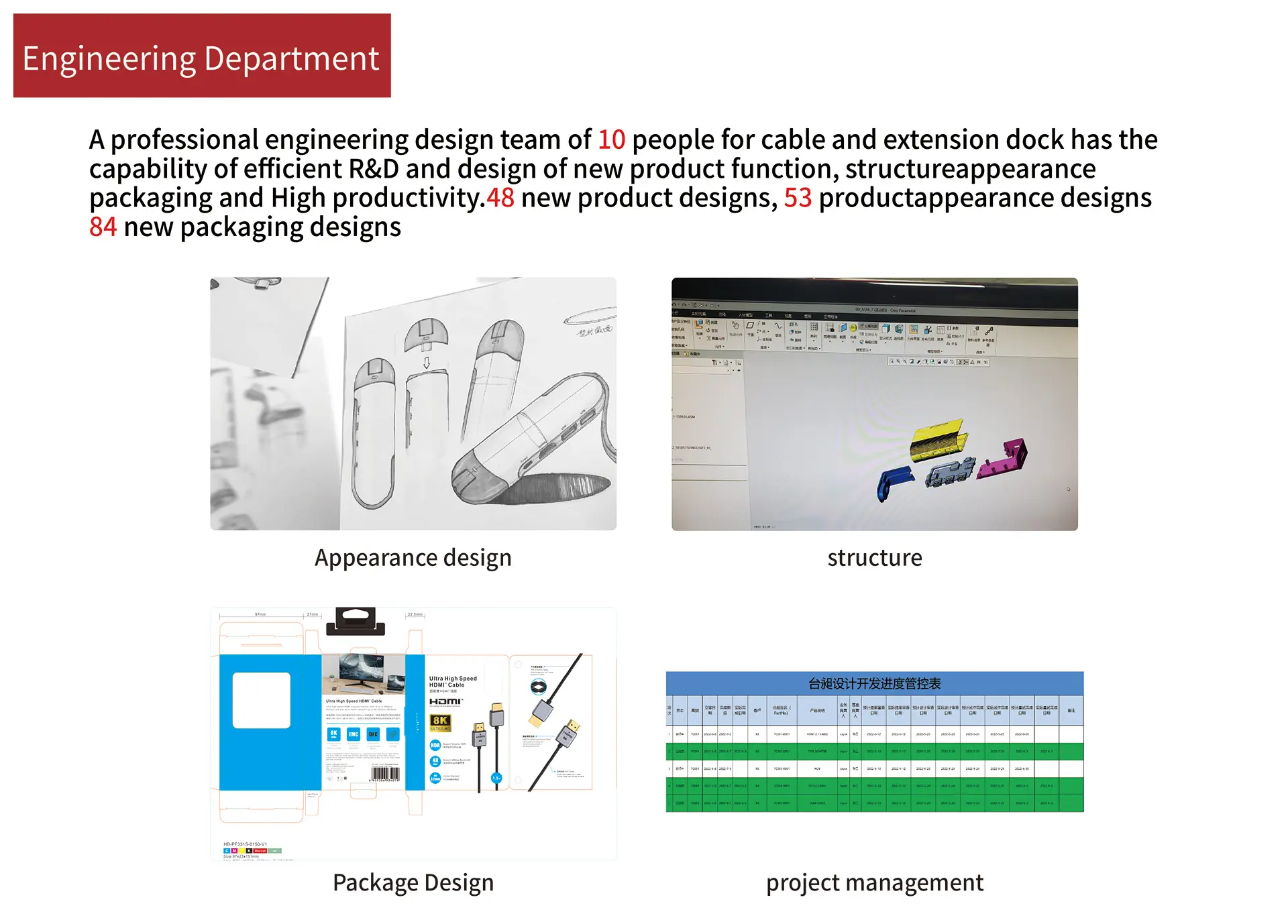
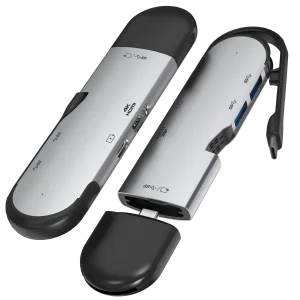
With 38 years of experience in video and audio peripheral equipment connection line manufacturing, Taitron has adapted to the digital age. The company's R&D focus has expanded to high-end audio and video cable data cables, including HDMI 2.1 cables, DisplayPort (DP) 2.0 cables, USB4 data cables, USB-C 3.1 Gen2 cables, high-power USB Power Delivery (PD) charging cables, 8K HD conversion cables, and multifunctional Type-C expansion docks.

Preparing B2B buyers for the transition to USB4, 10Gbps Ethernet, and smart power delivery systems.
As networks evolve towards 10-Gigabit standards, USB-to-Ethernet technology is undergoing a major transition. The convergence of USB4 and Thunderbolt 4 interface specifications allows for bandwidth capabilities up to 40Gbps. This development removes the bottleneck for external Ethernet adapters, enabling 10GbE speeds over USB interfaces.
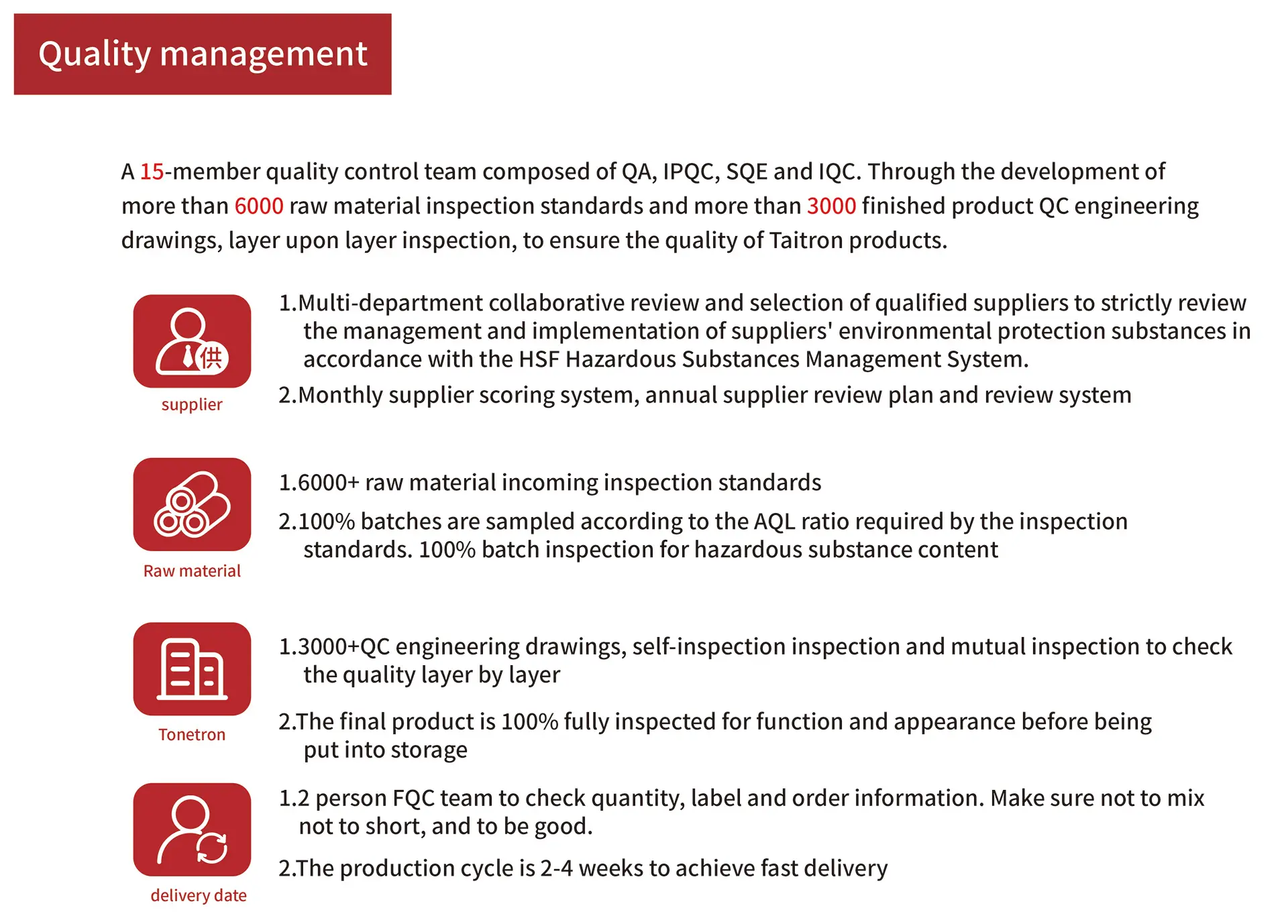
A B2B supplier is only as reliable as its certifications. Taitron guarantees international market compliance by subjecting every production batch to testing and certification. This includes CE Certification for European economic areas, FCC compliance for North American electromagnetic interference standards, RoHS and REACH environmental verification, and MFi Licensing for certified Apple accessories integration.
Technical and procurement answers designed for procurement professionals and IT engineers.
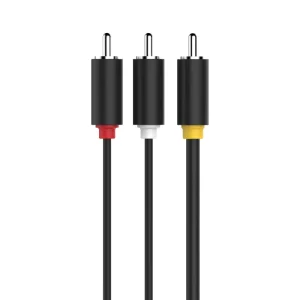
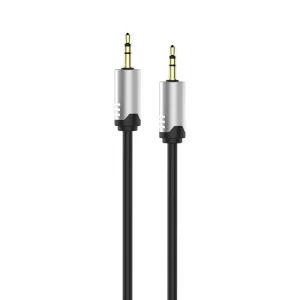
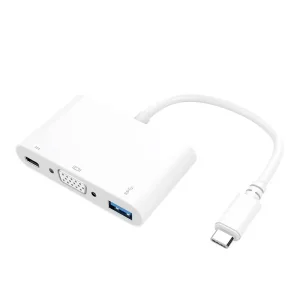
Expand your deployment capabilities with certified cables, audio interfaces, and modular docking systems.
 Taichang Electronic