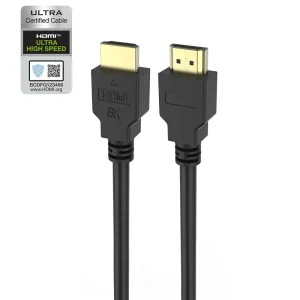
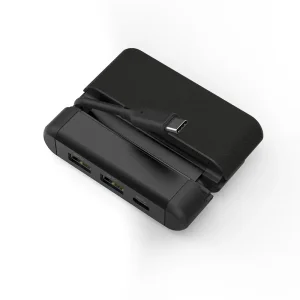
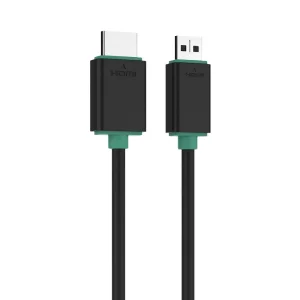
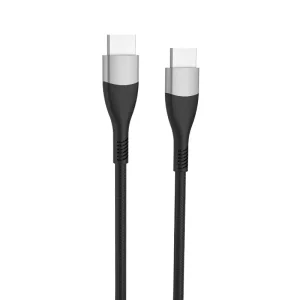
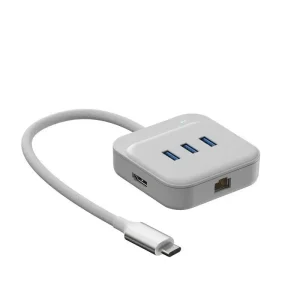
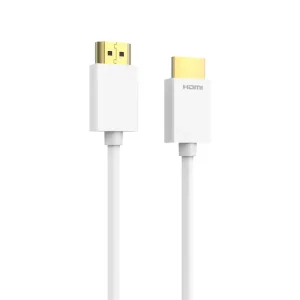
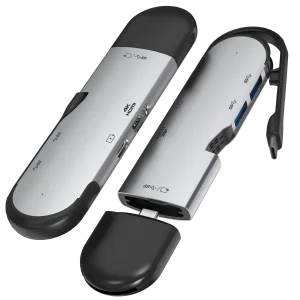
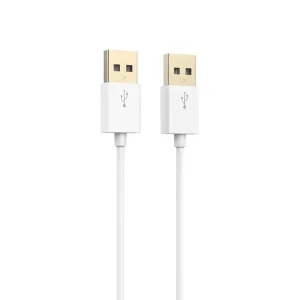
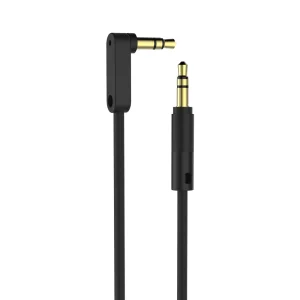
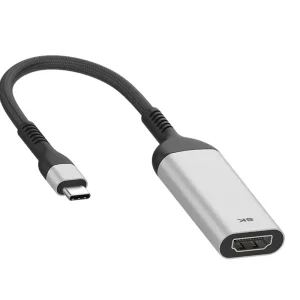
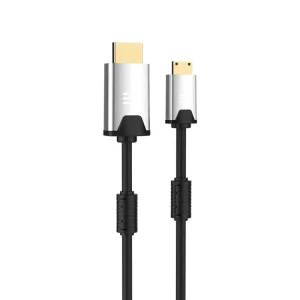
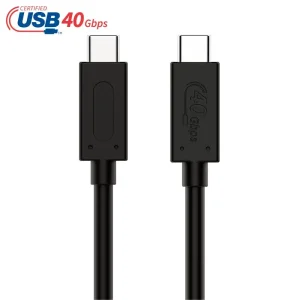
Discover our primary range of certified data cables, adapters, and interface solutions designed to work seamlessly with modern battery charging architectures.
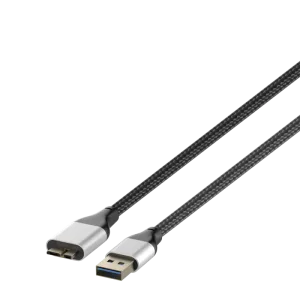
Understanding European Union safety directives and testing standards for rechargeable battery power supplies.
In the European Union, marketing and distributing a "Ladegerät Für Akkus" (battery charger) requires strict adherence to standardized harmonization directives. The CE marking (Conformité Européenne) serves as a declaration by the manufacturer or exporter that the product complies with all applicable safety, health, and environmental requirements set out in the European directives. For power-conversion devices like battery chargers, CE compliance is not a single test, but a multi-faceted process encompassing several core Directives:
Directive 2014/35/EU governs safety standards for electrical equipment operating within 50–1000V AC or 75–1500V DC. It ensures protections against electrical shocks, overheating, fire hazards, and mechanical stability under normal and single-fault operations.
Directive 2014/30/EU guarantees that the charger does not emit electromagnetic interference (EMI) that disrupts radio communications or other nearby electronic devices, and has sufficient electromagnetic immunity to operate without disruption.
Directive 2011/65/EU restricts hazardous substances like lead, mercury, and cadmium. Additionally, the Ecodesign Directive (2009/125/EC) dictates standby power usage thresholds and active charging efficiency benchmarks (Level VI).
As a premier exporter of charging systems, our factories integrate these technical standards into the design phase. From isolated transformer winding to integrated circuit controller choices, we minimize risk. For the German-speaking markets (Germany, Austria, Switzerland), adherence to the Produktsicherheitsgesetz (ProdSG) (Product Safety Act) is paramount, necessitating detailed documentation, localized manual instructions, and clear manufacturer tracking tags to avoid immediate customs impoundment.
How European industrial and commercial ecosystems integrate our certified charging systems.
The application of a professional "Ladegerät Für Akkus" varies significantly depending on the target ecosystem. Within German and European markets, battery chemistry safety is heavily scrutinized due to high thermal runaway risks in lithium-ion formulations. We develop and export chargers tailored for the following primary local applications:
| Application Scenario | Target Battery Chemistry | Key Interface/Technical Feature | Compliance Standards Applied |
|---|---|---|---|
| Industrial Warehouses & AGVs/AMRs | LiFePO4 (Lithium Iron Phosphate) / Lead-Acid | CAN-Bus Communication Interface, high current rapid charging profiles | EN 60335-2-29, EN 61000-6-2 (Industrial Immunity) |
| E-Mobility (Pedelecs & E-Scooters) | Li-ion (NMC / LCO chemistries) | Smart thermal monitoring, multi-stage CC/CV charging curves | EN 15194 (EPACs), EN 62368-1 |
| Professional Power Tools (Construction Sites) | High-drain Lithium-Ion packs | Ruggedized IP54 enclosures, active cooling systems, shock absorption | EN 60335-2-29, German ProdSG guidelines |
| Consumer Powerbanks & Smart Devices | Lithium Polymer / Li-ion | USB-C Power Delivery (PD 3.0 / PD 3.1 up to 240W) | EN 62368-1, CE LVD, Ecodesign Lot 7 |
By providing dedicated safety margin designs (such as triple-insulated transformer wires, over-voltage/over-current latching protections, and redundant temperature sensors), our chargers perform reliably under variable climate conditions—from the sub-zero temperatures of outdoor construction sites in northern Germany to the warm industrial environments of southern manufacturing hubs.
Pioneering tomorrow's power density: Gallium Nitride (GaN), IoT Integration, and Eco-Efficient Charging Topologies.
Replacing traditional silicon transistors with GaN semiconductors allows for higher switching frequencies, reducing the physical footprint of magnetic components by up to 40% while achieving peak conversion efficiencies of 95%+.
Integration of Bluetooth and Wi-Fi modules into industrial battery chargers allows battery health tracking, remote voltage adjustment, firmware upgrades over the air (OTA), and predictive failure maintenance.
Designing with disassembly in mind. Modern chargers utilize halogen-free PCBs, recyclable plastic enclosures, and smart sleep states that consume less than 0.1W when idle, fulfilling the strictest EU environmental mandates.
Our technical roadmap is strictly aligned with the transition towards the unified USB Power Delivery (USB-PD 3.1 EPR) standard. This standard permits up to 48V output at 5A (240W) over a single Type-C interface. This eliminates the need for proprietary DC jacks on high-drain devices and smaller battery chargers, significantly reducing electronic waste (e-waste) and optimizing manufacturing costs.
Leveraging 38 years of precision engineering, vertical integration, and structural logistics advantages.
In 1984, Dongguan Taitron Electronics Limited, formerly known as Tonetron, was founded in Keelung, Taiwan. In 1993, to meet global demand and scale production, we relocated to a self-built, independent production industrial park in Dalingshan Town, Dongguan City, Guangdong Province, China.
For over 38 years, our foundation has been built on the professional manufacturing of high-end audio, video, and peripheral equipment connection lines. Through continuous R&D and technological iterations, we have expanded our product range into advanced fields, including HDMI 2.1 cables, DP 2.0 cables, USB4 cables, high-power USB charging cables, 8K HD conversion cables, multi-functional Type-C expansion docks, and advanced charging interfaces.
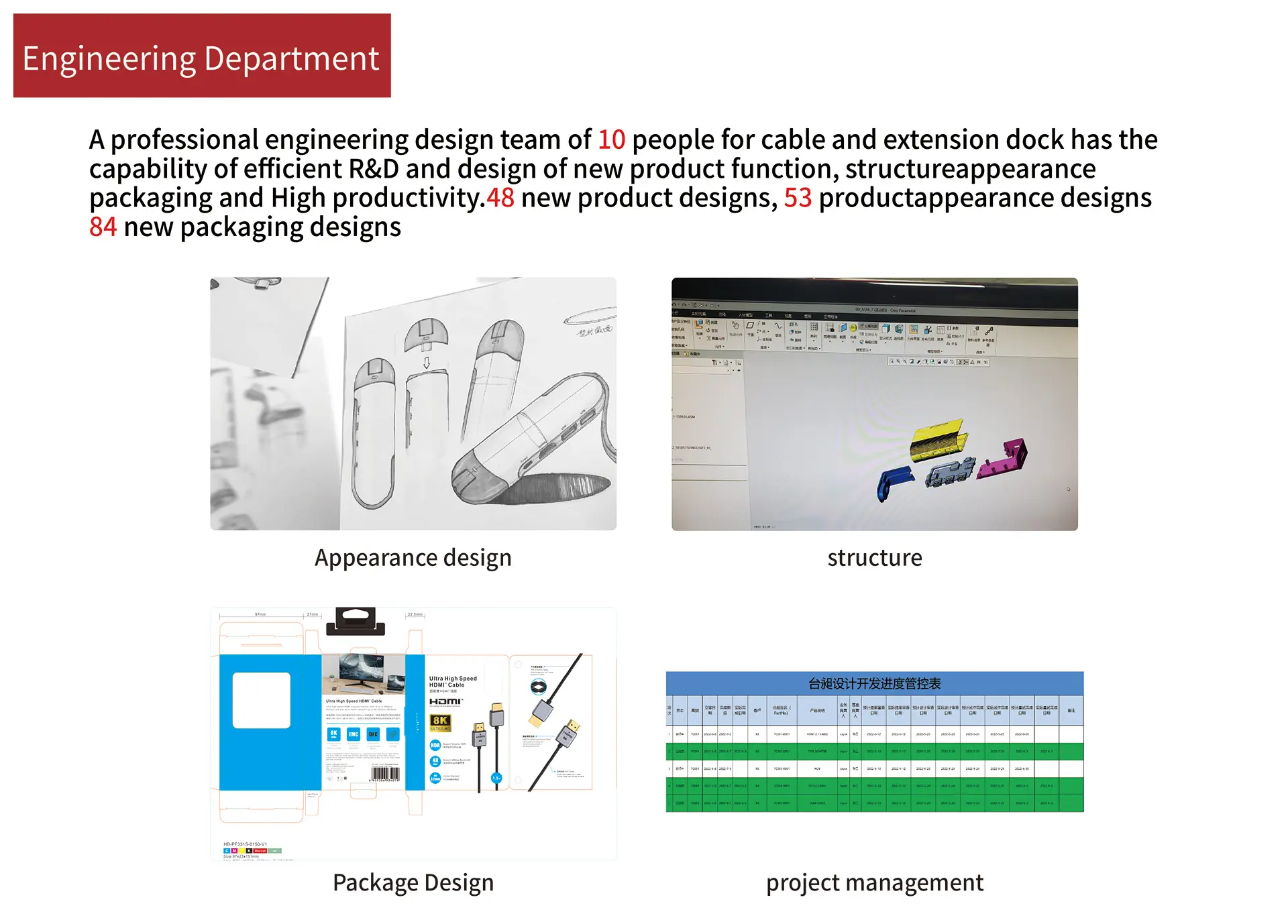
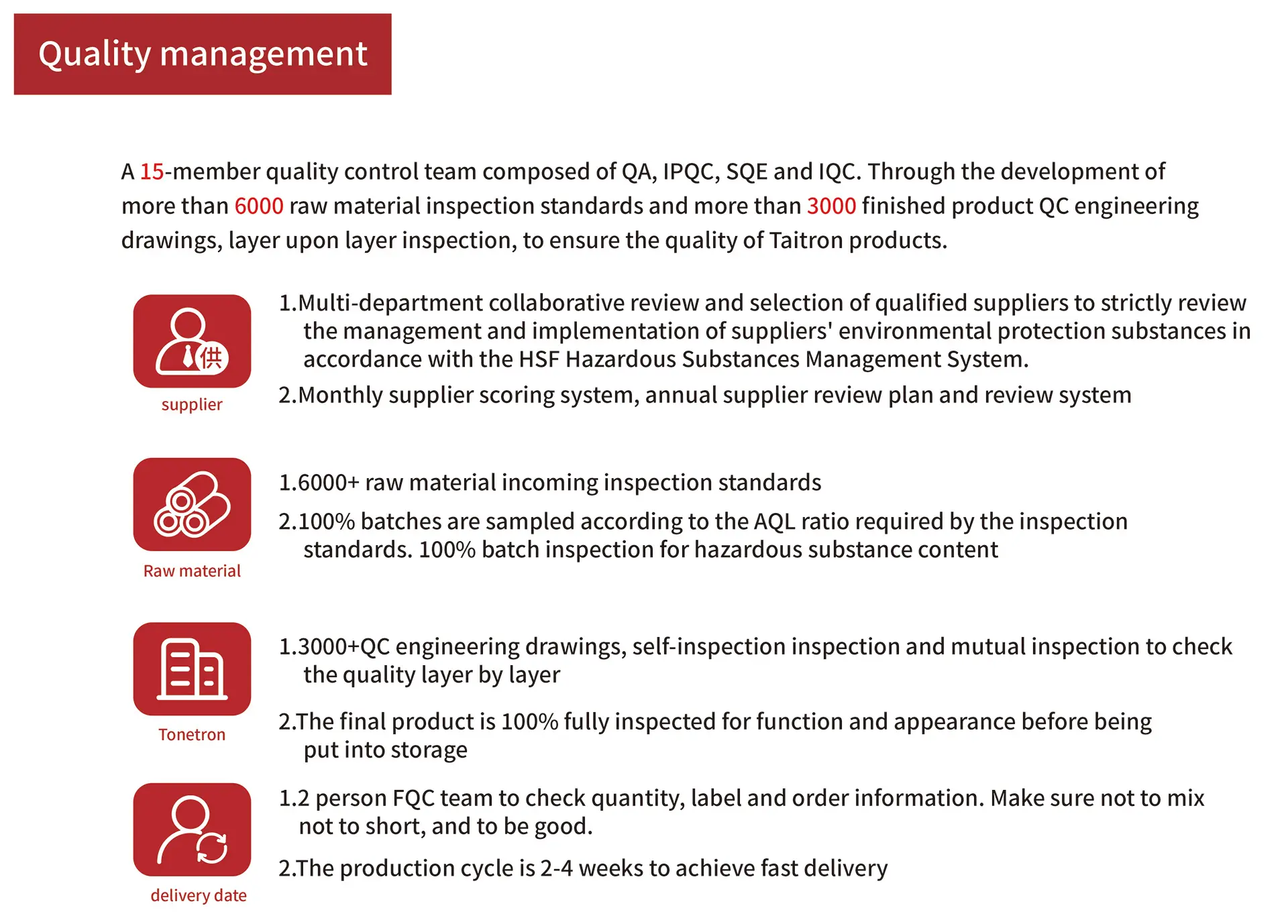
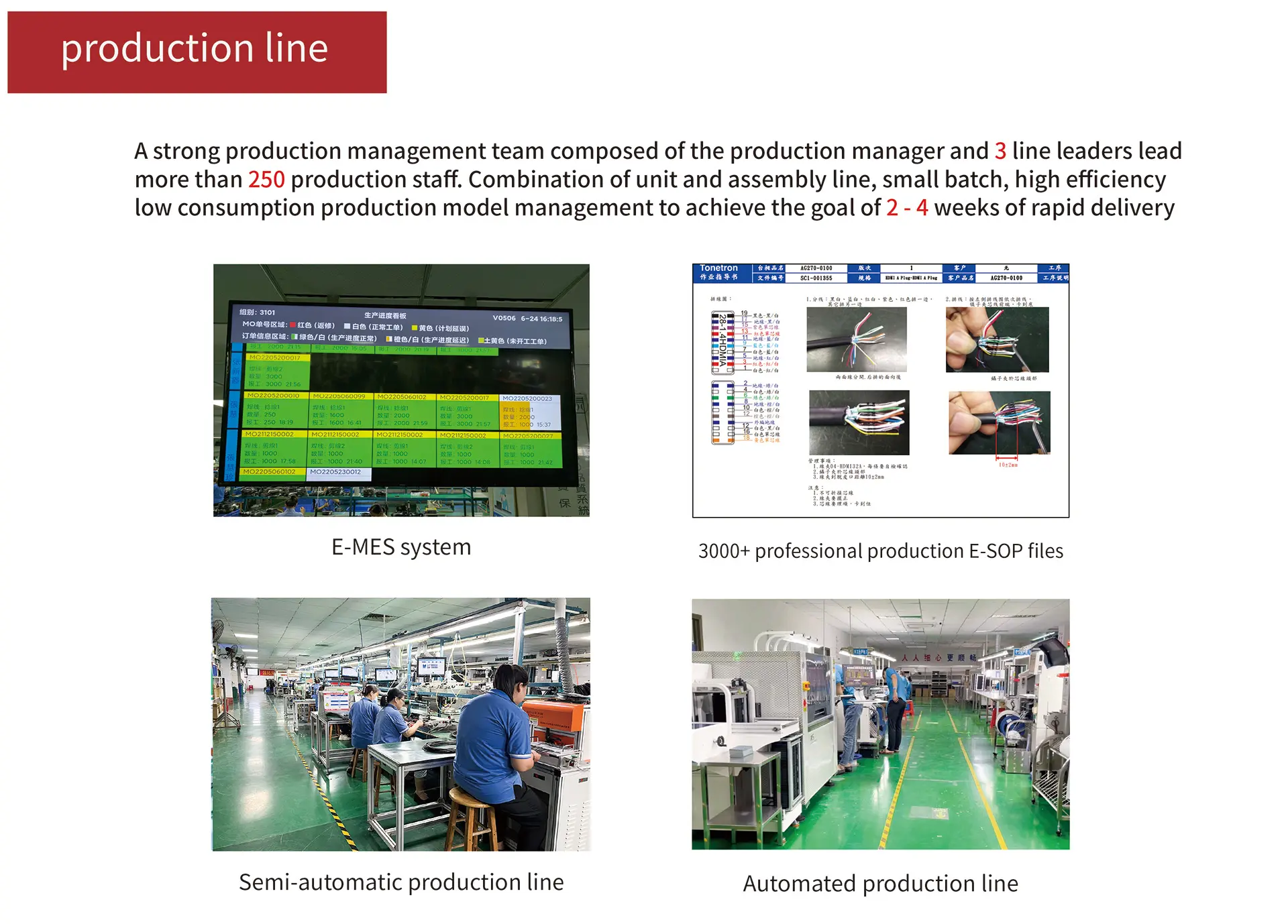
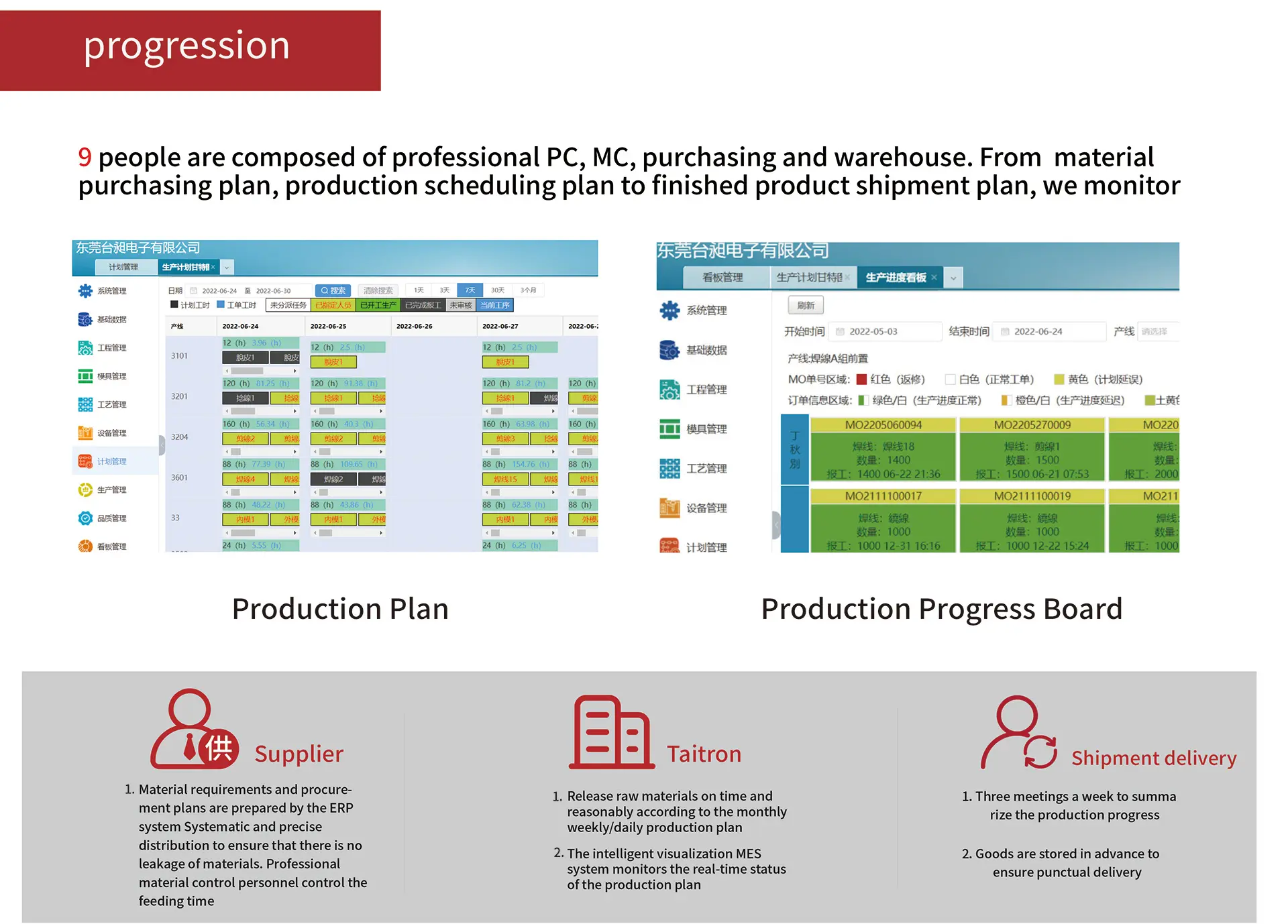
Our facility integrates design, tooling, plastic injection, cable extrusion, assembly, and testing. This high level of vertical integration allows us to keep lead times brief, maintain competitive pricing structures, and enforce rigorous quality controls across the entire manufacturing cycle.

Ensuring secure imports, custom clearance documentation, and localized logistics for B2B buyers.
Importing a "Ladegerät Für Akkus" into European territories presents strict administrative hurdles. Customs authorities regularly inspect shipments to ensure compliance. We support our global partners and distributors with localized assistance and compliance documentation:
We provide comprehensive technical construction files (TCF), detailed schematics, BOM (Bill of Materials), and official test reports issued by accredited third-party laboratories (such as SGS, TUV, or Intertek).
For qualified volume buyers, we offer flexible shipping options, including FCA, FOB, CIF, and DDP (Delivered Duty Paid). We coordinate customs clearance, tariff classifications, and local European delivery.
In compliance with EU Market Surveillance Regulation 2019/1020, we assist in establishing the required authorized European Representative information on product labels and retail packaging.
Get detailed answers on battery charging standards, testing protocols, and distribution compliance.
High-speed data transfer, multi-display adapters, and certified USB charging cables for modern digital interfaces.
 Taichang Electronic