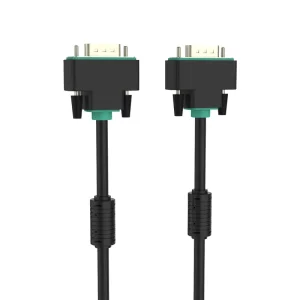
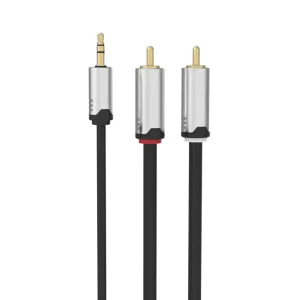
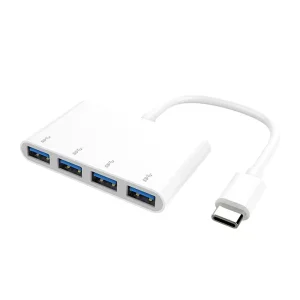
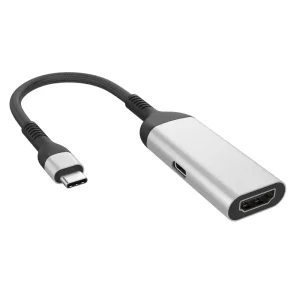
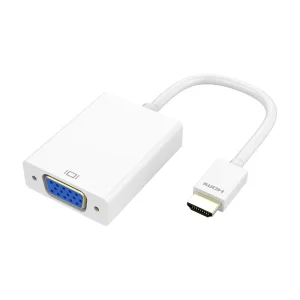
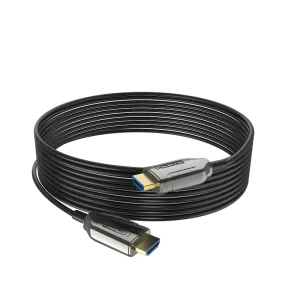
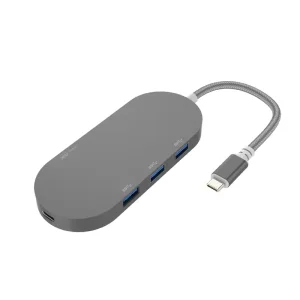
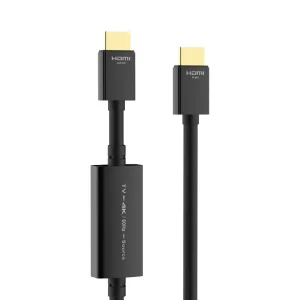
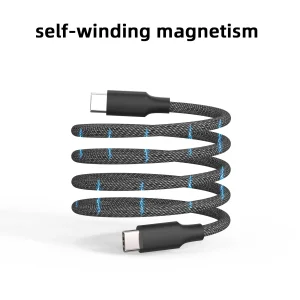
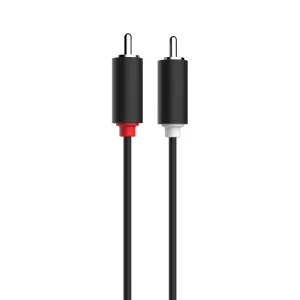
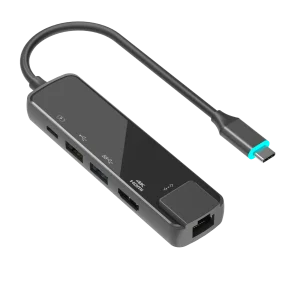
Explore our core range of custom-engineered OEM/ODM connection accessories manufactured under strict ISO and CE guidelines.
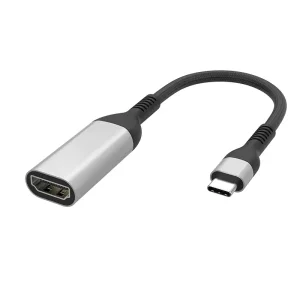
In today's highly digitized global enterprise ecosystem, networking hardware is expected to maintain uninterrupted uptime. Among the most widely adopted legacy-to-modern interfaces is the Ethernet USB-A adapter (commonly referred to as a USB-to-RJ45 adapter). However, supplying these products to the European Union and international markets requires strict compliance with the **CE Certification** standards.
CE marking indicates that the device has been assessed by the manufacturer and is deemed to meet EU safety, health, and environmental protection requirements. For active networking devices like Ethernet adapters, CE compliance covers several critical European Directives:
Without genuine CE certification, enterprise buyers risk custom seizures, heavy regulatory fines, and potential product recalls. Partnering with a fully certified Chinese manufacturing facility ensures your supply chain is insulated from regulatory risks.
China, particularly the Dongguan manufacturing corridor, remains the world's leading producer of connectivity peripherals. The localization of the raw supply chain, advanced automated assembly lines, and specialized technical expertise allow Chinese factories to offer unmatched value for Ethernet USB-A products.
From high-purity copper core draw factories to advanced chip packagers (Realtek, ASIX, Cypress), every component required for a high-quality Ethernet adapter is sourced within a 50km radius, minimizing logistics delays.
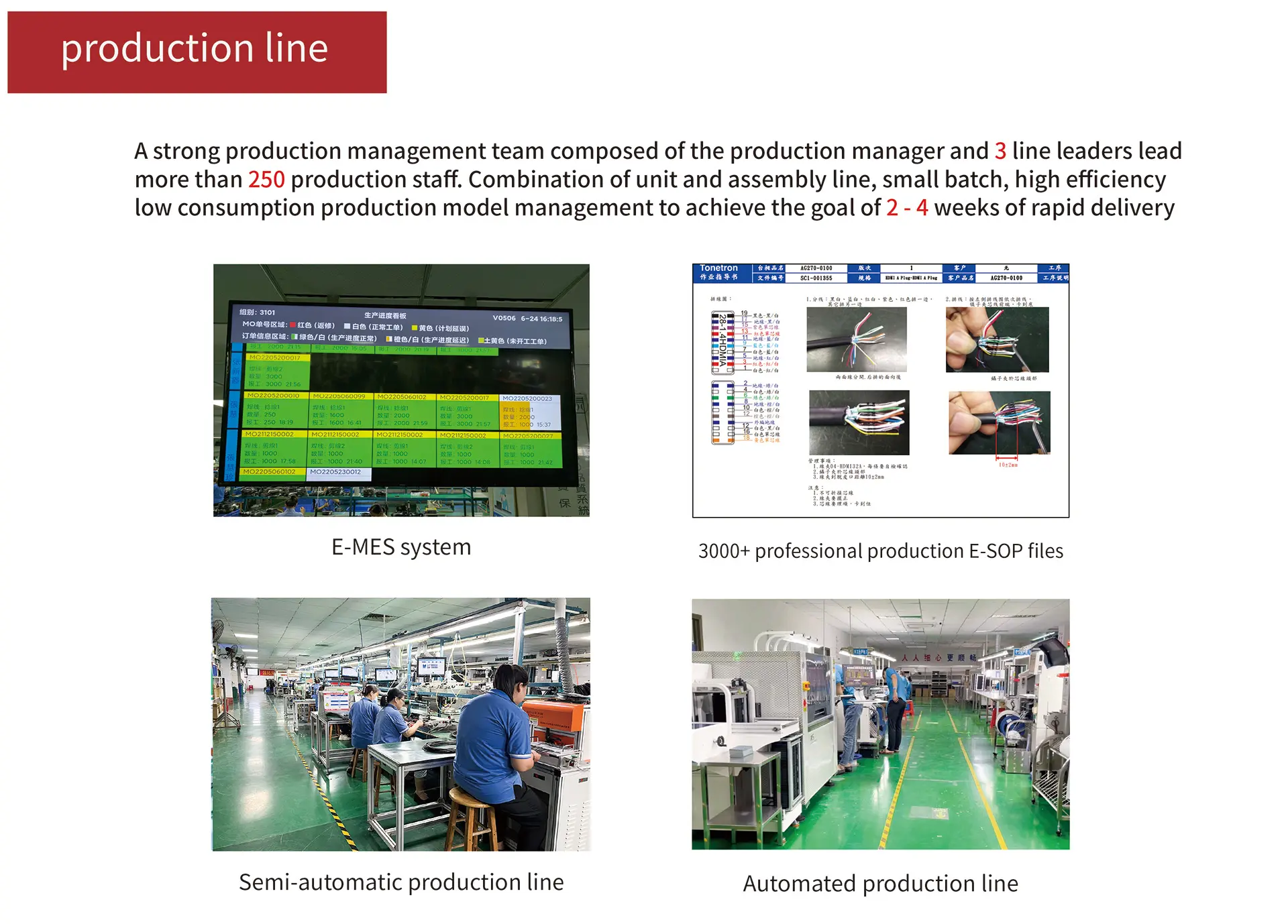
By leveraging high-speed SMT (Surface Mount Technology) assembly lines and automated laser-soldering machines, we reduce human error, ensure consistent impedance matching, and prevent cold solder joints.
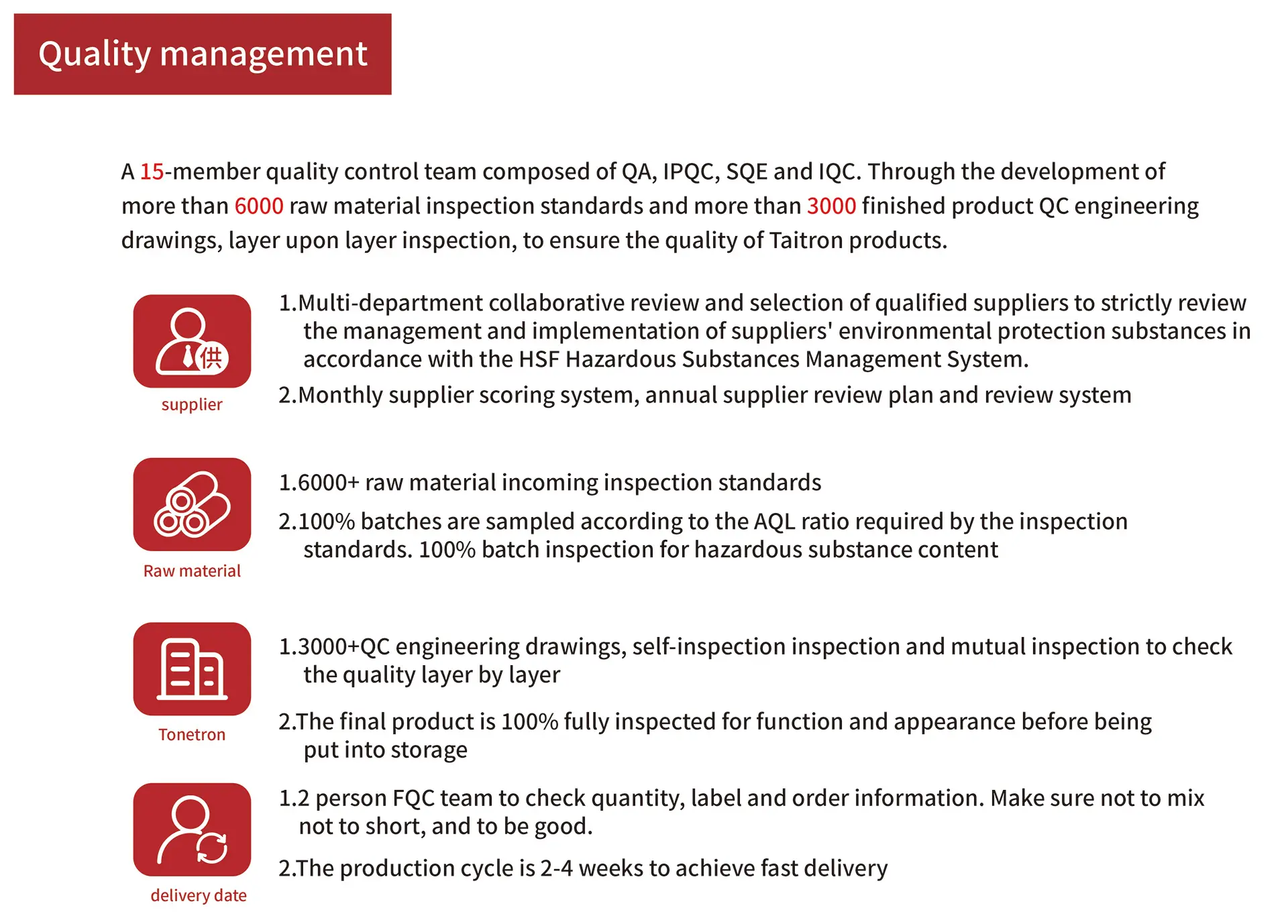
Every single Ethernet adapter undergoes rigorous functional testing. This includes physical insertion fatigue tests, salt spray resistance validation, TDR network signal testing, and EMI scan inspections.
When sourcing Ethernet USB-A adapters, understanding the mechanical and electrical specifications is critical to matching your application requirements. Below is a detailed technical comparison table comparing standard commercial-grade adapters with premium CE-certified industrial-grade adapters.
| Feature Parameter | Standard Commercial Grade | Premium Industrial CE-Certified Grade |
|---|---|---|
| USB Interface | USB 2.0 / USB 3.0 (Plastic Connector) | USB 3.0 / USB 3.2 Gen 1 (Gold/Nickel-plated Brass) |
| Ethernet Controller Chip | Generic Non-branded ICs | Original Realtek RTL8153 / ASIX AX88179A |
| Max Bandwidth Output | 10/100 Mbps or basic 1 Gbps | Full 10/100/1000 Mbps & 2.5 Gbps High-Speed Lan |
| Housing & Shielding | ABS Plastic, minimal EMI shielding | Precision Aluminum Alloy, internal metal shielding can |
| Cable Materials | PVC Jacket, standard copper-clad steel (CCS) | Halogen-Free TPE, Oxygen-Free Copper (OFC), Braided Shielding |
| Certifications | Self-declared or none | CE, FCC, RoHS, REACH, tested by certified labs (TUV/SGS) |
The demand for stable wired networking is not uniform across industries. Depending on the operational environment, the configuration, durability, and shielding of the Ethernet USB-A adapter must adapt.
In smart factories, electromagnetic interference (EMI) generated by heavy machinery, variable frequency drives, and wireless networks can disrupt communication. An unshielded adapter can drop packets, leading to critical machine downtime. Our premium CE-certified Ethernet USB-A adapters feature double-shielded cables (aluminum foil + copper braid) and internal metallic housing shielding to ensure clean, continuous data transmission from sensors, PLCs, and industrial PCs to the centralized SCADA system.
Modern thin-client laptops are continually shedding ports, leaving employees without RJ45 connections. In environments that handle sensitive information (e.g., banks, legal firms, government institutions), Wi-Fi is often disabled for cybersecurity reasons. Our driverless USB-A Gigabit adapters offer a seamless, plug-and-play solution across Windows, macOS, and Linux platforms, enabling secure, fast, and stable physical network access for corporate workforces.
Medical hardware, such as portable ultrasound equipment or bedside monitoring devices, requires steady bandwidth to stream real-time data back to central hospital servers. The materials used must also withstand chemical disinfectants. We design customized adapters with medical-grade outer jackets and certified low-leakage electronic circuitry that meet strict healthcare standards.
As data generation increases, networking standards are rapidly shifting. While standard Gigabit Ethernet remains the baseline, the market is quickly moving toward **2.5G and 5G copper networking (IEEE 802.3bz)**. Our factory is at the forefront of this transition, developing next-generation USB-A and USB-C hybrid network adapters that support multi-gigabit connections over standard Cat5e and Cat6 cabling.
Additionally, the push for eco-friendly manufacturing is reshaping product design. Brand owners and enterprise buyers now require products featuring post-consumer recycled (PCR) plastics, biodegradable packaging, and energy-efficient chipsets that draw less power when the host computer enters sleep mode. Our R&D division has successfully integrated these sustainability features into our product pipeline, helping our clients hit their carbon neutrality targets.
In 1984, Dongguan Taitron Electronics Limited, formerly known as Tonetron, was founded in Keelung, Taiwan. In 1993, to scale manufacturing and capture global supply-chain efficiencies, the company moved to its self-built independent production industrial park in Dalingshan Town, Dongguan City, China, and officially changed its name to Dongguan Taitron Electronics Limited.
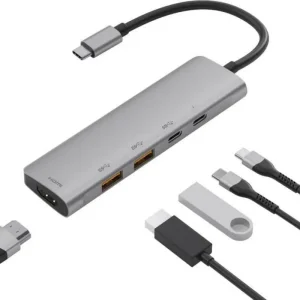
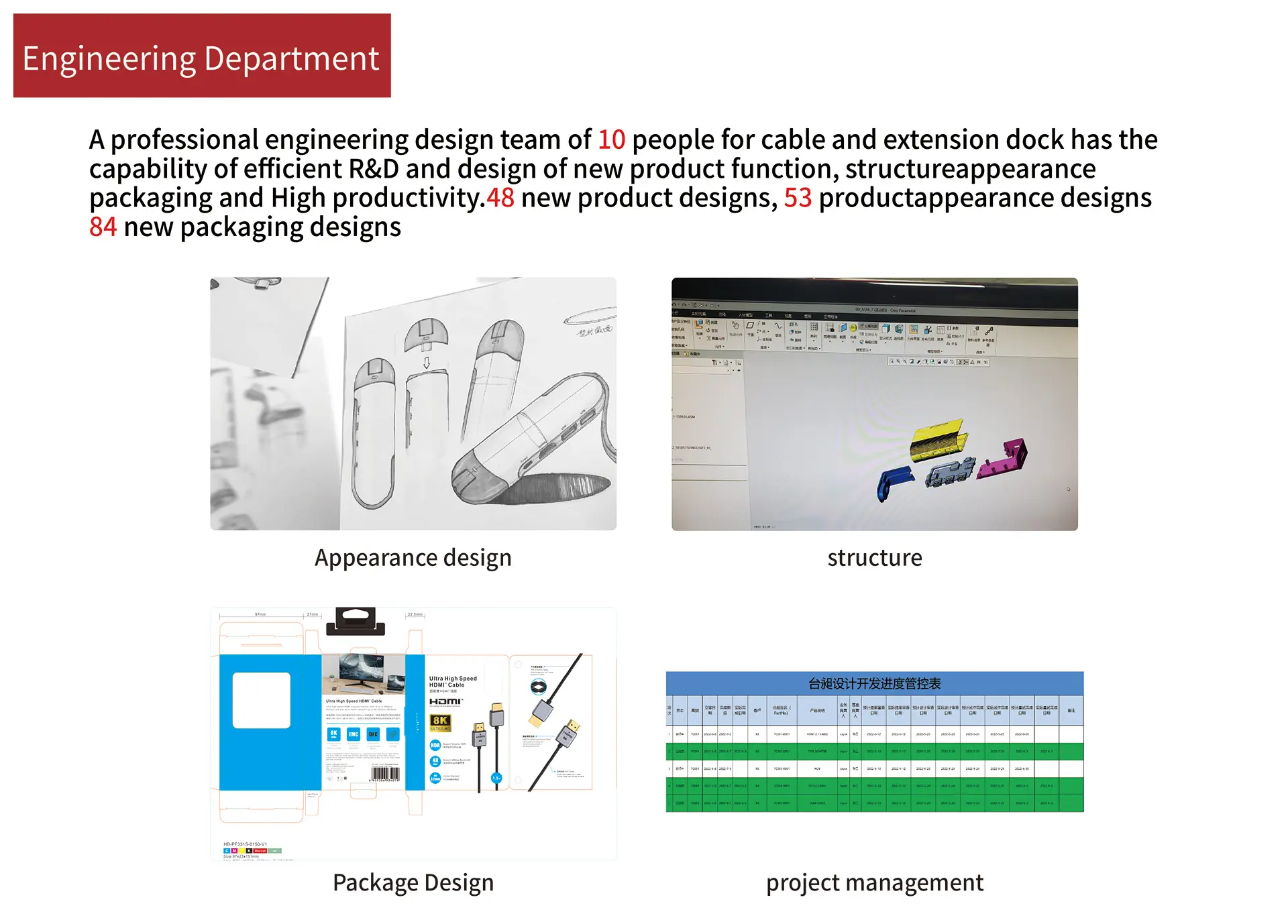
With over 38 years of professional video and audio peripheral connection line manufacturing experience as our foundation, we have expanded our research, development, and manufacturing capabilities. Our production range now includes high-end audio and video cables, data cables (such as HDMI 2.1 cables, DP 2.0 cables, USB4 data cables, USB-C 3.1 Gen2 data cables, high-power USB charging cables, 8K HD conversion cables), and multi-functional Type-C expansion docking stations.

Find direct answers to the most common questions raised by global procurement departments, distributors, and QA engineers.
Enhance your product range with our high-demand charging, fiber optic, and audio-video interconnect products.
 Taichang Electronic