Explore our foundational range of CE-certified digital adapters, high-speed interface cables, and high-definition DisplayPort networks engineered for enterprise-grade deployments.
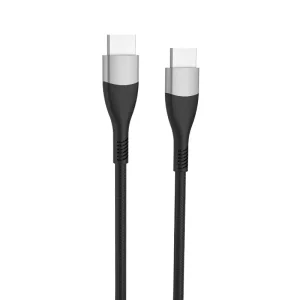
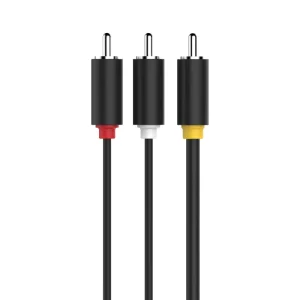
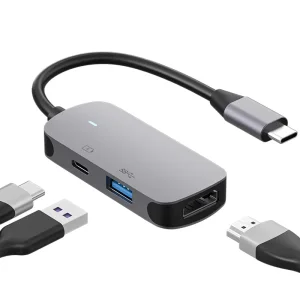
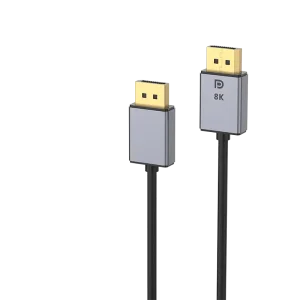
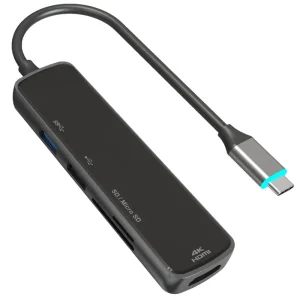
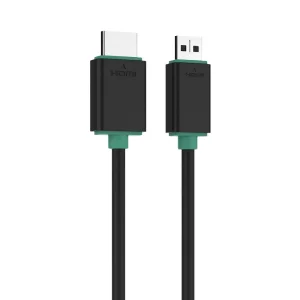
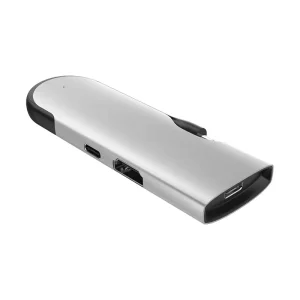
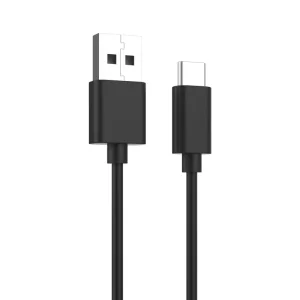
In the modern digital landscape, the global demand for reliable, high-speed data transmission and robust power delivery is at an all-time high. Enterprise IT networks, industrial automation arrays, and consumer device ecosystems rely extensively on the interoperability of USB Type-C and USB Type-A 3.0 interfaces. However, importing and deploying these essential hardware components at scale involves navigate complex regulatory, design, and manufacturing validation frameworks.
This technical guide and whitepaper details the critical requirements of CE-certified USB-C and USB-A 3.0 interconnects, analyzes global supply chain dynamics, and provides a clear framework for procurement departments to partner with premium, audited exporting factories. Operating with validated ISO-compliant manufacturing practices is no longer just a legal mandate; it is a critical competitive necessity for reducing failure rates and protecting downstream consumer electronics from electrical anomalies.
CE marking indicates that the USB products have been assessed to meet high safety, health, and environmental protection requirements.
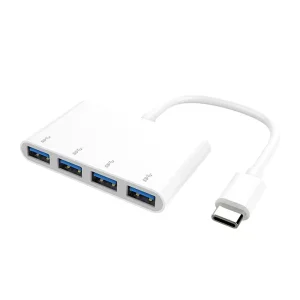
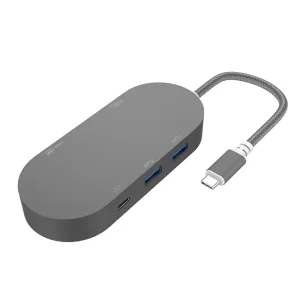
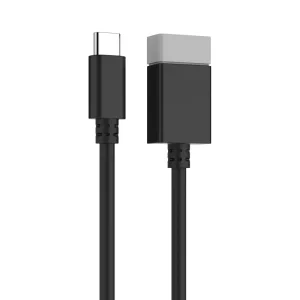
The transition from legacy hardware interfaces to USB Type-C is one of the most significant standardizations in electronic engineering history. However, global enterprises still face the practical reality of maintaining extensive infrastructure networks that rely on legacy USB-A 3.0 ports. As a result, procurement directors are increasingly targeting multi-interface solutions (e.g., hybrid USB C to USB A 3.0 adapters, OTG cables, multi-port hubs, and hybrid docking systems) to bridge the hardware generation gap.
Large-scale corporations require uniform connectivity solutions for hot-desking, conference rooms, and workstation fleets. USB-C docking hubs combined with legacy USB-A 3.0 backward compatibility ensure all employee laptops, devices, and legacy peripherals operate seamlessly without downtime.
Smart factories and manufacturing plants utilize USB-A 3.0 connections for PLCs (Programmable Logic Controllers), optical sensors, and diagnostic instrumentation. High durability, locking connectors, and strict EMC shielding are mandatory to avoid costly interference-induced signal dropouts.
Safety-critical sectors demand extreme quality assurance. CE, FCC, and RoHS certifications guarantee that the USB hubs and data cables utilized in medical diagnostic carts and automotive telematics systems do not emit hazardous noise or overheat during high-load charging cycles.
Not all USB cables and hub assemblies are manufactured to the same standards. Premium exporters employ advanced structural layouts to ensure long-term physical durability and optimal signal integrity. The table below delineates the structural differences between standard consumer-grade USB components and high-reliability industrial-grade equivalents designed for global export markets.
| Feature Parameter | Consumer Grade (Low Cost) | Industrial Grade (Taitron Standard) | Technical Impact |
|---|---|---|---|
| Conductor Core Material | Copper-clad Aluminum (CCA) | Oxygen-Free Tinned Copper (OFC) | Lower resistance, higher current carrying, avoids internal oxidation. |
| EMC Shielding | Single-layer foil (often incomplete coverage) | Triple Shielding (Al-Mylar Foil + Braiding + Drain Wire) | Attenuates EMI/RFI, preventing interface dropouts in high-noise zones. |
| Outer Jacket Material | Standard PVC (prone to splitting) | Reinforced TPE or Dual-Braid High-Density Nylon | Increased flex life (over 10,000 bend cycles) and chemical resistance. |
| Connector Shell Construction | Glued two-piece plastic | Integral Inner Metal Shield with Anodized Aluminum Housing | Structural reinforcement, eliminates structural failure under side-loading. |
| IC Control Assemblies | Generic non-compliant controller chips | Certified E-Marker (PD) & Realtek/Via Hub Chipsets | Ensures safe voltage negotiation, reliable data routing, and thermal throttling. |
High-speed signal propagation at speeds up to 10 Gbps (USB 3.1 Gen 2) and beyond requires meticulous design parameters. At these frequencies, transmission lines behave as high-frequency waveguides. Our manufacturing processes utilize precision automated soldering terminals and strict impedance-matching protocols to maintain a target differential impedance of 90 ohms (± 5 ohms).
By integrating dedicated shielding around the High-Speed differential signaling pairs (TX/RX), we systematically reduce internal crosstalk and minimize return loss. This guarantees error-free data packets even over longer cable assemblies, eliminating the common issue of USB-A 3.0 hubs defaulting to USB 2.0 speeds due to signal noise.
For global exporters and importers targeting EU markets, compliance with the CE marking system is mandatory. For active USB-C hubs and powered converters, this involves demonstrating conformance to the Electromagnetic Compatibility (EMC) Directive 2014/30/EU. Testing protocols verify that the device does not emit excessive radio frequency interference that could disrupt local wireless systems, and that it possesses adequate immunity to electrostatic discharges (ESD) up to 8kV.
Furthermore, active USB adapters delivering high wattage over Power Delivery systems are subject to the Low Voltage Directive (LVD) 2014/35/EU or the safety requirements under the Audio/Video, Information and Communication Technology Equipment Standard (EN IEC 62368-1), ensuring protection against electrical shocks and thermal risks.
Established with a deep heritage in precision electronics manufacturing, Dongguan Taitron Electronics Limited (formerly known as Tonetron) has been at the forefront of the connection line and peripheral equipment industry for close to four decades. Founded in Keelung, Taiwan, in 1984, the company established its independent, self-built production industrial park in Dalingshan Town, Dongguan City, China, in 1993.
Over a 38-year legacy of manufacturing excellence, Taitron has evolved from producing foundational audio and video peripheral cables into a high-technology R&D and manufacturing hub. Today, we specialize in high-end data and display connection technologies, including HDMI 2.1, DisplayPort 2.0, USB4, USB-C 3.1 Gen2, high-power USB charging cables, 8K ultra-HD conversion cables, and multi-functional Type-C docking stations.
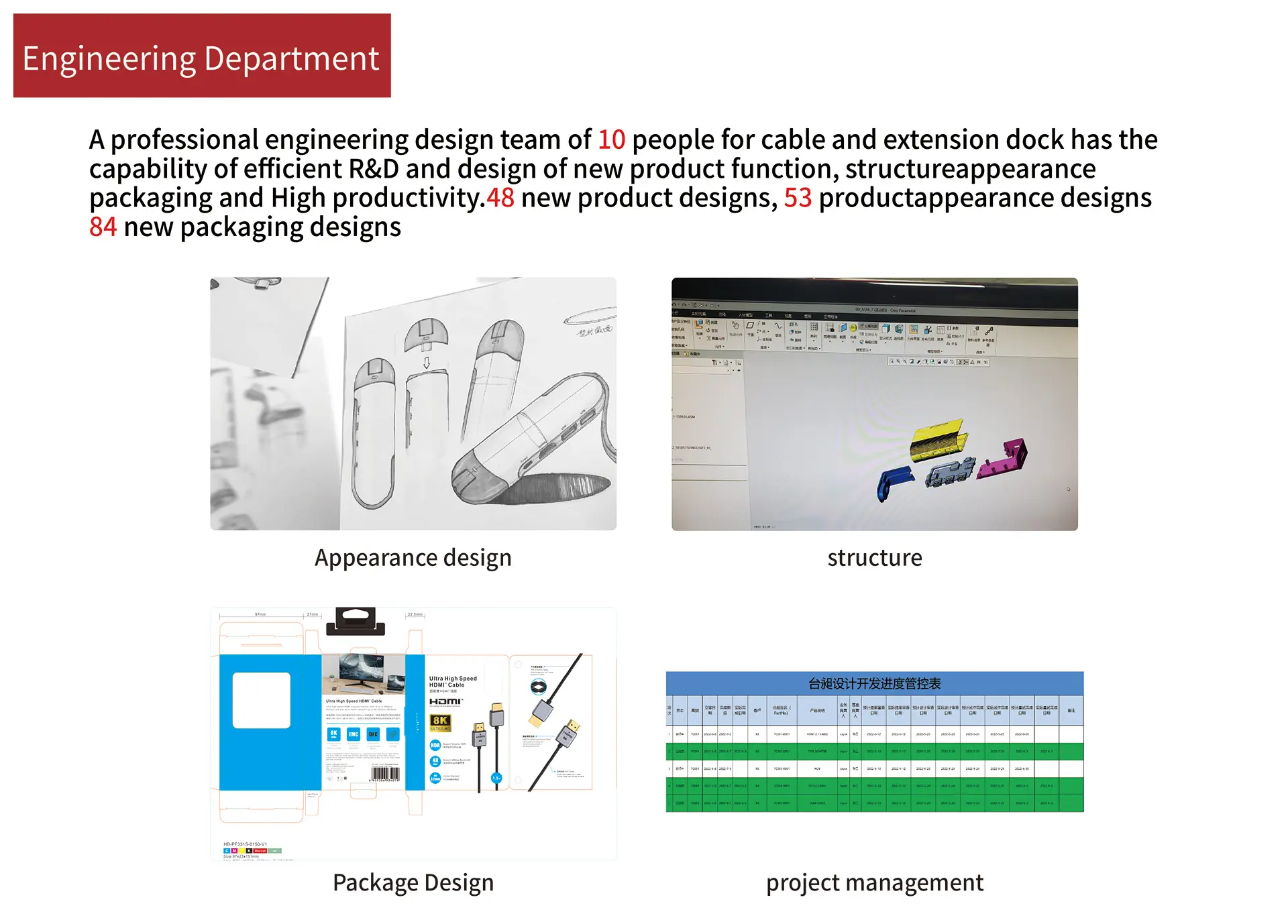
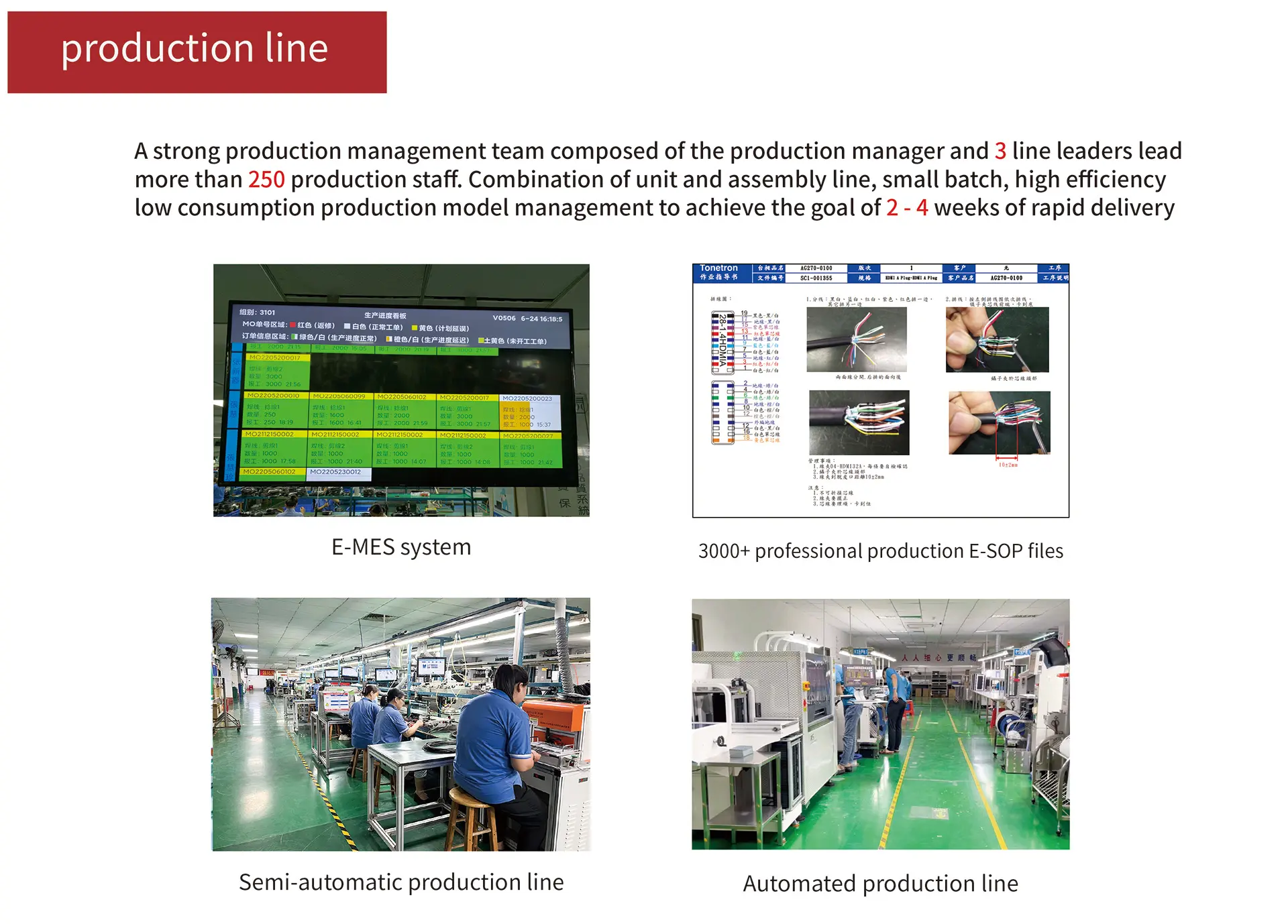
Our manufacturing philosophy revolves around absolute vertical integration, continuous quality assurance, and global compliance standards. Our facility features advanced automated assembly lines, high-frequency testing equipment, and dedicated quality management divisions to ensure every product shipped meets the strict regulations of international export markets.

As the digital infrastructure of enterprises continues to evolve, the demand for higher bandwidth is moving rapidly towards USB4 and Thunderbolt 4/5 integration. However, the cost efficiency and performance stability of USB-C and USB-A 3.0 interfaces ensure that they will remain the dominant hardware standard for bulk business deployments through 2030. In industrial automation, robotics, and consumer peripherals, the 5 Gbps to 10 Gbps capability of USB 3.0 meets or exceeds the requirements of the majority of data-harvesting end-points.
Modern docking stations utilize intelligent chipsets to partition power budget resources dynamically across connected interfaces, ensuring high-power peripherals receive adequate electricity without dropping system connections.
Integrating E-Marker (Electronically Marked) chips within USB-C cables ensures that the host and device negotiate optimal charging voltages (up to 20V/5A or 48V/5A under EPR) while protecting circuitry from voltage spikes.
With high-frequency interference (such as 2.4GHz Wi-Fi and Bluetooth degradation due to USB-A 3.0 ports) remaining a common issue, next-generation manufacturing utilizes localized metallic cages (Faraday shields) built directly into the connector housing of the hub assembly. This shields neighboring RF components from noise leakages.
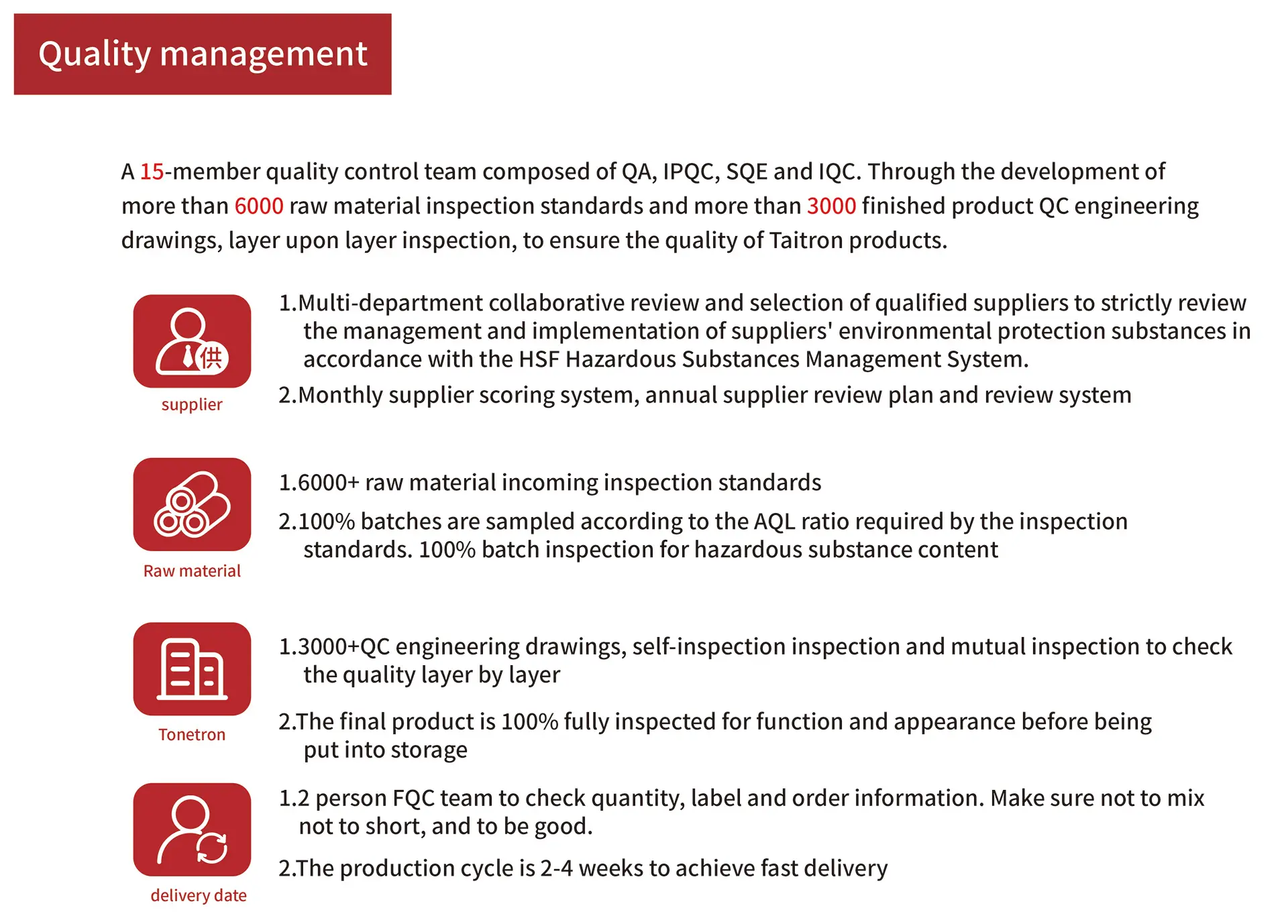
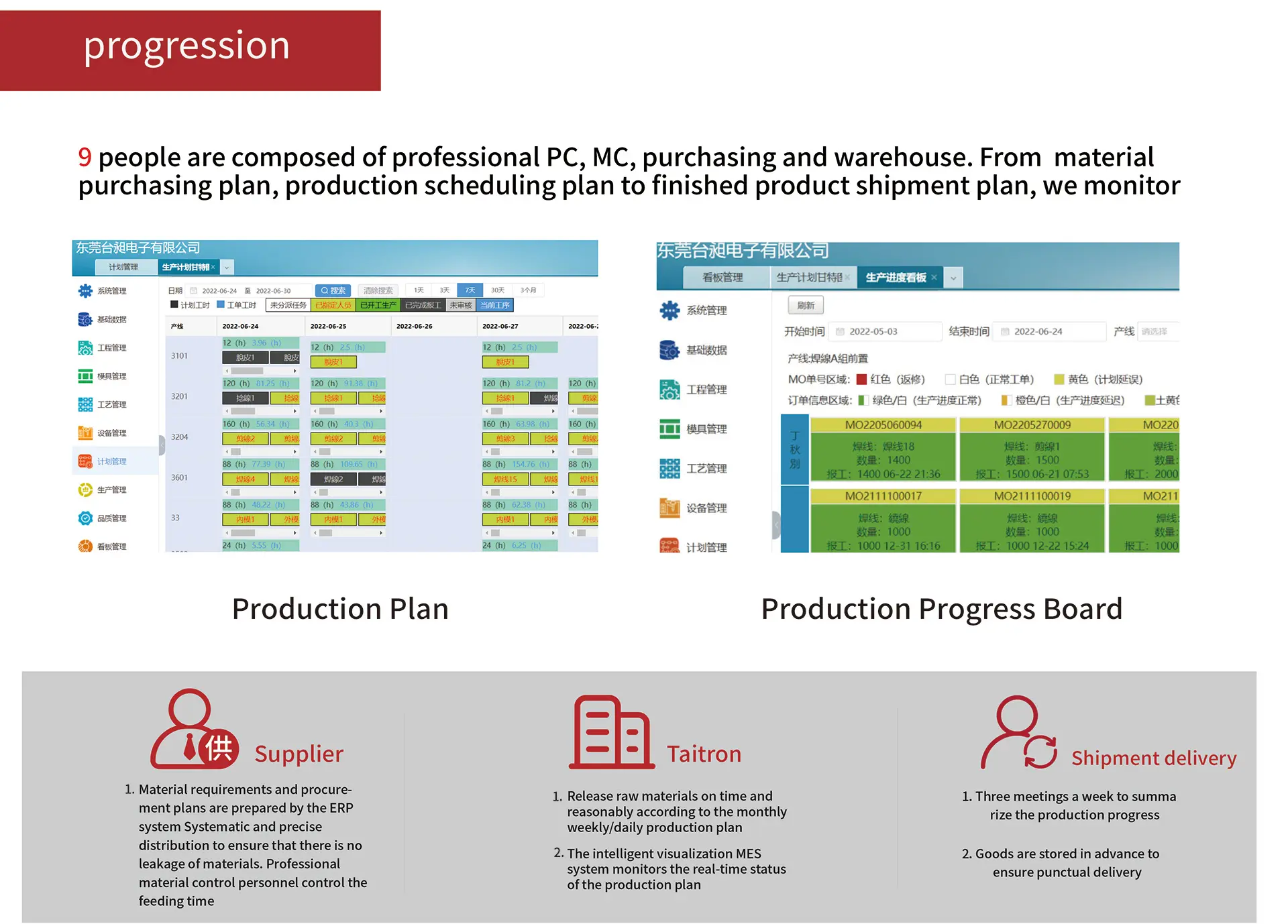
For international sourcing directors, importing high-volume consignments of electronic hardware presents operational risks. Sourcing from unverified suppliers often leads to compliance delays at customs ports, high defect ratios (RMA), and potential hazard risks due to poor thermal engineering. Dongguan Taitron Electronics mitigates these structural sourcing issues by providing comprehensive documentation trails, tracing all raw materials to their source, and adhering to strict ISO 9001 quality management procedures.
Our factory provides complete transparency during pre-shipment evaluations. Clients receive full testing reports including High-Frequency Time Domain Reflectometry (TDR) parameters, eye diagram measurements, insert-and-extract lifespan validation curves, and CE/FCC/RoHS compliance declarations. Partnering with a vertically integrated manufacturer ensures that your brand avoids supply chain bottlenecks and localized compliance audits.
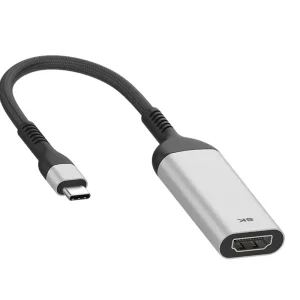
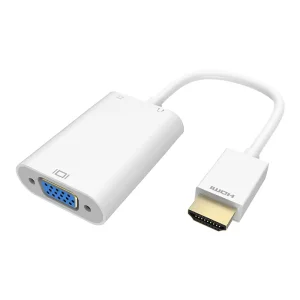
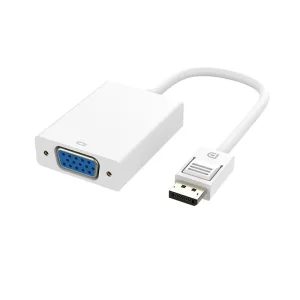
Explore our advanced hardware solutions, including multi-port hubs, OTG conversion systems, high-bandwidth HDMI/VGA display interfaces, and high-frequency active adapters.
 Taichang Electronic