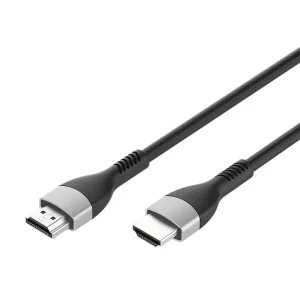
Explore our high-performance adapters, high-speed interface connections, and enterprise cabling solutions.
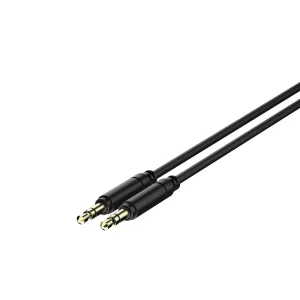
Why Ethernet remains the gold standard for secure, stable, and low-latency professional communication networks.
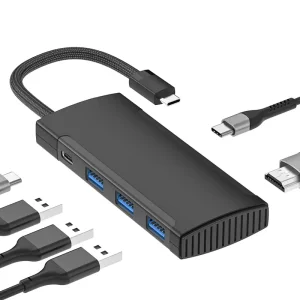
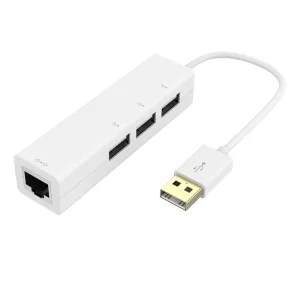
In the modern era of cloud computing, smart workspaces, and high-frequency data transfers, high-speed Wi-Fi networks often struggle with signal congestion, packet loss, and high latency. A USB to Internet cable—commonly designed as a USB-C or USB-A to RJ45 Ethernet adapter—acts as a vital bridge. It transforms any standard USB port into a dedicated Gigabit Ethernet input, ensuring raw data speeds of up to 1000 Mbps with zero reliance on local wireless signals.
For global enterprises, software engineers, financial operators, and medical centers, a wired connection is not just about raw speed; it is about absolute data integrity. Advanced hardware controllers like the Realtek RTL8153 or ASIX AX88179 are integrated directly into the connector shell, handling complex packet management, flow control, and checksum offloading without exhausting host processor bandwidth.
International import laws, particularly in the European Union, dictate that any electronic item capable of signal processing must undergo rigorous compliance checks. True CE Certification ensures that a USB to Ethernet converter adheres strictly to the Electromagnetic Compatibility (EMC) Directive 2014/30/EU and the Low Voltage Directive (LVD) 2014/35/EU.
Uncertified cables pose severe risks to commercial hardware. High levels of electromagnetic interference (EMI) can disrupt surrounding monitors, wireless equipment, and critical sensors. A CE-certified adapter utilizes double-shielded aluminum-mylar foil paired with premium tinned copper braiding to contain high-frequency signals and mitigate external noise.
Assuring legal trade, tailored product customization, and physical reliability in diverse operational environments.
For supply chain directors and retail brands, importing non-compliant tech products can lead to customs seizures, hefty fines, and class-action recalls. Partnering with a CE-certified manufacturer guarantees that your stock is legally safe to distribute throughout the EEA (European Economic Area), assuring your buyers of its safe thermal threshold limits and non-hazardous chemical makeup.
We accommodate global localization parameters by offering localized user manuals, laser-etched diagnostic labels, packaging translations in German, French, Spanish, Japanese, and custom compliance documentation. This ensures end-users experience frictionless product setup, zero return rates, and positive brand recognition.
Whether configured for modern slimline Ultrabooks (MacBook Air/Dell XPS) lacking physical ports, secure industrial PLC control terminals, wall-mounted IP camera hubs, or point-of-sale (POS) systems, our USB-C to Ethernet solutions deliver plug-and-play driver support for macOS, Windows 10/11, Linux, and Android.
Tracing 38 years of precision manufacturing, engineering excellence, and specialized audio-visual technology.
Established in 1984, Dongguan Taitron Electronics Limited (formerly recognized in the global marketplace as Tonetron) originated in the vibrant electronics hub of Keelung, Taiwan. Driven by a vision of massive scaling and global export capability, the company relocated to a self-built independent production industrial park in Dalingshan Town, Dongguan City, China, in 1993. Over the subsequent decades, we expanded our facility footprint, optimized our technical team, and cemented our place as an industry leader in complex connectivity.
With over 38 years of professional connection line manufacturing as our foundation, Taitron has engineered a rigorous evolutionary path. Our catalog spans from basic analog video and audio cabling to cutting-edge digital data standards. Today, our main factory and development wings focus on high-speed consumer tech and industrial protocols, including:
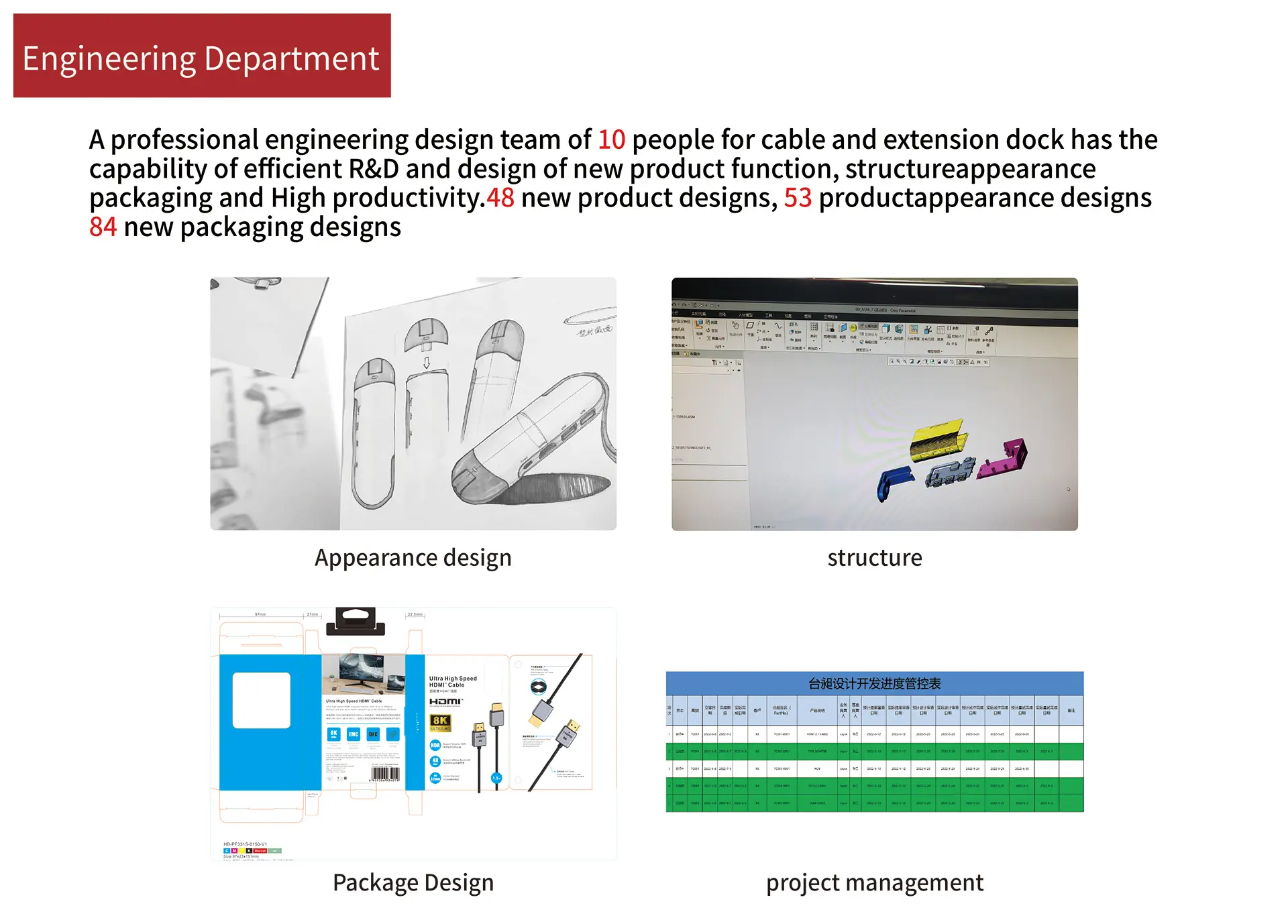
Our core competitive advantage is our vertical integration. By handling structural design, PCB assembly, automated welding, terminal injection molding, and parametric validation testing under a single quality control system, we pass down incredible efficiency, strict batch consistency, and significant cost savings to our international buyers.

Critical benchmarks to consider when sourcing USB to Internet solutions at scale.
While Gigabit Ethernet remains standard, the rise of Multi-Gigabit networking infrastructure (CAT6 and above coupled with compatible network switches) has accelerated demand for 2.5G and 5G USB-C adapters. Sourcing professionals must evaluate whether their suppliers possess the high-frequency test equipment (such as Network Analyzers) necessary to validate impedance margins and maintain stable performance under increased frequency envelopes.
Constant network packet transmission generates heat, especially within space-constrained IC boards. Aluminum shell housings outperform traditional ABS plastics by serving as a passive heat sink. Anodized aluminum casings pull heat away from active chipsets, ensuring thermal stability during continuous multi-hour operational loads.
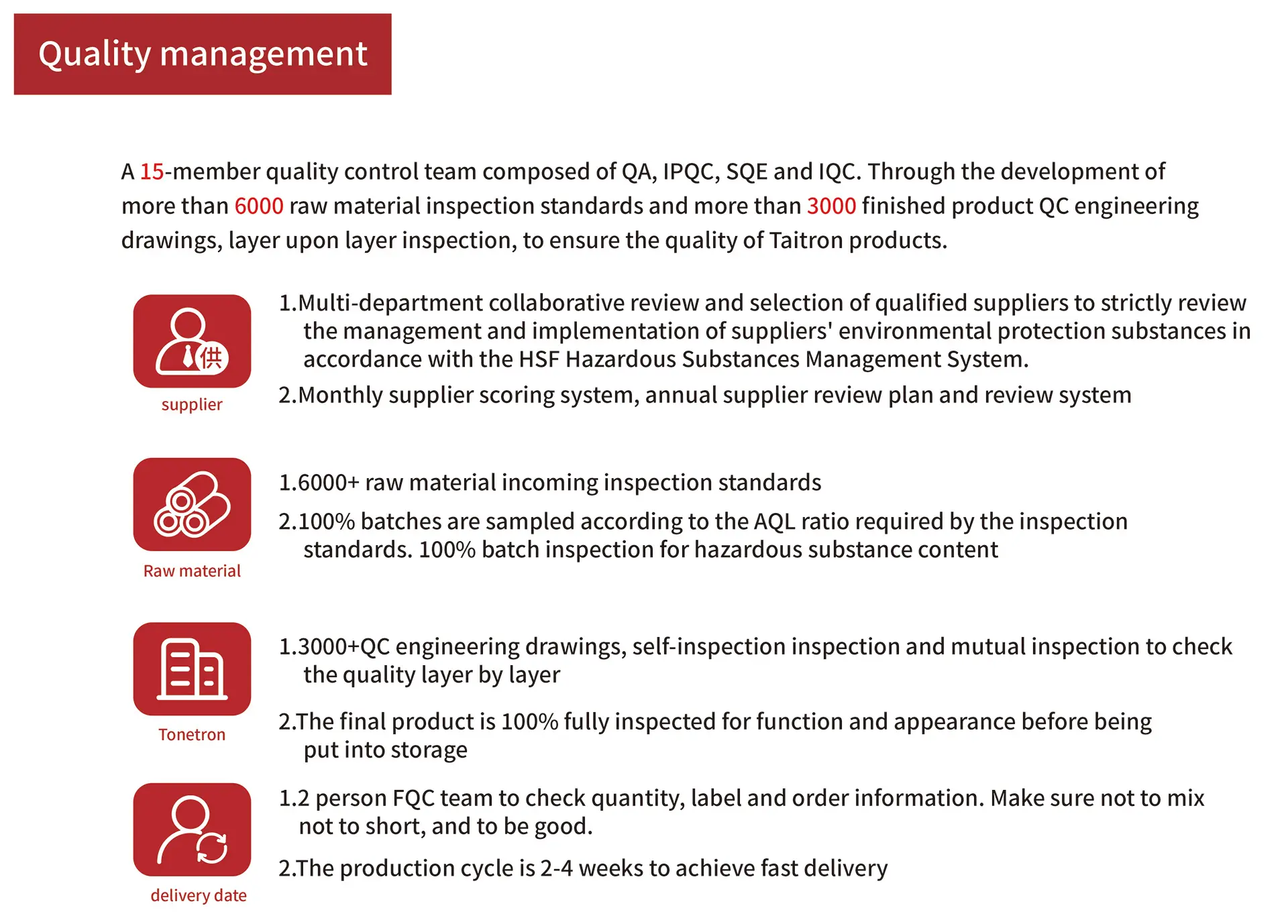
Global initiatives demand restriction of hazardous substances. European buyers require documentation supporting RoHS and REACH directives. As an experienced manufacturer, Taitron tests raw plasticized polymers, solder, and internal chips through independent third-party certification bodies, assuring your products remain compliant with environmental regulations.
Addressing crucial technical, operational, and regulatory questions from enterprise buyers and supply managers.
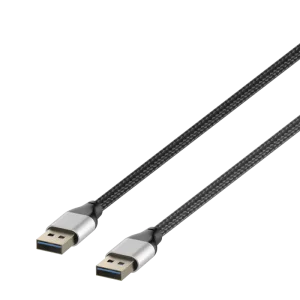
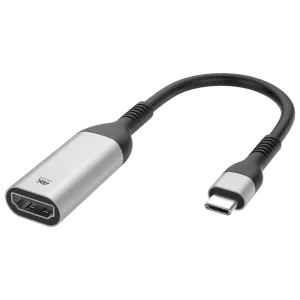
Complete your deployment plans with our premium high-durability accessories.
 Taichang Electronic