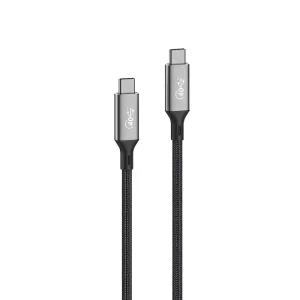
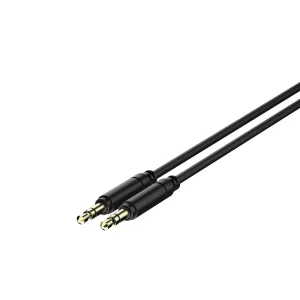
Explore our core industrial selections, from audio transceivers to ultra-high-definition video conversion hubs. These models are built using proprietary structural configurations to meet specialized global OEM requirements.
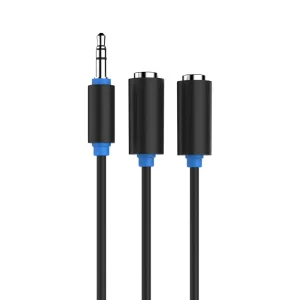
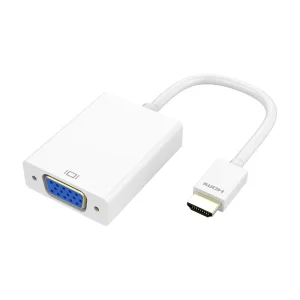
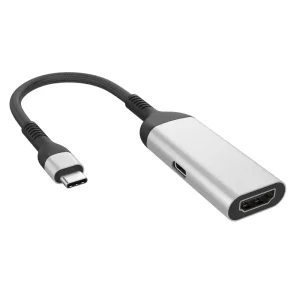
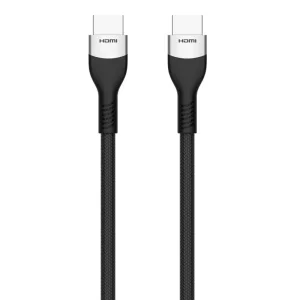
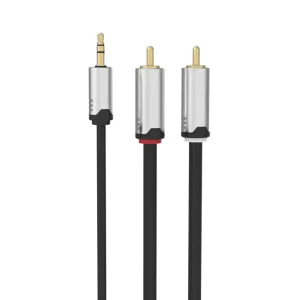
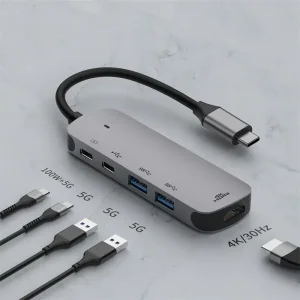
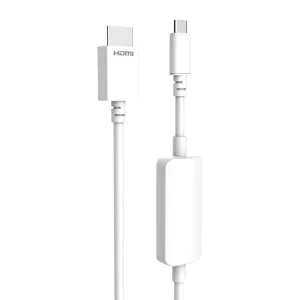
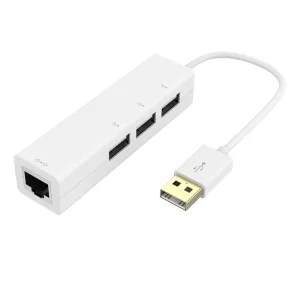
As cross-border electronics trade shifts toward unified standards, the USB-C interface has transitioned from a premium consumer convenience to an essential infrastructure requirement for enterprises. However, this transition is highly dependent on strict compliance. Within the European Economic Area (EEA), importing, stocking, or deploying non-CE-certified hardware poses significant legal, financial, and operational risks. Obtaining CE Certification for USB-C adapters is not just a regulatory step; it serves as verification of design integrity, electromagnetic compatibility (EMC), and low-voltage safety.
This report details the procurement dynamics, factory benchmarks, and engineering standards for sourcing certified USB-C adapters. B2B buyers must navigate complex factors such as material selections, shielding designs, active power-delivery negotiating ICs, and price-scaling structures to build reliable supply chains that meet international standards.
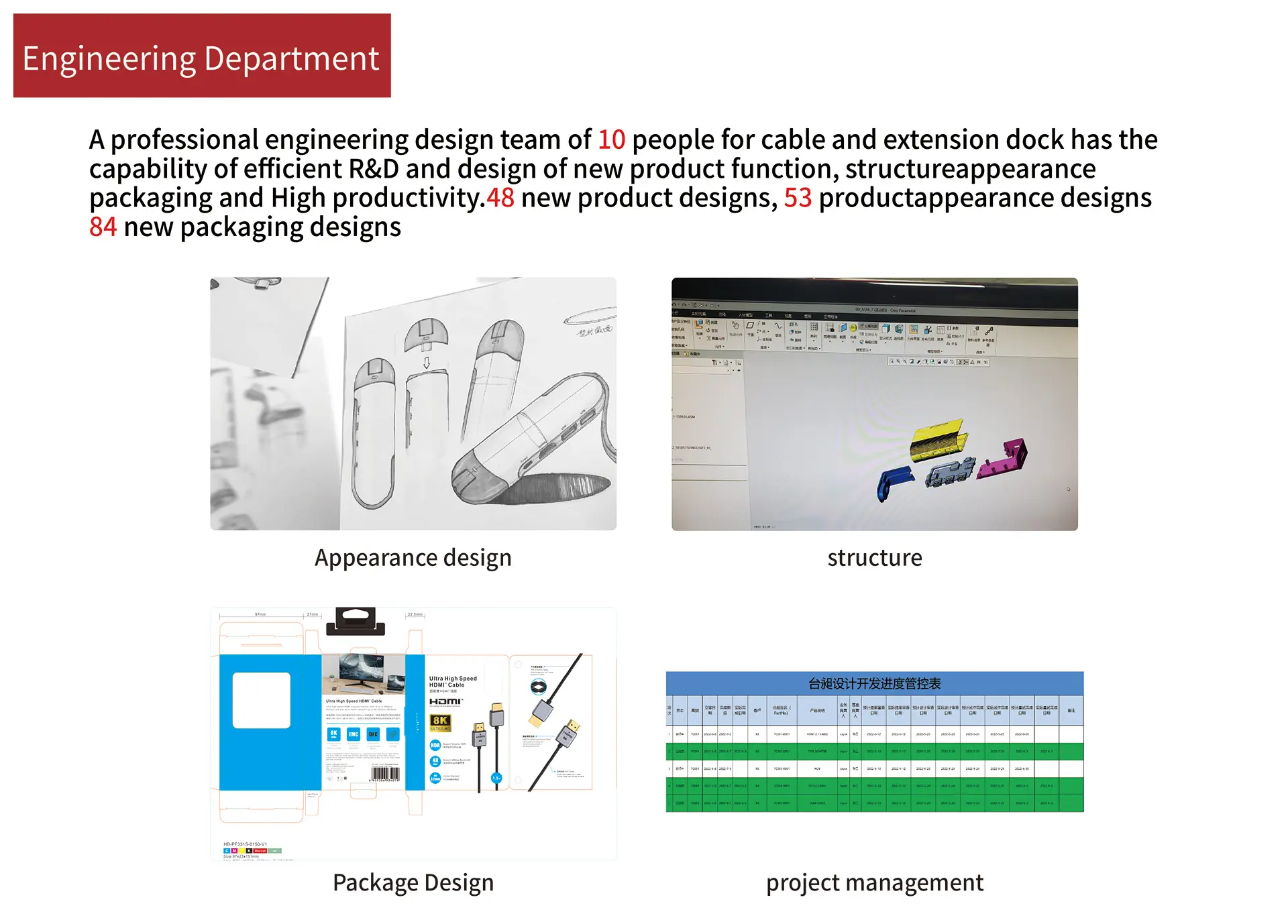
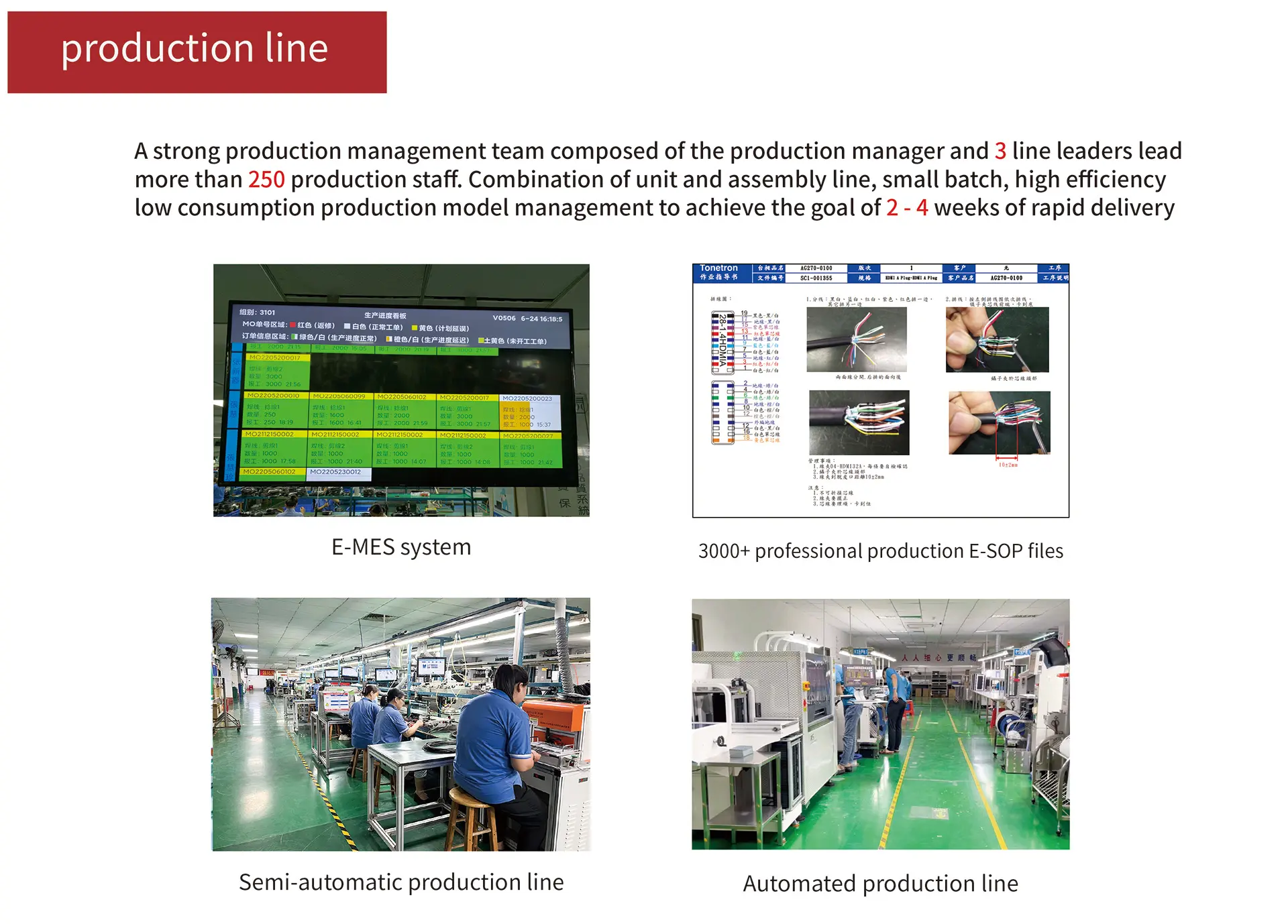
Founded in Keelung, Taiwan in 1984 under the name Tonetron, the enterprise began with a focus on manufacturing high-quality connection lines for professional video and audio peripheral equipment. Recognizing the potential of the manufacturing sector in mainland China, the company relocated to a self-built industrial production park in Dalingshan Town, Dongguan City, Guangdong Province in 1993, officially changing its name to Dongguan Taitron Electronics Limited.
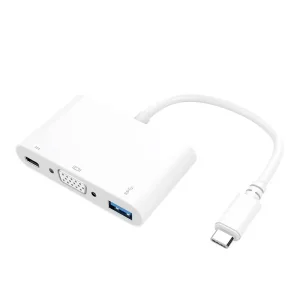
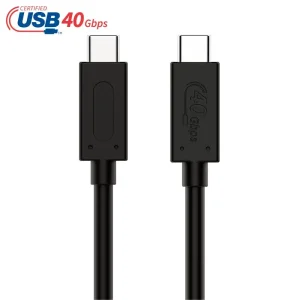
Over the past 38 years, the company has leveraged its engineering foundation in AV cabling to expand into advanced high-bandwidth and high-power connections. Its current portfolio includes HDMI 2.1 cables, DisplayPort 2.0 cables, USB4 data transceivers, USB-C 3.1 Gen 2 adapters, high-wattage charging systems, 8K video converters, and multi-functional Type-C expansion docks.
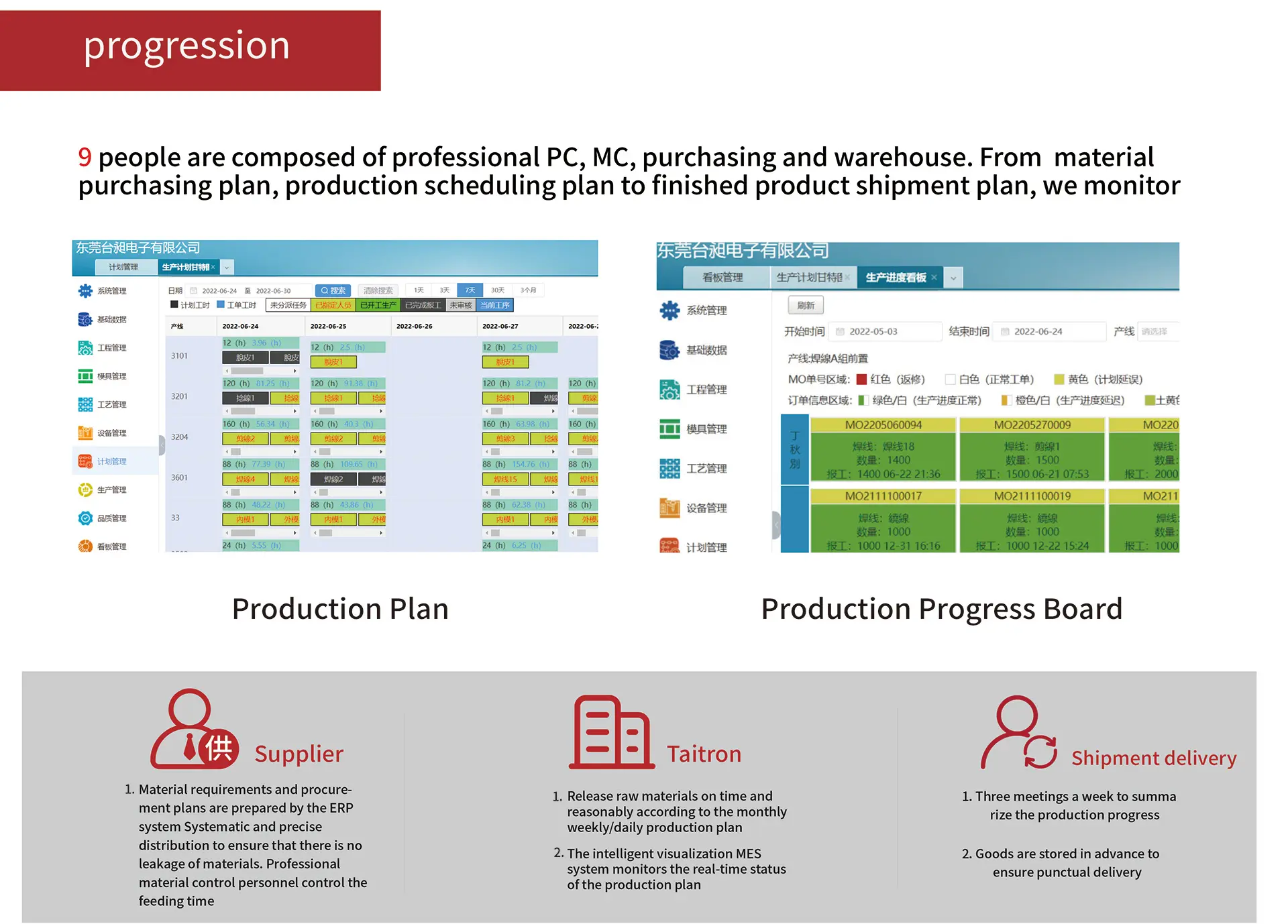
Operating out of its dedicated, vertically-integrated facility in Dongguan, Taitron oversees design, tooling, assembly, and compliance testing in-house. This comprehensive manufacturing approach ensures that every batch meets the strict standards of CE, RoHS, and REACH certifications before global dispatch.

Sourcing USB-C hardware requires a thorough understanding of the technical specifications that govern high-speed data transmission and high-voltage power delivery. When an adapter lacks proper shielding, components can function like antennas, radiating electromagnetic interference (EMI) that can disrupt nearby wireless networks, Wi-Fi bands (particularly 2.4GHz), and cellular systems. The CE certification process assesses these risks through three primary compliance pathways:
Ensures the adapter does not emit excessive electromagnetic noise and remains immune to common electrostatic discharge (ESD) events. Compliance requires 360-degree tinplate canisters surrounding the PCB, solder joints, and grounding pins, preventing signal leakage during high-frequency data transmission.
Applies to hardware operating between 50-1000V AC or 75-1500V DC. While USB-C standard operation is below these limits, adapters with integrated Power Delivery (PD) controllers that negotiate up to 48V/5A (240W Extended Power Range) must feature robust isolation barriers, over-voltage protection (OVP), and over-current protection (OCP) to prevent thermal runaway or electrical fires.
Restricts the use of hazardous substances (e.g., lead, cadmium, mercury, specific phthalates) in the adapter's solder, PVC/TPE jackets, and aluminum chassis. Factories must provide Material Safety Data Sheets (MSDS) and X-ray Fluorescence (XRF) screening reports to verify chemical compliance at the molecular level.
The demand for certified USB-C adapters is driven by hardware standardization and sustainability initiatives, such as the EU Common Charger Directive. Enterprise procurement teams face unique challenges depending on their industry sector:
Modern workplaces rely on hot-desking setups. An uncertified USB-C hub can damage connected corporate laptops, leading to costly hardware failures and loss of productivity. Sourcing CE-certified adapters ensures compatibility with diverse hardware configurations from manufacturers like Dell, Apple, Lenovo, and HP.
In manufacturing environments, USB-C adapters connect legacy controllers to edge-computing hubs. These applications require high noise immunity, secure locking mechanisms, and wide operating temperature ranges (-40°C to +85°C). Taitron's industrial designs feature reinforced overmolding and shielded twisted-pair configurations to maintain performance under demanding conditions.
Medical imaging systems, diagnostics, and lab instrumentation require stable data streams and low leakage currents. Compliance with CE medical directives (EN 60601) requires signal isolation and high-dielectric breakdown voltage testing, which is integrated directly into Taitron's premium manufacturing protocols.
B2B buyers frequently request "pricelist updates" without analyzing the underlying cost drivers. The pricing of a USB-C adapter is determined by several core components. Below is a breakdown of the production costs for a typical 5-in-1 multi-functional CE adapter:
Working directly with an established factory like Dongguan Taitron helps reduce costs through economies of scale. High-speed SMT assembly lines, in-house plastic injection tooling, and dedicated test laboratories allow Taitron to reduce unit costs compared to trading companies that rely on sub-contractors.
Explore our high-bandwidth options. These models feature advanced chipsets and optimized PCB designs, engineered to deliver stable performance across varying electrical loads.
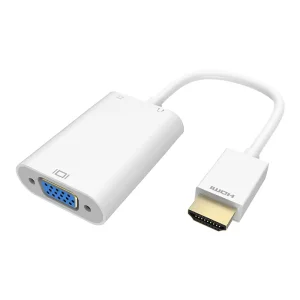
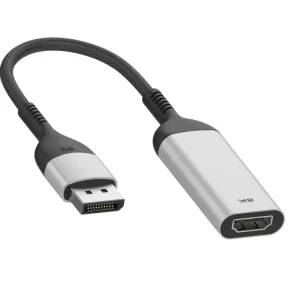
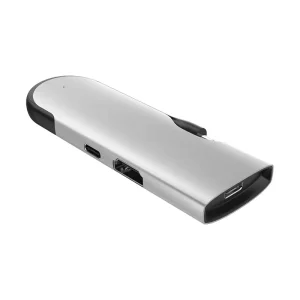
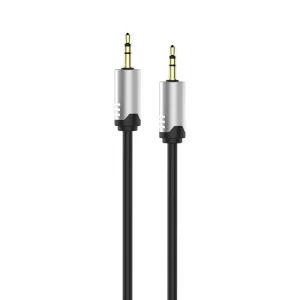
As bandwidth requirements increase, the design of USB-C adapters continues to evolve. Staying competitive in the market requires aligning product development with the latest industry standards:
Designed to handle 80Gbps speeds using PAM3 signaling, this technology supports multi-channel high-definition display arrays and high-speed storage without signal degradation. Internal layouts require advanced crosstalk prevention and high-quality PCB materials.
Enables direct output of 8K video at 60Hz or dual 4K displays at 120Hz via USB-C. These systems require high-performance conversion chipsets, stable impedance matching (90Ω ± 5%), and thorough thermal dissipation to prevent heat buildup during extended use.
Supporting charging rates up to 48V/5A, EPR-enabled adapters require specialized materials to handle the higher voltage. Design features must include spark-prevention mechanisms, physical clearance on the PCB, and heat-resistant overmolding.
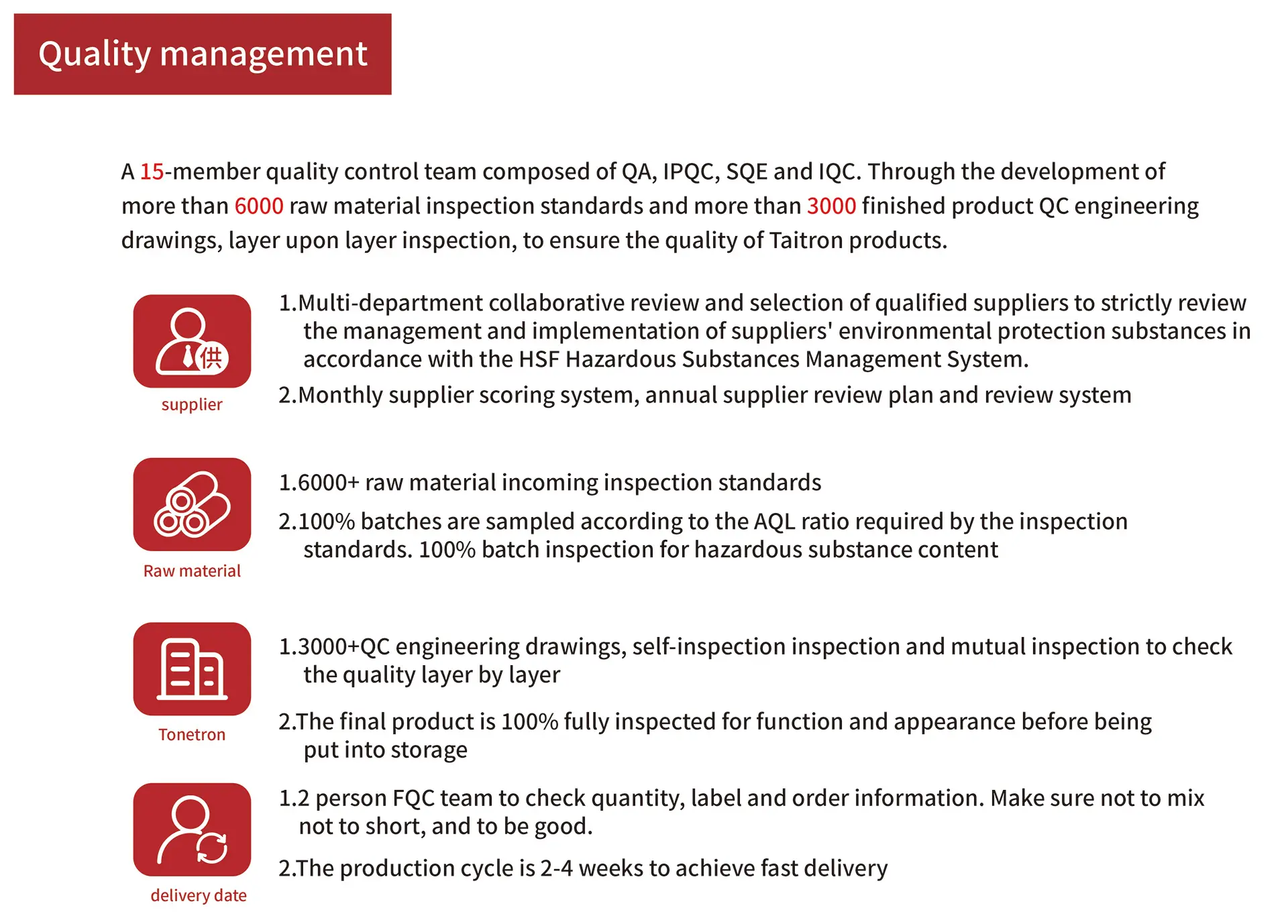
Ensuring compliance across thousands of units requires structured manufacturing protocols. Dongguan Taitron Electronics implements a comprehensive quality assurance framework at every production stage:
Every batch of copper wire, connector pins, aluminum housings, and chipsets undergoes spectroscopy testing and physical inspection to verify compliance with RoHS and REACH standards.
Completed assemblies undergo testing using time-domain reflectometers (TDR) and network analyzers to verify impedance parameters, attenuation profiles, and overall signal integrity.
Adapters are tested in environmental chambers under elevated temperatures and high current loads to verify thermal stability, ensuring they meet the safety requirements for CE certification.
To verify a CE certificate, request the complete Test Report and Declaration of Conformity (DoC). The report must match the manufacturer's name and should be issued by an accredited laboratory (e.g., TUV, SGS, Intertek). It must reference the specific harmonized standards, such as EN 55032/EN 55035 for EMC and EN 62368-1 for LVD safety.
The primary cost drivers are the interface control chipsets (e.g., active ICs for PD negotiation and video conversion), PCB layer configuration (multi-layer HDI boards), housing materials (anodized aluminum alloy vs. basic molded plastic), and the level of internal EMI shielding (such as integrated tinplate shielding cans).
Yes, high-speed data transmission over unshielded USB 3.0 or USB 3.1 connections can generate electromagnetic interference in the 2.4GHz spectrum. This can cause connectivity drops for nearby Wi-Fi routers and wireless peripherals. Certified CE-compliant adapters feature integrated metal shielding to suppress these emissions.
Taitron uses automated SMT assembly, automated optical inspection (AOI), and multi-stage testing, including high-frequency signal testing (TDR) and high-voltage isolation tests. These processes help maintain consistent quality across large-scale production runs.
 Taichang Electronic