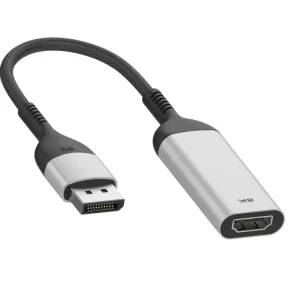
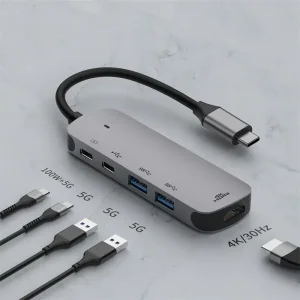
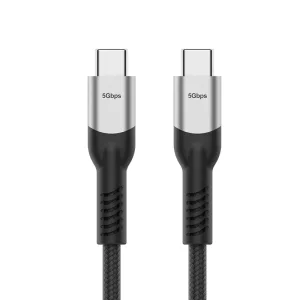
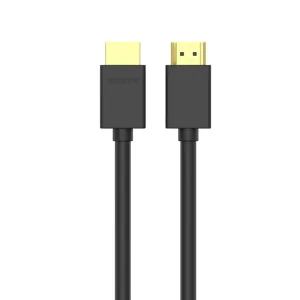
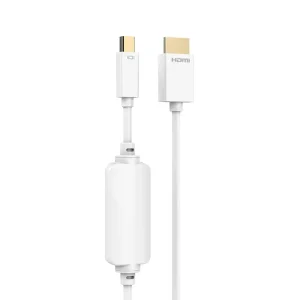
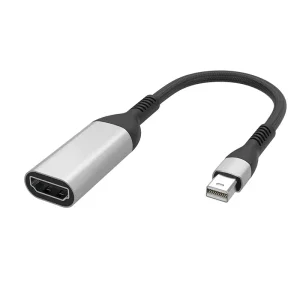
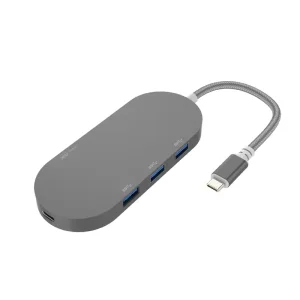
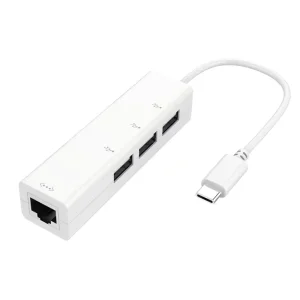
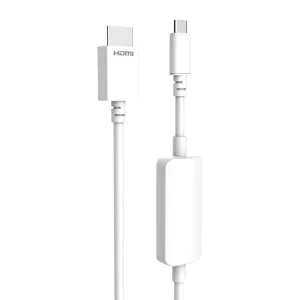
Explore our certified hardware engineering portfolio, constructed for robust commercial deployments, mission-critical infrastructure, and seamless display transitions.
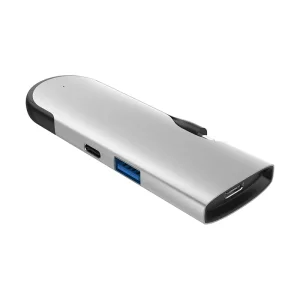
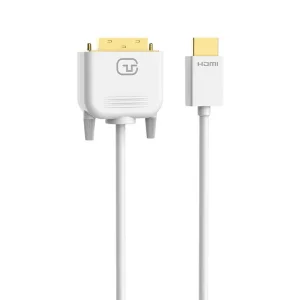
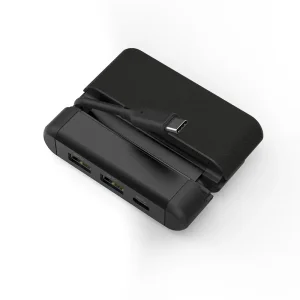
Comprehensive engineering benchmarks, international compliance requirements, and manufacturing best practices for system integrators and global buyers.
Though digital display protocols like HDMI, DisplayPort, and USB4 dominate consumer electronics, legacy VGA (Video Graphics Array) interfaces remain vital in industrial compute engines, medical displays, and data centers. Because VGA relies on raw analog RGBHV signal components, transferring this to a digital receiver requires deep electrical engineering precision.
When specifying a VGA converter, the core differentiator is the digital-to-analog converter (DAC) or active analog-to-digital processor. Active adapters require dedicated internal chipsets to decode high-speed TMDS signals back into red, green, and blue color channels, synchronized with Horizontal and Vertical sync pulses. Standard impedance matching at 75 ohms is mandatory. A slight deviation in resistance values yields signal reflection, ghosting, or color distortion over longer cable runs.
Furthermore, system engineers must factor in electromagnetic shielding. Low-quality adapters lack multi-layered shielding, leaving signals vulnerable to electrostatic discharge (ESD) and radio frequency interference (RFI) in factory automation environments. Premium manufacturers utilize aluminum-magnesium braiding, copper foil wraps, and integrated ferrite cores to block high-frequency electromagnetic noise.
To clear European customs and satisfy the strict requirements of EU procurement agencies, adapters must be certified to meet CE (Conformité Européenne) standards. CE compliance is not merely a label; it requires rigorous hardware testing under the EMC (Electromagnetic Compatibility) Directive 2014/30/EU and the RoHS Directive 2011/65/EU.
The EMC Directive requires that adapters operate without generating excessive electromagnetic disturbances that affect nearby telecommunication networks. Additionally, the adapter must show resistance to electrostatic discharge (ESD), ensuring uninterrupted performance. Under the RoHS directive, materials are screened for toxic substances like lead, cadmium, and hexavalent chromium. This screening protects users and facilitates ecological recycling at the end of the hardware lifecycle.
The absolute center of global high-precision cabling and adapter manufacturing is located in South China, particularly within the industrial ecosystem of Dongguan City. The region’s advanced vertical integration is key: copper drawing mills, precision PVC extrusion, overmolding facilities, packaging suppliers, and automated assembly systems are co-located in a single geographic hub.
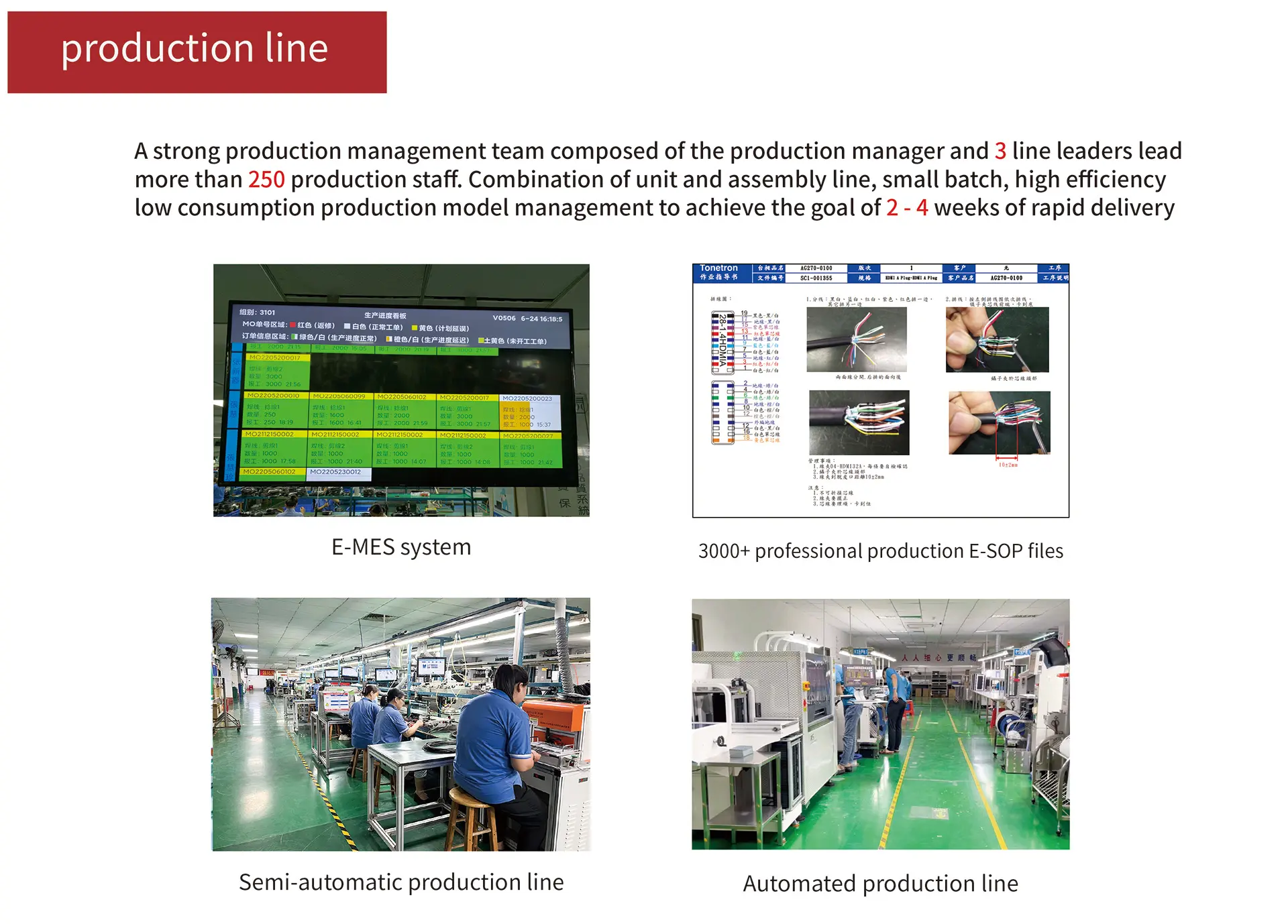
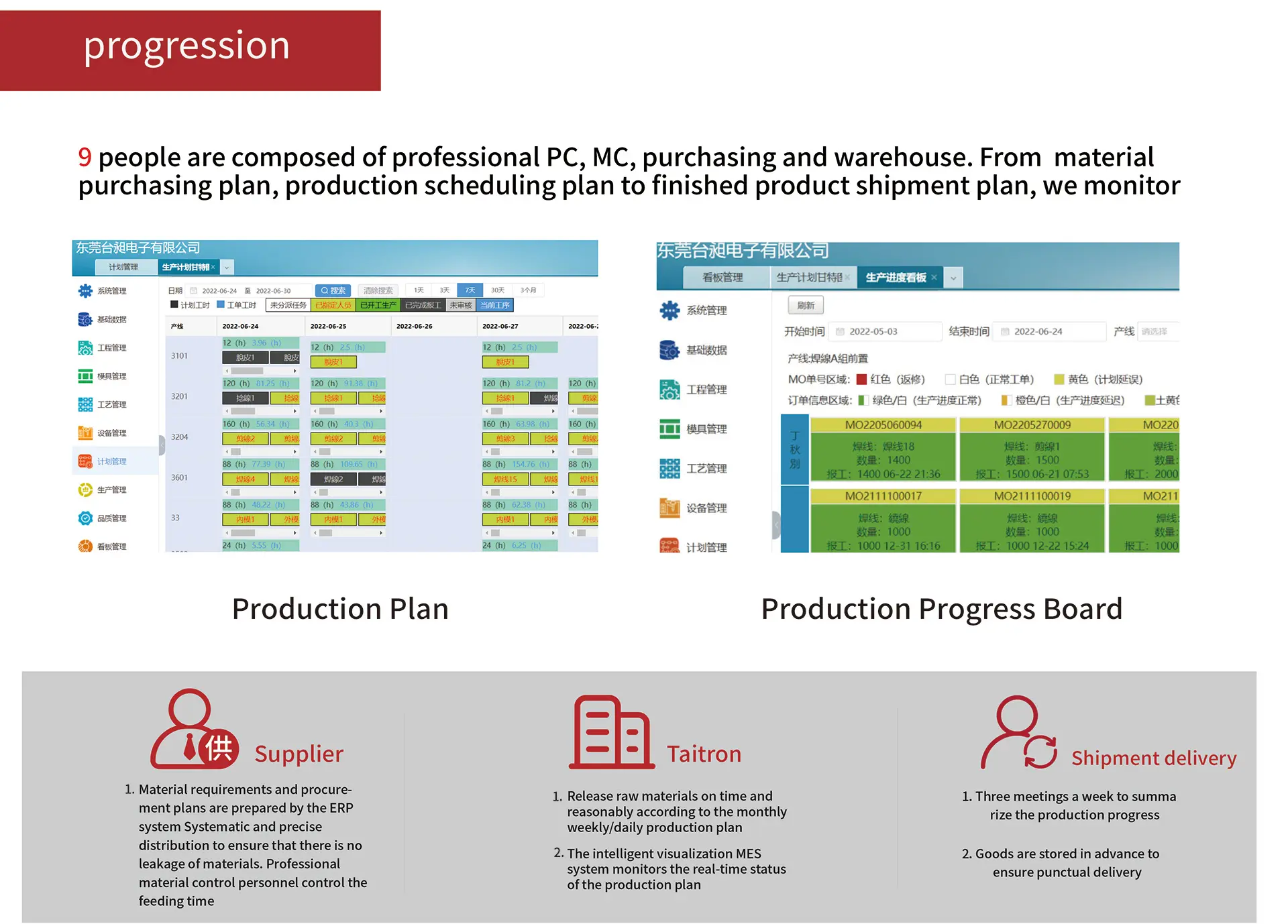
This concentration enables factories to compress production lead times, source raw components at highly competitive prices, and scale up production in response to demand surges. Advanced manufacturing plants utilize automated soldering machines, high-resolution visual inspection cameras, and computerized continuity testers. This automation ensures high throughput while maintaining strict quality control.
In 1984, Dongguan Taitron Electronics Limited., formerly known as Tonetron, was founded in Keelung, Taiwan. In 1993, the company transitioned its manufacturing footprint to a self-built, independent production industrial park in Dalingshan Town, Dongguan City, China, renaming the enterprise to Dongguan Taitron Electronics Limited.
With over 38 years of experience in audio and video connectivity engineering, the company has expanded its portfolio from legacy interfaces to cutting-edge technologies. Our team researches and manufactures ultra-high-definition HDMI 2.1, DisplayPort 2.0, USB4, USB-C 3.1 Gen2, high-power PD cables, 8K adapters, and multi-functional Type-C expansion docks.
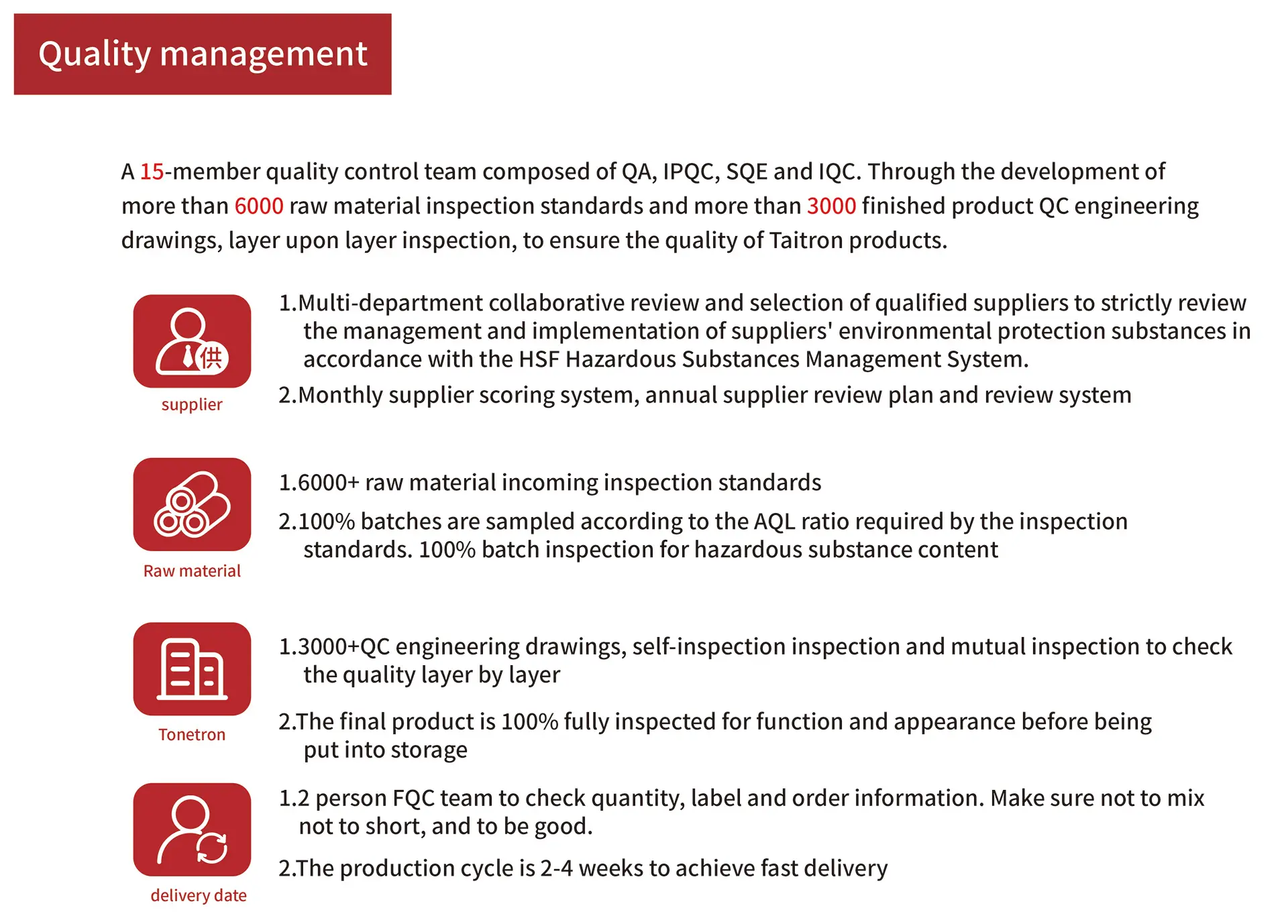
Our facility integrates advanced production machinery, automated soldering lines, high-frequency signal testing rooms, and strict quality control teams. This infrastructure allows us to deliver reliable products to major international brands, industrial integrators, and distributors worldwide.

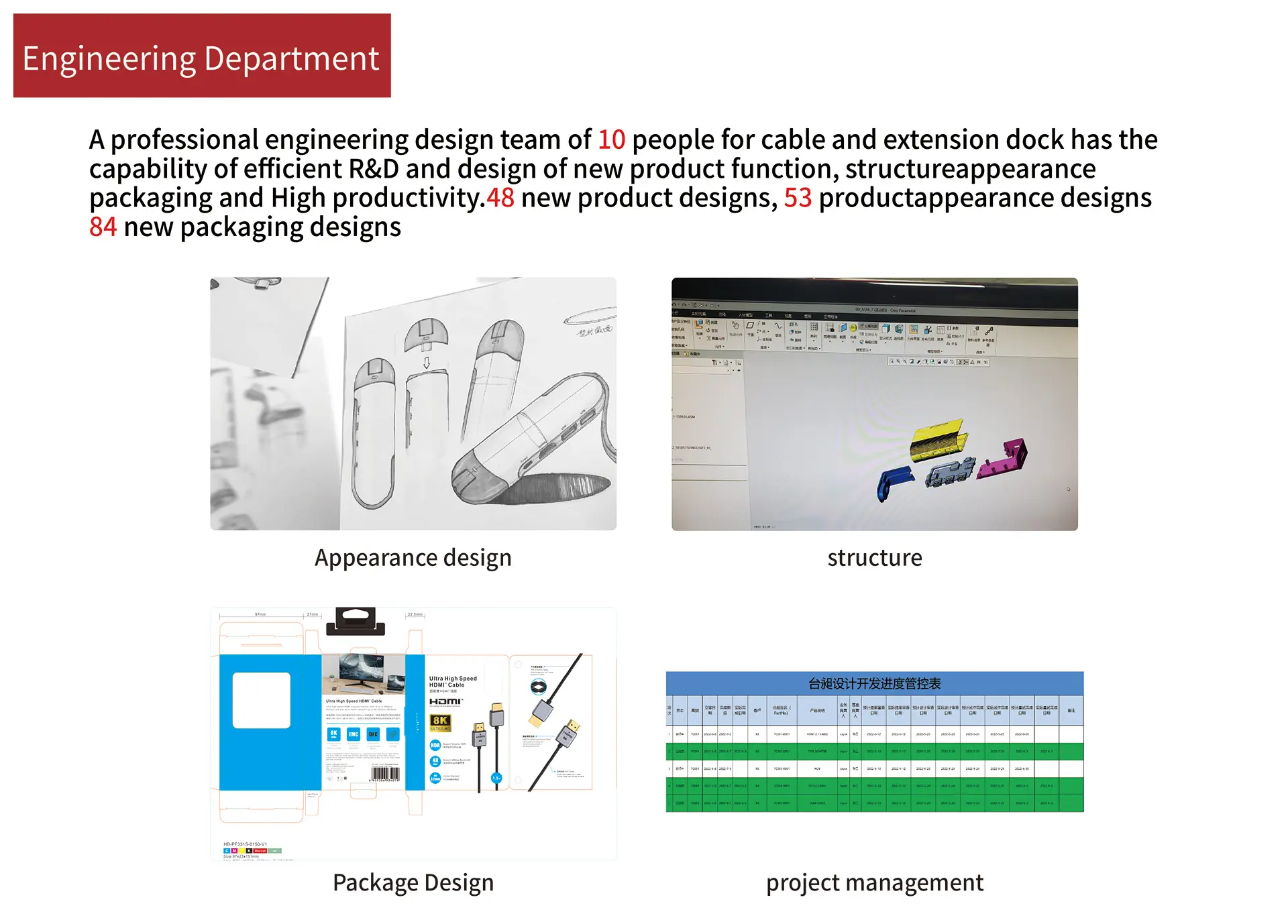
Our Engineering Department: Pioneering signal conversion architectures and hardware designs.

Compare structural configurations, chip architectures, and physical characteristics across our industrial adapter lines.
| Interface Type | Supported Resolutions | Shielding System | Housing Materials | Typical Applications |
|---|---|---|---|---|
| Active VGA to HDMI | 1080p @ 60Hz (Full HD) | Dual foil + 85% Al braid | Alloy / ABS Case | Legacy PCs, Projectors, Security Monitors |
| USB-C to VGA | 1920x1200 @ 60Hz | Triple foil shield | Anodized Aluminum | Modern Laptops, Enterprise Boardrooms |
| DisplayPort to VGA | 1080p / WUXGA | Inner metal shield case | Impact PVC shell | Industrial PCs, Medical Imaging displays |
| Multi-Port Hub (USB-C) | VGA: 1080p | HDMI: 4K/30Hz | Full EMI coverage shield | Premium Aluminum | Corporate workstations, Field engineering kits |
Direct answers from our engineering and regulatory affairs departments concerning VGA standards, certifications, and manufacturing workflows.
CE compliance requires testing for electromagnetic interference (EN 55032) and electrostatic immunity (EN 55035). This ensures that active digital-to-analog components do not emit excess RFI or crash during electrostatic discharge events. Additionally, compliance requires meeting RoHS standards, which limit the use of hazardous substances like lead and mercury.
VGA is strictly analog, while interfaces like HDMI, DisplayPort, and USB-C are digital. A passive adapter only works if the source device (such as certain industrial graphics cards) is engineered to output an analog signal through a digital port. Conversely, active adapters feature an integrated DAC chip that actively converts incoming digital video data into an analog RGB signal.
We use high-purity, oxygen-free copper (OFC) conductors, which offer lower signal attenuation than copper-clad steel alternatives. Additionally, our adapters are designed with 75-ohm impedance matching and triple-layer shielding (incorporating conductive foil and dense aluminum braiding) to protect signal integrity over extended physical distances.
Dongguan hosts a highly integrated electronics supply chain. Our raw material suppliers, component vendors, packaging designers, and logistics networks are co-located in this region. This close physical proximity allows us to secure cost efficiencies, maintain consistent quality control, and expedite custom tooling processes.
We offer design flexibility, including custom molding, aluminum housing finishes, laser-etched branding, tailored cable lengths, and custom packaging. For industrial-grade deployments, we can also modify internal circuitry to support specific voltage ranges, add ESD protection, or implement specialized active chipsets.
Every production batch undergoes a series of quality checks. This includes automatic physical assembly inspection, automated electrical continuity tests, signal attenuation analysis on high-frequency network analyzers, thermal cycling chamber testing, and cable strain-relief load tests.
Explore our secondary lineup of certified converters, high-frequency HDMI cables, and multi-interface docking stations.
 Taichang Electronic