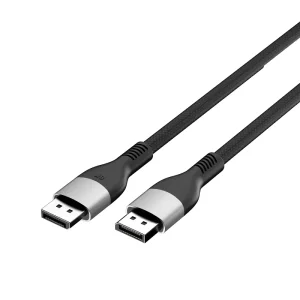
The introduction of VESA’s DisplayPort 2.0 and the subsequently consolidated DisplayPort 2.1 standard represents the most aggressive generational leap in ultra-high-definition data transmission history. With data requirements spiking for high-refresh-rate gaming monitors, enterprise multi-screen stations, and specialized simulation visualization, engineers require a solid understanding of the physical layer (PHY) shifts. Standard DisplayPort 1.4a tops out at 32.4 Gbps total bandwidth (25.92 Gbps payload), which bottlenecks 8K resolutions at higher refresh rates without significant chroma subsampling.
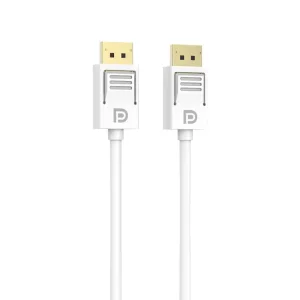
DisplayPort 2.0 / 2.1 introduces the Ultra High Bandwidth Rate (UHBR) transmission modes. Operating over a total theoretical bandwidth ceiling of 80 Gbps (with UHBR 20 utilizing four lanes at 20 Gbps per lane), the standard leverages a highly efficient 128b/132b channel encoding scheme. This architecture ensures a massive 96.7% payload efficiency compared to the 80% efficiency of 8b/10b encoding used in legacy systems. Finding reliable, certified factory resources to quote these high-frequency cables at competitive volumes is essential for global computer accessory brands and enterprise IT suppliers.
| Feature Standard | DisplayPort 1.4a | DisplayPort 2.0 / 2.1 (UHBR 10) | DisplayPort 2.1 (UHBR 13.5) | DisplayPort 2.1 (UHBR 20) |
|---|---|---|---|---|
| Max Bandwidth | 32.4 Gbps | 40.0 Gbps | 54.0 Gbps | 80.0 Gbps |
| Encoding Protocol | 8b/10b (80% Eff.) | 128b/132b (96.7% Eff.) | 128b/132b (96.7% Eff.) | 128b/132b (96.7% Eff.) |
| Max Single Display | 8K @ 30Hz | 8K @ 60Hz (Uncompressed) | 10K @ 60Hz (Uncompressed) | 16K @ 60Hz (With DSC) |
| Target Core Market | 4K Gaming / Office | Dual 4K / Core 8K | High-End Workstation / Pro AV | Next-Gen eSports / Ultra VR |
UHBR modes demand superior hardware signaling. DP 2.1 aligns physical characteristics closer to USB4 and Thunderbolt 4, requiring precise manufacturing of native DP-to-DP structures as well as Type-C alt-mode configurations.
Integrating DSC (Display Stream Compression) 1.2a allows visually lossless video rendering up to 16K. System design must minimize frame buffer delay while ensuring stable packet delivery over long run distances.
Advanced Link Training (LT) algorithms ensure immediate source-to-sink sync. This eliminates the legacy display drop-out issues common during resolution changes or hardware handshakes.
Enterprise buyers do not look at physical cables in isolation. For global logistics, medical fields, and high-frequency trading platforms, DisplayPort 2.1 interface systems act as the primary pipeline connecting high-performance computational clusters with display grids. High-frequency digital signals are vulnerable to EMI (Electromagnetic Interference) and signal degradation over distance. Standard factory designs fail when they don't optimize shielding for the high sub-carrier modes of UHBR.
In Medical Diagnostic Centers, rendering detailed MRI or CT scans in real time requires absolute color accuracy, high bit depth (10-bit or 12-bit HDR), and high resolution without artifacting. A cheap quote on poor-quality cables can result in data drops or pixel anomalies that undermine critical diagnoses. For Simulators and VR training centers, the bandwidth provided by DP 2.1 allows dual-channel high-refresh 90Hz+ signals to eliminate motion sickness during long simulation periods.
For Modern Control Rooms and Financial Operations, managing multiple high-resolution daisy-chained displays off single workstation outlets reduces workspace hardware clutter. Our factories address these application fields through targeted tooling, customized PCB housings, and thicker inner-conductor gauge specifications (like 28AWG to 30AWG silver-plated copper) ensuring that a competitive price point does not compromise long-term signal stability.
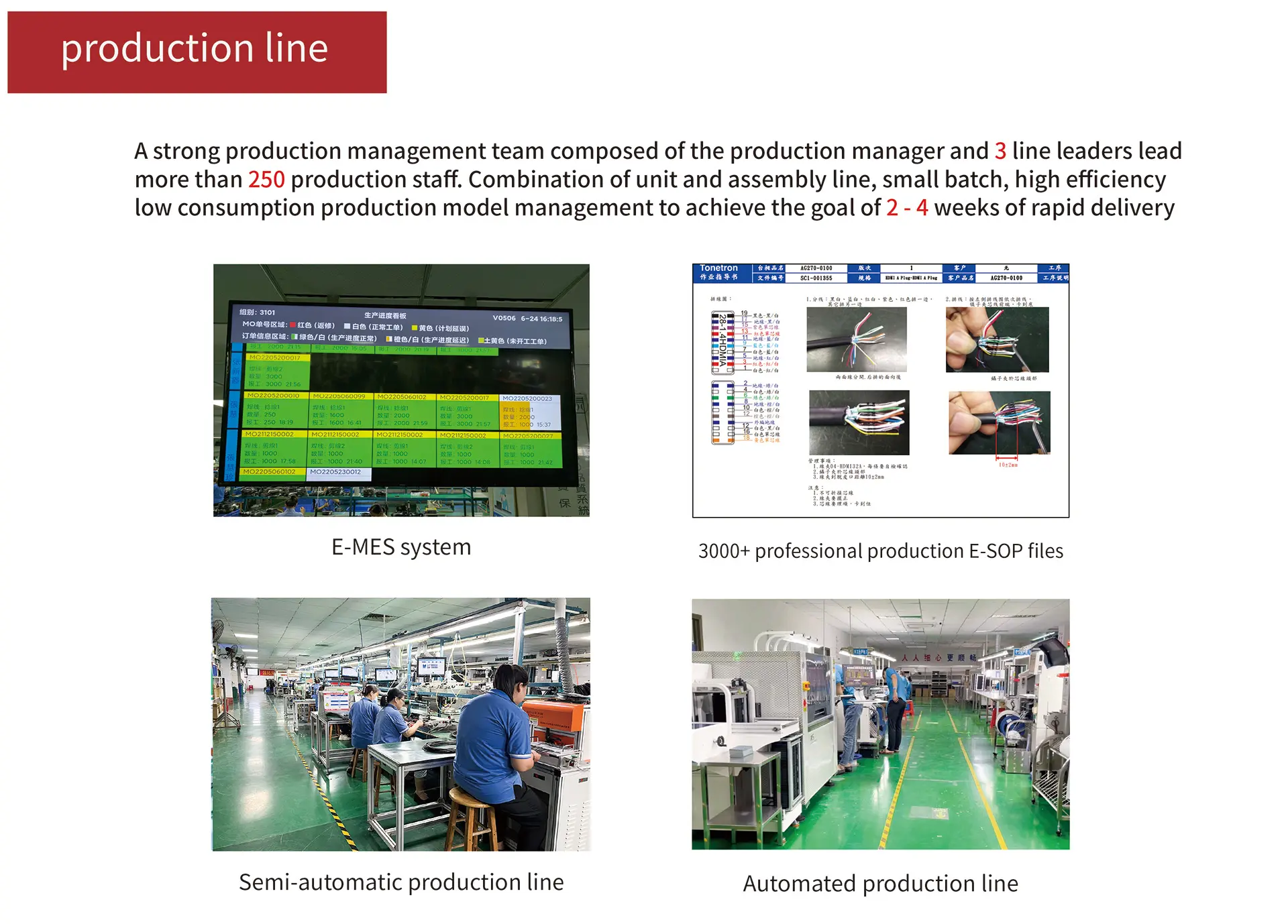
The term "Cheap Display Port 2 Quotes" in the modern manufacturing landscape does not imply compromised raw materials. Rather, it highlights the results of Factory 4.0 automation, supply chain integration, and regional component sourcing. By minimizing manual production touches, automated wire-peeling, precision welding, and robotic molding machines keep unit costs low while ensuring absolute physical consistency across production runs of 100,000+ units.
High-frequency cables require automated solder procedures to ensure the high-speed differential signal pairs connect correctly to the connector pins without creating impedance discontinuities. A deviation of even 0.05mm in the solder alignment can cause a failure during VESA link training under the UHBR 20 standard. With automated visual inspection systems (AOI) checking each solder joint, and continuous automated TDR (Time-Domain Reflectometry) analysis, our factories maintain low scrap rates. This high yield keeps quotes highly competitive for global importers.
In 1984, Dongguan Taitron Electronics Limited., formerly known as Tonetron, was founded in Keelung, Taiwan. In 1993, it moved to the self-built independent production industrial park in Dalingshan Town, Dongguan City, China, and changed its name to Dongguan Taitron Electronics Limited.
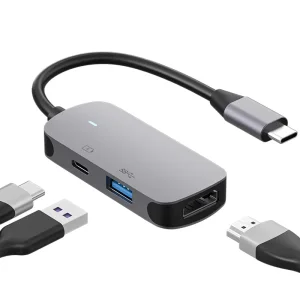
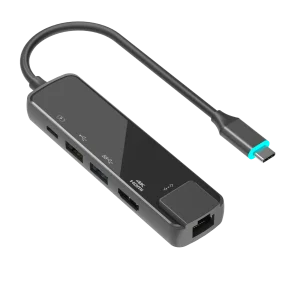
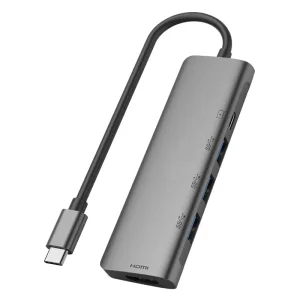
Over 38 years, our foundation has been built on manufacturing professional video and audio peripheral equipment connection lines. We have gradually developed into a leading high-end audio and video cable and data cable manufacturer. Our primary R&D and production lines now produce HDMI 2.1 cables, DP 2.0/2.1 cables, USB4 data cables, USB-C 3.1 Gen2 data cables, high-power USB charging cables, 8K HD conversion cables, multi-functional Type-C expansion docks, and various high-frequency interface products.
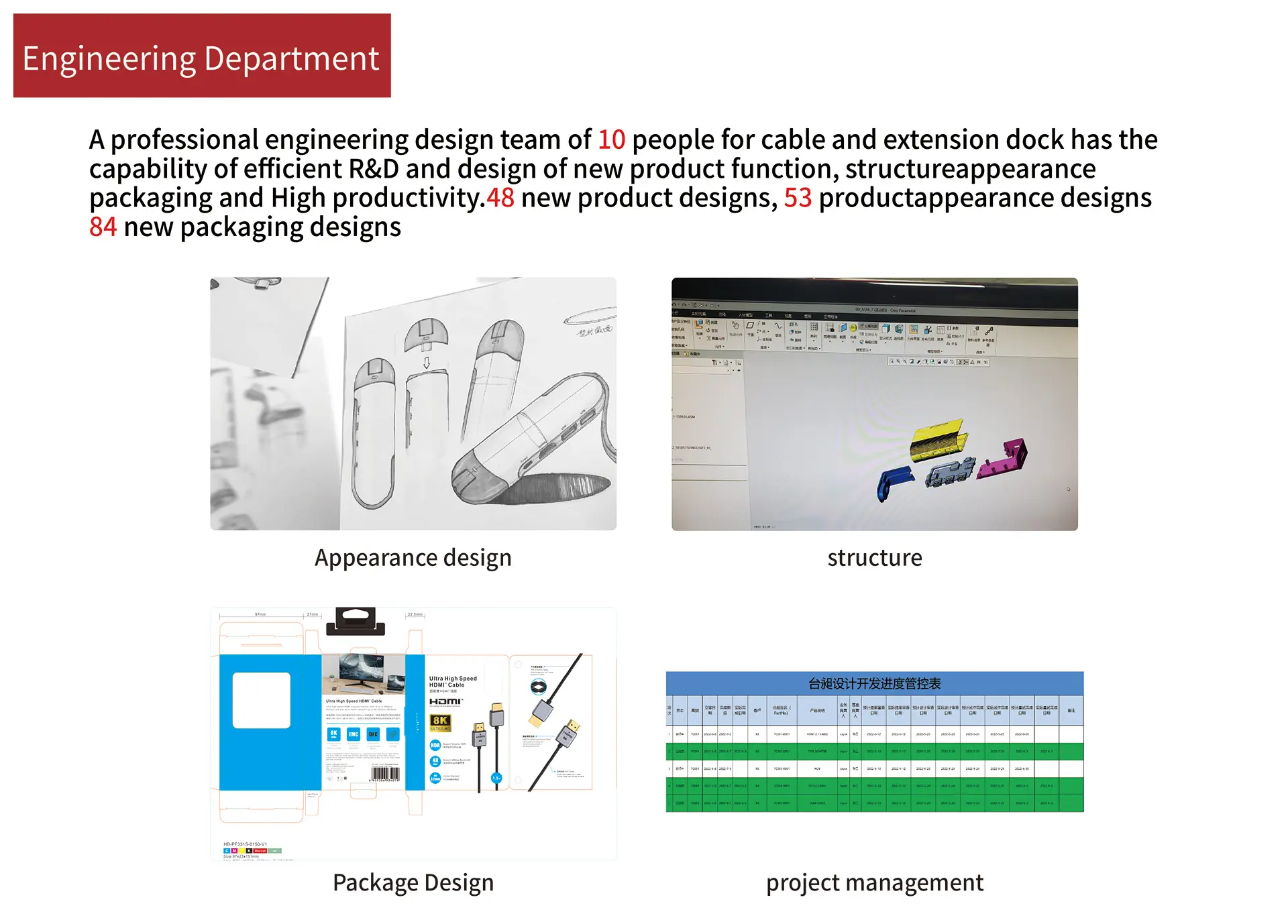
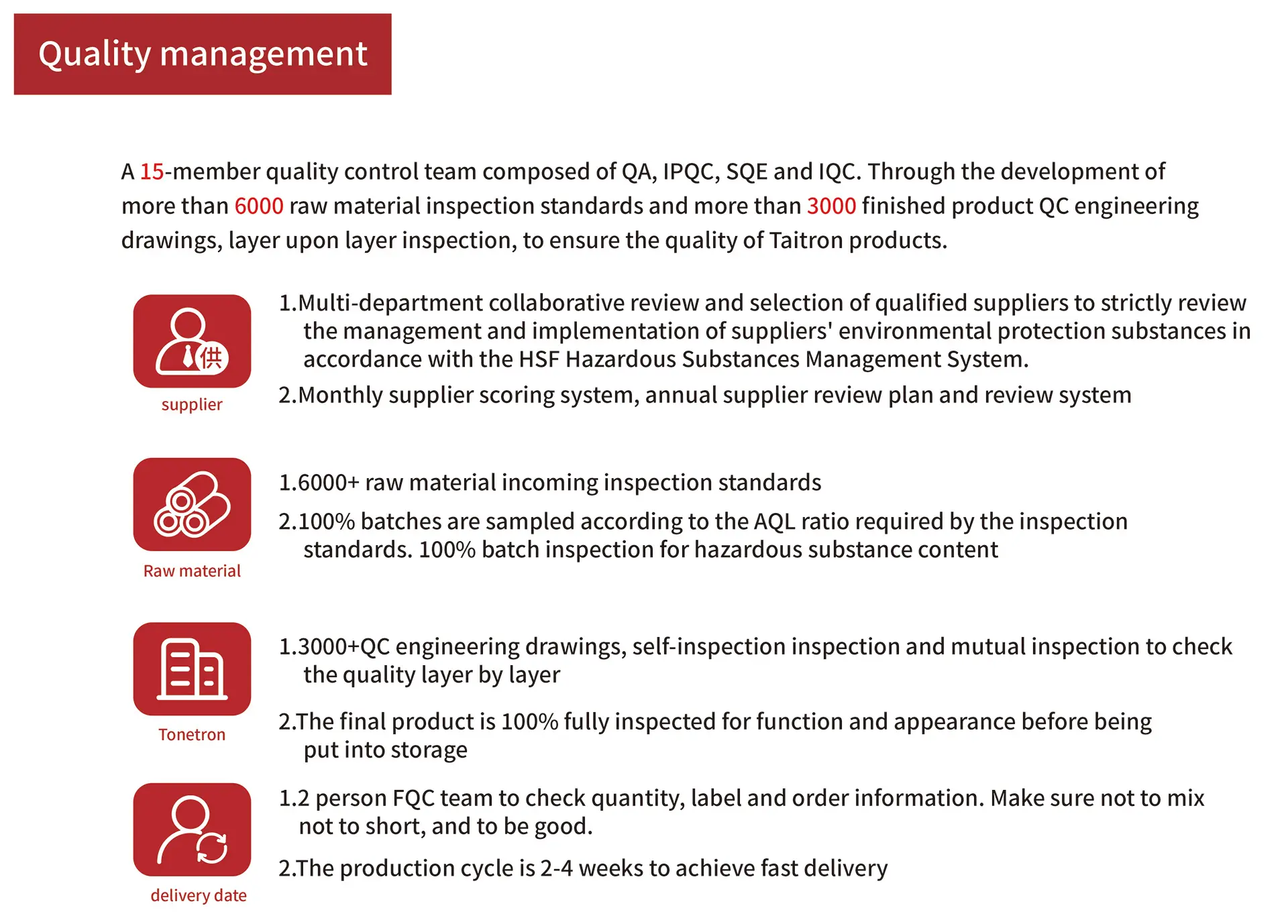

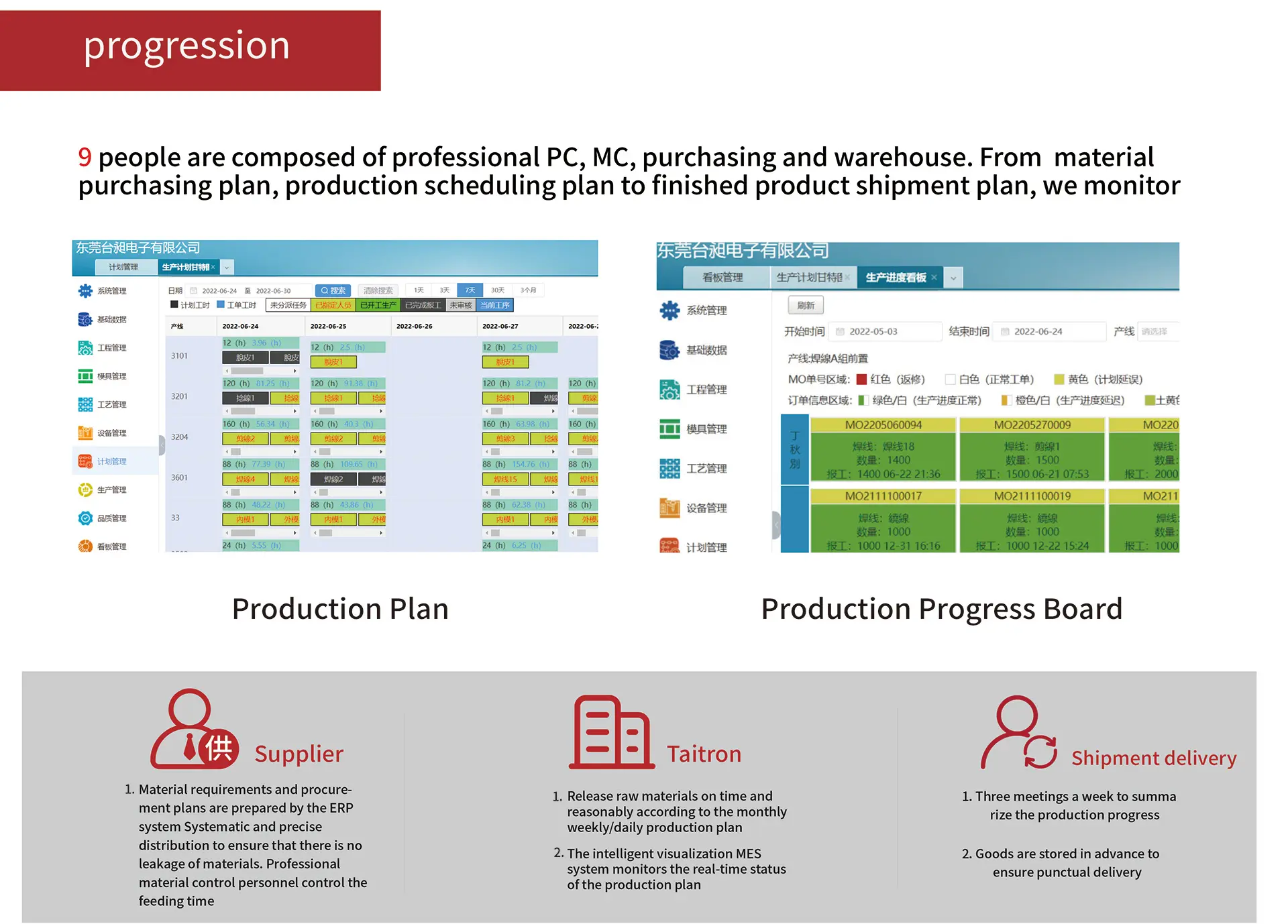
When reviewing manufacturing quotes for DisplayPort 2.0 / 2.1 cables from various factories, comparing the unit cost is only the first step. To safeguard your brand reputation and ensure long-term stability, buyers must evaluate the underlying material parameters and quality control metrics. Below are the critical factors that dictate the quality and durability of the finished cable assembly:
Exporting consumer electronics into strict global markets (such as the European Union, North America, Japan, and Australia) requires deep alignment with safety and environmental laws. Our manufacturing facility maintains strict adherence to quality and environmental management systems, including ISO 9001 and ISO 14001 standards.
All cable components, shielding sleeves, solder pastes, and connector metals are verified to comply with RoHS (Restriction of Hazardous Substances) and REACH requirements. This ensures the products are safe for end consumers and free from restricted toxic chemicals. Furthermore, for products incorporating specific high-frequency chipsets or USB-C interfaces, we follow strict MFi licensing standards and CE, FCC, and UKCA guidelines. This compliance approach reduces custom clearance risks and avoids display performance issues in overseas retail networks.
DisplayPort 2.1 is an update to DP 2.0 that enhances interoperability with USB Type-C and USB4 standards. It improves physical link configuration and requires support for Display Stream Compression (DSC) as a baseline. This ensures high-bandwidth video runs smoothly without screen drops, even over USB-C cables.
We achieve cost-efficiencies by leveraging automated production lines in our Dongguan facility, which reduces manual assembly labor. Vertical integration, automated soldering, and high-volume raw material procurement (buying copper and connector components in bulk) allow us to keep unit costs low while maintaining high signal integrity.
Yes, all our high-frequency digital cables (including HDMI 2.1, DP 2.0/2.1, and USB4) undergo 100% TDR (Time-Domain Reflectometry) testing. This check confirms that impedance remains within the VESA-specified limit of 85 ohms ± 5% along the entire length of the cable, preventing signal degradation.
Absolutely. As an experienced OEM/ODM factory, we support full customization. This includes custom logo embossing on zinc-alloy housings, custom double-braided nylon outer jackets for gaming lines, and tailored inner wire gauges to meet specific cable length requirements.
Typically, initial tool development and prototype validation take 15 to 20 days. Once the pre-production sample is approved, bulk production takes 25 to 30 days, depending on order size. Our independent production park in Dongguan is designed to handle fast turnaround times for global clients.
 Taichang Electronic