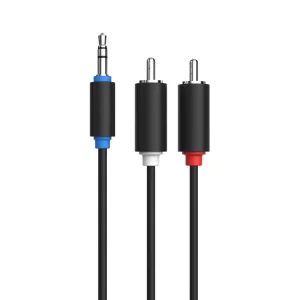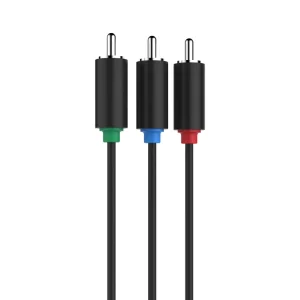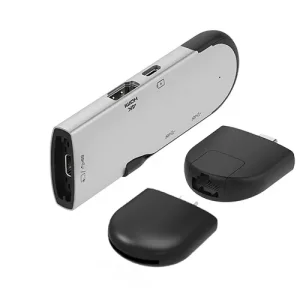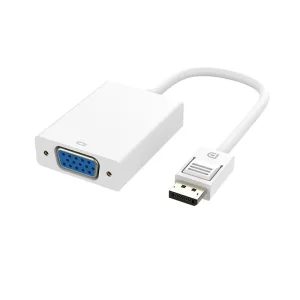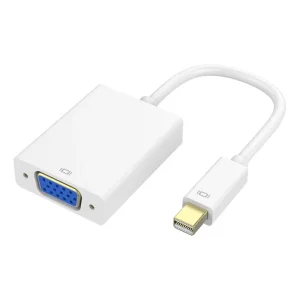
Founded in 1984 in Keelung, Taiwan, as Tonetron, we embarked on a journey committed to high-fidelity audio and video signal transmission. In 1993, to meet scaling global industrial demand, we consolidated our operations into our self-built independent production industrial park in Dalingshan Town, Dongguan City, China, transitioning to Dongguan Taitron Electronics Limited.
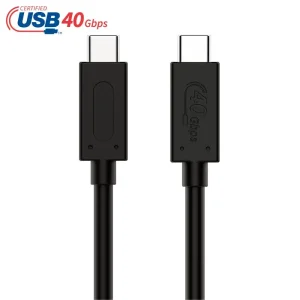
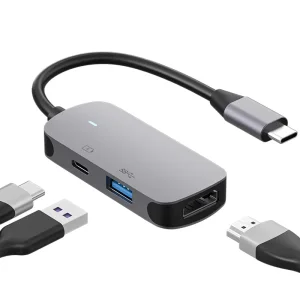
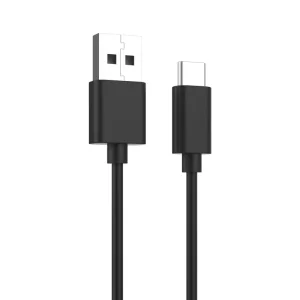
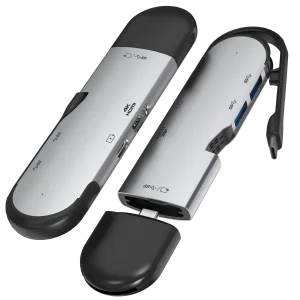
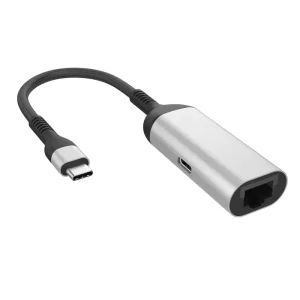
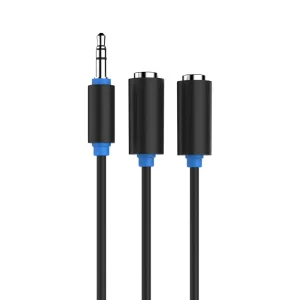
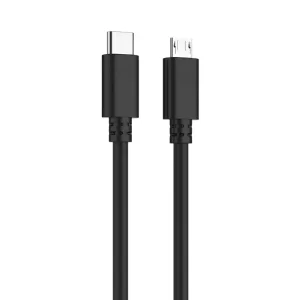
Over the last 38 years, our development has progressed from manufacturing simple peripheral connection lines to developing advanced premium cables like HDMI 2.1, DP 2.0, USB4, USB-C 3.1 Gen2, high-power charging setups, 8K HD conversion cables, and multi-functional Type-C expansion docks.
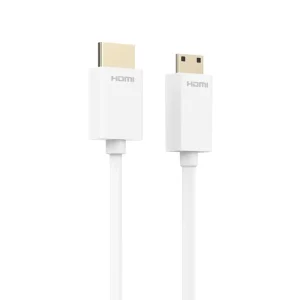
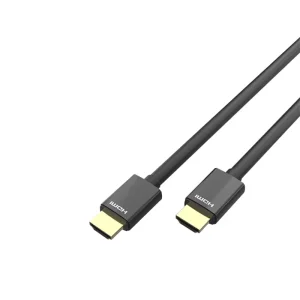
Through systematic quality management systems and a legacy spanning nearly four decades, we deliver cost-optimized HDMI Kabel 4K designs to B2B distributors and engineering clients globally.
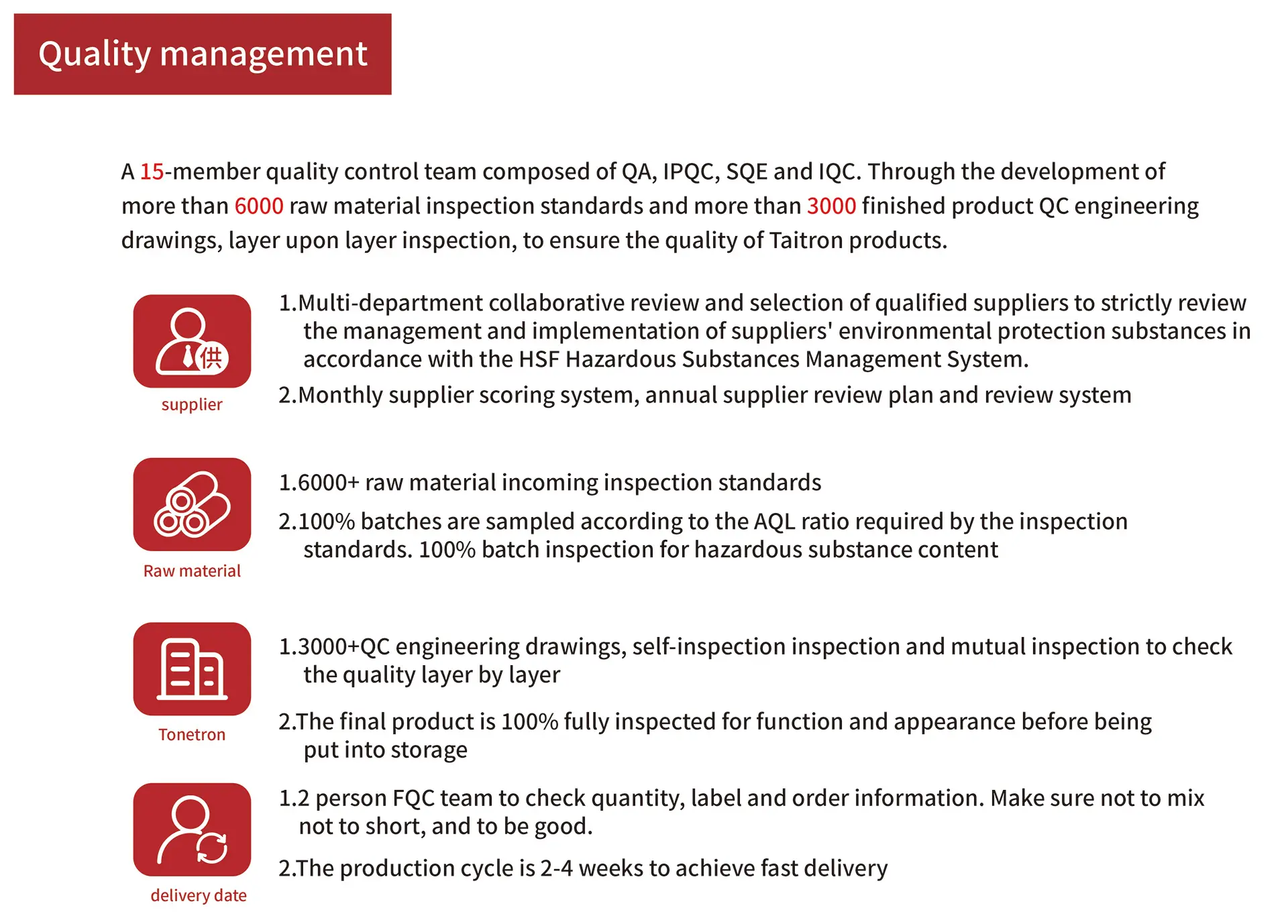

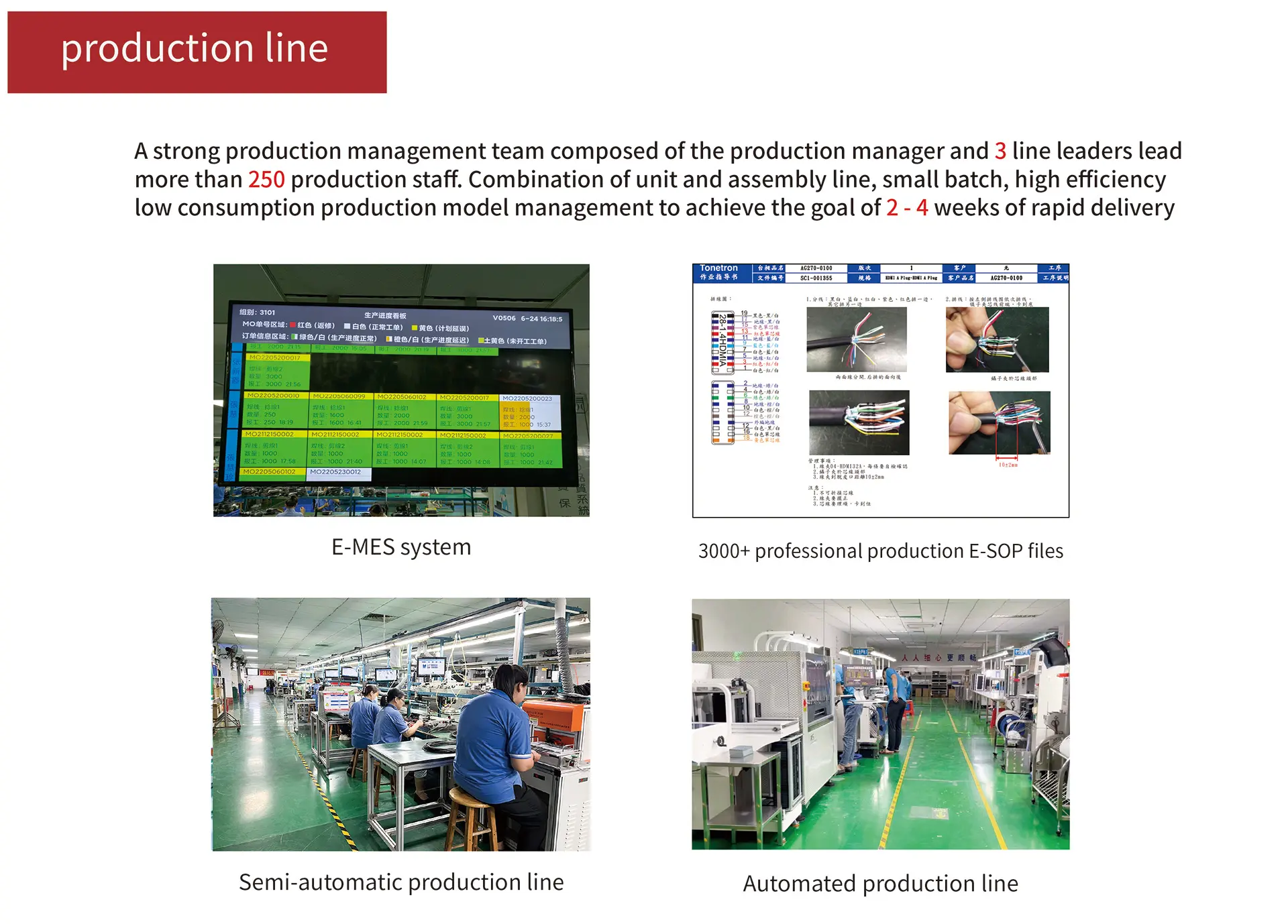
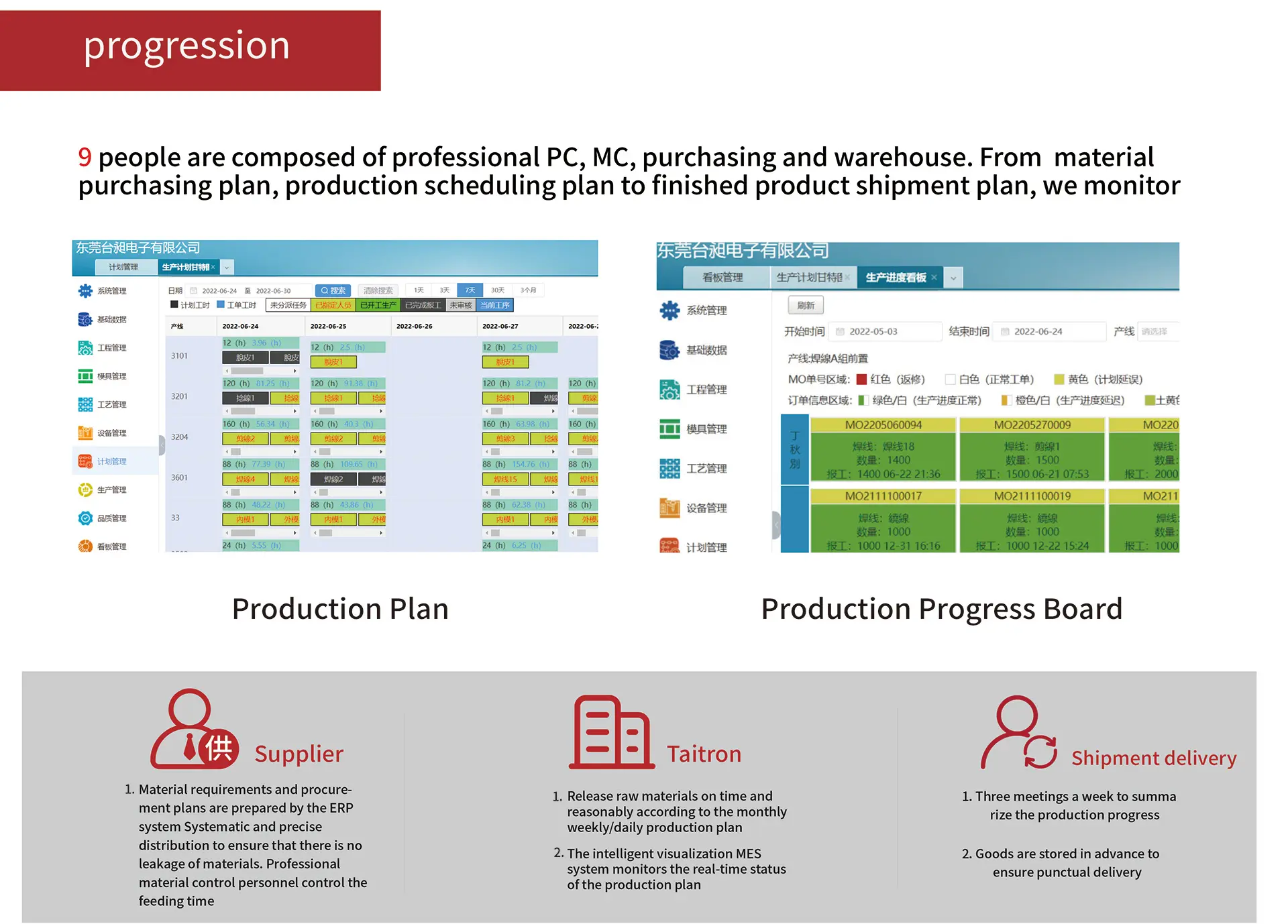
In modern industrial and commercial visual display ecosystems, ultra-high-definition resolution is no longer a luxury; it is a system baseline. From complex control rooms to multi-display digital billboards, high-performance display linkages require continuous signal stability. Procurement managers are faced with a primary challenge: balancing commercial budgetary constraints with high performance parameters. Searching for a "cheap HDMI Kabel 4K" is often misunderstood as opting for inferior production materials. For professional system integrators, "cheap" refers to structural efficiency, integrated supply chain operations, and scale economics achieved in modern manufacturing centers like Dongguan, China.
Our vertical integration system bypasses intermediaries. At Taitron, we control the drawing of pure copper wire, automated internal wire soldering, outer insulation extrusion, and dynamic physical testing. By eliminating intermediate processing margins, we optimize assembly costs and guarantee that our standard 4K@60Hz High-Speed HDMI cables consistently perform under demanding operational conditions without signal loss or physical wear.
Achieving stable 4K resolution at a 60Hz refresh rate demands a reliable physical channel capable of maintaining a continuous 18 Gigabits per second (Gbps) bandwidth. At this frequency, even minor structural flaws can cause differential delay mismatch (skew), signal reflection, and packet degradation. Our technical design targets high signal integrity using specific material choices:
| Technical Metric | Standard Market Alternatives | Taitron Standard 4K HDMI Cables | Operational Impact |
|---|---|---|---|
| Conductor Core Material | Copper-Clad Steel (CCS) / Aluminum | Pure Oxygen-Free Copper (OFC) | Significantly lower attenuation and long-term conductivity |
| Wire gauge (AWG) | 32 AWG - 34 AWG | 28 AWG - 30 AWG (Standardized) | Reduced resistance; maintains signal strength up to 5m |
| Shielding Architecture | Single Shielding (Foil only) | Triple Shielding (Foil + Braid + Drain) | Maintains signal integrity against EMI in industrial environments |
| Bandwidth Capacity | 10.2 Gbps (HDMI 1.4 Limits) | 18.0 Gbps (Full HDMI 2.0 Protocol) | Stable 4K@60Hz output with HDR support |
Note on Engineering Integrity: Many budget-friendly imports use thin copper-clad aluminum wire to reduce material costs. While functional for short runs at low resolutions, these cables often fail when transmitting high-bandwidth 4K @ 60Hz signals over distances greater than 2 meters, resulting in black screens, audio dropouts, and digital artifacts.
Commercial installations in European Union, North American, and Asian markets must comply with specific environmental and safety protocols. Importing untested accessories can lead to regulatory delays, customs seizures, or commercial liability. Taitron manages its production facilities to ensure full compliance with international environmental and electrical safety standards.
Our manufacturing plant operates under ISO 9001:2015 quality control systems. We produce cables that meet EU RoHS (Restriction of Hazardous Substances) and REACH directives, ensuring they are free from restricted heavy metals and plasticizers. Additionally, every batch of HDMI 2.0 M to M cables undergoes automated time-domain reflectometry (TDR) and eye-diagram testing to verify bandwidth capacity and impedance levels before leaving our facility.
Optimized bulk packaging reduces volumetric shipping costs. We provide customs documentation and clear shipping manifests for smooth port transit.
Our standard PVC and premium TPE jackets are tested to comply with RoHS and REACH requirements for commercial building installations.
Every cable undergoes continuity, electrical, and physical stress tests to ensure reliable long-term performance under demanding conditions.
High-resolution HDMI cables are widely used in commercial and industrial settings to handle high data rates and maintain signal integrity. Key applications include:
As video resolutions increase, display interfaces continue to evolve. HDMI 2.0 (4K@60Hz at 18Gbps) remains the standard for most commercial installations. However, newer requirements for HDMI 2.1 (4K@120Hz, 8K@60Hz at 48Gbps) are growing, driven by the adoption of ultra-high-resolution displays.
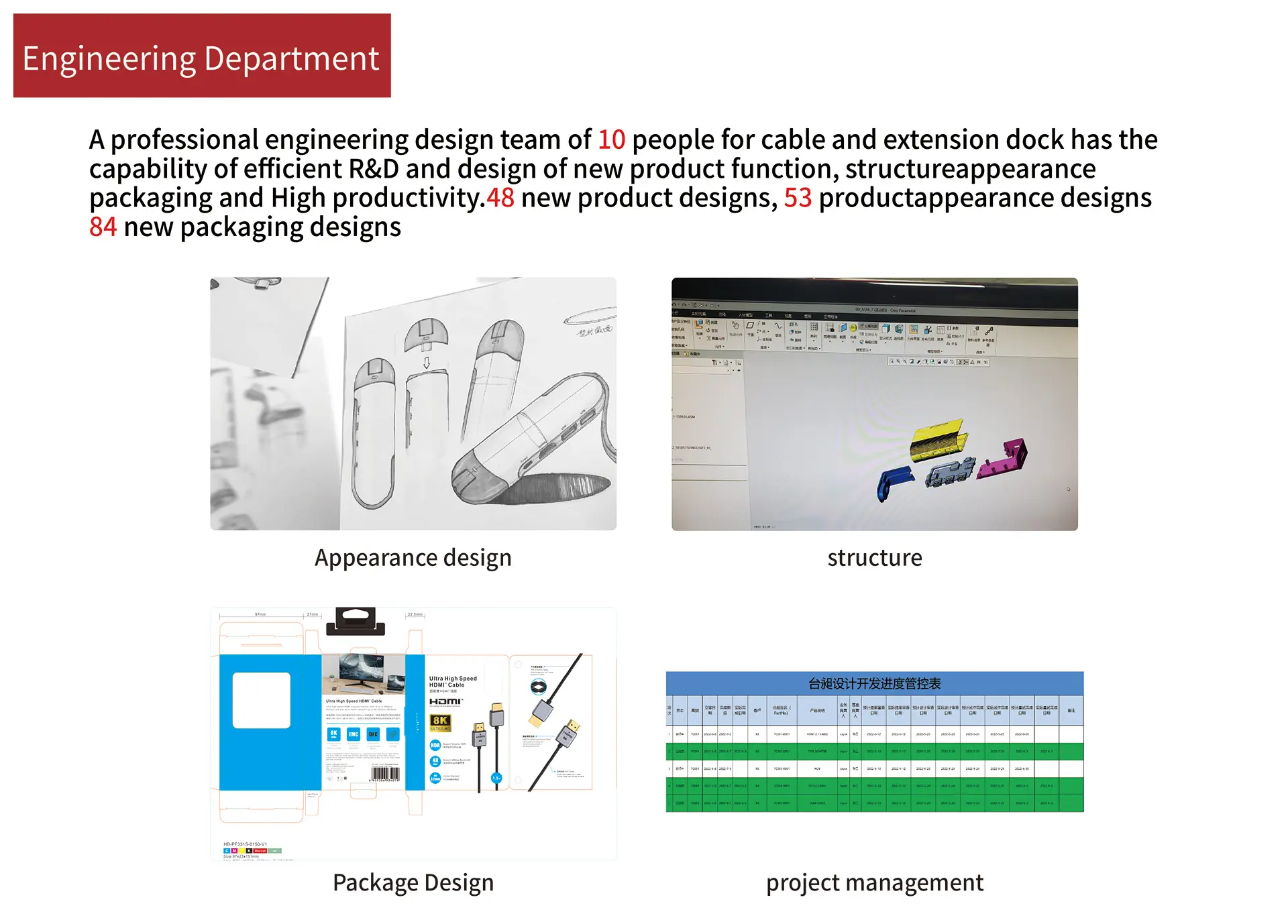
Our engineering team has developed high-frequency assembly methods to support these changing needs. Using automated production lines, we manufacture specialized HDMI 2.1 cables with precise geometry and consistent electrical performance. By investing in modern copper extrusion and test machinery, we help our partners transition smoothly from 4K legacy installations to high-bandwidth 8K infrastructure.
 Taichang Electronic