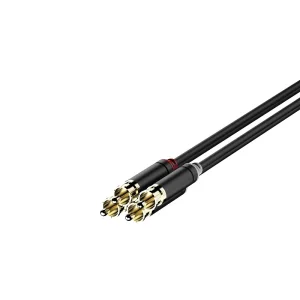
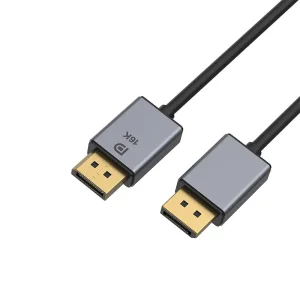
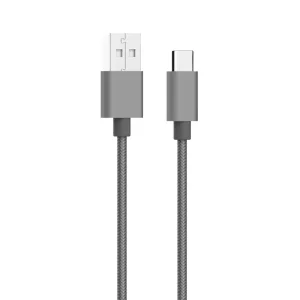
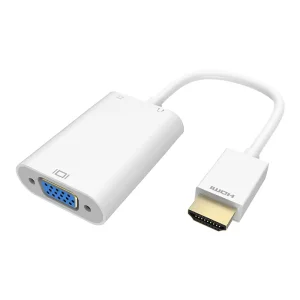
Discover industrial-grade interfaces, high-fidelity cables, and dynamic signal converters engineered for enterprise IT integration.
In today's hyper-connected industrial and corporate environments, wireless networks (Wi-Fi) often fall short of meeting strict uptime, bandwidth stability, and cybersecurity criteria. This is where USB network adapters for internet step in as the primary physical bridge. High-performance USB-C and USB 3.0 to RJ45 Gigabit Ethernet adapters convert universal serial bus ports into high-bandwidth network nodes, bypassing the limitations of internal wireless chipsets.
For global enterprises, including IT systems integrators, logistical networks, smart office designers, and industrial automation firms, finding a reliable, cost-effective USB adapter for internet exporter and supplier is a high-priority procurement goal. Modern laptops and thin clients (such as MacBooks, Ultrabooks, and modern tablets) have phased out legacy Ethernet (RJ45) ports to achieve thinner profiles. As a result, the external USB network adapter is no longer a peripheral item but a core infrastructural component.

Providing consistent performance through engineered precision and certified manufacturing excellence.
Understanding the internal componentry, protocols, and materials that guarantee sustained 24/7 network availability.
The core of any reliable USB network adapter is its controller integrated circuit (IC). Superior units employ chipsets like the Realtek RTL8153 or ASIX AX88179. These chips feature native driver support in Windows, macOS, Linux, and ChromeOS, enabling Plug-and-Play deployment without requiring external software installations.
High-speed USB interfaces run at high frequencies that can generate electromagnetic interference (EMI), occasionally degrading 2.4GHz wireless peripherals. High-quality adapters use multilayer PCB layouts, dedicated ground planes, and high-density aluminum foil wrap to prevent signal degradation.
Converting high-speed USB data packets to Ethernet packets produces heat. Quality exporters utilize premium aluminum alloy casings. The metal enclosure draws heat away from the core processor, keeping the controller cool and preventing thermal throttling or connection dropouts.
| Adapter Type | Interface Standard | Max Bandwidth | Common Chipset | Optimal Use Case |
|---|---|---|---|---|
| USB 2.0 to Fast Ethernet | USB 2.0 (Type-A) | 100 Mbps | Realtek RTL8152B | Cost-sensitive retail POS, IoT sensors, legacy printers |
| USB 3.0 to Gigabit Ethernet | USB 3.0 Gen 1 (Type-A / Type-C) | 1000 Mbps (1 Gbps) | Realtek RTL8153 / ASIX AX88179 | Office productivity, corporate laptops, NAS connection |
| USB-C to 2.5G Ethernet | USB 3.1 Gen 2 / USB4 (Type-C) | 2500 Mbps (2.5 Gbps) | Realtek RTL8156B | Server management, workstation data backup, game streaming |

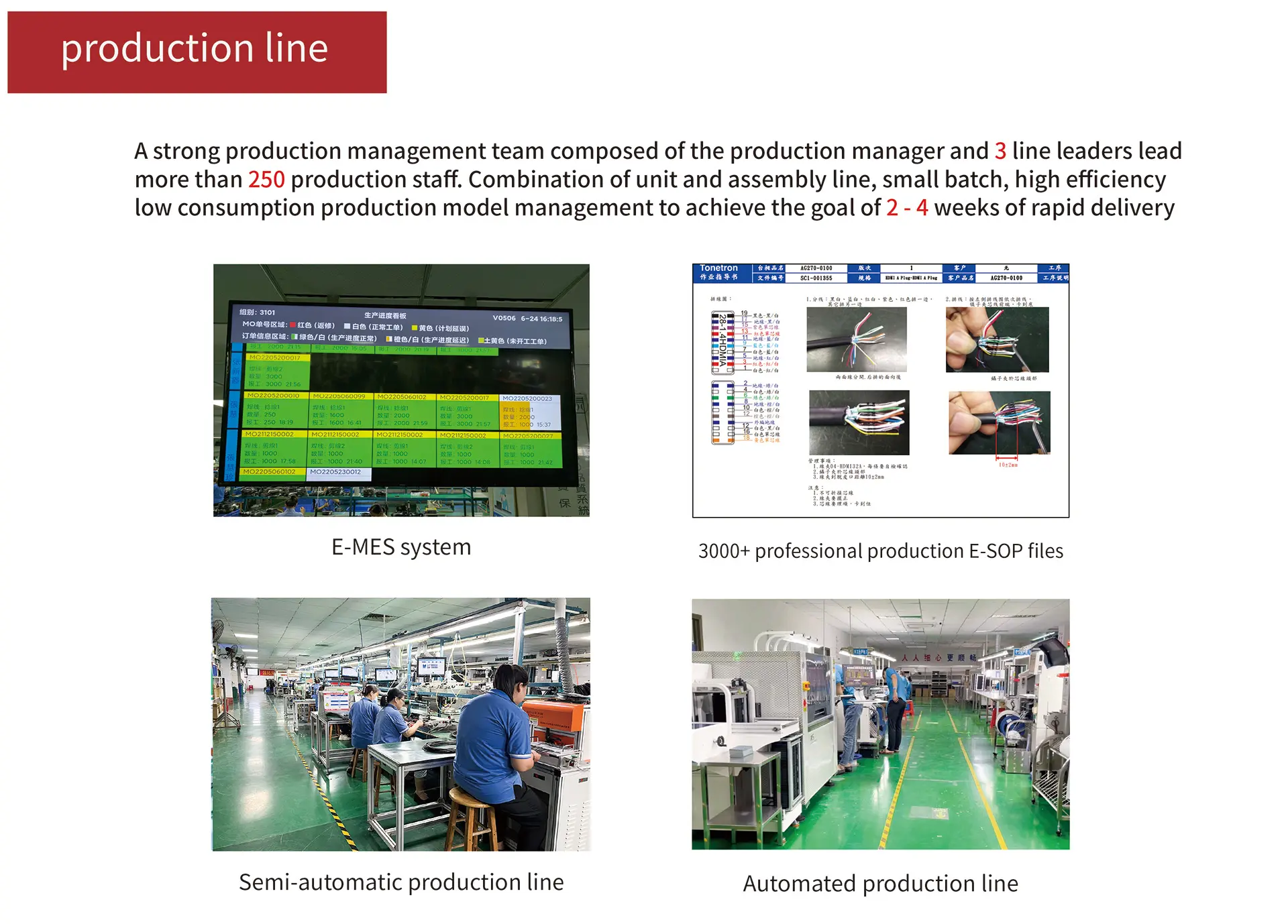
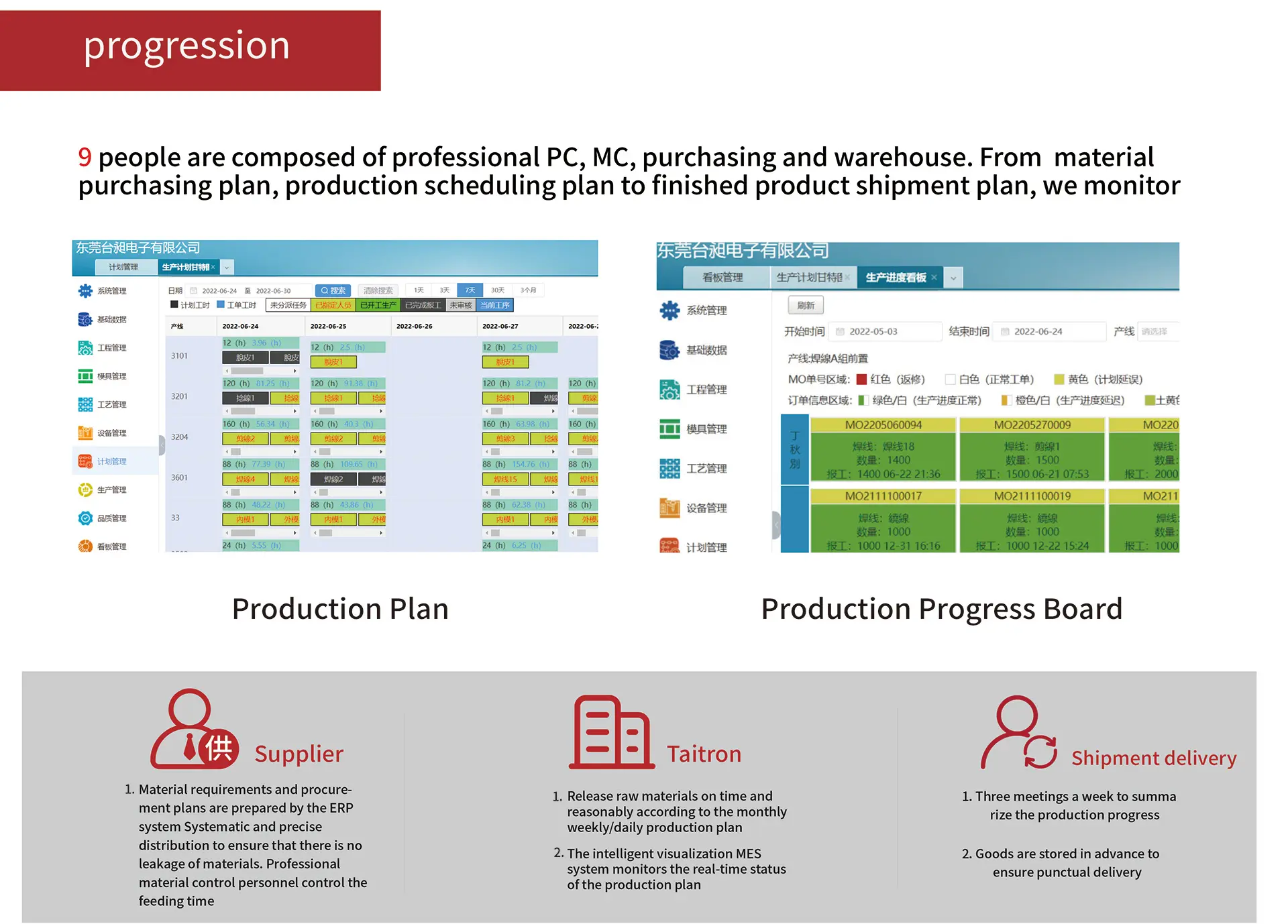
When purchasing cheap USB adapters for internet in volume, price is only one part of the equation. Sustainable business operations require consistent quality, scalable logistics, and flexible engineering customization. Sourcing from Dongguan, China—specifically from established hubs like Dalingshan Town—offers clear supply chain advantages:
By combining vertical raw material integration with automated quality control, Dongguan-based suppliers deliver industrial-grade products at competitive price points.
The technical and market forces driving innovation in commercial connection hardware over the next decade.
The industry-wide transition to USB-C is nearly complete. Legacy USB-A ports are being replaced by USB-C, which supports symmetrical insertion, higher data transfer rates, and Power Delivery (PD) protocols. Forward-looking buyers are shifting their inventories to USB-C-native adapters to match modern workstation configurations.
As Wi-Fi 6E, Wi-Fi 7, and fiber-to-the-premise (FTTP) roll out globally, standard 1Gbps ports can bottleneck data transfers. We are seeing a steady rise in demand for 2.5Gbps and 5Gbps USB-C Ethernet adapters. These models allow clients to maximize local network speeds without needing expensive internal PCIe network cards.
Global electronics mandates are pushing manufacturers to reduce environmental footprints. Key trends include the use of Post-Consumer Recycled (PCR) plastics for adapter shells, bio-based TPE/Tee for cables, and plastic-free retail packaging. Adhering to RoHS and REACH certifications is now standard for entering the European and North American markets.
How quality inspectors and supply chain managers verify the engineering integrity of bulk USB network adapters before shipment.
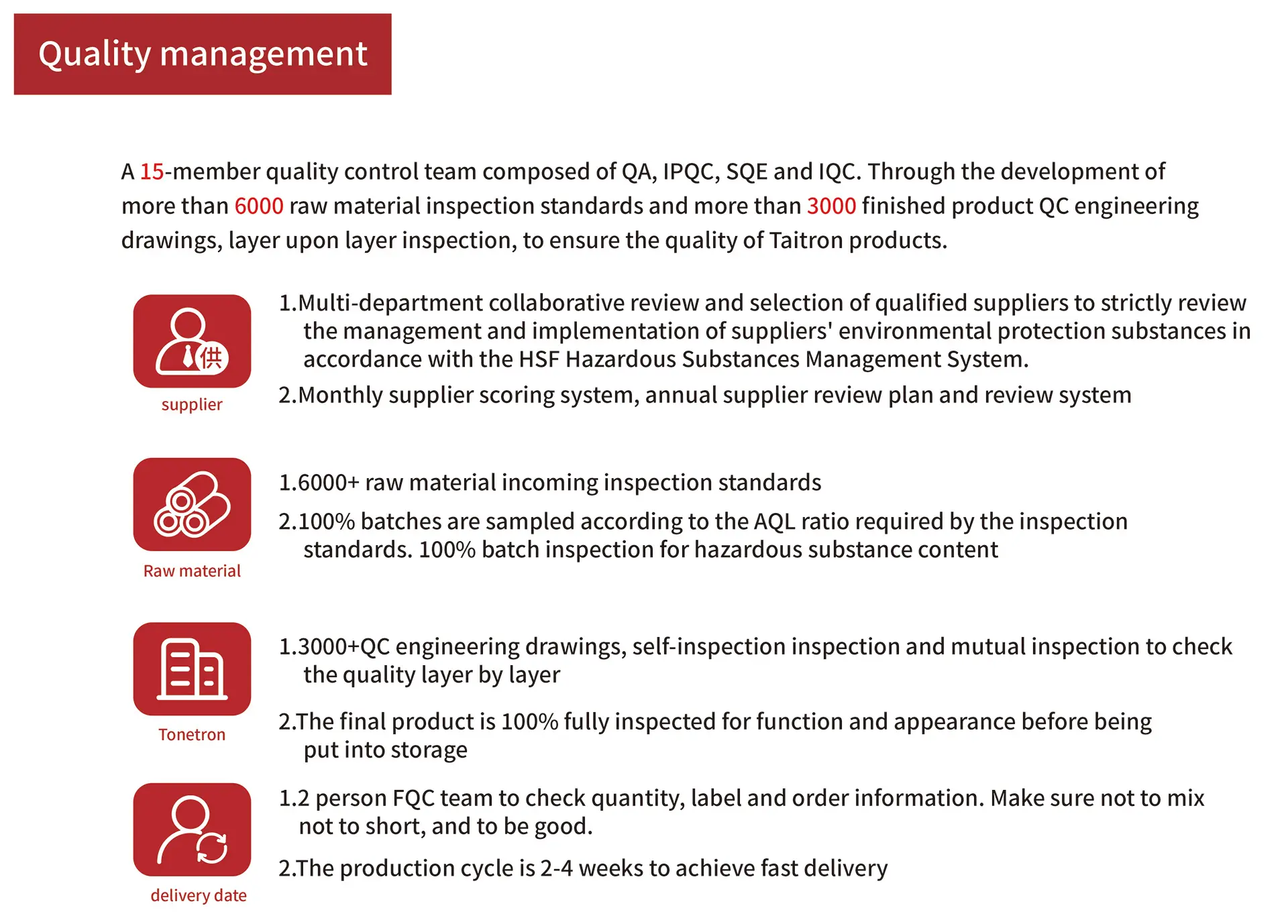
High-volume buyers must implement rigorous testing protocols to avoid high return rates and protect brand reputation. When evaluating potential manufacturing partners, ensure they follow these core quality assurance processes:
For smooth customs clearance, ensure your supplier provides valid documentation for:
Technical and logistics answers for procurement managers and system administrators.
Over three decades of manufacturing excellence in high-speed audio, video, and computer peripheral cables.
In 1984, Dongguan Taitron Electronics Limited., formerly known as Tonetron, was founded in Keelung, Taiwan. In 1993, it moved to the self-built independent production industrial park in Dalingshan Town, Dongguan City, China, and changed its name to Dongguan Taitron Electronics Limited.
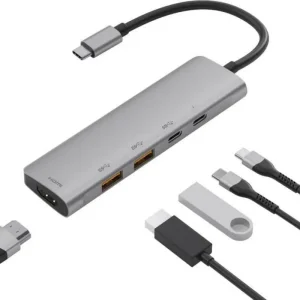
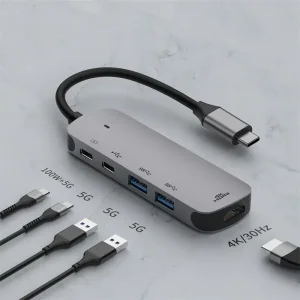
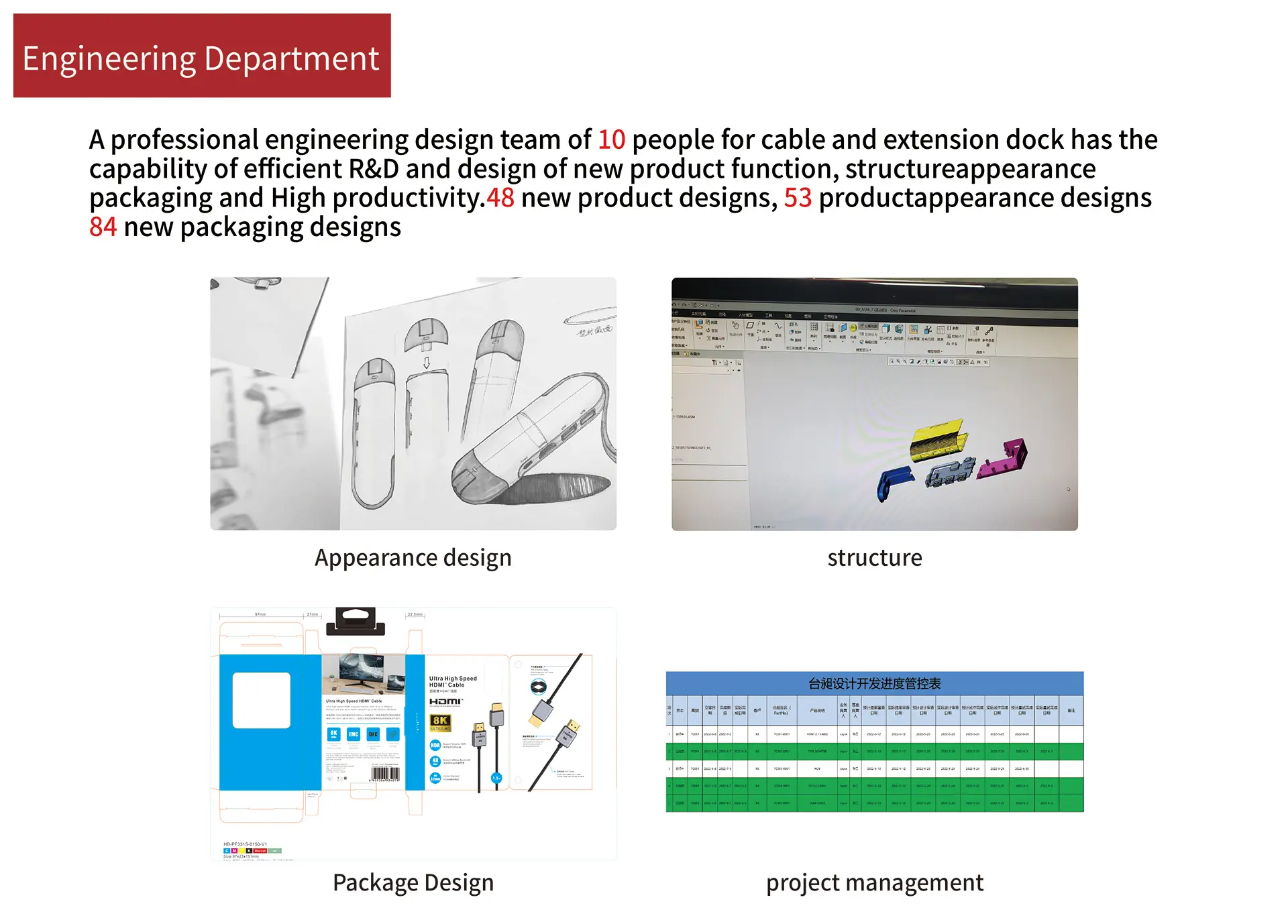
With 38 years of experience, the company built its foundation on manufacturing connection lines for professional video and audio peripheral equipment. Over the years, we have transitioned our focus to high-end audio, video, and data cables. Our modern product lineup includes HDMI 2.1 cables, DP 2.0 cables, USB4 data cables, USB-C 3.1 Gen 2 data cables, high-power USB charging cables, 8K HD conversion cables, and multi-functional Type-C expansion docks, alongside custom network and conversion solutions.

Discover our second collection of premium adapters, docks, and high-frequency digital cables for critical data systems.
 Taichang Electronic