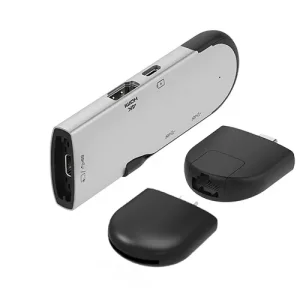
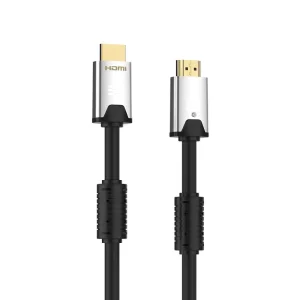
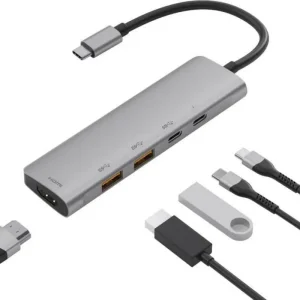
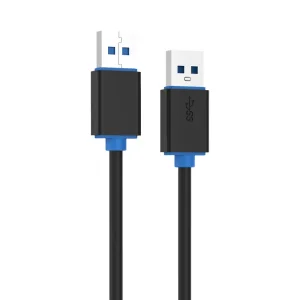
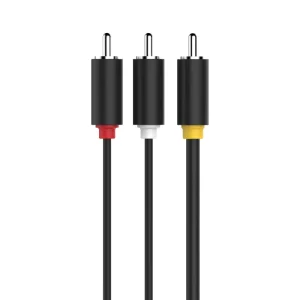
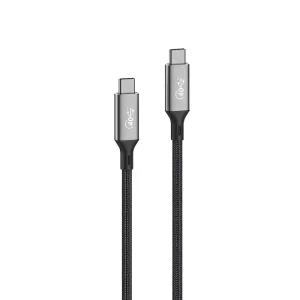
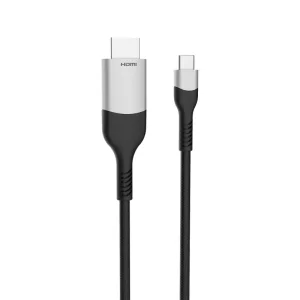
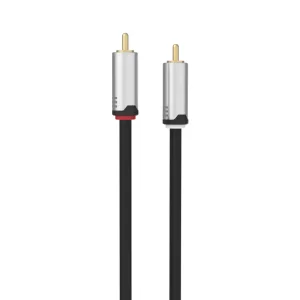
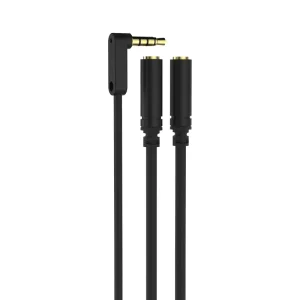
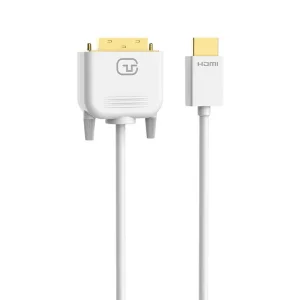
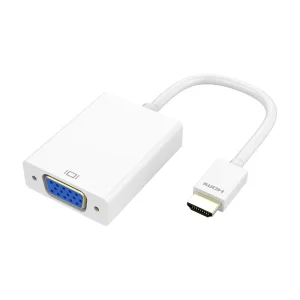
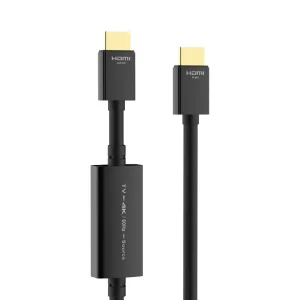
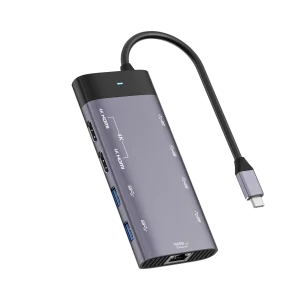
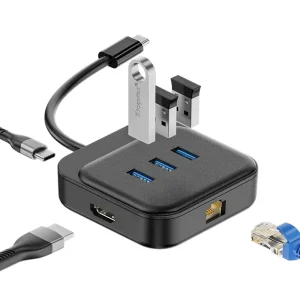
Direct factory pricing meets high-frequency signal integrity. Explore our initial cohort of performance-tested interconnects and modular hubs designed for seamless enterprise deployment.
In the modern era of high-speed data transmission, selecting a cheap USB C and USB 3.0 company is no longer just about searching for the lowest price. It is an engineering calculation balancing signal attenuation, shielding effectiveness, and long-term mechanical resilience. Hardware infrastructure defines operational velocity. As corporations shift towards consolidated workspaces, the need for robust hardware is paramount.
The progression from USB-A to USB-C represents a foundational architecture shift. USB-C utilizes 24 pins, providing reversible power, high-speed SuperSpeed differential pairs, Configuration Channel (CC) detection, and Alternate Mode display routing in a singular interface.
USB 3.0 (USB 3.2 Gen 1) relies on dual simplex pathways for concurrent read/write execution (5 Gbps). It demands high-density Shielded Differential Pairs (SDP) to mitigate Near-End Crosstalk (NEXT) and maintain signal amplitude over distance.
Without adequate outer tinned-copper braiding and internal aluminum-mylar foils, high-frequency signals suffer from EMI (Electromagnetic Interference) leakage, especially in dense industrial settings or high-performance computer clusters.
Enterprise procurement managers often face the challenge of cost efficiency vs. technical compliance. Seeking "cheap" pricing shouldn't require compromising on certification and materials quality. Standardized manufacturing pipelines run optimized production runs that inherently lower unit costs without cutting corners on raw materials.
| USB Protocol Standard | Maximum Transfer Rate | Nominal Cable Length limit (Passive) | Typical Application Scenario | Shielding Requirements |
|---|---|---|---|---|
| USB 2.0 | 480 Mbps | 5.0 Meters | Legacy peripherals, keyboards, mice | Standard foil shield, twisted pair layout |
| USB 3.0 (3.2 Gen 1) | 5 Gbps | 3.0 Meters | External drives, industrial imaging sensors | High density SDP, overall copper-braid |
| USB 3.1 (3.2 Gen 2) | 10 Gbps | 1.0 Meter | High-speed solid state storage array | Coaxial structure or dual-pair shielding |
| USB4 (up to Gen 3) | 40 Gbps | 0.8 Meters | Daisy-chained eGPUs, PCIe over USB | E-marked actively managed shield, low loss |
To ensure seamless integration across worldwide borders, international standardizations are mandatory. Exporters must fulfill rigid certifications like CE Certification, FCC, RoHS, and REACH. These compliance directives verify that materials (such as heavy metals, flame retardants, and phthalates) meet green safety guidelines, and electronic emissions do not disrupt local telecommunication networks.
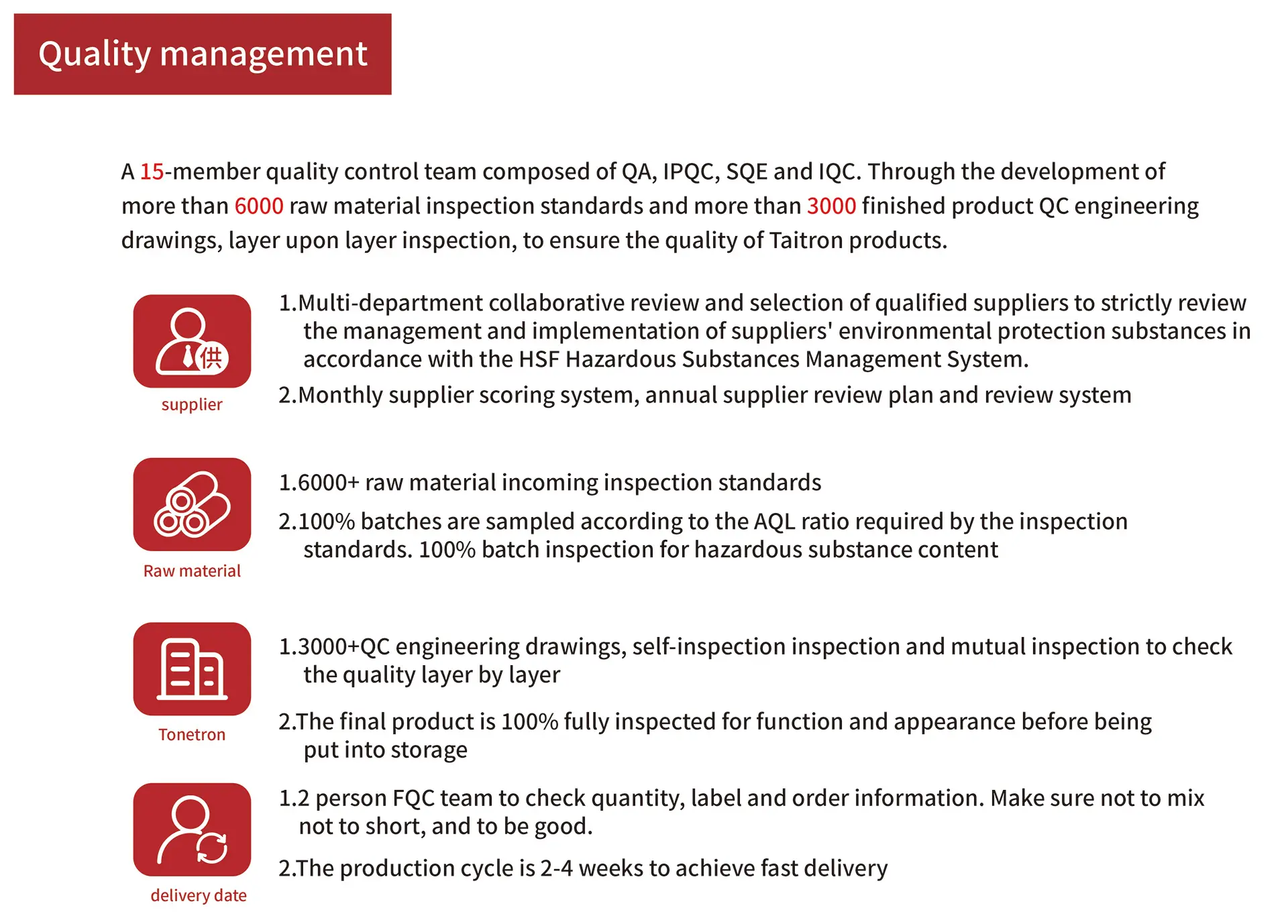
Founded originally in 1984 in Keelung, Taiwan as Tonetron, the company took a pivotal step in 1993, moving to a self-built independent manufacturing industrial park in Dalingshan Town, Dongguan City, China. This facility officially rebranded as Dongguan Taitron Electronics Limited.
For over 38 years, our development focus has evolved from professional analog audio and video peripheral connections to high-frequency digital pipelines. Today, Taitron stands as a leading high-tech manufacturer specializing in HDMI 2.1 cables, DP 2.0 cables, USB4 cables, USB-C 3.1 Gen 2 cables, high-power USB-C charging cables, 8K conversion systems, and multi-functional Type-C expansion docks.
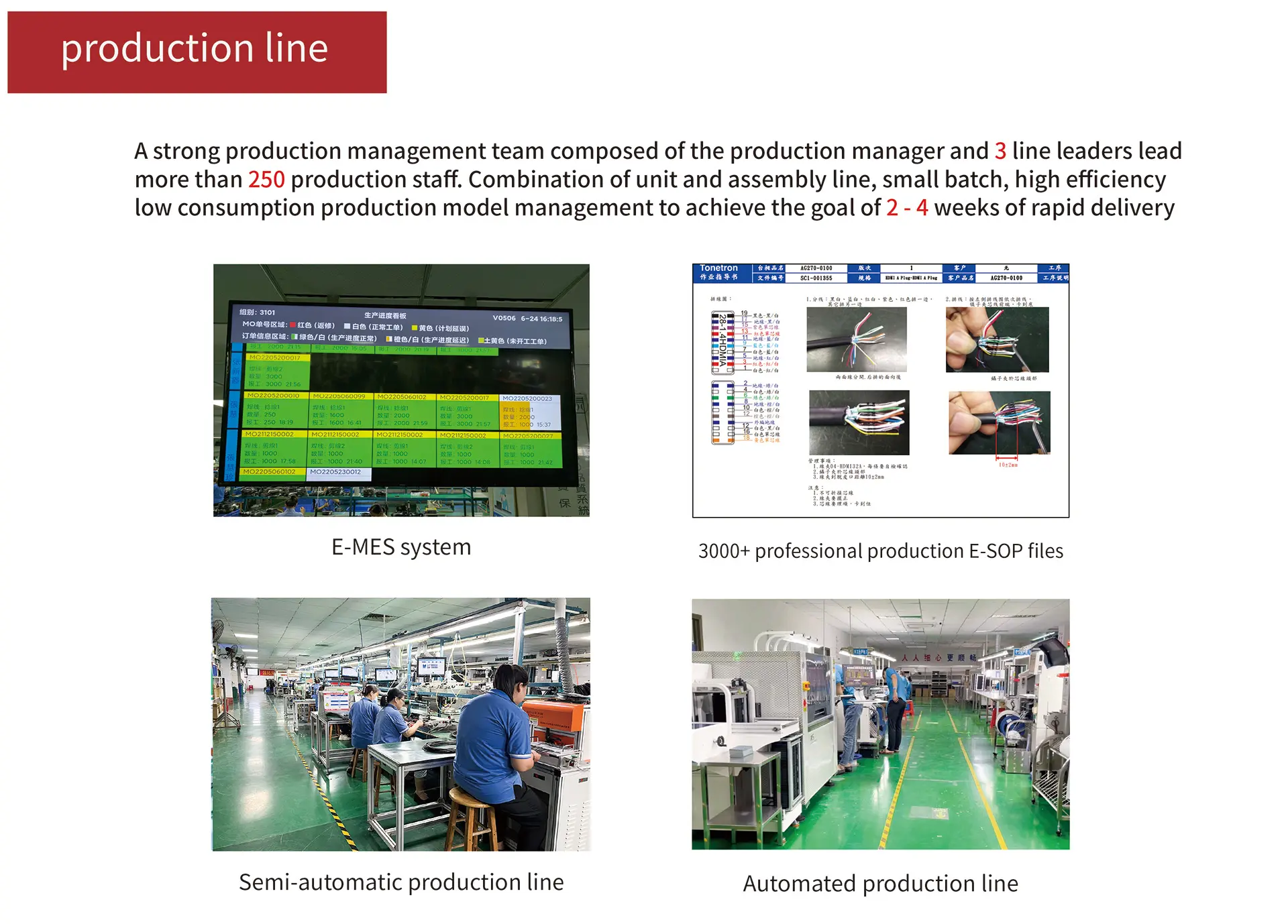
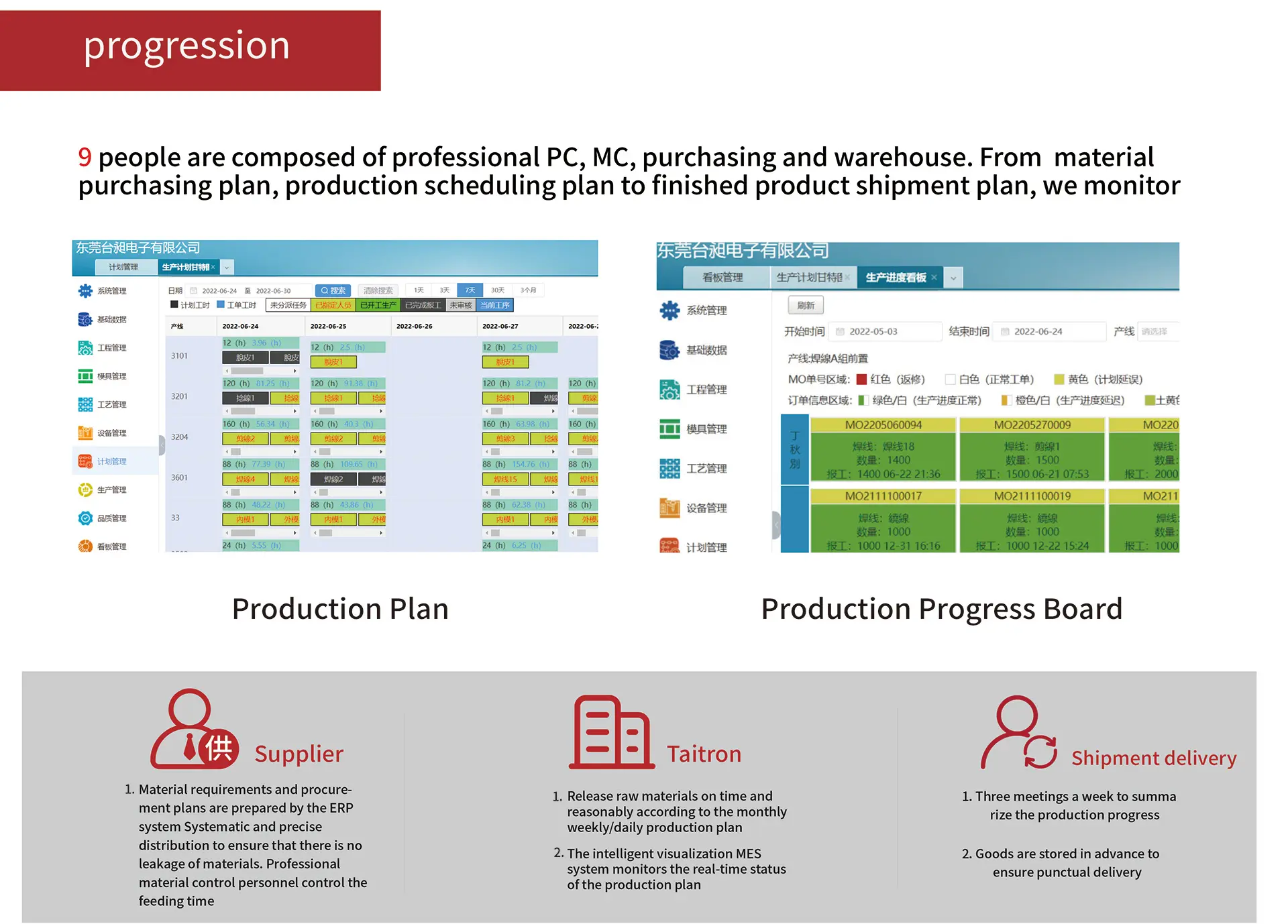
Our Factory 4.0 initiatives include automated cable extrusion lines, laser-cutting wire stripping tools, micro-soldering robots, and high-frequency network analyzers to guarantee precise impedance consistency of 90Ω±5Ω across all signal pairs.
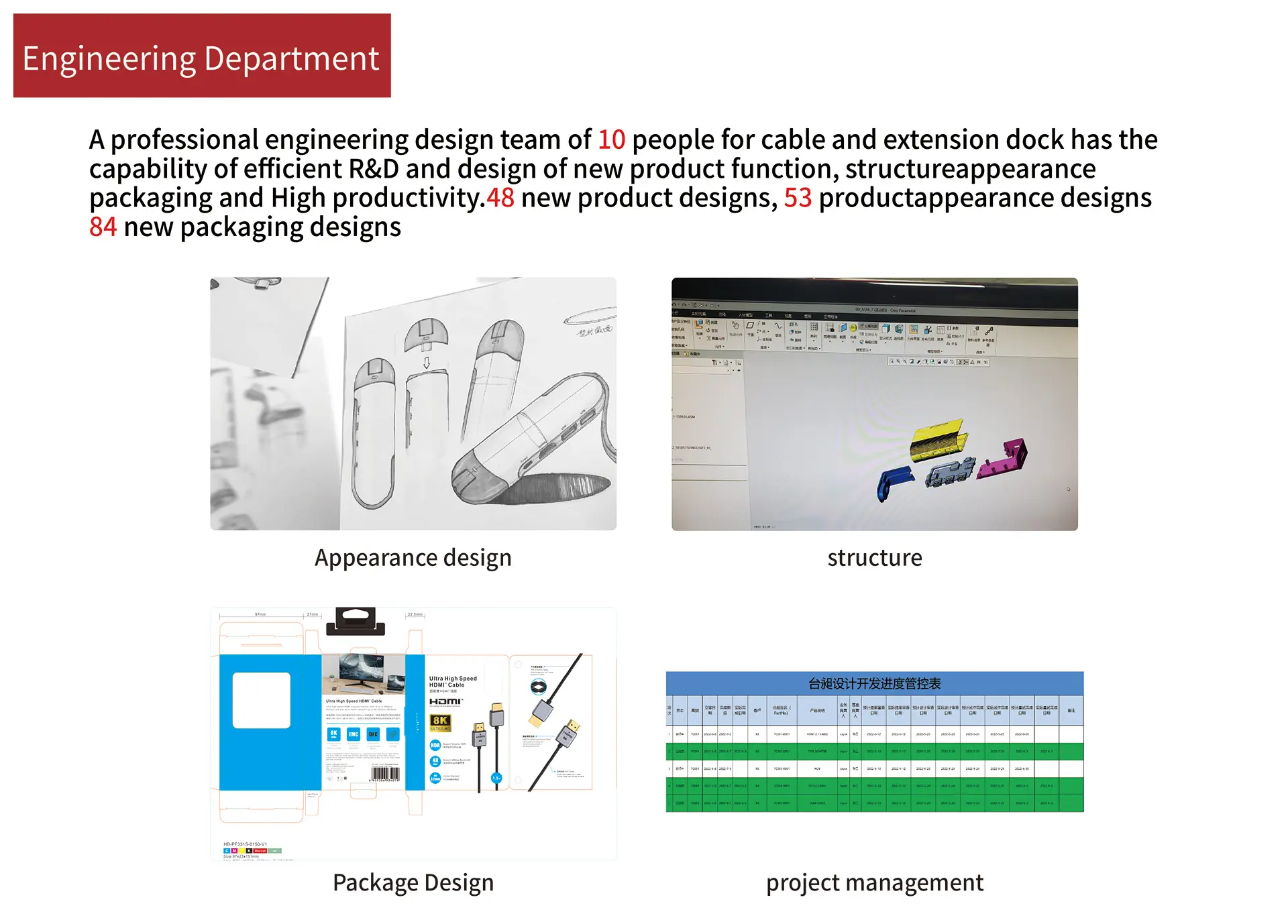

Cable installations are not static; they perform under diverse dynamic environments. Whether deployed in harsh industrial automated facilities, modern offices, or integrated into consumer products, custom designs must accommodate unique physical demands.
In assembly plants, USB-C lines interface with high-velocity cameras for machine vision systems. Dynamic movements require high-flex PVC or halogen-free TPE jackets, drag-chain resistance test cycles (up to 10 million flexes), and locked-screw connections to prevent disconnections under vibration.
Office deployments require reliable multi-device docking solutions. The integration of display signals (HDMI/DisplayPort) alongside data transmission over a single, durable line prevents connection dropouts and signal interference from adjacent office equipment.
Medical imaging systems require rapid, zero-latency transmission of high-density imagery (using 8K DP or 4K/60 HDMI adapters). Medical environments demand medical-grade jacketing materials and precise isolation to protect sensitive instrumentation from electrical interference.
Technical answers for procurement officers, hardware developers, and system integrators.
A: USB 3.0 represents a performance generation standard (5 Gbps, now called USB 3.2 Gen 1), whereas USB Type-C is a physical form factor. A USB Type-C cable can carry USB 2.0, USB 3.0, USB 3.1, USB4, or even Thunderbolt signals depending on its internal design. Thus, a "USB Type-C" connector does not automatically guarantee "USB 3.0" speed unless the underlying internal wiring and shielding are configured for SuperSpeed data transmission.
A: Low-cost manufacturers often use CCA (Copper Clad Aluminum) or low-grade copper alloys, combined with sparse shielding braids. This leads to high electrical resistance, signal attenuation, and potential packet loss over longer runs. Taitron utilizes 99.99% high-purity Oxygen-Free Copper (OFC) cores, precise physical insulation layers, and dual-layer aluminum-foil shielding coupled with high-density tinned-copper braiding to guarantee signal consistency.
A: The E-Marker (Electronically Marked Cable) chip is an integrated circuit embedded in the USB-C plug. It communicates with connected devices to identify the cable's capabilities, such as supporting 5A current (up to 100W/240W Power Delivery) or high-speed protocols (USB 3.1 Gen 2 / USB4). Cables without an E-Marker default to a safe 3A (60W) power limit and USB 2.0 speeds for system safety.
A: Our factory employs advanced Time Domain Reflectometry (TDR) and Vector Network Analyzer (VNA) systems. These tools perform 100% testing on high-speed cables to verify differential impedance (90Ω±5Ω), near-end crosstalk (NEXT), far-end crosstalk (FEXT), and insertion loss. This ensures every shipped cable conforms to strict digital standards.
A: Yes, if the cable is designed with a USB-C connector supporting DisplayPort Alternate Mode (Alt Mode). This allows the system to assign physical lanes from the USB data line to carry native video signals to external monitors without relying on secondary compression software.
A: For European exports, cables must possess CE Certification and comply with RoHS/REACH environmental safety regulations. For US exports, FCC compliance for EMI/RFI shielding and UL listings for fire retardancy (such as VW-1 safety ratings) are standard requirements.
A: Multi-functional hubs utilize USB Power Delivery (USB-PD) chipsets to route power upstream to charge host systems, while allocating high-speed lanes for downstream data ports (USB 3.0), network interfaces (RJ45), and video displays (HDMI/DP).
A: Tinned copper resists oxidation and corrosion, especially in humid or acidic environments. Tinning also enhances solderability and improves mechanical durability, ensuring stable connection performance over time.
Our secondary cohort of high-quality connection lines, adapters, and custom hubs designed for enterprise applications, AV distributions, and gaming hardware deployments.
 Taichang Electronic