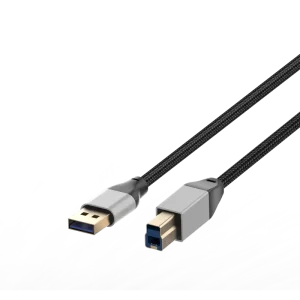
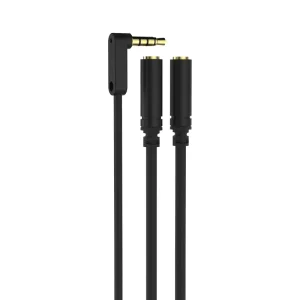
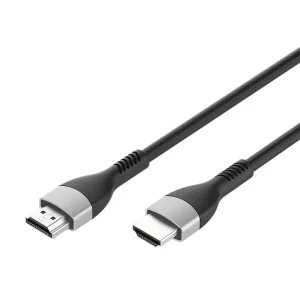
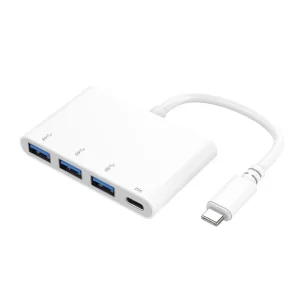
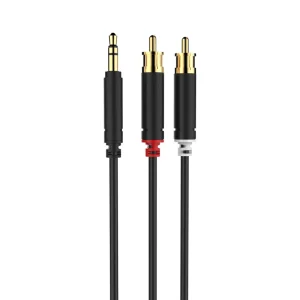
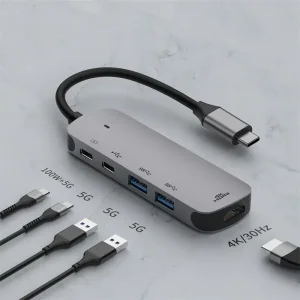
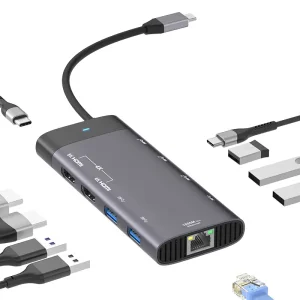
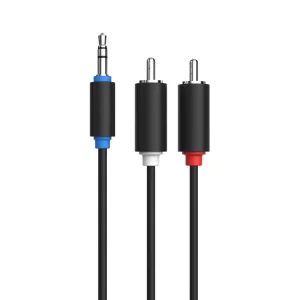
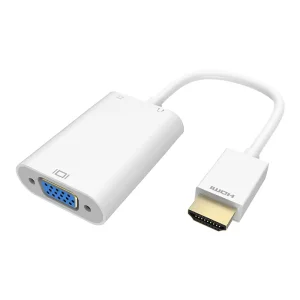
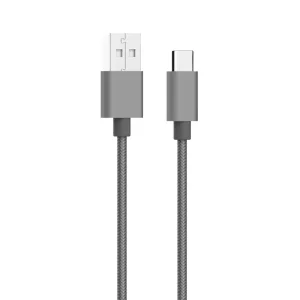
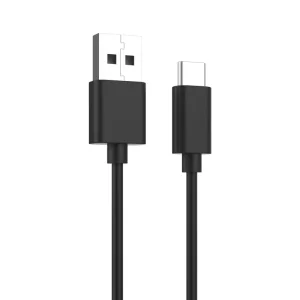
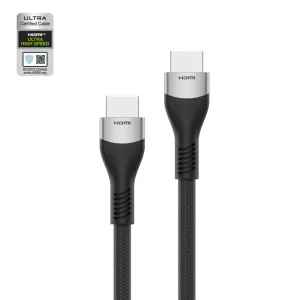
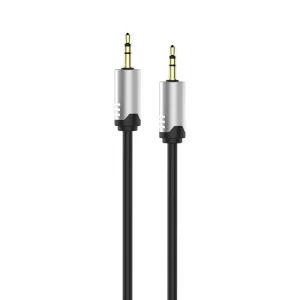
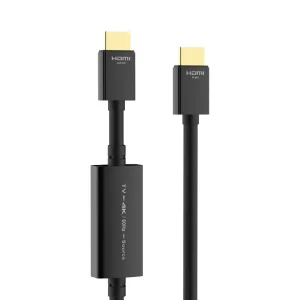
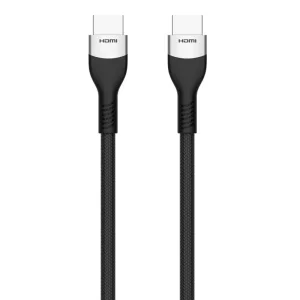
Featured Enterprise-Grade Solutions for Commercial AV Systems and Data Center Hubs
Why retail pricing models mask significant discrepancies in shielding design, transmission stability, and raw material purity.
Many low-tier manufacturers implement Copper-Clad Steel (CCS) or Copper-Clad Aluminum (CCA) to cut costs. In contrast, industrial-grade factories utilize 99.99% high-purity Oxygen-Free Copper (OFC) to guarantee minimal attenuation and preserve structural integrity over extended distances.
Advanced digital standards like HDMI 2.1 (48Gbps) and DisplayPort 2.0 require exceptional shielding. Premium configurations feature a multi-layer structure of conductive aluminum-mylar foil coupled with dense tinned-copper braided mesh, limiting crosstalk in high-density rack mounts.
Consumer grades often utilize low-durability PVC outer jackets. Professional-grade options incorporate heavy-duty nylon braiding, high-tension strain reliefs, and gold-plated contacts. This ensures reliable repeated insertion and extraction in broadcast studios and high-traffic event configurations.
Active Optical Cables (AOC) depend on optical engines to convert electrical signals. Top-tier manufacturers utilize German-engineered Optoelectronic IC modules for low power consumption and thermal dissipation, whereas cheaper alternatives often rely on unbranded controllers prone to latency.
How Dongguan Taitron Electronics transitioned from audio-video basics to high-bandwidth digital transmission systems.
Founded in Keelung, Taiwan in 1984 as Tonetron, our enterprise moved to its self-built independent production industrial park in Dalingshan Town, Dongguan City, China, in 1993, changing its name to Dongguan Taitron Electronics Limited. Over nearly four decades, our operational focus has remained on high-precision video and audio connectivity.
Leveraging 38 years of experience, we have transitioned from traditional analog cables to advanced digital transmission solutions, including HDMI 2.1 cables, DP 2.0 cables, USB4 data links, USB-C 3.1 Gen2 cables, PD 100W power delivery units, 8K conversion systems, and multi-functional Type-C docking stations. Our vertically integrated production model allows us to control the entire manufacturing process, from raw wire drawing and compounding to final connector assembly.
Understanding the internal engineering distinctions between consumer-grade and enterprise-grade HDMI and AV cables.
Standard retail products often feature thin 30-32 AWG conductors with copper cladding to reduce raw material costs. Premium B2B industrial solutions specify 24 to 28 AWG Solid Oxygen-Free Copper (OFC). This larger diameter lowers electrical resistance, allowing high-frequency signals to travel up to 5-10 meters without requiring active chip amplification.
Standard connectors use low-durability gold flash plating that can wear off after repeated cycles. Commercial configurations utilize 15μin to 30μin thick gold plating over solid brass contacts. This provides reliable corrosion resistance and stable impedance continuity across wide temperature ranges.
Over longer distances (exceeding 10 meters), copper cables suffer from signal degradation. AOC designs use optical fibers to transmit high-speed data, eliminating electromagnetic interference. These hybrids feature integrated photoelectric converters, drawing low-current power directly from the host device.
How professional factories design to comply with strict international regulatory bodies and electrical codes.
For behind-wall installations, cables must adhere to commercial building fire safety regulations. Sourcing agents should confirm certifications like CL2/CL3, FT4, or Low Smoke Zero Halogen (LSZH) jackets. These jackets generate minimal toxic smoke during a fire, protecting personnel and critical electronics.
With high-speed connectivity operating in the gigahertz range, shielding must comply with FCC and CE Electromagnetic Compatibility (EMC) guidelines. This prevents high-frequency noise from disrupting adjacent wireless networks, servers, or critical medical equipment.
Modern global commerce requires compliance with RoHS (Restriction of Hazardous Substances) and REACH protocols. Leading manufacturing facilities ensure all raw plastics, solders, and plating materials are free of lead, cadmium, and polybrominated biphenyls.
A side-by-side evaluation designed for B2B procurement managers, technical directors, and OEM buyers.
| Quality Metric | Standard Cheap OEM Cable | Taitron (Tonetron) Enterprise Grade | Business / Performance Impact |
|---|---|---|---|
| Conductor Core | Copper Clad Steel (CCS) / CCA | Solid Oxygen-Free Copper (OFC) | Lowers resistance, limits signal loss, and extends reliable transmission distance. |
| EMI Shielding | Single Layer Foil / Low Coverage | Triple Layer Foil + High Density Braiding | Prevents crosstalk and EMI in crowded commercial and rack installations. |
| Testing Protocol | Simple Continuity / Batch Testing | 100% Eye Diagram & TDR Testing | Guarantees full bandwidth capability (e.g., 48Gbps for HDMI 2.1) and reduces return rates. |
| Connector Contacts | Flash Gold Plating | 15μin to 30μin Gold Plating | Resists corrosion and oxidation, supporting high mating cycle counts. |
Direct technical answers to guide procurement managers and supply chain directors.
Reliable High-Speed Connectivity and Adaptor Accessories for Global Exporters
 Taichang Electronic