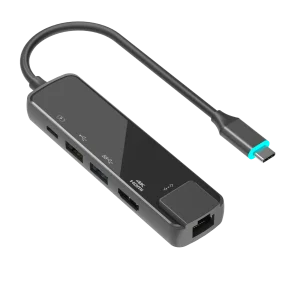
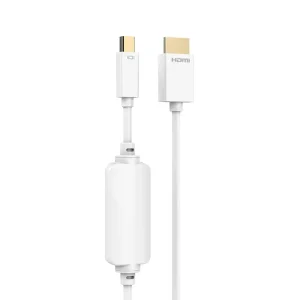
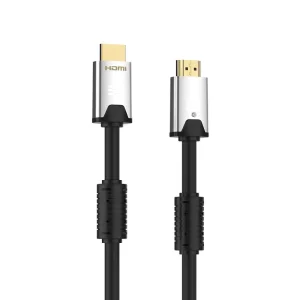
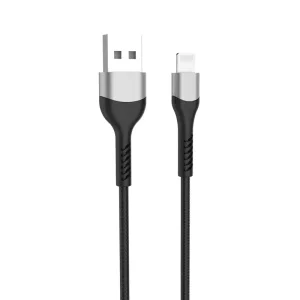
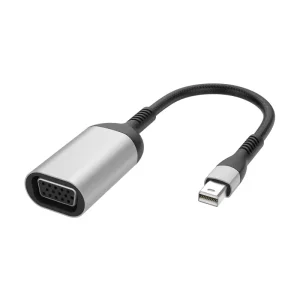
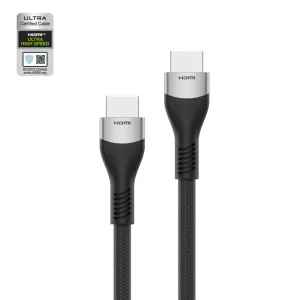
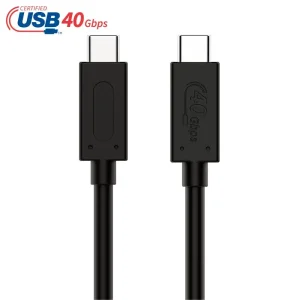
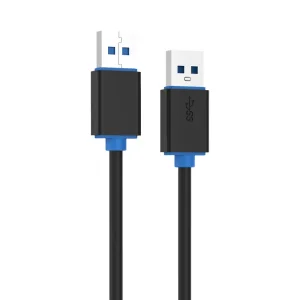
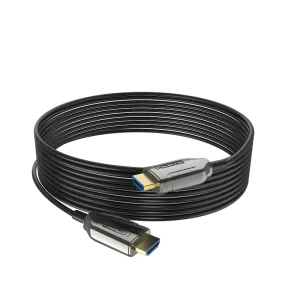
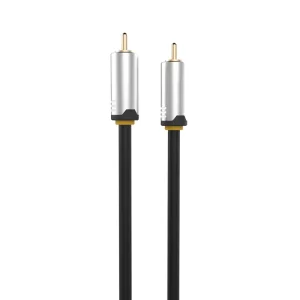
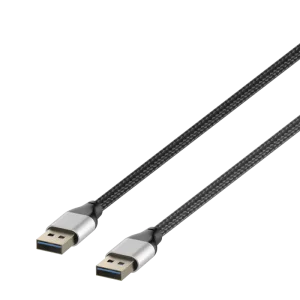
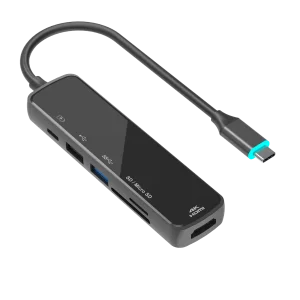
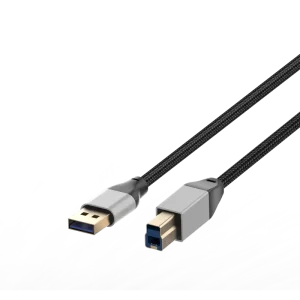
Discover our core lineup of high-precision DisplayPort, HDMI, Type-C, and legacy AV solutions engineered for industrial longevity.
Deciphering the Technical Bridge Between DisplayPort Packetized Signaling and HDMI TMDS Architectures
In modern high-definition visualization ecosystems, bridging diverse hardware interfaces remains a core engineering challenge. The DisplayPort (DP) to HDMI adapter serves as the critical hardware link that enables seamless communication between packet-based, low-voltage differential signaling (LVDS) DP host systems and the Transition-Minimized Differential Signaling (TMDS) frameworks native to HDMI displays. This signal cross-path is not merely mechanical; it requires precise impedance matching, layout integrity, and frequently, active level-shifting integrated circuits (ICs).
As enterprise IT demands scale toward ultra-high-definition multi-display workstation environments, medical imaging arrays, and security control centers, understanding the nuances of DP to HDMI conversion becomes vital. Modern sourcing procurement teams must navigate the performance differences between passive adapters—which rely on Dual-Mode DisplayPort (DP++) sources—and active protocol converters. Active conversion processes physically decode the incoming DP stream and re-encode it to comply with HDMI's standard. This guarantees full system compatibility even when the host system does not support DP++ or when executing complex multi-monitor arrays via AMD Eyefinity or NVIDIA Surround systems.
How Enterprise-Level Custom Sourcing Minimizes Signal Degradation and Optimizes Total Cost of Ownership (TCO)
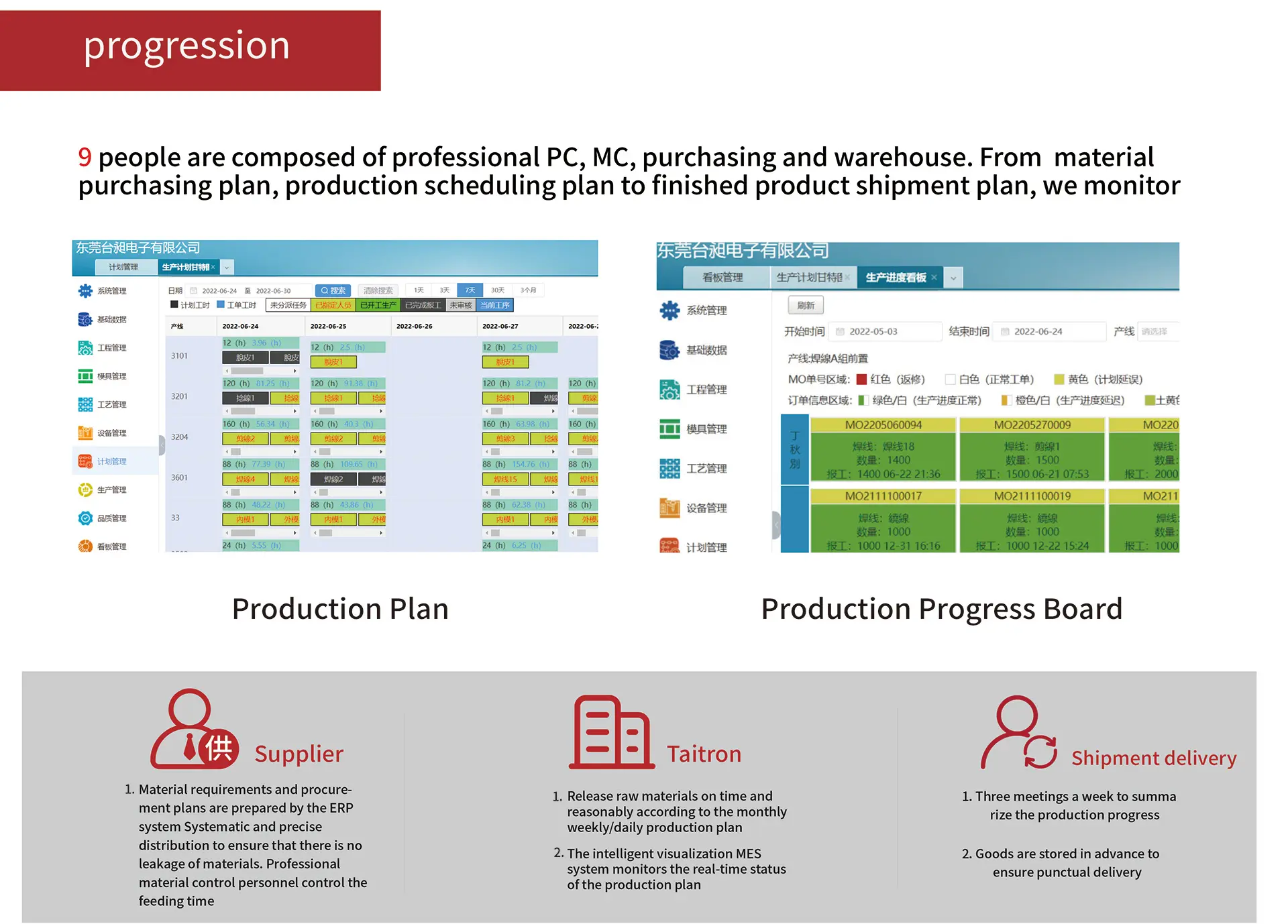
Supply chain security is optimized through our multi-point distribution and manufacturing framework. Originating in Taiwan and expanding to mainland China, we mitigate geopolitical bottlenecks, ensuring steady lead times and consistent global delivery schedules.
Each unit strictly adheres to international standards including CE, FCC, RoHS, and REACH. This level of environmental compliance ensures friction-free customs clearance and protects enterprise clients from regulatory liability in EU and North American jurisdictions.
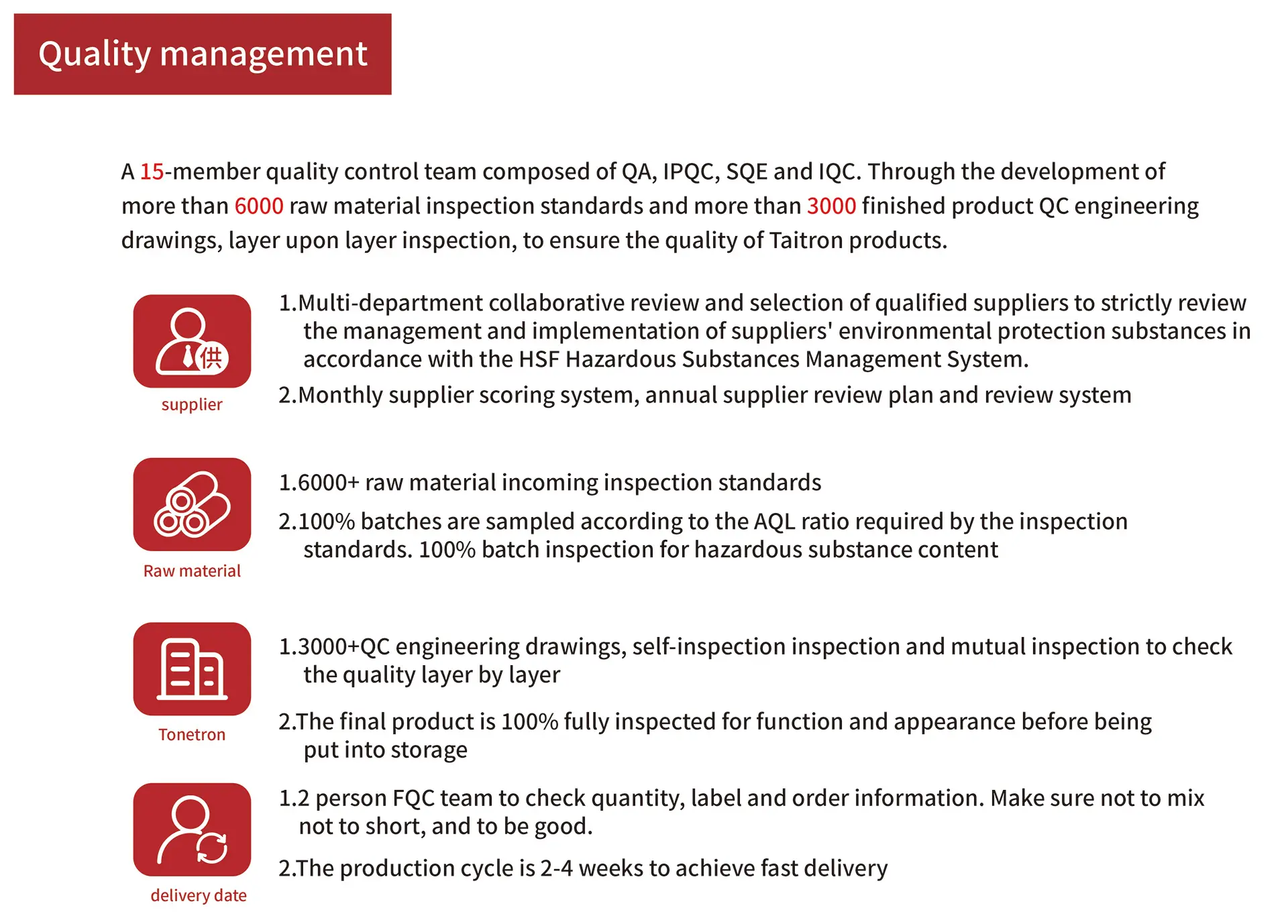
Engineered with multi-layered PCBs containing embedded shielding layers, our adapters prevent electromagnetic interference (EMI) and radio frequency interference (RFI) from compromising adjacent wireless equipment and networking lines.
Bridging 38+ Years of Audio-Visual Cable Engineering, Precision Tooling, and Global Partnerships
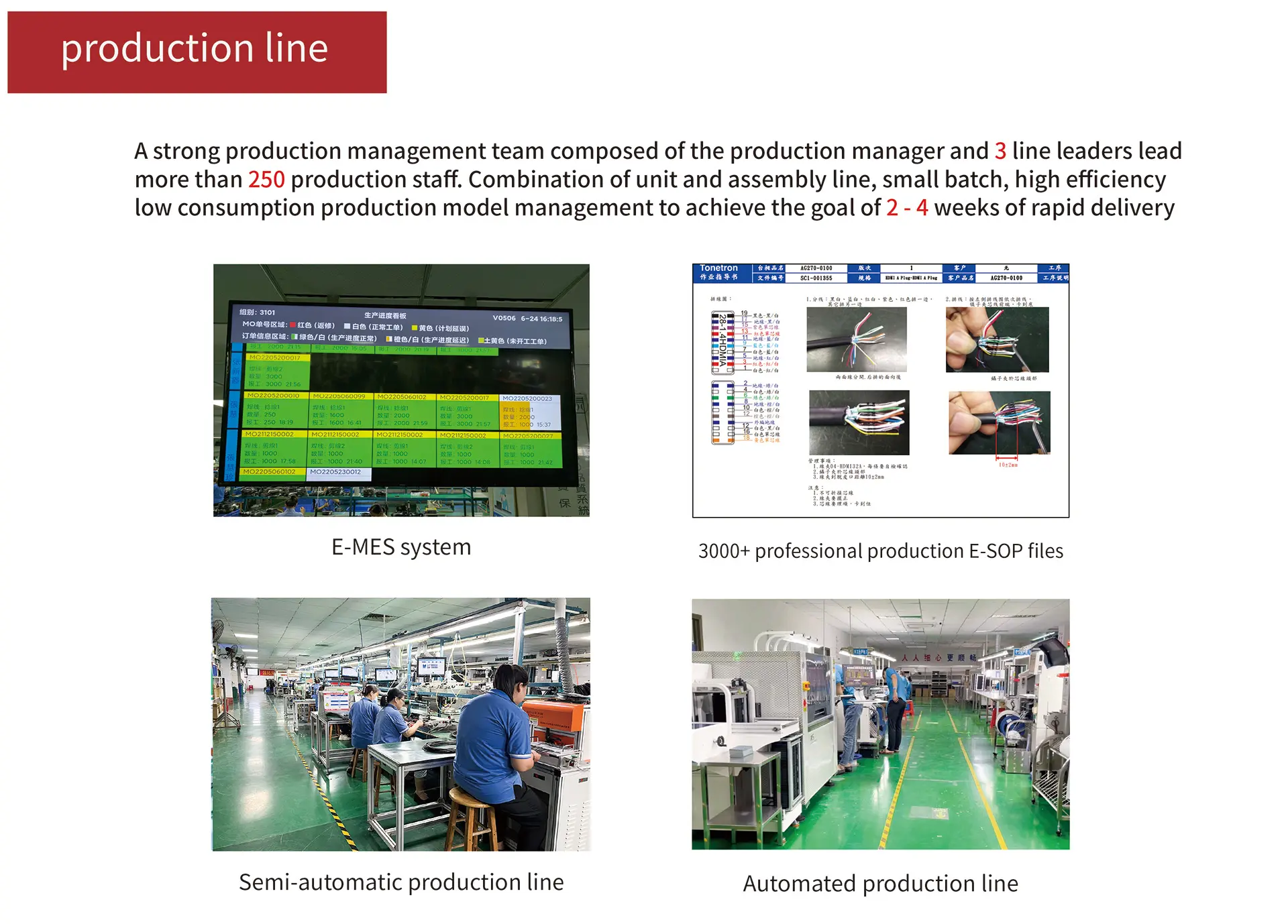
Founded in 1984 as Tonetron in Keelung, Taiwan, our corporation established itself on the foundation of high-fidelity physical connections. In 1993, to meet rising international demands, we transitioned operations to our custom-built, independent production facility in Dalingshan Town, Dongguan City, China, renaming the enterprise to Dongguan Taitron Electronics Limited.
For close to four decades, we have continuously evolved. What began as a focus on classic analog connection lines has grown into a major R&D and manufacturing powerhouse. Today, our engineering divisions focus on high-bandwidth, next-generation digital interfaces, including HDMI 2.1 (48Gbps), DisplayPort 2.0/2.1, USB4, USB-C 3.1 Gen 2, High-Power USB-C PD Charging Cables, and Multi-functional Type-C Expansion Docks. Our manufacturing capabilities support custom tooling, bespoke PCB designs, and tailored shielding layers, delivering reliable performance under continuous industrial workloads.

Pioneering the Next Frontiers of Audio-Visual Connectivity Engineering
The trajectory of display interface technology is moving rapidly toward ultra-high-definition and high-refresh-rate applications. With the release of DisplayPort 2.1 and HDMI 2.1a, the data throughput limits have expanded to 80Gbps and 48Gbps, respectively. Our engineering labs are currently developing and testing active adapters capable of supporting uncompressed 8K resolutions at 120Hz, as well as 10K resolution environments designed for advanced visual simulator networks and professional broadcast configurations.
Moreover, as copper media approaches its physical limits regarding high-frequency signal attenuation over distance, we are expanding our R&D footprint into Active Optical Fiber (AOC) hybrid configurations. By combining optical fibers for high-speed video channels and copper wires for secondary signaling lines (such as DDC/HDCP handshake protocols), we ensure zero-latency, EMI-immune transmissions over distances up to 100 meters. This technological leap serves as a long-term roadmap that guarantees our global buyers stay ahead of hardware evolution.
Addressing Crucial Questions for Electrical Engineers, System Integrators, and Global Buyers
A passive adapter relies on the host computer's DisplayPort output to identify an HDMI display connection and send the appropriate HDMI signal format (known as Dual-Mode DP++). Active adapters, by contrast, feature an internal level-shifting or protocol-converting integrated circuit (IC) that decodes the native DisplayPort stream and regenerates it as a true HDMI TMDS signal. Active adapters are required when linking DP displays to multi-screen arrays (such as 3 or more displays) or when connecting to host systems that do not feature native DP++ hardware markings.
Yes. All of our digital conversion adapters are integrated with internal firmware and physical IC architectures that pass through HDCP handshakes. Depending on the model and project requirements, we support HDCP 1.4 for standard setups and HDCP 2.2 / HDCP 2.3 for protected 4K and 8K commercial media streaming, preventing display blanking or system-level connection errors.
We deploy a multi-layered shielding design. Individual wire pairs are wrapped in high-density aluminum foil, followed by a secondary overall braided shield made of tinned copper. The outer shell is overmolded with conductive tinplate cages before the final PVC/TPE outer jacket injection. This design provides protection against electrostatic discharge (ESD) and blocks external RFI, ensuring signal clarity and compliance with strict EMC thresholds.
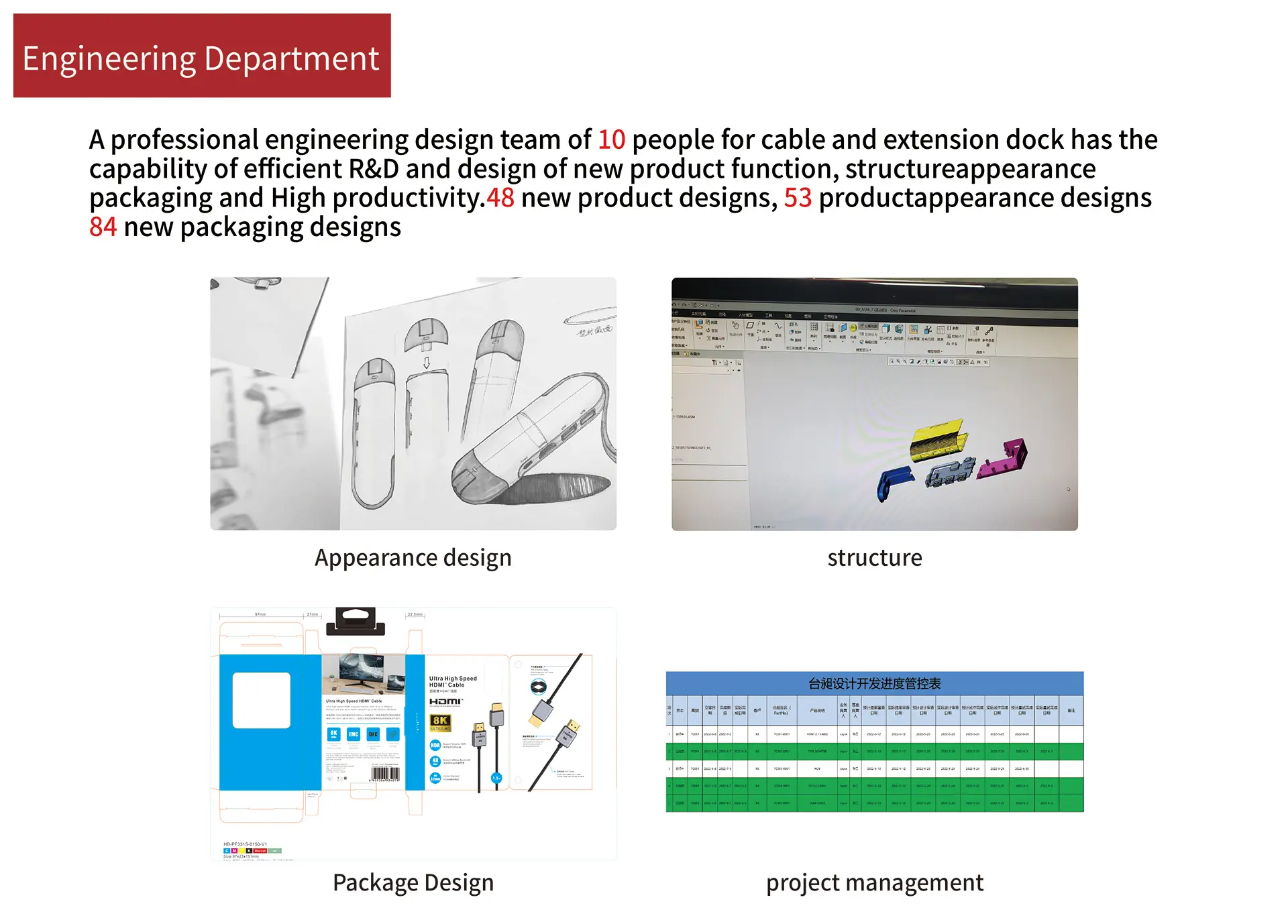
Our OEM/ODM services cover custom PCBA design, custom housing structures (including zinc alloy, aluminum, or overmolded TPE), custom length profiles, and specialized packaging designs. In our R&D labs, we can simulate and measure signal integrity based on your specific requirements using our advanced high-frequency network analysis equipment, providing comprehensive testing reports before production begins.
Explore our high-bandwidth active optical cables, Thunderbolt-compatible interfaces, and legacy system adapters.
 Taichang Electronic