Explore our flagship, enterprise-grade connection interfaces engineered for precision performance, broad device compatibility, and unmatched electrical shielding.
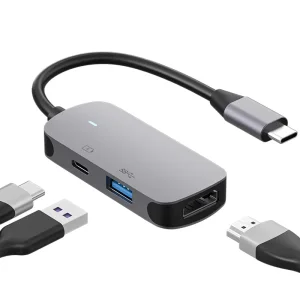
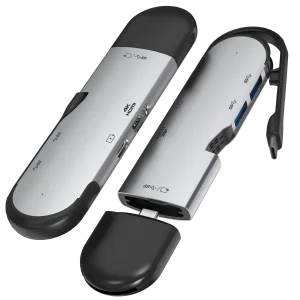
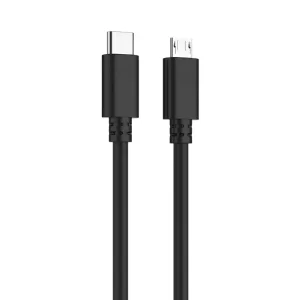
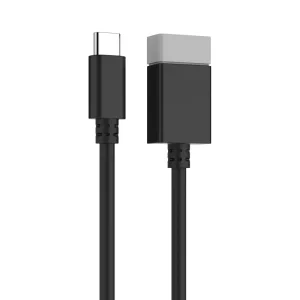
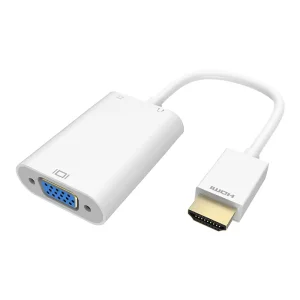
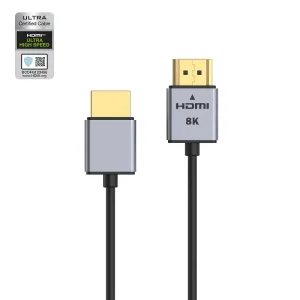
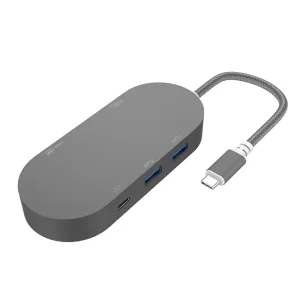
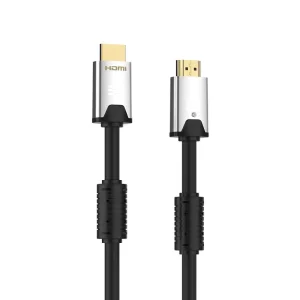
In an era dominated by high-density Wi-Fi networks and ultra-compact hardware designs, the transition of Apple hardware—ranging from MacBook Pro, MacBook Air, and iMac to iPad Pro and iPad Air—to exclusively USB-C and Thunderbolt architectures has created a significant connectivity gap. While wireless networks offer physical mobility, they introduce signal attenuation, latency variation, susceptibility to radio-frequency interference (RFI), and packet-loss vulnerabilities. For enterprise operations, security-cleared defense offices, stock trading floors, and smart industrial plants, relying on wireless networks is an unacceptable operational risk.
As a leading Custom Apple Adapter Ethernet Supplier, we recognize that the requirements for high-performance connectivity transcend simple plug-and-play operability. Large-scale corporate networks demand physical-layer stability, structural resilience, and seamless chipset integration with Apple Silicon (M1, M2, M3, and M4 architectures) and macOS/iOS environments. Our network adapters utilize advanced Ethernet chipsets like the Realtek RTL8153 and ASIX AX88179, establishing driverless Gigabit or Multi-Gigabit networks immediately upon connection. These hardware solutions bypass software abstraction layers, providing stable, high-throughput pipelines essential for modern, data-intensive operations.
Developing a high-performance USB-C to Ethernet adapter for Apple products involves resolving several electronic engineering challenges. Primary among these are electromagnetic interference (EMI) containment, heat dissipation, and protocol compliance. High-speed USB-C lines operating up to 10Gbps can emit electromagnetic radiation that interferes with 2.4GHz wireless devices and Bluetooth signals.
By encasing our PCB assemblies in structural metal shielding cans before applying the outer aluminum alloy casing, we keep radiation fields fully contained. Our internal layout features short differential trace lines designed for matched impedance, which helps prevent signal reflection and packet drops. The result is a highly reliable adapter that maintains continuous full-duplex Gigabit throughput, even during intensive workloads like mass deployment, network booting, and high-volume data transfers.
How premium Apple-compatible Ethernet adapters address real-world, high-stakes infrastructure requirements globally.
From Keelung, Taiwan in 1984 to a state-of-the-art manufacturing industrial park in Dongguan, China.
In 1984, Dongguan Taitron Electronics Limited (formerly known as Tonetron) was founded in Keelung, Taiwan. Driven by a commitment to high-frequency engineering, the company relocated to a self-built industrial park in Dalingshan Town, Dongguan City, China, in 1993, expanding its manufacturing footprint to better serve global markets.
Over the past 38 years, Taitron has evolved from a specialist in audio and video cables into a leading high-end connection interface manufacturer. Our modern product portfolio features state-of-the-art consumer and industrial electronics accessories, including HDMI 2.1 cables, DP 2.0 cables, USB4 data systems, high-power USB charging cables, and multi-functional Type-C expansion docks.
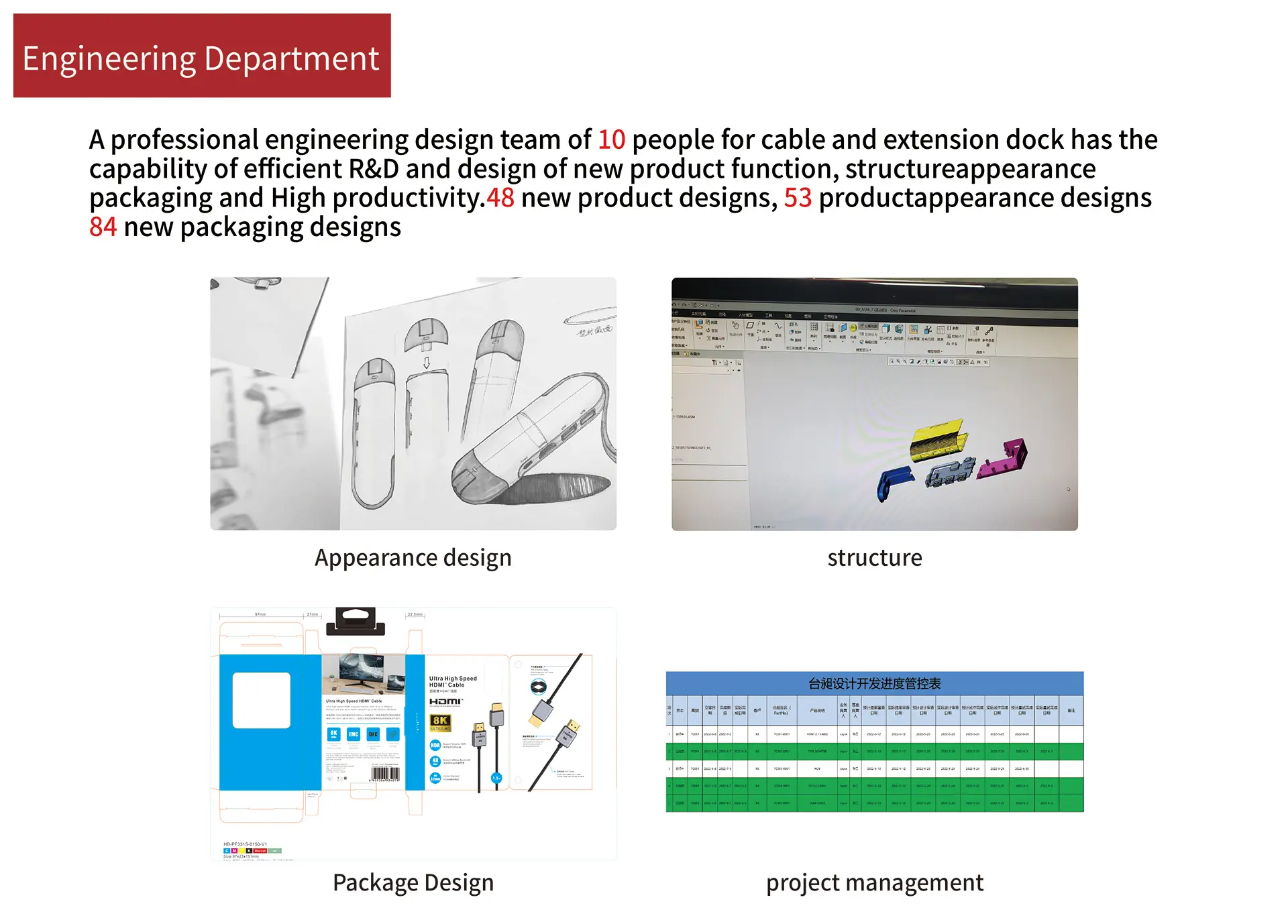
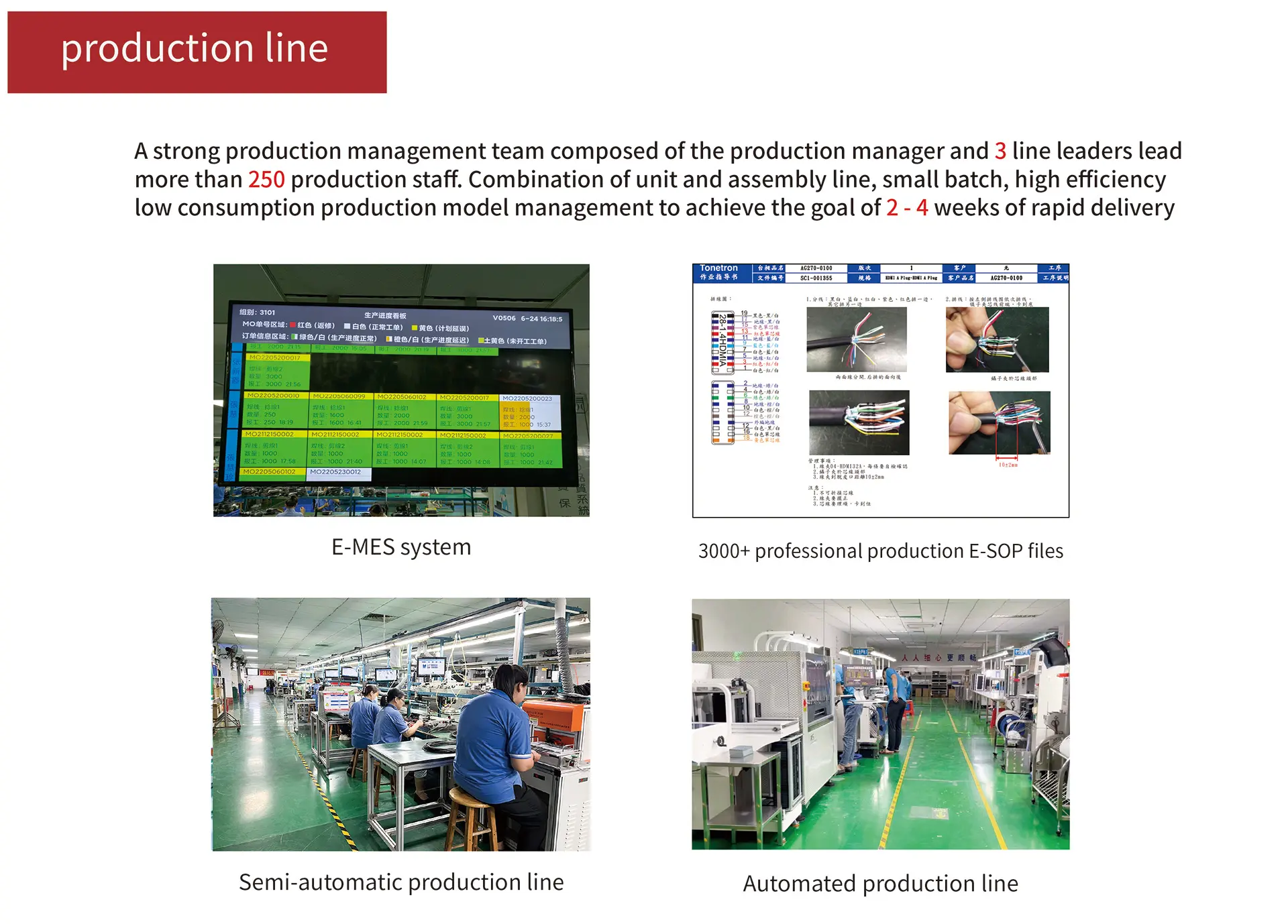
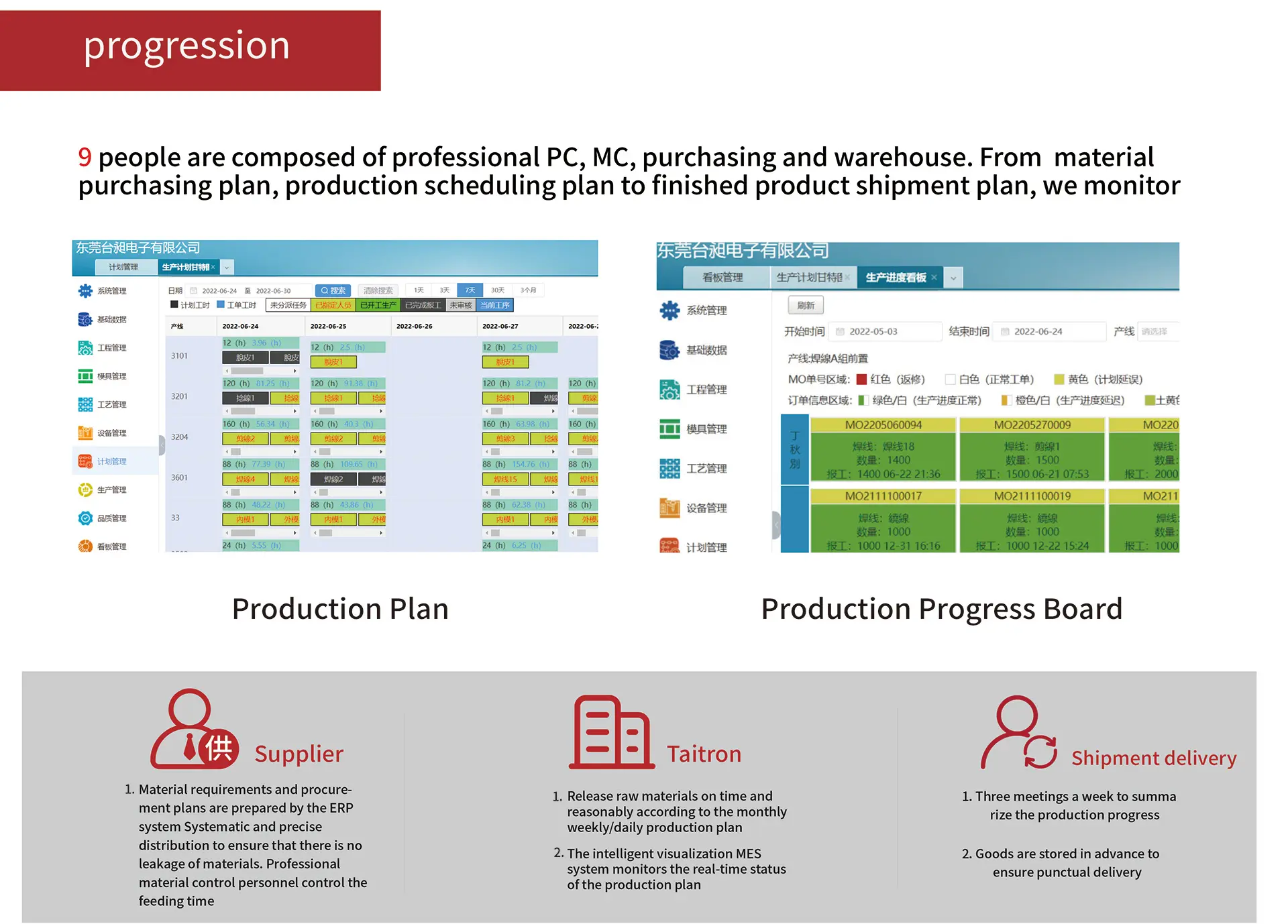
Our Dongguan facility offers complete vertical integration, housing departments for tooling development, precision injection molding, high-frequency SMT line placement, and automatic cable assembly. This concentration of capabilities ensures tight quality control, short development cycles, and high flexibility for custom OEM and ODM orders.

The demands on network connectivity are growing rapidly. Gigabit Ethernet (1000BASE-T) is no longer the speed limit for creative workstations and server environments. The industry is actively shifting toward Multi-Gigabit interfaces. We are currently scaling up production on our 2.5G (2.5GBASE-T) and 5G/10G Ethernet adapters, designed to run over high-speed USB4 and Thunderbolt 4 controllers.
Our developmental roadmap emphasizes four core architectural advancements:
For international trade and enterprise sourcing, product quality is closely tied to regulatory compliance. Our production processes conform to rigorous global standards, ensuring that our products are ready for immediate deployment in highly regulated environments.
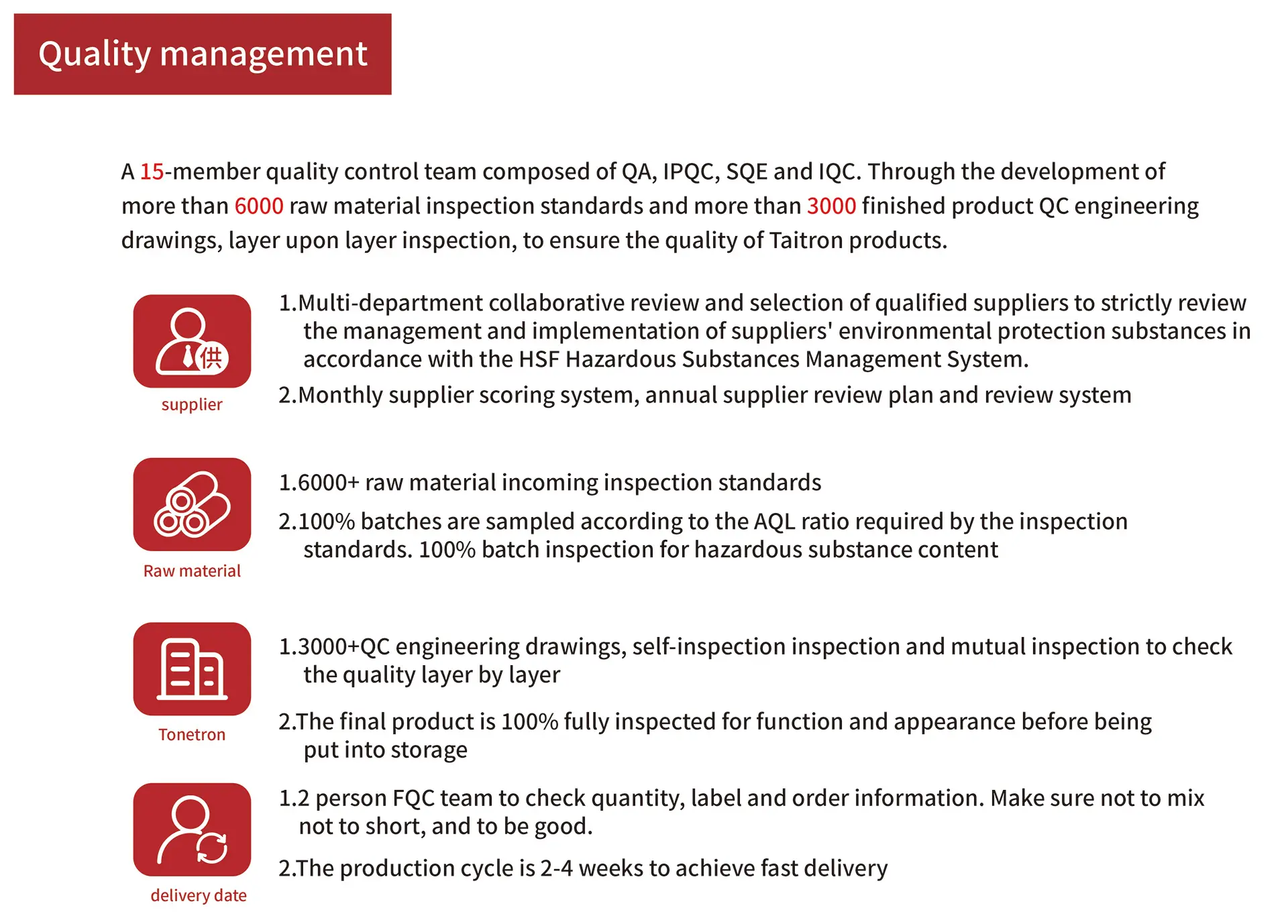
Every production run undergoes comprehensive electrical testing, signal integrity evaluations, and physical stress tests. We use time-domain reflectometers (TDR) and network analyzers to inspect cable impedances and return losses, verifying that every adapter performs within specifications.
We maintain active compliance certifications across key global markets:
| Certification | Geographic Scope | Compliance Domain |
|---|---|---|
| CE Mark | European Economic Area | Safety, Health, and Environmental Protection |
| FCC Certification | United States | Electromagnetic Interference Limits |
| RoHS / REACH | Global / Europe | Restriction of Hazardous Chemical Substances |
| WEEE Directive | European Union | Electronic Waste Recycling and Recovery |
Answers to the most common engineering and procurement questions regarding custom Apple-compatible Ethernet adapters.
The Realtek RTL8153 and ASIX AX88179 series are the most stable chipsets for macOS and iOS. They have native driver support built directly into Apple's kernel, enabling plug-and-play operation without requiring manual driver installations.
We resolve this by applying internal metallic shielding cans over the PCB assembly. Combined with an outer aluminum alloy casing, this design traps high-frequency EMI leakage from the USB-C lines, preventing it from interfering with nearby wireless receivers.
For custom tooling, shell modifications, or specific cable lengths and colors, our standard MOQ is 1,000 units. For off-the-shelf components with simple laser-engraved custom branding, we can accommodate smaller initial test runs.
Yes, our enterprise-grade models support MAC Address Pass-Through, Wake-on-LAN (WOL), and PXE Boot. These features allow IT administrators to monitor, manage, and secure Apple laptops within corporate network architectures.
Our quality team uses high-frequency network analyzers, Time-Domain Reflectometry (TDR) setups, and specialized temperature-cycling chambers to verify that every production run maintains physical connection integrity under varying thermal and mechanical stress.
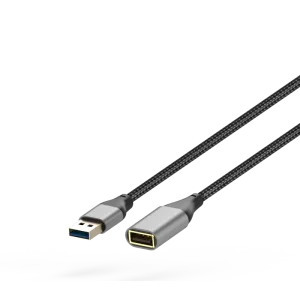
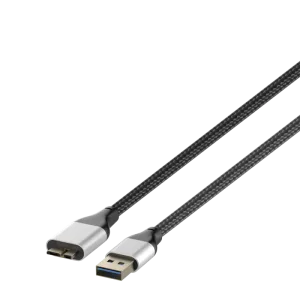
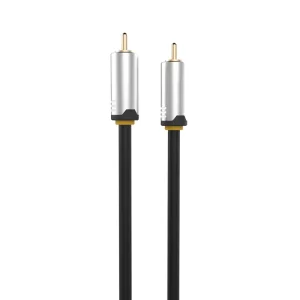
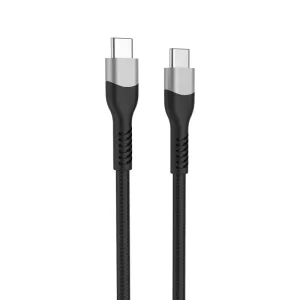
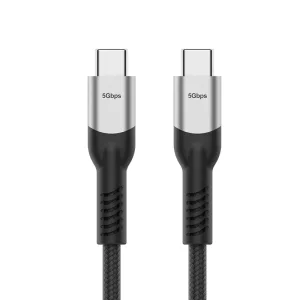
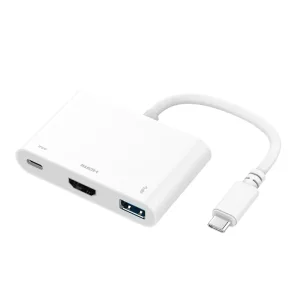
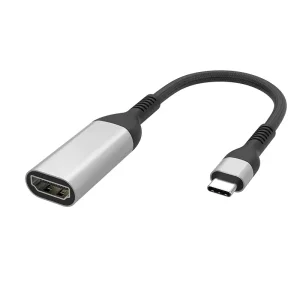
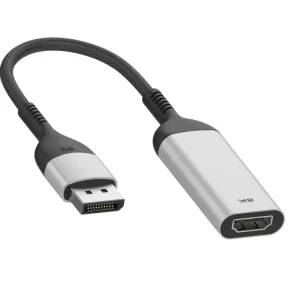
Explore our broader selection of high-frequency data and display cables manufactured to the same rigorous quality standards.
 Taichang Electronic