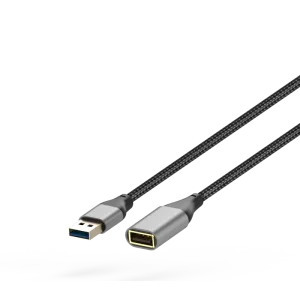
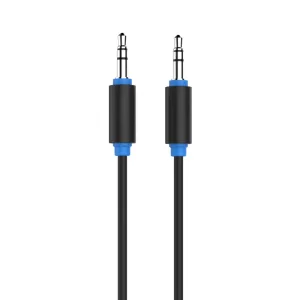
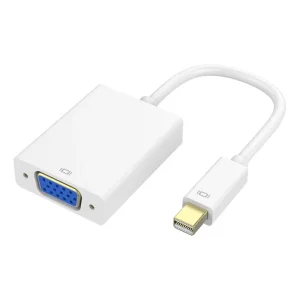
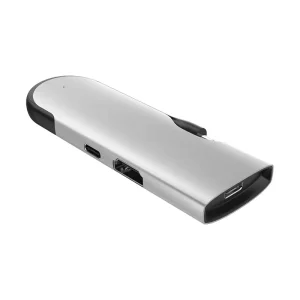
High-performance adapters, custom multiport hubs, and structural cabling engineered for enterprise architectures.
Unpacking the persistent industrial reliance on legacy hardware interfaces amidst the transition to high-bandwidth networks.
In modern industrial, commercial, and enterprise systems, there is a common misconception that newer connectivity standards render preceding protocols obsolete. While USB Type-C and USB 4.0 dominate the consumer market, the procurement profile for USB 2.0 Ethernet adapters continues to show sustained, stable global volume growth. The core drivers for this sustained demand are embedded system interoperability, hardware predictability, power efficiency, and substantial total cost of ownership (TCO) benefits.
Enterprise procurement departments, especially in medical, aerospace, retail POS, and smart manufacturing sectors, prioritize components that guarantee minimal hardware changes, stable legacy driver stacks, and lower power requirements. A standard USB 2.0 to Fast Ethernet (10/100 Mbps) adapter consumes significantly less energy than a high-performance USB-C to Gigabit Ethernet unit. This parameter is critical when deploying hundreds of units across thin-client setups or battery-operated mobile diagnostics terminals.
| Metric | USB 2.0 Fast Ethernet | USB 3.0 / C Gigabit Ethernet |
|---|---|---|
| Max Raw Bandwidth | 480 Mbps (Physical Link) | 5.0 Gbps / 10 Gbps |
| Operating Current | < 100mA - 150mA | > 250mA - 450mA |
| Driver Architecture | Universal CDC-ECM / RNDIS | PCIe-over-USB / Proprietary |
| Thermal Dissipation | Negligible (< 0.5 Watts) | Moderate (1.2W - 2.5W) |
| Lifecycle Guarantee | 10+ Years (Industrial Grade) | 3 - 5 Years (Consumer Cycles) |
How system engineers integrate custom USB 2.0 Ethernet adapters into mission-critical hardware topologies.
Modern smart factories rely heavily on Programmable Logic Controllers (PLCs) and Human-Machine Interfaces (HMIs). Many of these units lack built-in RJ45 ports due to spatial constraints but include rugged USB-A ports. Custom USB 2.0 Ethernet adapters allow direct, reliable connection to the local LAN for diagnostics, Modbus TCP communication, and OTA firmware updates without modifying the primary hardware.
Medical-grade devices require strict isolation of data lines to prevent patient-end interference and leakage current. USB 2.0 Ethernet controllers can be easily decoupled using low-cost optocouplers. By isolating the network interface via a custom USB adapter, manufacturers meet IEC 60601-1 standards while delivering secure patient data transmission to Hospital Information Systems (HIS).
Financial transaction hubs and government thin clients operate in high-security zones where wireless transmission is strictly prohibited. Custom-manufactured USB 2.0 to Ethernet adapters can be hard-wired or encapsulated within the device enclosure to prevent tampering. USB 2.0’s constrained throughput naturally limits the rate of data exfiltration during cyber incidents.
Deconstructing the physical and link layer protocols governing industrial adapter design.
The core of any custom USB 2.0 Ethernet adapter lies in the Selection of its USB-to-Ethernet Controller IC. Standard consumer lines utilize generic silicon that suffers from packet drop, high latency fluctuation, and lack of driver signing. For professional systems, custom builds focus on two primary microchips:
Custom manufacturing requires robust physical housing to withstand vibration, heat cycles, and mechanical strain. Standard requirements call for a double-shielded, high-purity oxygen-free copper (OFC) wire core protected by aluminum foil and magnesium-aluminum braiding. Gold-plated connectors are deployed to resist oxidation, ensuring 10,000+ insertion cycles without connection degradation.
While USB 2.0 remains a standard, modern designs utilize a hybrid approach. The physical connection adapts to USB-C form factors while maintaining the USB 2.0 logical protocol. This approach ensures legacy hardware controllers function seamlessly on newer systems without requiring expensive hardware upgrades. This bridge protocol ensures that systems built today will continue to work on modern architectures over the next decade.
A Deep-Dive into our Legacy, Production Capability, and Global Sourcing Integrity.
In 1984, Dongguan Taitron Electronics Limited., formerly known as Tonetron, was founded in Keelung, Taiwan. In 1993, it moved to the self-built independent production industrial park in Dalingshan Town, Dongguan City, China, and changed its name to Dongguan Taitron Electronics Limited.
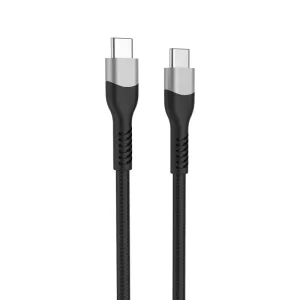
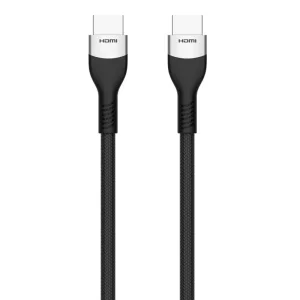
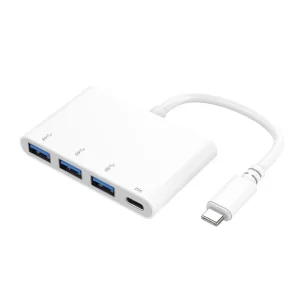
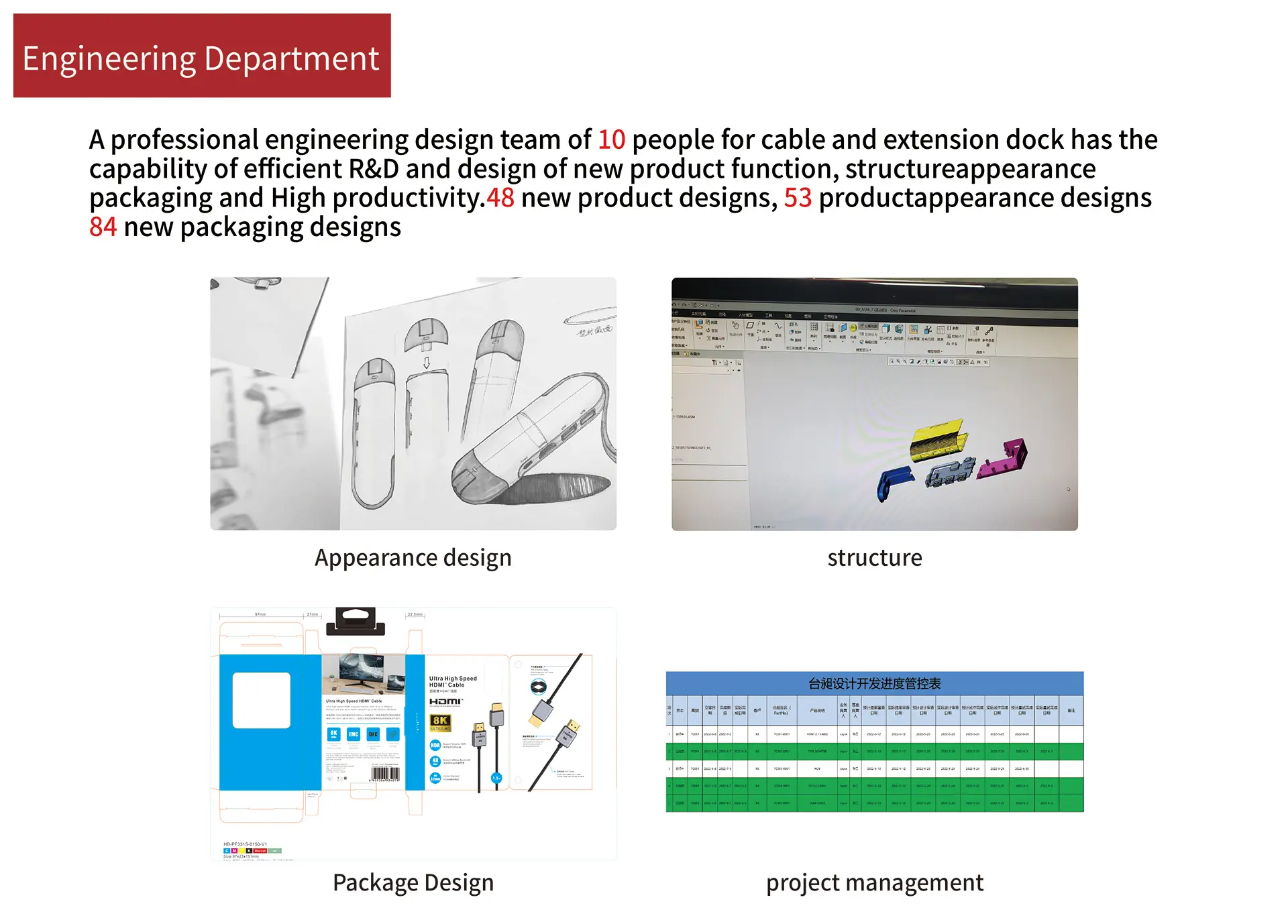
38 years to pass professional video and audio peripheral eguipment connection line manufacturing as the foungation, Gradually develop to the high-end audio and video cable data cable such as HDMI2.1 cable, DP2.0 cable, USB4 data cable, USB-C 3.1Gen2 data cable, high-power USB charging cable, 8K HD conversion cable, multi-functional Type-C expansion dock and other products research and development and manufacturing.
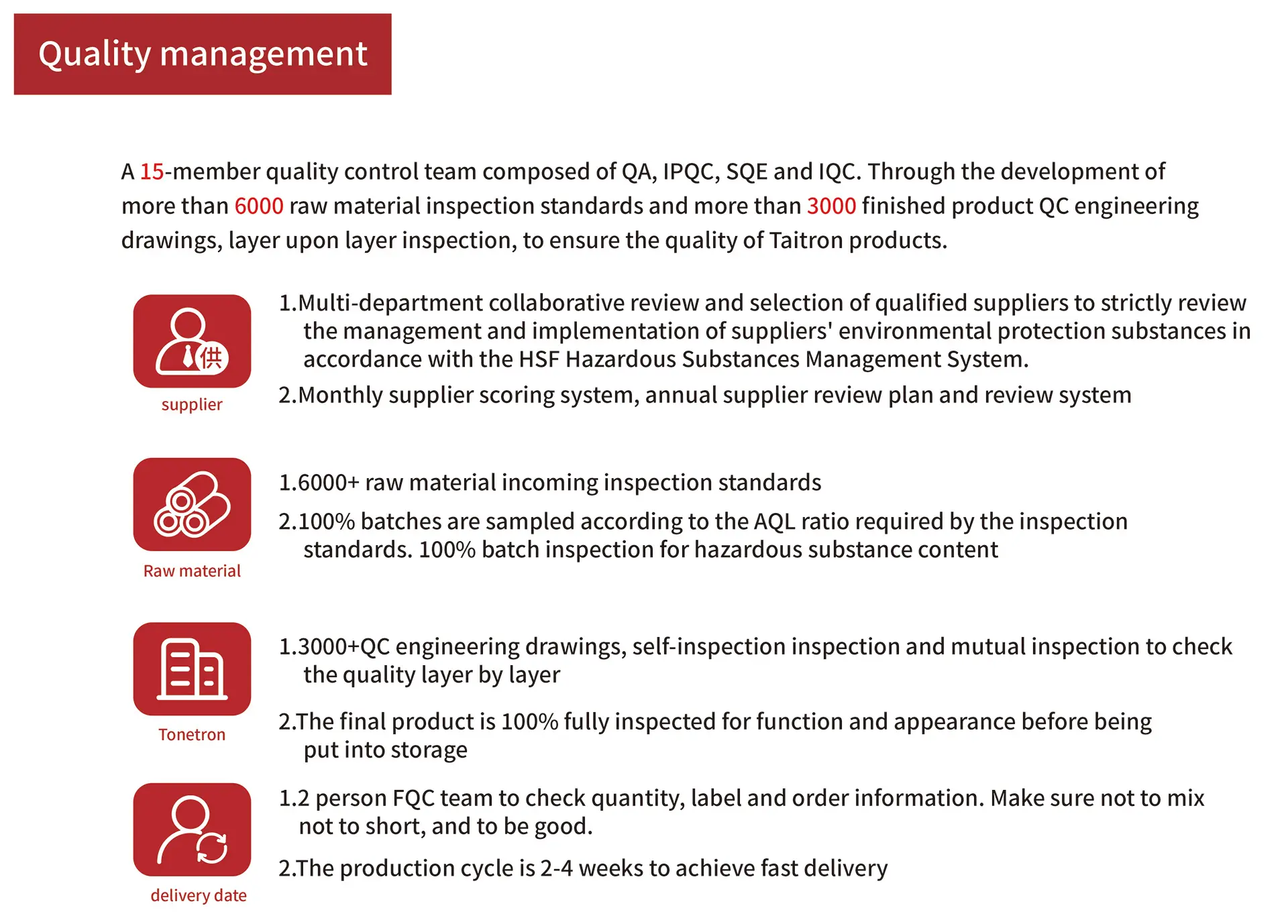
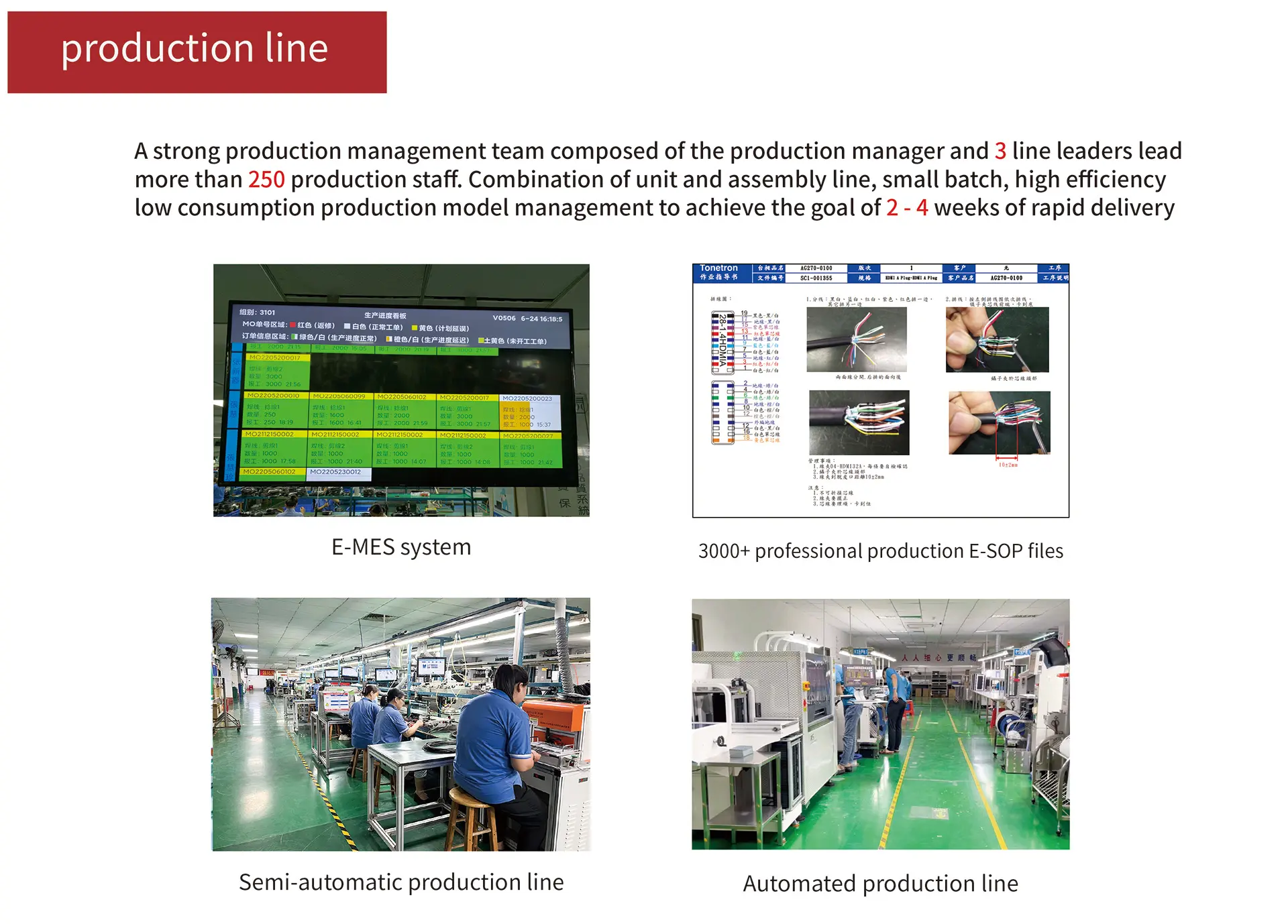
Our infrastructure operates under rigorous ISO9001 and ISO14001 Quality Management Systems. Our engineering facility in Dongguan utilizes advanced signal analysis equipment, high-frequency network analyzers, automatic soldering lines, and vertical injection molding machinery. This allows us to scale manufacturing to meet global demand while maintaining consistent product quality.

Ensuring components satisfy strict regional environmental, safety, and performance standards.
For custom USB adapters deployed in European and North American markets, compliance is non-negotiable. Our products carry CE Certification, FCC Part 15 subpart B registration, and UL certifications for internal components. All components undergo rigorous electrical safety evaluations to ensure compliance in demanding operational environments.
We comply fully with RoHS (Restriction of Hazardous Substances) and REACH directives. Our manufacturing lines use lead-free soldering processes, halogen-free cable jackets, and recyclable packaging materials. We audit our entire supply chain to ensure conflict-free mineral sourcing.
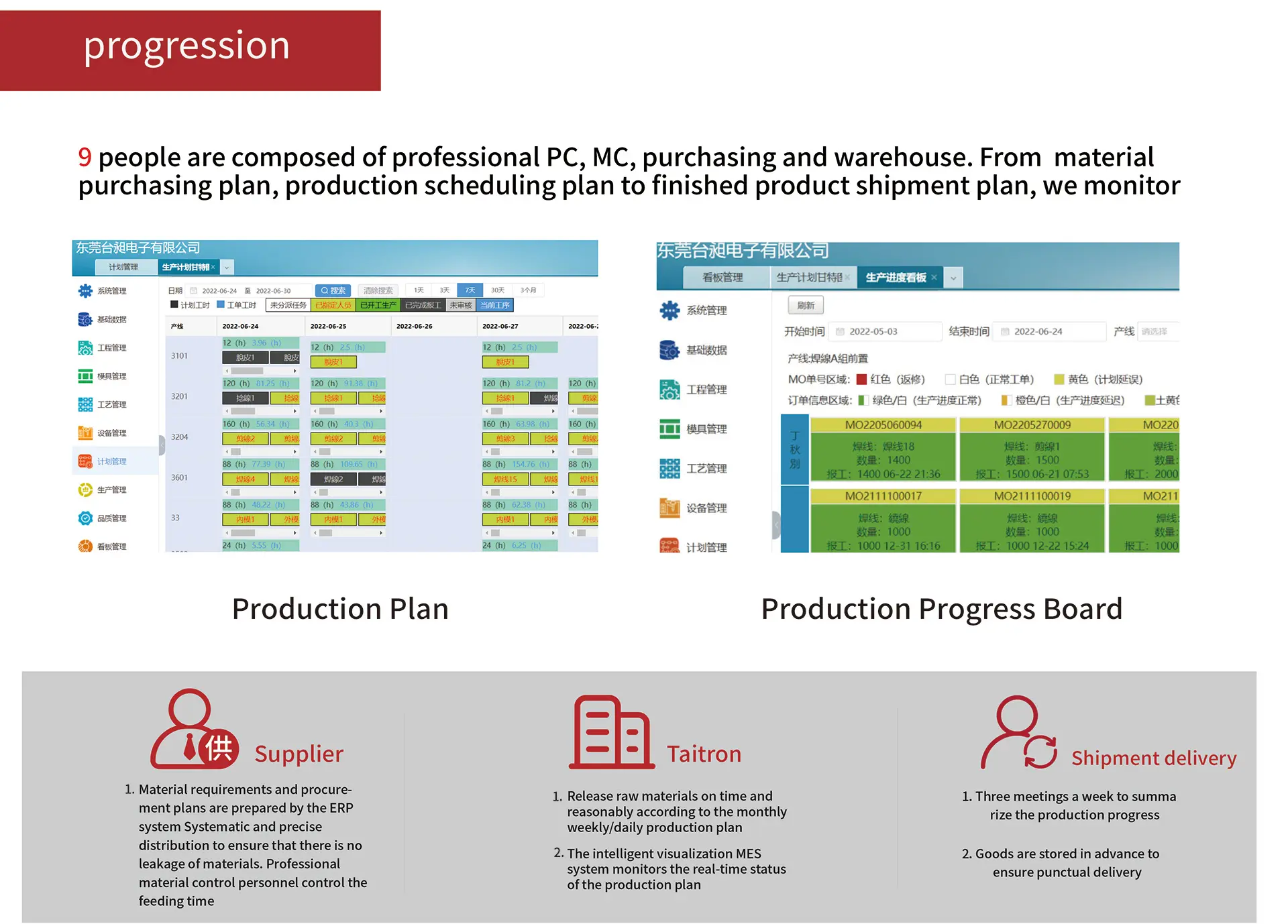
We provide comprehensive localized logistics and technical support. Our engineers supply detailed CAD files, custom software integration packages, and localized documentation to streamline integration with client product lines. This support reduces development timelines and mitigates compliance risk.
Addressing critical architectural concerns raised by hardware development teams during system design cycles.
Explore our full line of commercial components, high-speed interfaces, and audio-video conversion lines.
 Taichang Electronic