Browse our highly optimized video, audio, and network interface solutions engineered to support comprehensive enterprise infrastructures.
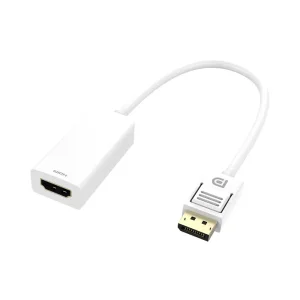
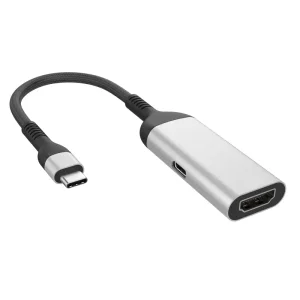
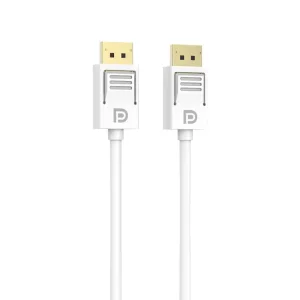
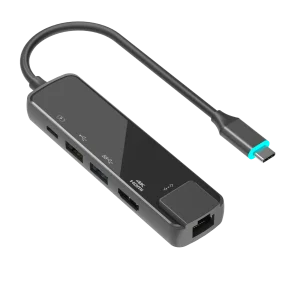
An engineering deep dive into USB IP packetization, protocol mapping, and software/hardware virtualization layers.
USB on LAN (often termed USB over IP or USB network redirection) functions by packaging standard USB request blocks (URBs) into standard TCP/IP packets. This allows any remote machine on the local area network (LAN) or wide area network (WAN) to mount and control USB hardware peripherals exactly as if they were plugged directly into the local physical USB port.
The principal technical challenge of USB over IP is latency management. The USB protocol requires quick acknowledgment loops (especially for Isochronous and Interrupt transfers). Custom hardware designs utilize specialized network chipsets that execute packetization at the hardware level, decreasing round-trip time (RTT) overhead to sub-millisecond ranges.
Industrial architectures rely on secure connection paths between the host control software and client endpoint. Hardware-based USB servers integrate securely with hypervisors such as VMware ESXi, Microsoft Hyper-V, and Citrix XenServer. This guarantees zero-downtime operation for software licensing dongles, biometric devices, and security keys.
Discover how custom-designed USB on LAN infrastructures improve operational efficiency, secure proprietary networks, and reduce hardware footprints.
On modern factory floors, sensitive CNC machinery and Programmable Logic Controllers (PLCs) are often managed by a centralized, virtualization-enabled server room. Rather than exposing computers to extreme dust, heat, and high vibrations, industrial-grade USB over Ethernet hubs are placed right inside machine enclosures. Local CNC operators upload CAD codes via secure network channels directly into the machinery, preserving device lifetime and network security.
Medical imaging machinery like MRI, CT scanners, and ultrasound units require dedicated USB inputs for patient biometric monitoring, diagnostic inputs, and specialized camera systems. For hygiene, patient safety, and HIPAA compliance, the server housing the diagnostics operates in a separate sterile zone. By routing USB over LAN, physicians operate equipment in real-time without introducing thermal interference or physical hardware contaminants into patient-facing areas.
Software development agencies, financial firms, and engineering consulting agencies rely on high-cost software licenses locked to physical USB keys (e.g., HASP, SafeNet dongles). Placing these physical dongles directly in workstation ports is a major security risk. Our USB on LAN racks host these dongles in a central locked server cage. Dynamic virtualization software maps specific dongles to local client VMs on-demand and detaches them immediately after use, preventing theft and loss.
Retaining our historic foundation and detailing our growth into an industry-leading global ODM/OEM manufacturing plant.
In 1984, Dongguan Taitron Electronics Limited, formerly known as Tonetron, was founded in Keelung, Taiwan. Driven by a commitment to expand capacity and optimize technology integrations, the company moved to its self-built independent production industrial park in Dalingshan Town, Dongguan City, China, in 1993, changing its official operating name to Dongguan Taitron Electronics Limited.
With 38 years of professional video and audio peripheral equipment connection line manufacturing as our foundation, we have expanded our research, development, and manufacturing capacity. Today, our engineering department focuses on high-end audio and video cables, data cables, and complex network extension solutions. Our advanced lineup includes HDMI 2.1 cables, DisplayPort 2.0 (DP2.0) cables, USB4 data cables, USB-C 3.1 Gen2 cables, high-power USB charging cables, 8K HD conversion cables, multi-functional Type-C expansion docks, and custom-engineered USB on LAN hardware. We combine years of structural cable expertise with modern manufacturing protocols to deliver elite solutions worldwide.
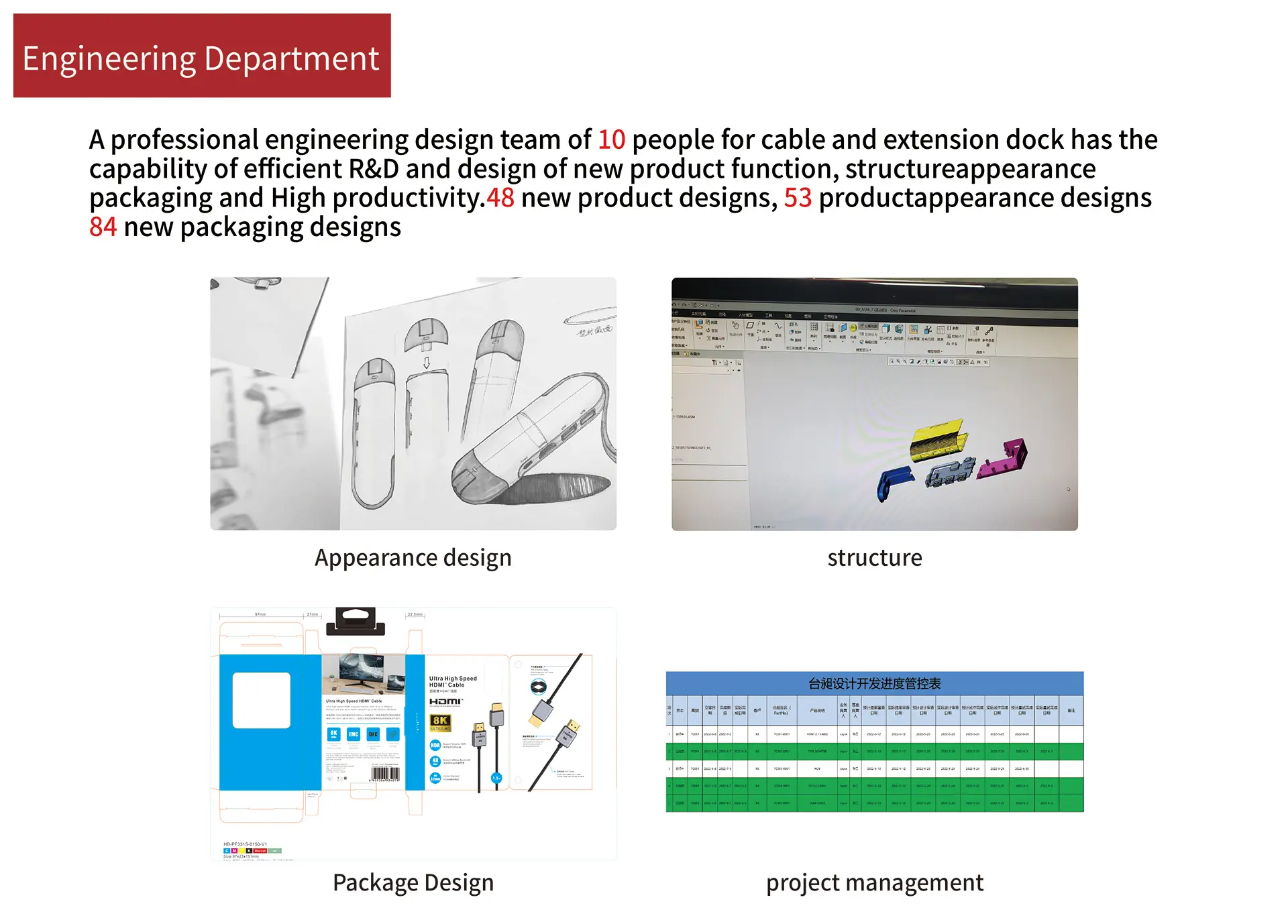
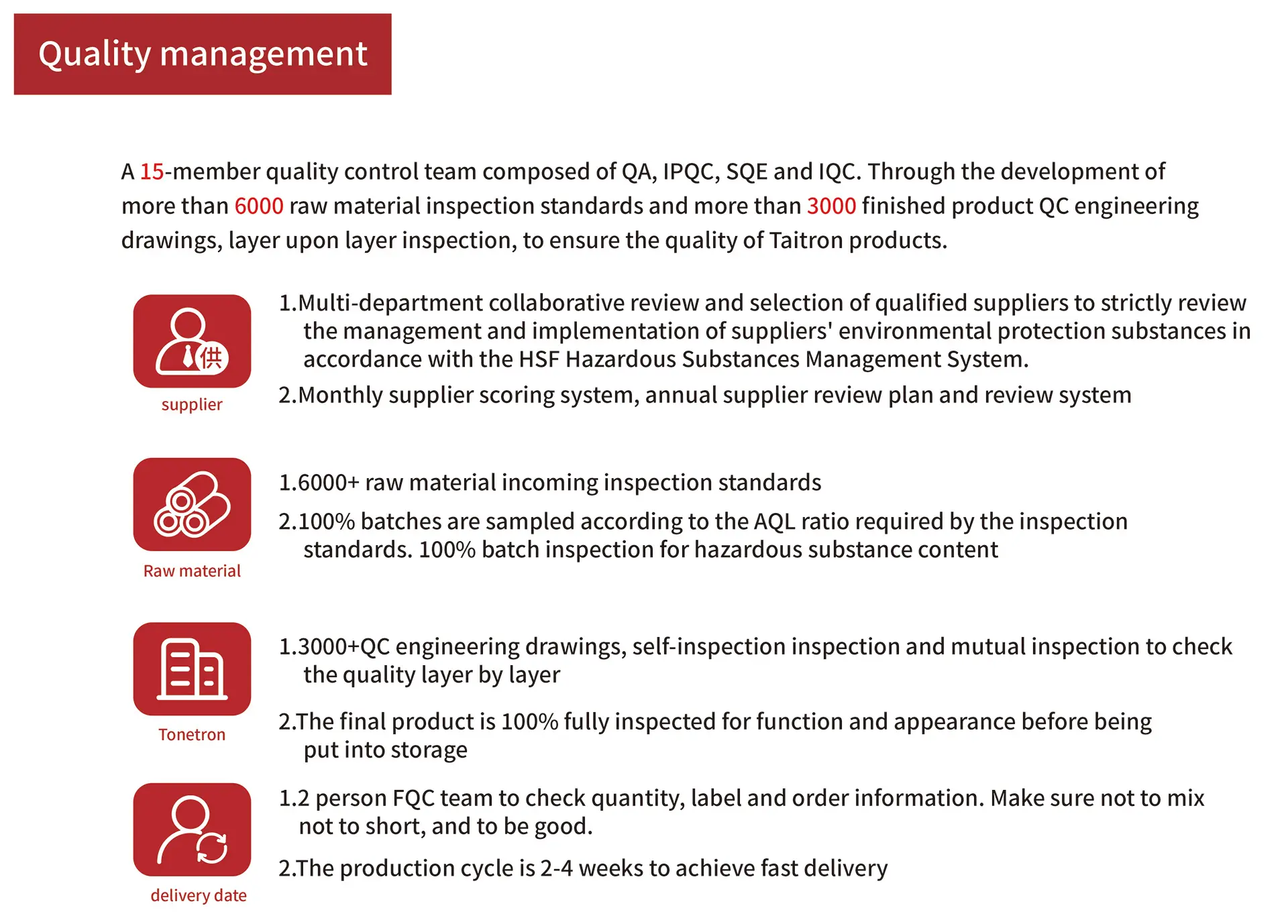

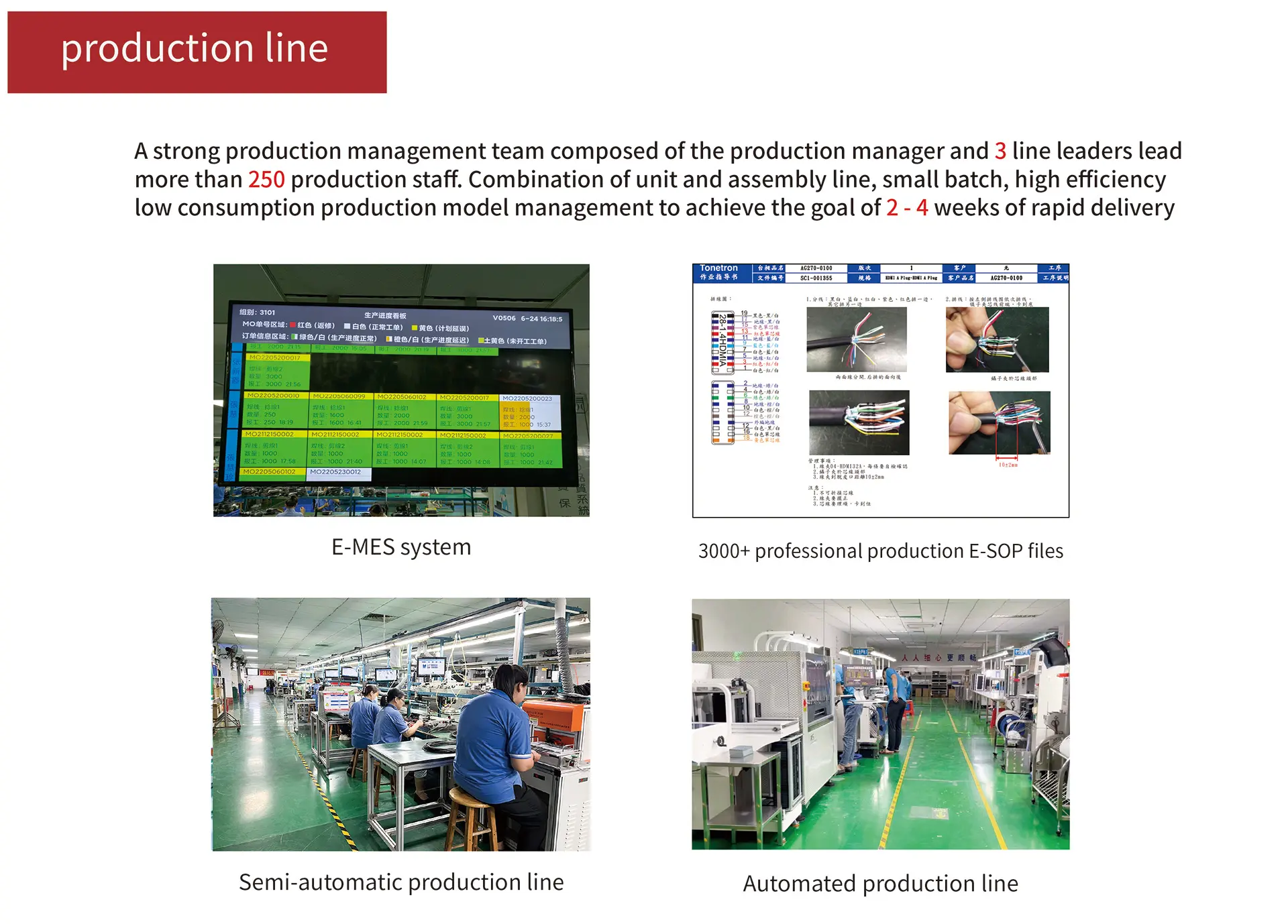
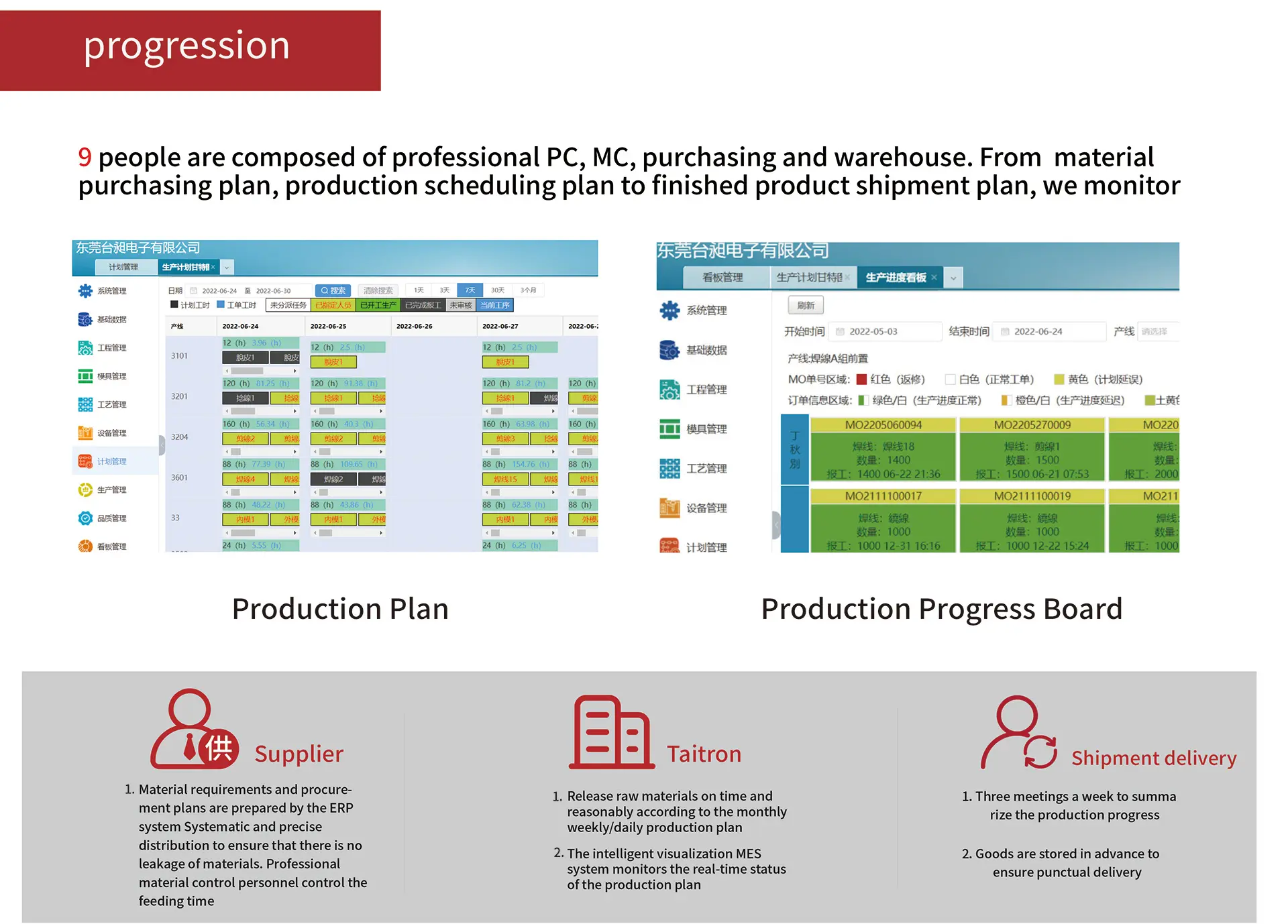
How Taitron leverages Dongguan's manufacturing ecosystem to guarantee raw material access, quick prototyping, and cost control.
Operating in Dalingshan Town, Dongguan, puts Taitron at the center of the world's most dense electronics supply chain. We procure copper, high-grade plastics, custom controller ICs, and shielding foils within a 50-kilometer radius. This proximity reduces transit times and allows us to scale manufacturing quickly in response to market demands.
By conducting design, tooling, molding, signal testing, and physical reliability evaluations in-house, we eliminate reliance on third-party labs. Our facilities feature high-speed network analyzers, TDR (Time Domain Reflectometry) testing stations, temperature/humidity chambers, and automated visual inspection systems to guarantee zero defects.
Our engineering division develops custom solutions tailored to specific project requirements, including specialized port arrays, ruggedized metal enclosures, Power over Ethernet (PoE) integration, and custom-branded management software. This flexible approach allows us to deliver optimized performance for unique deployments.
The technological evolution of USB on LAN networking products over the next five years.
As standard USB data transfer rates reach 40Gbps and 80Gbps via USB4, we are designing our next-generation LAN servers to encapsulate these high-speed signals over 10GbE and 100GbE fiber networks. This development supports high-throughput applications like remote SSD arrays and high-definition vision systems.
Future iterations of our firmware will include native TLS 1.3 encryption, secure 802.1X network access controls, and multi-factor authentication protocols. This architecture prevents unauthorized packet sniffing and man-in-the-middle attacks, ensuring secure data paths across shared corporate networks.
Integrating AI-driven traffic shaping at the device firmware level enables dynamic bandwidth allocation. Priority is automatically assigned to latency-sensitive devices like scanners and input interfaces, while bulk file transfers are throttled during high-network-load periods.
A transparent guide to project pricing based on interface requirements, order volumes, and hardware specifications.
| Model Series | Physical USB Ports | Ethernet Interface | Key Standard Compliance | Est. Unit Cost (OEM bulk)* | MOQ (Units) |
|---|---|---|---|---|---|
| TLAN-U2-02S | 2x USB 2.0 (High-Speed) | 10/100 Mbps RJ45 | CE, FCC, RoHS, REACH | $18.50 - $24.00 | 500 |
| TLAN-U2-04P | 4x USB 2.0 (PoE Supported) | 10/100/1000 Mbps Base-T | CE, FCC, RoHS, REACH | $29.00 - $38.50 | 500 |
| TLAN-U3-04G | 4x USB 3.1 Gen 1 (SuperSpeed) | 1x Gigabit Ethernet RJ45 | CE, FCC, RoHS, REACH | $45.00 - $55.00 | 200 |
| TLAN-U3-08R | 8x USB 3.1 Gen 2 (10Gbps/Port) | 2x Gigabit Ethernet (Redundant) | CE, FCC, RoHS, REACH | $89.00 - $110.00 | 100 |
| TLAN-CUSTOM-IP | Custom Array (up to 16 ports) | SFP+ 10Gb Fiber / PoE+ Opt | Custom certifications (CE/UL) | Contact for Quote | Varies |
*Note: Pricelist ranges are estimated EXW Dongguan Factory base prices. Actual pricing depends on custom IC requirements, branding configurations, testing certifications, and metal housing upgrades. Please connect with our sales department for formal quotes.
Answers to common technical, shipping, and manufacturing questions from enterprise clients and design partners.
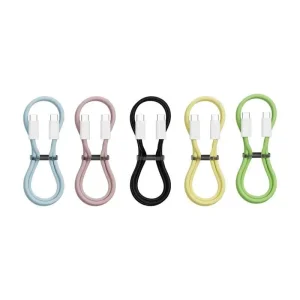
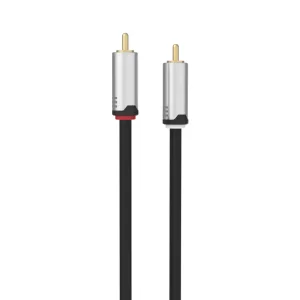
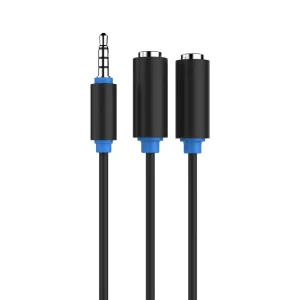
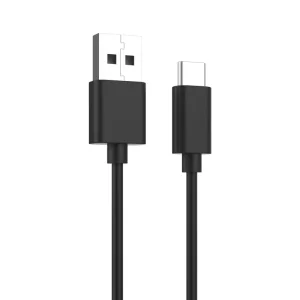
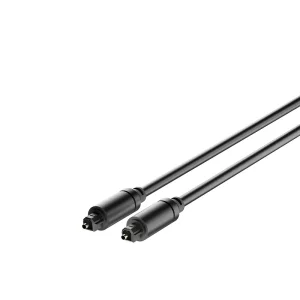
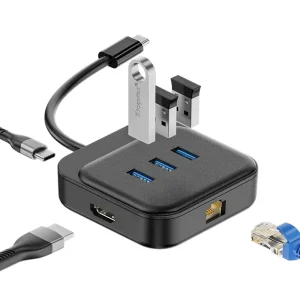
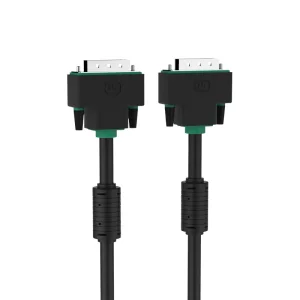
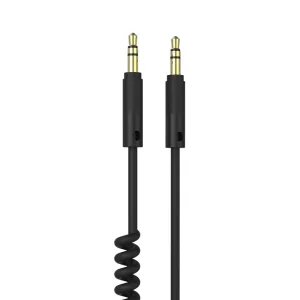
Discover additional high-quality cable assemblies and adapter hubs manufactured at our Dongguan production facility.
 Taichang Electronic