Premium OEM/ODM certified USB-C adapters, HDMI modules, and ultra-high-speed display links tailored for diverse commercial ecosystems.
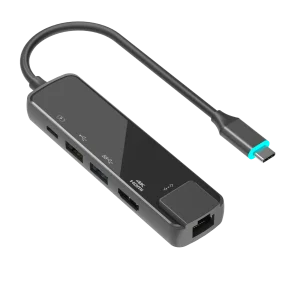
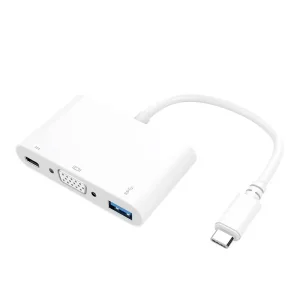
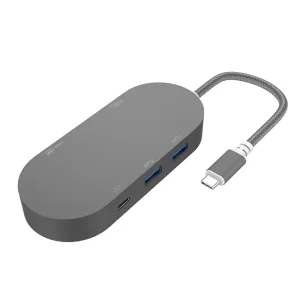
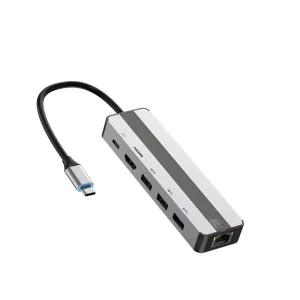
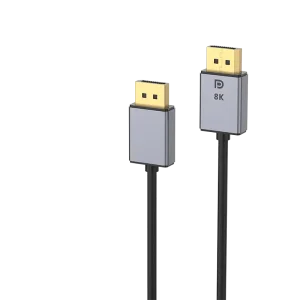
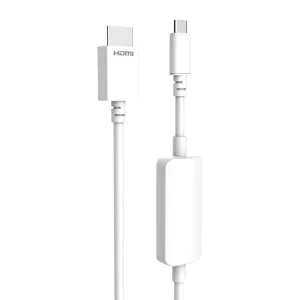
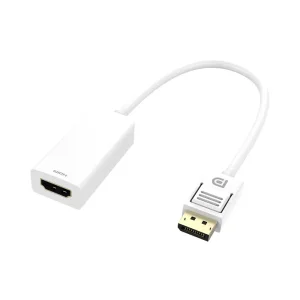
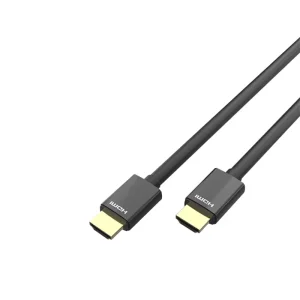
A deep look at standard paradigm shifts from USB 2.0 to Type-C and multi-port interfaces.
Modern commercial ecosystems depend on high-density communication. The demand for 3 Port USB configurations has surged as enterprises balance physical device layout with minimal spatial footprint. The transition from legacy interfaces to Type-C interfaces, supporting protocols such as USB4 and USB 3.2 Gen 2, ensures optimal data pathways up to 40Gbps.
Signal attenuation and electromagnetic interference (EMI) present notable challenges in system integration. Premium exporters prioritize aluminum-alloy shielding, gold-plated connectors, and dedicated controller chips. These measures prevent cross-talk and preserve performance when routing multiple signals simultaneously (e.g., HDMI 4K@60Hz alongside USB data streams).
Exporting to highly regulated markets like Europe, North America, and Japan requires strict adherence to regulatory standards. B2B buyers must prioritize products with CE, FCC, and RoHS certifications. This verification confirms that materials meet safety standards, power profiles are secure under load, and device operations do not interfere with local network infrastructures.
As international supply chains navigate modern challenges, global sourcing managers look to Chinese manufacturers who utilize Industry 4.0 principles to improve efficiency, control costs, and maintain quality.
Focusing production in industrial zones like Dongguan enables tight integration of the raw material, tooling, CNC, and assembly sectors. This proximity reduces transit times and allows factories to adapt swiftly to sudden demand shifts or custom OEM/ODM requests.
By automating injection molding, high-frequency wave welding, and automated testing, manufacturers can lower production costs. These savings make high-quality, CE-certified 3 Port USB products accessible for bulk procurement worldwide.
Continuous investment in advanced testing tools—including network analyzers, TDR testers, and environmental chambers—ensures that every batch of USB-C adapters, HDMI 2.1 cables, and docking stations maintains signal integrity over long-term use.


Exploring how enterprises implement multi-port USB devices and high-end display interconnects across key industries.
Modern workplaces rely on hotdesking configurations. Deploying 5-in-1 and 7-in-1 USB-C hubs allows employees to connect laptops to HDMI displays, local networks, and legacy peripherals with a single cable. This simplifies setups and reduces system downtime.
Industrial terminals require reliable connections for local sensor arrays, displays, and diagnostic tools. Standardized adapters and DP interfaces enable industrial PCs to connect with external screens and USB controls under challenging conditions.
From retail displays to conference rooms, reliable UHD output is essential. High-performance HDMI 2.0 and DP 1.4 cables prevent screen flickering, frame drops, and sync issues. They support uninterrupted display configurations for corporate and commercial spaces.
Formerly known as Tonetron, the company was established in 1984 in Keelung, Taiwan. In 1993, operations moved to an independent, self-built production park in Dalingshan Town, Dongguan City, mainland China. This facility became the primary manufacturing base under the name Dongguan Taitron Electronics Limited.
For 38 years, the company focused on manufacturing professional video and audio peripheral connections. Building on this experience, it expanded into the research, development, and manufacturing of high-end audio and video cables, data links, and hubs.
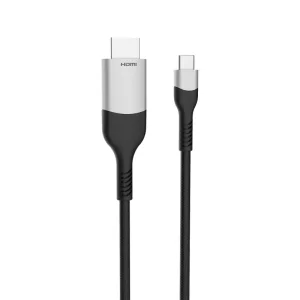
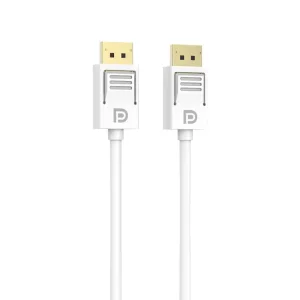
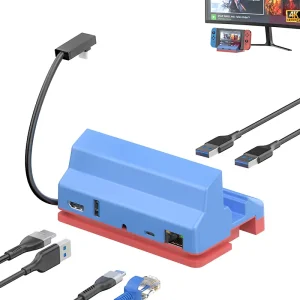
The current product portfolio includes HDMI 2.1 cables, DP 2.0 cables, USB4 links, USB-C 3.1 Gen 2 data cables, high-power USB charging cables, 8K HD conversion cables, and multi-functional Type-C expansion docks.
High-integrity display adapters, premium digital cables, and specialized gaming and audio interconnects.
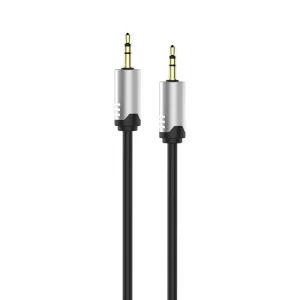
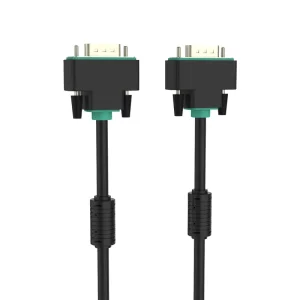
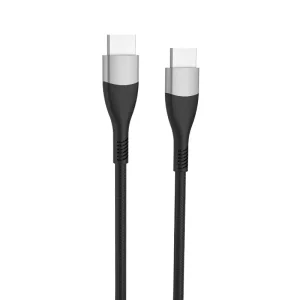
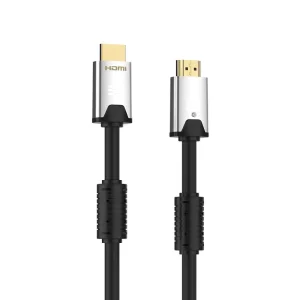
Critical purchasing parameters answered by technical engineers to ensure compliance and quality stability.
 Taichang Electronic