Engineered for industrial performance, high-bandwidth processing, and seamless structural reliability.
Building high-performance interconnect infrastructures since 1984.
Founded in 1984 in Keelung, Taiwan as Tonetron, our company relocated in 1993 to a self-built, independent production industrial park in Dalingshan Town, Dongguan City, China, renaming to Dongguan Taitron Electronics Limited. Over nearly four decades, we have established ourselves as a pioneering force in the design, engineering, and mass production of high-end video, audio, and data transfer peripherals.
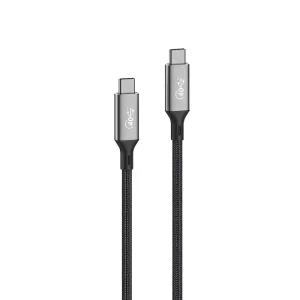
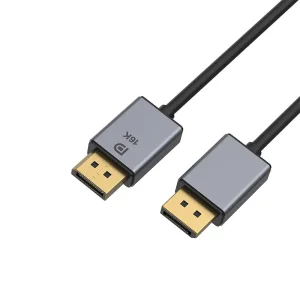
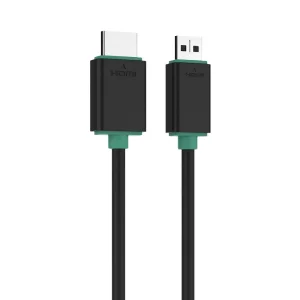
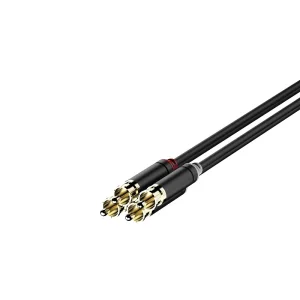
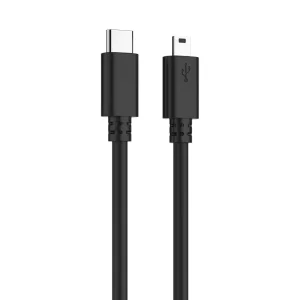
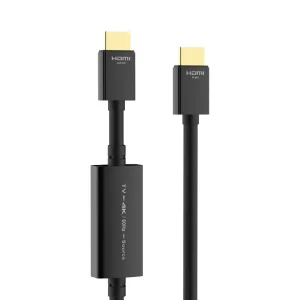
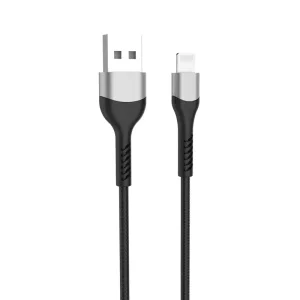
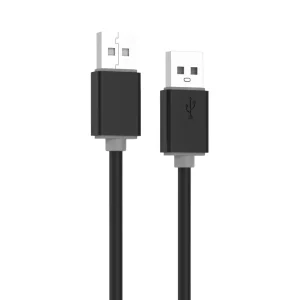
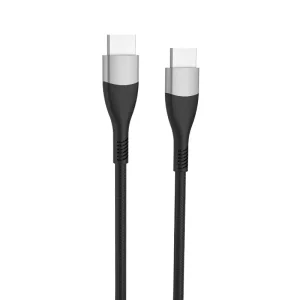
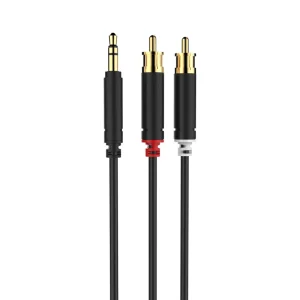
Today, our product ecosystem includes advanced HDMI2.1 cables, DisplayPort 2.0 links, USB4 high-power charging assemblies (up to 240W), USB-C 3.1 Gen2 cables, 8K ultra-HD conversion adapters, and multi-functional Type-C expansion docks. Combining advanced engineering workflows with rigorous quality control measures, we supply global markets with tier-one interconnect products designed for performance-critical environments.
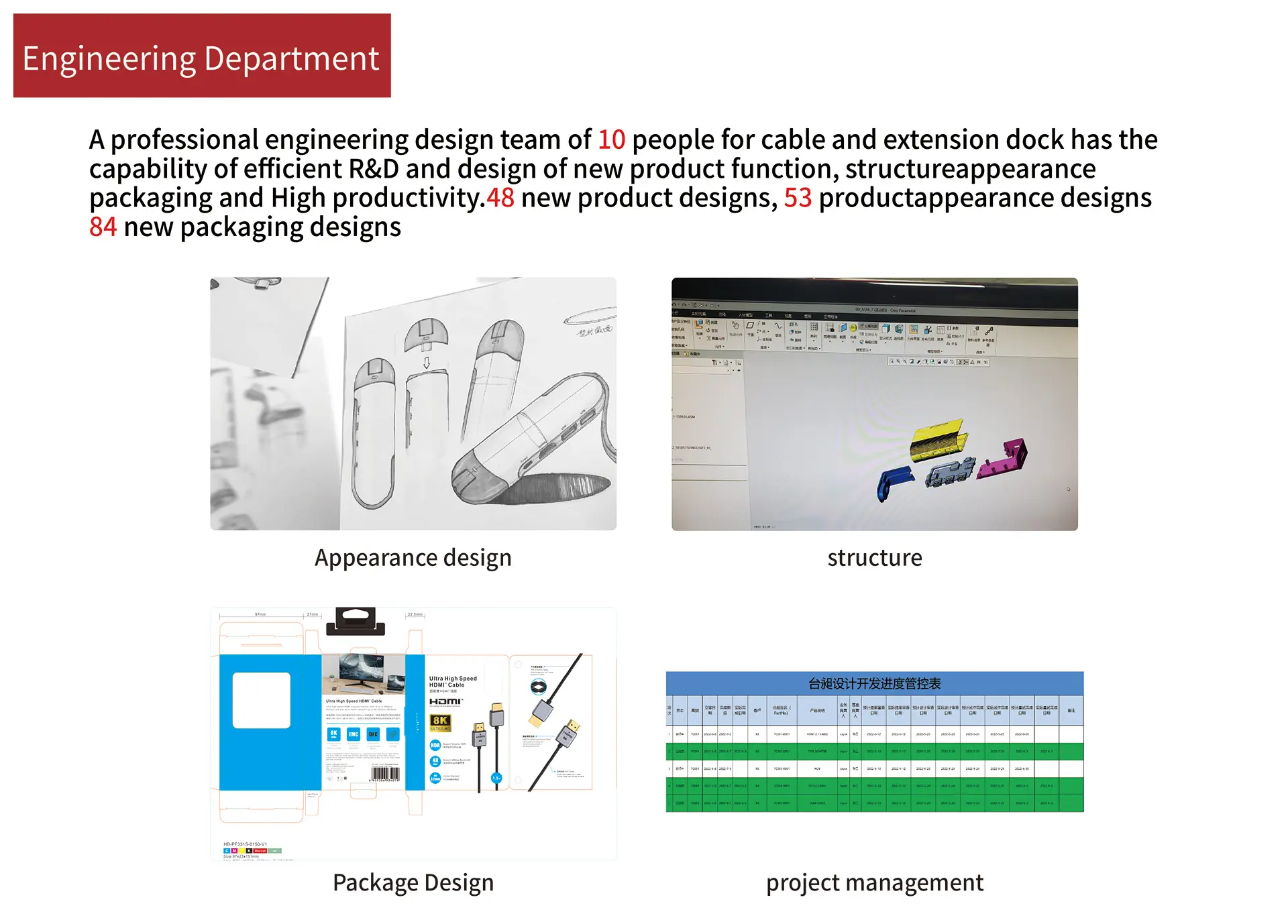
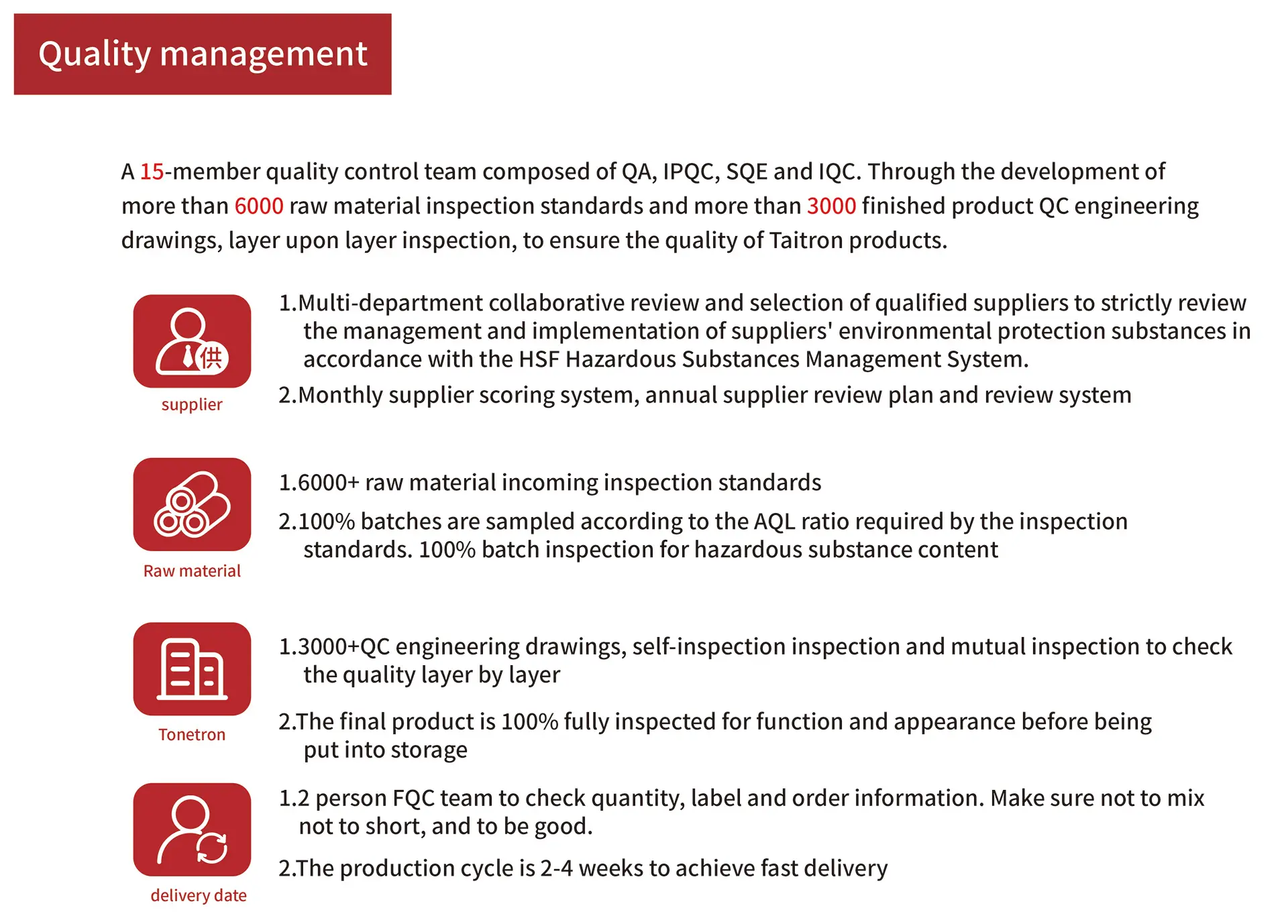

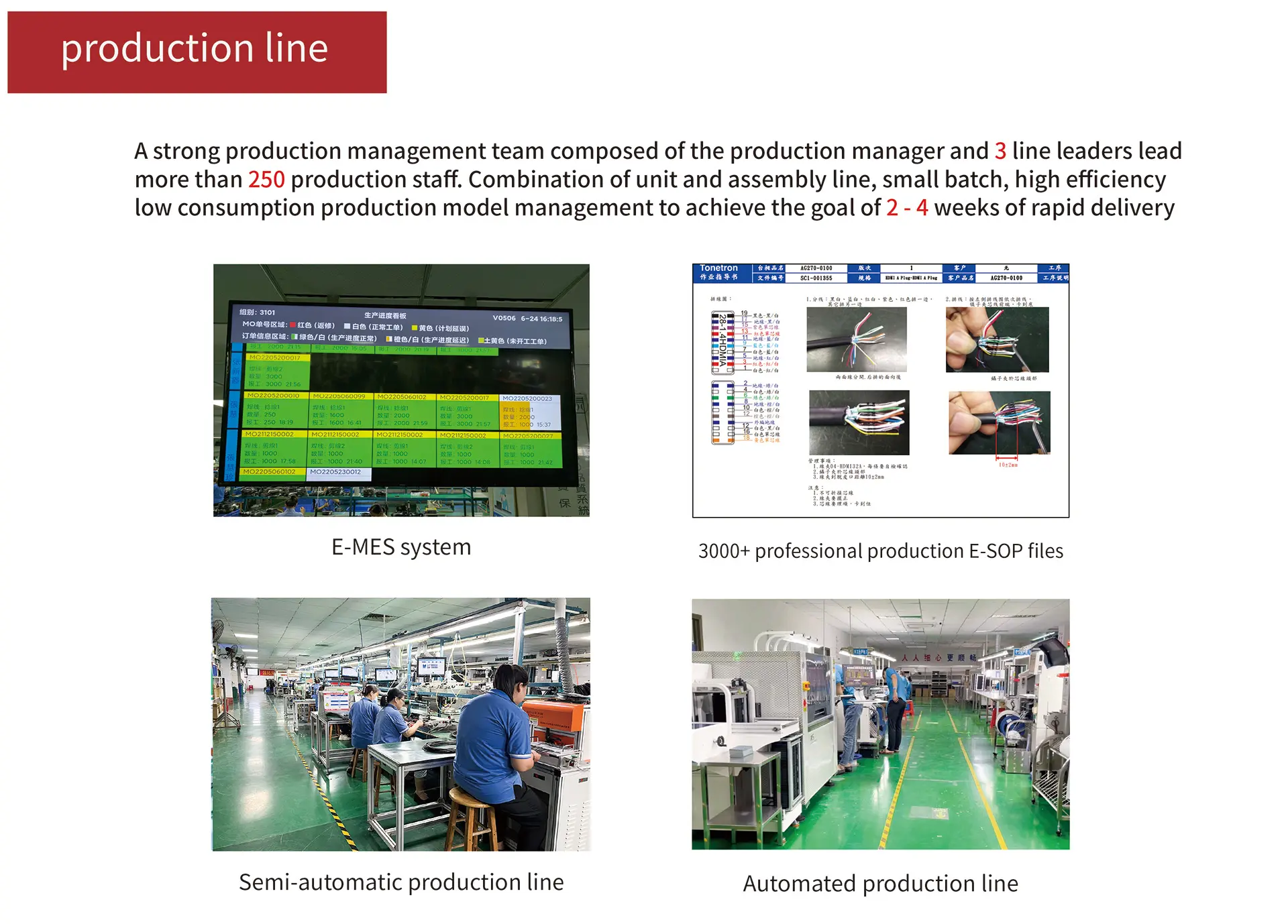
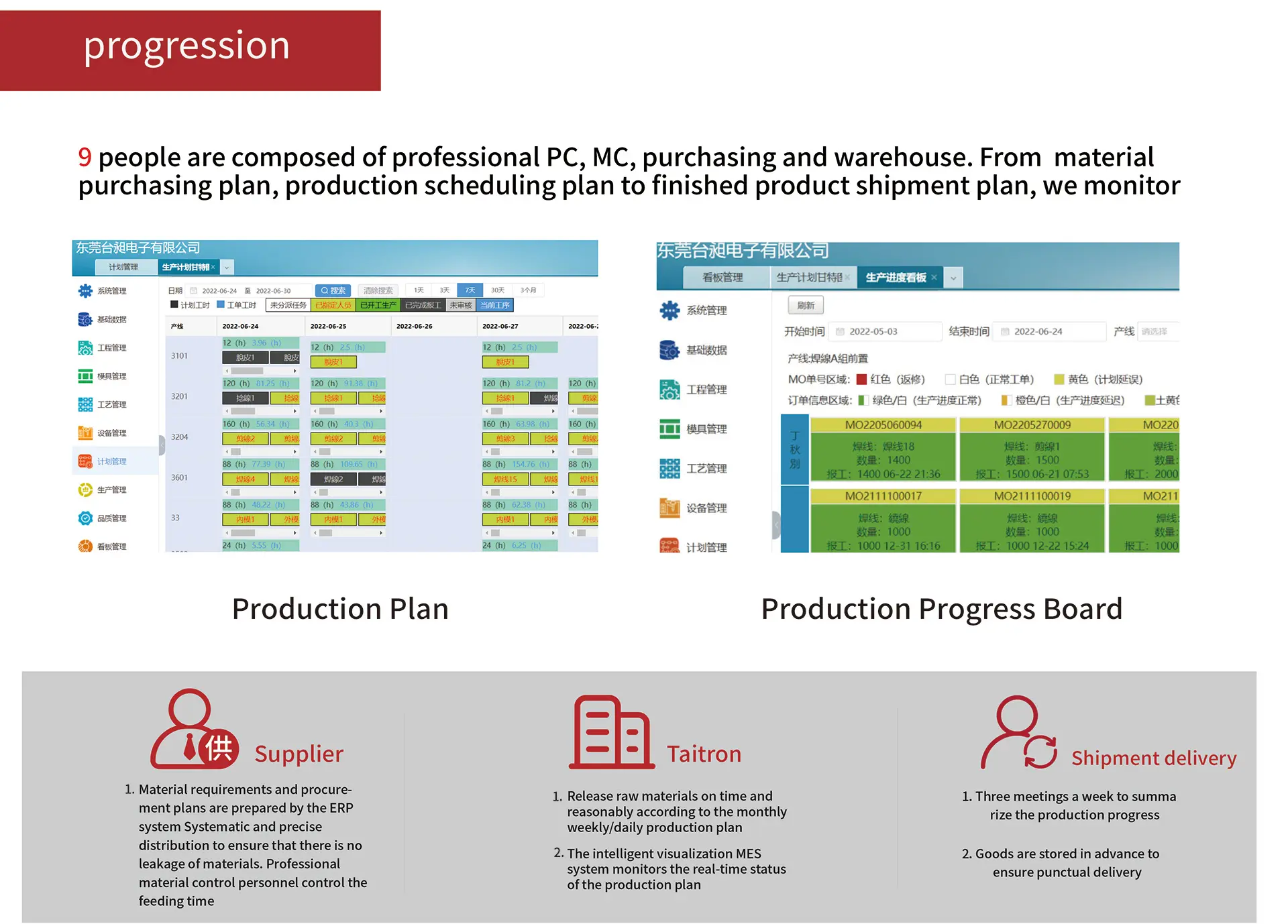
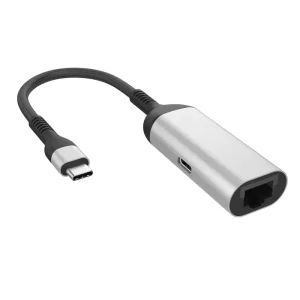
In an era where bandwidth demands are rising exponentially due to big data, real-time media processing, and automated factory execution, the integration of high-bandwidth I/O interfaces like Intel's Thunderbolt protocol and Gigabit Ethernet is essential. Thin host systems lack onboard RJ45 jacks, making enterprise-grade adapters critical for secure, high-capacity, and low-latency network connections.
Standard USB-C protocols run over a shared USB controller framework, but Thunderbolt uses PCIe tunneling to enable direct DMA (Direct Memory Access). By encapsulating PCIe, DisplayPort, and USB packets into unified data streams, Thunderbolt adapters bypass host system bottlenecks. A high-performance Thunderbolt to Ethernet adapter directly communicates with the system processor, reducing latency and avoiding host buffer overflows during large-scale network operations.
In professional environments, this architecture ensures deterministic transmission speeds, essential for precision timing networks (IEEE 1588 PTP), raw video feeds, and synchronized automation controllers. Crucially, the protocol enables bi-directional bandwidth allocation, allowing full utilization of 10G, 5G, or 2.5G Ethernet connections without throttling.
The global market for high-speed network interfaces is growing, driven by two key trends:
Sourcing reliable, cost-effective adapters from direct manufacturers is essential for enterprise deployments. Professional-grade units feature advanced thermal dissapation, high-grade chipsets, and robust shielding to ensure performance in demanding environments.
Dongguan Taitron Electronics designs customized connectivity products to meet unique geographic and operational challenges:
Under the hood of a high-quality Thunderbolt Ethernet adapter, the difference in design details is clear. Cheaper, mass-produced adapters often suffer from high packet loss and overheating. Taitron prevents these issues by applying precise engineering principles:
As the industry transitions to Thunderbolt 5 and Multi-Gigabit networks, I/O bandwidth will reach 80Gbps and 120Gbps in asymmetric modes. This will enable high-speed 25GbE and 40GbE adapters without needing PCIe expansion slots, making high-speed network deployments more flexible.
As a leading manufacturer, Taitron is actively developing next-generation PHY transceiver assemblies, low-power controller configurations, and green materials to meet future performance and sustainability standards.
Essential guidance on selecting, sourcing, and deploying high-performance adapters.
Complete your deployment with our range of high-durability interface cables and adapters.
 Taichang Electronic