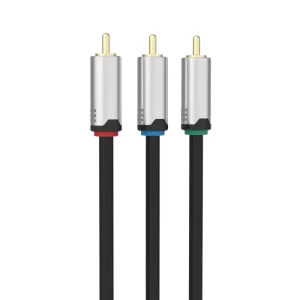
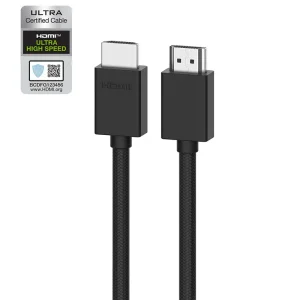
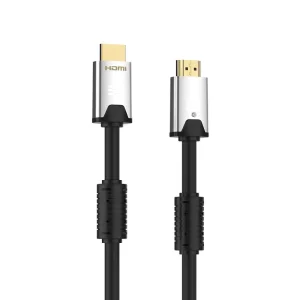
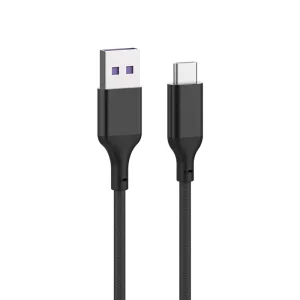
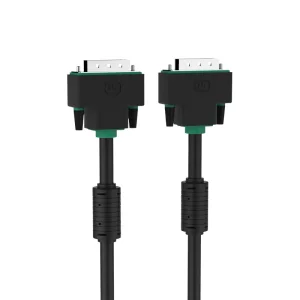
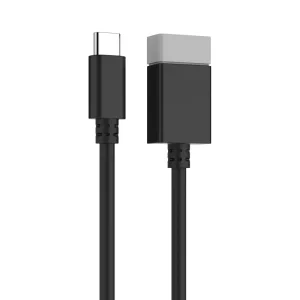
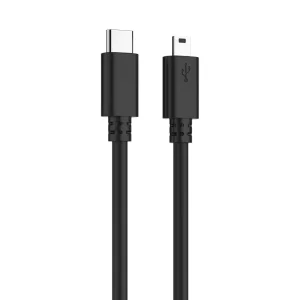
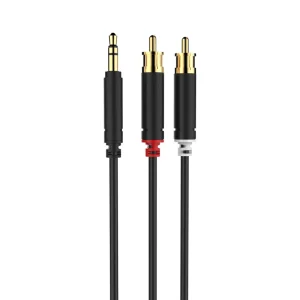
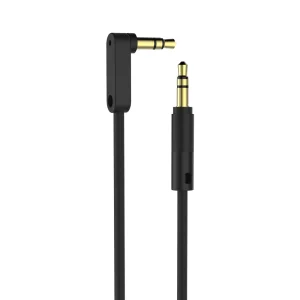
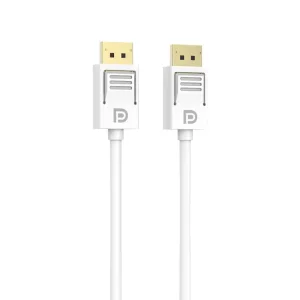
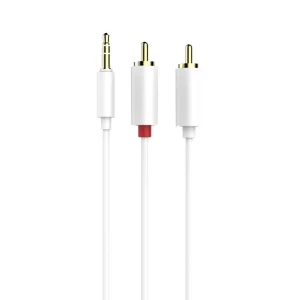
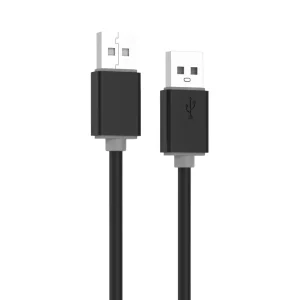
Explore our certified product portfolio featuring low attenuation, robust electromagnetic shielding, and precise structural engineering.
The global demand for bandwidth-intensive data transmission has catalyzed the rapid progression of digital connectivity. HDMI and DisplayPort interfaces form the backbone of modern digital displays across consumer electronics, corporate network infrastructures, medical diagnostics, and automated manufacturing systems.
As standard-definition systems yield to UHD 4K, 8K, and eventually 10K platforms, hardware engineering must evolve. Interconnect devices are no longer passive conduits. They are complex transmission lines subject to stringent impedance-matching parameters, signal-loss constraints, and electromagnetic interference (EMI) protection guidelines.
For B2B procurement managers, locating reliable, high-yield discount HDMI and DisplayPort cable manufacturers requires a deep understanding of physical line architectures, compliance standards, and production line capacities.
How next-generation display architectures are shifting the requirements of physical media.
The rise of HDMI 2.1a and DisplayPort 2.1 demands support for higher frame rates (4K@120Hz, 8K@60Hz, and up to 10K dynamic resolutions). Manufacturers must deploy advanced micro-soldering and high-purity oxygen-free copper (OFC) to prevent attenuation across longer distances.
For transmission lengths exceeding 5 meters, copper lines hit physical attenuation limits. The integration of high-reliability optical engines inside the connector shell converts electrical signals to light waves. This guarantees zero latency and total immunity to EMI, making it a critical focus for modern commercial installations.
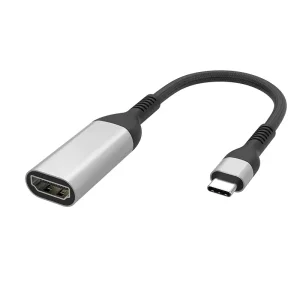
Alternative Modes (Alt Mode) allow USB-C connections to carry native DisplayPort signals. Modern factories are re-tooling production floors to produce hybrid Type-C-to-DP and Type-C-to-HDMI cables. This addresses the shift toward lightweight host devices and multi-functional workspaces.
Understanding procurement demands across enterprise networks and technical environments.
Corporate IT hardware buyers require structured bulk procurement paths that balance unit economics with operational reliability. Key demands include:
Beyond office displays, high-speed visual interfaces are vital in high-precision, mission-critical environments:
Integrating deep manufacturing heritage with automated production to deliver reliable quality at scale.
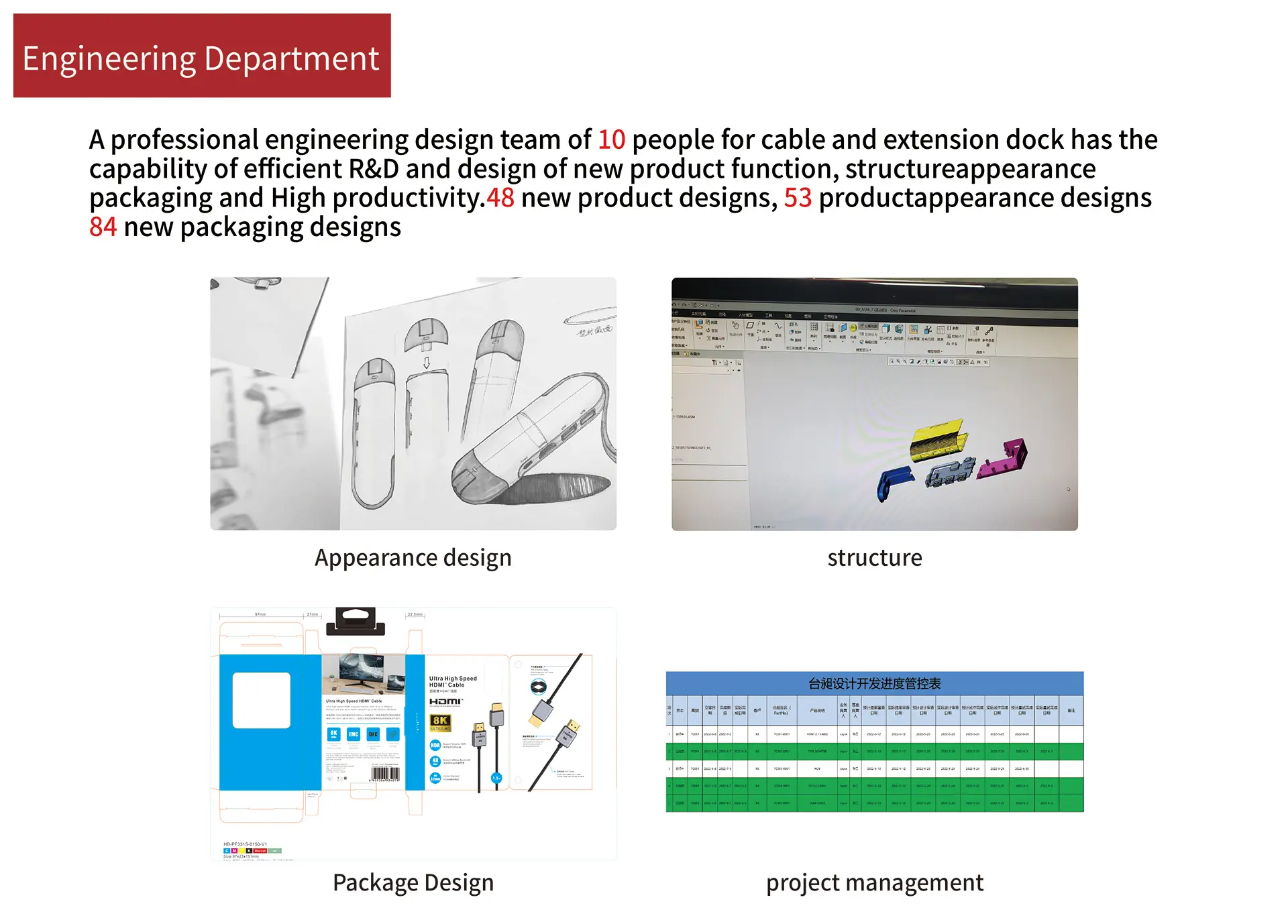
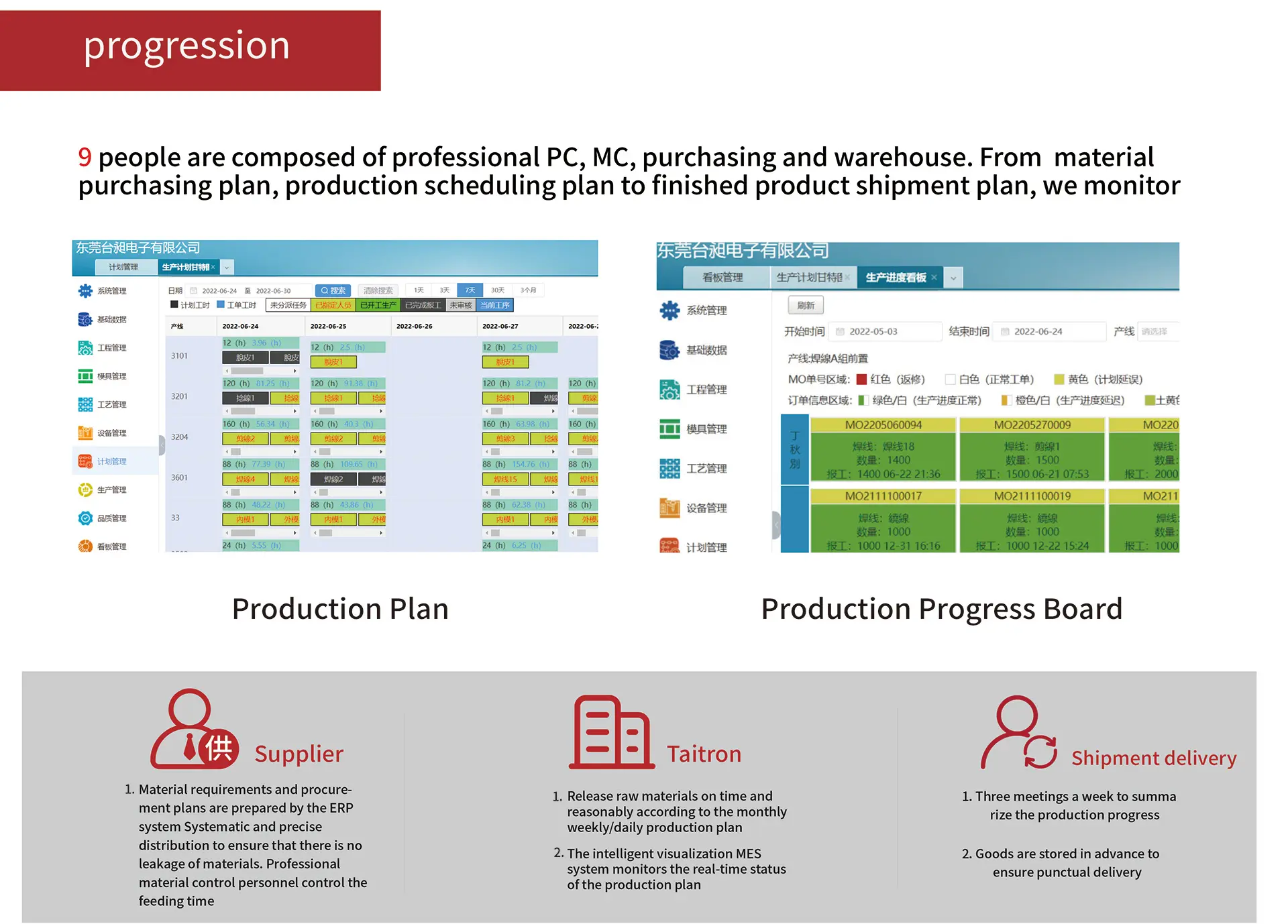
The manufacturing capabilities of Dongguan Taitron Electronics Limited (formerly known as Tonetron) highlight the evolution of China's high-tech manufacturing sector.
Founded in Keelung, Taiwan in 1984, the company established a strong foundation in professional video and audio peripheral interconnect devices. Recognizing the expanding global electronics supply chain, the company relocated production in 1993 to a self-built industrial park in Dalingshan Town, Dongguan City, mainland China, transitioning to Dongguan Taitron Electronics Limited.
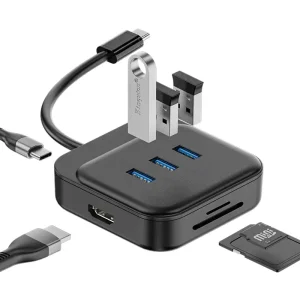
Over the past 38 years, the facility has evolved from producing basic analog connection lines to developing advanced digital interfaces, including HDMI 2.1, DisplayPort 2.1, USB4, USB-C 3.1 Gen 2, and multifunctional Type-C docking hubs.
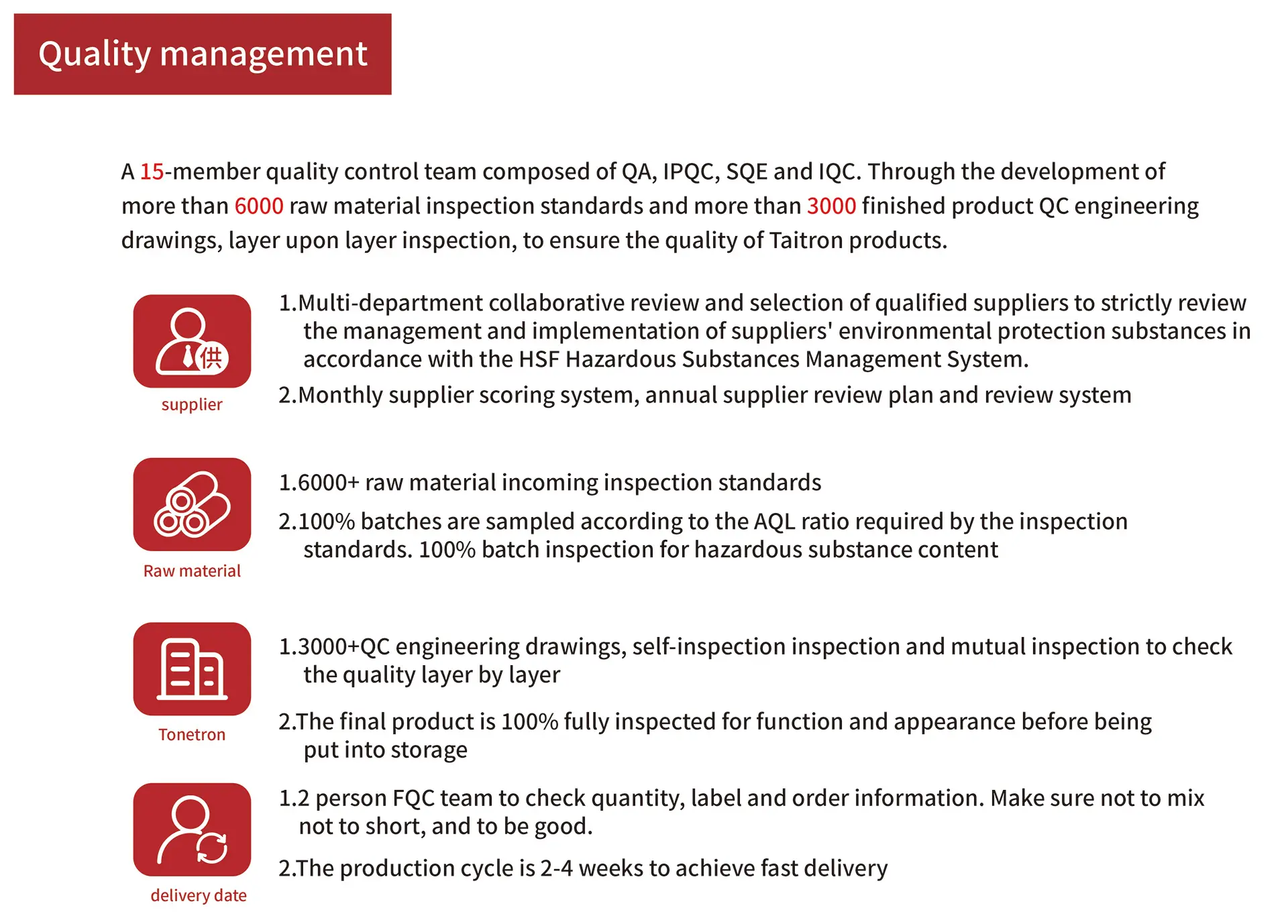
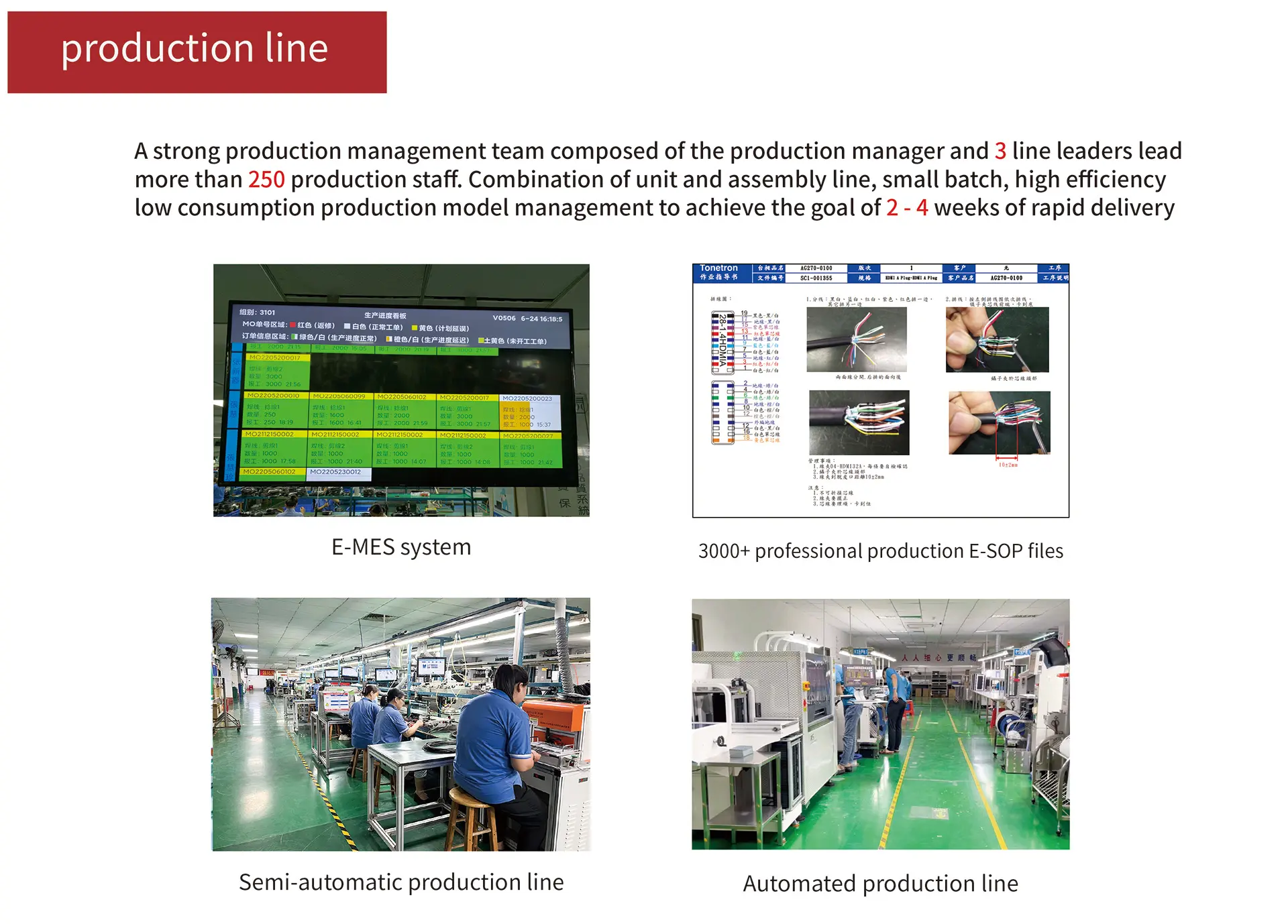
By leveraging automated precision soldering, automated braiding machines, and multi-stage testing setups (including Time Domain Reflectometry for impedance profiling), Taitron provides global brands with high-yield, cost-effective manufacturing that maintains strict international standards.

A side-by-side technical breakdown to help select the right interface for your hardware application.
| Feature Parameter | HDMI 2.1a Standard | DisplayPort 2.1 Standard | Procurement Considerations |
|---|---|---|---|
| Maximum Raw Bandwidth | 48 Gbps | 80 Gbps (UHBR20) | DisplayPort leads in raw data throughput for high-refresh PC gaming and multi-monitor setups. |
| Maximum Resolution Support | 10K @ 120Hz (with DSC) | 16K @ 60Hz (with DSC) | Both interface standards support 8K video output for modern display designs. |
| Audio Return Channel (ARC) | eARC (Up to 37 Mbps) | Not Supported natively | HDMI is the industry standard for consumer home theater setups and integrated audio receivers. |
| Multi-Stream Transport (MST) | No (requires splitter) | Yes (Daisy-Chaining) | DisplayPort simplifies multi-monitor desktop installations via a single output port. |
| Maximum Copper Length (Passive) | ~ 3 Meters (for 8K) | ~ 2 Meters (for 8K) | Longer distances require active optical cabling (AOC) solutions to avoid packet drops. |
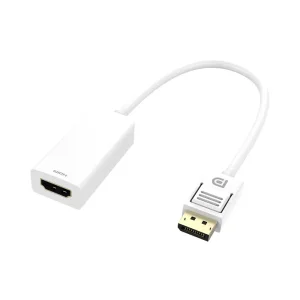
Browse our selection of adapter cables and docking systems engineered for compatibility across legacy and modern platforms.
Clear answers to key technical and commercial questions about HDMI and DisplayPort cable sourcing.
 Taichang Electronic