High-fidelity signal adapters, multi-stream transport docks, and enterprise-grade cables engineered for next-generation workspace deployments.
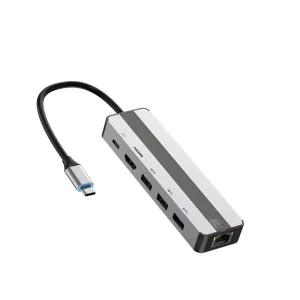
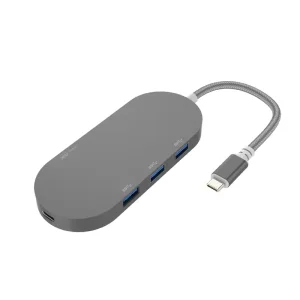
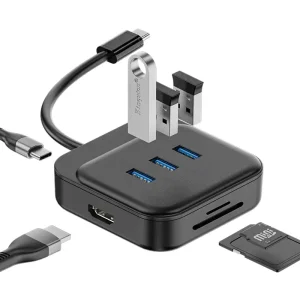
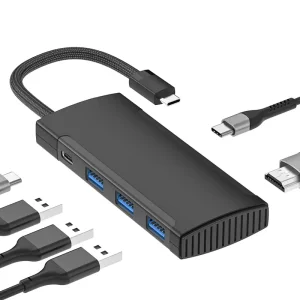
In the era of modern workspace orchestration, multi-monitor configuration has transitioned from a luxury to an essential corporate requirement. Multi-Stream Transport (MST) hubs stand at the center of this transition. Operating as the logical backbone for split-display interfaces utilizing DisplayPort (DP) and USB Type-C technologies, MST hubs enable users to send multiple independent video streams down a single cable path. This drastically minimizes clutter, maximizes system throughput, and reduces the overall system integration costs for large-scale enterprise rollouts.
Procuring from reliable MST Hub Companies allows IT decision-makers to scale operation capabilities seamlessly. By sourcing custom-configured hubs with robust thermal architectures and certified controller chipsets (such as Synopsys or Realtek), businesses reduce desktop integration overhead. Furthermore, establishing direct relationships with verified manufacturers guarantees a competitive pricelist while maintaining adherence to rigorous mechanical and electrical standards.
Utilizes advanced MST routing algorithms to balance data packets between multiple 4K displays without dropouts, utilizing Display Stream Compression (DSC 1.2a).
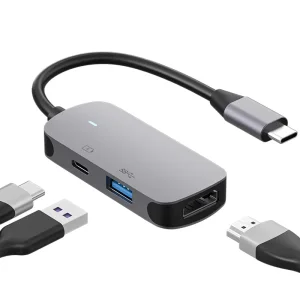
Seamlessly integrates with major operating systems and hardware configurations, supporting Alt-Mode negotiations across varied Type-C systems.
Features integrated pass-through USB Power Delivery (PD 3.0 up to 100W) to power heavy-workload professional host machines concurrently.
Established in 1984 as Tonetron in Keelung, Taiwan, our organization embarked on a mission to redefine interconnect solutions. In 1993, driving toward localized manufacturing scalability and competitive pricing matrixes, the company relocated to a self-built independent production industrial park in Dalingshan Town, Dongguan City, China, rebranding as Dongguan Taitron Electronics Limited.
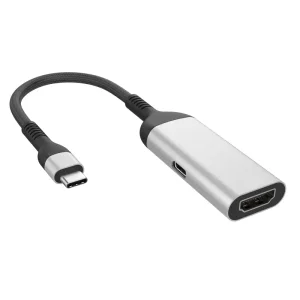
Over the past 38 years, our development focus has systematically evolved. Originating from legacy analog audio/video cables, we have progressively transitioned into the vanguard of digital connectivity. Today, we specialize in the design, engineering, and mass production of premium high-frequency products. Our advanced portfolio encompasses HDMI 2.1 cables, DisplayPort 2.0/2.1 interfaces, USB4 data platforms, high-performance USB-C 3.1 Gen2 data lines, high-wattage charging cables, 8K ultra-high-definition adapters, and multi-port Type-C MST expansion hubs.
Operating out of our vertically integrated manufacturing complex, Taitron supports OEM/ODM supply chains globally. We blend legacy Taiwan-founded quality frameworks with state-of-the-art automated testing labs to assure our global enterprise partners of uninterrupted signal integrity and superior cost performance.
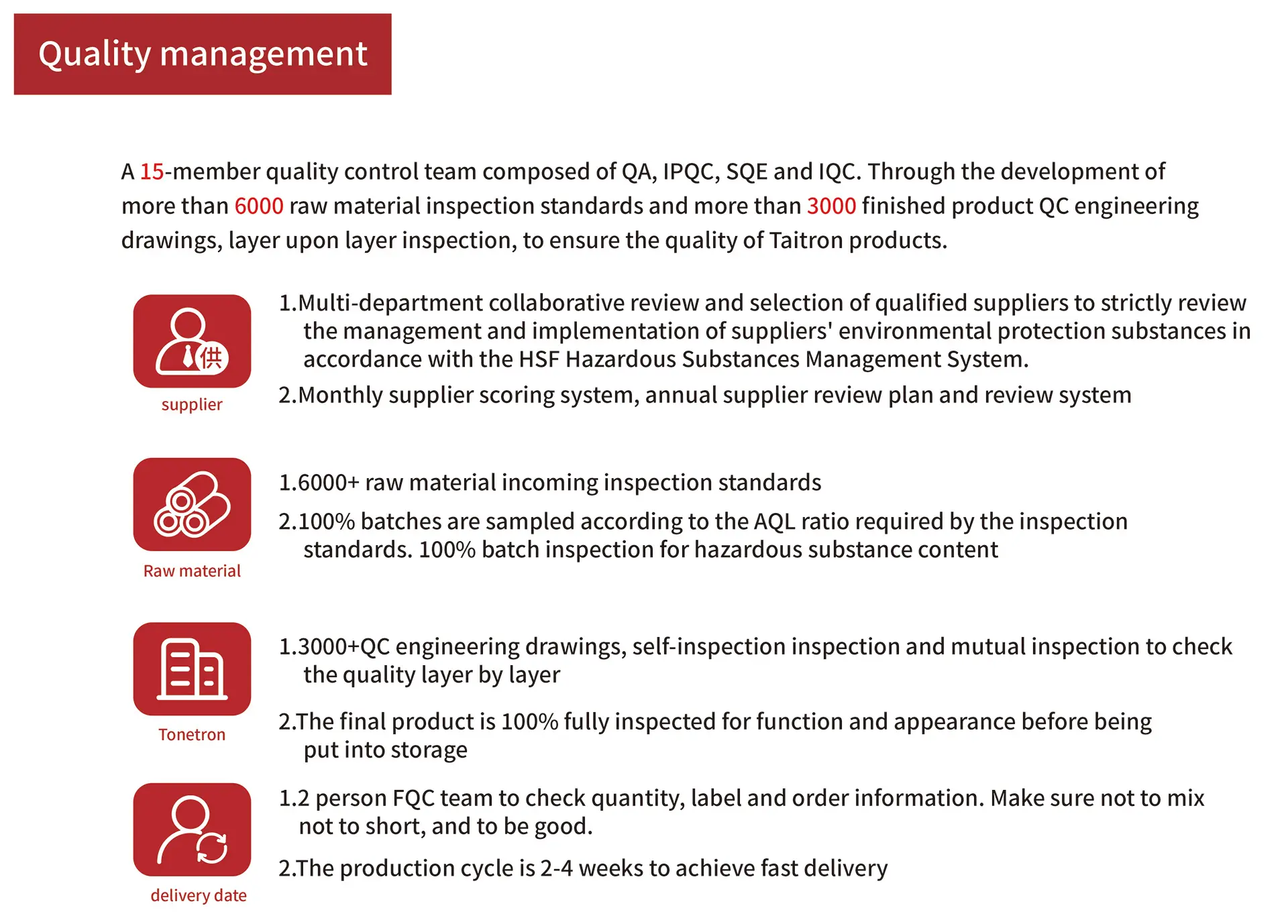

B2B buyers, system integrators, and electronic components distributors face strict criteria when executing global sourcing campaigns. Standard consumer docks fail to meet the performance and durability requirements of industrial operations. When assessing bulk procurement pricing models for MST hubs, buyers must evaluate the Total Cost of Ownership (TCO) beyond the face value of the initial pricelist. Factors like shielding thickness, return loss margins, active chipset brands, and mechanical casing engineering determine long-term maintenance overhead.
Below is an overview of the typical parameters influencing modern bulk connectivity procurement pricing and technical structures:
| Interface Standard | Supported Display Output | Ideal Application Profile | Pricing Tier Factors |
|---|---|---|---|
| USB-C MST (DP 1.4 Alt Mode) | Dual 4K @60Hz / Triple 1080P @60Hz | Enterprise workstations & office terminals | Volume discounts, custom shell material (ABS vs. Alu) |
| USB4 / Thunderbolt MST Docks | Dual 8K @30Hz / Triple 4K @60Hz | Engineering, CAD, financial trading suites | Chipset licenses, premium high-frequency testing lines |
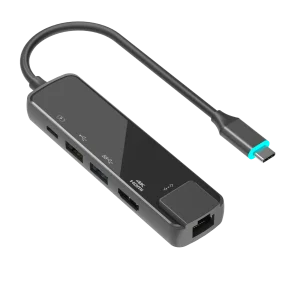
| Basic Multiport Adapters (5-in-1 / 7-in-1) | Single 4K @60Hz + USB Data + PD Pass-through | Mobile workforce and remote workstations | Standard BOM optimization, custom colorways |
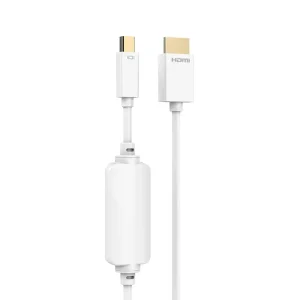
| High-Frequency Passive/Active Cables | DP 2.0 / HDMI 2.1 (Full Bandwidth) | Digital signage networks and local server connections | Raw copper AWG gauge, shielding layers, connector plating |
By establishing key-account pipelines directly with manufacturers like Dongguan Taitron Electronics, enterprise purchasers bypass regional distributor markups. Factory-direct procurement facilitates tailored customization of port structures, customized silkscreen branding, and specific shielding profiles matching target electromagnetic compatibility parameters.
Exporting high-speed communication peripherals requires compliance with rigorous international regulatory frameworks. To guarantee structural safety and operational reliability, Taitron products undergo rigorous external audits. Certifications like CE, FCC, RoHS, and REACH verify that the electrical assemblies, structural plasticizers, and high-frequency shielding align with international health and environmental standards.
In terms of future technology roadmaps, we are directing capital investments into next-generation transmission protocols. As DisplayPort 2.1 (UHBR10, UHBR13.5, and UHBR20 profiles) gains momentum across PC architectures, our engineering team is actively prototyping MST adapters capable of supporting uncompressed 8K outputs at higher refresh rates. This research guarantees that our enterprise clients' procurement pipelines remain robust and future-proof.
Technical insight into MST technology, deployment challenges, and enterprise procurement solutions.
Multi-Stream Transport (MST) enables a host device to split the DisplayPort Alt Mode bandwidth into several discrete, independent video signals. This allows for extended desktop mode on multiple external monitors. Single-Stream Transport (SST), conversely, duplicates or mirrors a single video stream across the connected monitors.
Currently, macOS does not support MST protocol for extending screens over native USB-C or DisplayPort connections. Instead, it mirrors external displays (SST). To extend multiple independent monitors on a Mac, you must use DisplayLink-powered docks or separate direct connections to the host device's Thunderbolt ports.
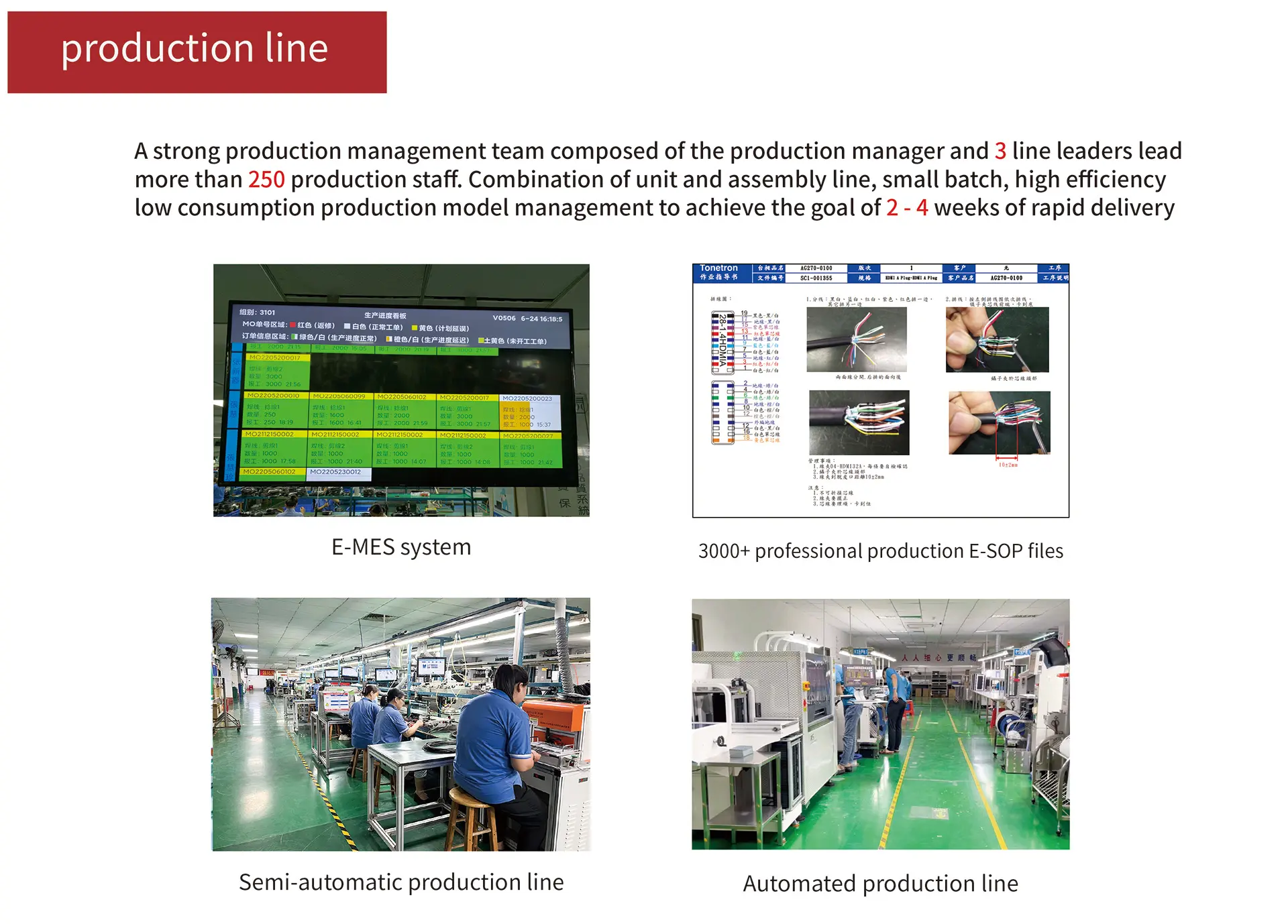
At our Dongguan production facility, we deploy automated soldering lines, specialized electrical diagnostic rigs, and advanced EMI/RFI testing chambers. We inspect every unit for impedance consistency, return loss, physical structural integration, and thermal stability under continuous peak bandwidth workloads.
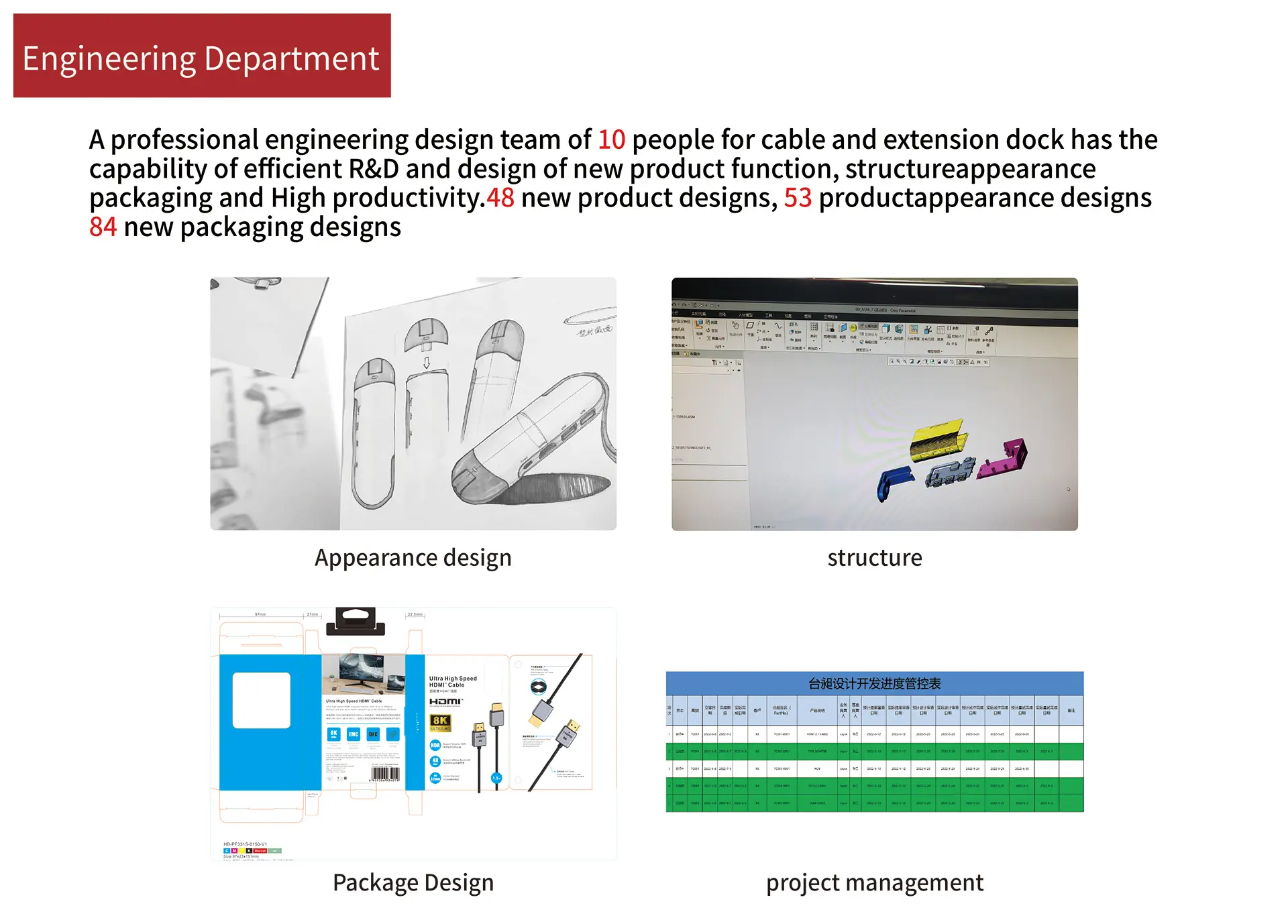
Yes. Supported by our engineering and CAD design teams established in Dalingshan Town, we design, prototype, and manufacture custom hub layouts, custom enclosures, specific port combinations, and tailored circuit boards to meet your operational requirements.
Professional signal routing components, shielded HDMI links, and Type-C systems optimized for commercial distribution pipelines.
 Taichang Electronic