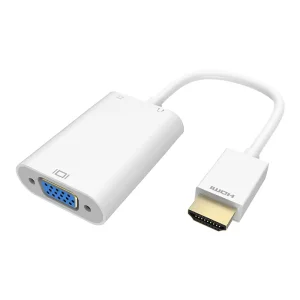
 Buy HDMI to VGA Adapter (1080P) - MP299A Company, Exporter
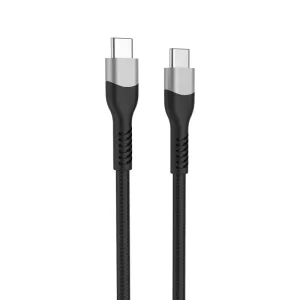 Famous USB Type C 10Gbps cable - PF487A Manufacturer, Product
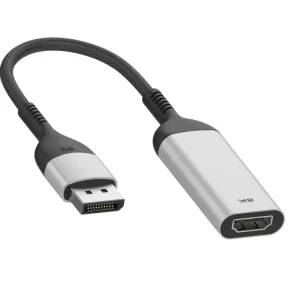 Custom DP to HDMI 8K/30 Adapter - PF355K8 Manufacturers, Factories
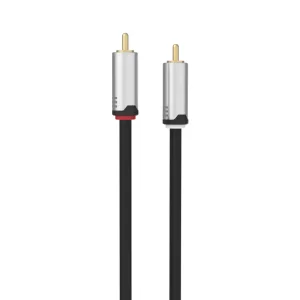 ODM 2 x RCA Audio cable - HMC101 Factories, Factory
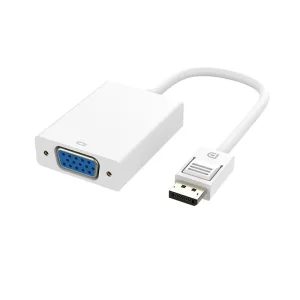 ODM DP to VGA 1080P Adapter - MP354 Exporters, Suppliers
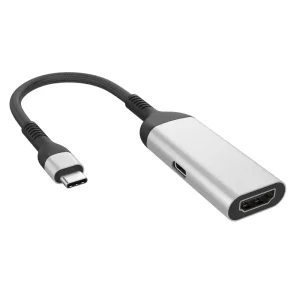 Cheap USB C 2 in 1 Adapter (with PD60w) - PF503 Manufacturer, Suppliers
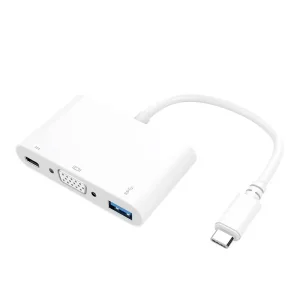 CE Certification USB C 3 in 1 Adapter - MP438 Manufacturer, Exporters
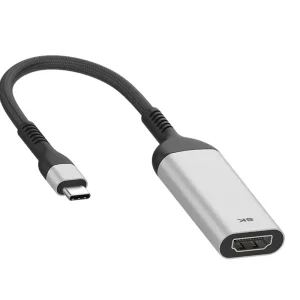 ODM USB Type-C to HDMI 2.1 Adapter | 8K/60Hz & 4K/120Hz with DSC Function | 8K/30Hz & 4K Resolution Without DSC | Thunderbolt 3 Compatible (DA-UCH8) Exporters, Pricelist
In an era dominated by high-speed Wi-Fi 6E and Wi-Fi 7 innovations, the demand for physical Ethernet ports remains at an all-time high. For enterprise clients, financial trading offices, healthcare networks, and industrial manufacturing plants, wireless connections fall short in terms of stability, security, latency, and throughput. High-density offices experience radio frequency interference, leading to packet loss and dropped connections.
To solve this, the USB 3.0 to Ethernet Adapter has become a standard accessory. As laptop manufacturers design ultra-thin form factors by removing the RJ45 port, enterprise procurement departments face the challenge of sourcing durable, high-speed, and cost-effective USB 3.0 to Ethernet adapters.
A premium USB 3.0 to Gigabit Ethernet adapter relies on its internal chipset and physical architecture. Most low-grade products overheat quickly because they use budget ICs with poor thermal design, leading to connection drops. Our production line focuses on high-performance chipsets like the Realtek RTL8153 and ASIX AX88179A.
Utilizing high-end silicon solutions with built-in LDO (Low Dropout Regulator) and switching regulators. This reduces power consumption by up to 35% compared to legacy architectures.
Applying multi-layer PCB design with dedicated ground planes and metal shields to contain signal noise, keeping high-frequency USB 3.0 signals from degrading Wi-Fi or Bluetooth performance.
Gold-plated RJ45 pins with 50u thickness and robust nickel-plated USB alloy housings. These components are built to survive over 10,000 insertion cycles in demanding office environments.
Enterprise IT procurement departments face challenges when sourcing connectivity accessories. Low-cost consumer-grade components from unverified suppliers often result in a high failure rate within the first 6–12 months. This increases technical support overhead and replacement costs.
Global B2B procurement trends highlight a shift away from high-priced retail accessories toward factory-direct ODM/OEM relationships. Professional buyers prioritize suppliers who can guarantee structural build quality, verified compliance (CE, FCC, RoHS), and stable supply chains.
Wired connections are essential across various specialized industry sectors:
In 1984, Dongguan Taitron Electronics Limited., formerly known as Tonetron, was founded in Keelung, Taiwan. In 1993, it moved to the self-built independent production industrial park in Dalingshan Town, Dongguan City, China, and changed its name to Dongguan Taitron Electronics Limited.
Over the past 38 years, our foundation has been built on manufacturing professional video and audio peripheral equipment connection lines. We have gradually expanded our R&D and production capabilities into high-end audio and video data cables, including HDMI 2.1 cables, DP 2.0 cables, USB4 data cables, USB-C 3.1 Gen2 data cables, high-power USB charging cables, 8K HD conversion cables, and multi-functional Type-C expansion docks.
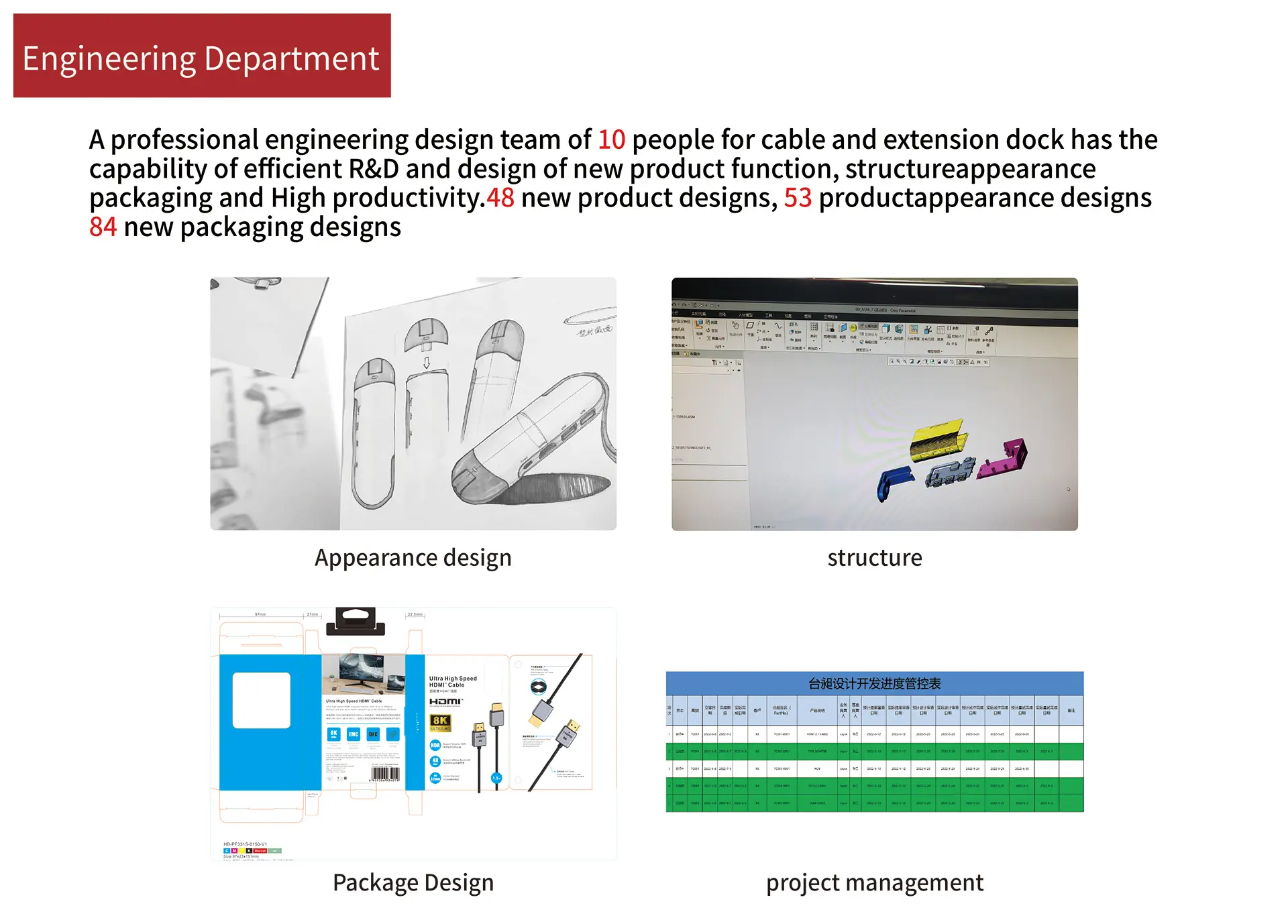
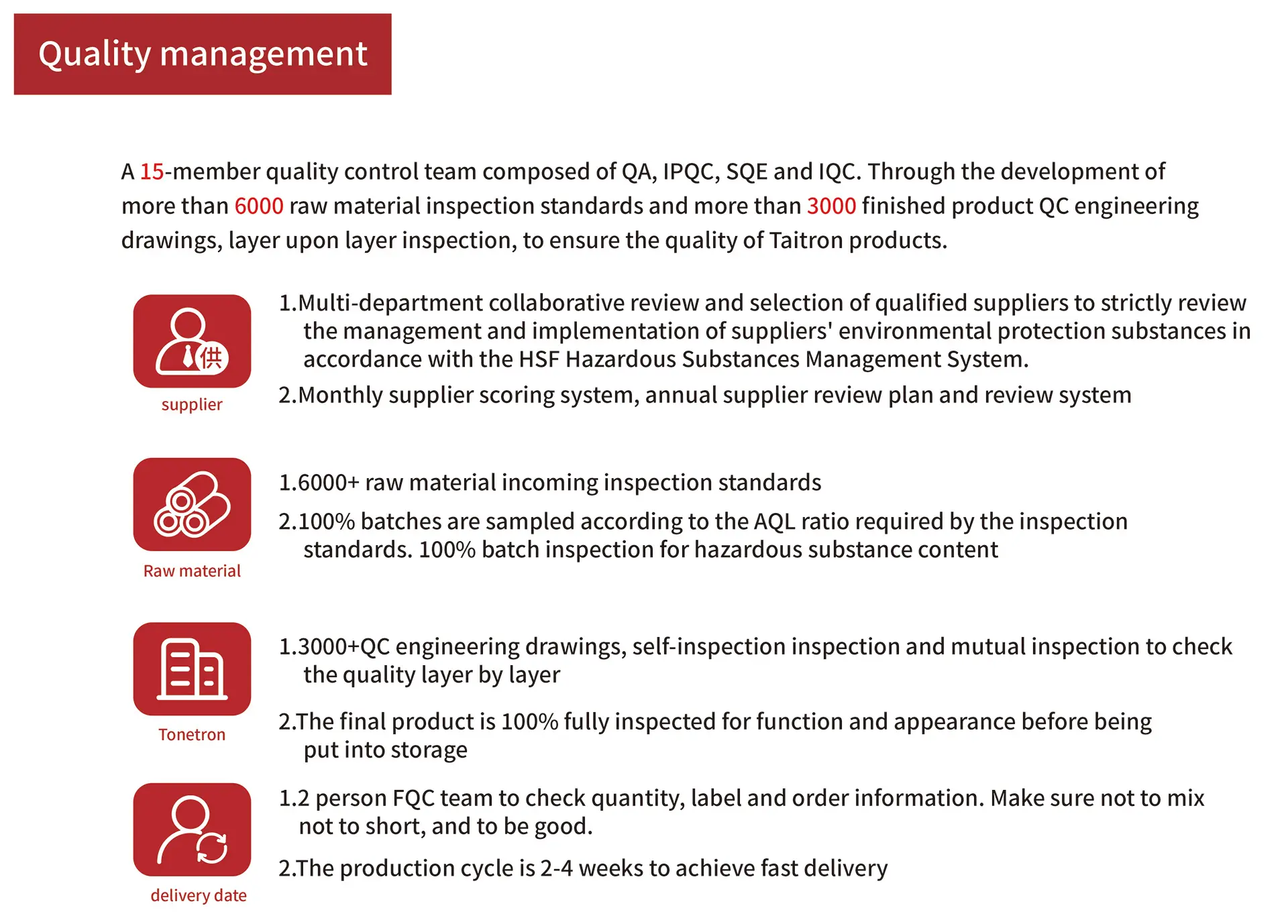

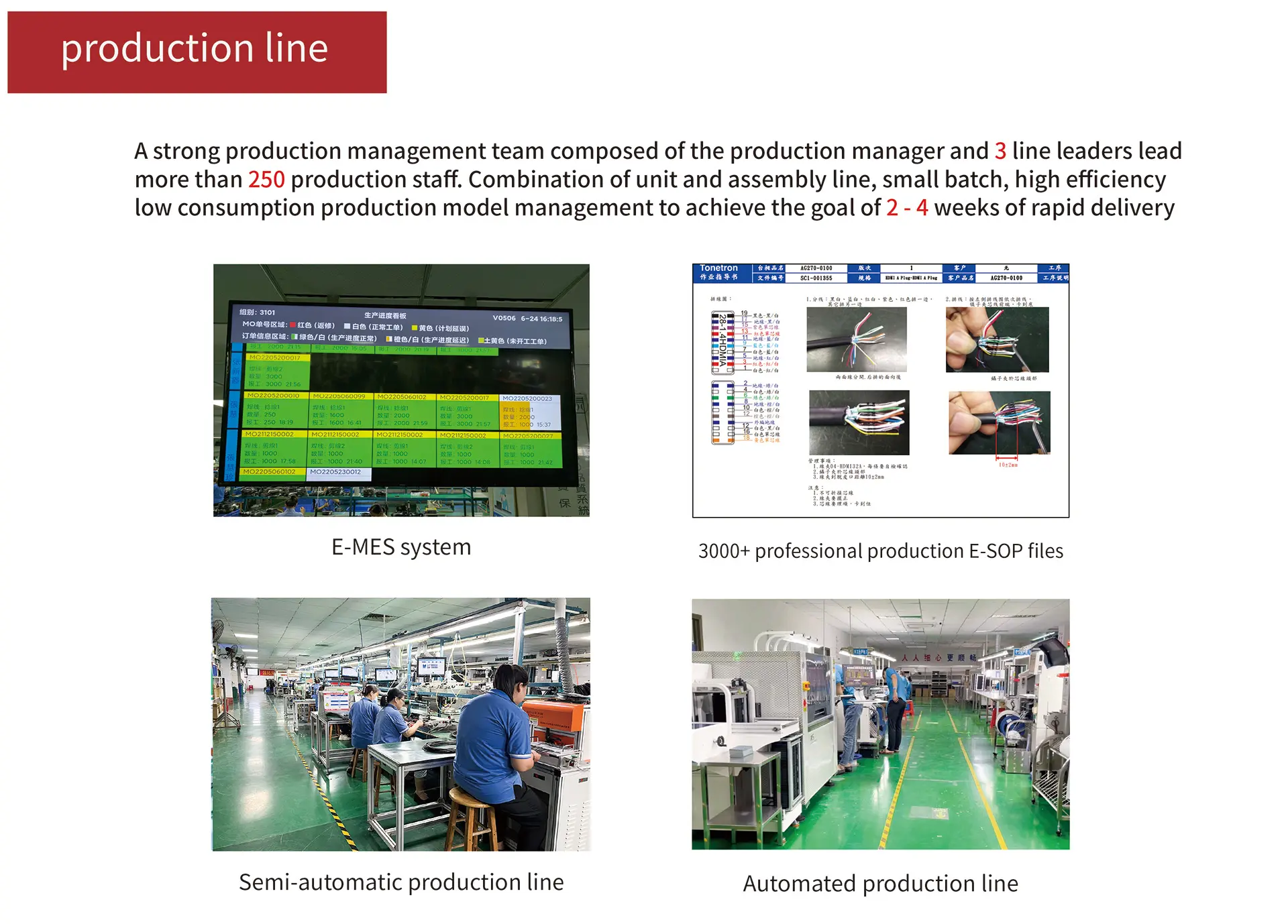
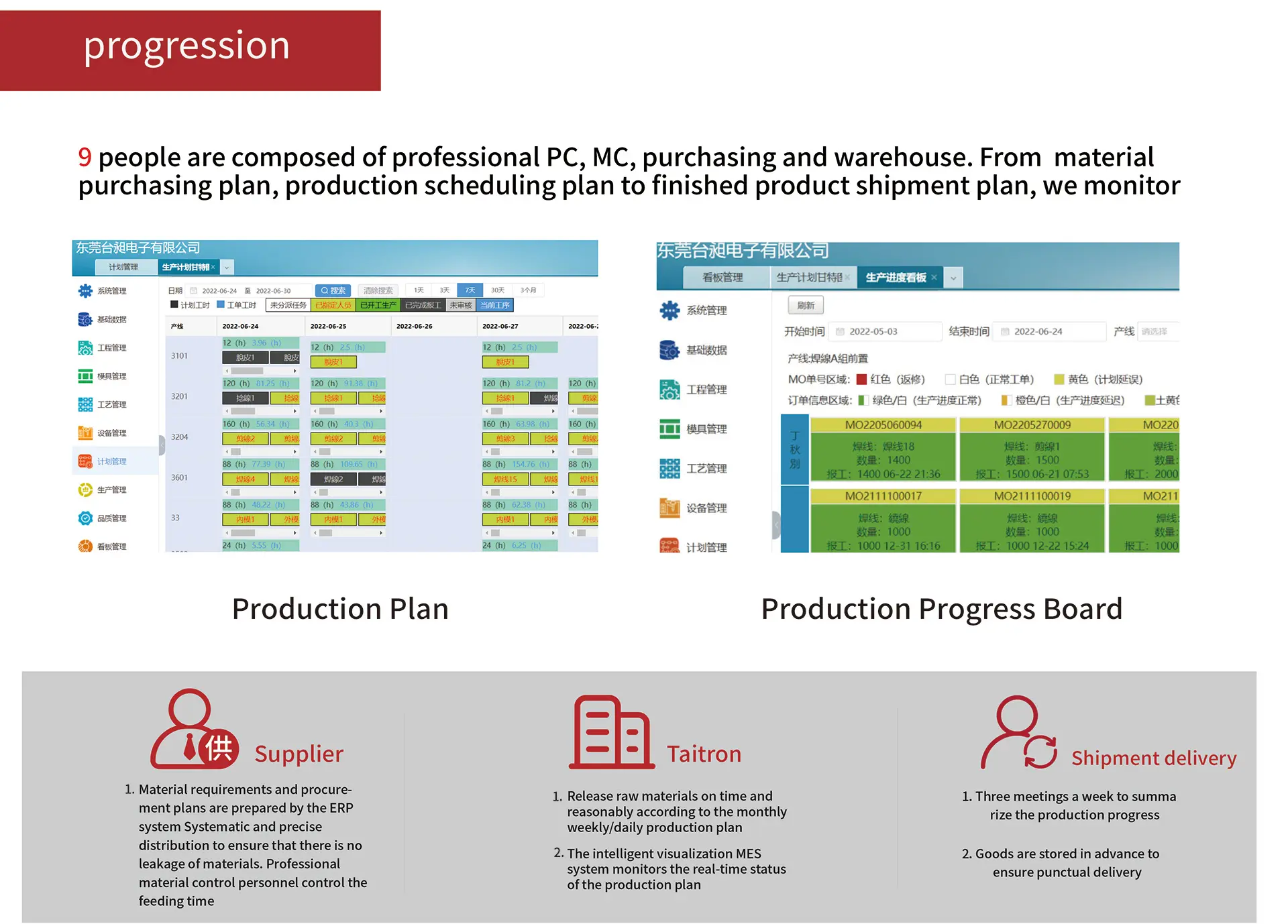
To ensure reliable performance in demanding environments, our manufacturing process includes strict verification steps. Every USB 3.0 to Ethernet adapter goes through an automated high-frequency network analysis to verify throughput, signal latency, and packet transmission accuracy.
Our factory operates under ISO9001:2015 guidelines. Materials are inspected upon arrival to ensure complete RoHS and REACH compliance, making our hardware ready for direct integration into markets like the EU, North America, and Japan. Our quality-control system monitors every stage, from SMT chip placement to final package sealing, maintaining a defect rate under 0.05%.
The rapid deployment of Multi-Gigabit networks (2.5G and 5G Ethernet standards) is transforming the computing accessory landscape. Standard Gigabit adapters are no longer the ceiling. Our engineering department is designing next-generation USB-C adapters using 2.5G/5G Ethernet controllers.
These new designs maintain backward compatibility with legacy USB 3.0 Type-A configurations using durable dongle interfaces. Additionally, we are researching eco-friendly construction materials, replacing standard plastics with recycled aluminum housings and bio-based TPE cable insulation to align with corporate sustainability goals worldwide.
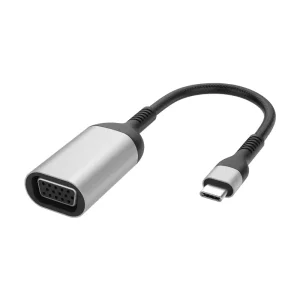 Wholesale USB C to VGA 1080P Adapter - PF401 Products, Suppliers
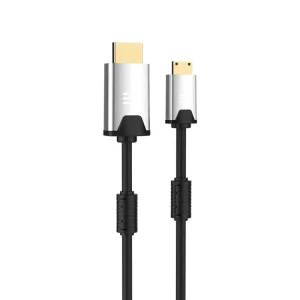 Custom HDMI A to C Cable - HMC287 Manufacturers, Factories
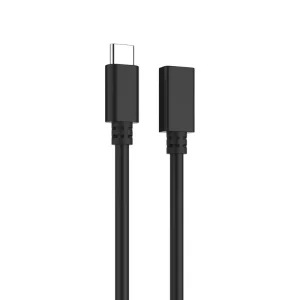 ODM USB Type C 2.0 Cable - PB483 Manufacturer, Products
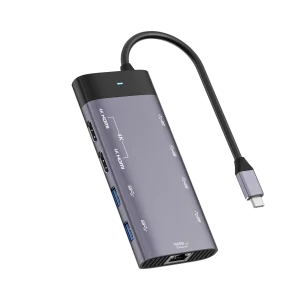 Custom 10 in 1 USB-C 4K HDMI MST hub Product, Suppliers
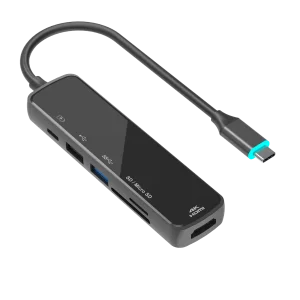 Discount USB C 6 in 1 Mirror Face Adapter - WG608A Manufacturer, Companies
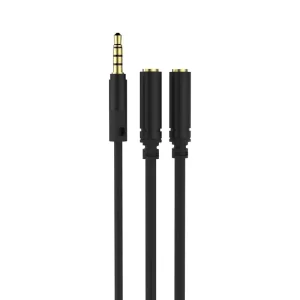 ODM 3.5mm - 2 x 3.5mm Audio cable - HMM155 Products, Suppliers
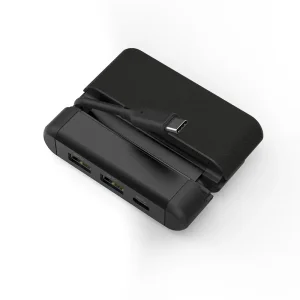 Famous USB C 5 in 1 Adapter - PF459 Products, Product
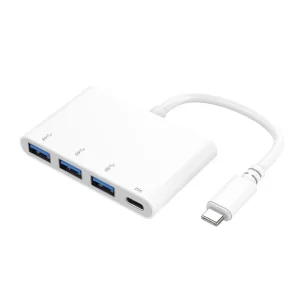 China USB C 4 in 1 Adapter - MP462 Manufacturer, Exporters
 Taichang Electronic