Explore our premium selection of certified connectivity solutions, designed to support modern enterprise hardware requirements.
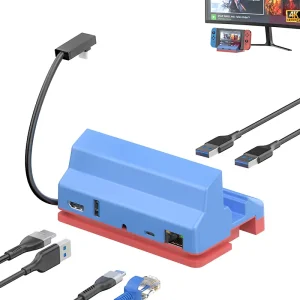
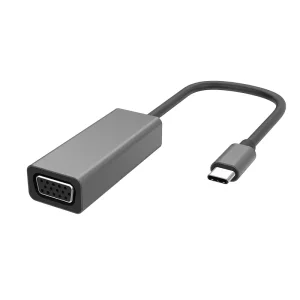
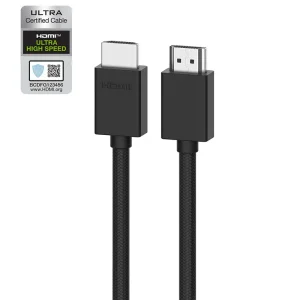
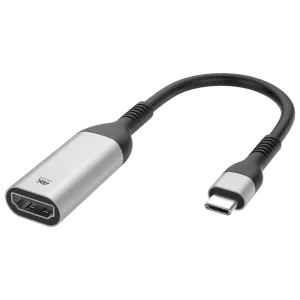
The global transition from legacy Type-A computing environments to modern Type-C architectures represents one of the most critical structural transformations in modern hardware integration. While new consumer devices ship natively with Type-C ports, billions of legacy hosts, industrial computers, automotive modules, and commercial interfaces still utilize USB Type-A. This dichotomy has created a massive, sustained global demand for high-performance USB-A to USB-C 3.1 Gen 2 and Gen 1 bridges.
Global procurement agents look for partners that balance high manufacturing volume with precise tolerances. For industrial and enterprise buyers, cabling represents more than a basic commodity; it acts as the primary data highway in mission-critical environments. A single cable failure can halt manufacturing assembly lines, interrupt surgical monitors, or crash high-speed data acquisition interfaces. Consequently, global exporters are now evaluated based on strict quality controls rather than simple cost savings.
In B2B sourcing, the value of a USB 3.1 assembly is determined by its construction. High-speed USB 3.1 Gen 2 demands coaxial cabling configurations, precision-welded internal PCB transitions, and multi-layered EMI shielding to maintain signal integrity over distance. Professional exporters must provide certified physical test reports (covering Eye Diagrams, Insertion Loss, and Jitter Analysis) to validate all wholesale quotes.
Understanding the parameters that define the limits of USB 3.1 Gen 1 and Gen 2 physical media when bridging legacy Type-A networks to Type-C client nodes.
High-frequency copper paths degrade signal quality at 10Gbps. High-quality cables utilize premium oxygen-free copper (OFC) cores wrapped in specialized insulation materials, ensuring minimal signal degradation across lengths up to 3 meters.
Industrial environments generate electromagnetic noise. Our cables feature dual-layer shielding, incorporating heavy aluminum-mylar foil alongside high-density copper braiding (up to 85% coverage) to prevent data corruption.
Since USB-A does not support native Power Delivery (PD) negotiation, integrated 56kΩ pull-up resistors are required. This safety protocol protects legacy host devices from drawing excessive current from newer USB-C power sources.
| Parameter Specification | USB 3.1 Gen 1 (SuperSpeed) | USB 3.1 Gen 2 (SuperSpeed+) |
|---|---|---|
| Theoretical Bandwidth | 5.0 Gbps (625 MB/s) | 10.0 Gbps (1250 MB/s) |
| Coding Overhead | 8b/10b (20% loss) | 128b/132b (3% loss) |
| Standard Safe Current | 900mA / 5V (4.5W max) | 1.5A / 3.0A (Max 15W dependent) |
| Pull-up Resistor Spec | 56 kΩ ± 5% | 56 kΩ ± 5% |
| Maximum Length | Up to 3.0 meters | Up to 1.0 meter (for passive copper) |
| Connector Shell Mating | Nickel-plated standard | Gold-plated micro-contact layers |
Key quality metrics for volume procurement directors navigating global factory quotes for high-speed connectivity solutions.
Fluctuating copper prices directly impact the pricing structure of high-speed cables. Experienced exporters offer long-term pricing options tied to indexed metal markets. This approach shields buyers from unexpected cost increases during extended product lifecycles.
Specialized physical layouts—such as right-angle headers, locking screws, or dust-resistant strain reliefs—often require custom injection molds. Partners with in-house tooling facilities can shorten prototype cycles from months to days.
We perform exhaustive testing on every cable assembly, including mating cycle validation, signal eye diagram testing, insulation resistance measurements, and high-frequency vector network analysis (VNA).
Our 38-Year Legacy of Precision Engineering, Quality Assurance, and Innovative High-Speed Interconnect Development.
Founded in 1984 as Tonetron in Keelung, Taiwan, Dongguan Taitron Electronics Limited has established itself as an industry leader in manufacturing high-end consumer and industrial peripheral interfaces. In 1993, to scale manufacturing and meet growing global demand, we expanded into a self-built industrial park in Dalingshan Town, Dongguan City, Guangdong Province, China.
For nearly four decades, Taitron has specialized in manufacturing high-performance audio and video connections. Leveraging this experience, we have consistently expanded our capabilities. Today, we design, develop, and manufacture advanced products including HDMI 2.1 cables, DP 2.0 cables, USB4 connections, USB-C 3.1 Gen 2 high-speed data cables, high-power USB-C power delivery paths, 8K ultra-HD converters, and multi-functional Type-C docking stations.
Our facility operates in compliance with international environmental standards, and all manufacturing lines are ISO 9001 and ISO 14001 certified. Our raw material sourcing and manufacturing practices comply with RoHS, REACH, and WEEE directives, ensuring safety and performance for global distribution.
We maintain vertical control over our production process, from wire extrusion and automated copper braid shielding to high-precision soldering and double-injection overmolding. This setup ensures consistent quality across large manufacturing runs.
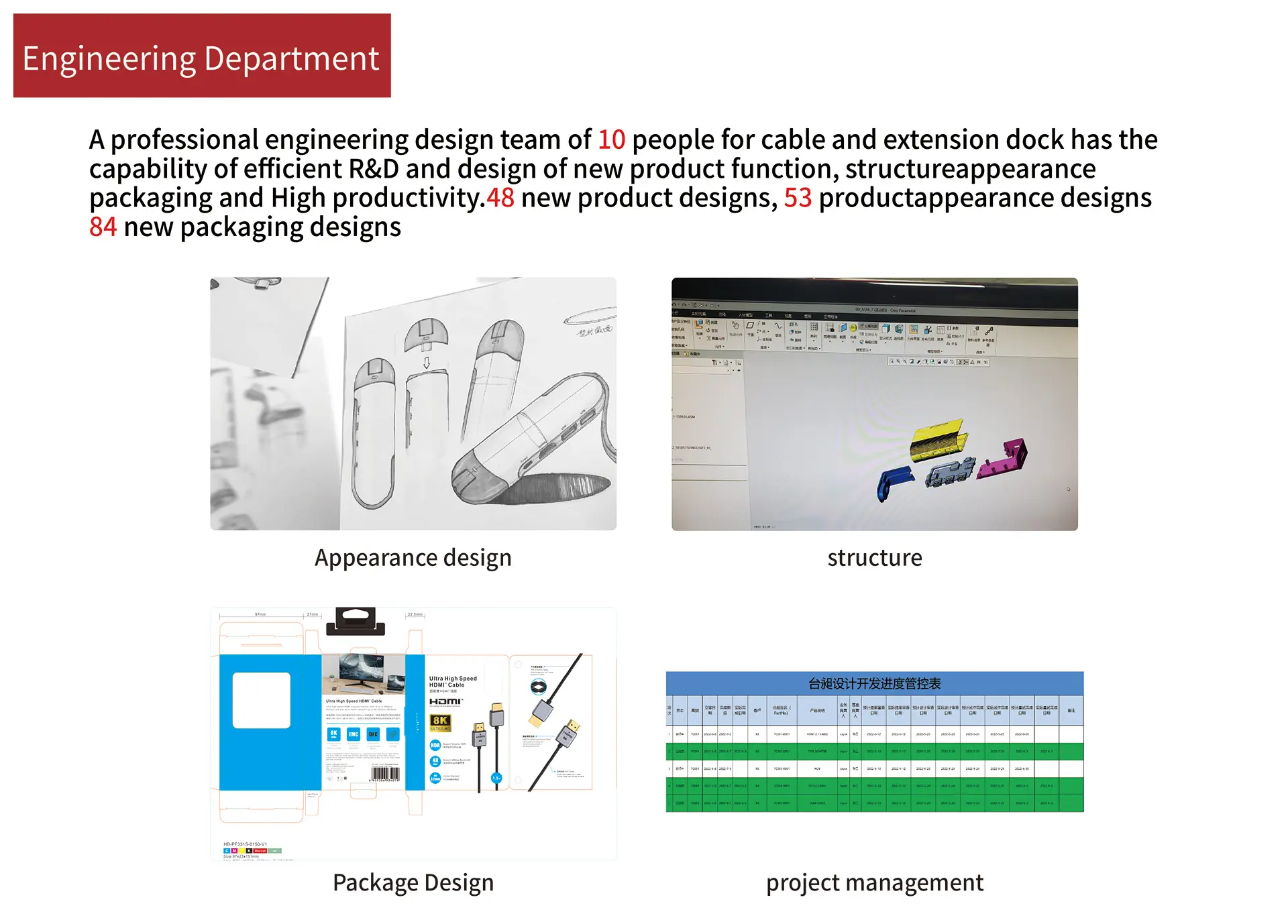
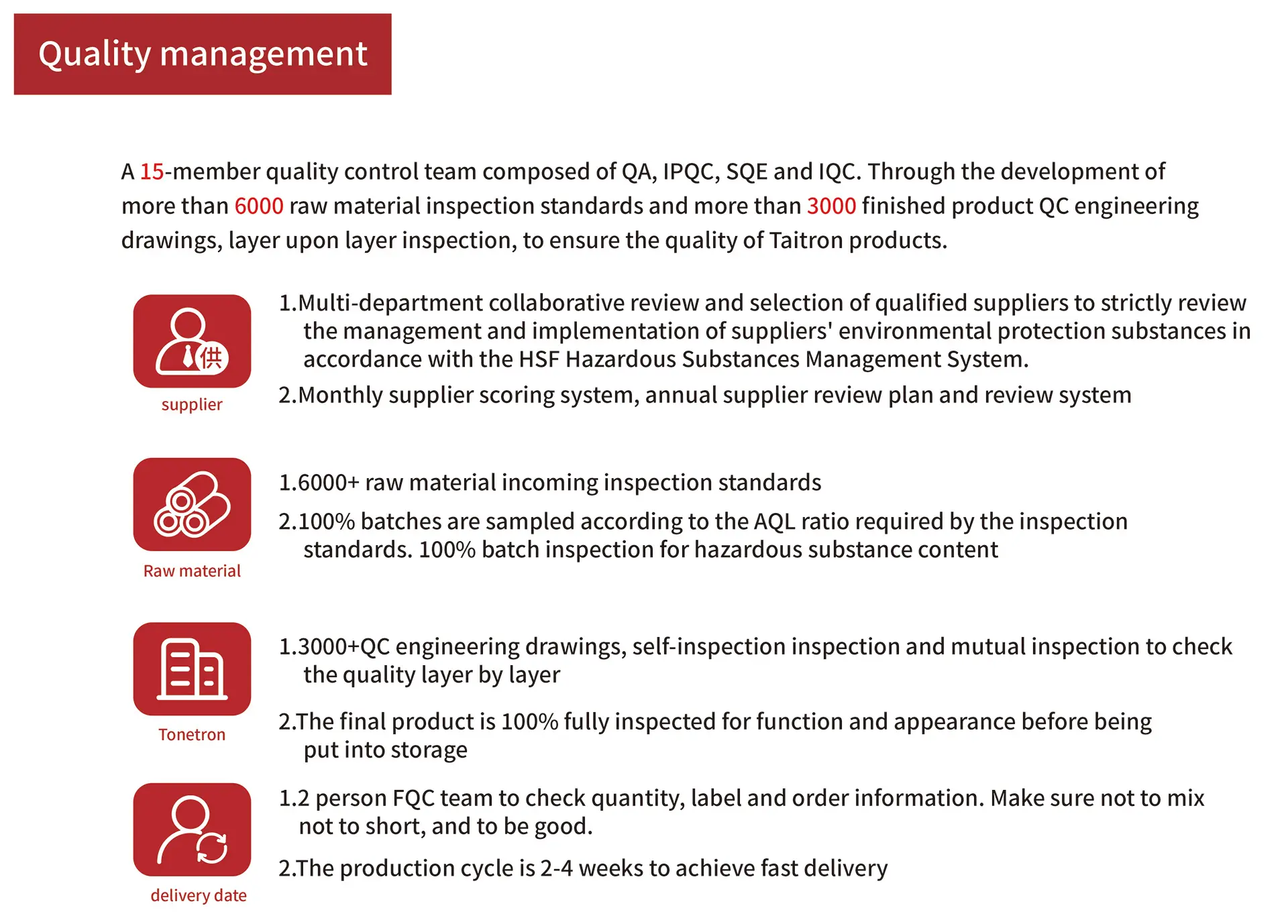

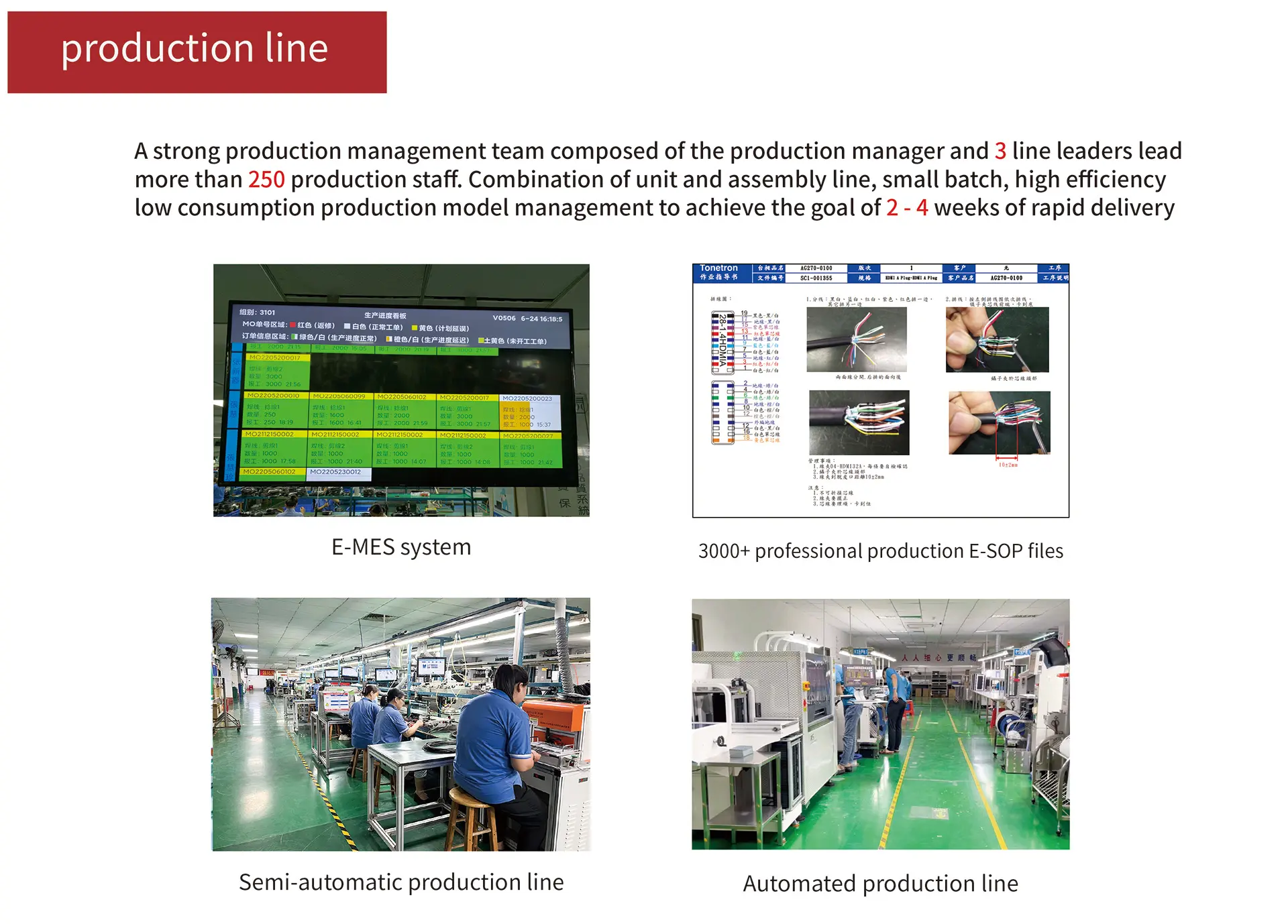
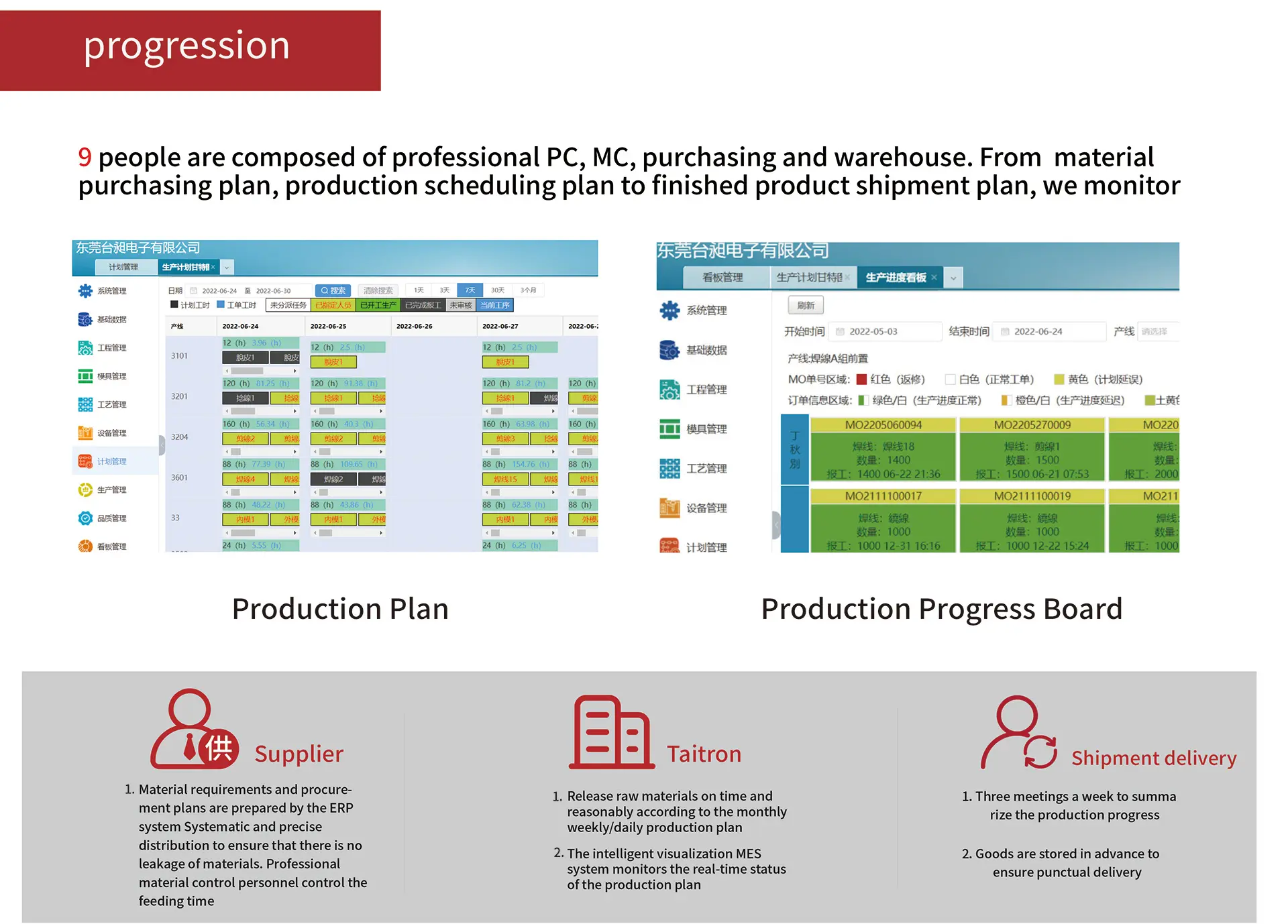
How custom-configured USB-A to USB-C 3.1 cables serve as crucial infrastructure links across key industrial sectors.
Modern infotainment and smart dashboard architectures rely on USB interfaces to sync telemetry controllers with user-facing devices. Automotive-grade USB 3.1 connectors feature reinforced strain reliefs and mechanical locking housings. These details prevent connection dropouts caused by engine vibrations or temperature swings (-40°C to +85°C).
In high-speed assembly facilities, optical inspection cameras send gigabits of raw image data to local server units for real-time QA analysis. A high-bandwidth USB 3.1 connection prevents packet dropouts, ensuring consistent imaging performance. Our cables feature dual-shielding to protect signals from high-voltage motor EMI.
Retail networks rely on secure data transfer between legacy cash drawer terminals (USB-A) and modern customer-facing tablets (USB-C). Our cables feature rugged jacket materials, like halogen-free TPU or premium nylon braids, to withstand continuous pulling and bending in busy retail environments.
We tailor cable lengths, configure customized resistor profiles, design unique strain reliefs, and supply complete OEM connector assemblies to meet specific project demands. Contact us for technical support on your design needs.
The interface landscape is evolving toward the USB4 and Thunderbolt 4 ecosystems. However, the physical USB-A socket remains widely used in industrial equipment, transport fleets, and legacy networks. Consequently, the industry is moving toward high-speed hybrid designs rather than complete replacement. This strategy allows systems to support newer protocols without requiring expensive host-side upgrades.
Future development focuses on active hybrid cables (AOC). These designs incorporate optical fibers alongside traditional copper paths to transmit USB 3.1/USB4 data over distances exceeding 10 meters without signal loss. Additionally, new engineering standards aim to integrate rugged shielding materials directly into connectors, improving durability in harsh commercial settings.
Clear, data-driven answers to common questions asked by B2B buyers and electronics engineers about sourcing USB cables.
USB 3.1 Gen 1 supports bandwidth speeds up to 5Gbps, matching the specifications of USB 3.0. USB 3.1 Gen 2 uses an updated encoding scheme to deliver transfer rates up to 10Gbps. Gen 2 cables require tighter shielding tolerances, precise twist ratios, and shorter runs on passive copper, which makes them slightly more expensive to manufacture than Gen 1 alternatives.
Because USB Type-A ports cannot natively manage the Type-C Power Delivery (PD) handshake, the 56kΩ resistor acts as a safety limit. It signals the connected Type-C device to draw only standard power (typically up to 5V/900mA for USB 3.1 or up to 5V/1.5A for specific chargers). This protects host-side legacy USB-A ports from drawing too much current, preventing overheating or board-level damage.
Our quality control program utilizes advanced test equipment, including automated network analyzers and Time Domain Reflectometers (TDR). Every batch undergoes structural testing to measure characteristic impedance (targeting 90Ω ± 5%), skew, insertion loss, and crosstalk. This process ensures consistent performance across high-volume production runs.
Yes. We support custom materials based on application demands. Options include High-Flex TPU jackets for dynamic robotics, halogen-free (LSZH) jacketing for transit systems, and double-braided nylon options for high-wear retail settings. We also design customized overmolds and locking screw configurations.
Standard production lead times range from 3 to 4 weeks depending on order size and custom requirements. Finished goods are shipped directly from our Dongguan facility, with convenient transport connections through Shenzhen, Guangzhou, or Hong Kong ports to facilitate international shipping.
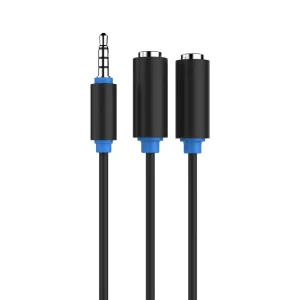
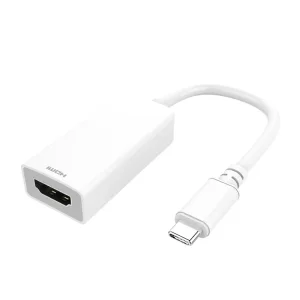
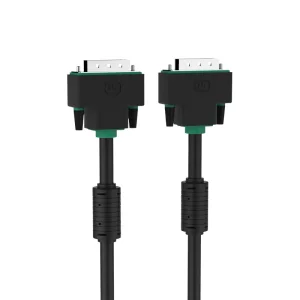
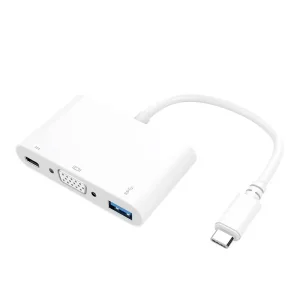
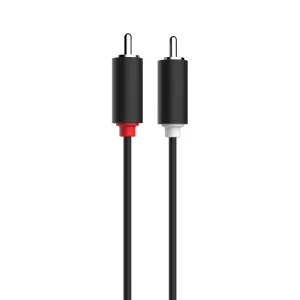
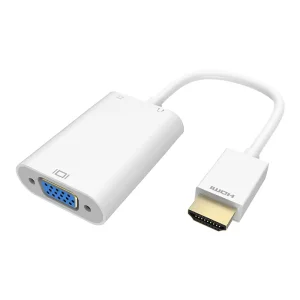
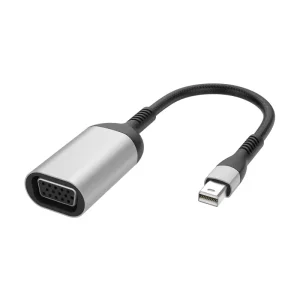
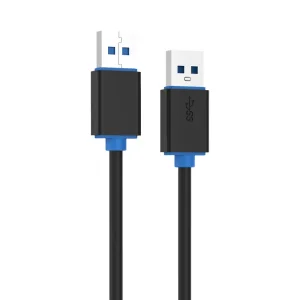
Our extended product catalog features specialized adapters and audio/video interfaces built to the same strict industrial standards.
 Taichang Electronic