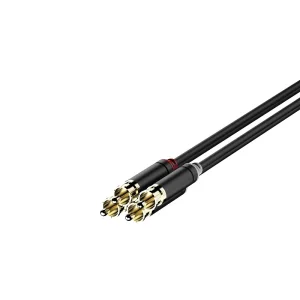
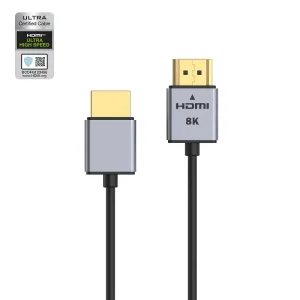
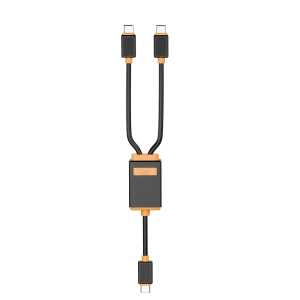
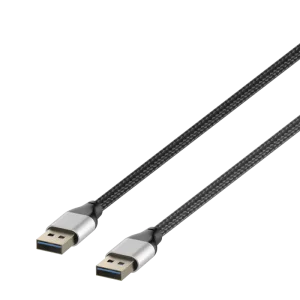
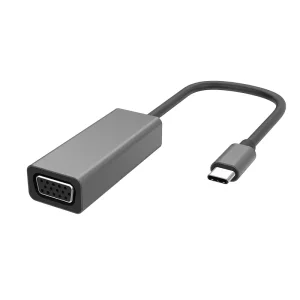
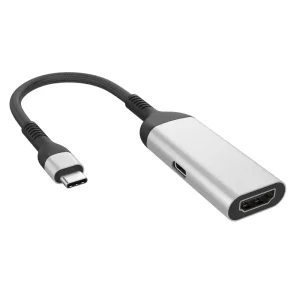
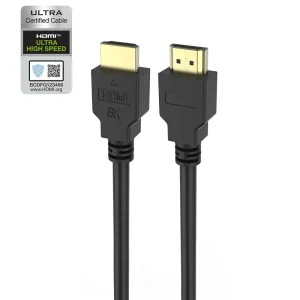
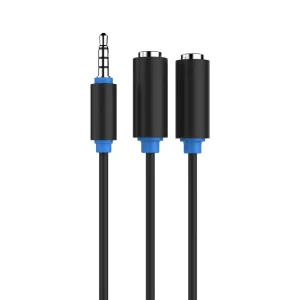
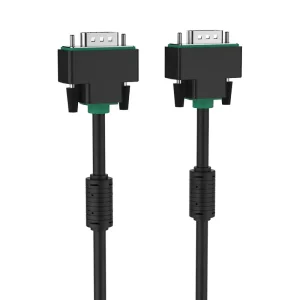
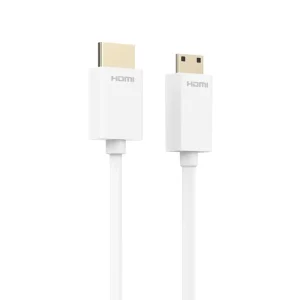
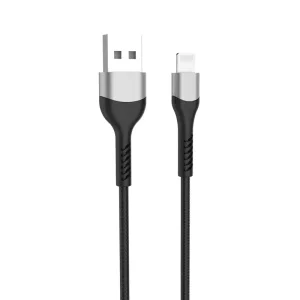
Select industrial-grade audio-visual arrays, high-speed certified transmission channels, and structural custom cable assemblies from our premium catalog.
Despite the rapid deployment of USB 3.0, USB 4, and multi-gigabit interfaces, the USB 2.0 Ethernet Adapter remains a cornerstone of global industrial networking, legacy IT management, and specialized embedded systems. By converting a standard Universal Serial Bus 2.0 interface into a RJ45 Ethernet port, these adapters provide highly reliable, isolated, and driver-managed connections that operating systems can interact with natively.
The fundamental engineering value of USB 2.0 (offering a maximum signaling rate of 480 Mbps) combined with Fast Ethernet (10/100 Mbps) or Gigabit Ethernet (throttled to USB 2.0 bus speeds) lies in its extreme compatibility. In modern automation, industrial computing, and testing labs, stability takes priority over raw throughput. A USB 2.0 Ethernet controller draws significantly less power, generates minimal thermal load, and relies on mature driver stacks that have been thoroughly tested across decades of operating system iterations.
The inner workings of a high-performance USB 2.0 Ethernet adapter are defined by its internal IC controller. The leading chipsets driving this industry include the Realtek RTL8152B and the ASIX AX88772 series (including the AX88772A, AX88772B, and AX88772C). These ICs handle the physical layer conversion (PHY) and Media Access Control (MAC) dynamically, reporting to the host computer through standardized USB class protocols.
| Chipset Model | Network Standards | USB Protocol Class | OS Kernel Driver Integration | Typical Industrial Applications |
|---|---|---|---|---|
| ASIX AX88772C | 10/100 Mbps Fast Ethernet | CDC-ECM, CDC-EEM, Class-Based | Native in Linux 2.6.9+, macOS, Windows 7-11 | Embedded Linux Devices, Thin Clients, Game Consoles |
| Realtek RTL8152B | 10/100 Mbps Fast Ethernet | RNDIS, CDC-ECM | Native in Windows 8+, Android, Linux Kernel 3.8+ | Medical Displays, POS Terminals, Retail Hardware |
| Microchip LAN9500A | 10/100 Mbps Fast Ethernet | CDC-ECM, proprietary driver options | Native in embedded RTOS, VxWorks, Linux | Automotive diagnostic ports, Smart meters, SCADA systems |
CDC-ECM (Communication Device Class - Ethernet Control Model) is the standard protocol used to transmit Ethernet frames over USB. It is highly cross-platform, allowing drivers to load automatically without third-party installations on macOS, Linux, and Android. Conversely, RNDIS (Remote Network Driver Interface Specification) is Microsoft's proprietary equivalent, ensuring seamless out-of-the-box operation on legacy and modern Windows environments. Selecting the appropriate chipset is a critical decision for engineers developing proprietary hardware that integrates USB network ports.
While consumers associate USB Ethernet adapters with ultrabooks missing RJ45 ports, B2B procurement agents buy these units in high volumes for harsh industrial, medical, and municipal operations.
In modern manufacturing facilities, Programmable Logic Controllers (PLCs) and Human-Machine Interfaces (HMIs) must communicate with external analysis tools. A USB 2.0 Ethernet adapter acts as a reliable bridging device, isolating the PLC's direct control network from external corporate intranets while ensuring high-quality signal data flow.
Enterprise data centers use USB-to-Ethernet adapters for crash-cart operations. When a server's built-in Network Interface Card (NIC) fails, network administrators bypass the PCIe bus by using a USB 2.0 adapter to establish a temporary command console interface, ensuring zero down-time.
Point of Sale (POS) systems, barcode scanner arrays, and digital ticketing kiosks require continuous network connectivity. Because many modular computer terminals are built on ultra-thin layouts lacking internal PCIe slots, USB 2.0 network cards provide low-cost, highly durable external network lines.
Magnetic Resonance Imaging (MRI) machines, ultrasound systems, and patient monitors must run on closed networks to protect sensitive health data. Adapters utilizing isolated USB 2.0 lines are vital for transferring raw telemetry securely to local diagnostic PCs without exposing the underlying patient monitoring unit to general hospital Wi-Fi.
Key Environmental Requirement:
Electrical isolation (galvanic isolation up to 2.5kV) is commonly designed alongside USB Ethernet controllers to prevent voltage spikes from destroying sensitive medical or industrial testing equipment.
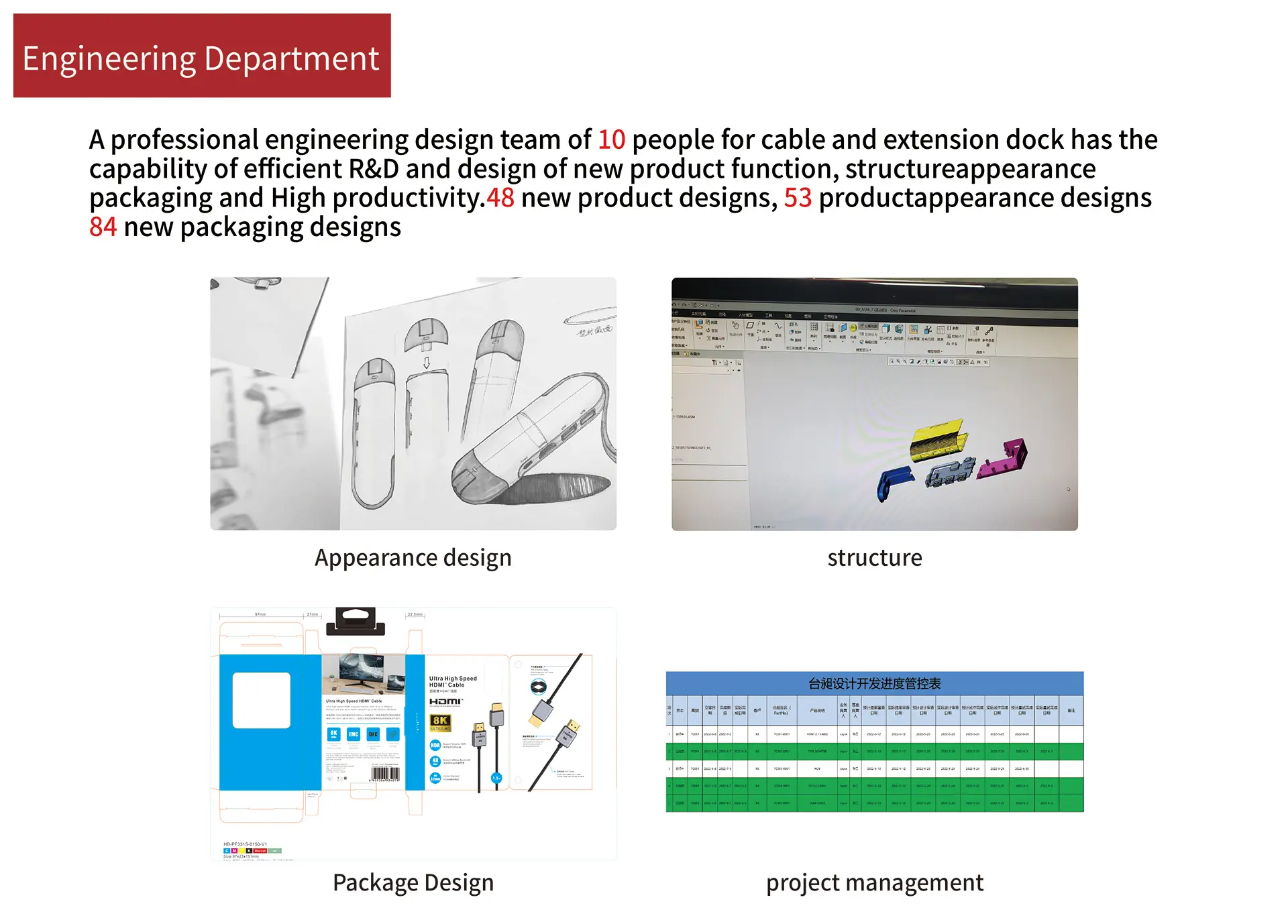
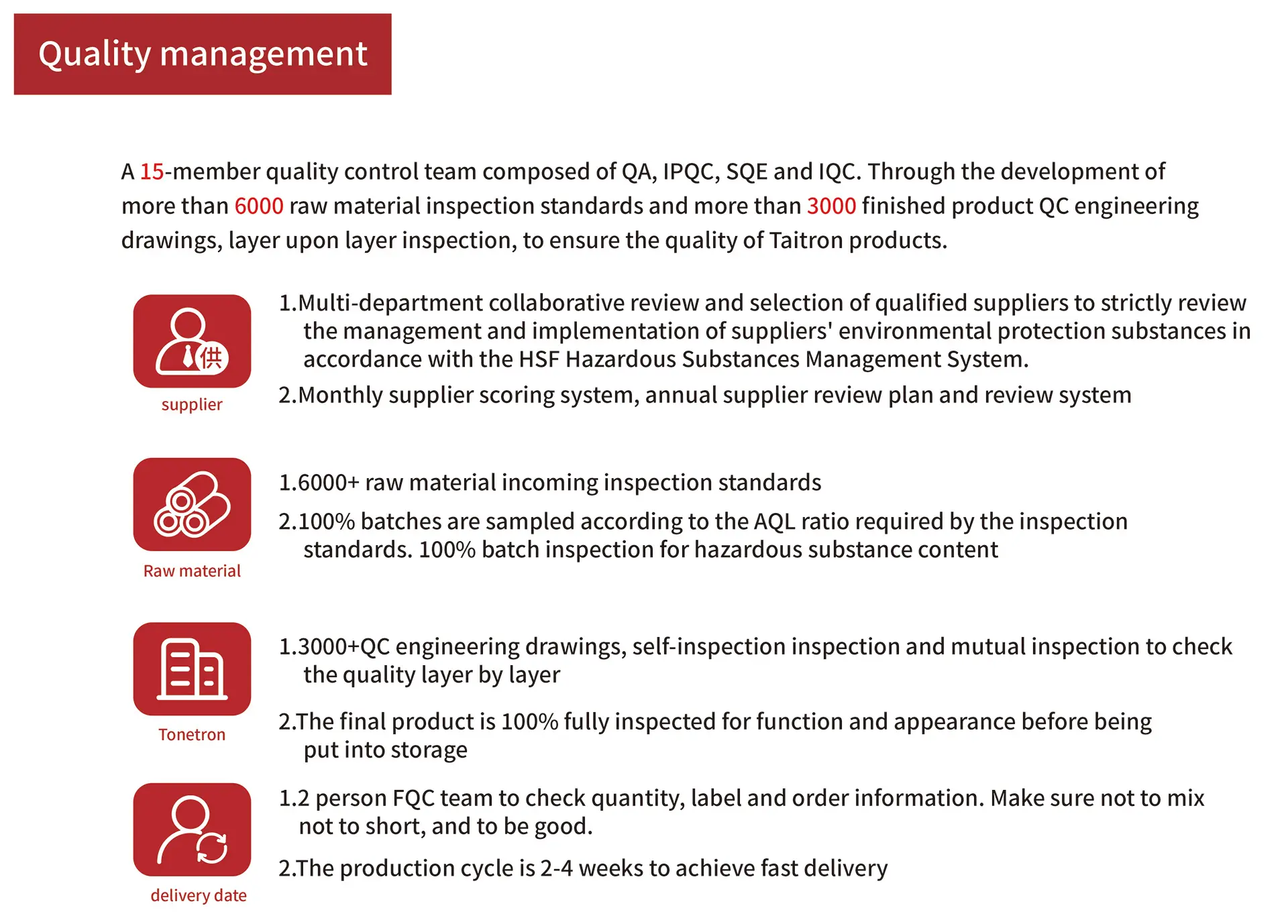
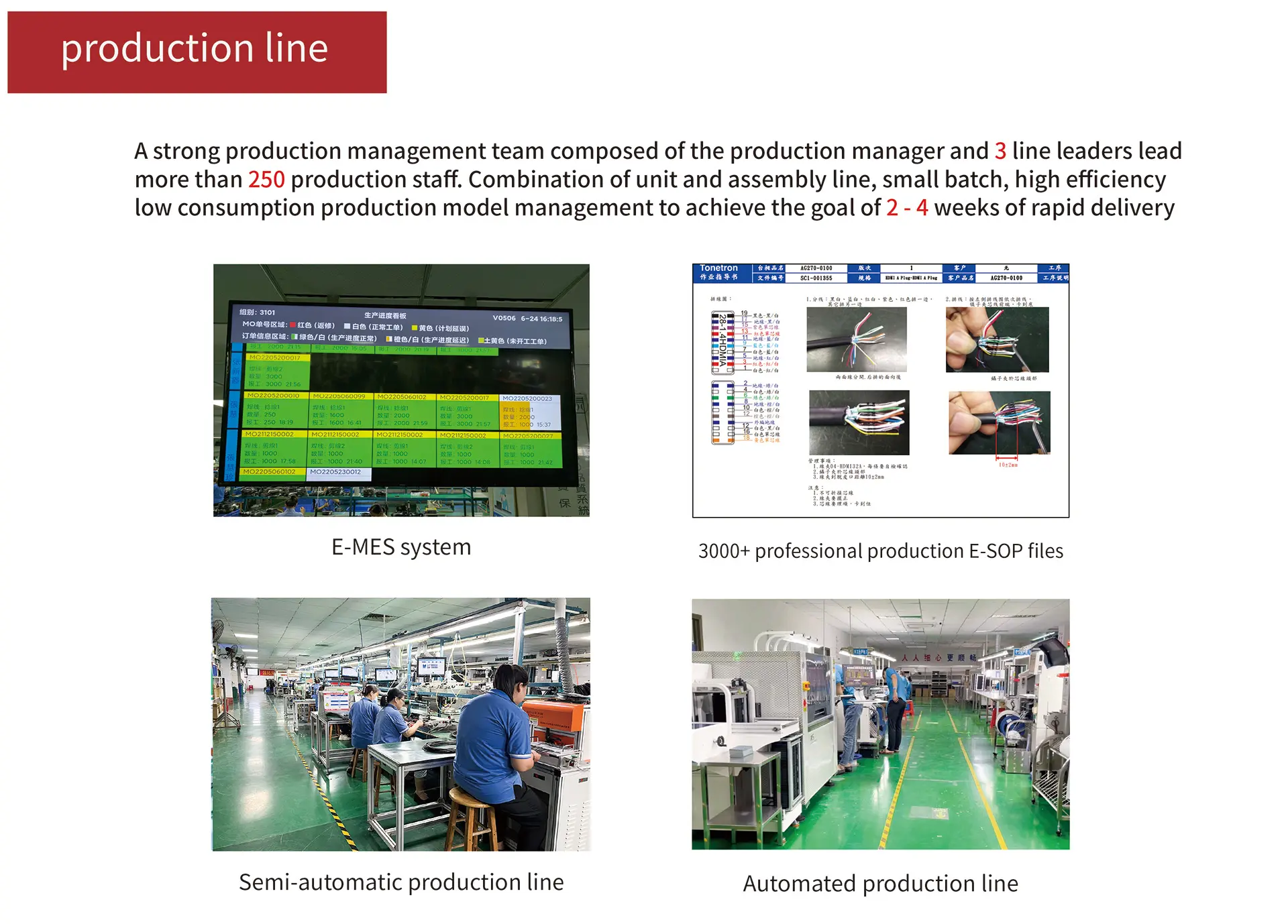
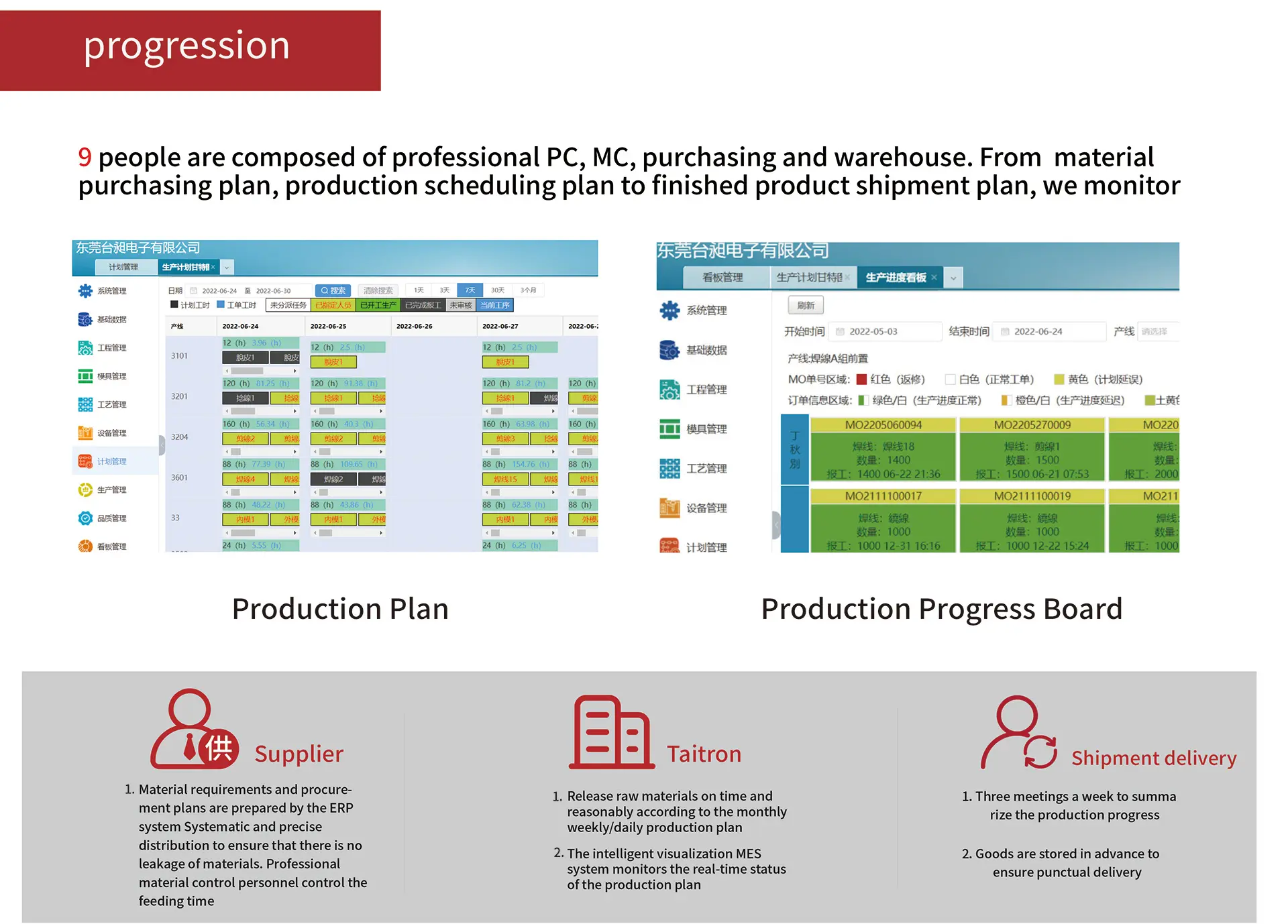
Founded originally in Keelung, Taiwan in 1984 under the name Tonetron, our enterprise moved its core operational capacity in 1993 to a self-built, independent production industrial park located in Dalingshan Town, Dongguan City, China. At this time, the company was renamed Dongguan Taitron Electronics Limited.
For over 38 years, our manufacturing philosophy has been built on a foundation of professional video and audio peripheral equipment connection line production. Through decades of R&D and strict engineering standards, we have expanded our technology catalog. We now develop and manufacture high-end audio and video cables, high-speed data cords, and complex connectivity converters.
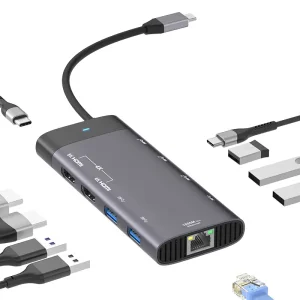
Taitron's modern industrial portfolio features certified HDMI 2.1 cables, DP 2.0 cables, USB4 data cables, USB-C 3.1 Gen2 cables, high-power USB PD charging cords, 8K high-definition conversion interfaces, and multi-functional Type-C expansion docks. Our global OEM/ODM solutions ensure compatibility across all leading consumer, commercial, and industrial ecosystems.

As local networks scale up to multi-gigabit speeds, USB network controllers are undergoing a major transition. The roadmap below highlights key changes across protocol standards, identifying why USB 2.0 maintains a strong position in specific enterprise sectors despite the availability of newer technologies.
Features extreme driver stability, very low power consumption (<150mA draw), and native integration into older kernels. This is the optimal architecture for legacy systems, PLCs, POS systems, and thin clients.
Utilizes the USB 3.1 Gen 1 bus (5 Gbps theoretical throughput) to process unthrottled 1 Gbps LAN feeds. This standard requires more complex shielding against 2.4 GHz RF interference, which can otherwise disrupt Wi-Fi signals near the USB port.
Designed for high-throughput NAS storage systems, virtualization nodes, and intensive developer environments. These controllers require active heat dissipation and feature USB Power Delivery (PD) pass-through capabilities to power the host device simultaneously.
Technical support, system integration details, and driver solutions for USB 2.0 to RJ45 network adapters.
eth1). This makes them an ideal choice for adding a secondary network port to a Raspberry Pi without needing complex manual compilations.
Discover additional high-end converters, certified 8K video arrays, and versatile interface hubs from the Taitron product line.
 Taichang Electronic