Years Manufacturing Experience
Driver Compatibility Tested
Maximum Data Transmission
Global Industrial Partners
Analyzing the symbiotic relationship between silicon providers, hardware manufacturers, and driver developers.
In the era of hyper-scale datacenters, Industrial Internet of Things (IIoT), and enterprise edge devices, Ethernet adapter drivers serve as the essential translation layer between the operating system kernel and physical networking silicon. A physical network interface card (NIC) or a USB-C expansion dock with Gigabit Ethernet is only as reliable as the driver stack running it.
Globally, the silicon landscape for Ethernet controllers is concentrated among leading semiconductor developers such as Realtek (e.g., RTL8153, RTL8156 series), ASIX (e.g., AX88179 series), and Intel (e.g., I219, I225/226 series). However, the commercial execution of these chipsets into market-ready hardware relies on specialized manufacturing integration partners who design the circuits, manage thermal dispersion, and ensure electromagnetic compliance (EMC).
Modern operating systems like Microsoft Windows 11, macOS, Linux kernels, and Android distribution platforms require different tiers of driver integration. While basic "plug-and-play" classes utilize native generic drivers, custom industrial and enterprise solutions often require customized device driver packages to enable advanced features like Wake-on-LAN (WoL), PXE boot, VLAN tagging (IEEE 802.1Q), and Jumbo Frames. Choosing the correct supplier who understands both hardware optimization and driver-level configurations is a critical prerequisite for global supply chain procurement managers.
Direct system memory access (DMA) optimization preventing high CPU usage during multi-gigabit data packet translation processes.
Full implementation of IEEE 802.3az (Energy-Efficient Ethernet) and 802.3x flow control protocols directly embedded into firmware configurations.
Optimized driver compatibility for Linux kernels, macOS systems, Windows architectures, and mobile client operating systems.
PCB-level signal trace shielding designed to match silicon impedance, minimizing bit-error-rate (BER) and driver-level retries.
What differentiates industry-leading Ethernet adapter manufacturers from standard assembly factories?
Premium suppliers select highly integrated controller ICs such as Realtek or ASIX, which offer native system kernel recognition, minimizing driver installation issues for end-users.
Ability to pre-program Vendor IDs (VID) and Product IDs (PID) into the chip's EEPROM/Flash memory, allowing corporate clients to utilize custom software installation footprints.
Superior factories design multi-layer PCBs with dedicated ground planes and metallic casing shielding to isolate high-frequency electromagnetic interference, reducing driver dropouts.
From Keelung, Taiwan to Dongguan, China—38 Years of High-End OEM/ODM Connection Cable and Adapter Manufacturing.
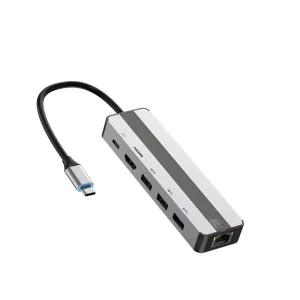
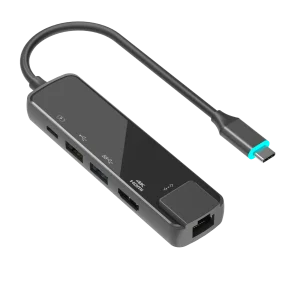
Over 38 years, the company has evolved from basic connection line manufacturing to an advanced manufacturing facility. Today, Taitron focuses on cutting-edge research, development, and manufacturing of high-speed data transmission technologies, including HDMI 2.1 cables, DP 2.0 cables, USB4 data cables, USB-C 3.1 Gen2 cables, high-power USB charging systems, 8K video converter assemblies, and highly integrated multi-functional Type-C expansion docks featuring Gigabit Ethernet capabilities.
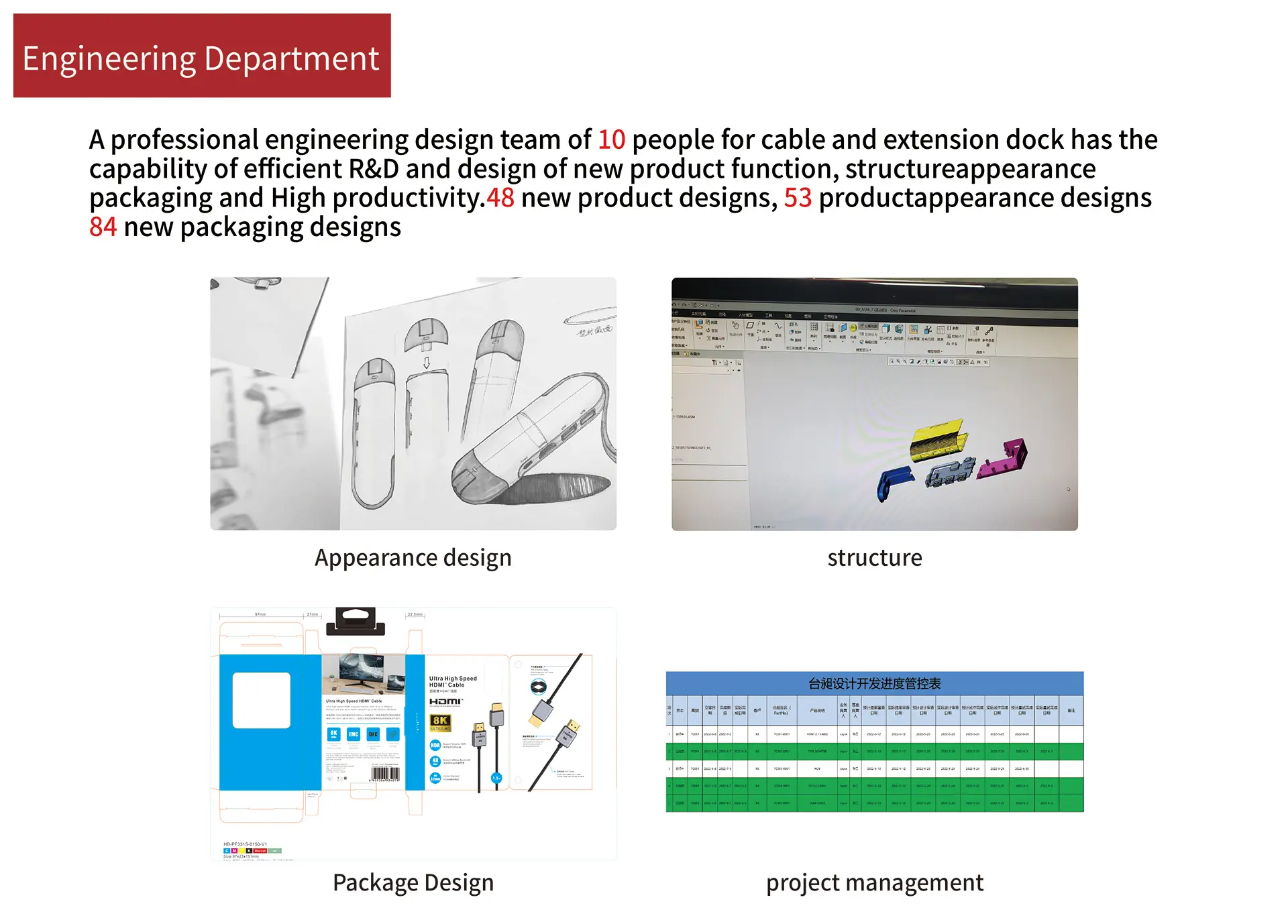
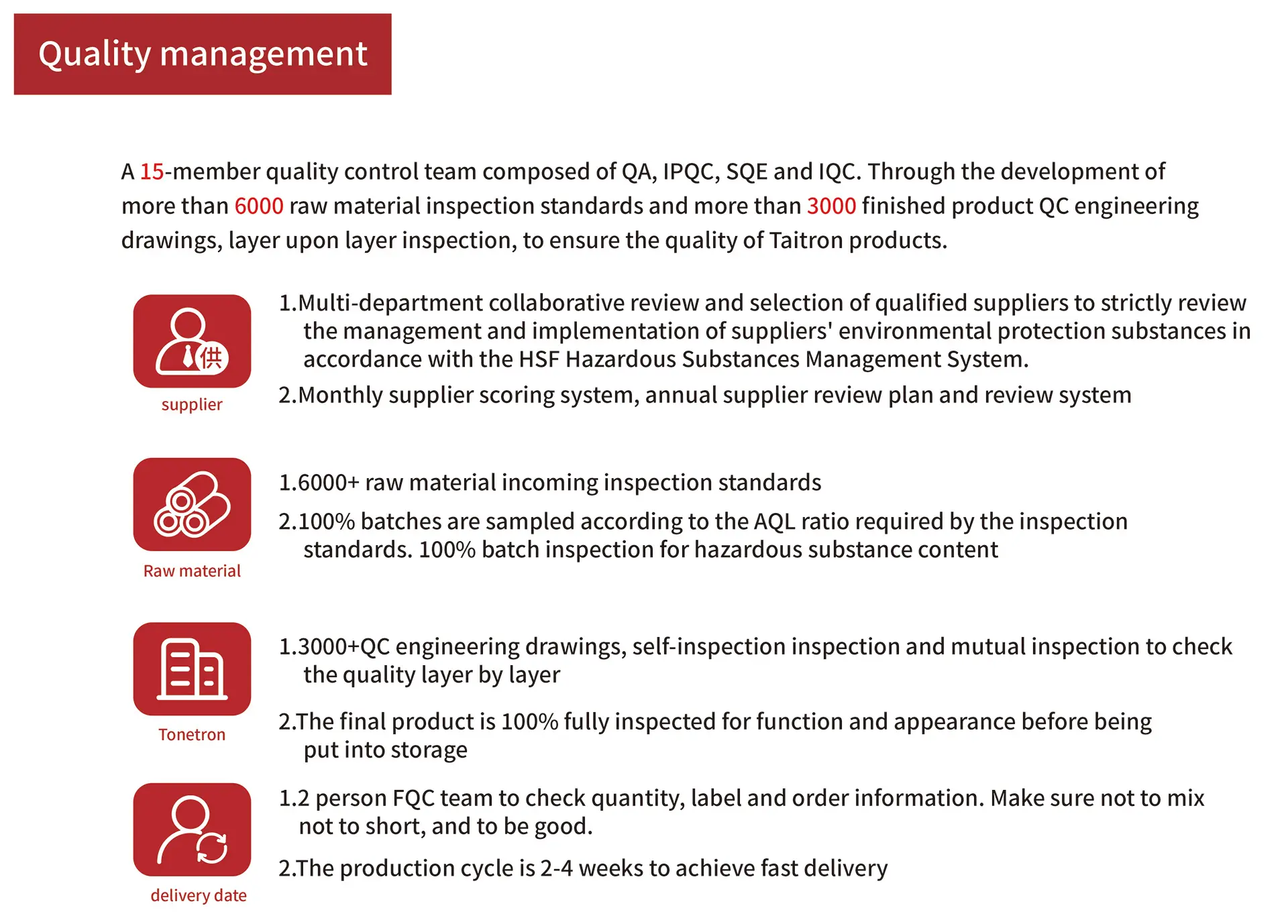
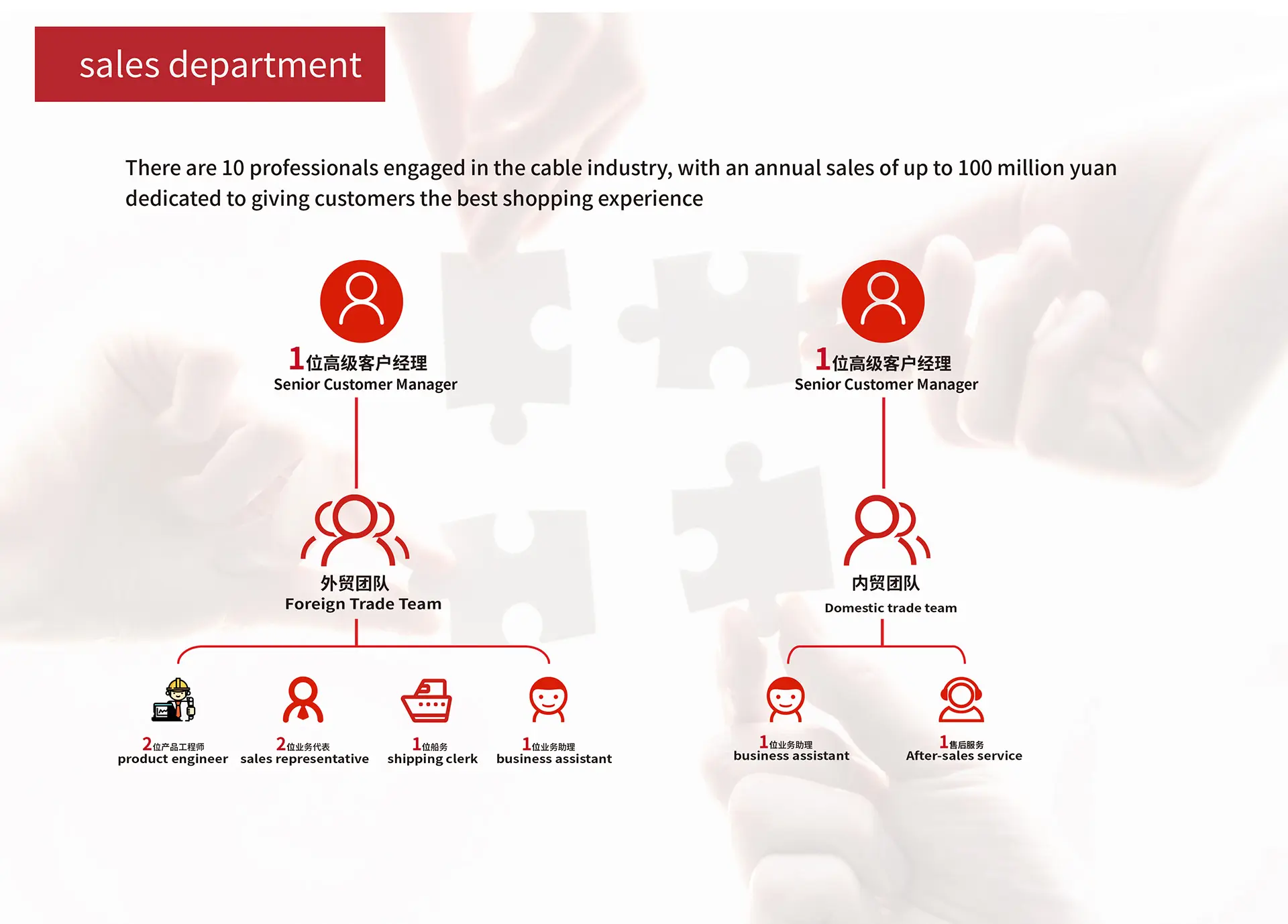
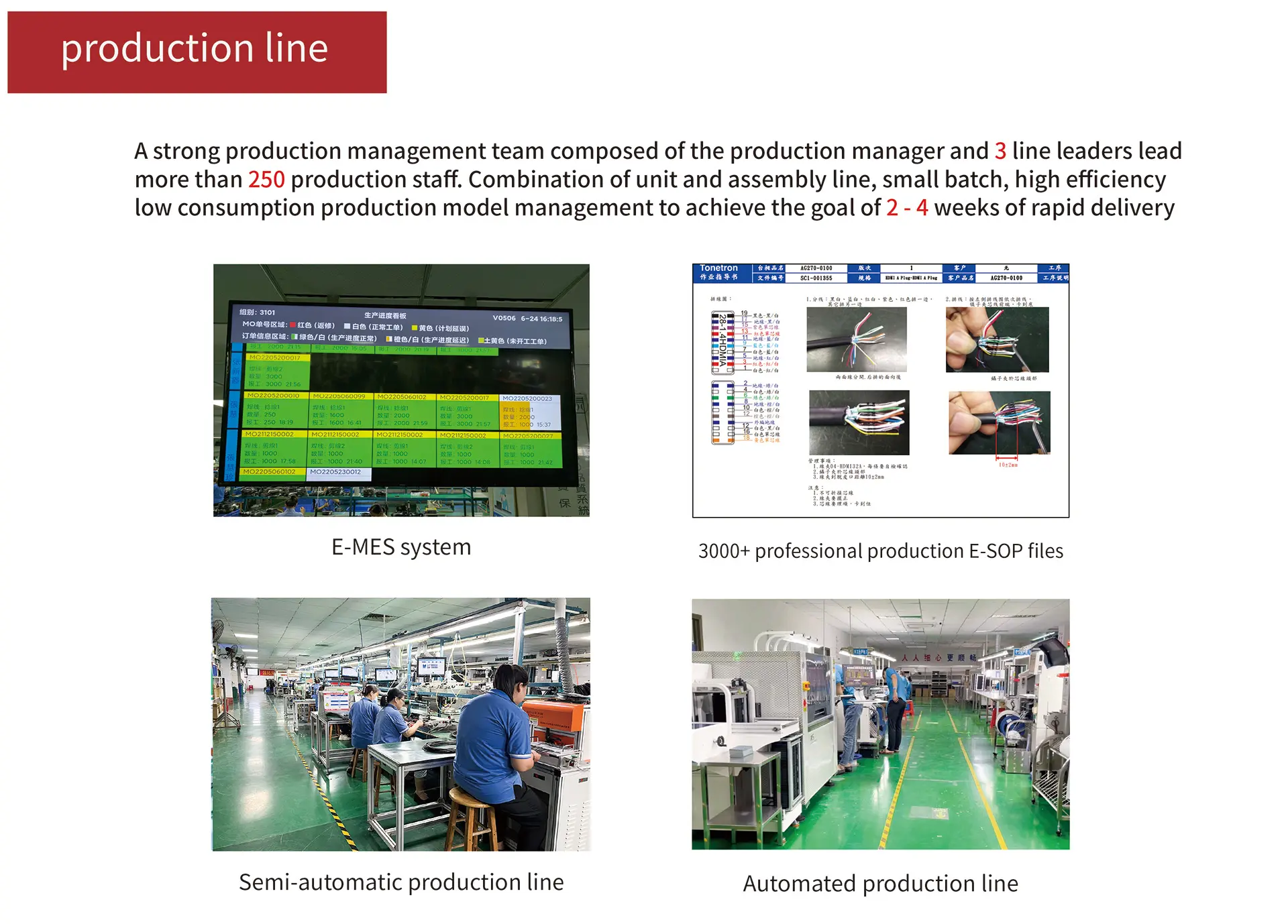
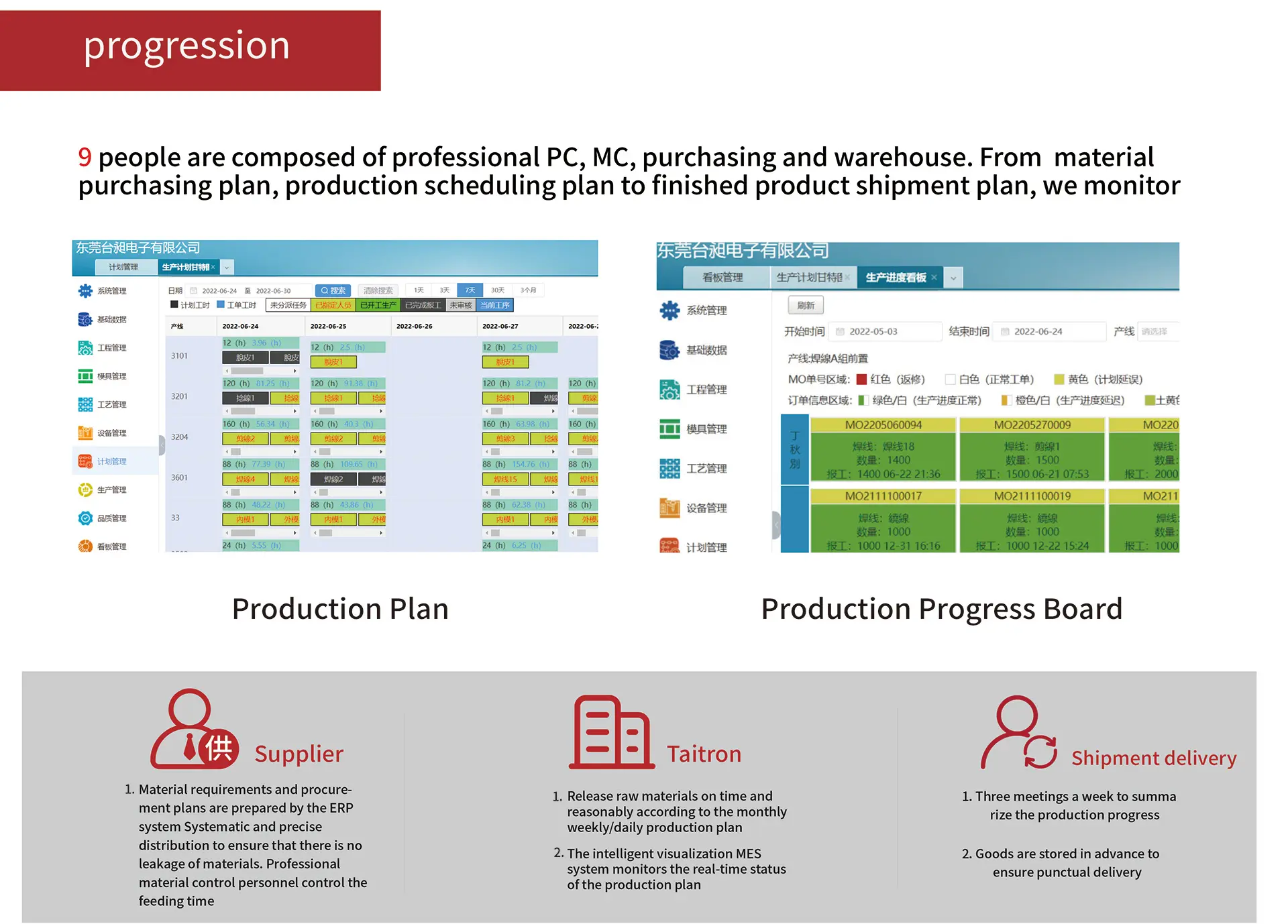
Why industrial hubs like Dongguan are essential for the production of advanced network interface adapters.
The Dalingshan industrial ecosystem in Dongguan offers immediate proximity to silicon distribution networks, passive component suppliers, high-precision molding services, and testing labs. This geographical concentration drastically reduces supply chain latency, allowing prototype iterations for customized Ethernet solutions to be completed in days rather than weeks.
Modern manufacturing of USB-C network adapters requires rigorous validation protocols. Dongguan Taitron uses high-end vector network analyzers, Time-Domain Reflectometry (TDR) instruments, and automated SMT optical testing (AOI) to evaluate physical layers before final assembly, minimizing driver-level protocol dropouts caused by signal skewing.
Global logistics requires scale. Automated production facilities can scale from micro-batch R&D verification runs to massive monthly deployments exceeding hundreds of thousands of network adapters, maintaining consistent unit-to-unit mechanical tolerances and electrical properties.
International shipping requires adhering to local certification standards. Premium products are manufactured in compliance with CE, FCC, RoHS, and REACH guidelines, ensuring seamless clearance at ports of entry and unhindered deployment in corporate and government networks worldwide.
Where high-speed copper and silicon integration is headed over the next five years.
With Wi-Fi 6E/7 routers and NAS devices standardizing on 2.5Gbps ports, enterprise offices and home labs are demanding Multi-Gigabit USB-C Ethernet adapters. These devices require higher-frequency silicon, stricter PCB trace tolerances, and updated drivers capable of managing high-throughput packet transfers without triggering thermal throttling or USB controller buffer overruns.
The convergence of charging, display, and high-speed data protocols into USB4 architectures means that modern Ethernet controllers must coexist with multiple high-speed virtual tunnels on a single physical link. The underlying driver stack must interface intelligently with the USB4 host controller driver to guarantee QoS (Quality of Service) for low-latency network data.
Automotive Ethernet is seeing rapid expansion as vehicles become software-defined entities. Industrial-grade Ethernet drivers must survive high vibration, extended temperature ranges (-40°C to +85°C), and severe electrical noise. Choosing hardware suppliers capable of deploying ruggedized magnetics and ESD protection arrays is critical to maintaining network uptime.
Addressing the common challenges faced by network engineers, purchasing directors, and systems integrators.
 Taichang Electronic