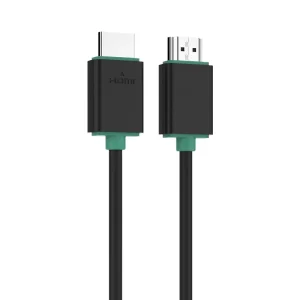
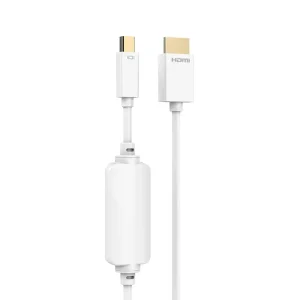
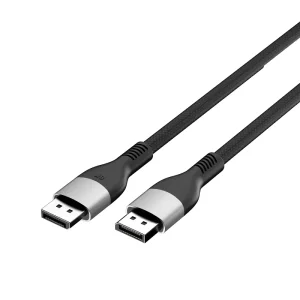
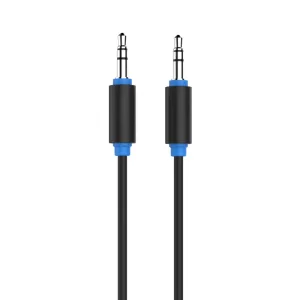
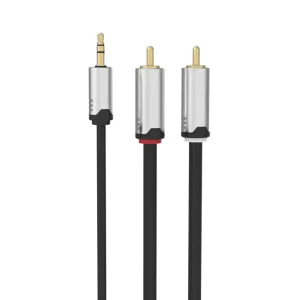
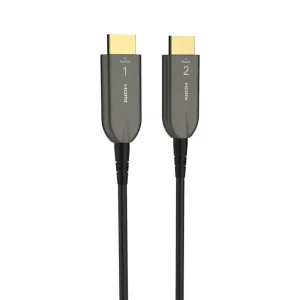
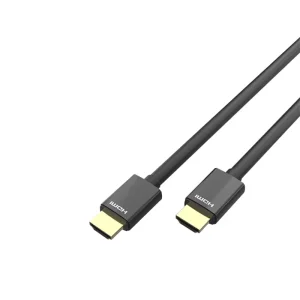
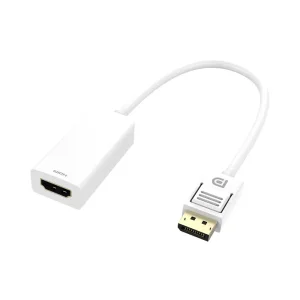
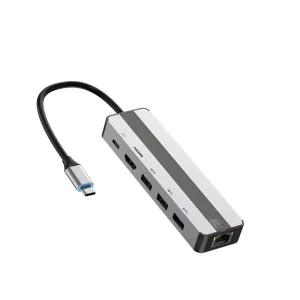
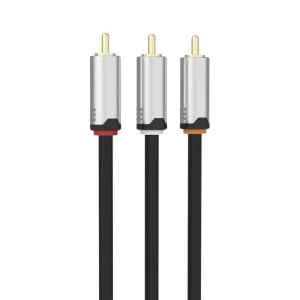
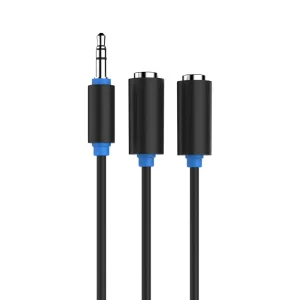
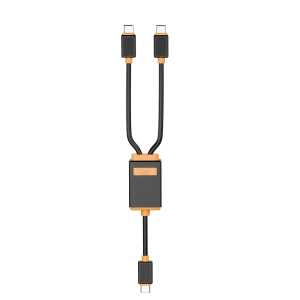
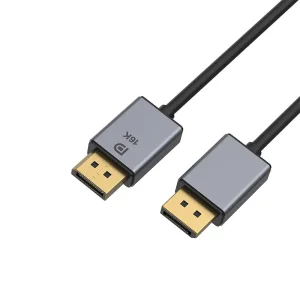
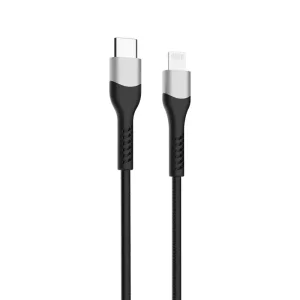
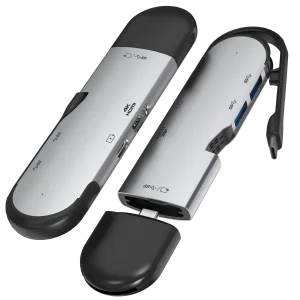
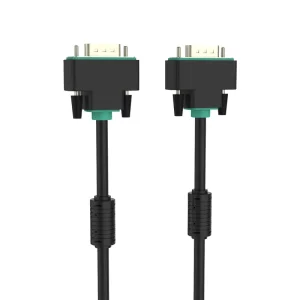
Explore our elite range of display, audio, and high-speed data transmission lines certified for rigorous industrial and commercial deployments.
While consumer electronics have rapidly shifted toward the unified USB Type-C standard, the legacy Mini USB 2.0 (Mini-B) continues to command a significant share of the global industrial, medical, and aerospace market. This persistent dominance is not a result of technological inertia, but rather a deliberate choice based on physical architectural benefits. Mini-B connectors provide a distinct tactile mechanical lock and a structural footprint that is significantly more resistant to shear stress compared to Micro-B or early Type-C iterations.
From a product life-cycle management (PLM) perspective, medical monitoring equipment, precision flight instruments, and heavy-duty CNC machinery are designed for service lifetimes exceeding 10 to 15 years. Re-engineering these devices simply to accommodate newer USB form factors introduces prohibitive testing and certification costs. Consequently, reliable manufacturing partnerships with established exporters are critical for sourcing high-integrity Mini USB 2.0 cables that meet strict signal parameters over decades of operation.
Features a robust metal shroud and physical detents that require higher extraction force than modern connectors, minimizing accidental disconnections in high-vibration systems.
Requires only 5 pins (VBUS, D-, D+, ID, GND) compared to USB-C's 24 pins, reducing signal crosstalk risks, simplifying system PCB design, and lowering manufacturing costs.
Perfect for long-lifecycle industrial architectures, laboratory analyzers, automotive OBD-II interfaces, and embedded telemetry modules.
Sourcing from a leading exporter requires understanding the core electrical and mechanical performance variables. High-end Mini USB 2.0 assemblies are designed to prevent signal degradation caused by electromagnetic interference (EMI), voltage drops over long runs, and mechanical fatigue at cable joints. Below is the technical breakdown of our factory-direct standard for commercial-grade Mini USB 2.0 cables:
| Performance Parameter | Standard Specification | Industrial Grade Enhancement |
|---|---|---|
| Transmission Speed | 480 Mbps (USB 2.0 High-Speed) | Stable 480 Mbps transmission with controlled signal attenuation |
| Conductor Sizing | 28 AWG (Data) / 24 AWG (Power) | Pure oxygen-free copper (OFC) up to 22 AWG for long runs |
| Shielding Architecture | Al-Mylar Foil + Drain Wire | Dual-layer shield with braid coverage >85% for high-noise areas |
| Connector Plating | Flash Gold Plated | 30μ" to 50μ" Gold-plated contacts to prevent oxidation |
| Insertion/Mating Cycles | 5,000 Cycles | Tested up to 10,000 insertion/extraction cycles |
| Jacket Material | Standard PVC | High-temp TPU, halogen-free (LSZH), or heavy-duty braided nylon |
For applications where power delivery is critical alongside data transfer, wire gauge selection is essential. Generic imports often use narrow conductors (e.g., 28 or 30 AWG) for power runs, which leads to voltage drop over runs exceeding 1.5 meters. By specifying 24 AWG or larger power conductors, we ensure that specialized equipment, such as external data acquisition blocks or hand-held diagnostic terminals, receive clean 5V (±5%) power up to 5 meters from the host interface.
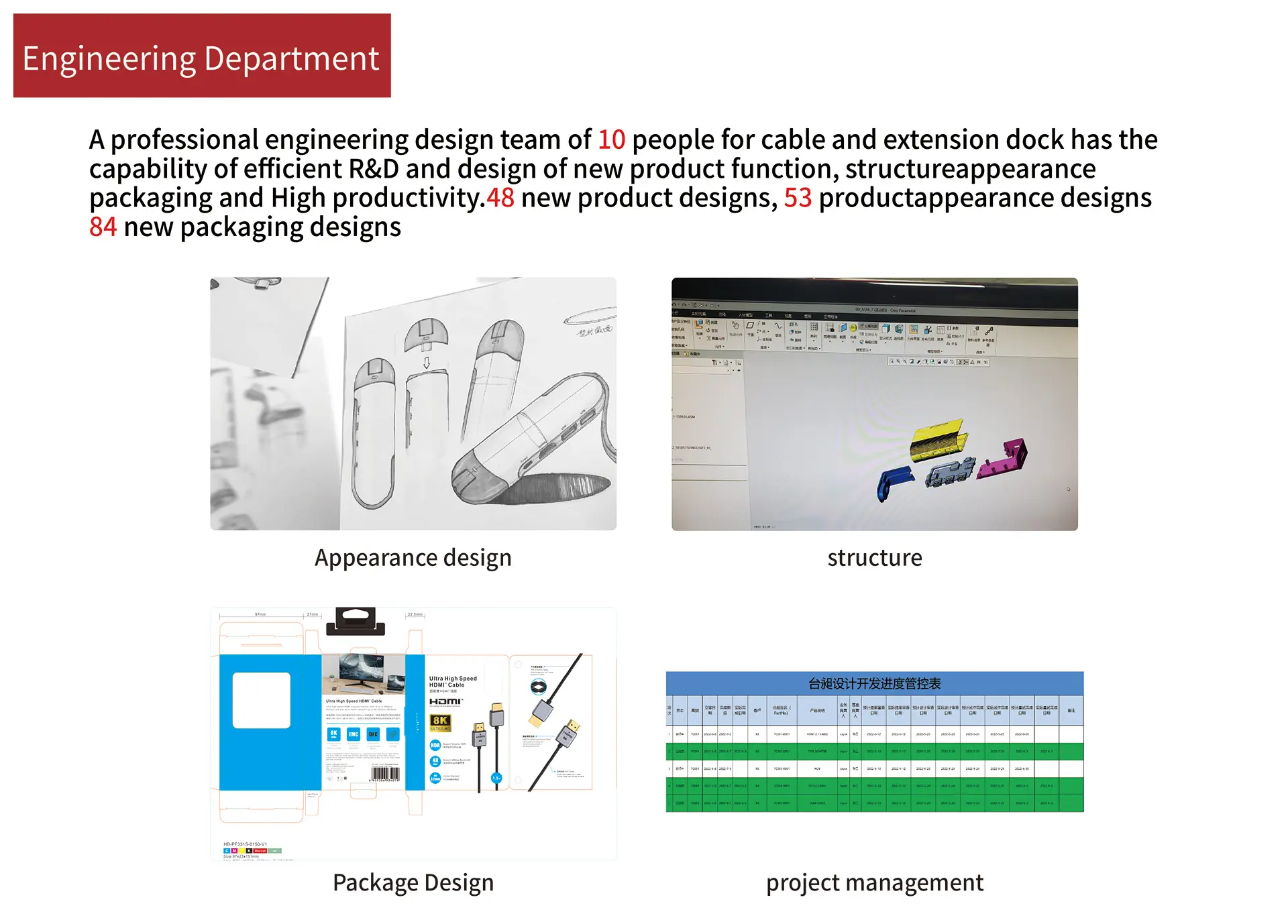
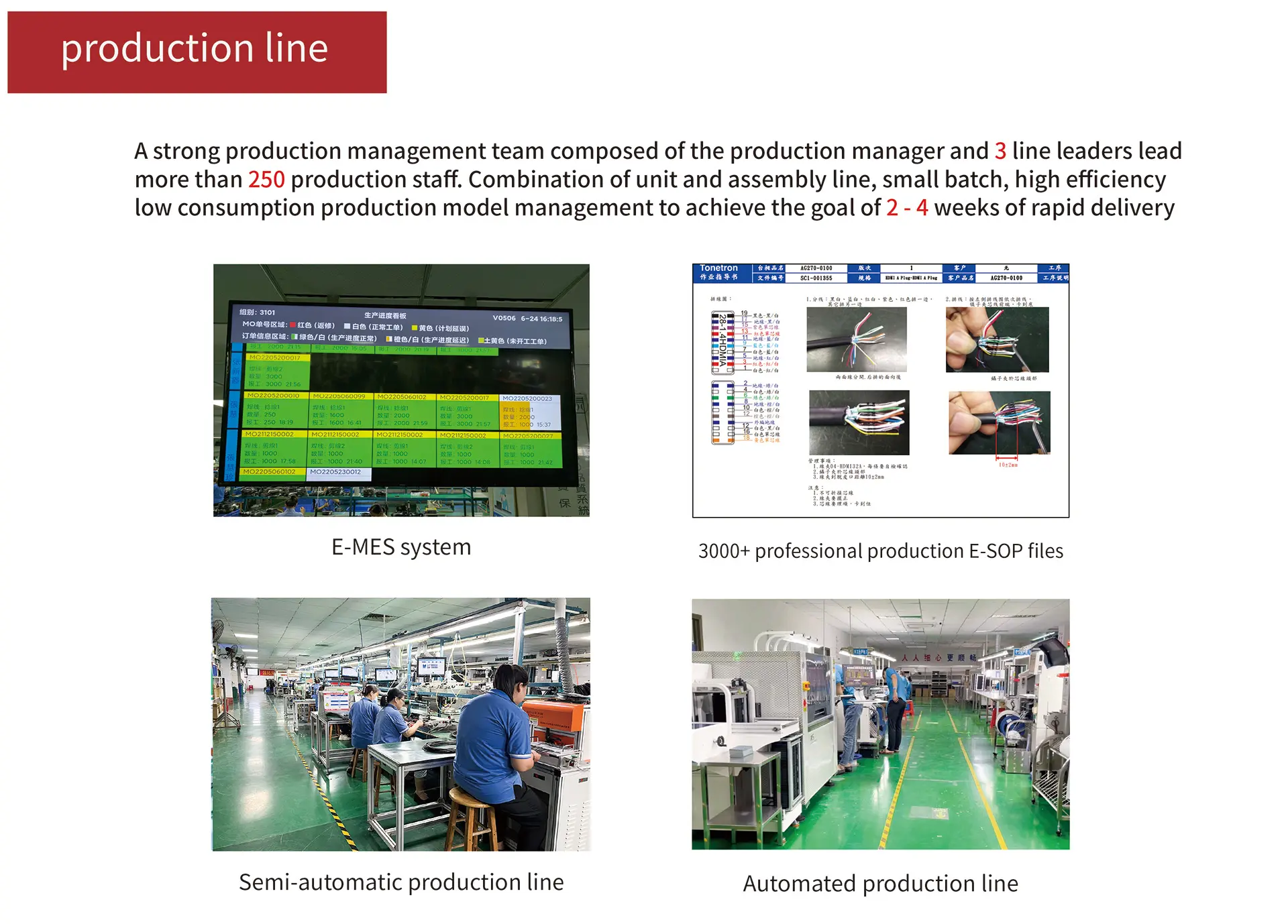
Founded in 1984 as Tonetron in Keelung, Taiwan, our organization established its reputation on precision engineering and reliable manufacturing of video and audio peripheral equipment. To expand our production capabilities and meet growing global demand, we relocated in 1993 to a self-built industrial park in Dalingshan Town, Dongguan City, China, establishing Dongguan Taitron Electronics Limited.
For nearly four decades, we have evolved from traditional cable manufacturing into a high-technology enterprise. Today, our facility engineers and produces state-of-the-art data and signal lines, including HDMI 2.1, DP 2.0, USB4, USB-C 3.1 Gen2, high-power charging cables, 8K adapters, and multi-functional expansion docks. Our specialized engineering and quality departments ensure that every run of legacy and next-generation cables meets strict performance standards for global export.

Mini USB 2.0 cables remain essential across several core global industries. Understanding these specialized use cases helps our engineering team customize cable parameters to match specific operating conditions:
Automotive GPS tracking modules, electronic logging devices (ELDs), and taxi meters rely on the secure physical fit of Mini-B ports. Our cables are engineered with high-temperature jackets to withstand vehicle engine bays and interior heat cycles.
Critical care monitors, blood glucose meters, and infusion pumps often use legacy Mini-B ports. We design medical-grade cables with anti-microbial jackets and custom shielding to prevent interference from surrounding clinical equipment.
PLC (Programmable Logic Controller) programmers and CNC controllers use Mini USB connections to load machinery profiles. Our robust industrial-grade overmolds prevent damage in dusty, oily, and high-vibration manufacturing environments.
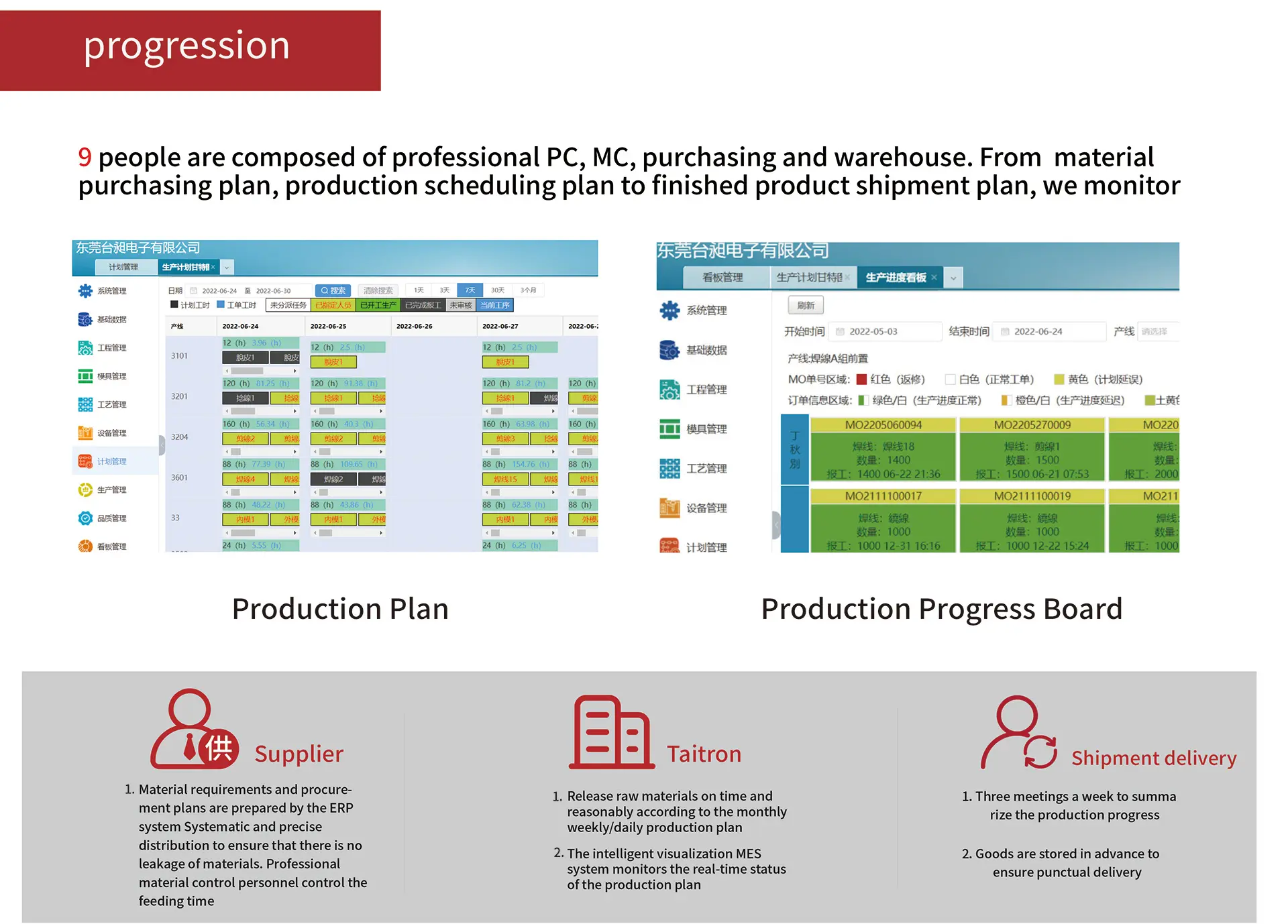
From a global logistics perspective, exporting these assemblies requires navigating regional regulatory structures. Taitron manages regional compliance requirements directly, ensuring smooth custom clearances for deliveries to North America, the European Union, the Asia-Pacific region, and Latin America.
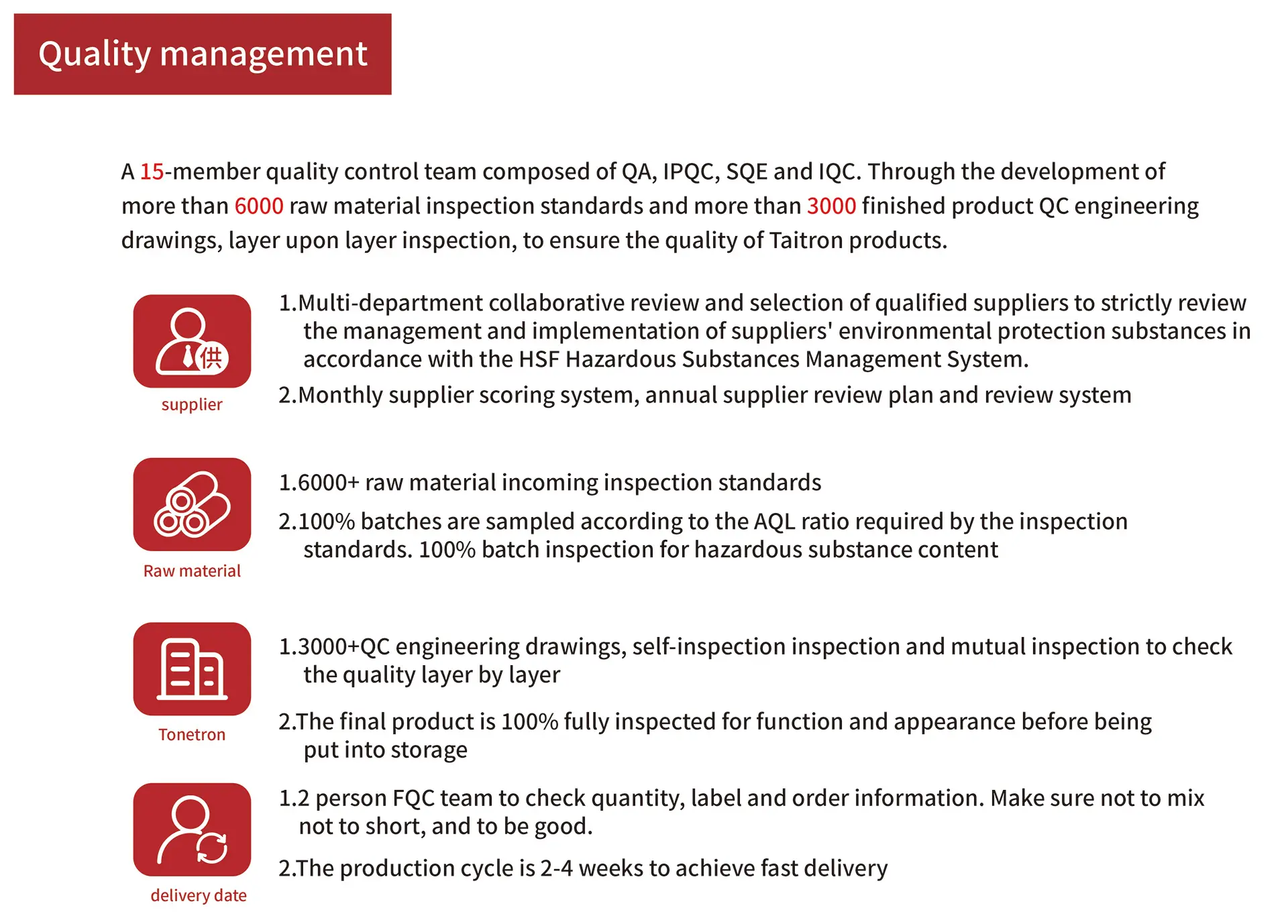
Exporting electronic components internationally requires adherence to strict regional quality and safety standards. At Taitron Electronics, we implement rigorous validation protocols for every batch of cables leaving our Dongguan production facility:
As industrial automation incorporates modern machine learning and IoT sensors, the standard USB 2.0 physical layer must adapt. Taitron’s R&D department is focused on future-proofing these legacy connections through modern materials science:
We are developing active transceivers inside the connector mold. These smart connectors boost signal voltage over runs up to 10 meters, exceeding standard USB 2.0 specifications without requiring inline active repeater blocks.
For outdoor deployment, marine instrumentation, and washdown zones in food processing, standard Mini-B connectors are susceptible to fluid ingress. We offer waterproof Mini USB 2.0 variants with bayonet-style locking collars and integrated silicone gaskets, ensuring dust-tight, moisture-proof operations.
Traditional copper braided shielding can fatigue under continuous bending, such as in robotic pick-and-place arms. By incorporating conductive carbon-fiber shield elements, we maintain high EMI protection while extending the cable's flex life to millions of cycles.
Explore our high-performance hubs, multi-charger cables, and video signal adaptors manufactured to the highest international quality standards.
 Taichang Electronic