Industrial-grade interconnect components optimized for enterprise environments, custom hubs, and high-performance setups.
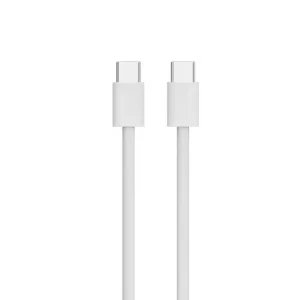
In the current high-frequency electronic manufacturing landscape, the nomenclature surrounding Type-C connections is often misunderstood. While consumer focus resides strictly on high-bandwidth protocols such as USB4, USB 3.2, and Thunderbolt 4, global enterprise procurement demands paint a completely different picture. The USB-C 2.0 protocol remains the ultimate backbone of industrial control, smart charging, human interface devices (HID), and highly customized IoT modules.
By stripping away the unnecessary high-frequency signaling lanes (SSTX/SSRX differential pairs), USB-C 2.0 significantly mitigates Electromagnetic Interference (EMI), simplifies circuit designs, and decreases board footprint requirements. For global procurement officers, this translates to massive savings in manufacturing overhead and optimized unit costs without compromising structural build quality or power delivery efficiency.
Founded originally in 1984 in Keelung, Taiwan under the name Tonetron, the company laid down a robust foundation in specialized connection assemblies. Recognizing the strategic shift in the global hardware supply chain, the enterprise relocated in 1993 to a self-built, independent production industrial park located in Dalingshan Town, Dongguan City, China, formalizing its name as Dongguan Taitron Electronics Limited.
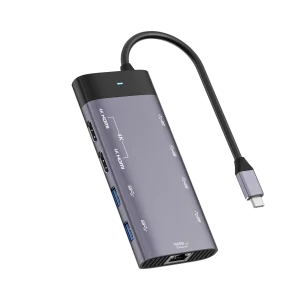
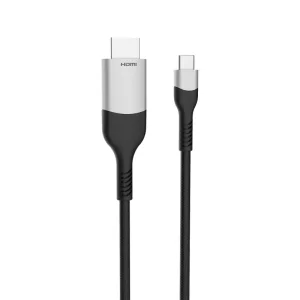
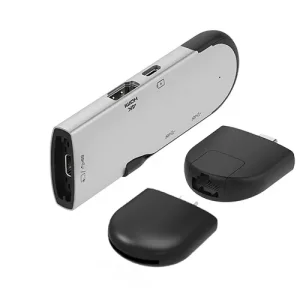
For over 38 years, our development core has been built on professional audio and video peripheral connection architectures. From these rich roots, we have systematically expanded into state-of-the-art consumer and industrial interfaces, implementing R&D programs for DP 2.0, HDMI 2.1, USB4, USB-C 3.1 Gen 2 high-frequency interfaces, robust Power Delivery (PD) charging platforms, 8K converter adapters, and modular hub docking systems.
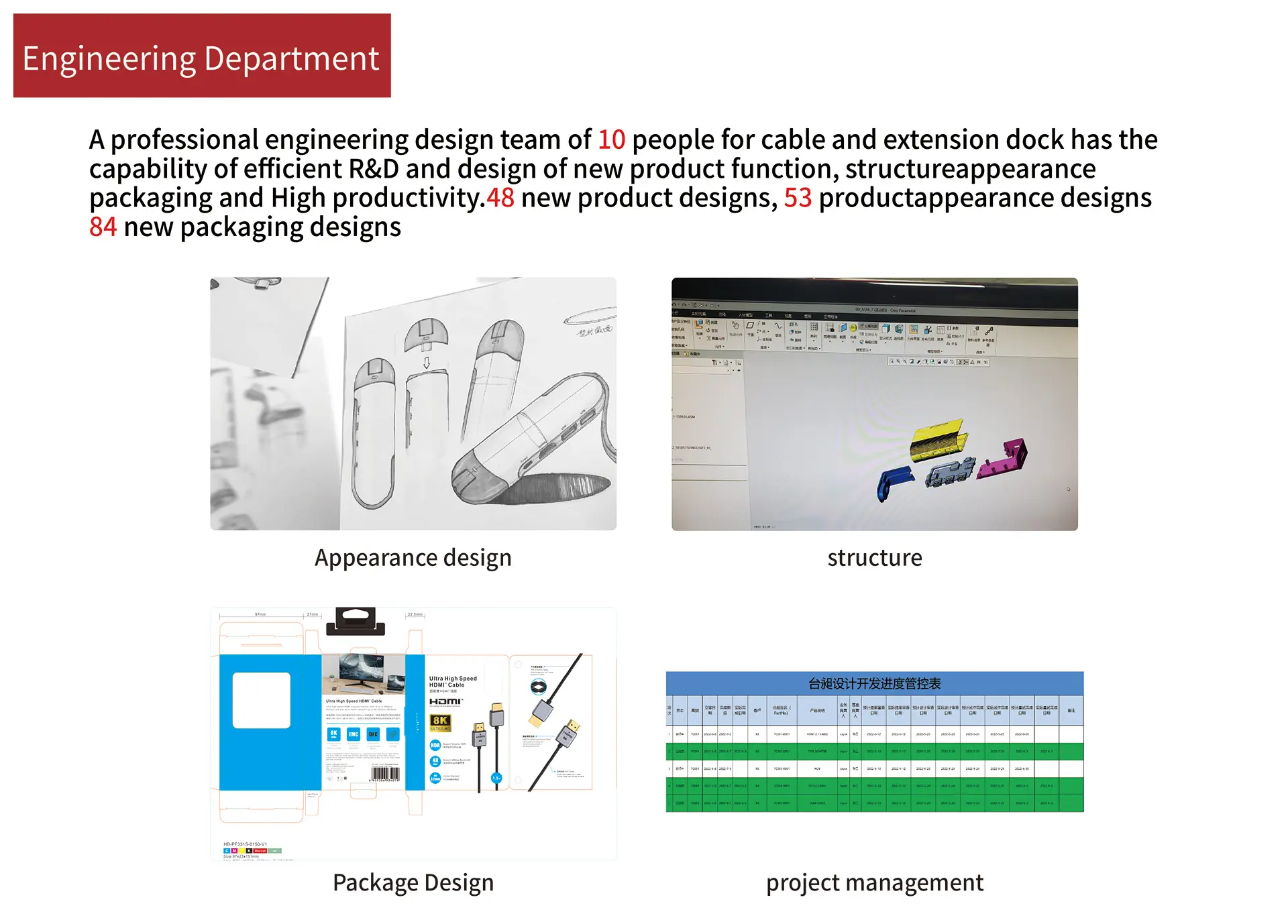
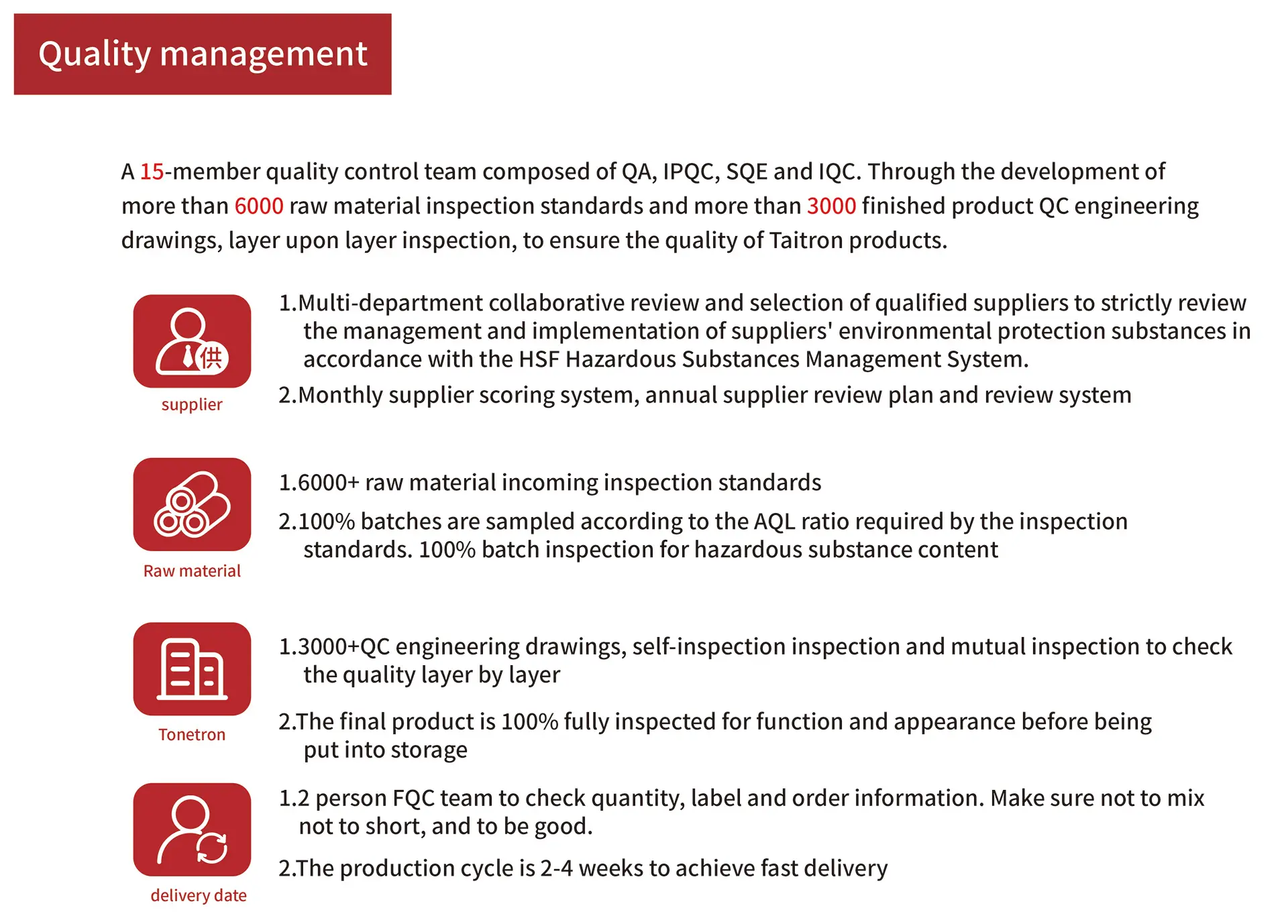
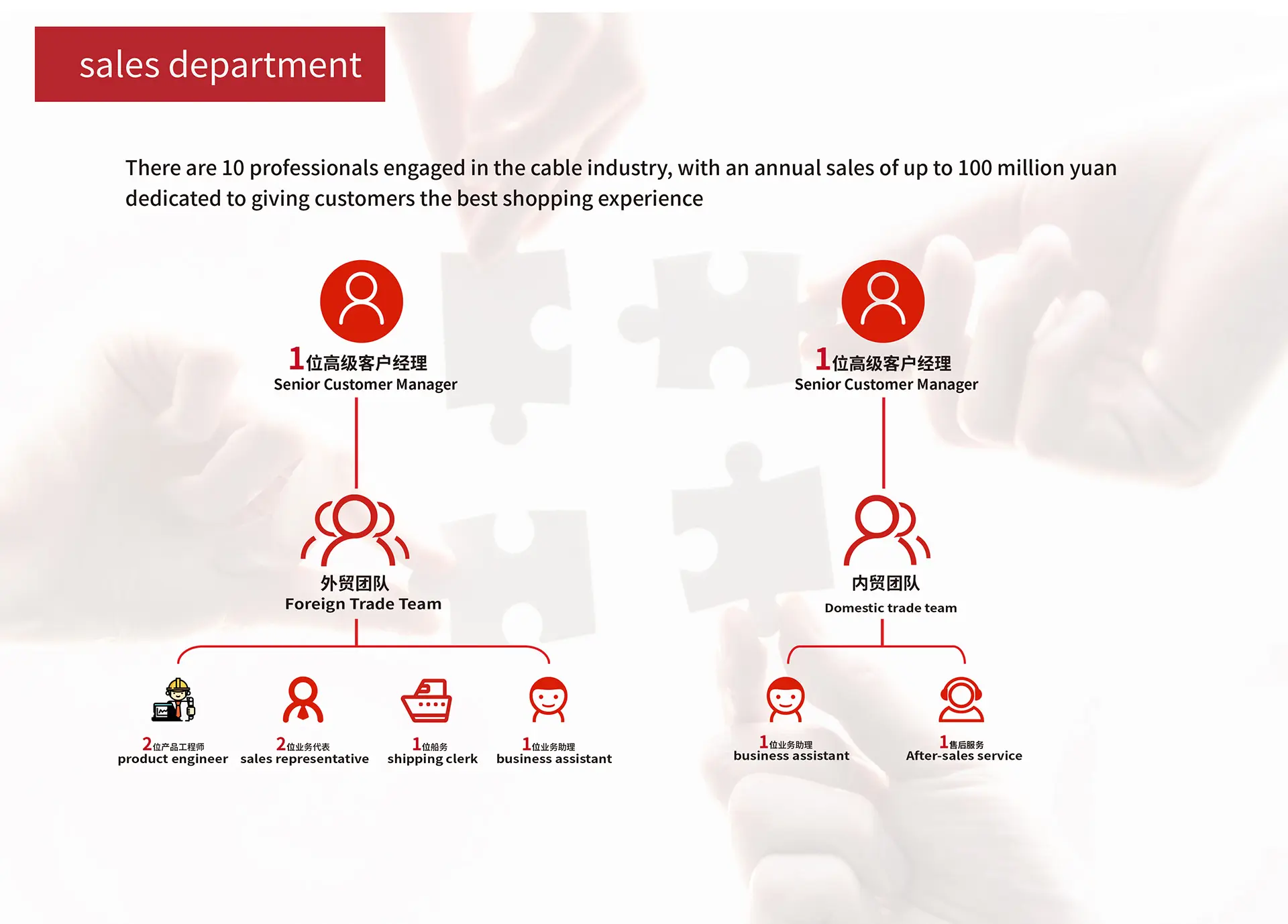
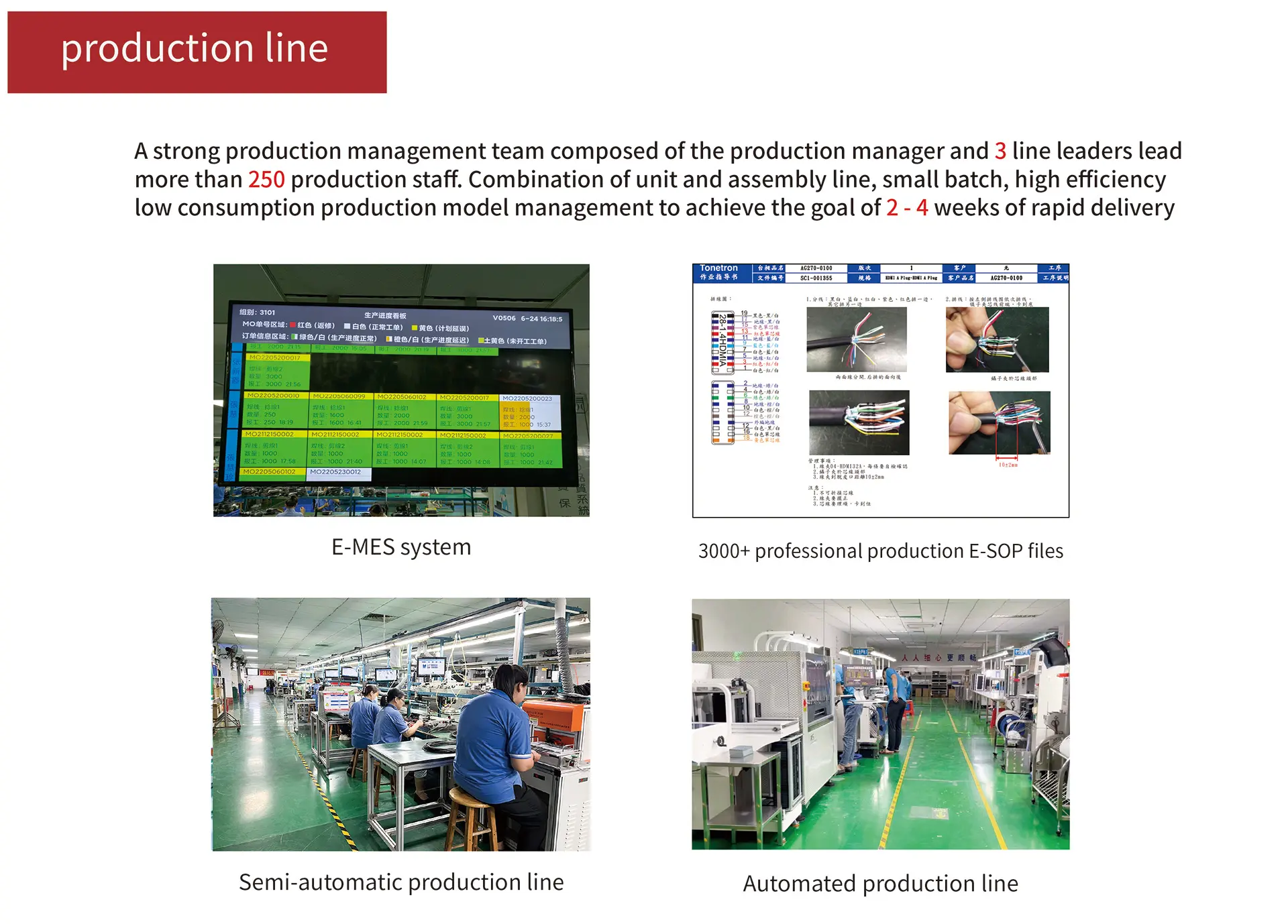
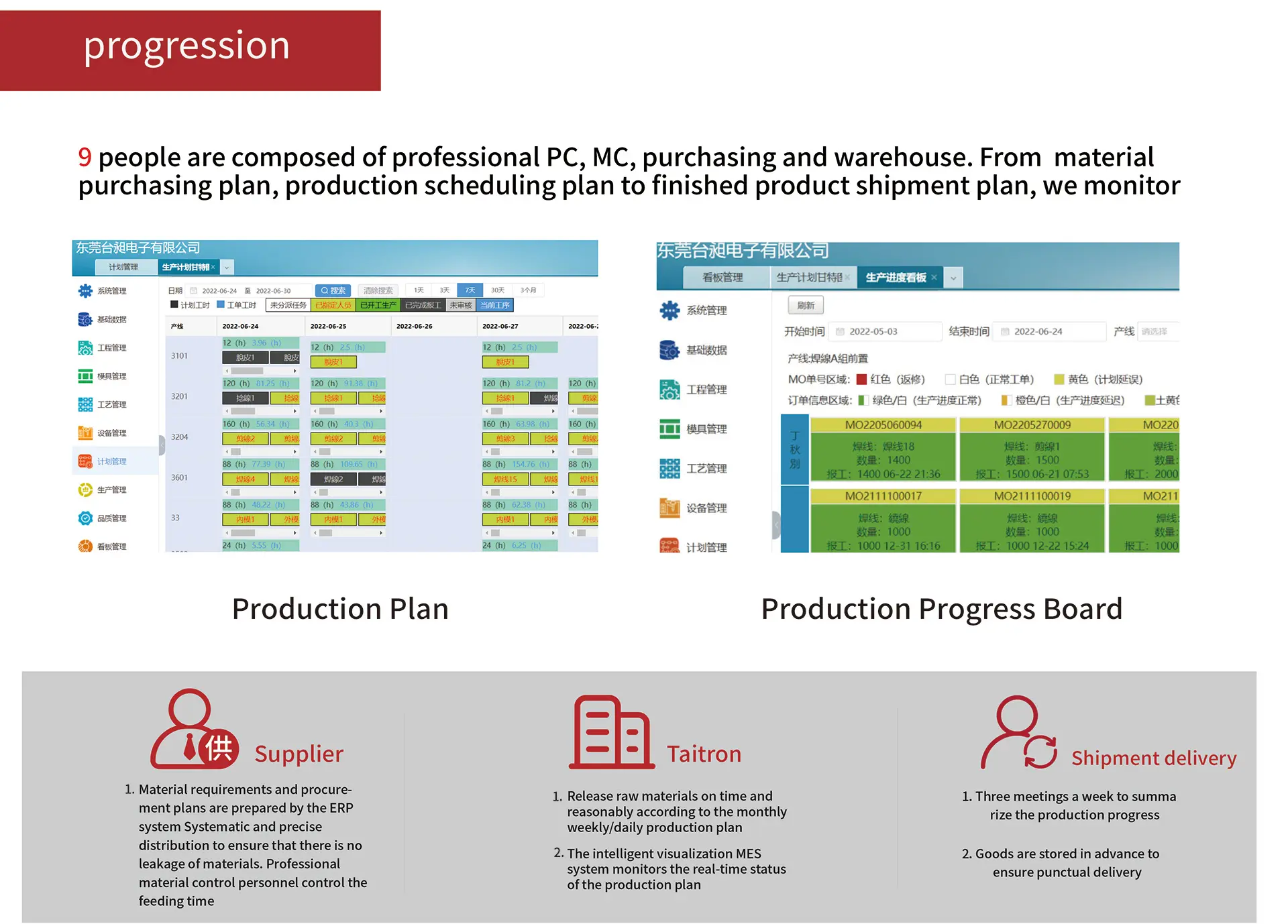
How our localized geographic advantages translate directly to optimized B2B procurement pipelines.
Dalingshan is situated in the epicenter of the global electronic manufacturing corridor. Within a 10km radius, our facility sources hyper-pure electrolytic copper, medical-grade TPE/PVC compounds, advanced connector housings, and high-quality silicon controllers. This negates inter-province logistical lag times.
Taitron implements high-throughput modular assembly terminals, utilizing automatic soldering, automated vision system alignment, and integrated inner-mold overmolding injection machines. Human error is systemically removed from critical wire-to-contact joints.
Our Dongguan headquarters maintains ISO9001:2015, ISO14001:2015, and BSCI auditing. Every batch of USB-C 2.0 and HDMI components undergoes physical strain-relief pull testing, environmental chamber tests, salt-spray corrosion analysis, and complex eye-diagram signal integrity validation.
We customize our engineering output to support cross-industry ecosystems requiring reliable power and data distribution.
Point-of-Sale structures require combined charging and low-latency peripherals (barcode readers, dynamic display poles, thermal printers). Standardizing on USB-C 2.0 with a reinforced power delivery profile eliminates multiple power supply bricks and creates streamlined, reliable counters.
Vehicular connectivity demands exceptional mechanical life-cycles. Taitron engineers vehicle-grade USB-C to USB-A assemblies with customized shielding designed to resist typical alternator whine and engine-induced electrical interference, while guaranteeing quick device recharging cycles.
Patient monitors and handheld diagnostics utilize USB-C 2.0 for its physical locking options and ease of sterilization. By utilizing medical-grade custom outer jackets (TPU/Silicone), Taitron provides cables resistant to chemical degradation from hospital sterilization reagents.
For automated factory sensors communicating over modbus or industrial Ethernet protocols, Type-C 2.0 acts as a clean, standardized diagnostic port. It eliminates custom proprietary pins, saving field support time during maintenance routines.
Quantifiable evidence of our manufacturing capacity, global reach, and engineering excellence.
Strategic variables that impact bulk pricing lists for industrial-grade USB-C 2.0 connectors.
| Cable Configuration Type | Common Application Matrix | Material Core Specs | Target FOB Price (Based on Volume) |
|---|---|---|---|
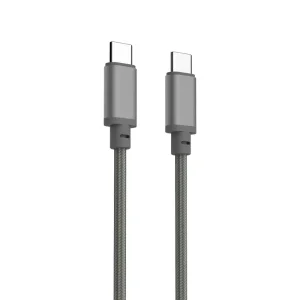
| USB-C to USB-C 2.0 (Standard) | IoT devices, Smart charging hubs, Peripherals | TPE Jacket, 28AWG Data / 22AWG Power | $0.45 - $1.20 |
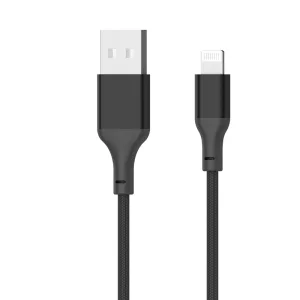
| USB-A to USB-C 2.0 (Reinforced) | POS units, Legacy server ports, Adapters | Braided Nylon, Aluminum Shell, Nickel contacts | $0.60 - $1.50 |
| High-Power PD 2.0 (PD100W/PD60W) | Notebook power, Fast charge power stations | Integrated E-Marker Chipset, Double Shielded | $1.10 - $2.80 |
| Automotive Shielded USB-C 2.0 | Car dashboard consoles, infotainment centers | VW-1 Flame retardant, High-temp shielding | $1.50 - $3.50 |
Note on Sourcing Factors: Final FOB prices fluctuate according to daily LME Copper pricing indexes, wire gauge adjustments (AWG), customized overmold tool developments, packaging variations, and regulatory certification requirements (CE, FCC, RoHS, REACH, UL).
How evolving standards and regulatory compliance reshape procurement strategies.
The European Union's universal charging framework requires electronic consumer devices (smartphones, e-readers, headphones, digital cameras) to support a Type-C connector port. This directive makes USB-C 2.0 a mandatory baseline component for global micro-electronic manufacturers.
Green initiatives require substituting classic PVC jackets with PCR (Post-Consumer Recycled) plastics or Bio-TPE compounds. Taitron offers bio-based sheath coatings that degrade efficiently in compost facilities while matching original tensile strength parameters.
Direct technical clarification regarding manufacturing choices, configurations, and logistics.
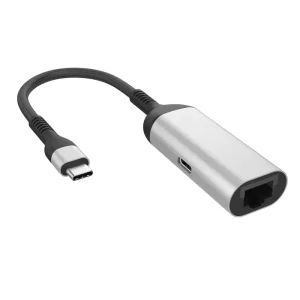
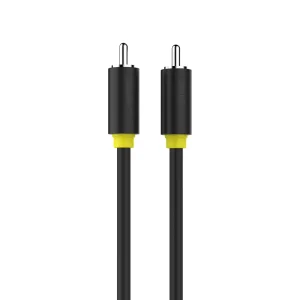
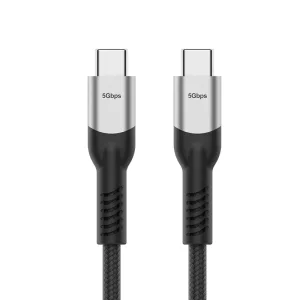
Additional adapters, interface converters, and specialized cabling platforms ready for global supply chains.
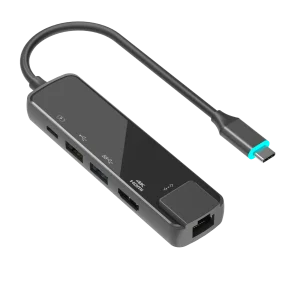
 Taichang Electronic