Explore our leading selection of engineered OEM/ODM solutions, built for maximum signal integrity, compliance, and industrial durability.
Years Manufacturing Experience
Fluke & Signal Integrity Tested
Global Export Regions
Certified Production Facility
An analysis of why legacy network infrastructure transition is accelerating the demand for USB Ethernet adapters across enterprise environments.
In modern enterprise architecture, the physical footprint of computing hardware is progressively shrinking. Ultrabooks, slim tablets, and low-profile industrial terminals have systematically removed the native RJ45 Ethernet port. Yet, enterprise networks still require physical connection reliability, high bandwidth, low latency, and defense against wireless sniffing.
This structural paradigm shift has elevated the USB NIC (Network Interface Card) from a simple peripheral accessories category to a critical infrastructure component. The global market is seeing massive growth, driven by standardizations of USB-C, USB4, and the commercialization of multi-gigabit (2.5GbE/5GbE/10GbE) networks. Today’s systems rely on USB Network Interfaces for server management, IoT gateway provisioning, high-resolution media creation, and localized secure network access.
To sustain these demands, B2B procurement managers look for manufacturers capable of handling massive production volumes with strict tolerance control, ESD (electrostatic discharge) safety standards, and robust chipsets (such as Realtek, ASIX, and Intel PHYs).
Physical security policies prevent wireless access to core banking and healthcare databases. A dedicated USB Ethernet adapter provides a traceable, MAC-address controlled entry point that integrates with active corporate firewall architectures without sacrificing host performance.
How local infrastructure integration drives cost optimization and uncompromising reliability.
Equipped with high-speed surface mount technology (SMT) lines to place micro-controllers, power management ICs, and passive components with trace accuracy, reducing manufacturing defects below 50 PPM.
Based in Dalingshan Town, Dongguan, our facility relies on local copper wire drawing, CNC aluminum alloy machining, and polymer extruders to minimize lead times for bespoke OEM configurations.
Every batch undergoes TDR (Time Domain Reflectometry) testing, signal attenuation sweeps, and cyclic mechanical strain testing to ensure optimal signal integrity under industrial environments.
Deploying USB network interface cards and specialized docking stations where wireless transmission fails to meet standards.
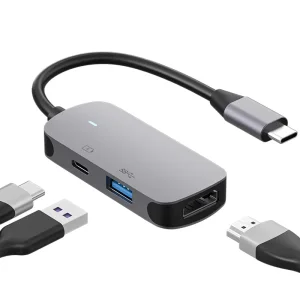
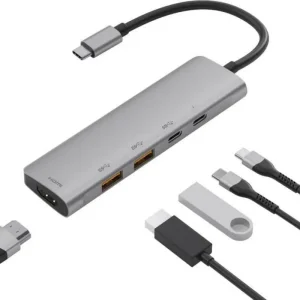
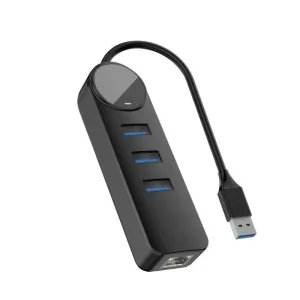
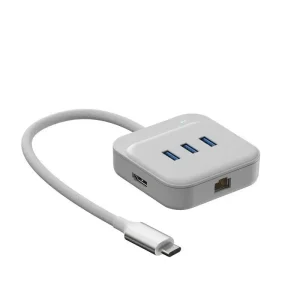
Modern agile offices use our USB-C Multi-port Docking Stations to supply unified 4K display outputs, power delivery (PD), and gigabit wired connectivity via a single plug-and-play port.
Connecting legacy PLC controllers and sensory matrices to decentralized processing compute boxes requires rugged USB NIC interfaces to insulate circuits from heavy industrial EMI/RFI.
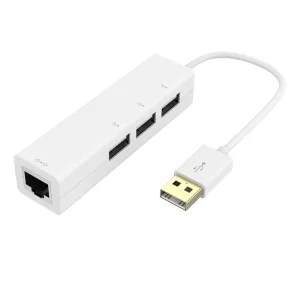
IT administrators utilize compact USB-C to RJ45 network adapters to configure bare-metal servers, bypass locked internal network controllers, and manage out-of-band diagnostics.
High-security financial structures require hardwired connections. Using specialized USB adapters with locked MAC addresses isolates financial processing networks from standard corporate networks.
From USB 3.0 to USB4: Hardware architectures are evolving to meet faster bandwidth and power delivery requirements.
| Interface Specification | Max Theoretical Bandwidth | Optimal Ethernet Capacity | Primary Controller ICs | Industrial Application Focus |
|---|---|---|---|---|
| USB 3.0 / USB 3.1 Gen 1 | 5 Gbps | 1 Gbps (1000 Mbps) | RTL8153 / AX88179 | Legacy office workstations, POS terminals, IoT deployment. |
| USB 3.1 Gen 2 / Type-C | 10 Gbps | 2.5 Gbps / 5 Gbps | RTL8156B / AQC111C | High-speed NAS storage arrays, local virtualization setups. |
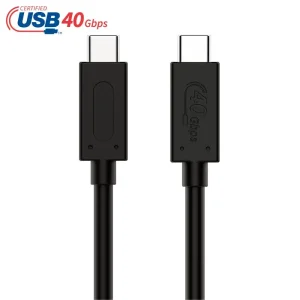
| USB4 / Thunderbolt 4 | 40 Gbps | 10 Gbps (10GBASE-T) | AQC113CS / Intel I225-V | Enterprise storage backend, professional 4K/8K production rigs. |
Dongguan Taitron Electronics Limited — A legacy of quality manufacturing and custom hardware design.
In 1984, Dongguan Taitron Electronics Limited., formerly known as Tonetron, was founded in Keelung, Taiwan. In 1993, it moved to the self-built independent production industrial park in Dalingshan Town, Dongguan City, China, and changed its name to Dongguan Taitron Electronics Limited.
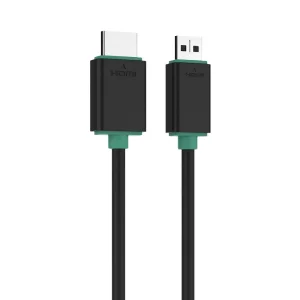
For 38 years, our foundation has been built upon professional video and audio peripheral equipment connection line manufacturing. We have gradually developed into high-end audio and video cable data cables, including HDMI 2.1 cables, DP 2.0 cables, USB4 data cables, USB-C 3.1 Gen2 data cables, high-power USB charging cables, 8K HD conversion cables, and multi-functional Type-C expansion docks.
Our commitment to rigorous engineering and client customization makes us a trusted OEM/ODM partner for technology brands worldwide. By controlling development from raw conductor extrusion to secondary overmolding, we guarantee that all network adapters and signal cables maintain stable parameters under continuous loads.
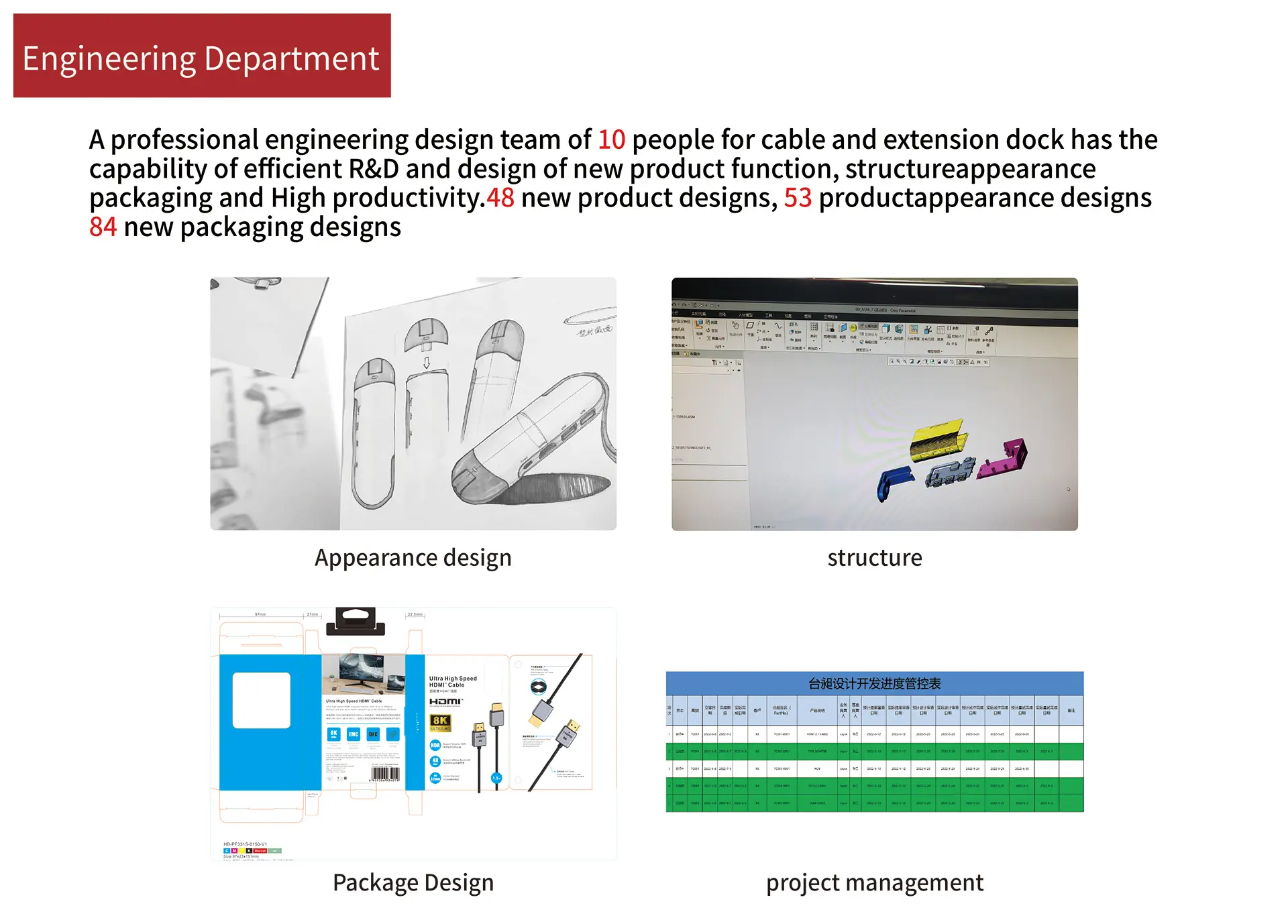
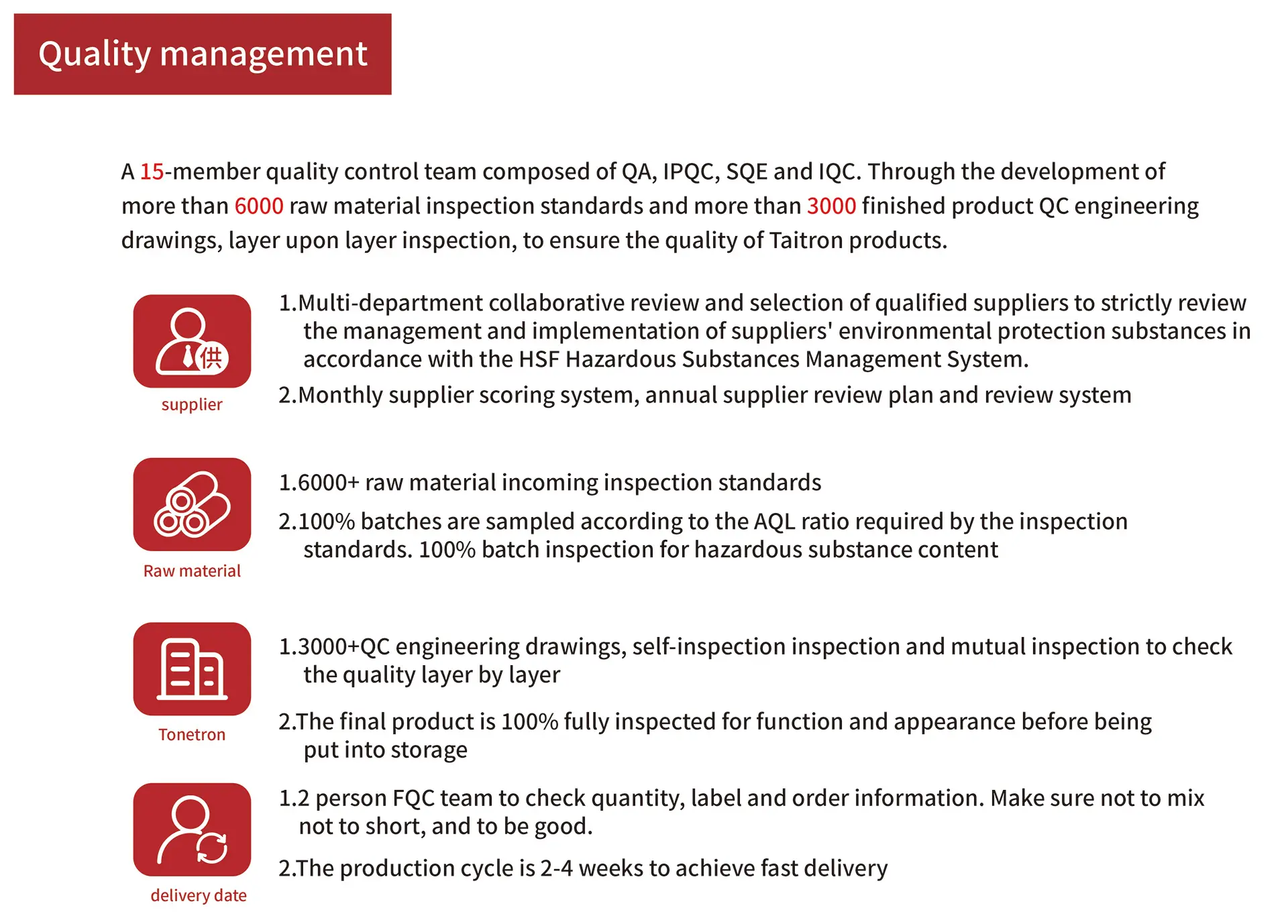

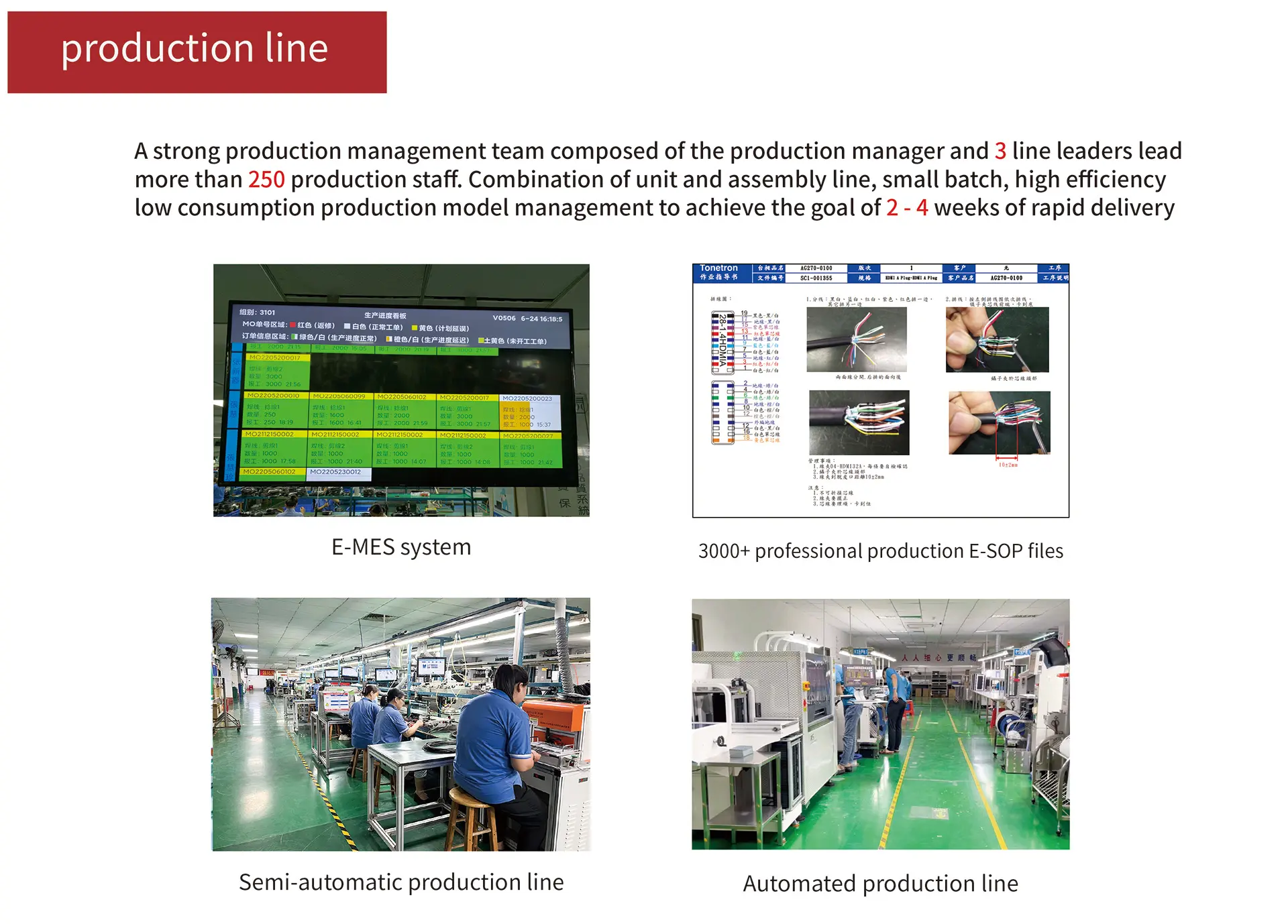
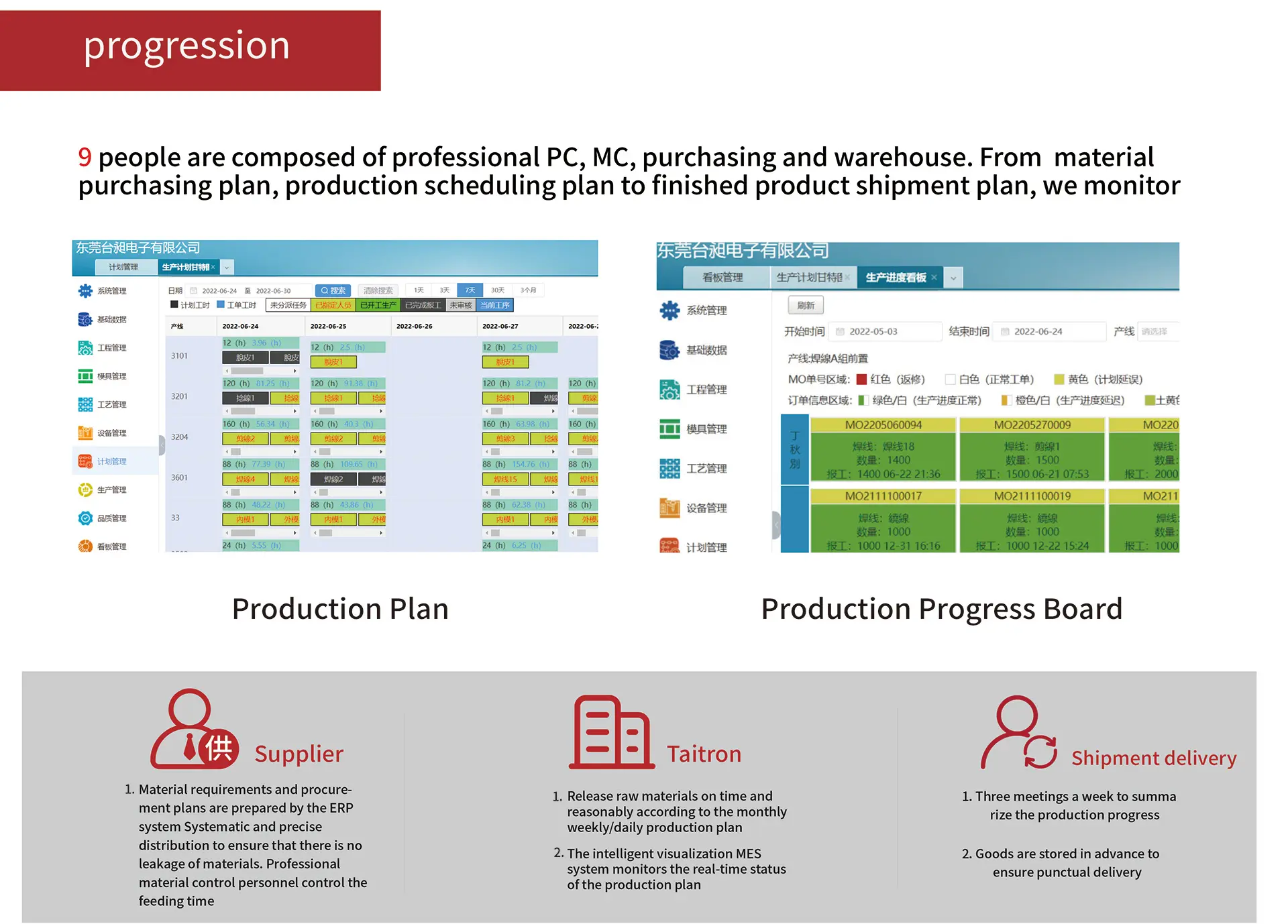
Answers to technical and commercial queries concerning USB NICs and custom cable manufacturing.
The primary performance bottlenecks are the internal controller IC, the USB bus specification, and driver efficiency. For instance, using a USB 3.0 host port limits total bandwidth to 5Gbps. If a 10GbE network controller is integrated, it will be limited by the USB port's maximum data rate. Thermal management is also critical; high-performance NICs require aluminum enclosures to disperse heat, avoiding thermal throttling under heavy, continuous network loads.
USB 3.0 transmissions run at a frequency that can cause electromagnetic interference (EMI) around the 2.4GHz band, impacting nearby Bluetooth and Wi-Fi networks. To prevent this, our USB NICs use internal tinplate shielding, multi-layered PCB ground planes, and high-density copper braid overmolding for the interconnect cable, keeping RF radiation below FCC Class B regulatory thresholds.
For custom ODM projects (involving bespoke PCB layouts, housing tooling, or distinct materials), the design phase takes 2 to 3 weeks, tooling requires 25 to 30 days, and mass production takes 30 to 45 days. The typical Minimum Order Quantity (MOQ) ranges from 1,000 to 3,000 units per model, depending on the customization required for the connectors, cables, or packaging.
Yes, all of our USB NICs utilize ASIX or Realtek controllers that feature built-in hardware driver support across contemporary operating systems, including Windows 10/11, macOS, Linux kernels 3.x+, and ChromeOS, enabling true plug-and-play installation without requiring active internet access for driver downloads.
Expand your deployment capabilities with our high-grade converters, adapters, and interface solutions.
 Taichang Electronic