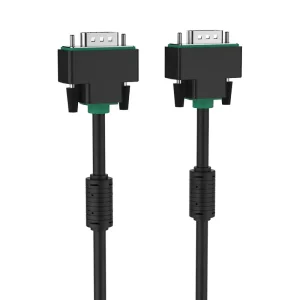
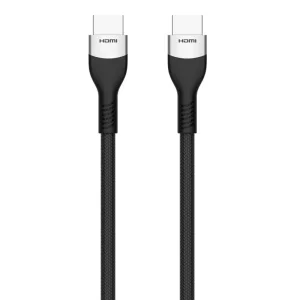
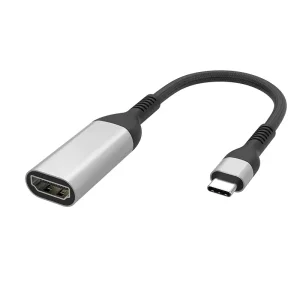
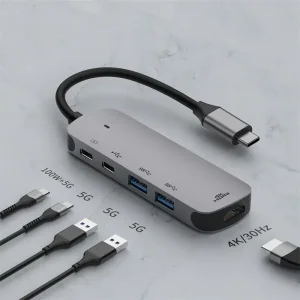
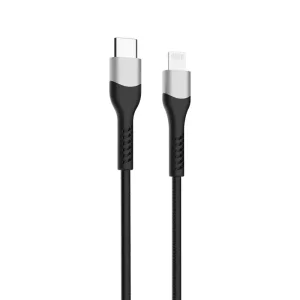
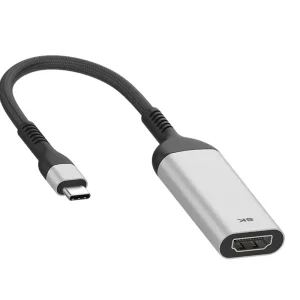
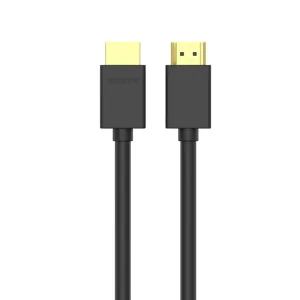
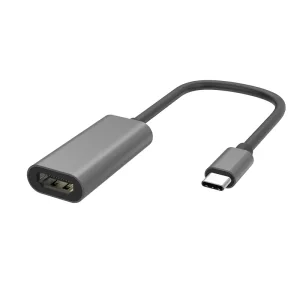
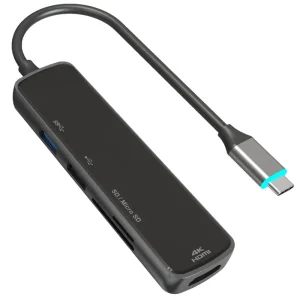
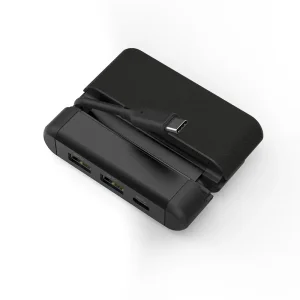
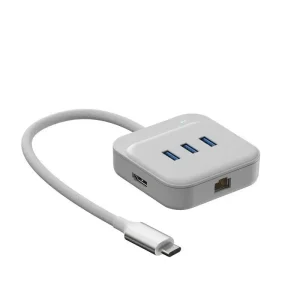
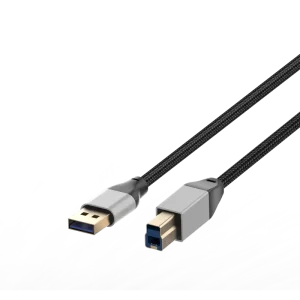
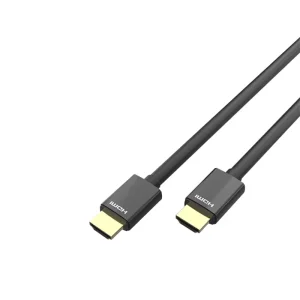
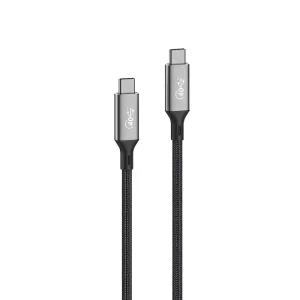
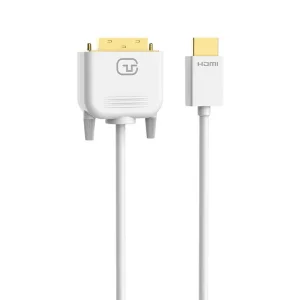
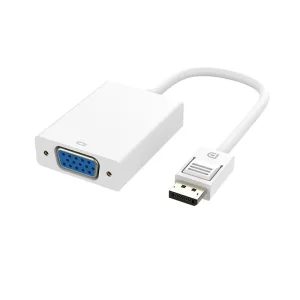
Explore our industrial-grade, certified adapters and transmission cables engineered for multi-protocol networks and high-frequency data applications.
Analyzing physical-layer transceiver protocols, signal integrity challenges, and hardware localization frameworks.
As thin-client computing, ultra-portable enterprise laptops, and mobile work environments continue to dominate the modern business landscape, the integrated physical RJ45 Ethernet port has largely vanished from device footprints. While wireless networks offer physical mobility, they introduce signal attenuation, spectral congestion, high latency, and vulnerability to RF sniffing. For high-security environments, data centers, trading floors, and automated industrial arrays, physical cable access is still the gold standard. A high-speed USB-to-Ethernet adapter is no longer just a simple dongle; it is a critical interface element that bridges the gaps between different processing units and networks.
From an OEM and ODM manufacturing standpoint, engineering these devices requires deep knowledge of complex transceiver protocols. Today's commercial network standard has evolved from classic Fast Ethernet (10/100 Mbps) to Gigabit Ethernet (10/100/1000 Mbps), and now to high-performance Multi-Gigabit (2.5G/5G/10G) ethernet standards. As standard network links increase in bandwidth, the interface hardware must support high transmission speeds without creating bottlenecks, experiencing packet drops, or overheating under full duplex operation.
Utilizing high-end IC chipsets like the Realtek RTL8156B or ASIX AX88179 to provide native, driverless operating system compatibility and hardware-level packet offloading.
Using premium multi-layer PCB stack-ups, aluminum-mylar foils, and high-density tinned copper braiding to isolate high-frequency differential USB data lines from 2.4GHz Wi-Fi radiation.
Housing internal components in custom anodized aluminum shells and integrating high-conductivity thermal silica pads to prevent thermal throttling during heavy packet routing.
B2B procurement agents face multiple complex challenges when evaluating global suppliers. The main concern is ensuring physical layer stability under high-speed data loads. Simple, cheap USB-to-Ethernet adapters often suffer from packet dropouts, interface resets, or speed downgrades after a few hours of operation. This is usually caused by inadequate thermal dissipation, poor firmware optimization, or low-cost IC selections that fail under thermal stress.
Professional ODM custom designs solve these issues by optimizing the printed circuit board (PCB) design and adding dynamic power management. By utilizing IEEE 802.3az (Energy-Efficient Ethernet), the adapter reduces power consumption during periods of low data activity, minimizing heat generation. Furthermore, robust electrostatic discharge (ESD) protection diodes are implemented on all critical data lanes, shielding the internal components from high-voltage spikes during hot-plugging sequences in enterprise workspaces.
For custom ODM projects, corporate buyers require branding options that go beyond basic screen-printed logos. Standard customizations include tailoring the USB Vendor ID (VID) and Product ID (PID). This allows enterprise clients to whitelist specific network hardware using internal endpoint security systems. Standard consumer products cannot be white-listed in this way, making custom VID/PID configurations essential for secure corporate, governmental, and financial networks.
Additionally, structural configurations must meet specific application needs. A network engineer might require a rugged metal dongle with a flexible, strain-relief braided cord to withstand frequent dynamic use. In contrast, a system integrator building a self-service kiosk may require a direct plug-in, ultra-compact profile to fit within tight spatial limits. Reliable ODM suppliers offer customized mechanical enclosures, tailored cable lengths, and custom-braided cables to match various device architectures.
Our 38-year manufacturing legacy, from precision audio-video systems to state-of-the-art high-bandwidth interfaces.
In 1984, Dongguan Taitron Electronics Limited., formerly known as Tonetron, was founded in Keelung, Taiwan. In 1993, the company moved to its self-built independent production industrial park in Dalingshan Town, Dongguan City, China, changing its official name to Dongguan Taitron Electronics Limited.
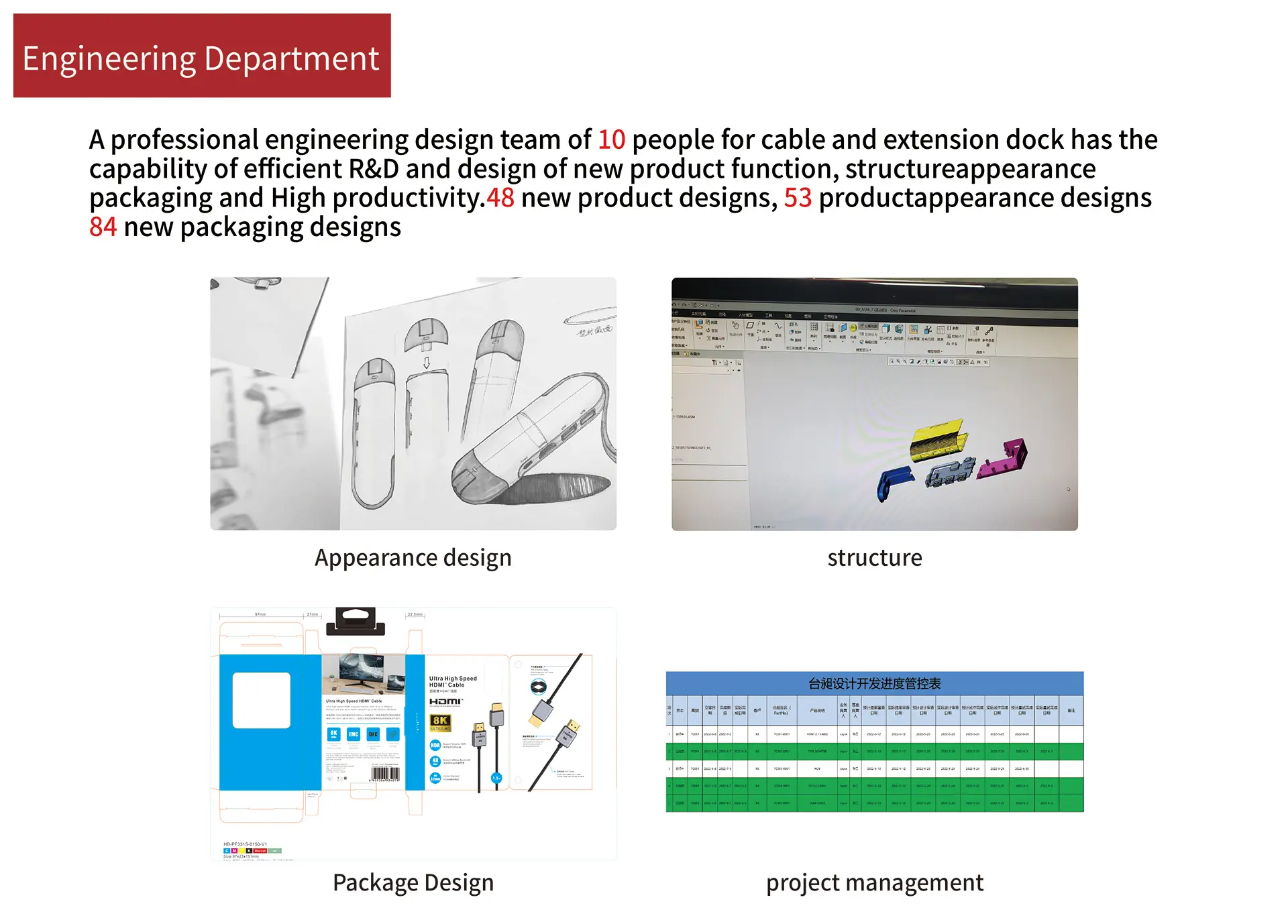
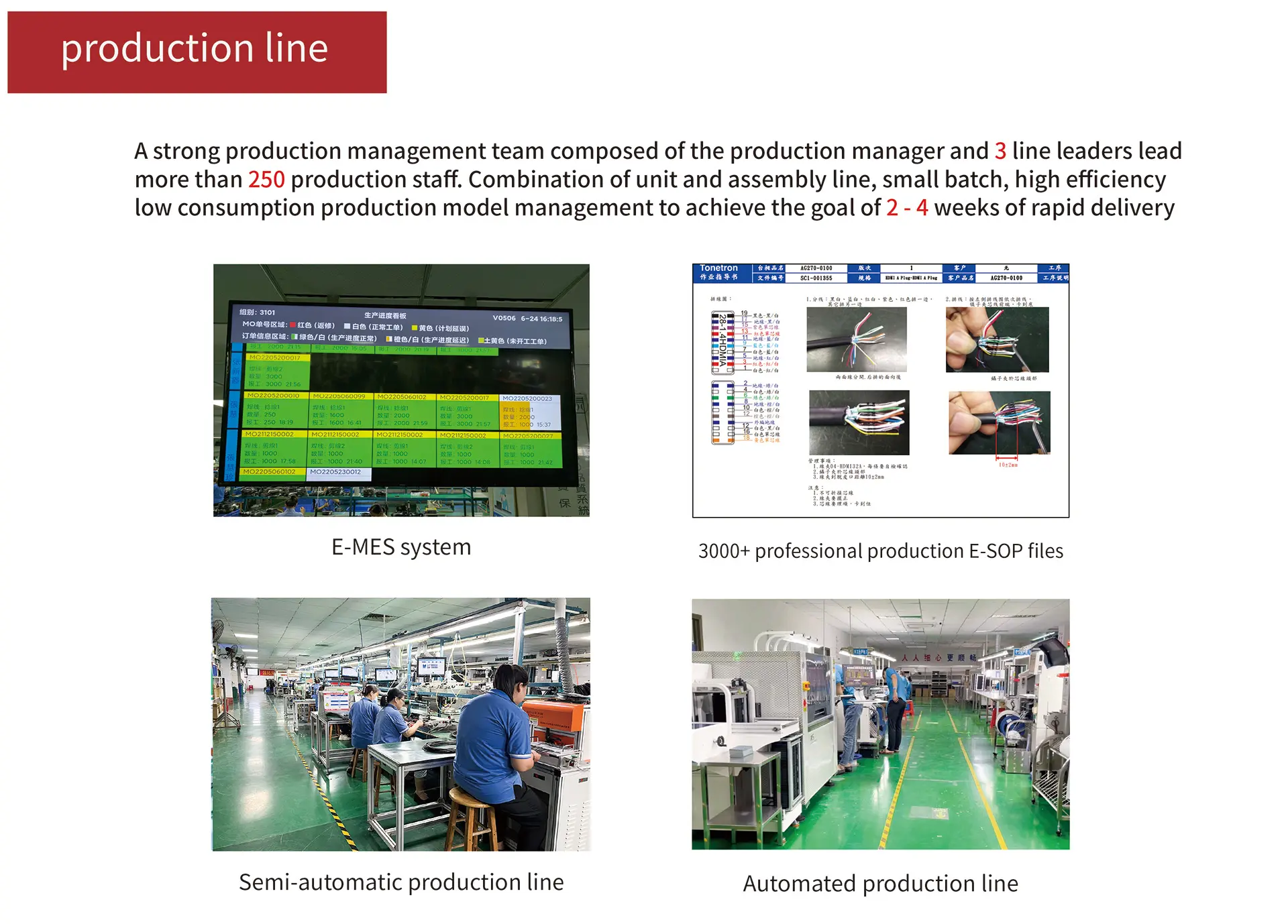
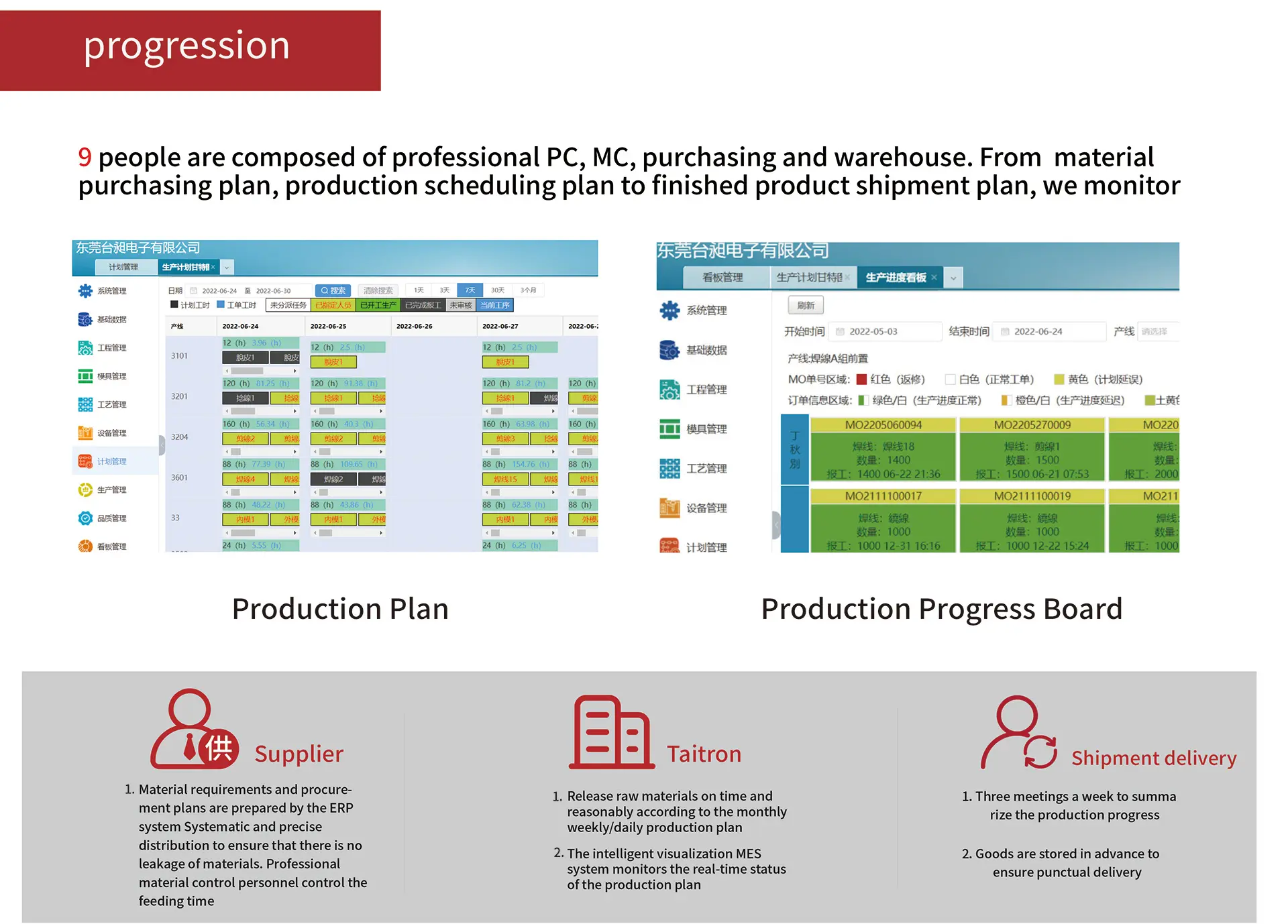
With over 38 years of expertise in manufacturing professional video and audio peripheral equipment connection lines as our foundation, we have systematically expanded our capabilities. Today, we specialize in the research, development, and mass manufacturing of high-end audio and video cables, high-speed data cables (such as HDMI 2.1 cables, DP 2.0 cables, and USB4 data cables), USB-C 3.1 Gen 2 data cables, high-power USB charging cables, 8K HD conversion cables, and multi-functional Type-C expansion docks.

Adapting to the future of USB4, Multi-Gigabit networks, and strict environmental regulations.
The industry is moving quickly toward higher data throughput. Standard 1Gbps Ethernet adapters are gradually being replaced by 2.5Gbps (2.5GBASE-T) and 5Gbps interfaces. This shift is driven by the wider adoption of high-speed Wi-Fi 6E/7 access points and network-attached storage (NAS) systems in modern enterprise environments. Our product roadmap focuses on developing USB4 and Thunderbolt 4-integrated Ethernet adapters. By leveraging the 40Gbps bandwidth of USB4, we can design multi-port docking systems that combine 10Gbps Ethernet ports with HDMI 2.1 video outputs and 100W USB Power Delivery (PD) charging pass-through, without experiencing bandwidth limitations.
In addition, our future products will integrate advanced Energy-Efficient Ethernet (EEE) standards and Wake-on-LAN (WOL) power states. These technologies allow enterprise network administrators to perform system maintenance and deploy software patches remotely overnight, and then return the connected systems to low-power sleep states, helping to reduce overall corporate energy consumption.
Global trade requires strict adherence to environmental regulations and safety certifications. Taitron ensures that all materials, production processes, and finished assemblies comply with international environmental directives, including RoHS (Restriction of Hazardous Substances) and REACH (Registration, Evaluation, Authorization and Restriction of Chemicals). This strict compliance prevents import delays and guarantees safety in corporate environments.
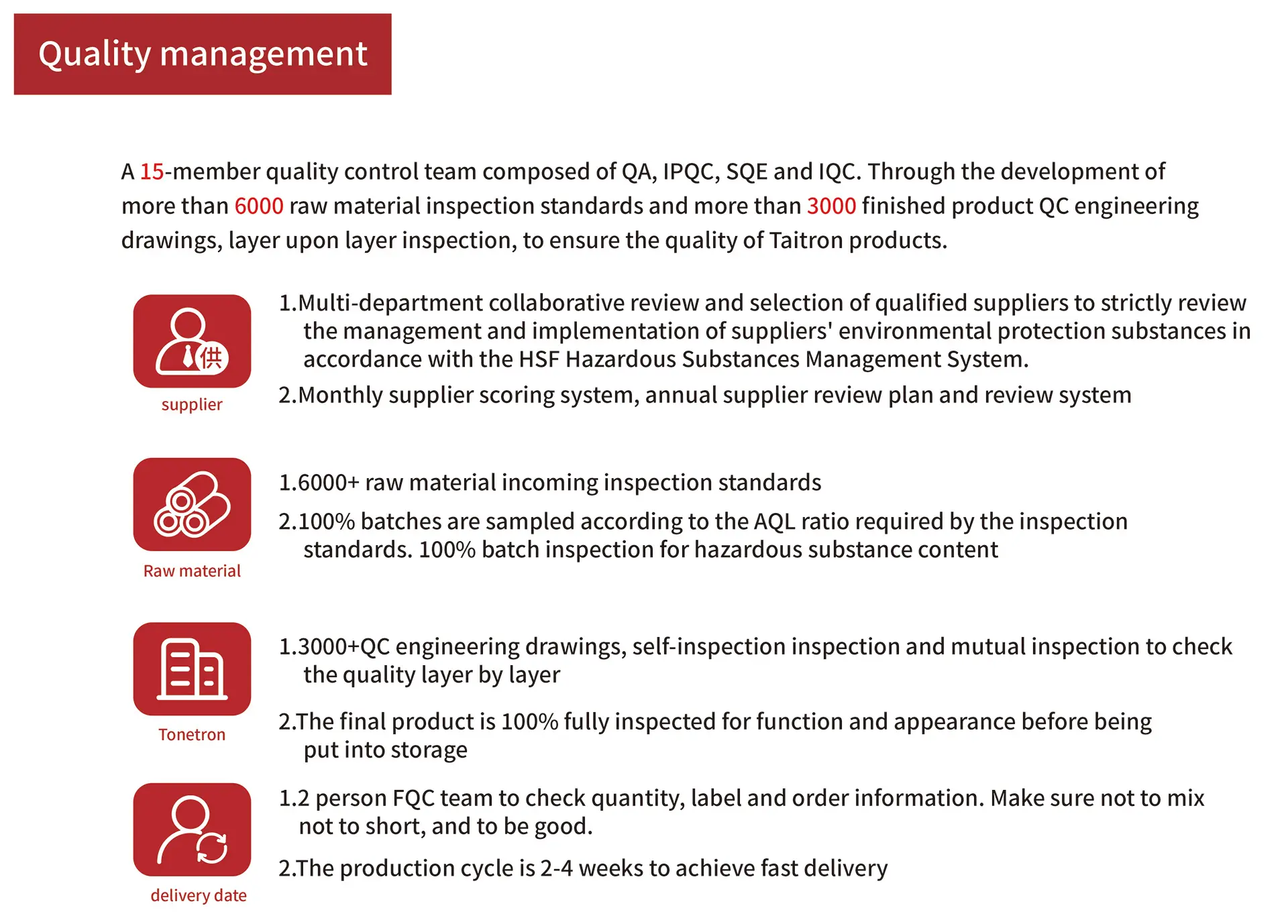
All of our production facilities are certified under the ISO 9001 quality management system. Each product batch undergoes extensive testing, including raw material chemical verification, high-frequency signal integrity analysis with network analyzers, salt spray testing for corrosion resistance, and load-bearing flex tests on cable connections. Our focus on quality ensures that every exported adapter meets the high standards required by industrial, commercial, and retail clients worldwide.
Get answers to common technical, manufacturing, and logistics questions regarding our ODM USB Ethernet services.
Explore our complete range of adapters and multi-port hubs designed to expand device connectivity and maintain high signal integrity.
 Taichang Electronic