High-bandwidth, low-latency connection infrastructure designed for extreme workloads and modern peripheral expansion.
The convergence of network infrastructures and computer peripheral connection buses has accelerated over the past decade. Historically, standard Ethernet (RJ45) and Universal Serial Bus (USB) operated on disparate topological standards. With the rollout of high-performance USB specifications—specifically USB 3.1 Gen 2, USB4, and Thunderbolt—the line between network transport layers and interface links has blurred. Systems now demand seamless protocol conversion, bringing the Internet-to-USB paradigm to the forefront of enterprise engineering.
Global digitization mandates that modern client terminals (such as ultra-thin notebooks, medical imaging computers, and industrial control systems) discard legacy dedicated ports. This design approach leaves them reliant on USB Type-C physical interfaces for raw power, high-speed data transmission, and networking capabilities. Transitioning from network media protocols (such as 1000Base-T or 10GBase-T Ethernet) to USB buses requires advanced hardware processing, robust physical layer (PHY) transceiver design, and intelligent packet-processing chipsets.
Information Gain Dynamic: By optimizing the physical routing layout and specifying high-efficiency controller chipsets (like the RTL8153 or AX88179 controller lines), ODM providers can suppress electromagnetic interference (EMI) and power dissipation, maintaining sustained throughput under continuous network stress.
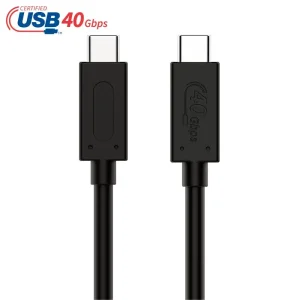
OEM/ODM manufacturers have evolved from simple cable assemblers into system integrators. Delivering high-performing, certified products requires a blend of mechanical structural engineering, hardware routing, firmware optimization, and standards compliance. With high-speed USB4 processing up to 40Gbps and delivering up to 240W of Power Delivery (PD), suppliers must manage power conversion and thermal dissipation effectively to protect critical corporate network hubs.
Procuring network and signal conversion interfaces presents unique supply chain challenges for global system integrators and enterprises. Standard off-the-shelf dongles and hubs often fail under continuous business operations due to structural failures, signal degradation, and sub-par silicon sourcing. To secure long-term system stability, global procurement managers look for custom ODM partners who offer reliable quality assurances and comprehensive testing protocols.
Key pain points for global procurement departments include:
Built with components designed for 24/7 network up-time, reducing downtime across corporate installations.
Precision-milled aluminum chassis optimized for heat dissipation and robust mechanical protection.
Fully compliant with FCC, CE, RoHS, and MFi standards to support global market distribution.
Internet-to-USB architecture serves as a critical bridge across diverse vertical markets, standardizing peripheral connectivity and keeping business systems online.
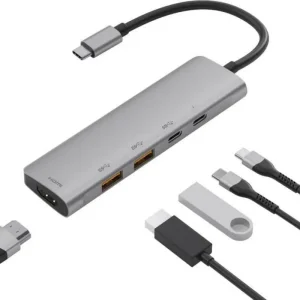
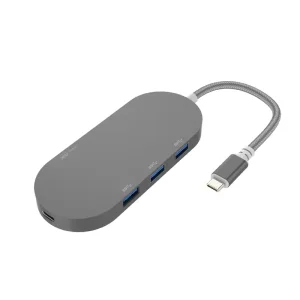
Modern workspaces rely heavily on simplified, hot-desking setups. A single USB-C cable must charge host laptops, connect to external displays (via HDMI or DisplayPort protocols), and link to secure corporate LAN networks. In these environments, multi-port docking stations act as central connection managers, supporting quick workstation changes and high-speed data transfers without configuration latency.
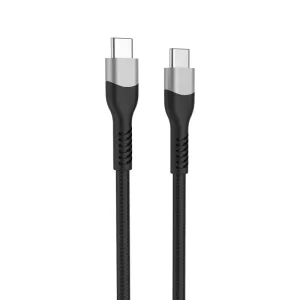
Industrial settings require connection interfaces that can withstand electrical noise, physical impacts, and ambient temperature shifts. When bridging factory control systems with USB-based control computers, suppliers use isolated transceivers and double-shielded cabling (incorporating high-density tinned copper braiding and aluminum foil wraps) to prevent signal loss and withstand high electromagnetic environments.
Healthcare hardware demands high electrical isolation and consistent signal performance. USB-to-Internet transceivers deployed in diagnostics need to send large imaging files quickly and reliably while protecting critical medical systems from electrical faults.
Celebrating over 38 years of precision manufacturing, engineering excellence, and global connection solutions.
In 1984, Dongguan Taitron Electronics Limited., formerly known as Tonetron, was founded in Keelung, Taiwan. In 1993, the company moved to a self-built production park in Dalingshan Town, Dongguan City, China, changing its name to Dongguan Taitron Electronics Limited.
Building on 38 years of experience in manufacturing professional video and audio cabling, we have expanded our capabilities to produce high-end digital signal interfaces. Our product lines include HDMI 2.1, DisplayPort 2.0, high-bandwidth USB4, USB-C 3.1 Gen 2 cabling, high-power PD charging, 8K adapters, and multi-functional USB-C docking stations.
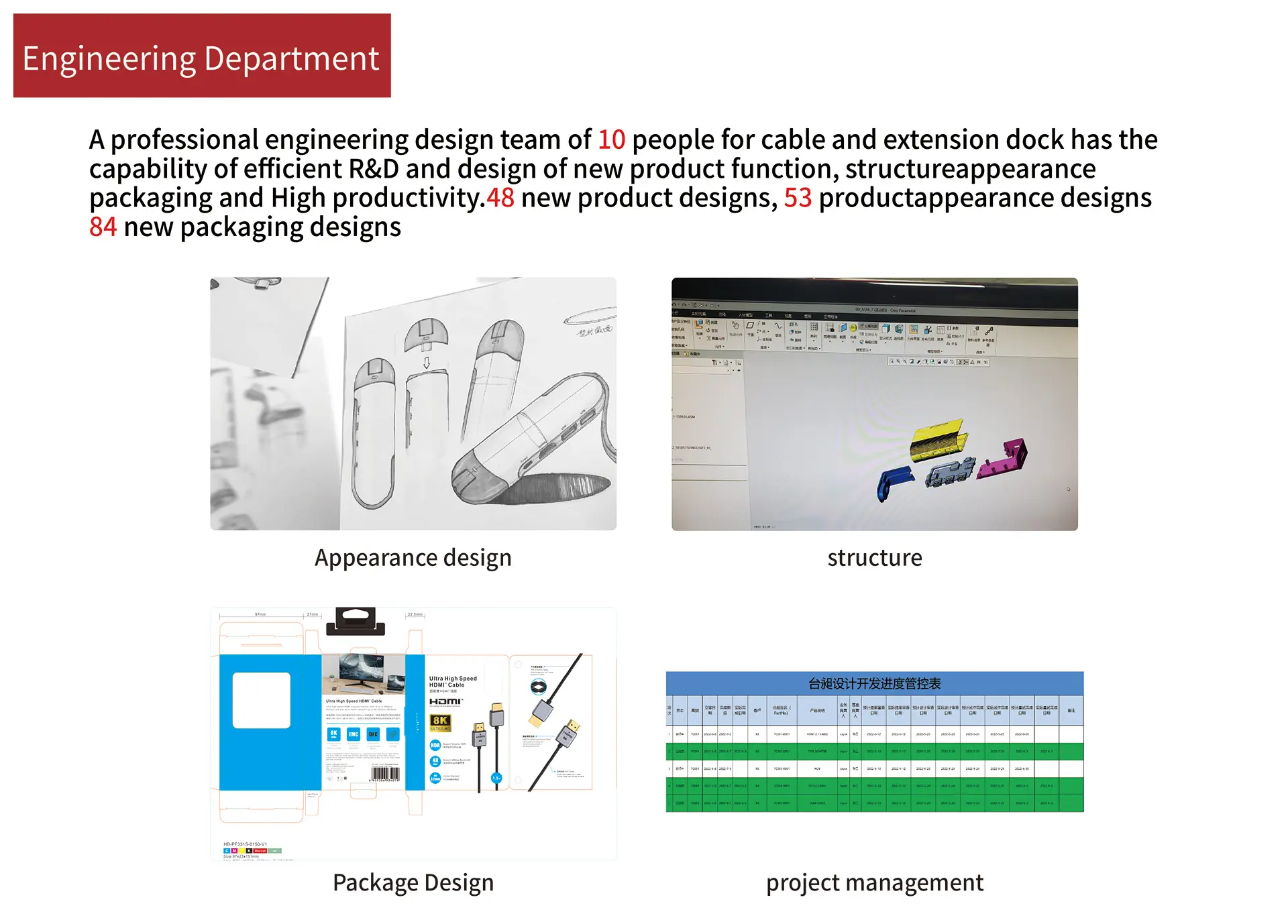
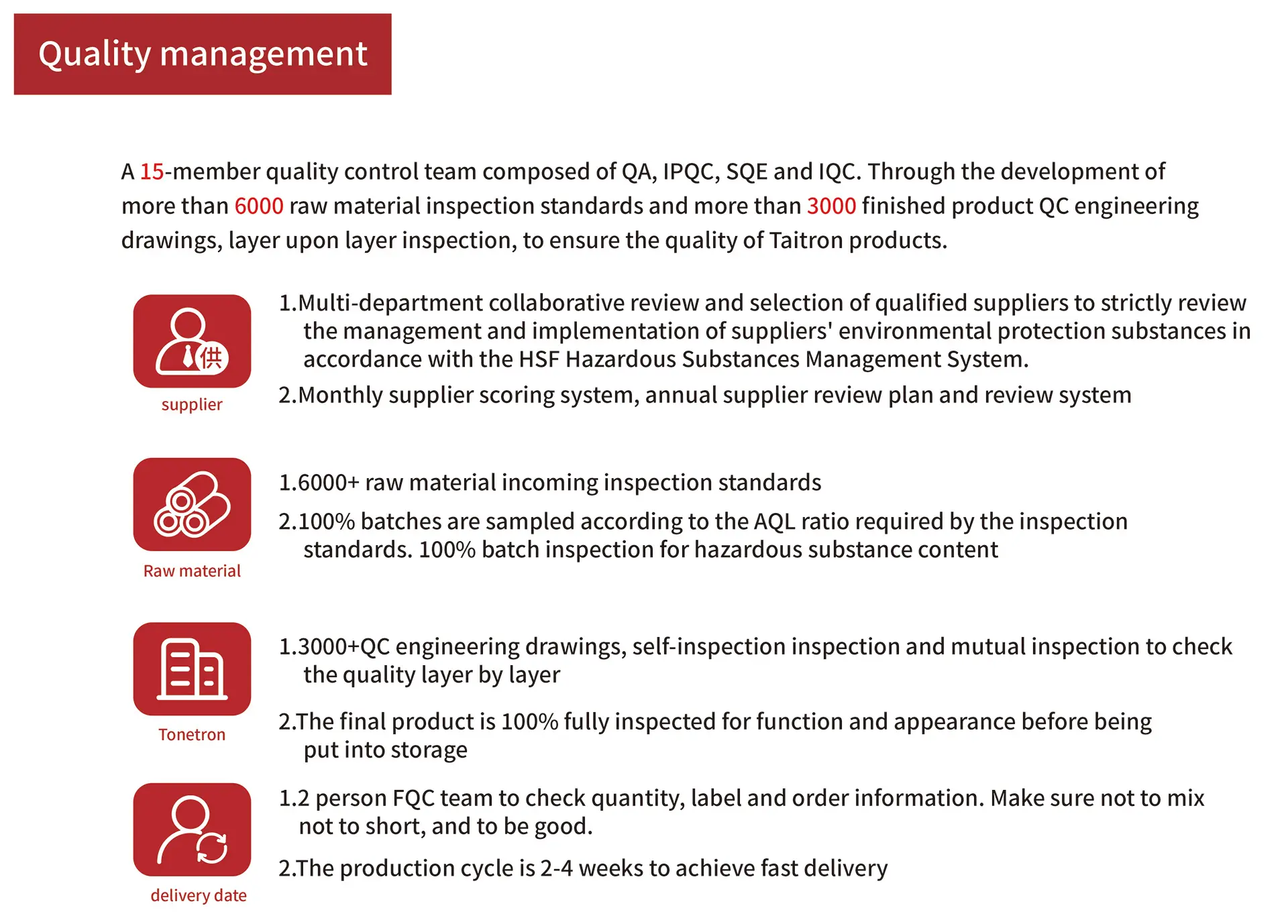

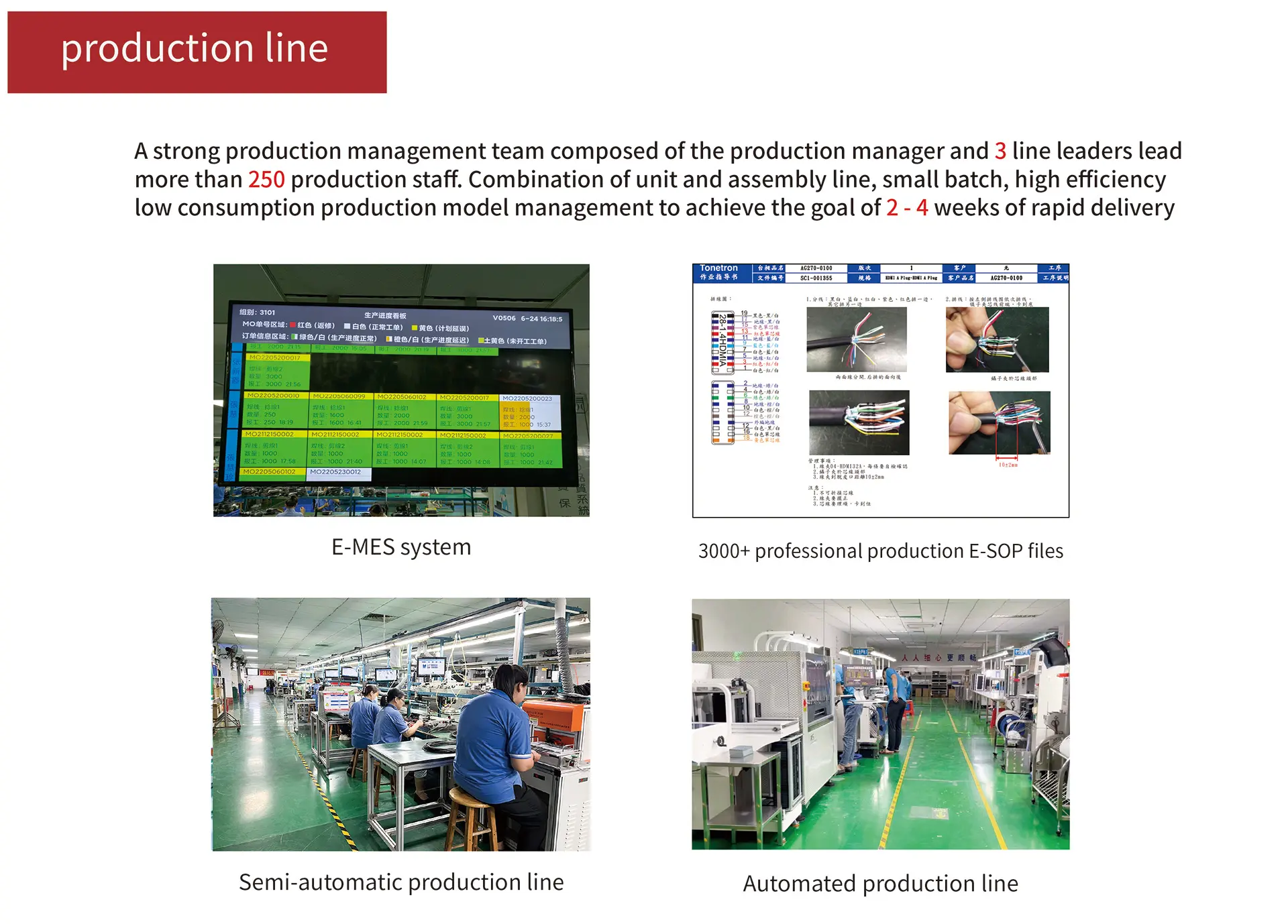
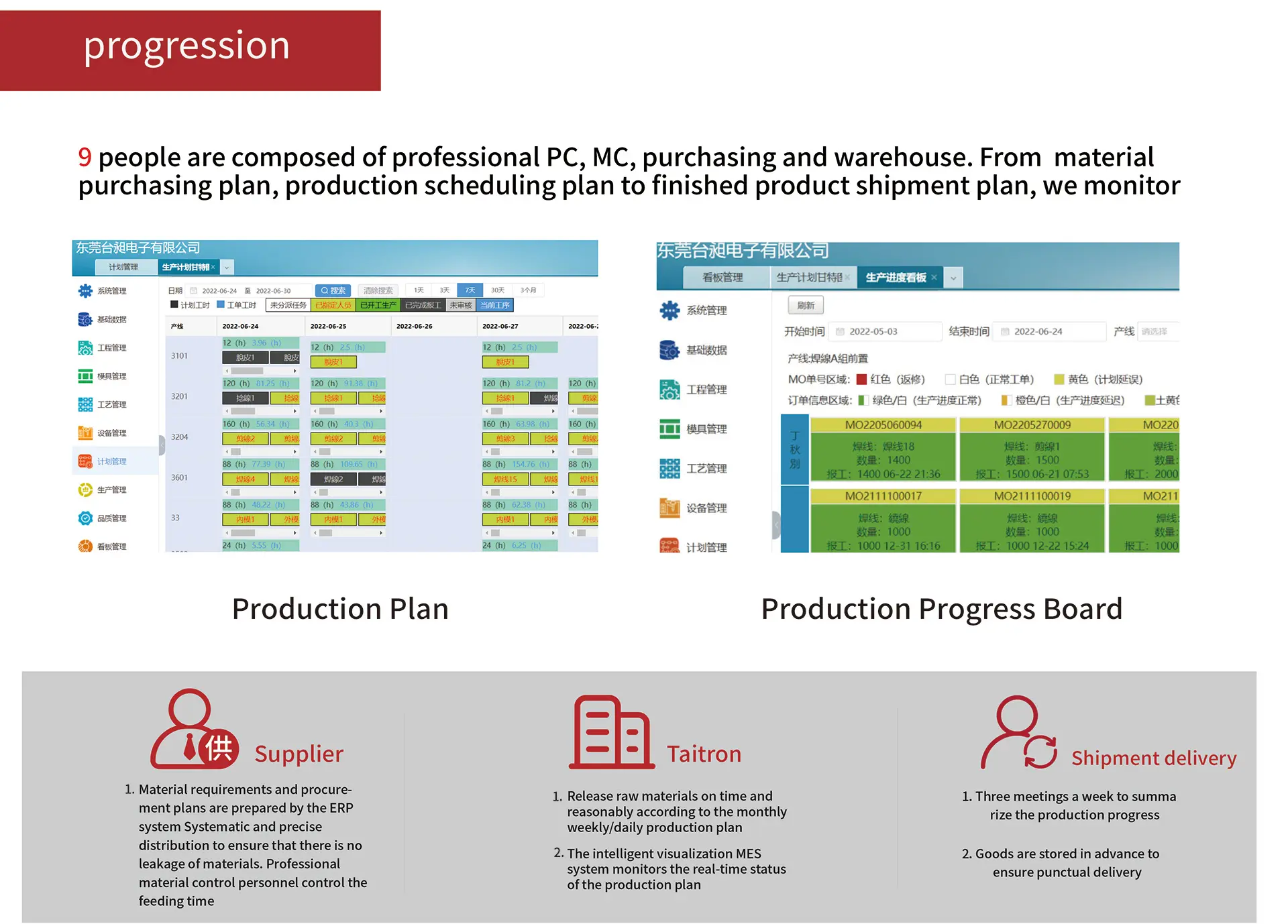
Taitron’s vertically integrated facility is fully equipped to manage the complete manufacturing cycle. From initial mechanical CAD layout and PCB trace optimization to alloy casting, injection molding, and electrical testing, we maintain strict quality control at every phase of production.
Creating reliable network interface adapters requires a strong focus on electrical engineering and signal routing principles. Standard layouts must control differential impedance and isolate high-speed data lines from interference to prevent transmission drops and signal degradation.
Our core engineering design focuses on:
Information Gain Detail: We utilize advanced Time-Domain Reflectometry (TDR) testing to evaluate physical cable layouts, confirming signal integrity across extended transmission runs.
Additionally, our firmware supports PXE boot, MAC Address Pass-Through, and Wake-on-LAN (WoL) functions. These features ensure seamless integration into corporate IT environments, allowing managers to execute remote maintenance and security deployments.
As corporate IT departments move beyond standard gigabit networks, demand is rising for higher bandwidth connections. The adoption of Wi-Fi 6E/7 and multi-gigabit access switches is driving the need for 2.5GbE and 10GbE network adapters. Future connectivity layouts will focus on integrating higher speed networking directly into next-generation USB interface platforms.
As USB4 and Thunderbolt architectures become standard, future chipsets will route PCI Express signals directly over USB Type-C connections. This design evolution eliminates the latency of traditional protocol translation, providing high-bandwidth network performance in a compact, bus-powered form factor.
Key procurement and technical inquiries answered by our engineering and supply chain teams.
We specify industry-standard controller chipsets, such as the Realtek RTL8153 and ASIX AX88179 series, to ensure wide operating system compatibility, high throughput, and long-term driver support.
We design internal PCBs with dedicated thermal copper pours and couple high-heat components to precision-machined aluminum housings using high-performance thermal pads. This structure keeps operating temperatures within safe limits during simultaneous charging and data transfer.
Yes. Our ODM team can customize housing finishes, modify port configurations (such as adding specific USB, HDMI, DisplayPort, or Ethernet outputs), and pre-configure device firmware to support custom MAC addresses or vendor IDs.
Our products are manufactured to meet CE, FCC, RoHS, REACH, and MFi guidelines, helping customers secure international import clearance and meet environmental standards.
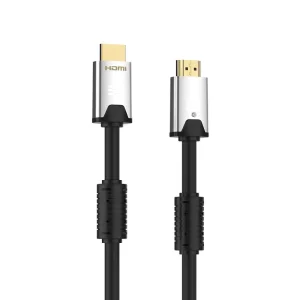
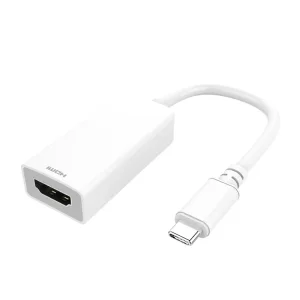
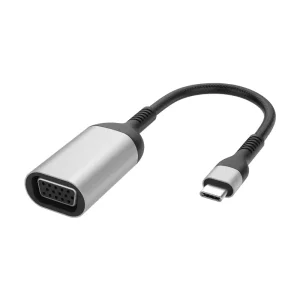
Explore our complete range of adapters, converters, and cables designed for high-resolution AV distribution and network integration.
 Taichang Electronic