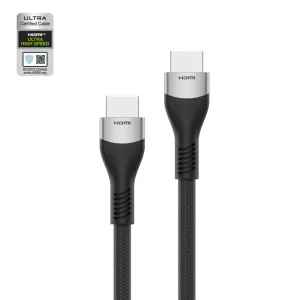
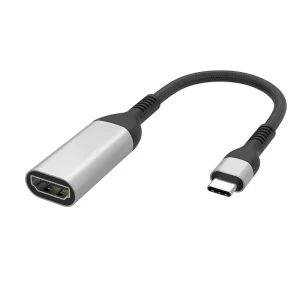
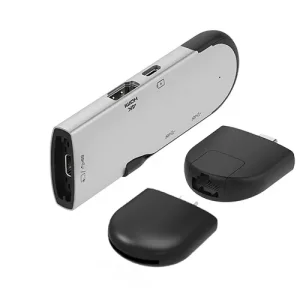
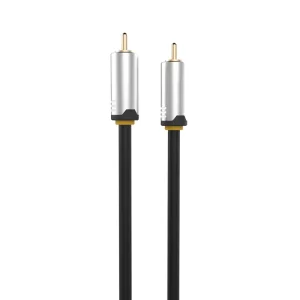
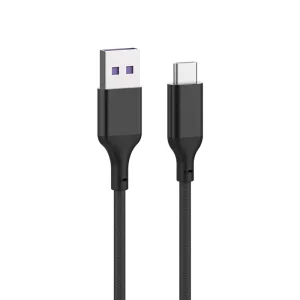
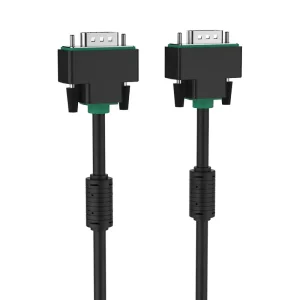
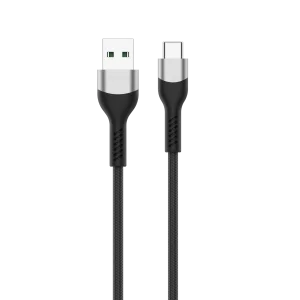
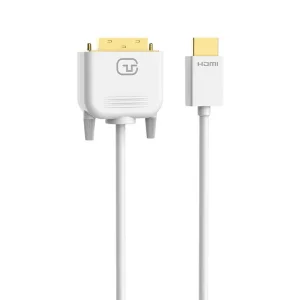
Engineered to exact compliance parameters, delivering superior signal preservation for multi-protocol AV distribution.
As enterprise ecosystems transition to consolidated workplace infrastructure, the demand for high-reliability, multi-functional interconnects has scaled exponentially. At the center of this paradigm shift is the USB Type-C Alternate Mode (Alt Mode) interface, which merges high-voltage power delivery (PD), high-speed differential USB data, and native DisplayPort or HDMI protocols into a single, high-density connection matrix.
For global device brands, industrial integrators, and distributors, finding a certified USB Type-C video cable OEM/ODM partner is essential. Industrial applications require consistent impedance matching (typically targeted at 85Ω ± 5Ω for high-frequency differential pairs), minimum signal crosstalk, and structural integrity. Our manufacturing ecosystem meets these requirements. We employ active equalization chipsets, coaxial raw wire configurations, and automated precision welding to prevent the signal degradation that frequently affects generic cables at lengths over 1 meter.
In 1984, Dongguan Taitron Electronics Limited, formerly known as Tonetron, was established in Keelung, Taiwan, addressing the early demand for precision audio-visual components. By 1993, recognizing the need for scalable production capacities and integrated component supply chains, the company relocated to its custom-built independent production industrial park in Dalingshan Town, Dongguan City, mainland China, consolidating operations under the name Dongguan Taitron Electronics Limited.
Over our 38-year manufacturing history, we have continuously upgraded our R&D processes. Our product lines have evolved from basic analog interfaces to complex digital architectures. Today, we manufacture advanced high-bandwidth interconnections, including HDMI 2.1 cables (48Gbps), DisplayPort 2.0/2.1 cables, USB4 data transmission assemblies, USB-C 3.1 Gen 2 systems, active PD 100W/240W charging pathways, and multi-interface docking stations.
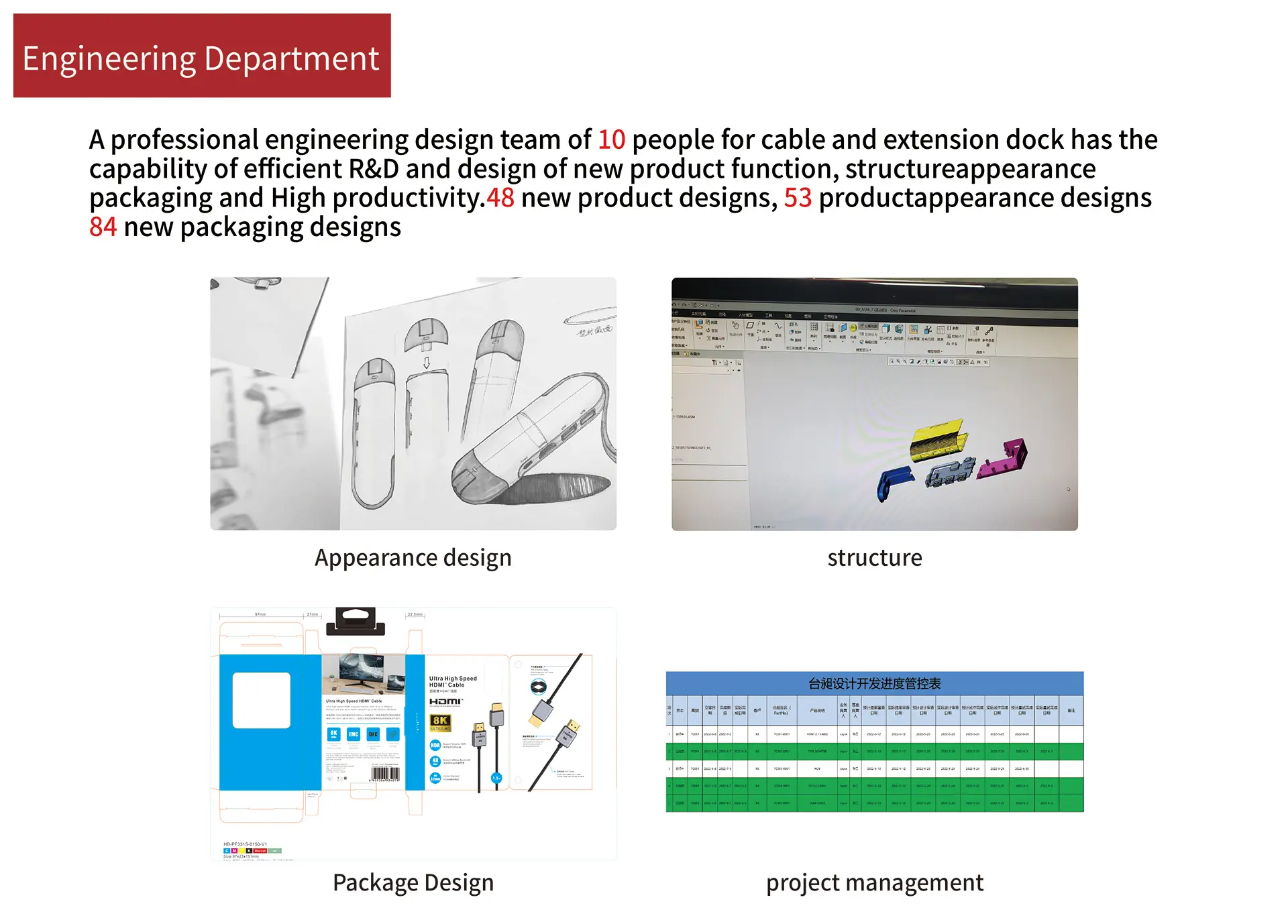
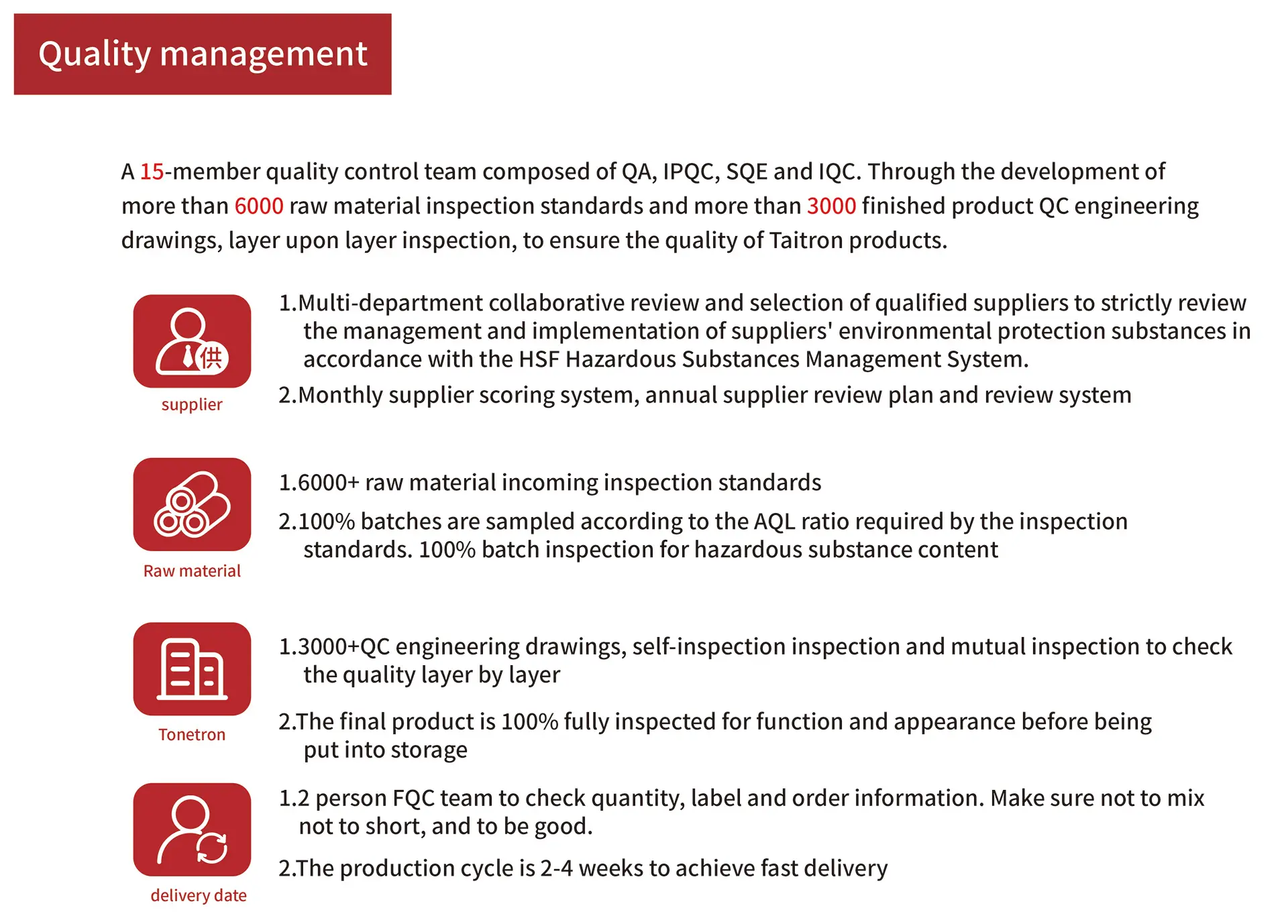

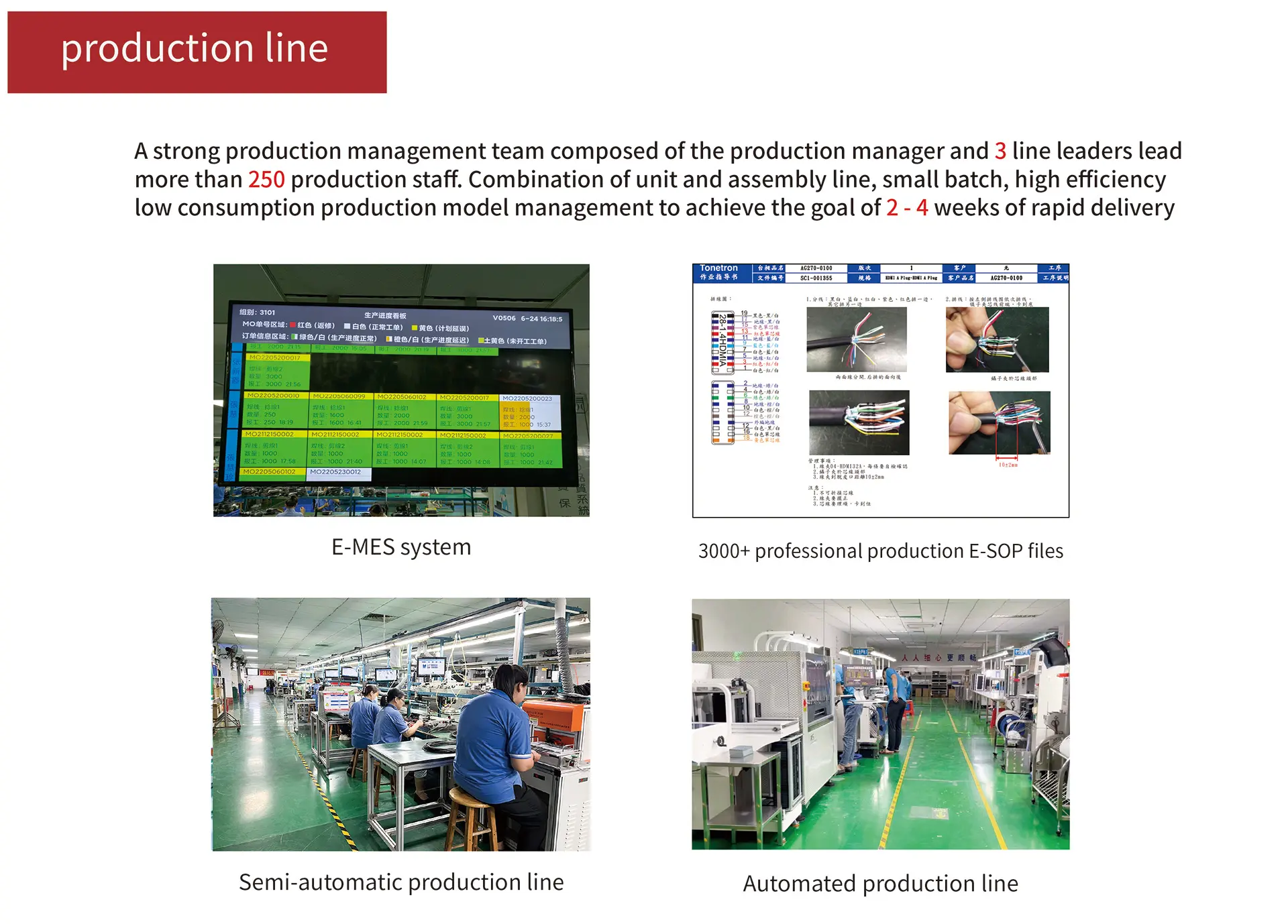
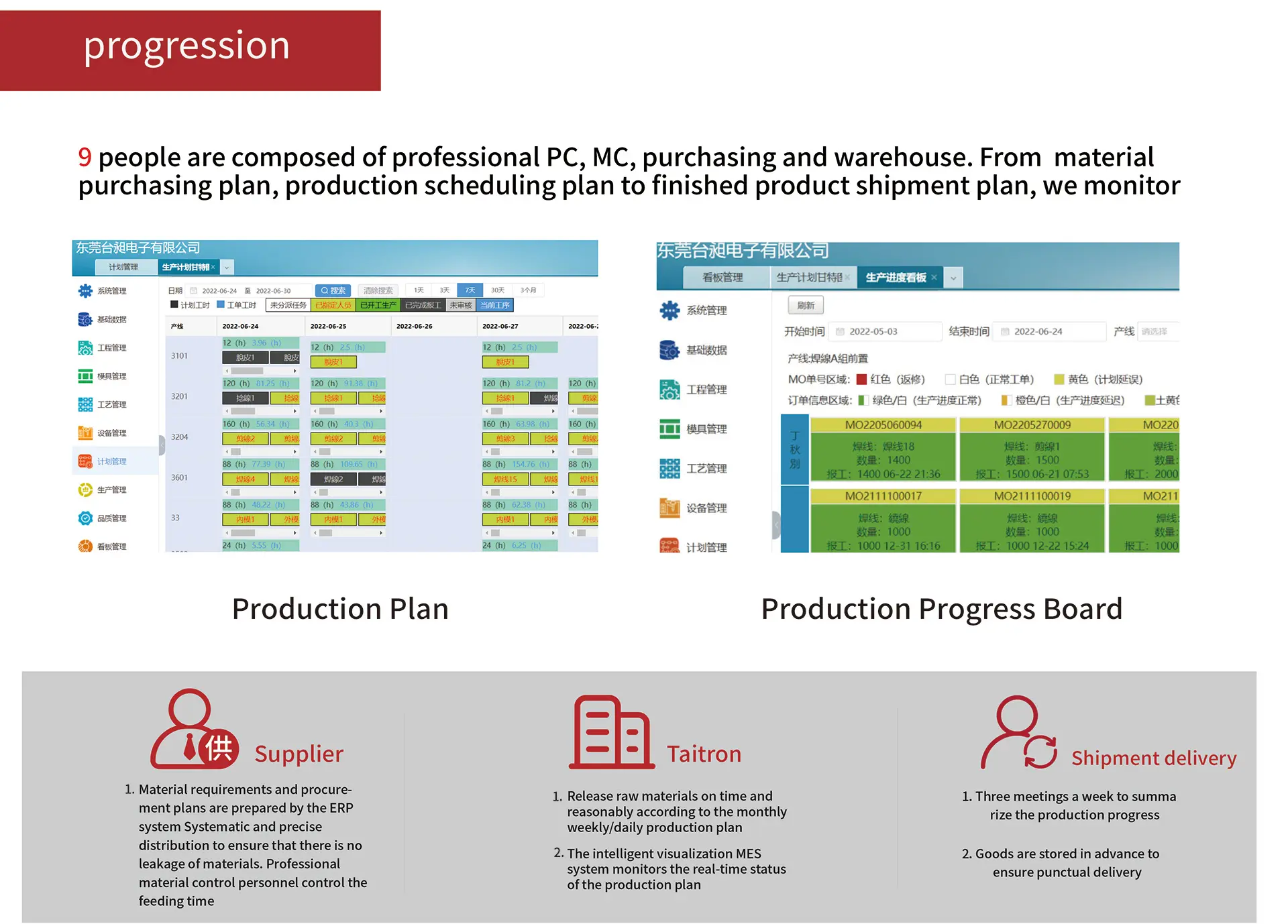
Above: Core processing centers within Dongguan Taitron Electronics, housing advanced wire extrusion, automated alignment welding, and real-time physical testing labs.
Selecting the correct USB-C raw cable assembly depends on specific resolution goals, distance limits, and operational power environments. Below is a comparison table outlining the key differences between standard USB-C implementations.
| Protocol Standard | Maximum Data Rate | Video Output Capability | Alternate Mode Support | Maximum Power Delivery | Typical Raw Cable Design |
|---|---|---|---|---|---|
| USB 3.2 Gen 2x1 | 10 Gbps | 4K @ 60Hz | DisplayPort 1.4a Alt Mode | Up to 100W (20V/5A) | Coaxial / Twisted Pair Shielded |
| USB4 Gen 3x2 | 40 Gbps | 8K @ 30Hz / Dual 4K @ 60Hz | DP Alt Mode / PCIe tunneling | Up to 240W (EPR) | Advanced Coaxial (Silver-Plated) |
| Thunderbolt 4 / 3 | 40 Gbps | Dual 4K @ 60Hz / Single 8K | PCIe, DP, USB protocols | 100W Minimum standard | Active E-marker integrated |
| USB-C Active Optical (AOC) | Up to 40 Gbps | 8K @ 60Hz (Long Distance) | Pure DP Alt Mode conversion | 60W - 100W (Hybrid wire) | Fiber Optic + Copper power lines |
The manufacturing facility of Dongguan Taitron Electronics is located within the world's most concentrated consumer electronics ecosystem. Our location in Dalingshan Town, Dongguan, provides direct access to vital raw material supply networks: oxygen-free copper refiners, customized PVC/TPE formulation houses, high-speed stamping vendors, and semiconductor suppliers.
This integration simplifies our raw material sourcing processes and shortens component turnaround times. In contrast to fragmented assembly operations, our Dongguan plant carries out vertical integration under one roof: from copper drawing and multi-stage shielding to automated laser welding, dynamic testing, and multi-cavity injection molding. This vertical production model minimizes transit delays and keeps product tolerances strictly within USB-IF specifications.
In modern corporate offices, users connect ultra-thin laptops to high-resolution monitors using a single cable. Our USB-C cable handles dual 4K DisplayPort signals, 10Gbps Ethernet routing, peripheral USB connections, and up to 100W of power. This setup reduces cable clutter on desks while maintaining stable connectivity.
Medical imaging systems, such as diagnostic monitors and endoscopes, require zero-latency and uncompressed video transmission. Our custom-designed active cables use specialized EMI shielding to protect high-resolution feeds from external interference, ensuring clean signals in clinical environments.
Robotic arms and automated inspection cameras use USB-C interfaces to transmit data and capture video. In these environments, cables must withstand continuous movement and mechanical stress. Our industrial assemblies feature reinforced strain reliefs and durable jacket options (such as Pur/TPU) to prevent failure.
Connectivity standards continue to progress as resolutions exceed 8K and refresh rates increase. We align our R&D efforts with major industry groups like the USB Implementers Forum (USB-IF) and VESA. This collaborative approach allows us to integrate next-generation technologies into our manufacturing pipeline early in their lifecycles:
Our engineering team has developed cable configurations that support up to 240W (48V/5A) power delivery. This capability enables a single cable to power workstations, gaming laptops, and high-performance displays, replacing bulky external power supplies.
We are optimizing our designs to support the 80Gbps bandwidth required by DisplayPort 2.1. This standard enables uncompressed 16K display configurations with high dynamic range (HDR) color support.
Our commitment to manufacturing reliability is backed by third-party testing and international industry certifications. Our facilities conform to ISO 9001 and ISO 14001, verifying that our manufacturing processes are both environmentally responsible and quality-focused.
Every batch of USB-C video cables undergoes a comprehensive suite of tests before shipment, including:
High-performance adapters and legacy interface cables designed to support diverse AV display standards.
 Taichang Electronic