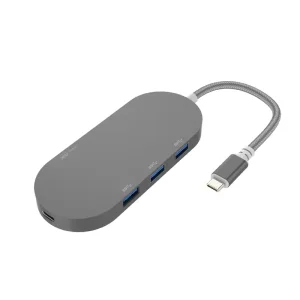
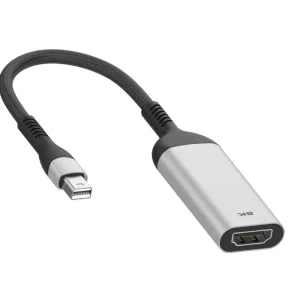
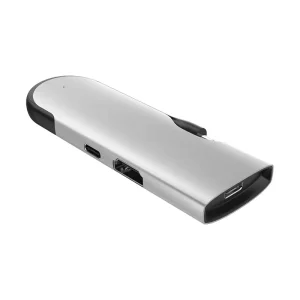
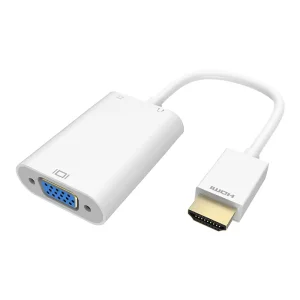
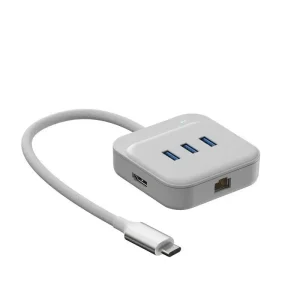
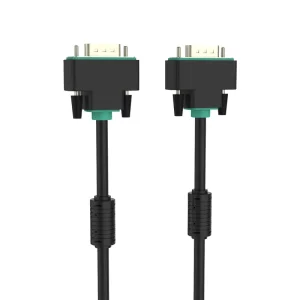
Direct-from-factory network converters, high-speed display links, and multi-functional USB-C expansion hubs manufactured to strict European and American safety and efficiency baselines.
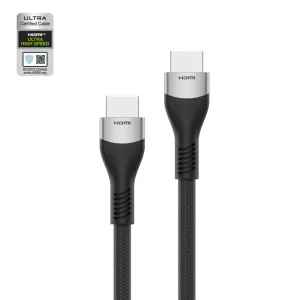
In the era of hyper-connected, thin-profile client devices, physical RJ45 Ethernet ports have been systematically phased out of commercial notebooks. However, wireless local area networks (WLAN) struggle with congestion, signal decay, and susceptibility to interception. For corporate headquarters, financial institutions, industrial controls, and governmental deployments, physical cabling remains the absolute baseline for secure, gigabit-speed network access. This is where high-spec USB-C Ethernet Adapters become mission-critical infrastructure components.
We source only high-tier ASIC controllers (such as the Realtek RTL8153/RTL8156 series and ASIX AX88179A) to manage physical layer (PHY) and Media Access Control (MAC) operations. These components ensure continuous gigabit throughput without driver crashes or high CPU overhead.
Enterprise system administration requires features like Preboot Execution Environment (PXE) boot, Wake-on-LAN (WoL), and MAC Address Pass-Through (MAPT). Our adapters integrate flashable EEPROMs to store customer-specific vendor IDs (VID) and product IDs (PID).
Persistent high-speed transfer generates heat. Our housings are designed using aircraft-grade aluminum alloy with thermal pads that establish direct contact with the controller PCB, keeping operational temperatures below 40°C even under full network load.
Founded in 1984 as Tonetron in Keelung, Taiwan, our enterprise established a deep foundation in high-fidelity consumer electronics and audio-visual accessories. Recognizing the transformation of global supply networks, in 1993, we completed construction of our modern production industrial park in Dalingshan Town, Dongguan City, Guangdong Province, China, consolidating all manufacturing operations as Dongguan Taitron Electronics Limited.
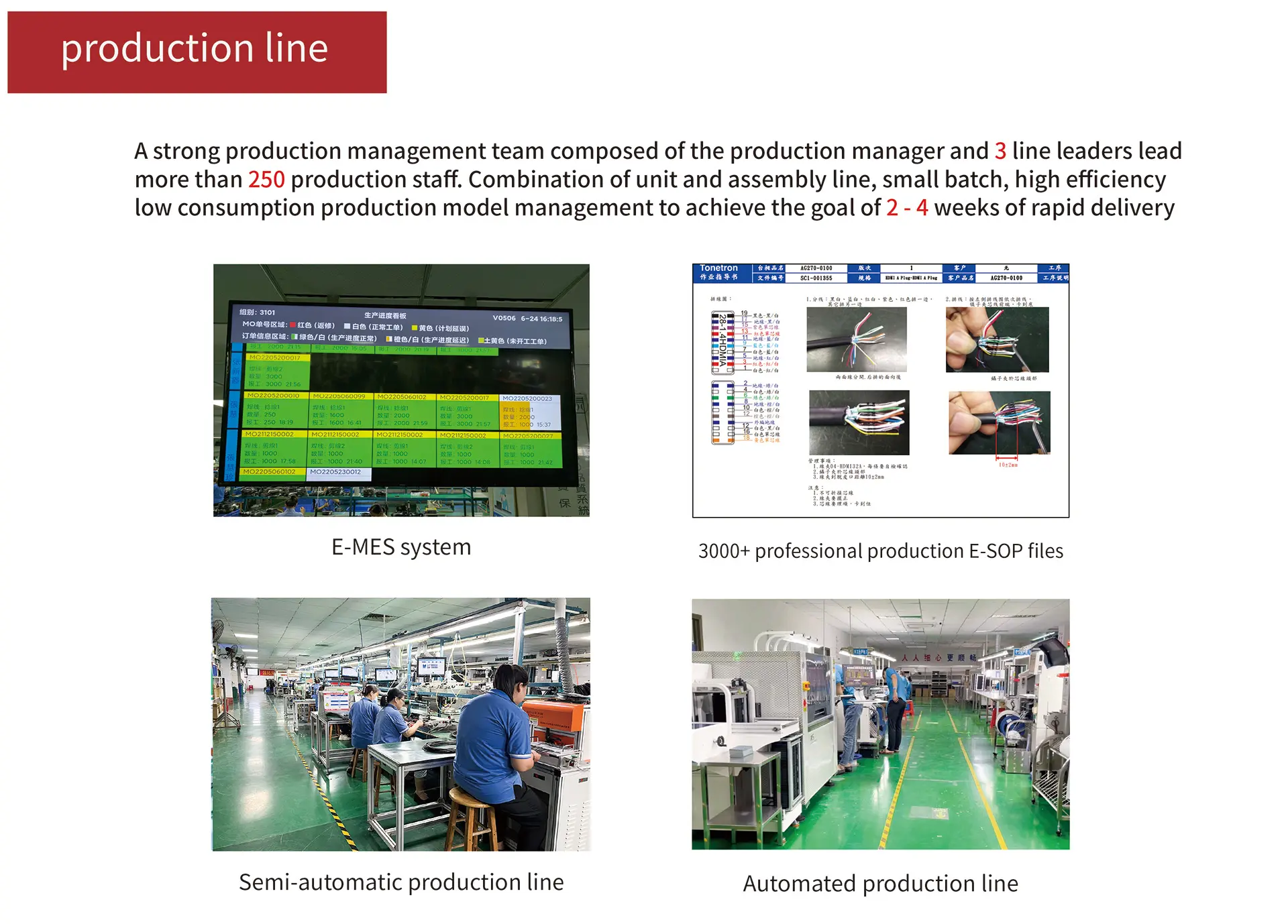
Over 38 years, we have transitioned from traditional analog audio and video cable assemblies to high-frequency digital transmission pipelines. Our modern engineering capabilities include HDMI 2.1 (48Gbps), DisplayPort 2.0, USB4, USB 3.1 Gen2, multi-gigabit USB-C Ethernet adapters, and high-power PD delivery interfaces. Operating from an independent, self-built industrial park, we maintain direct control over design, tool engineering, surface mount technologies (SMT), and ultimate quality assurance.
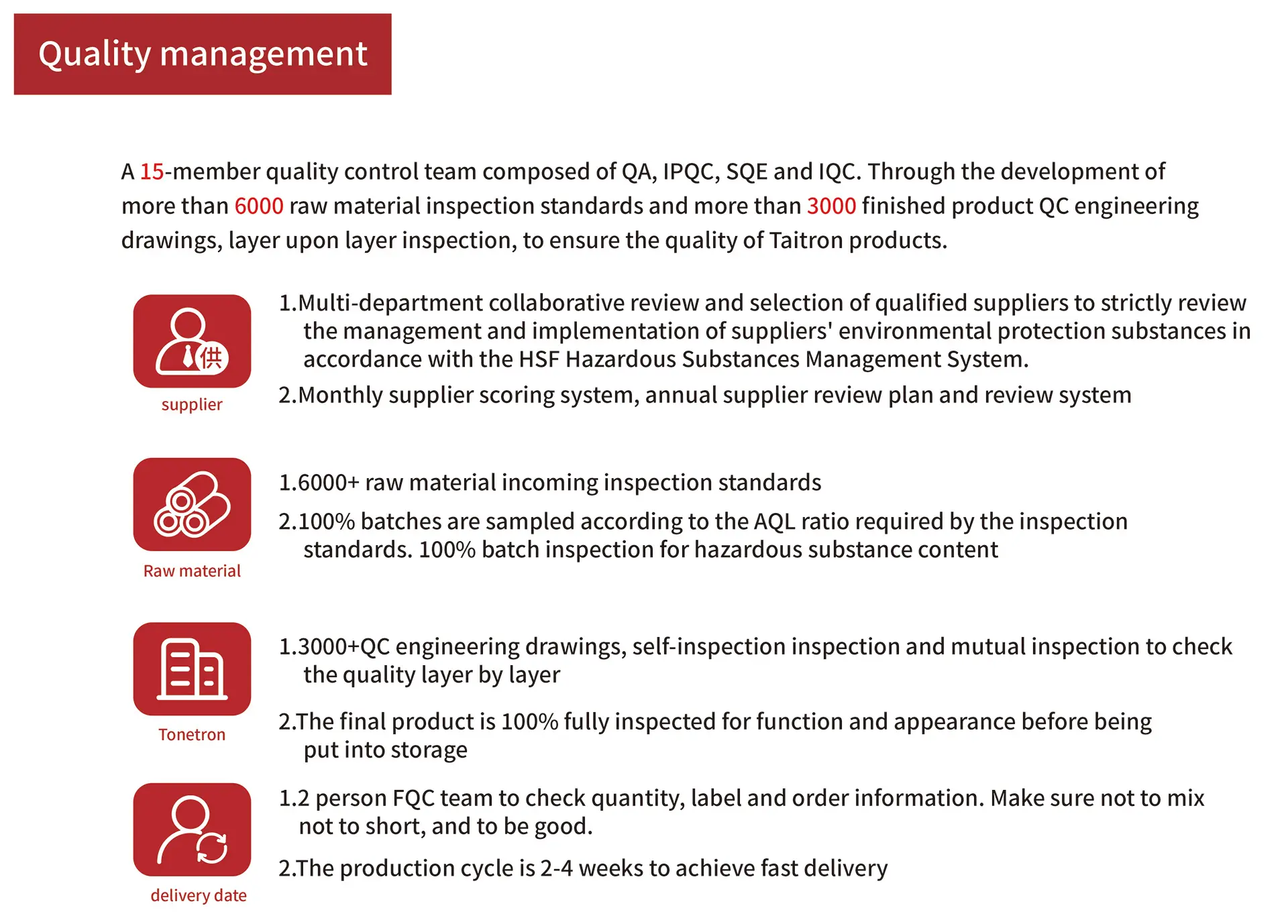
Our production space features advanced testing equipment, including network analyzers, time-domain reflectometers (TDR), eye-diagram testers, and automated optical inspection (AOI) units. This infrastructure allows us to guarantee zero-defect shipments for high-performance networks.

Understanding why sourcing from Dongguan, China remains the standard for global tech brands and system integrators seeking optimal price-to-performance metrics.
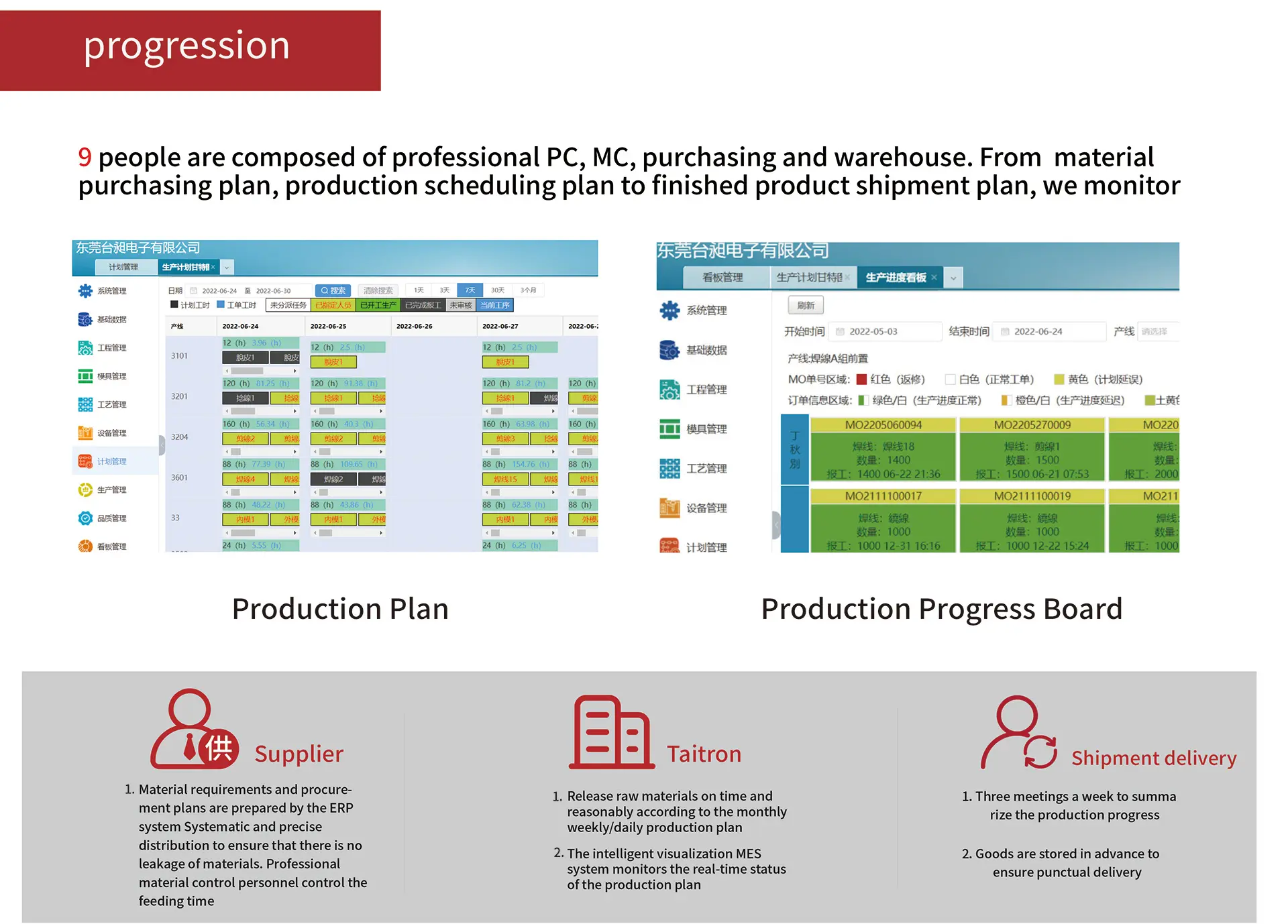
Dongguan's Dalingshan tech corridor features a highly integrated ecosystem. Everything from premium raw copper drawing and fine injection molding to multi-layer high-frequency PCB fabrication is sourced within a 15-kilometer radius, drastically reducing production times.
We combine veteran Taiwanese manufacturing supervision with Dongguan’s advanced workforce. Every manufacturing batch undergoes mechanical flex tests, salt-spray corrosion tests, and thermal cycling chambers to guarantee durability under extreme environments.
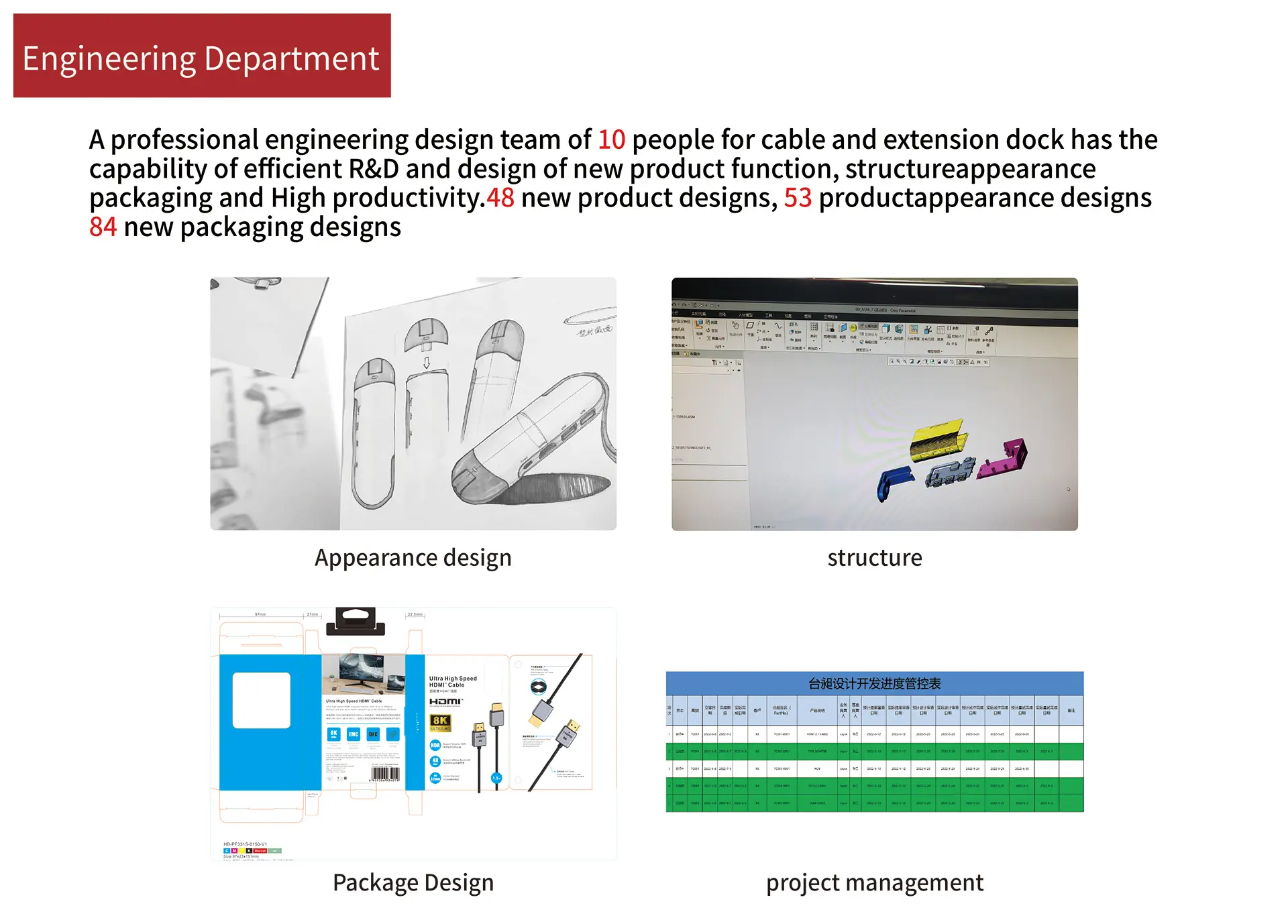
We support fully customizable options, including laser engraving, personalized housing molds, custom cable lengths, and custom braiding colors. Our engineers can also modify the internal EEPROM configurations to match specific client hardware frameworks.
Deploying accessories in different regions requires meeting strict local laws. Dongguan Taitron manages the entire certification process so imports pass customs without friction.
Exporting hardware to North America, the European Union, the United Kingdom, Japan, and Oceania requires adherence to strict electromagnetic compatibility (EMC) and chemical safety regulations. Without these certifications, products risk customs seizures, retailer rejection, and liability issues.
Our connectivity components are engineered for diverse, demanding modern hardware environments.
Standardizes connections for shared desks and corporate meeting spaces, providing employees with reliable gigabit networks and video output through a single USB-C connection.
Designed with durable aluminum housings to operate in harsh temperature ranges, establishing secure communication links for machines, PLCs, and manufacturing terminals.
Provides low-latency, high-bandwidth connections critical for 4K streaming, video production, and high-frequency live events where wireless networks fail.
Find quick answers to common engineering, compatibility, certification, and wholesale purchasing inquiries.
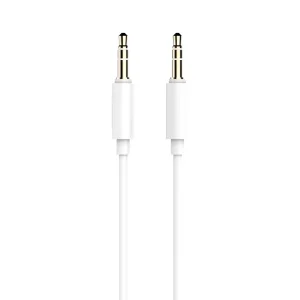
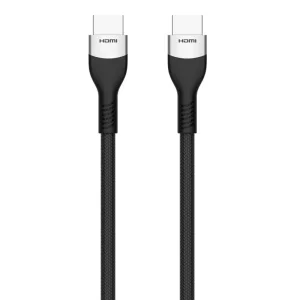
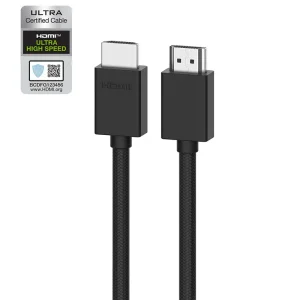
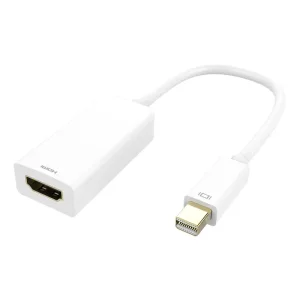
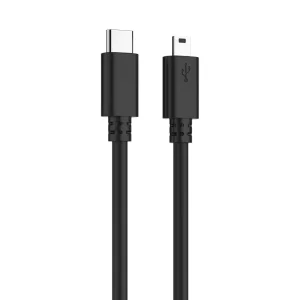
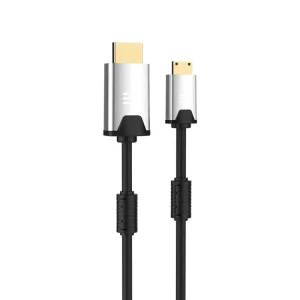
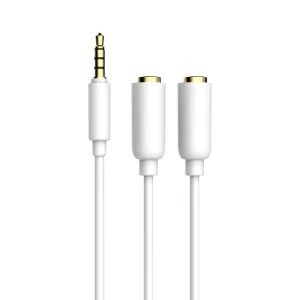
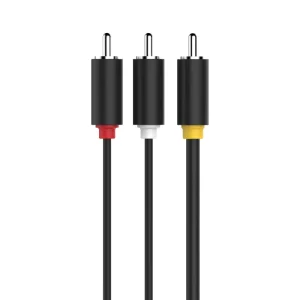
Explore our full line of specialized converters, legacy links, and modern USB-C adapters built to support enterprise infrastructure upgrades.
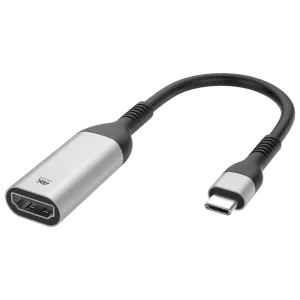
 Taichang Electronic