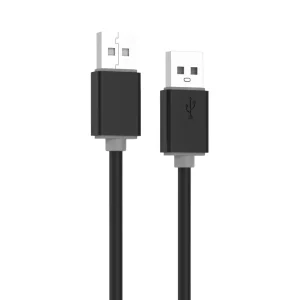
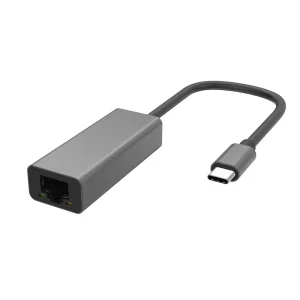
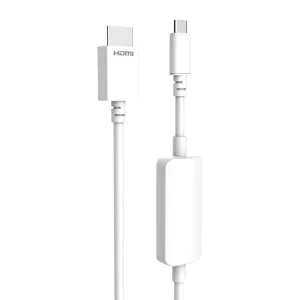
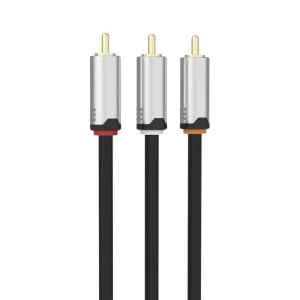
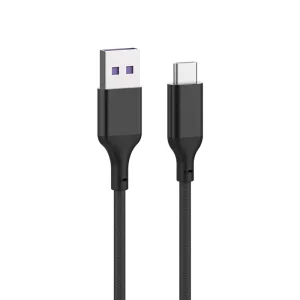
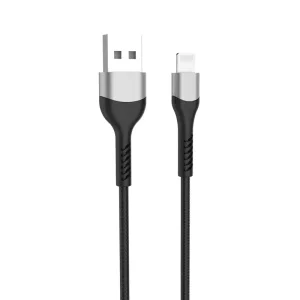
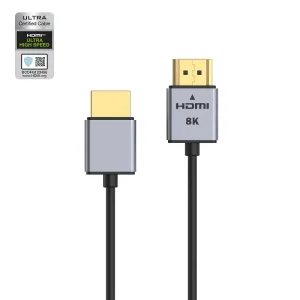
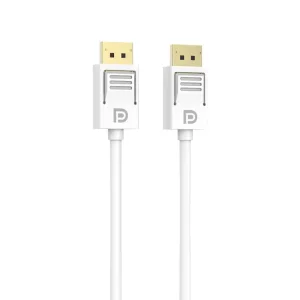
In 1984, Dongguan Taitron Electronics Limited, formerly known as Tonetron, was founded in Keelung, Taiwan. In 1993, to scale manufacturing and enhance R&D throughput, the company relocated to its self-built independent production industrial park in Dalingshan Town, Dongguan City, China, and formally transitioned to Dongguan Taitron Electronics Limited.
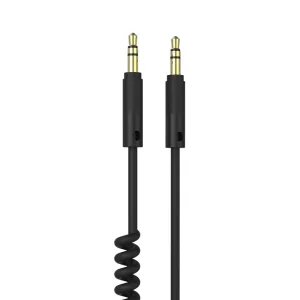
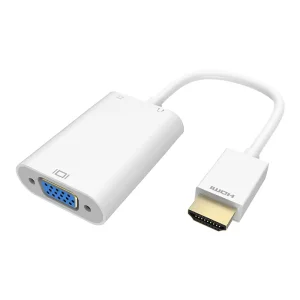
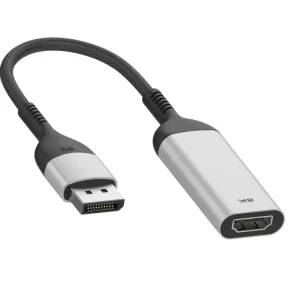
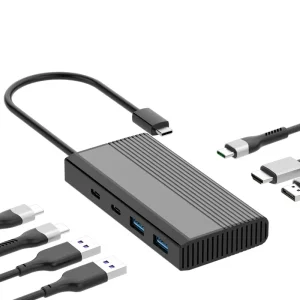
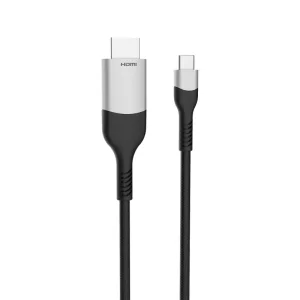
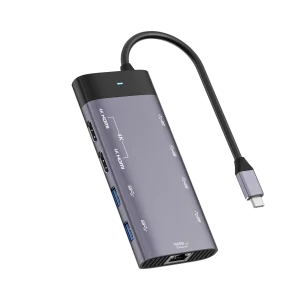
Using 38 years of professional video and audio peripheral equipment connection line manufacturing as our rock-solid foundation, we have systematically scaled our capabilities. Today, we specialize in high-end audio and video interfaces, data cables (including HDMI 2.1, DP 2.0, USB4, and USB-C 3.1 Gen2), high-power USB chargers (Usb Ladegeräte), 8K high-definition conversion adapters, and multi-functional Type-C expansion docks.
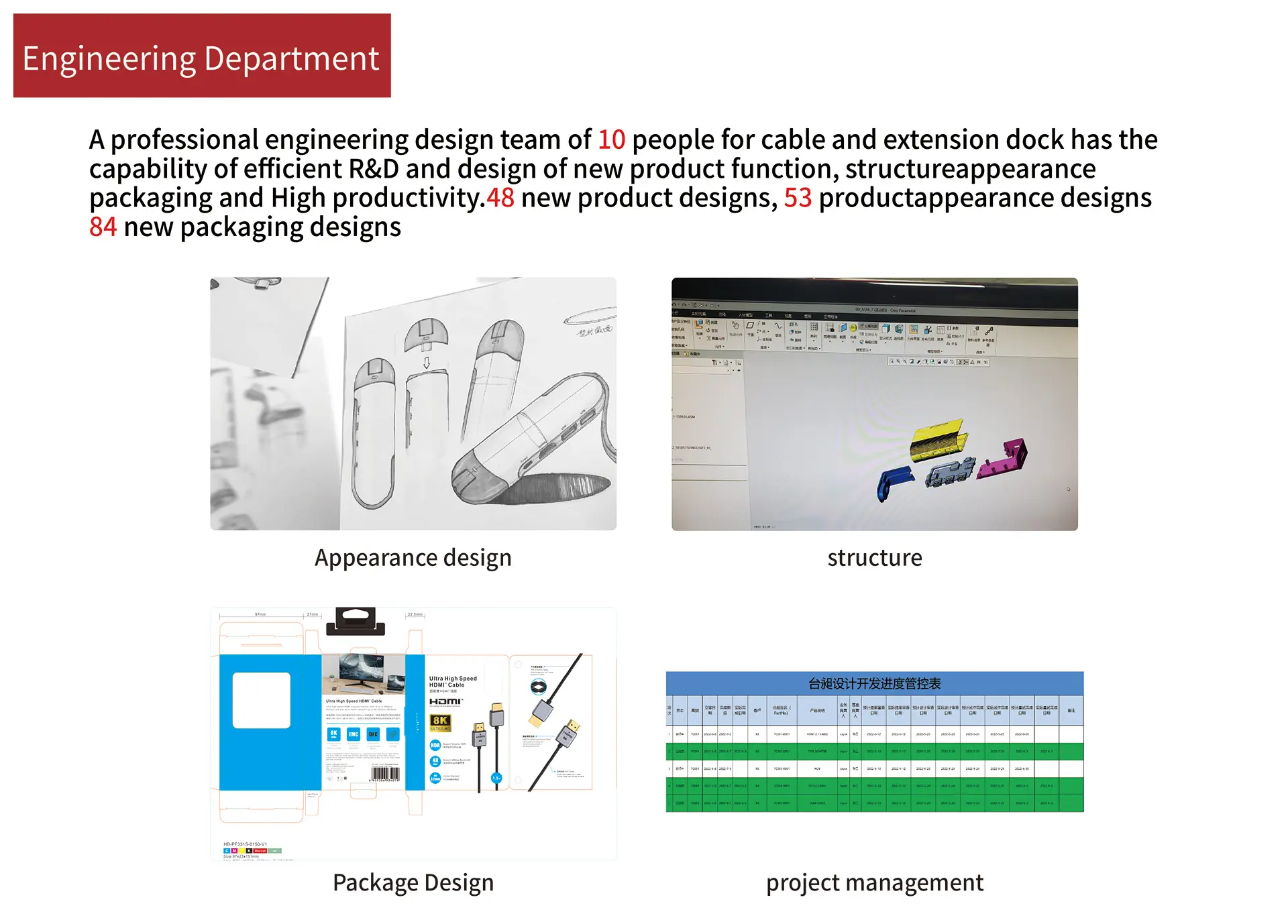
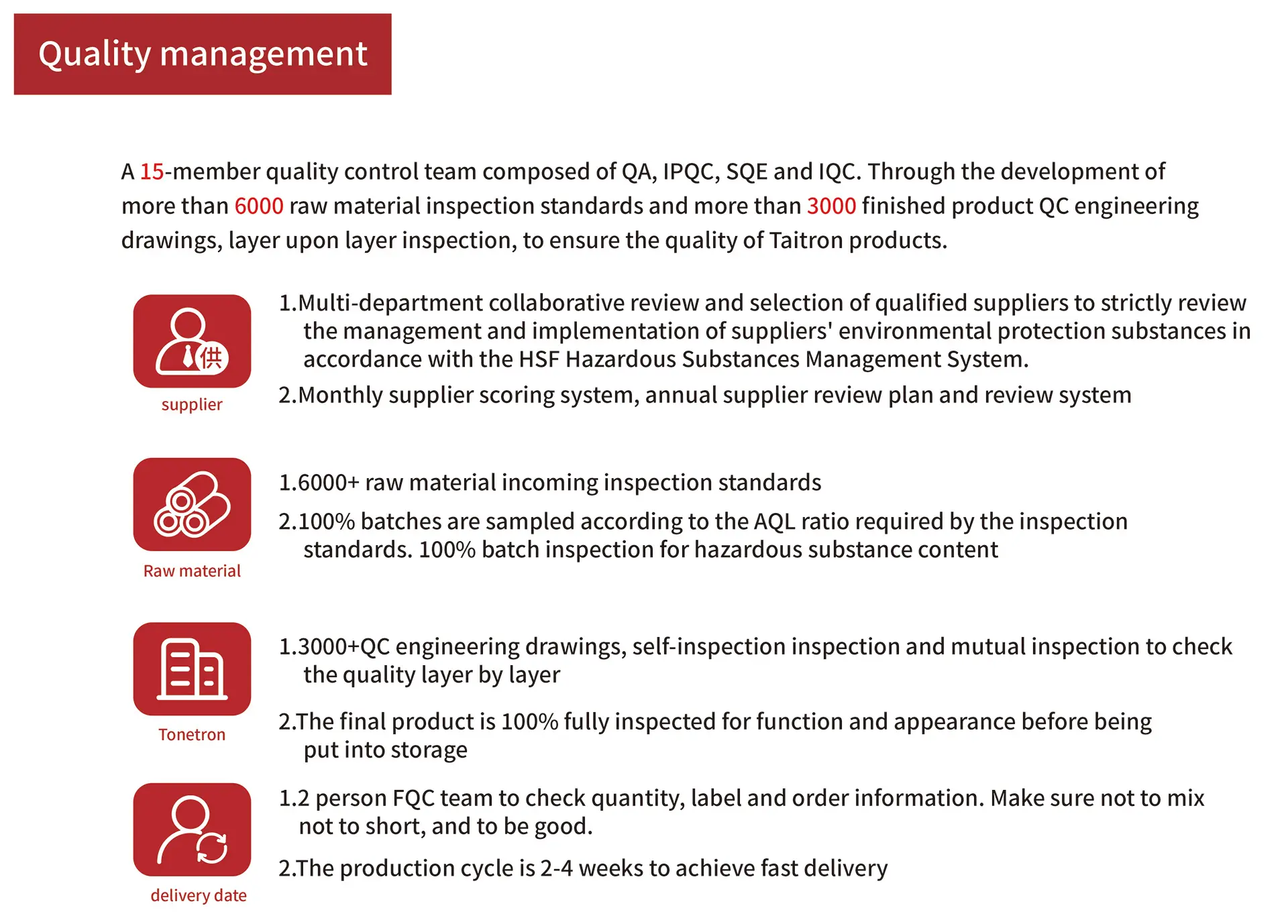
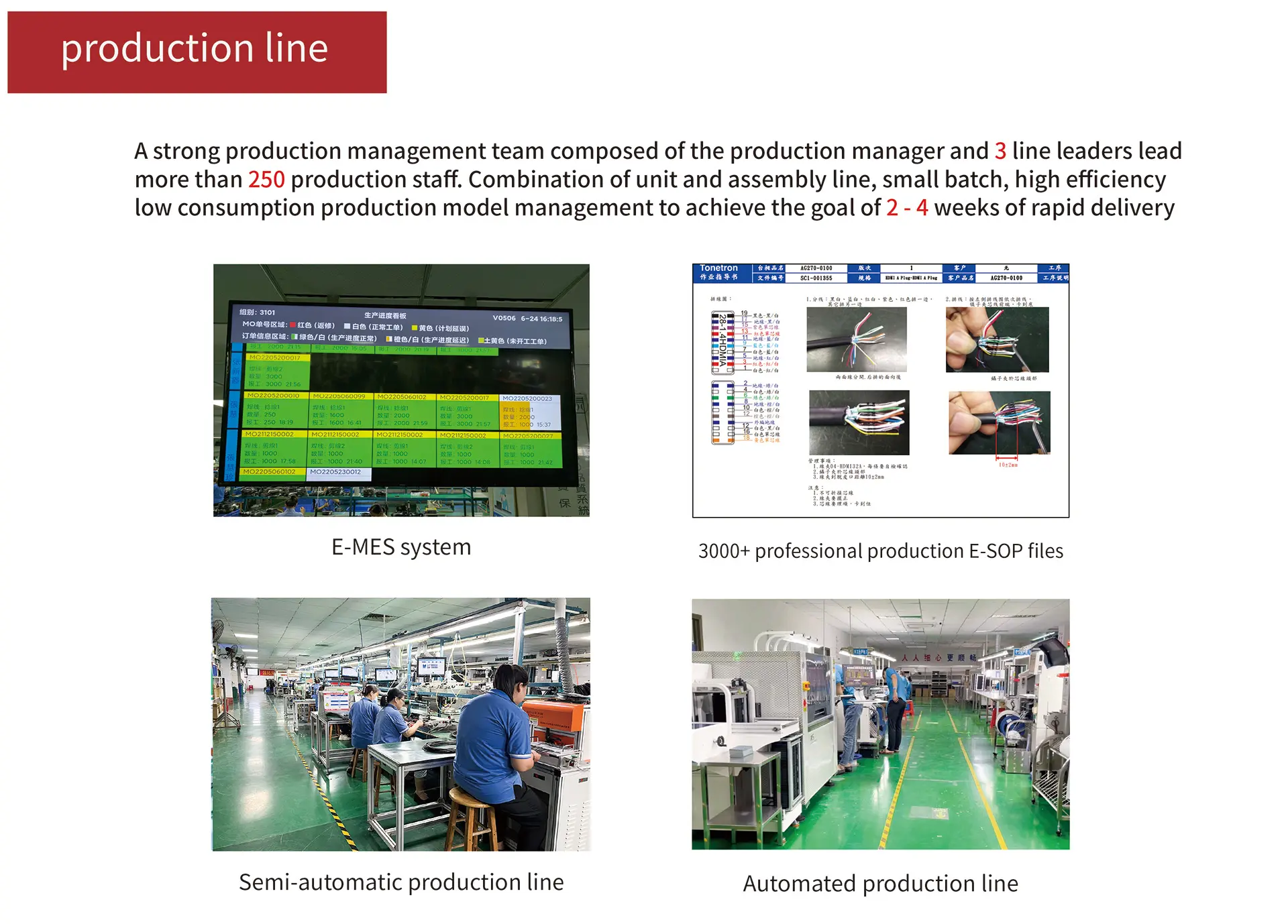
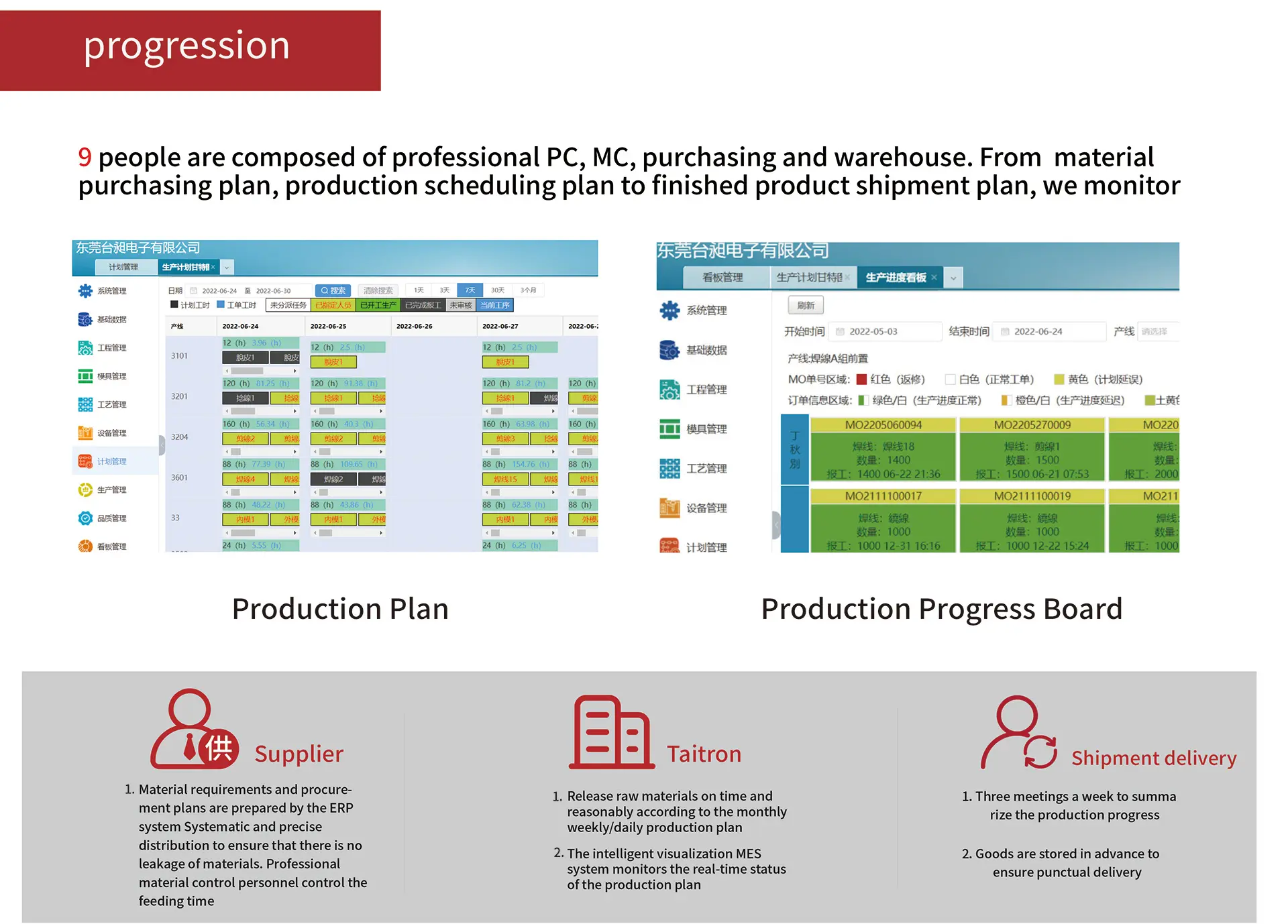
Our deep manufacturing vertically integrates design, tooling, injection molding, SMT, assembly, and automated testing under a unified Quality Management System, making us a trusted partner for global B2B procurement, OEM brands, and enterprise distribution networks.

The global landscape for charging devices is undergoing a structural paradigm shift driven by legislative mandates, materials science breakthroughs, and shifting B2B buyer profiles.
Traditional silicon-based power supplies are rapidly being phased out in favor of GaN semiconductors. Gallium Nitride enables higher switching frequencies, lower thermal dissipation, and unprecedented power density. For B2B importers, this translates into compact wall chargers that output 65W, 100W, or 140W within form factors previously restricted to 30W silicon designs.
Directive (EU) 2022/2380 legally establishes USB Type-C as the standard port for mobile devices across the European Union. This harmonization has streamlined sourcing for importers who must now ensure that their "Usb Ladegeräte" portfolios strictly support USB Power Delivery (USB-PD) and carry the appropriate CE and RoHS markings.
The evolution from PD 3.0 to PD 3.1 allows chargers to output up to 240W (48V at 5A) over Type-C links. As laptops, gaming machines, and industrial systems convert to Type-C power inputs, suppliers must pivot to produce high-wattage, multi-port devices capable of intelligent dynamic power allocation.
Enterprise-grade charging systems require custom mechanical architecture, specific PCB layout rules, and complex dynamic power negotiation systems.
When multiple devices are connected, our custom controllers dynamically balance power. For example, a 100W multi-port charger will redistribute output from 100W single-port connection to 65W + 30W dual-port configurations without system resets.
Using highly conductive thermal silicon pads and custom copper heat sinks, we control internal temperatures to keep outer enclosure operating parameters within the strict safety limits defined by EN 62368-1.
Every OEM Usb Ladegeräte enclosure uses premium polycarbonate materials rated UL94 V-0. This guarantees that plastic housing will self-extinguish within 10 seconds of flame contact, protecting end-users and building installations.
To handle high currents (exceeding 3A / 60W safely), we integrate electronically-marked cable chips in our premium assemblies, preventing overheating through real-time communication between the power brick, cable, and host device.
A critical differentiator for professional OEM Usb Ladegeräte suppliers lies in the depth of their safety architecture. Our chargers are engineered to withstand severe grid fluctuations and environmental stress.
| Protection Vector | Technical Threshold | Underlying Circuit Design |
|---|---|---|
| OVP (Over-Voltage Protection) | Trigger threshold set at 120% of max nominal Vout | Secondary feedback optocoupler circuit immediately trips the primary-side PWM controller in the event of regulation failure. |
| OCP (Over-Current Protection) | Output cut-off at >115% rated current output | Precision shunt resistor monitors current levels, initiating hiccup mode recovery protocols when over-current state occurs. |
| SCP (Short-Circuit Protection) | Automatic shutdown within <10 microseconds | Detects zero-impedance pathways, latching off the primary switch to prevent thermal runaways. Automatically resets when fault is removed. |
| OTP (Over-Temperature Protection) | Activation at internal PCB temperature of 95°C | Dual thermistors located near high-power components feedback directly to control IC, scaling down maximum output wattage or shutting down. |
Navigating customs barriers requires precise alignment with target market electronics safety mandates. Taitron guarantees certification paths for all global jurisdictions.
Our European configurations conform to EMC Directive 2014/30/EU and Low Voltage Directive 2014/35/EU. The TÜV GS mark establishes external manufacturing inspection validation, and RoHS certification confirms zero trace levels of hazardous substances (lead, cadmium, mercury).
For US and Canadian markets, our products meet FCC Class B requirements to minimize EMI/RFI interference. Safety certifications comply with UL 62368-1, the unified hazard-based standard replacing legacy UL 60950-1 protocols.
We assist OEM buyers in setting up WEEE registration routes for electrical waste recovery. Additionally, we enforce standby power targets limits (<0.075W) matching the modern ErP (Energy-Related Products) efficiency guidelines.
How Taitron is positioning itself to lead the next generation of power and connection technology.
Developing power bricks with higher thermal limits and reduced circuit footprints, allowing a 140W triple-port charger to fit in the physical envelope of a legacy 45W device.
Expanding our high-power catalog to fully support 240W delivery, catering to high-performance enterprise notebooks, industrial control systems, and complex smart appliances.
Designing chassis using up to 75% Post-Consumer Recycled (PCR) plastics without sacrificing fire-retardant properties, supporting clients' green sourcing initiatives.
Our standard MOQ for OEM orders varies depending on the level of customization. For standard housing color configurations and custom laser-etched branding, MOQ begins at 1,000 units. For fully customized PCB boards, custom molds, or specific dynamic power IC firmware adaptations, the MOQ starts at 3,000 units.
We offer full certification transfer capabilities. Since our facilities are ISO 9001 certified and our base charger designs are already certified under GS, CE, FCC, and UL, we can submit test reports to global labs (such as SGS, TUV, or UL) to generate client-specific safety certificates with minimal lead time and cost.
Yes. Our engineering division in Dongguan can flash custom firmware to the controller IC to provide dedicated voltage/current profiles (e.g., PPS adjustments, custom 15V steps, or specific handshake sequences required by specialized medical, industrial, or POS terminals).
Every batch of OEM chargers undergoes rigorous validation: 100% active load burn-in testing for 4 hours at maximum temperature thresholds, automated tester scans for voltage regulation and ripple noise, mechanical drop testing, ESD surge protection sweeps, and salt spray exposure tests for all plated ports.
For initial OEM custom orders requiring custom packaging and branding, lead times typically run 30-35 business days. Repeat container orders are completed and dispatched within 20-25 business days, backed by our robust supply agreements for raw materials and key semiconductors.
Yes, we provide plastic-free packaging options using FSC-certified recycled paperboard, printed with soy-based inks. We ensure all packaging aligns with WEEE recycling directives and European packaging waste reduction regulations.
 Taichang Electronic