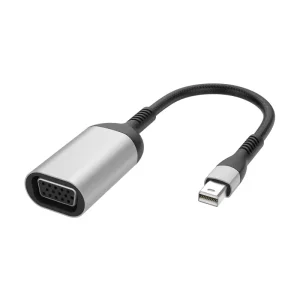
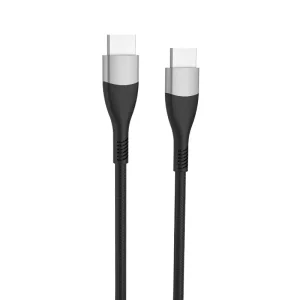
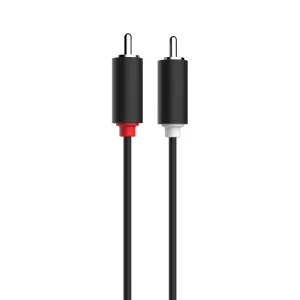
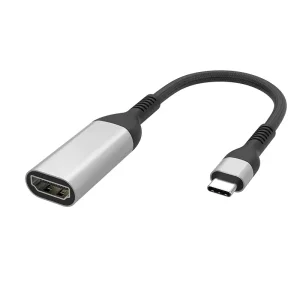
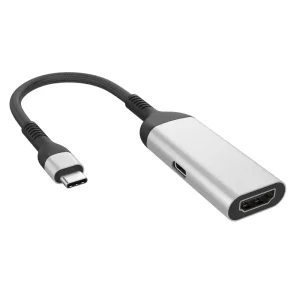
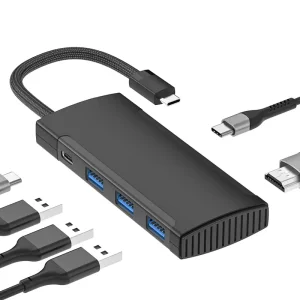
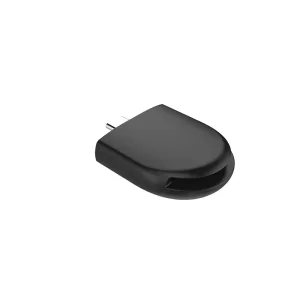
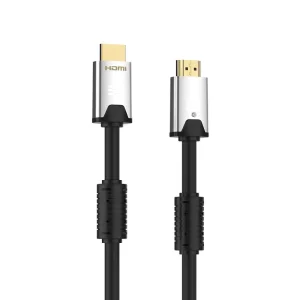
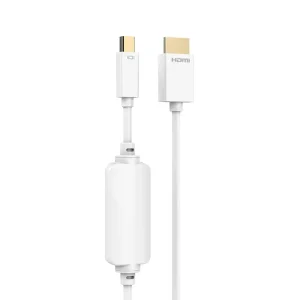
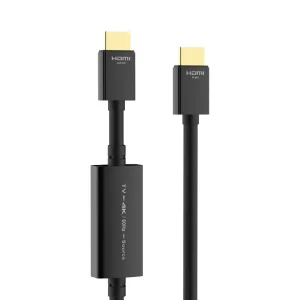
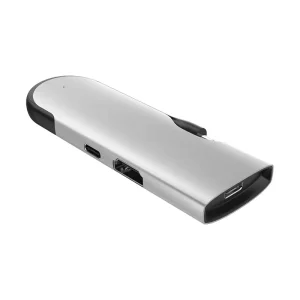
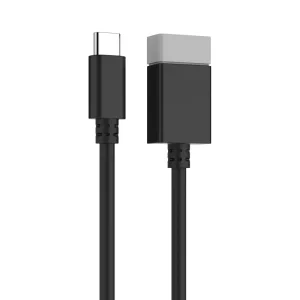
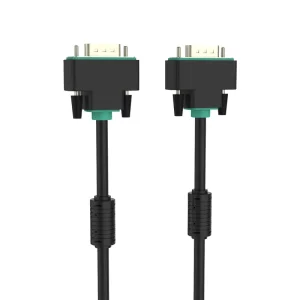
Direct sourcing from VESA-standard production facilities. Certified high-bandwidth adapters, audio-video cables, and hardware-accelerated MST docks.
Founded in Keelung, Taiwan in 1984 under the name Tonetron, our corporation expanded its footprints to the mainland, establishing a dedicated, self-built industrial production park in Dalingshan Town, Dongguan City, Guangdong Province in 1993.
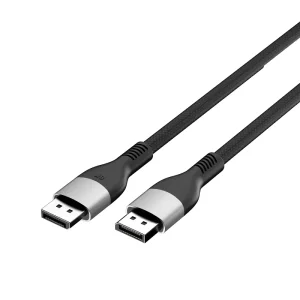
For over 38 years, Taitron has maintained a steadfast focus on high-end audio, video, and digital connectivity interfaces. Through rigorous continuous improvement, we have transitioned from traditional analog wiring assemblies to state-of-the-art consumer and industrial electronics. Our core product portfolio features advanced HDMI 2.1 cables, DP 2.0 / DP 2.1 adapters, high-bandwidth USB4 data hubs, multi-functional Type-C docking stations (including MST hubs), and ultra-high-power USB power delivery components.
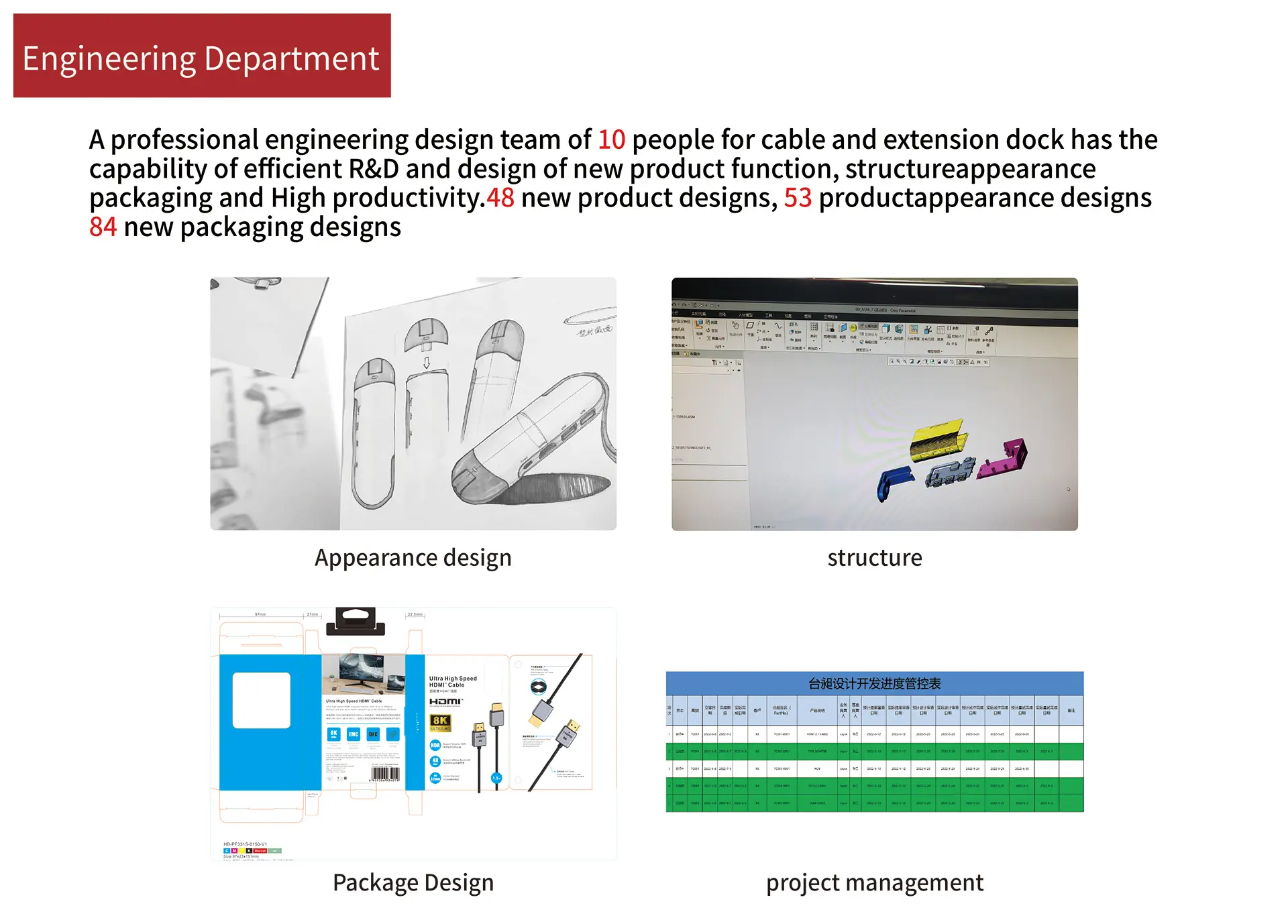
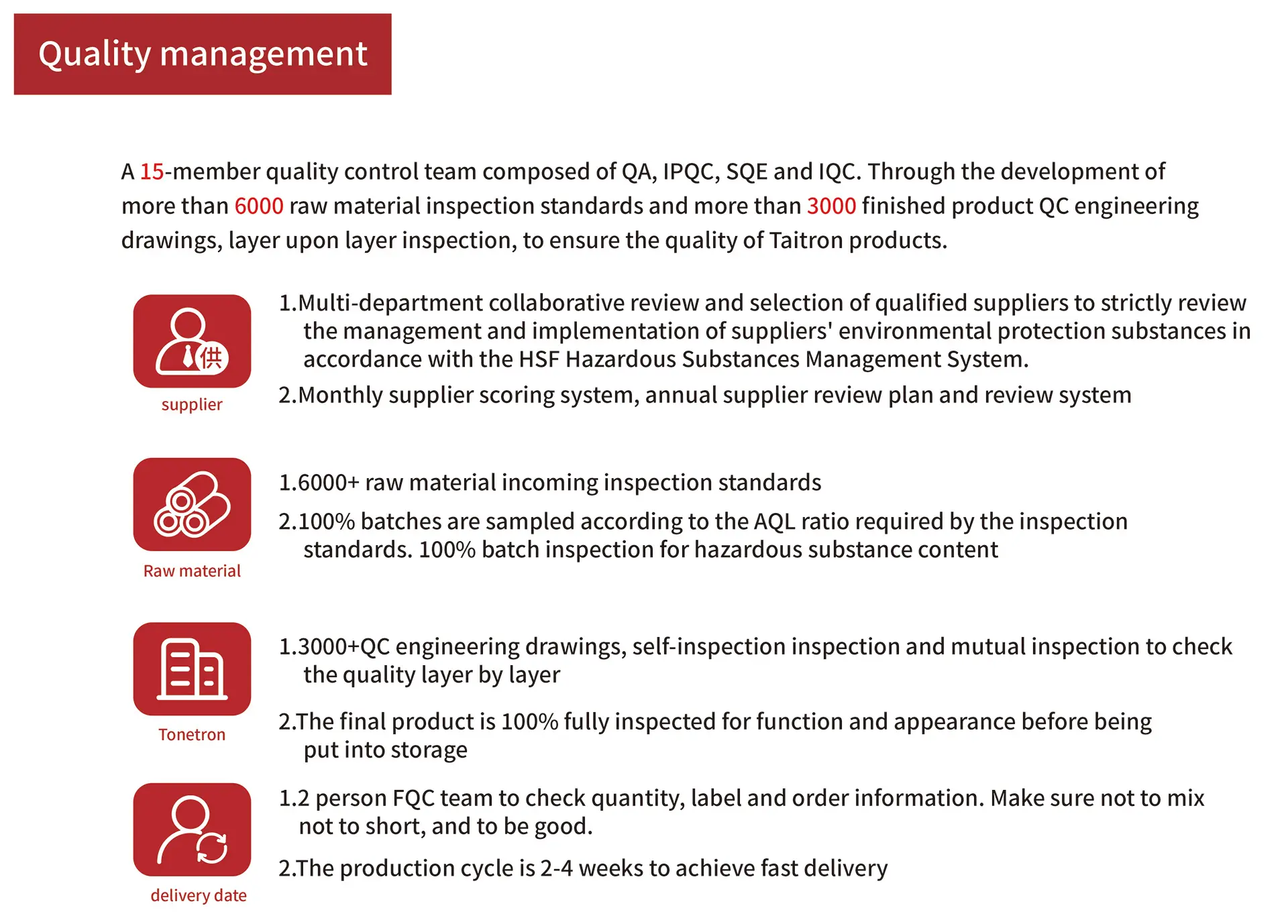

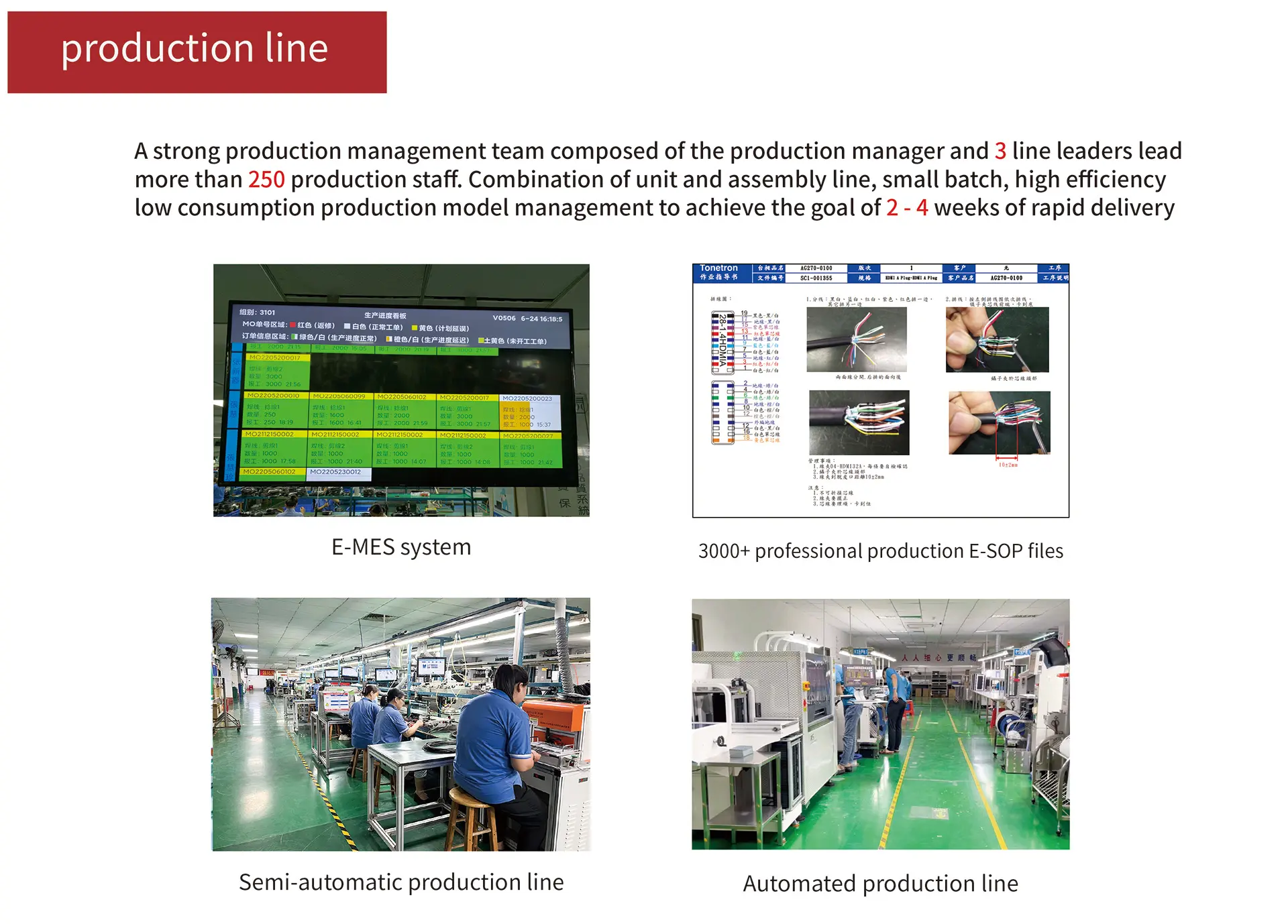
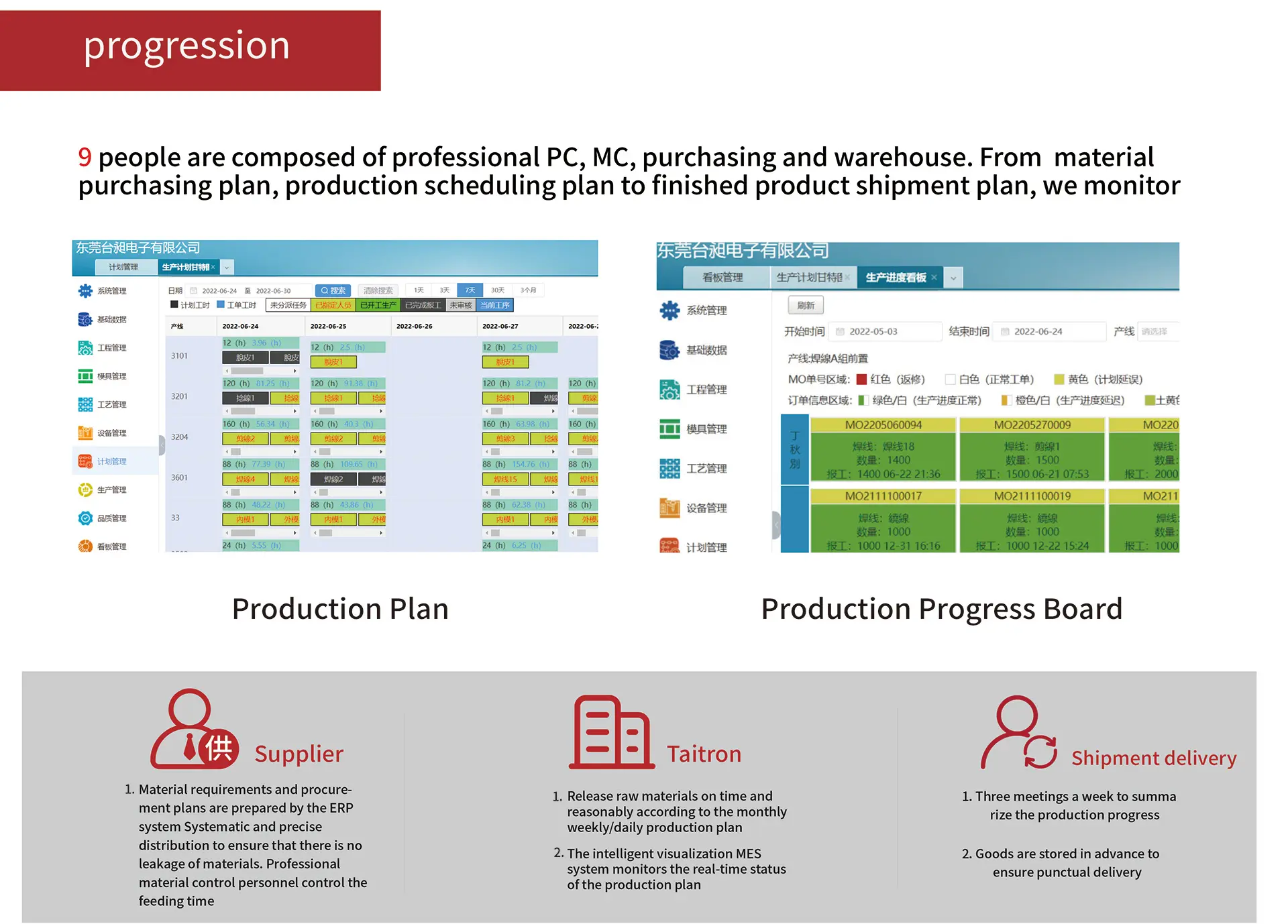
Unlocking multi-screen bandwidth pathways for modern industrial workstations and consumer systems.
Introduced in VESA's DisplayPort 1.2 specification and further optimized through DisplayPort 1.4 and 2.0/2.1, Multi-Stream Transport (MST) represents a watershed technology in video signal multiplexing. Unlike Traditional Single-Stream Transport (SST), which channels a singular combined video signal to one screen, MST partitions the total bandwidth of a DisplayPort link into multiple, discrete packet streams. This allows a single DP physical port or a DisplayPort Alt Mode USB-C connector to drive multiple displays independently with distinct content, resolutions, and refresh rates.
By splitting high-speed pixel data into targeted packets, MST routes specific display channels dynamically across daisy-chained configurations or hardware branch devices without screen tearing.
Utilizing high-performance MST chipsets (such as Synaptics, Realtek, or MegaChips), our devices intelligently manage Link Training and HBR3 bandwidth allocations to ensure zero-latency synchronization.
Taitron MST branch adapters natively support Display Stream Compression (DSC 1.2). This visually lossless compression standard triples the display capacity, enabling dual 8K @60Hz displays or triple 4K @120Hz displays via a single DP 1.4 port.
To assist procurement managers and systems integration engineers in calculating deployment overhead, we provide the following technical specification chart contrasting the limits of DisplayPort interface classes when using MST configuration:
| DP Version Class | Max Link Rate / Bandwidth | Max Native Streams (Without DSC) | Max MST Resolution Outputs (DSC Enabled) | Common Application |
|---|---|---|---|---|
| DisplayPort 1.2 | HBR2 (21.6 Gbps) | 1x 4K @60Hz OR 2x 1080P @60Hz | DSC Not Supported | Legacy Corporate Displays |
| DisplayPort 1.4 | HBR3 (32.4 Gbps) | 1x 8K @30Hz OR 3x 1080P @60Hz | 3x 4K @60Hz OR 2x 4K @120Hz | Modern Creative Workstations |
| DisplayPort 2.0 / 2.1 | UHBR10 / 20 (Up to 80 Gbps) | 3x 4K @120Hz OR 2x 8K @60Hz | 3x 8K @60Hz OR 2x 10K @60Hz | Ultra-HD Simulators, Medical Imaging |
Why Fortune 500 corporations, hardware manufacturers, and commercial integrators require strict product compliance.
In the digital-first commercial landscape, enterprises do not simply buy adapters—they purchase uptime, stability, and system integration longevity. Whether setting up control rooms in Berlin, engineering workstations in Silicon Valley, or medical consoles in Tokyo, system failures can result in massive overhead losses. B2B buyers look for specialized capabilities to mitigate supply chain risks:
Our manufacturing ecosystem in Dongguan transitions from scale-driven assembly to automated Industry 4.0 production.
Located in Dalingshan Town, Dongguan City, Taitron's modernized production complex incorporates Factory 4.0 paradigms to maintain absolute consistency over large production runs. We achieve robust yield rates and structural cost advantages through vertical integration and smart automation:
By leveraging computer-guided laser cable strippers and automated precision soldering robots, we reduce standard impedance deviation down to < 2.5%, ensuring superior signal stability at high gigabit speeds.
Every batch of DisplayPort and USB-C MST cables is verified using Time Domain Reflectometry (TDR) to assess return loss, insertion loss, and differential impedance compliance.
Our ERP system monitors components from raw copper and chipsets through final packaging, enabling swift quality reviews and stable supply guarantees for international contract shipments.
Combining our historical Taiwan engineering foundation (founded in 1984) with Dongguan's manufacturing agility allows Taitron to offer highly competitive pricing. We maintain a broad supply network of premium materials, protecting B2B clients from sudden market disruptions and volatile component supply constraints.
How specialized DisplayPort MST hardware optimizes visual layouts across primary industries.
Financial analysts must monitor real-time stock charts, news feeds, and terminal databases simultaneously. By routing three 1080p displays from a single miniDP port using the PF351 adapter series, trading floors optimize workspace layout, eliminate complex cabling, and lower GPU energy costs.
Radiologists rely on multiple ultra-high-resolution displays to review MRIs, X-rays, and CT scans side by side. Using DisplayPort 1.4 or 2.0 MST adapters with DSC support, medical systems can stream images to twin 4K gray-scale monitors with consistent depth and no frame drops.
Municipal surveillance hubs, railway operations, and telecom centers require visual dashboards spanning large monitor matrices. Taitron's MST splitters permit multi-monitor daisy chains, reducing cable runs and simplifying maintenance routines.
Modern commercial retail spaces use synchronized displays to present dynamic video walls. Utilizing integrated MST hubs, systems run synchronized 4K video feeds to multiple panels from a single media player, lowering initial hardware costs.
Answering the most critical questions from systems engineers and global sourcing managers.
Partner with an industry leader. High-speed HDMI cables, USB C peripherals, and commercial-grade adapter solutions.
 Taichang Electronic