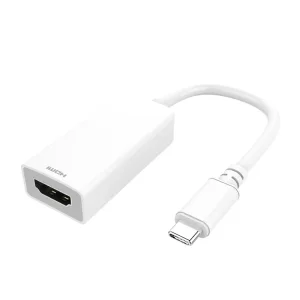
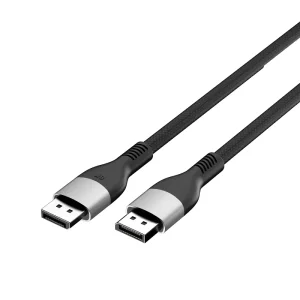
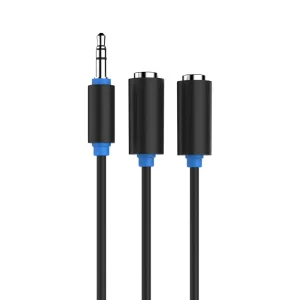
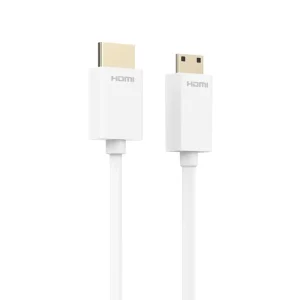
High-frequency, high-performance connectivity solutions engineered for resilience, data fidelity, and seamless device interoperability.
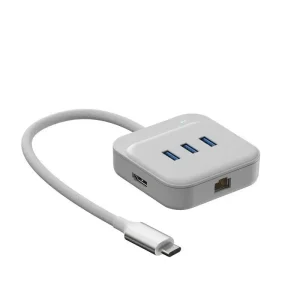
In an era dominated by hyper-mobility and computing devices featuring reduced form factors, connectivity degradation represents a critical operational bottleneck. Corporate workspaces, telemedicine systems, financial trading stations, and smart POS terminals require continuous, high-speed data access alongside the flexibility to interface with diverse USB peripherals. This is where the Ethernet USB Hub serves as an essential infrastructure bridge. By converting a single upstream host connection (typically USB-C, USB4, or Thunderbolt) into a high-speed RJ45 Gigabit Ethernet port alongside multiple USB-A and USB-C downstream ports, these hubs eliminate connection instability and optimize workplace workflows.
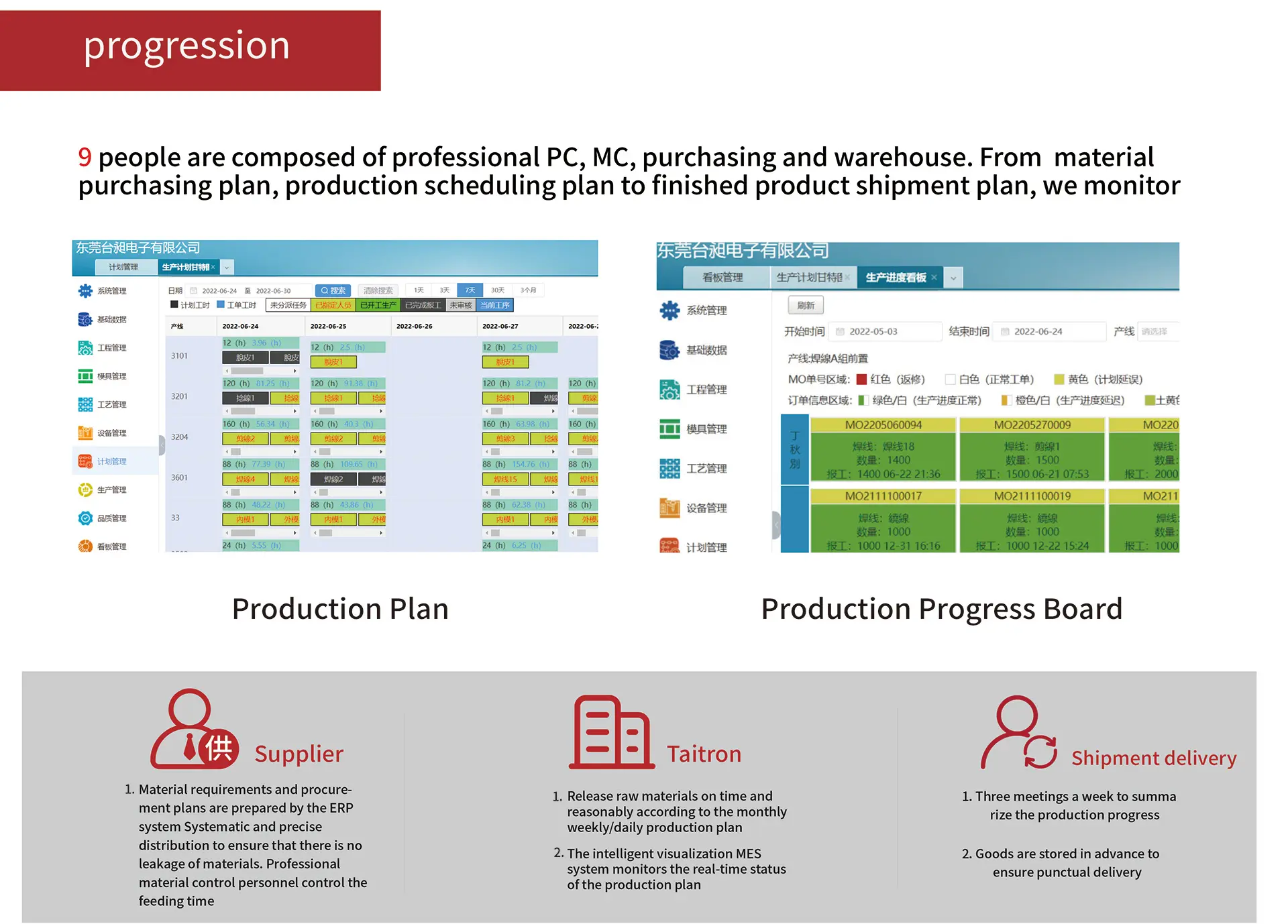
For enterprise buyers, sourcing these components at scale involves evaluating thermal efficiency, component durability, and protocol compatibility. Dongguan Taitron Electronics addresses this demand by designing and manufacturing hubs that prevent signal crosstalk, limit latency, and guarantee robust structural integrity.
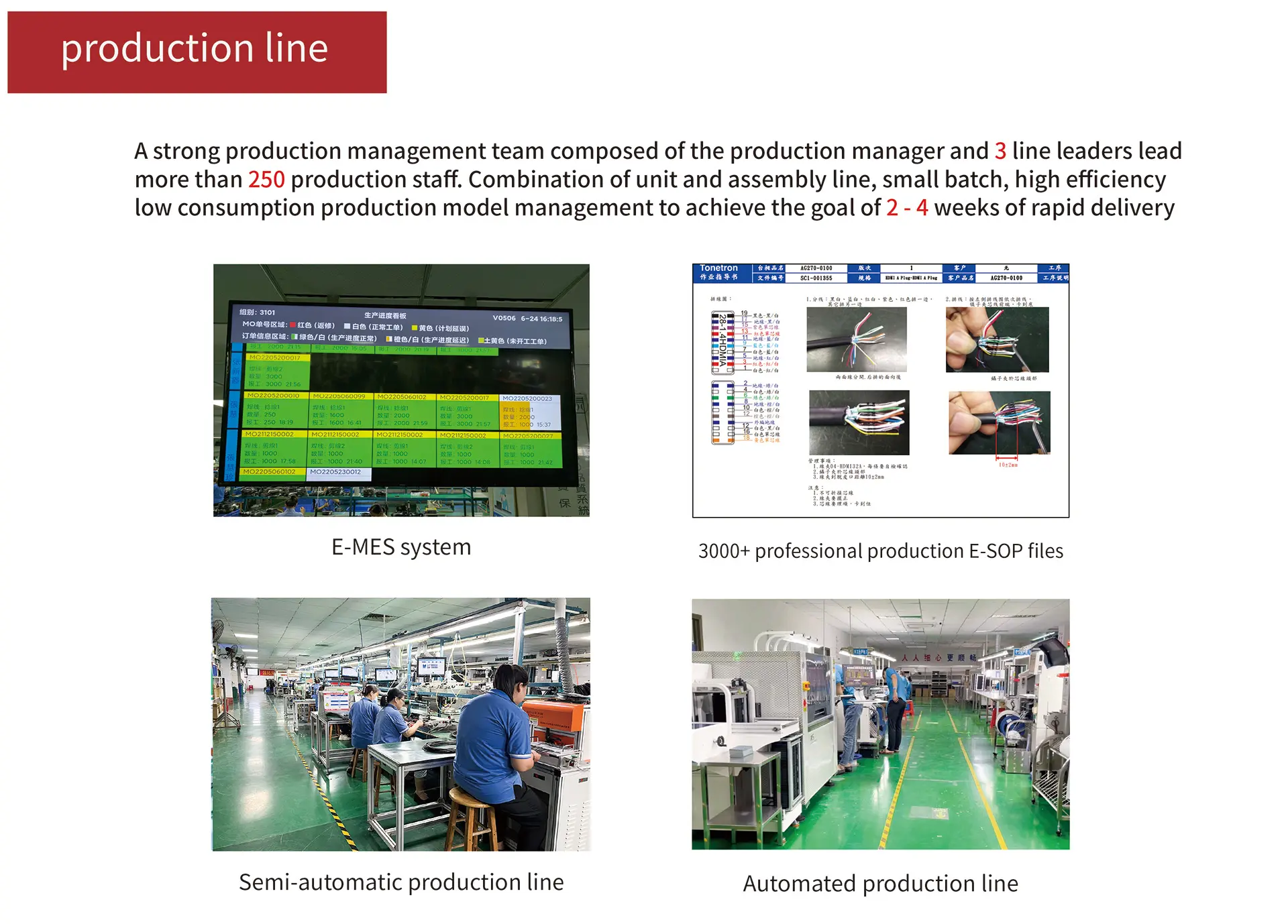
The commercial landscape for multi-port expansion peripherals has evolved beyond simple plug-and-play consumer accessories. Today, global supply chains depend heavily on specialized manufacturing hubs in Southeast Asia and Southern China. Dongguan Taitron Electronics, which established its footprint in Keelung, Taiwan in 1984 before expanding to its self-built industrial park in Dalingshan Town, Dongguan in 1993, sits at the heart of this manufacturing ecosystem.
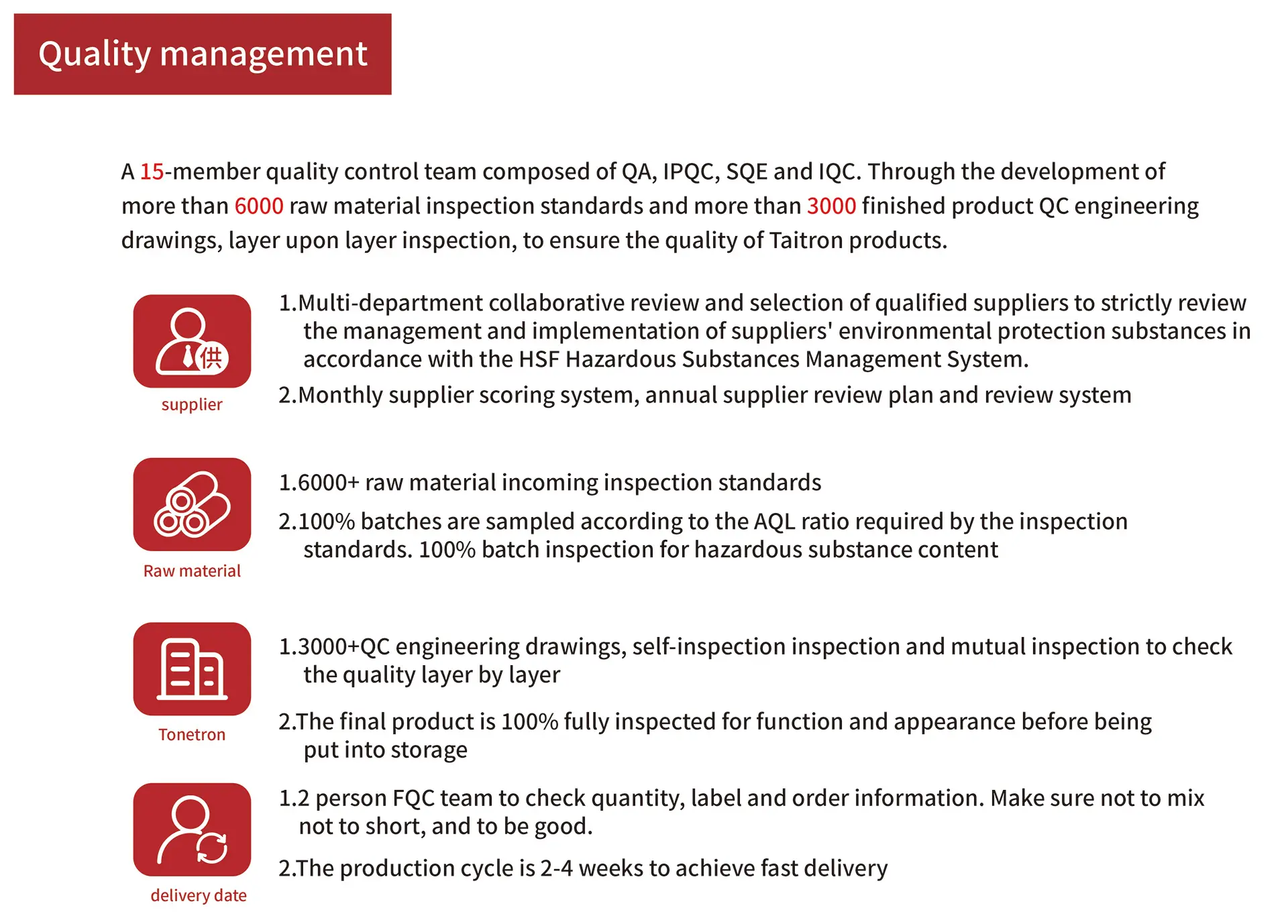
B2B sourcing agents and procurement managers must navigate complex compliance structures, customs protocols, and technical validations. Partnering with a manufacturer that possesses deep vertical integration—from raw wire extrusion to final chip placement (SMT)—is crucial. This level of oversight ensures structural reliability and minimizes defect rates down to a target of < 0.05%.
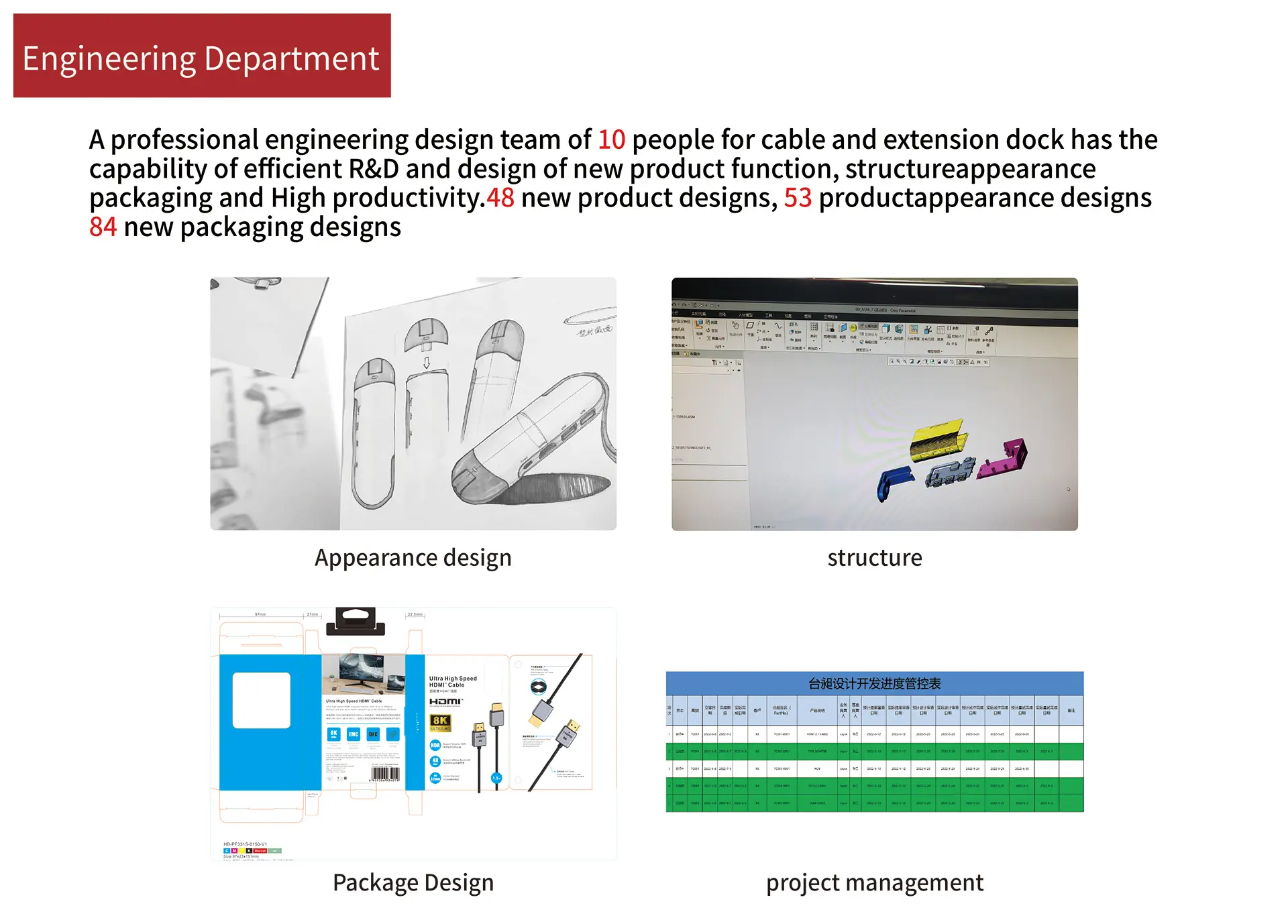
Custom enclosure designs, personalized laser branding, customized PCB configurations, and application-specific port assignments.
Every product undergoes strict certification checks including CE, FCC, RoHS, and REACH to guarantee smooth international trade.
Equipped with state-of-the-art labs running TDR signal tests, thermal cycles, and automated insertion/extraction life cycles.
The deployment of an Ethernet USB Hub differs significantly based on the operating environment. By engineering product lines tailored for distinct environments, we address the specialized demands of multiple industries:
With modern laptops prioritizing thin profiles over physical port options, corporate docking solutions must bridge the gap. A hub featuring an integrated Realtek RTL8153 Gigabit Ethernet controller paired with high-efficiency GL3590 USB multiplexing chips allows office professionals to connect to secure local area networks while running peripherals like conference webcams and local external drives.
Industrial shop floors require hardware protected against electromagnetic interference (EMI) and electrostatic discharge (ESD). Our industrial-focused hubs feature aluminum-alloy housings, isolated ground lines, and transient voltage suppressors (TVS) to prevent system downtime caused by high-voltage spikes from heavy factory machinery.
In modern hospital wards, mobile medical carts require stable connectivity to upload patient records in real-time. By utilizing Ethernet USB hubs with secure, latching connections, medical staff are protected against accidental cord disconnections during critical patient checkups.
Performance issues with low-cost hubs, such as data throttling and disconnected peripherals under heavy loads, are typically caused by insufficient component architecture. Our manufacturing processes prioritize premium core components:
| Module Component | Standard Solution (Consumer-Grade) | Taitron Industrial-Grade Standards | System Performance Advantage |
|---|---|---|---|
| Ethernet Controller | Generic USB-to-LAN Bridge | Realtek RTL8153 / RTL8156 (2.5GbE) | Low latency, low CPU overhead, support for PXE Boot & Wake-on-LAN (WoL). |
| USB Hub Controller | Non-certified 4-port controllers | Genesys Logic GL3590 / VIA VL817 | Provides dedicated bandwidth allocation to prevent data bottlenecks across ports. |
| Power Delivery (PD) | Standard 60W passthrough | USB-PD 3.0 / PD 3.1 (Up to 100W/240W) | Supports simultaneously powering high-draw laptops and powering external hard drives. |
| PCB & Shielding | Double-layer PCB, no shielding | 4-to-6 Layer PCB with integrated metal EMI shielding | Prevents interference on 2.4GHz wireless devices and stabilizes Wi-Fi signals. |
As display resolutions rise and data transfer demands increase, the boundaries between display outputs, data transmission, and networking continue to merge. Our engineering teams are actively developing several next-generation solutions:
In 1984, Dongguan Taitron Electronics Limited., formerly known as Tonetron, was founded in Keelung, Taiwan. In 1993, it moved to the self-built independent production industrial park in Dalingshan Town, Dongguan City, China, and changed its name to Dongguan Taitron Electronics Limited.
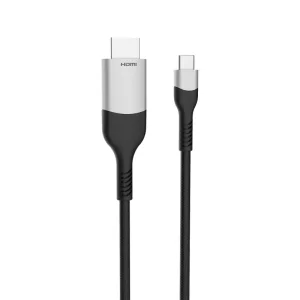
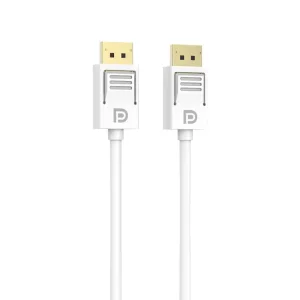
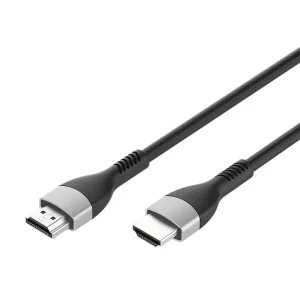
38 years to pass professional video and audio peripheral eguipment connection line manufacturing as the foungation, Gradually develop to the high-end audio and video cable data cable such as HDMI2.1 cable, DP2.0 cable, USB4 data cable, USB-C 3.1Gen2 data cable, high-power USB charging cable, 8K HD conversion cable, multi-functional Type-C expansion dock and other products research and development and manufacturing.

Answers to common technical and procurement questions regarding wholesale Ethernet USB hub hardware.
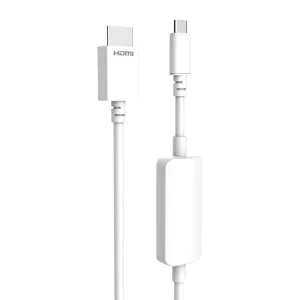
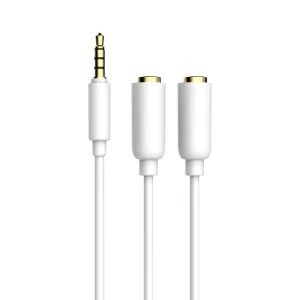
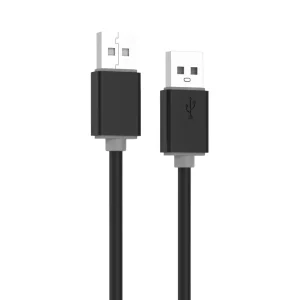
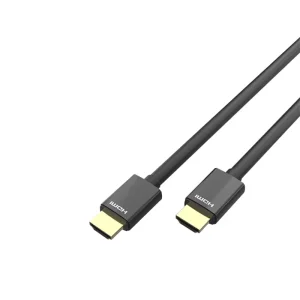
Complete your hardware infrastructure with our certified cables, adapters, and data interfaces.
 Taichang Electronic