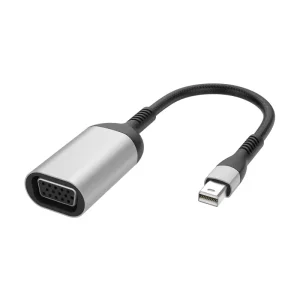
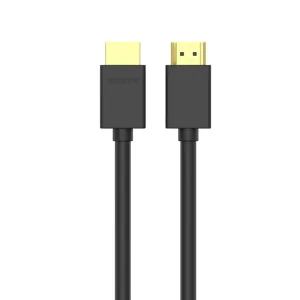
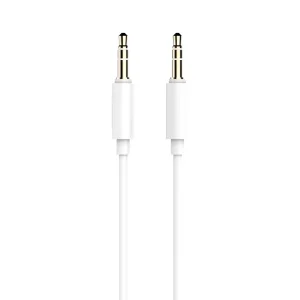
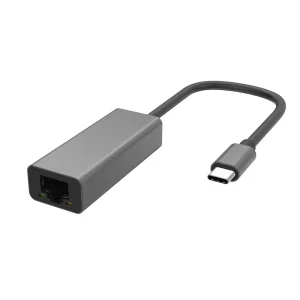
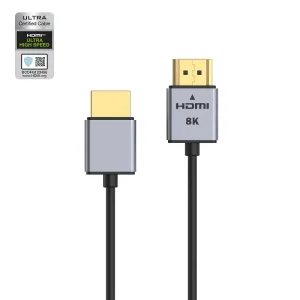
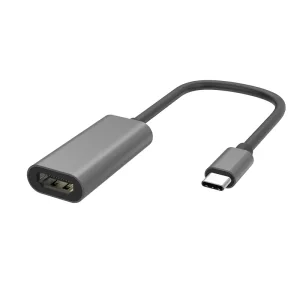
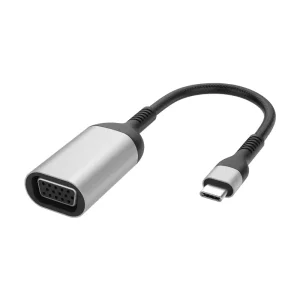
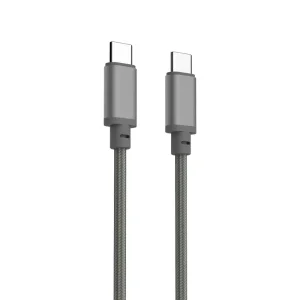
In the modern digital era, the physical transmission layer remains the bedrock of high-fidelity communications. Digital signal interfaces, specifically HDMI (High-Definition Multimedia Interface) technology, support the massive bandwidth requirements demanded by professional, broadcast, medical, and aerospace visualization nodes. Today's commercial markets are transitioning rapidly from basic 1080p standards to robust 4K UHD (Ultra-High-Definition) networks, running on advanced HDMI 2.0 and HDMI 2.1 protocol layers.
From the enterprise boardroom to heavy-industry control rooms, system stability depends directly on the mechanical structure, shielding efficiency, and copper purity of the cabling deployed. Uncertified cabling leads to packet drops, screen blackouts, and electrical interference (EMI), creating substantial financial risks for engineering teams.
The global demand for high-speed transmission cables is driven by several key developments in professional video and networking hardware:
High-performance cabling systems are used across a range of local environments, each with unique performance standards and environmental conditions:
Surgical suites require zero-latency transmission of 4K video feeds from endoscopy cameras to displays. A drop of even a single frame can impact real-time surgical decisions. Cables in these environments feature robust medical-grade shielding to prevent interference with critical monitoring equipment.
Smart city management centers, security desks, and traffic control rooms require multi-screen layouts (MST hubs) powered by reliable DisplayPort and HDMI distribution networks. These hubs must run 24/7 without thermal throttling or data loss.
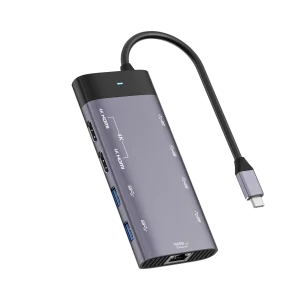
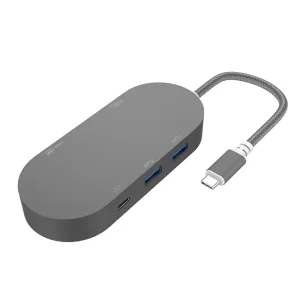
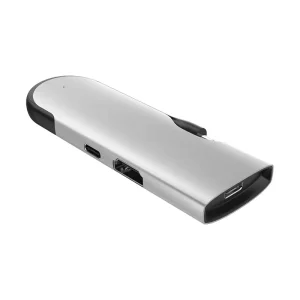
Modern boardrooms rely on single-cable USB-C docking hubs that route power, ethernet, dual-display 4K HDMI video, and audio through a single input. Reliability here means minimizing downtime for visiting presenters and keeping meetings running smoothly.
Over the next five years, copper and optical signal delivery architectures will undergo several key changes. At the physical layer, raw copper reaches attenuation limits at higher frequencies, making precision shielding structures critical. Cross-talk minimization is achieved by individually shielding every twisted pair with aluminum foil, plus an outer overall tinned-copper braided shield (minimum 85% coverage).
In parallel, Smart Connector Chips are being integrated directly into hub and adapter assemblies. Integrated circuits handle EDID handshake protocols automatically, resolving common handshake issues between mismatched source devices and display controllers.
In 1984, Dongguan Taitron Electronics Limited, formerly known as Tonetron, was founded in Keelung, Taiwan. In 1993, the company moved to its self-built independent production industrial park in Dalingshan Town, Dongguan City, China, changing its name to Dongguan Taitron Electronics Limited.
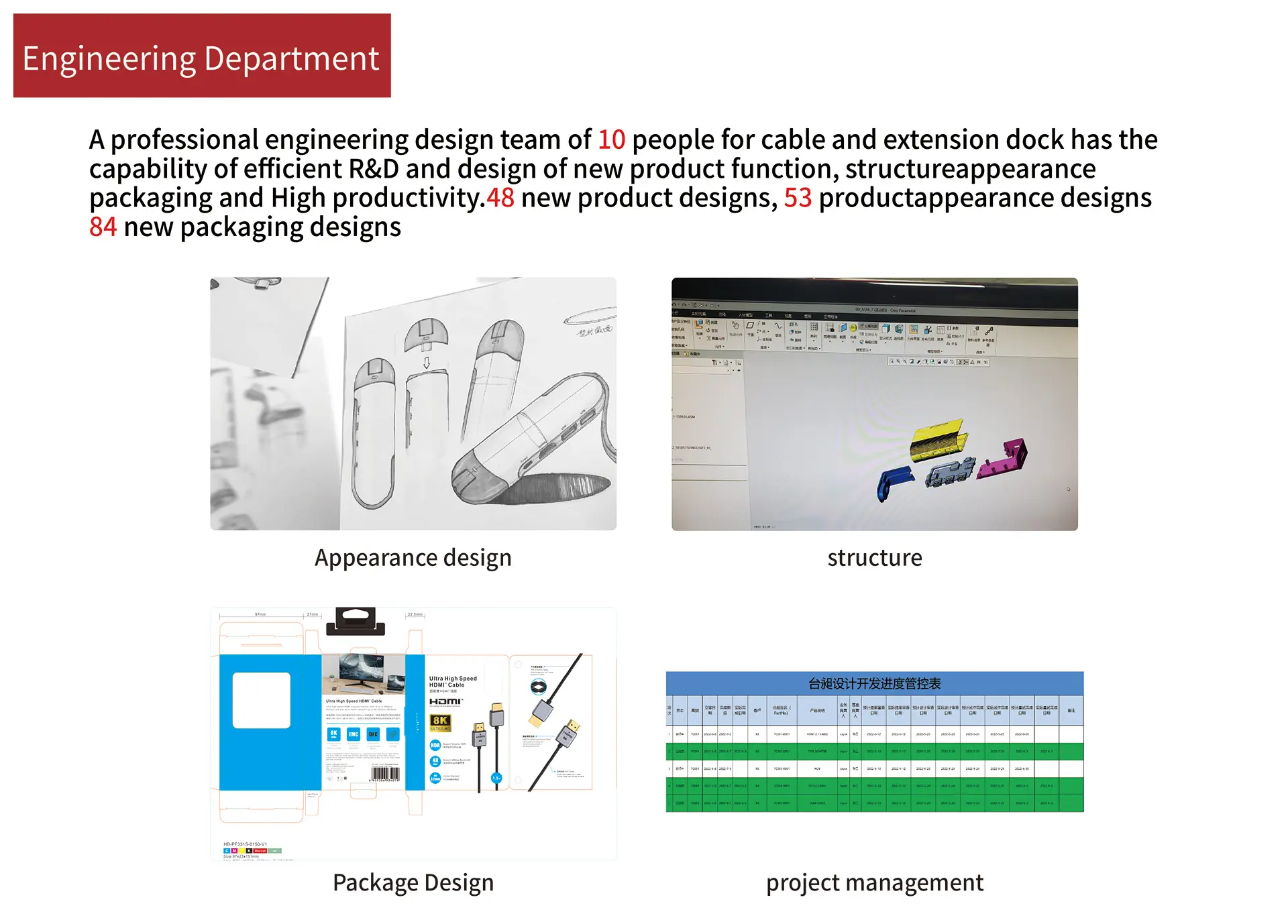
With 38 years of experience in the design and production of professional video and audio peripheral equipment connection lines, we have built a comprehensive manufacturing foundation. Over the decades, we have evolved to develop and manufacture high-end audio and video cables, high-power USB data cables, and multifunctional Type-C expansion docks. Our portfolio includes HDMI 2.1 cables, DP 2.0 cables, USB4 data cables, USB-C 3.1 Gen 2 data cables, high-power USB charging cables, 8K HD conversion cables, and multi-functional Type-C expansion docks.
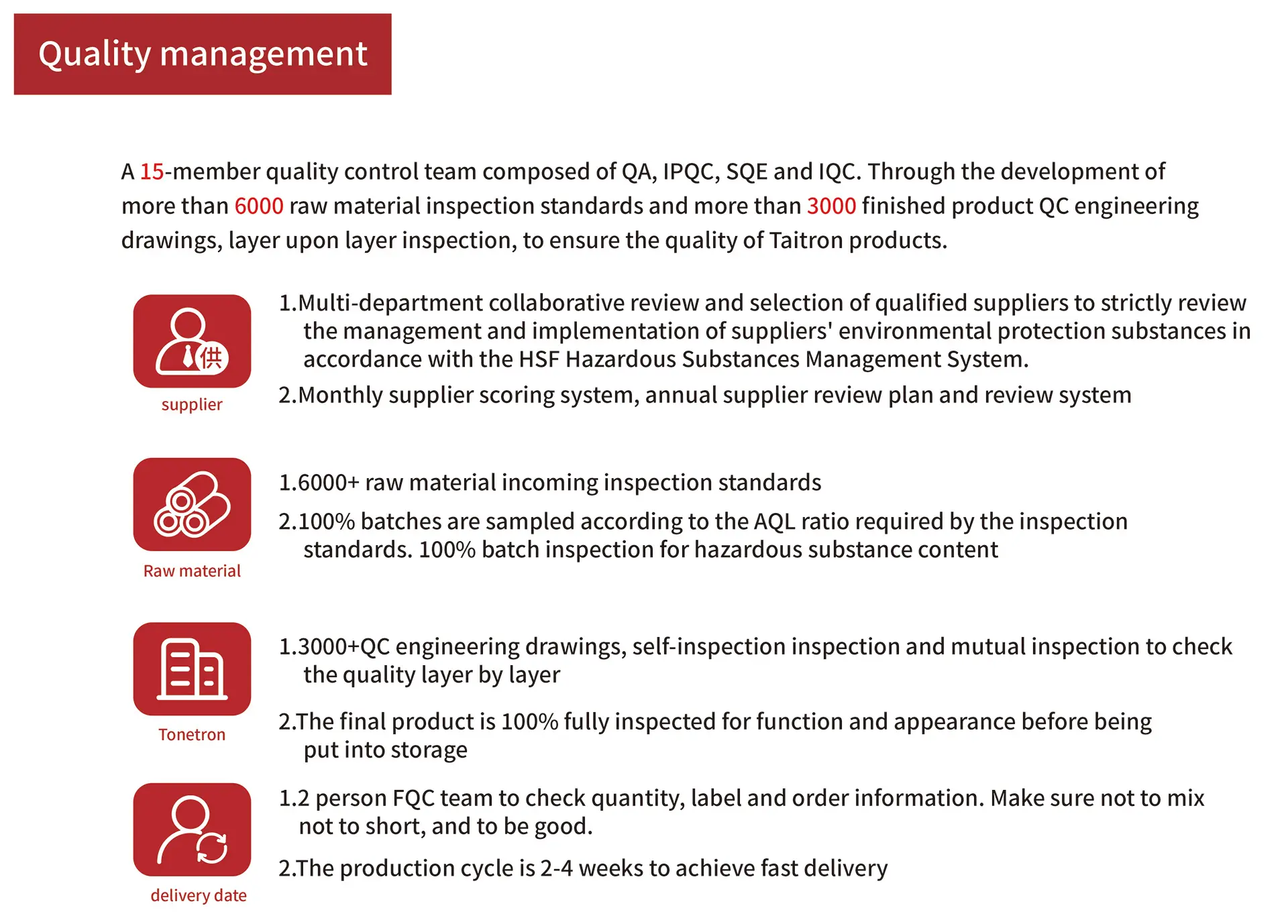
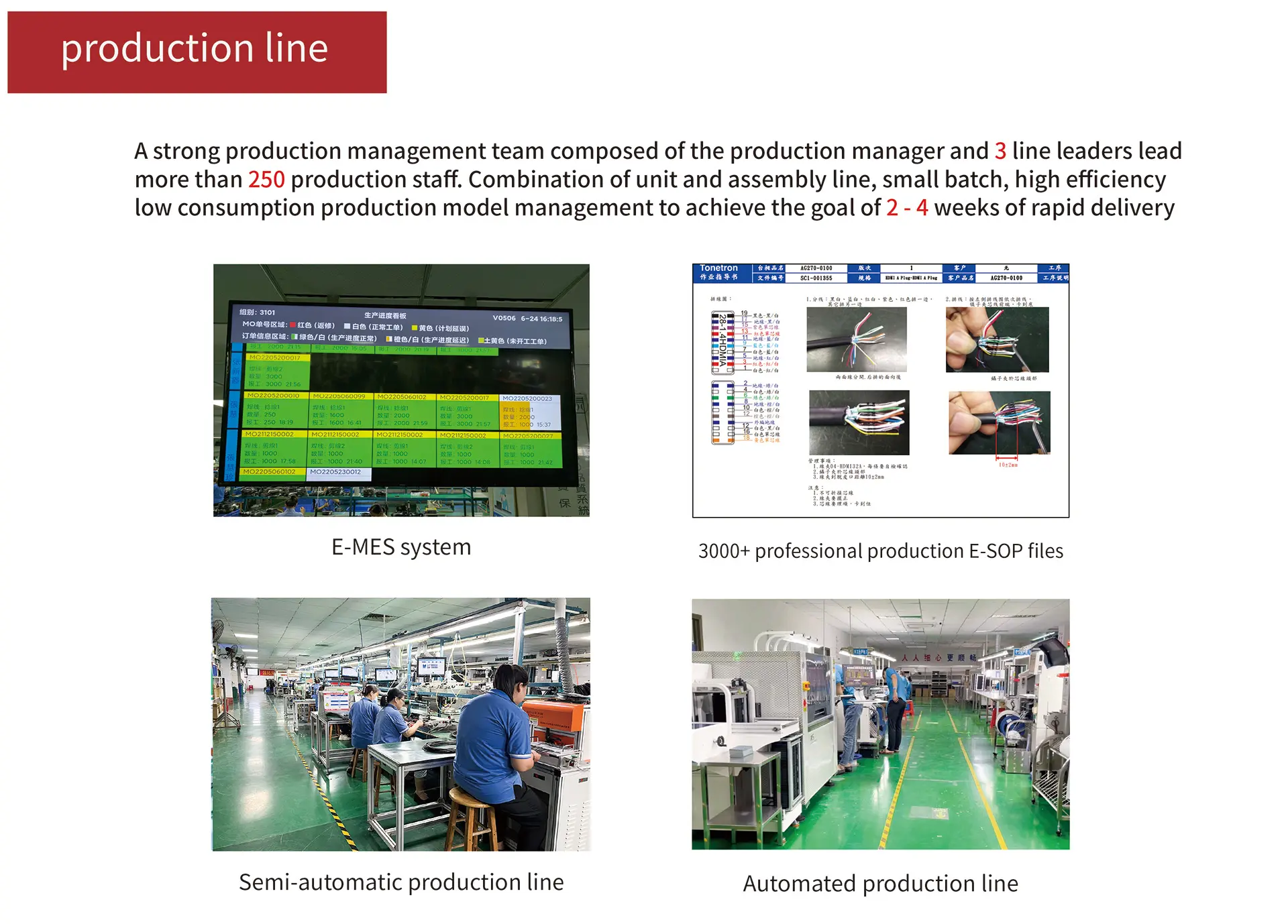
Operating from our dedicated industrial park, our production and design processes are supported by modern testing equipment, including network analyzers, TDR impedance testers, and EMI testing labs. This specialized infrastructure ensures every batch of wholesale HDMI 4K UHD and ultra-high-speed cables complies with international compliance protocols and HDMI Adopter standards.

 Taichang Electronic