Engineered for extreme data throughput, robust signal integrity, and absolute reliability under demanding industrial workloads.
Analyzing market transition, high-bandwidth demands, and engineering requirements.
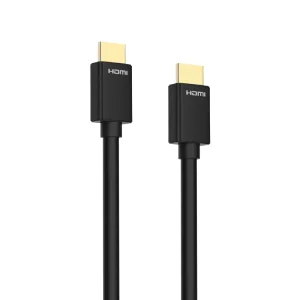
The global digital connectivity infrastructure is undergoing a seismic shift toward ultra-high-definition (UHD) media ecosystems. Central to this evolution is the deployment of HDMI 8K (HDMI 2.1) technology, which raises bandwidth transmission thresholds from the traditional 18 Gbps of HDMI 2.0 to an astonishing 48 Gbps. This immense pipeline is critical for handling non-compressed 8K resolution at 60Hz and 4K at 120Hz, utilizing advanced signaling protocols such as Fixed Rate Link (FRL) instead of Transition Minimized Differential Signaling (TMDS).
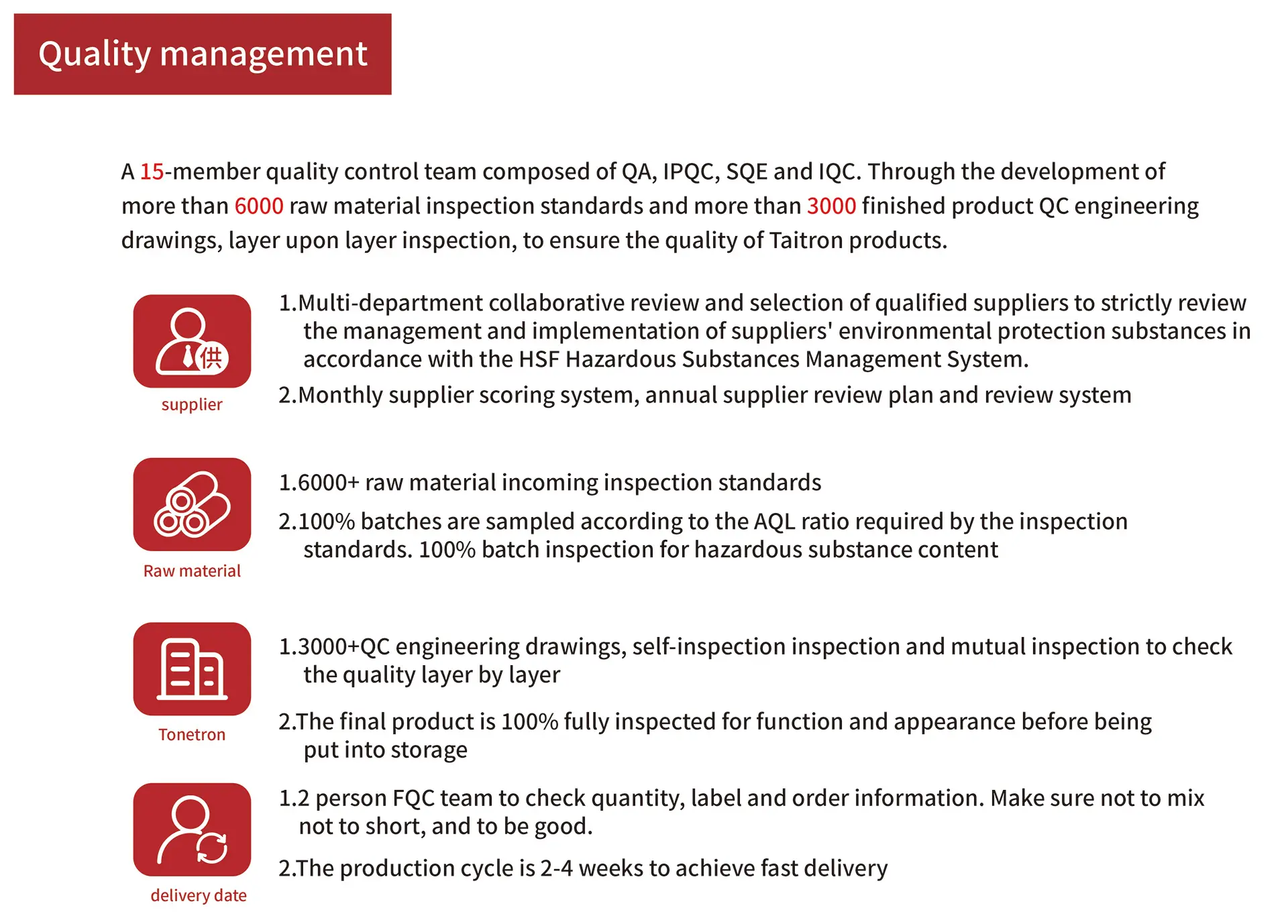
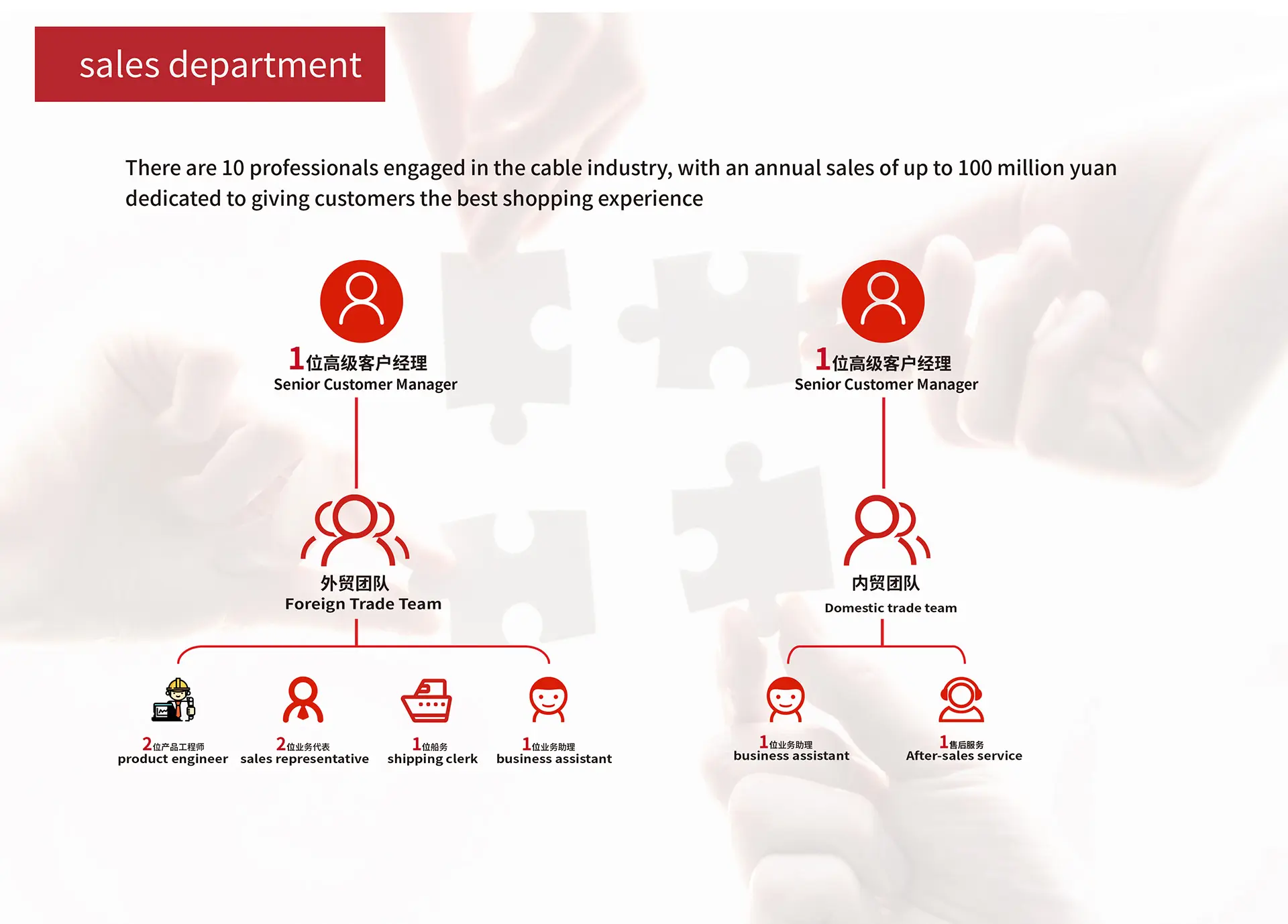
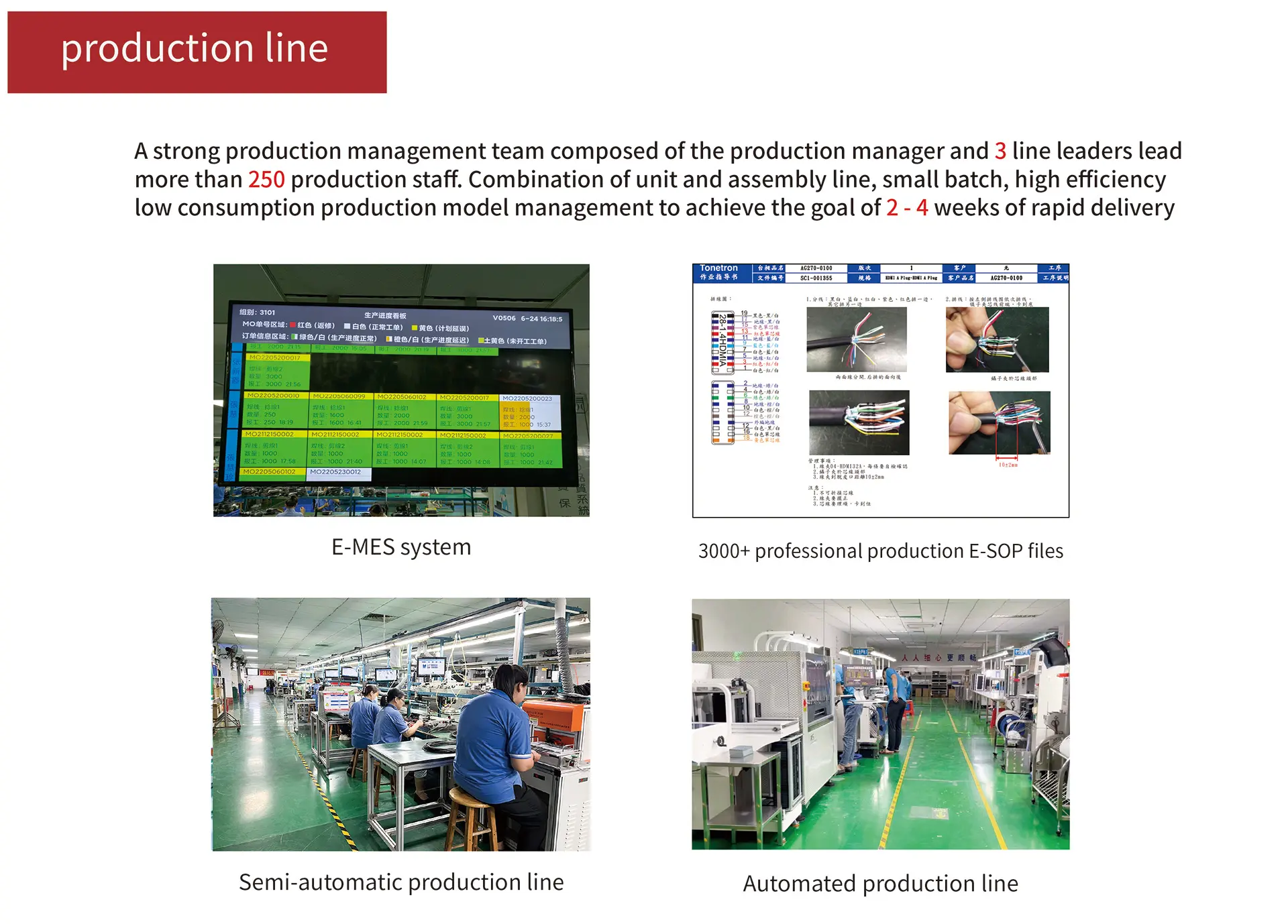
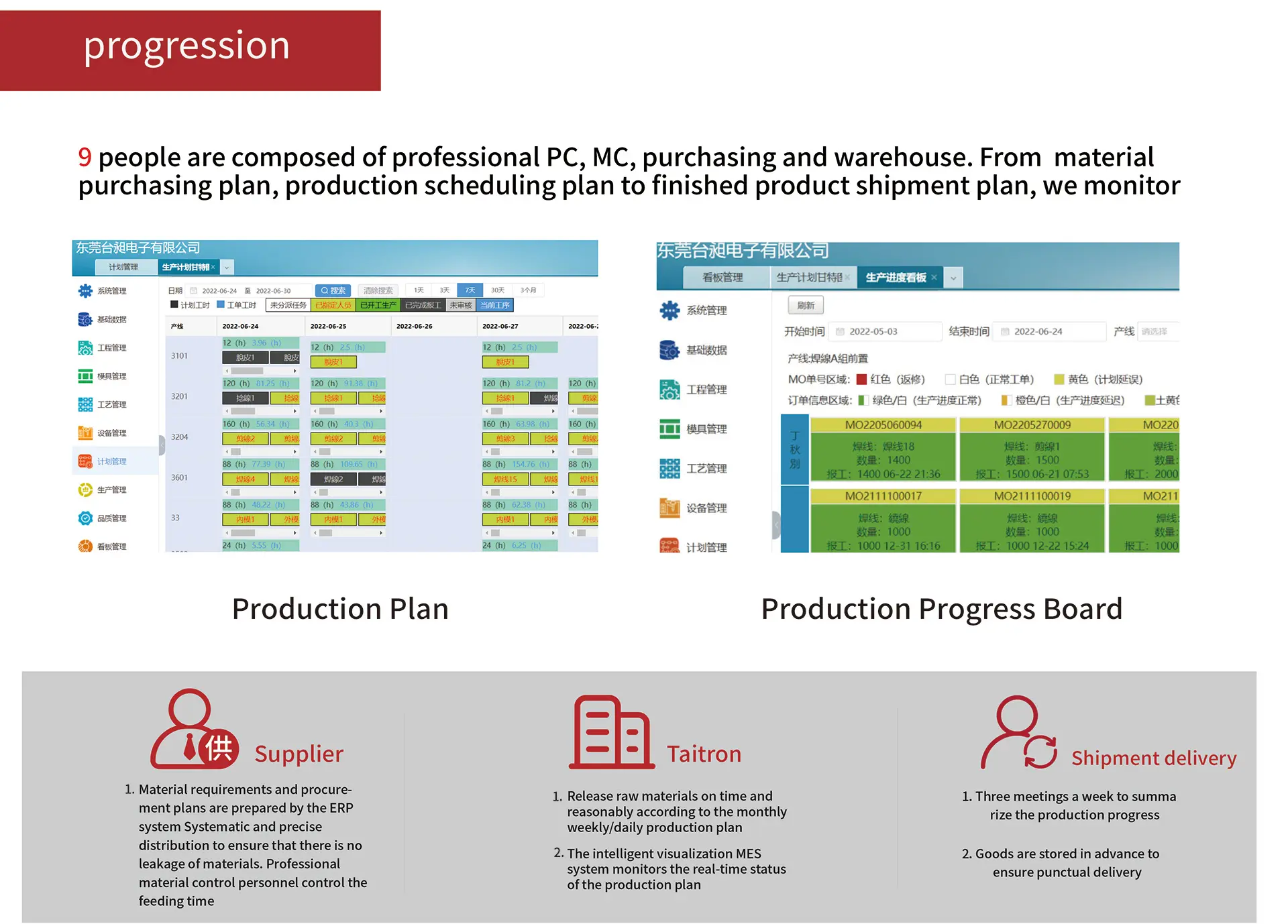
From a commercial perspective, international buyers, system integrators, and distributors face unique challenges. Securing HDMI 2.1 certified supply lines demands partnerships with factories capable of passing rigid testing standards for Category 3 cables. This level of fabrication controls signal loss, electromagnetic interference (EMI), and crosstalk across high frequencies. Dongguan Taitron Electronics, as a specialized manufacturer, employs strict production procedures to ensure signal reliability and compliance in diverse, interference-heavy environments.
Why next-generation architectures demand upgraded physical and shielding layers.
Replaces traditional TMDS by utilizing 3 or 4 data channels operating up to 12Gbps per channel, featuring link training mechanisms to dynamically optimize signal characteristics based on connection quality.
Enables frame-by-frame color adjustments, providing optimal depth, detail, brightness, and contrast. Supports BT.2020 color space with 10-bit, 12-bit, and 16-bit color depths.
High-density tinned copper braiding combined with aluminum foil triple-shielding layers ensures minimal interference from surrounding wireless networks, cellular signals, and industrial machinery.
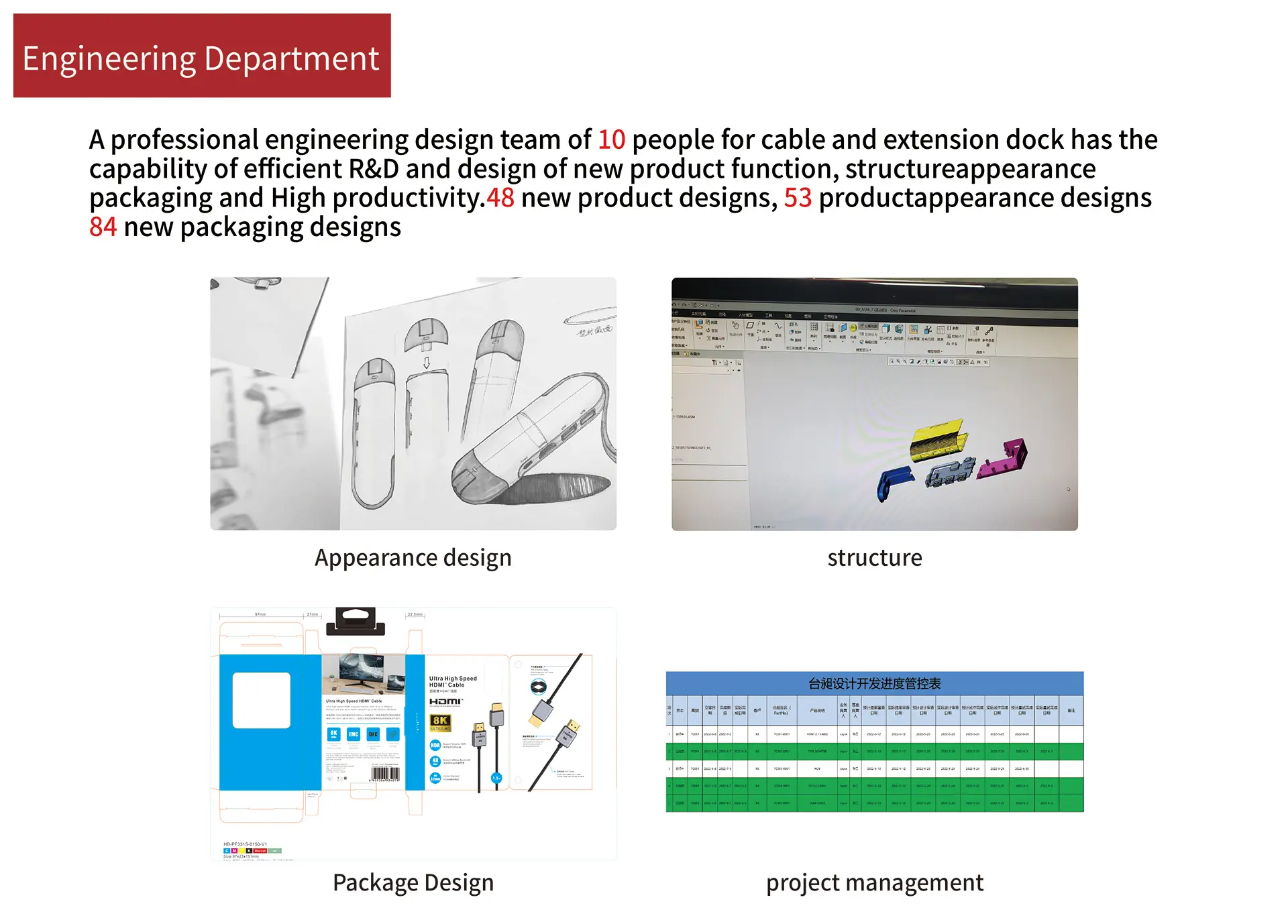
Over four decades of professional R&D, structural design, and international cable manufacturing.
In 1984, Dongguan Taitron Electronics Limited., formerly known as Tonetron, was founded in Keelung, Taiwan. Driven by a commitment to audio-visual connection technologies, the company quickly established its footprint as a quality manufacturer. In 1993, the operations expanded to a self-built independent production industrial park located in Dalingshan Town, Dongguan City, China, optimizing production capacity under the consolidated banner of Dongguan Taitron Electronics Limited.
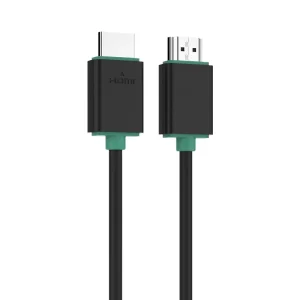
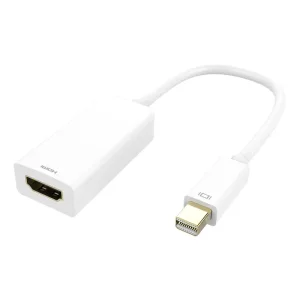
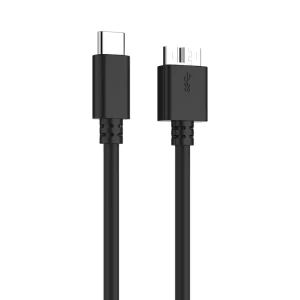
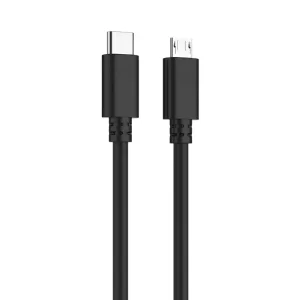
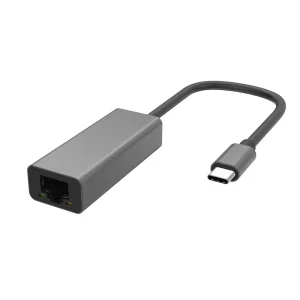
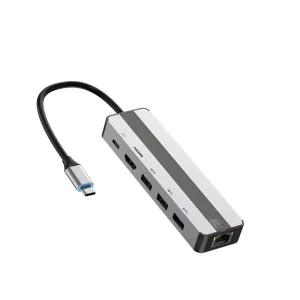
With nearly four decades of manufacturing heritage as our foundation, our engineering team has continuously evolved. We transitioned from manufacturing analog video and audio connection lines to developing advanced digital signal components. Today, our research and manufacturing capabilities cover high-end audio and video cables, data lines, and signal converters, including HDMI 2.1 (8K) cables, DP 2.0 cables, USB4 data lines, USB-C 3.1 Gen2 connectivity, high-power USB charging cables, 8K HD conversion lines, and multi-functional Type-C docking stations.
Analyzing performance factors of passive copper, active optical, and hybrid fiber assemblies.
When engineering cables for 8K signal paths, the selection of the physical medium is a key design choice. For lengths up to 3 meters, passive oxygen-free copper (OFC) conductors featuring 28 to 30 AWG specifications deliver optimal results without signal degradation. However, because high-frequency 48 Gbps signals experience rapid attenuation over longer distances, active architectures become necessary.
Active Optical Cables (AOC) bridge this gap by integrating optical engine chips into the connector shells. Using high-efficiency vertical-cavity surface-emitting lasers (VCSELs) operating at 850nm, electrical HDMI signals are converted to optical signals. These signals travel virtually loss-free through multi-mode glass fibers, allowing runs up to 100 meters while maintaining complete immunity to electromagnetic interference.
| Parameters | Standard HDMI 2.0 | Ultra High Speed HDMI 2.1 |
|---|---|---|
| Max Bandwidth | 18 Gbps | 48 Gbps |
| Max Resolution | 4K @ 60Hz | 8K @ 60Hz / 4K @ 120Hz |
| Signaling Method | TMDS | FRL (Fixed Rate Link) |
| Audio Capability | ARC (Standard) | eARC (Object-Based Audio, Atmos) |
| Refresh Technologies | Static Refresh Rate | VRR, QMS, QFT, ALLM |
How Taitron links high-resolution displays, modular docking hubs, and transmission media.
In modern industrial and commercial environments, high-resolution visual interfaces do not exist in isolation. A standard workstation, professional medical suite, or broadcast environment requires an integrated chain of high-performance transmission products. From the host processing unit (often outputting via USB-C or Thunderbolt) to the final 8K display, signal continuity must be maintained without latency, frame drops, or protocol mismatches.
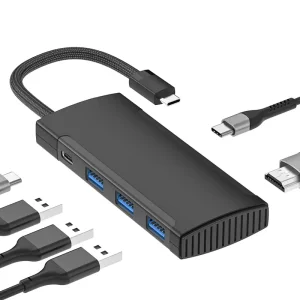
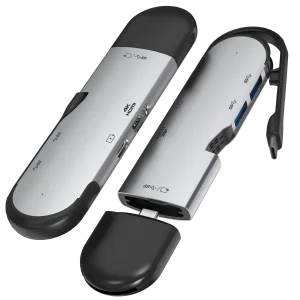
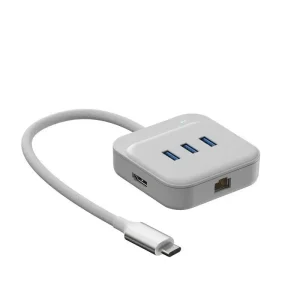
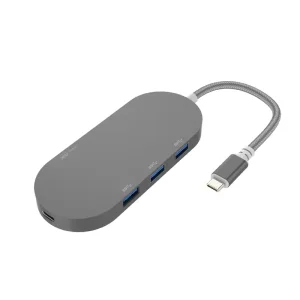
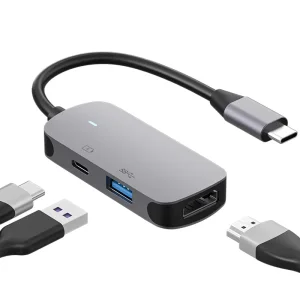
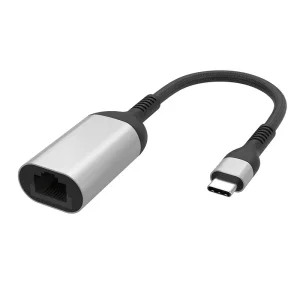
Taitron addresses this challenge through comprehensive product design. Our USB C Multiport Docking Stations and 6-in-1/7-in-1 adapters serve as physical signal routing hubs. These devices receive high-speed data, distribute power via USB-C PD (Power Delivery), handle Ethernet connections up to 1000Mbps, and output video signals through high-capacity HDMI links. These interfaces are reinforced by our custom cables, which undergo rigid eye-diagram tests to guarantee that downstream devices receive clean, uncompromised signals.
Uncompressed 8K and 4K displays are critical for medical imaging, laparoscopy, and micro-surgery systems, where color accuracy and low latency are essential for diagnostics.
Flight simulation, heavy industry monitoring, and public security centers rely on multiple 8K signal paths to display real-time telemetry alongside high-density video feeds.
High-frame-rate (4K/120fps) live production monitors and editing decks use Taitron 8K cables to review broadcast footage with zero signal artifacts or dropouts.
Answering key technical questions regarding wholesale 8K cabling and system integration.
Explore our full catalog of high-definition converters, adapters, and data link solutions.
 Taichang Electronic