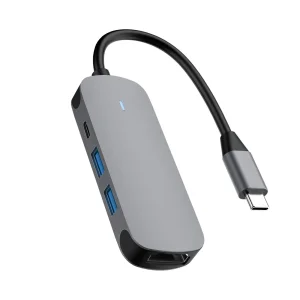
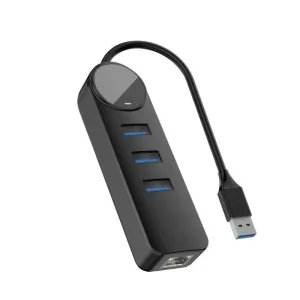
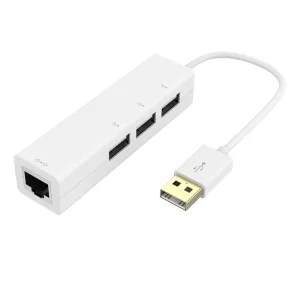
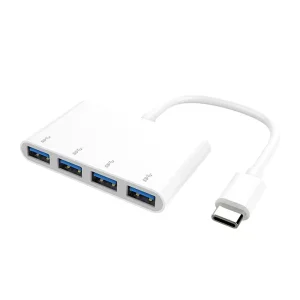
As Southeast Asia’s largest economy, Indonesia is undergoing a rapid, state-backed industrial transition spearheaded by the government’s "Making Indonesia 4.0" initiative. Major sectors—ranging from regional logistics, automotive assembly in Cikarang, to digital technology start-ups in Jakarta's Mega Kuningan district—are moving away from legacy infrastructures toward integrated IoT (Internet of Things) and high-speed data computing paradigms. In this landscape, high-reliability connection points like 4 in 1 hubs and multi-interface docking stations are no longer simple consumer-grade accessories. They serve as critical infrastructure links ensuring stable data transfer, uninterrupted power supply, and multi-display management.
Indonesian corporate buyers look for hardware capable of operating continuously in environments where ambient temperature and humidity present significant challenges. Unlike temperate markets, electronic interfaces deployed in manufacturing zones along Java's northern coast face elevated corrosion risks due to salt-laden, humid air. This demands structural and components improvements: high-density aluminum alloy housings for heat dissipation, gold-plated connectors to resist oxidation, and intelligent chipsets that handle electrical surges caused by localized grid fluctuations.
In 1984, Dongguan Taitron Electronics Limited., formerly known as Tonetron, was founded in Keelung, Taiwan. In 1993, it moved to the self-built independent production industrial park in Dalingshan Town, Dongguan City, China, and changed its name to Dongguan Taitron Electronics Limited.
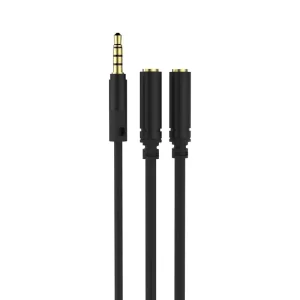
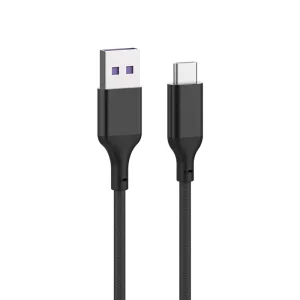
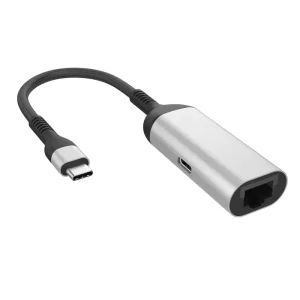
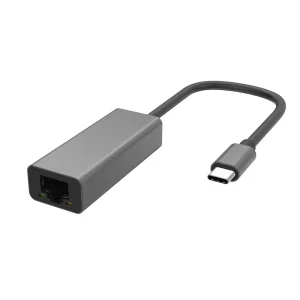
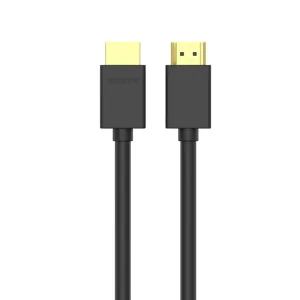
With 38 years of professional video and audio peripheral equipment connection line manufacturing as our foundation, we have gradually developed into a global leader in high-end audio and video cable and data cable solutions. Our research, development, and manufacturing capabilities cover cutting-edge technologies including HDMI 2.1 cables, DP 2.0 cables, USB4 data cables, USB-C 3.1 Gen 2 data cables, high-power USB charging cables, 8K HD conversion cables, and multi-functional Type-C expansion docks.
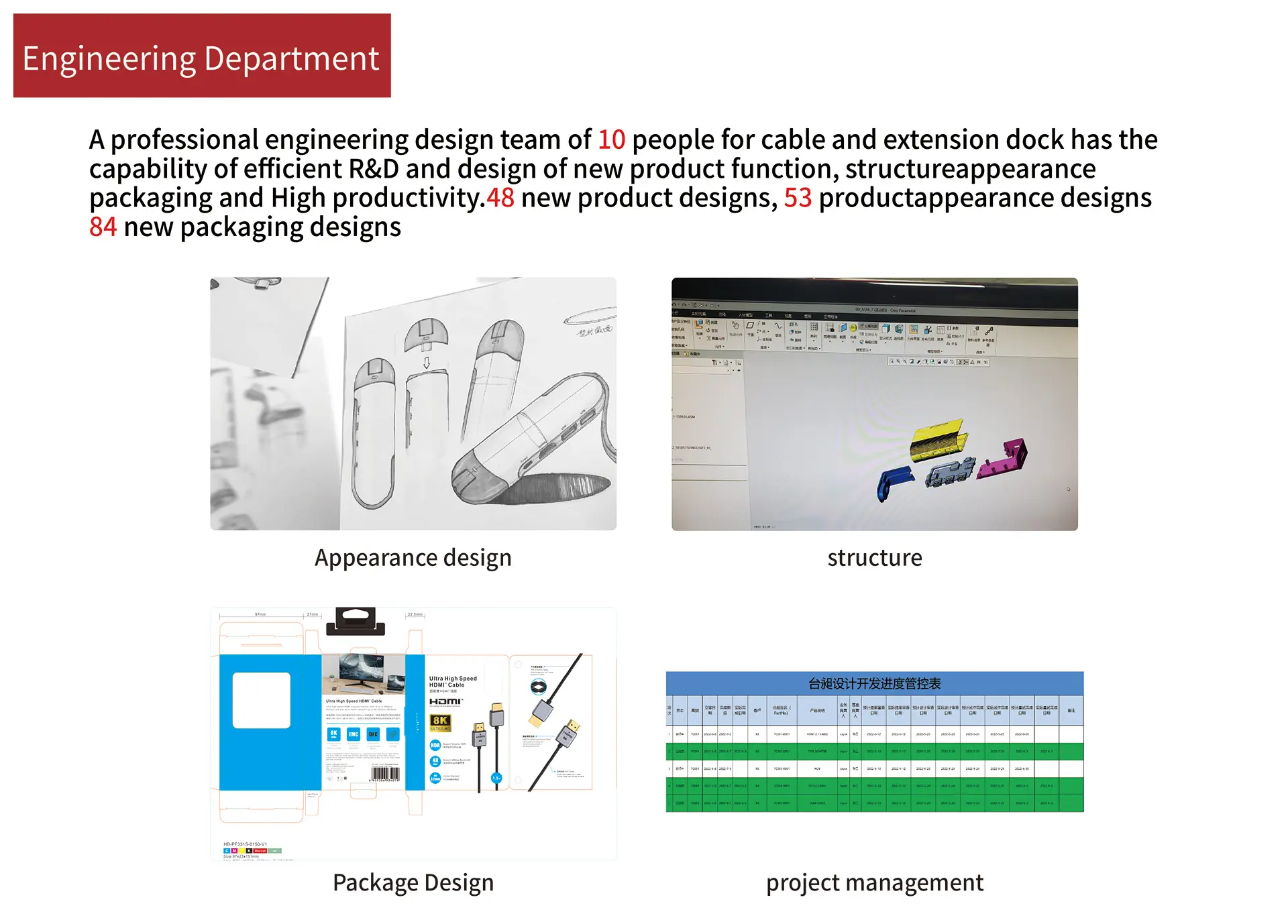
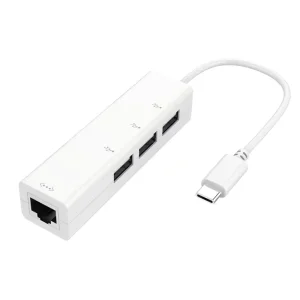
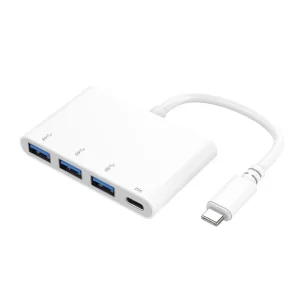
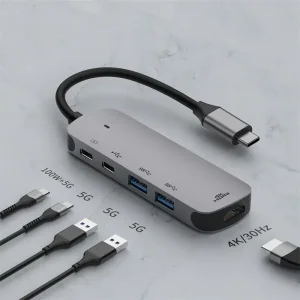
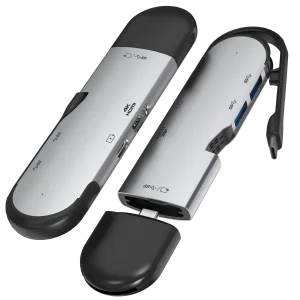
Corporate procurement teams must look past external aesthetics and analyze the internal micro-architecture of docking devices. An optimized 4-in-1 docking architecture must balance heat generation, electromagnetic interference (EMI), and port configurations. By consolidating critical pipelines—such as USB-C Power Delivery (PD), HDMI display interfaces, RJ45 Gigabit Ethernet, and USB-A legacy communication—into a single physical device, structural reliability is preserved while optimizing workstations.
Unshielded USB 3.0 ports can emit radio-frequency interference in the 2.4GHz band, which can degrade Wi-Fi and Bluetooth connectivity. Taitron's 4 in 1 hubs feature internal metal shields and multi-layer PCBs to prevent cross-talk and maintain clean data transmission.
Enterprise docking stations must support dynamic power negotiation. If a laptop requires 65W and the adapter provides up to 100W, our internal controller dynamically routes 15-20W for local ports (HDMI, RJ45) and delivers a stable, ripple-free 80W charge back to the host machine.
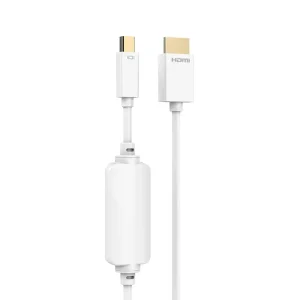
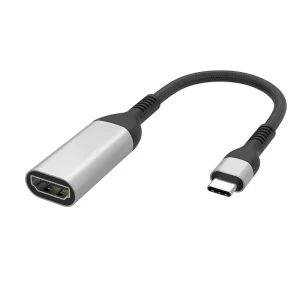
Expanding on the 4-in-1 hub topology, large-scale industrial projects often require custom converters and high-bandwidth interconnects to bridge legacy systems with modern processing terminals.
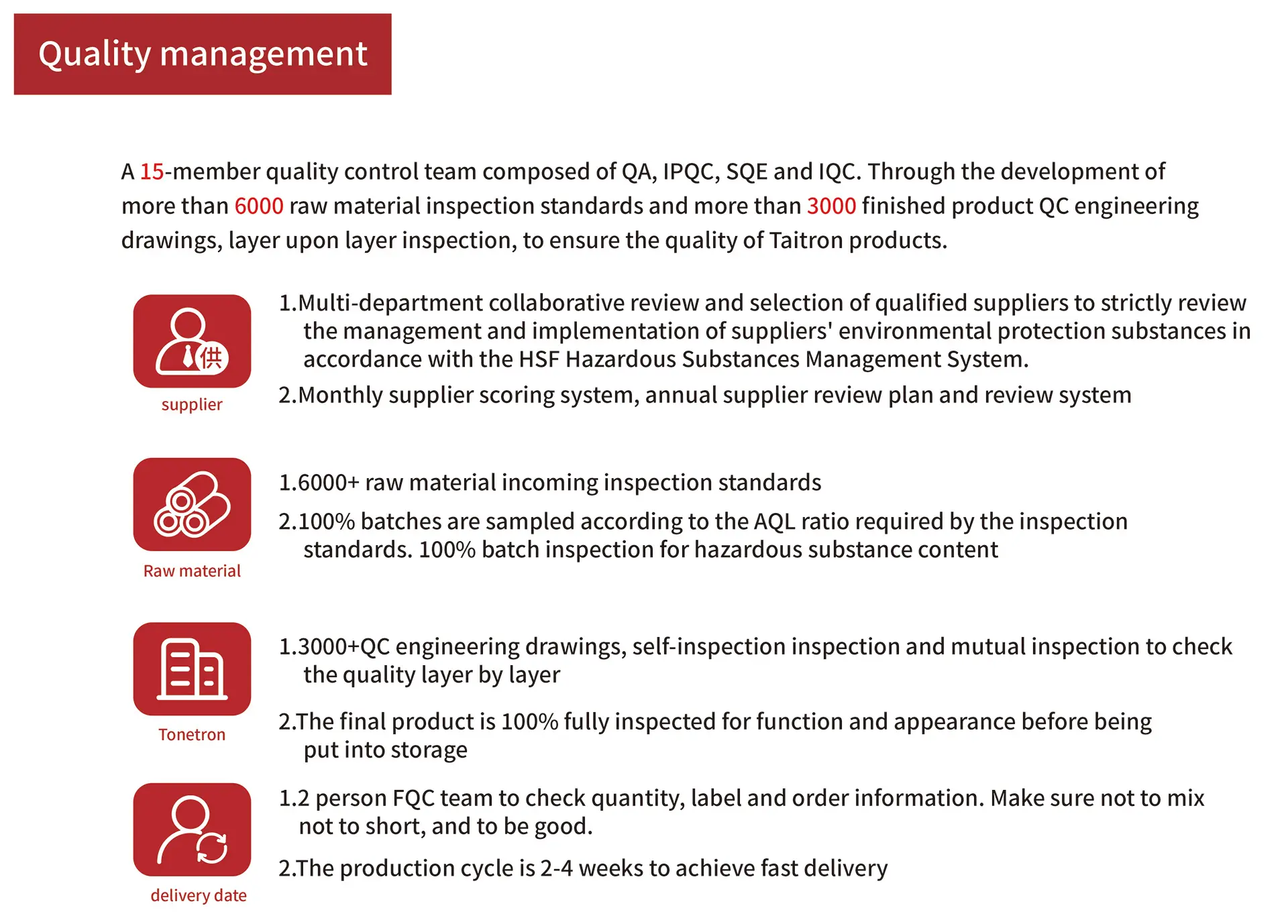
For B2B procurement professionals at companies like PT GoTo Gojek Tokopedia, PT Telkom Indonesia, or regional systems integrators, hardware acquisition is evaluated on Total Cost of Ownership (TCO). A failure rate exceeding 0.5% on adapters deployed in corporate offices can cause significant work disruptions and strain IT helpdesks. When auditing a 4-in-1 factory, buyers should evaluate key technical benchmarks:
The connectivity landscape is changing. With the introduction of USB4 and Thunderbolt 4 protocols, bandwidth has increased to 40Gbps, enabling PCIe tunneling and dynamic display bandwidth allocation. While many businesses in Jakarta currently use USB 3.0 (5Gbps) and USB-C Gen 2 (10Gbps), forwarding-thinking organizations are planning for future tech upgrades.
By partnering with an experienced manufacturer like Dongguan Taitron Electronics, Indonesian enterprise buyers can access backward-compatible hardware designs. Our engineering roadmap ensures that 4-in-1 hubs deployed in today's USB-C environments will perform reliably when host systems are updated to USB4 interfaces.
Importing electronic components into Indonesia requires navigating local compliance and import procedures. To ensure smooth clearance at ports like Tanjung Priok (Jakarta) or Tanjung Perak (Surabaya), all documentation must be in order:
For large-scale public procurement and telecom environments, components must align with SDPPI certification requirements set by the Ministry of Communication and Information Technology (Kominfo). Additionally, using a **Certificate of Origin (Form E / SKA)** under the ASEAN-China Free Trade Agreement allows Indonesian importers to access preferential zero-tariff or reduced-tariff rates on high-quality cable assemblies and hubs manufactured at our Dongguan facility.
 Taichang Electronic