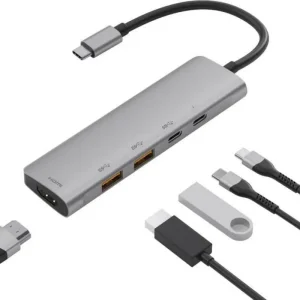
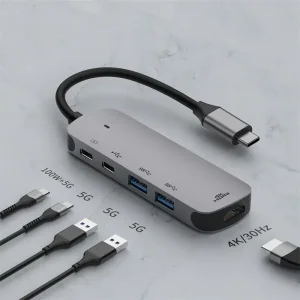
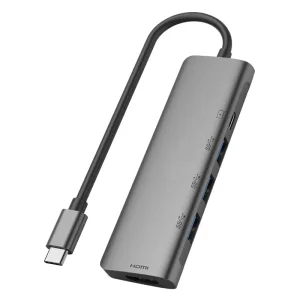
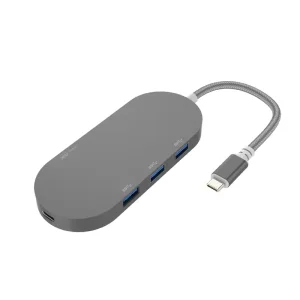
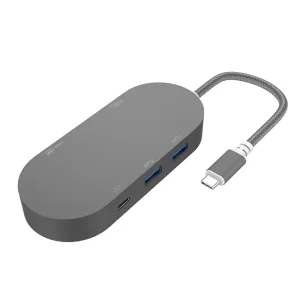
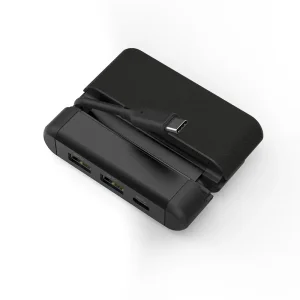
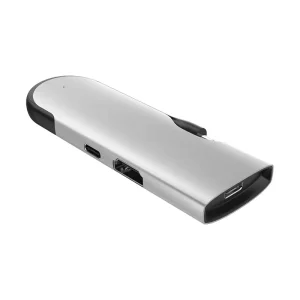
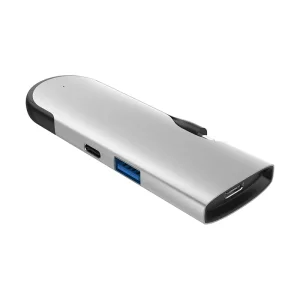
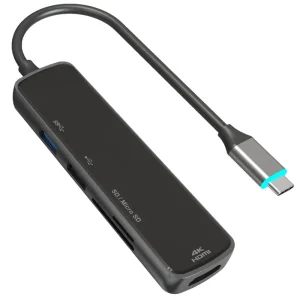
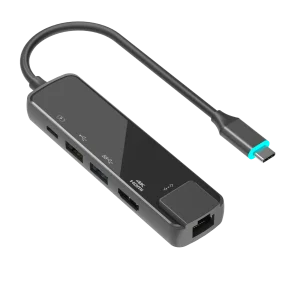
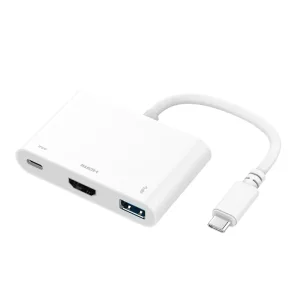
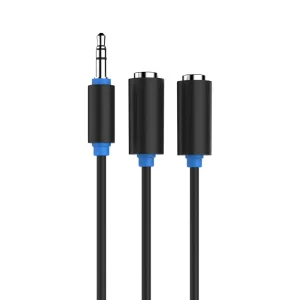
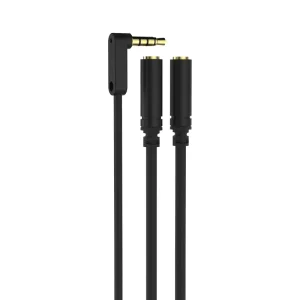
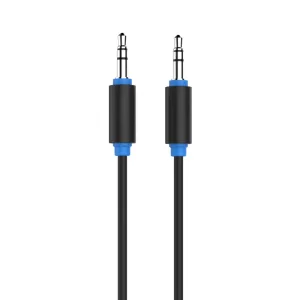
Premium grade 5-in-1 Type-C docking peripherals custom-engineered for modern high-density workstations, business complexes, and industrial offices across Moscow.
As the primary financial, administrative, and technological engine of Eastern Europe, Moscow's corporate ecosystem is undergoing a massive infrastructural shift. The rise of hybrid workplaces, high-tech research centers such as the Skolkovo Innovation Center, and massive business hubs in the Moskva-City district has fueled an unprecedented demand for reliable, high-performance physical connectivity adapters.
IT hardware procurement departments across the city are shifting away from cheap consumer-grade hubs to search for rugged, industrially compliant 5-in-1 USB-C docking solutions. The primary operational objective is clear: seamless compatibility with modern high-capacity notebooks, dual-screen 4K configurations, and massive local network infrastructures, ensuring business continuity without performance bottlenecks.
Why is the 5-in-1 configuration the exact gold standard for Moscow modern offices? In space-constrained corporate desktop layouts, efficiency is paramount. A single, robust Type-C line resolving five independent connections prevents desk clutter while maintaining high signal integrity. The incorporation of USB 3.2 data lines, high-output Power Delivery (PD 100W), and Ultra-HD HDMI converters covers 95% of basic administrative and programming desktop interface configurations.
By bypassing the complications of overengineered docks that require auxiliary power adapters, the 5-in-1 configuration offers the optimal ratio of capital cost to technological functionality, making it a favorite for bulk procurement agents.
Investigating the underlying micro-components, thermal management, and signaling paths required for commercial operations.
In highly concentrated office environments like Moscow-City, electromagnetic interference (EMI) can severely degrade wireless networks, Bluetooth protocols, and high-frequency data transfers. Our premium 5-in-1 docking stations integrate multi-layer PCB architectures (minimum 4-layer routing) with independent shielding for high-speed transmission lines.
This includes heavy-duty metal shielding cans directly over the main control ICs and USB-C receptacles, guaranteeing that high-frequency signals do not leak and interfere with 2.4GHz Wi-Fi networks—a common failure point in lower-quality consumer alternatives.
Operating a USB-C hub under full structural loads (such as simultaneous 100W power delivery, dual USB data pipelines, and a 4K HDMI screen) produces substantial thermal energy. Lower-grade plastic models face heat throttling, leading to random screen drops and data corruption. Our aluminum alloy design utilizes the entire outer case surface as a heatsink, driving passive cooling. Under 100% operation, the core chip temperature remains below 48°C, preventing standard heat degradation.
Over three decades of precision manufacturing, engineering excellence, and global compliance.
In 1984, Dongguan Taitron Electronics Limited., formerly known as Tonetron, was founded in Keelung, Taiwan. In 1993, it moved to the self-built independent production industrial park in Dalingshan Town, Dongguan City, China, and changed its name to Dongguan Taitron Electronics Limited.
With 38 years to pass professional video and audio peripheral equipment connection line manufacturing as the foundation, we have gradually developed to the high-end audio and video cable data cable such as HDMI 2.1 cables, DP 2.0 cables, USB4 data cables, USB-C 3.1 Gen2 data cables, high-power USB charging cables, 8K HD conversion cables, and multi-functional Type-C expansion docks research, development, and manufacturing.
Our long-term commitment to quality, engineering rigor, and rigorous testing has established Taitron as an authoritative OEM/ODM supplier for global markets, servicing major electronics importers from North America to Central Asia, including complex technical distributions in Moscow.
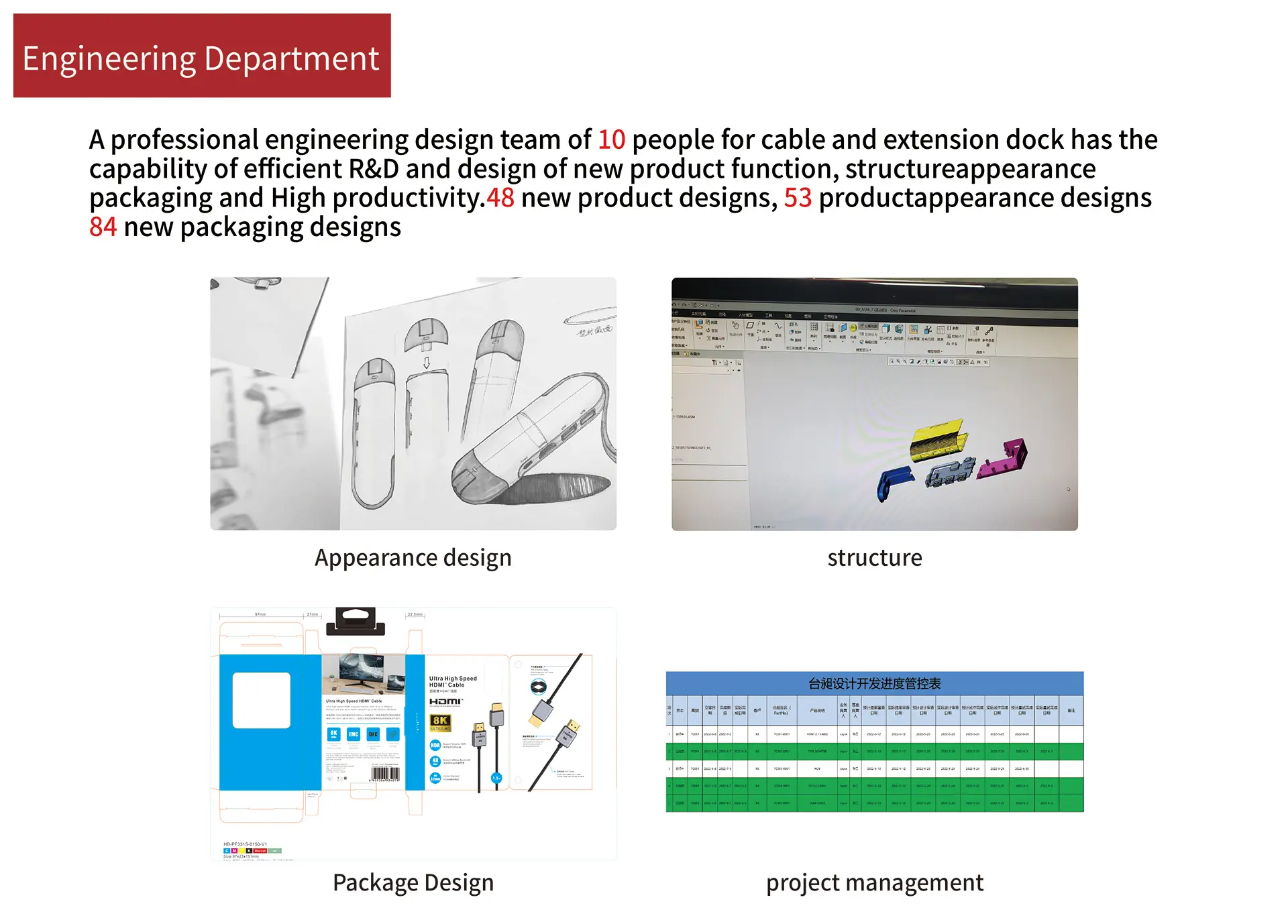

A handpicked portfolio of 5-in-1 adapters, specialized connectivity links, and performance hubs designed for robust operations.
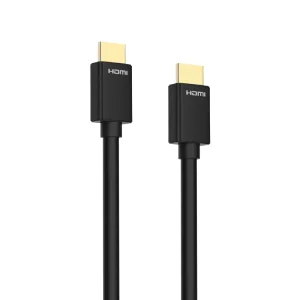
Essential audio and video adapters completing the modern desktop environment framework.
Understanding the logistical roadmap and technical certifications necessary to enter the Moscow market smoothly.
For import products entering Moscow and the wider Eurasian Economic Union (EAEU), obtaining the EAC Certificate of Conformity is critical. This certification validates compliance with the regional electromagnetic compatibility rules (TP TC 020/2011) and low voltage equipment safety standards. Operating without this certification results in substantial custom delays and heavy corporate fines.
At Dongguan Taitron, our engineering pathways are pre-aligned with EAEU directives. We construct every batch with proper component testing certificates, providing full technical dossiers to facilitate rapid customs clearance at Sheremetyevo (SVO) cargo hubs or dry-rail terminals.
Given the contemporary changes in trade routing, logistics managers require reliable shipping channels. We provide flexible freight pathways including combined rail corridors from Guangzhou/Dongguan via the Manzhouli/Zabaikalsk land borders directly to Moscow's major freight hubs (like Bely Rast or Vorsino terminals).
We work alongside verified custom brokers to provide accurate Harmonized System classification codes (HS Code: 8471.80.00.00 for docking stations), and ensure proper export invoicing and packaging designed for tough northern climate transit profiles.
Direct answers for purchasing directors, hardware integrators, and logistics managers in Moscow.
Our hubs leverage premium chipsets such as Realtek or VIA Labs (VLI) for USB 3.0 control, Parade Technologies or ITE controllers for HDMI output protocols, and robust Power Delivery (PD) controllers capable of seamless protocol negotiation. These premium chips ensure high stability, minimal packet loss, and robust multi-device operations.
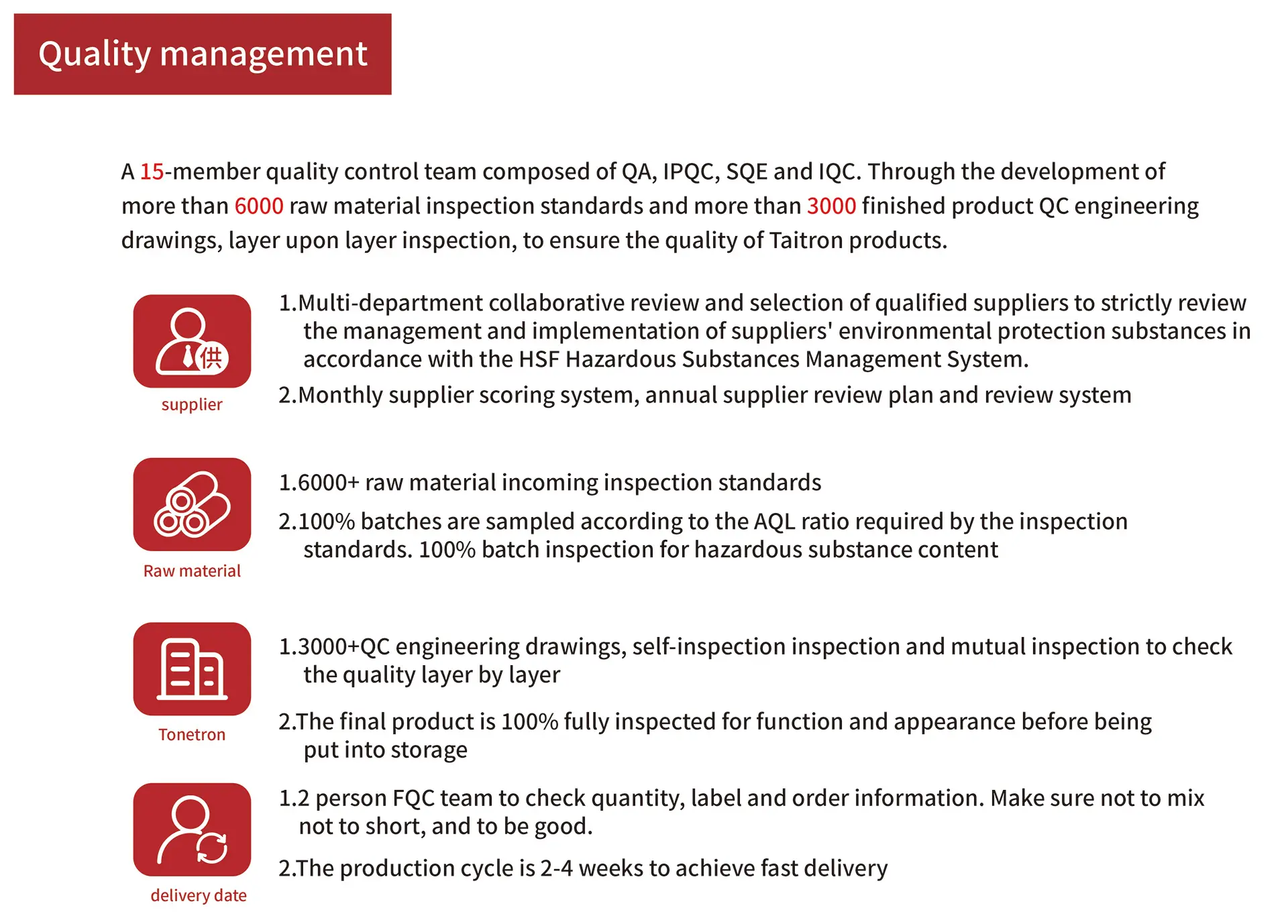
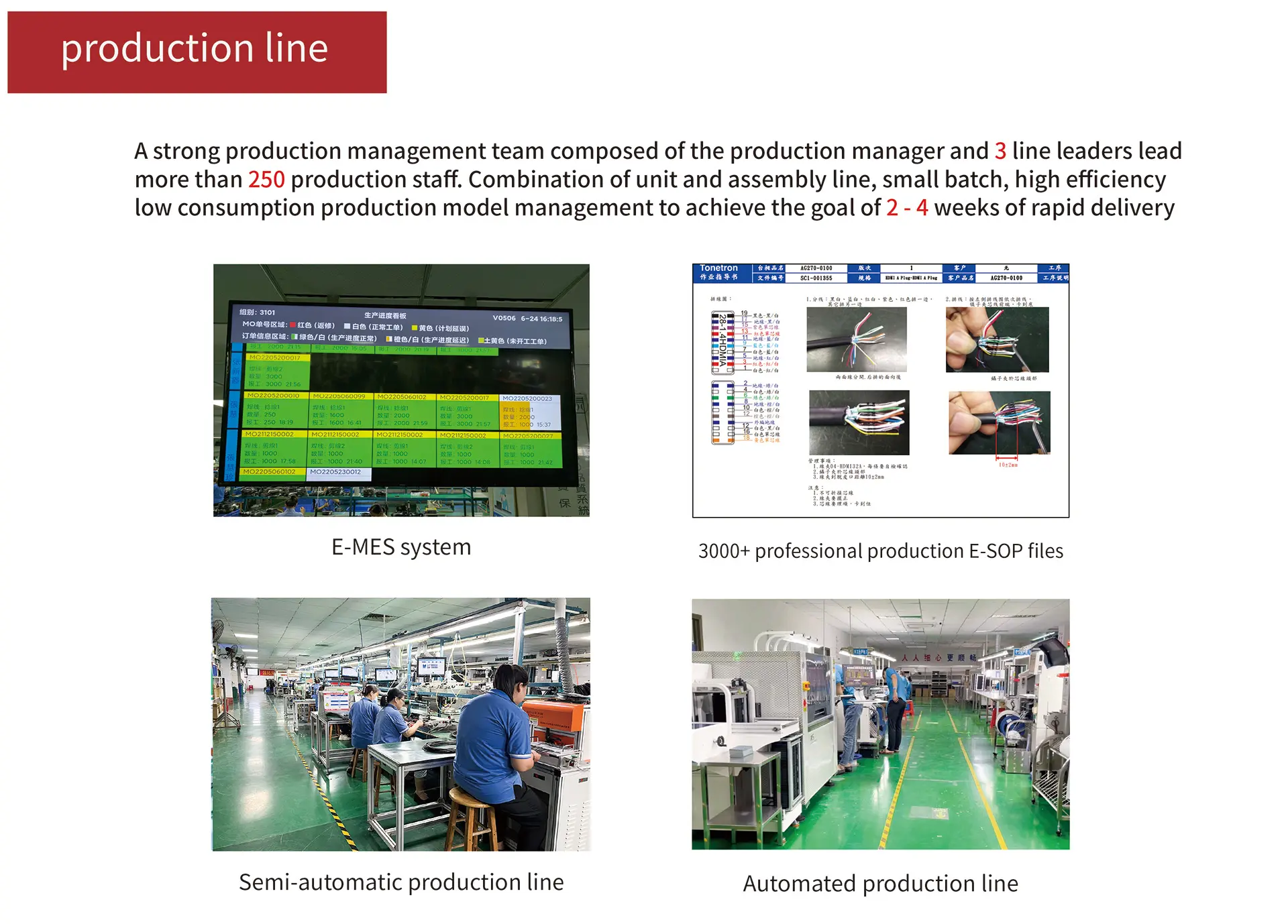
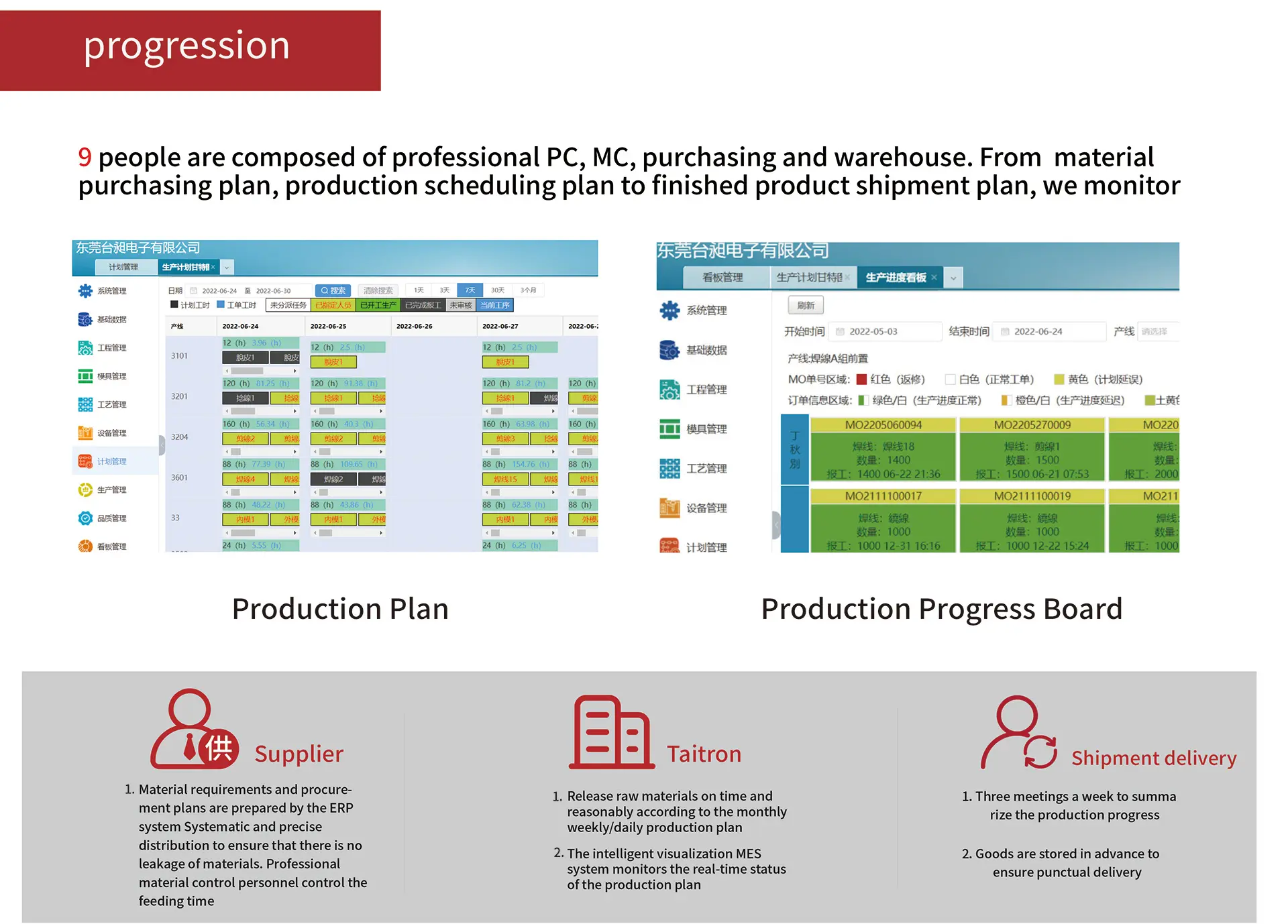
With 38 years of experience, we employ a multi-layered quality control framework. This includes incoming quality control (IQC) for passive components and ICs, automated optical inspection (AOI) on the SMT lines, functional testing of all ports under peak load, impedance testing for high-frequency video paths, and final quality control (FQC) before shipping.
Standard manufacturing schedules for custom orders typically run between 25 to 35 days, depending on specific casing requirements or structural customization. Shipping times vary by channel: air freight takes approximately 5 to 7 days to Moscow airports, while direct freight trains complete the journey in 15 to 22 days.
Yes, the hardware circuitry is engineered with independent power pathways. The Power Delivery controller negotiates up to 100W (PD 3.0 protocol) to supply the parent laptop with sufficient operating power, while the video converter output supports up to 4K resolution at 30Hz or 60Hz depending on structural design, without interrupting external USB data transfers.
Our products are engineered with robust industrial components that survive a wide storage temperature range of -40°C to +85°C. The metal casing handles environmental expansion and contraction cycles gracefully, maintaining functional structural integrity throughout cold logistics corridors into the Russian Federation.
Deploy high-durability, compliant 5-in-1 docking ports across your Moscow logistics, corporate, or distribution channels. Contact our enterprise sales engineering desk directly to receive technical datasheets and tier-one pricing schedules.
 Taichang Electronic