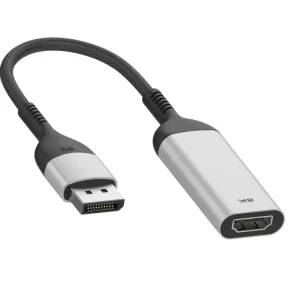
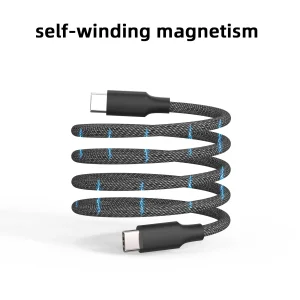
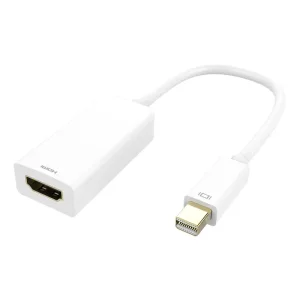
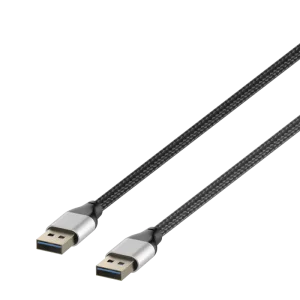
Explore our leading selection of ultra-high-definition 3-in-1 hubs, adapters, and audio solutions optimized for West Bay smart offices and corporate media centers in Qatar.
Under the guidance of the Qatar National Vision 2030, Doha is transitioning rapidly into a leading knowledge-based economy and regional digital hub. From the smart city developments in Lusail and Msheireb Downtown Doha to the media complexes hosting global broadcasting networks, the city demands state-of-the-art information and audio-visual technologies. This massive wave of infrastructure expansion has triggered a direct demand for ultra-high-bandwidth display components like DisplayPort 2.0 (DP 2.0) and high-density 3-in-1 USB-C docking hubs.
In Doha's commercial and governmental sectors, legacy data transfer and video standards no longer meet the workloads of ultra-high-resolution LED walls, multiple 4K/8K workstations, and advanced command centers. System integrators in Qatar require certified, highly shielded copper and active optical cables that can withstand the desert's environmental conditions. In addition, the shift towards hot-desking and modern workspace design in West Bay financial offices has made 3-in-1 adapters a baseline necessity for daily corporate efficiency.
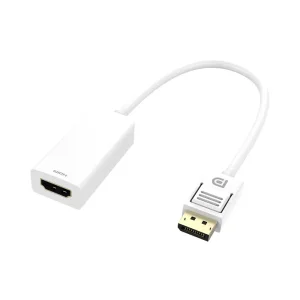
DisplayPort 2.0 and the refined DisplayPort 2.1 standards represent the most significant leap in display interface bandwidth in a decade. Compared to the aging DP 1.4 standard, which maxed out at 32.4 Gbps (with a payload of 25.92 Gbps), DP 2.0/2.1 supports up to 80 Gbps using ultra-high bit rate (UHBR) transmission modes. This bandwidth expansion is critical for modern commercial setups in Doha where multiple high-refresh monitors are daisy-chained together from a single device.
The technical transition relies on two major components: the physical cable construction (often featuring high-purity oxygen-free copper and custom multi-layer shielding) and the integration of robust active chips for length extension. In high-temperature regions like the Middle East, cable attenuation increases. Therefore, we utilize specialized thermally resistant materials that maintain signaling integrity even when routing through warm ceiling spaces or commercial cable trays.
| Feature Spec | DisplayPort 1.4 (Previous Gen) | DisplayPort 2.0 / 2.1 (Current Standard) | Doha Commercial Advantage |
|---|---|---|---|
| Max Link Bandwidth | 32.4 Gbps | 80.0 Gbps | Enables raw uncompressed feed setups without artifacting |
| Max Uncompressed Resolution | 8K @ 30Hz | 16K @ 60Hz (with DSC 1.2a) | Ideal for large venue projection & digital billboards |
| Multi-Stream Transport (MST) | Limited to Dual 4K Displays | Triple 4K @ 144Hz Displays | Streamlined trading floors and security hubs |
| Encoding Efficiency | 8b/10b (20% overhead) | 128b/132b (3% overhead) | Maximize data packet transmission efficiency |
Our factory utilizes advanced machinery to implement UHBR10, UHBR13.5, and UHBR20 profiles. To pass high-frequency testing, every batch of DP 2.0 cables destined for Doha undergoes network analysis to check return loss, attenuation, and intra-pair skew. This ensures that when Qatar’s enterprise clients deploy our adapters, they experience zero flickering or packet drops.
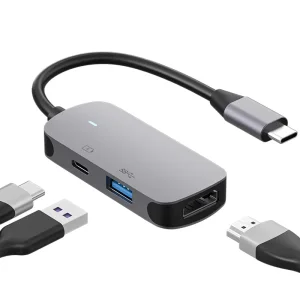
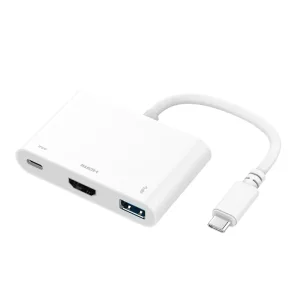
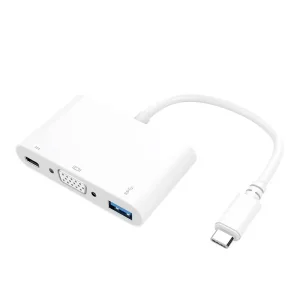
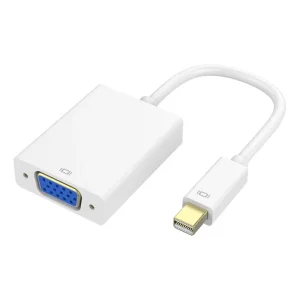
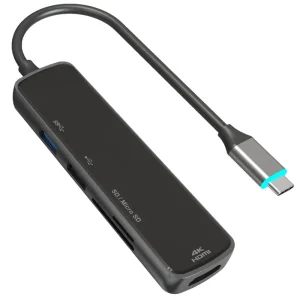
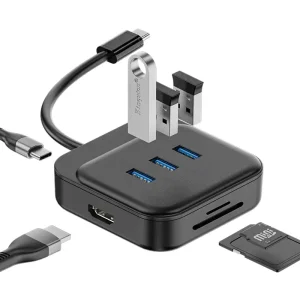
Modern workplaces in Doha are shifting away from large, clutter-heavy desktop systems toward high-efficiency notebooks. However, ultrabooks lack legacy video interfaces (like VGA) and full-size HDMI/DP ports. The solution is the 3-in-1 USB-C adapter, which integrates three vital outputs into one single hub. Typically, this includes a high-definition video output (HDMI 4K or DP), a USB 3.0 Type-A port for data peripherals, and a USB-C Power Delivery (PD) pass-through port.
For municipal buildings and educational institutions in Doha, sourcing robust 3-in-1 adapters is critical. Low-grade consumer hubs degrade quickly under constant plugging and high ambient warmth, leading to chip failures or short-circuits. Our designs leverage advanced thermal dissipation housings made from anodized aviation aluminum. These shells not only match modern notebook styles but also act as a heat sink, ensuring the internal control chipsets remain within safe operational temperatures during heavy data transfer cycles.
Purchasing direct from our self-built manufacturing plant in Dalingshan Town, Dongguan, China, offers unmatched cost and engineering advantages to procurement agents in Qatar. As a global manufacturing capital, Dongguan offers an unmatched cluster of raw material suppliers, chipmakers, metal stamping factories, and advanced testing laboratories. This localization allows us to source raw copper, aluminum shells, and high-frequency ICs at a fraction of the time and cost compared to isolated manufacturing regions.
We operate fully vertical production processes, encompassing copper wire drawing, core extrusion, auto-soldering, double-injection molding, and automated high-frequency testing. This level of control reduces material waste and minimizes manufacturing variances, allowing us to offer highly competitive pricing structures for Middle Eastern projects. For massive infrastructural bids in Doha, our factories provide both standard packaging options and specialized ODM services, including customized laser engraving and localized warning prints.

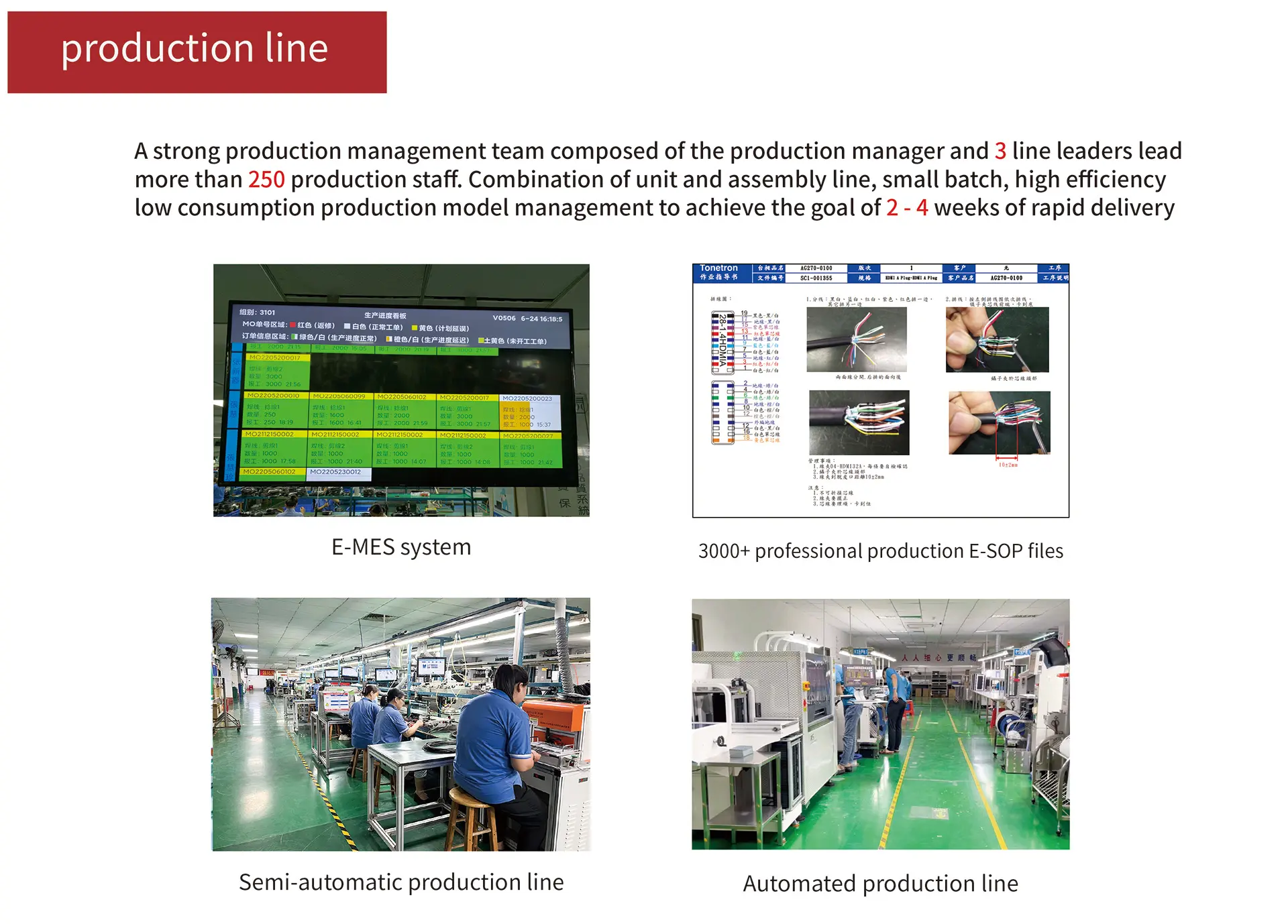
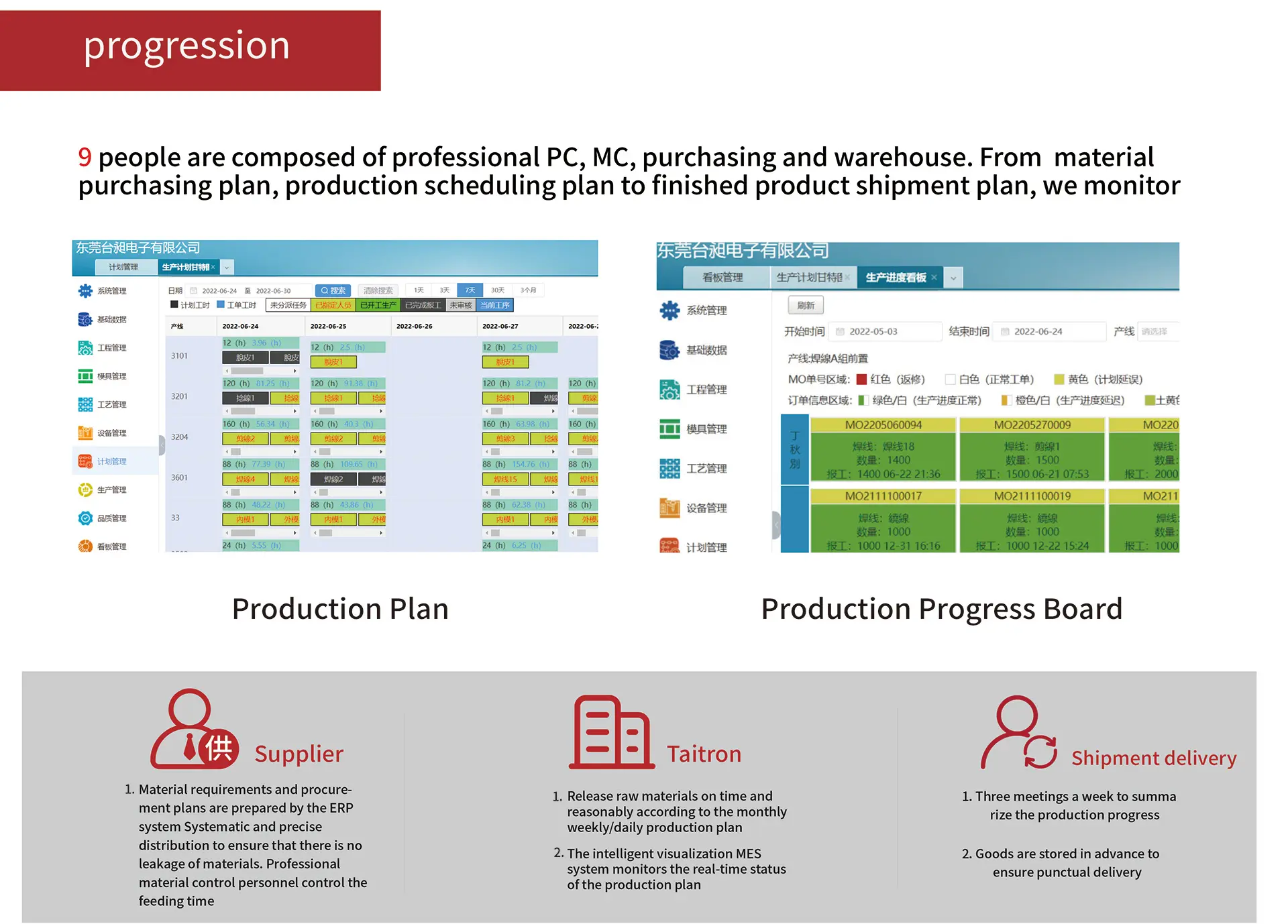
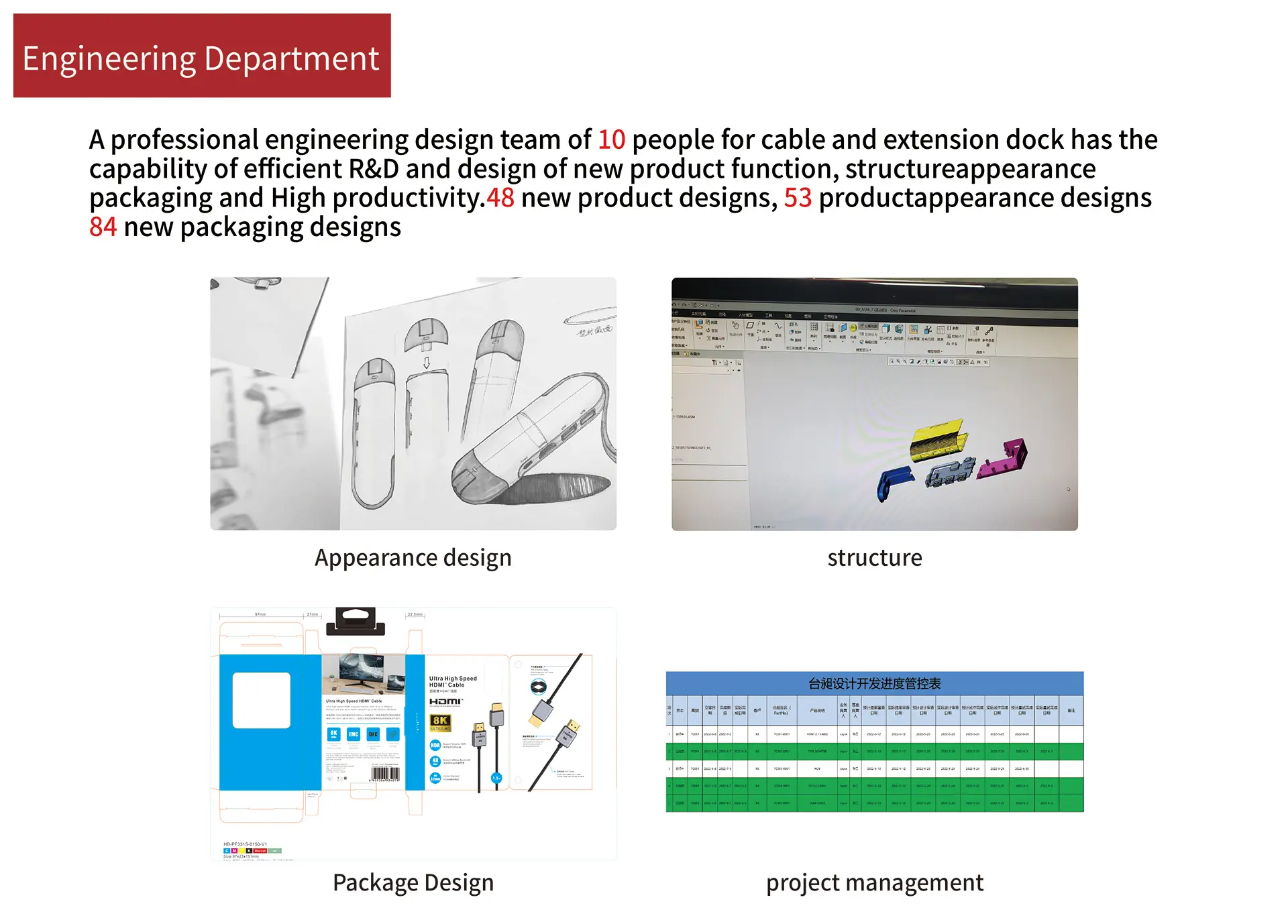
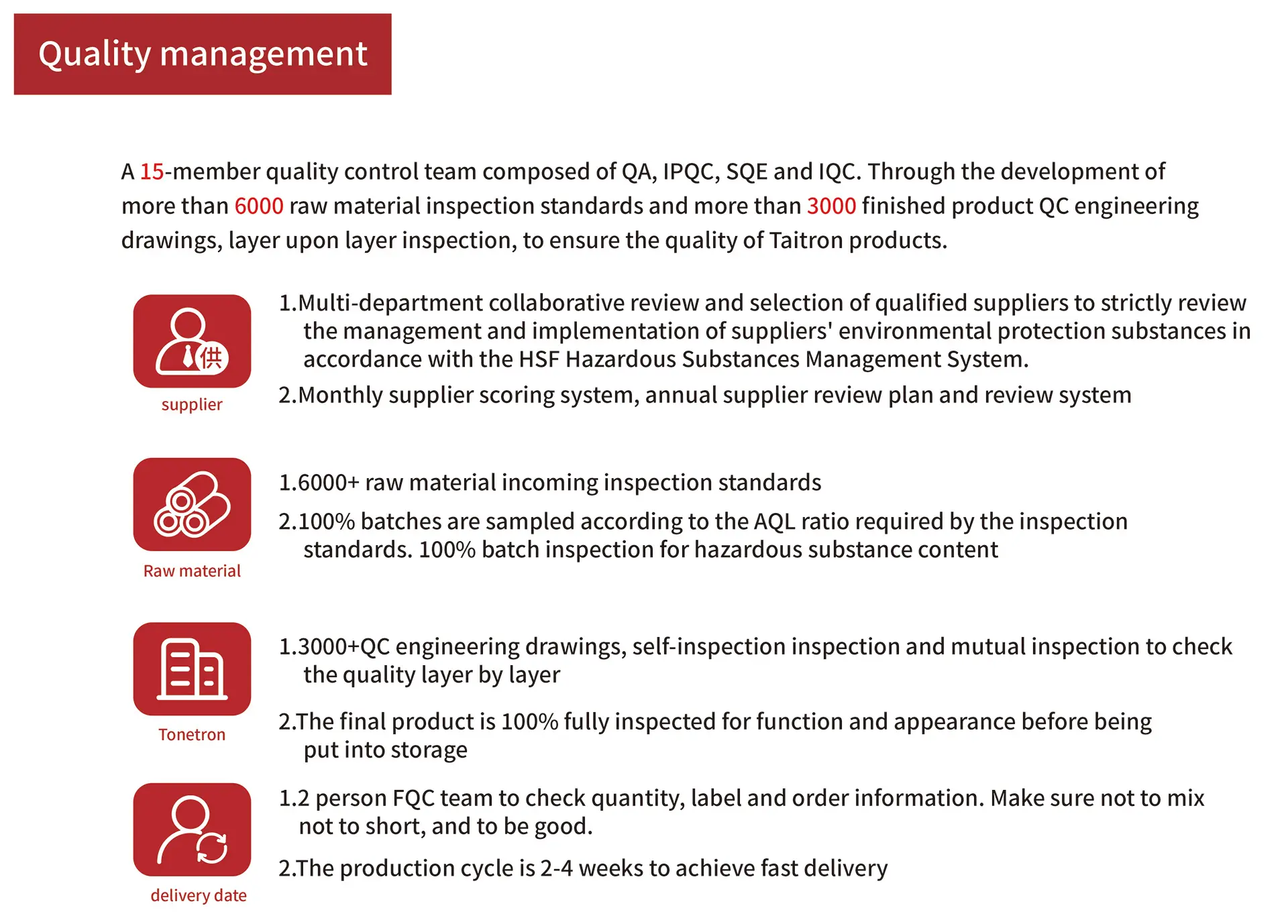
In 1984, Dongguan Taitron Electronics Limited., formerly known as Tonetron, was founded in Keelung, Taiwan. In 1993, it moved to the self-built independent production industrial park in Dalingshan Town, Dongguan City, China, and changed its name to Dongguan Taitron Electronics Limited.
With over 38 years of professional video and audio peripheral equipment connection line manufacturing as our foundation, we have gradually developed into a global leader in high-end audio and video cable data cables. Today, our research, development, and manufacturing capabilities cover high-performance products such as HDMI 2.1 cables, DP 2.0 cables, USB4 data cables, USB-C 3.1 Gen2 data cables, high-power USB charging cables, 8K HD conversion cables, and multi-functional Type-C expansion docks.
For clients in Qatar and the GCC region, this heritage means partnering with a legacy manufacturer that has successfully navigated the technological evolution from analog video systems to uncompressed digital streams. Our industrial park features modern dust-free assembly lines, environmental simulation testing chambers, and an in-house tooling facility that drastically cuts down OEM prototype lead times.
Importing connectivity components into Doha requires adherence to strict technical standards set by the Qatar General Organization for Standardization (QS) and Gulf Cooperation Council (GCC) customs laws. Products must meet electrical safety, electromagnetic compatibility (EMC), and hazardous substance restrictions before clearing Hamad Port or Doha International Airport customs.
All our DP 2.0 cables, 3-in-1 adapters, and Type-C docking stations carry verified CE, FCC, RoHS, and REACH certifications. We can also assist our regional partners in obtaining G-Mark certifications specifically required for consumer electronics imported into the Gulf market. Additionally, we provide custom shipping manifest layouts, HS-code pre-classification, and certificate of origin documents to ensure a seamless clearance process for your logistics team in Doha.
Review our wholesale specifications below. Keep original project parameters and call our factory engineering team for custom lengths and specific chip tuning.
Find quick answers below regarding bulk pricing, shipping, custom designs, and technical standards compliance for the Qatar region.
Optimize your project pricing, request raw test data sheets, or request tailored OEM samples for your Doha project.
Send Inquiry Now Taichang Electronic