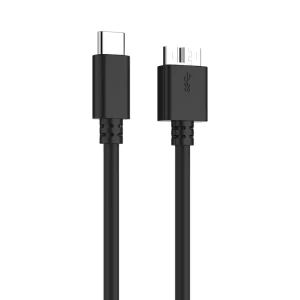
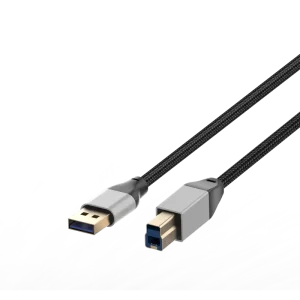
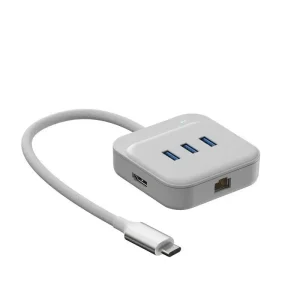
Direct from our high-precision production lines, customized for the demands of the Melbourne industrial and technology corridor.
Melbourne, Australia’s premier industrial and manufacturing capital, is undergoing a profound digital transformation. From the advanced manufacturing corridors in Dandenong South and Campbellfield to the biomedical research labs in the Parkville Precinct and the creative studios in Collingwood, the city's commercial structure relies on seamless data pathways. The shift towards automated production lines, IoT integration, and high-density office infrastructure has amplified the requirement for reliable physical-layer connections. In industrial contexts, the deployment of USB 3.1 infrastructure is no longer merely about convenience; it is a critical variable in ensuring operational uptime, signal integrity, and high-speed telemetry.
Local organizations, research entities, and corporate networks in Victoria demand strict engineering adherence. Melbourne's environmental characteristics, ranging from high-ambient heat during summer to electromagnetic interference (EMI) generated by heavy machinery in automated facilities, require cabling solutions that incorporate advanced shielding, robust jacket material selection, and precise impedance matching. Dongguan Taitron Electronics, with 38 years of experience, is positioned to meet these demands by providing direct factory supply, customized specifications, and reliable support.
Melbourne Industry Insights: The integration of automated vision systems in Victorian packaging and distribution centers requires high-speed USB 3.1 connections. A standard cable experiencing signal degradation can lead to frame drops in quality control cameras, resulting in costly assembly line stoppages. Utilizing active optical and double-shielded copper cables mitigates this risk.
On a global scale, the connectivity landscape is moving away from legacy point-to-point physical protocols. Modern system architectures prioritize consolidated hubs capable of transmitting high-bandwidth video, high-speed data, and high-power delivery over a single interface. The USB-C physical form factor, running protocols such as USB 3.1 Gen 2 (10Gbps), USB4 (up to 80Gbps), and DisplayPort Alt Mode, represents the standard for modern workplace and industrial system engineering.
This transition has led to a significant increase in the adoption of multi-port adapters and docking stations. In modern office setups, a single connection point must drive external 4K displays, connect to local area networks (LANs), support USB peripherals, and deliver up to 100W of power (USB Power Delivery). Our engineering and manufacturing processes address this complexity by integrating stable controller chipsets (such as Realtek, Cypress, and Parade Technologies) into our multi-port designs, ensuring cross-platform compatibility and efficient thermal management.
Understanding localized application scenarios allows us to design and manufacture components that integrate directly into Melbourne's operational ecosystems. Below are key sectors where our products provide crucial connectivity support:
The performance of high-frequency data cables is governed by electromagnetic physics and material science. To achieve reliable USB 3.1 Gen 2 transmission rates of 10Gbps, cable construction must limit signal attenuation and control characteristic impedance (typically 90 ohms for USB). Our manufacturing facility implements strict design rules:
1. Conductor Selection and Purity: We use oxygen-free copper (OFC) with a purity rating of 99.99%. This minimizes internal resistance and reduces skin-effect losses at high frequencies. For extended-length applications, our Active Optical Cables (AOC) utilize high-grade glass fibers to transmit high-speed data via light waves, eliminating electrical attenuation over distances up to 100 meters.
2. Precision Dielectric Insulation: We utilize foamed polyethylene (FPE) insulation co-extruded around the copper cores. This structure controls the dielectric constant, maintaining stable characteristic impedance and reducing differential-to-common mode conversion, which is a key source of EMI.
3. Advanced Shielding Architecture: Our high-frequency cables incorporate multi-layer shielding. Each differential data pair is wrapped in aluminum-Mylar foil, combined with an overall tinned copper braid shield offering up to 85% coverage. This provides comprehensive protection against both high-frequency radiated noise and low-frequency magnetic interference.
4. Durability and Strain Relief: The cable-to-connector junction is a common point of mechanical failure. Our manufacturing line uses automated inner-mold injection with low-pressure resins to secure internal solder joints, followed by a durable outer PVC/TPU mold. Our braided nylon sleeves add an extra layer of mechanical protection against abrasion.
In 1984, Dongguan Taitron Electronics Limited, formerly known as Tonetron, was founded in Keelung, Taiwan. In 1993, to scale production and expand manufacturing capabilities, we relocated to a self-built independent production industrial park in Dalingshan Town, Dongguan City, China, and changed our name to Dongguan Taitron Electronics Limited.
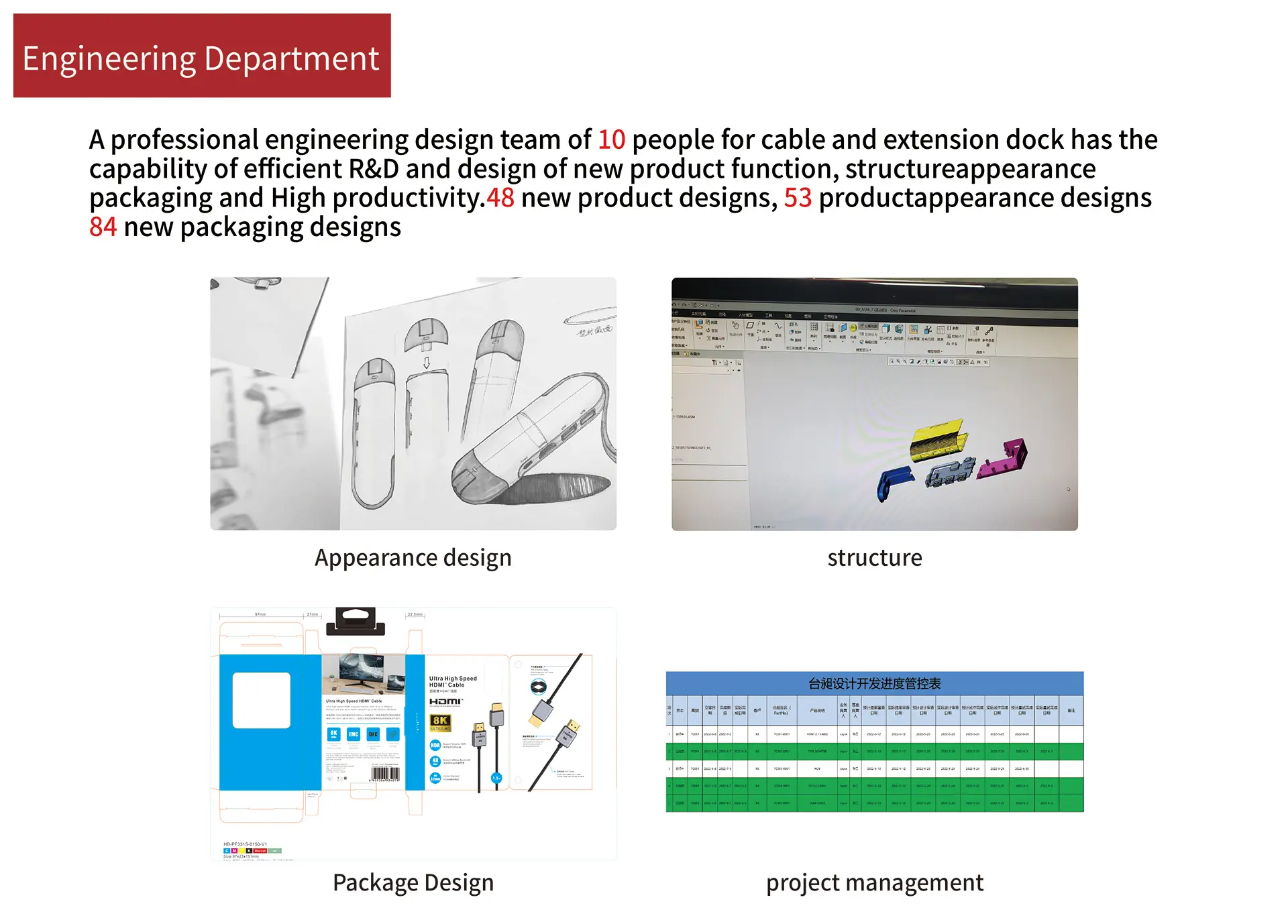
Over the past 38 years, our foundation has been built on the design and manufacturing of professional video and audio peripheral equipment connection lines. Through continuous investment in research and development, we have expanded our product line to include advanced data transmission solutions: HDMI 2.1 cables, DP 2.0 cables, USB4 data cables, USB-C 3.1 Gen 2 data cables, high-power USB charging cables, 8K HD conversion cables, and multi-functional Type-C docking stations.
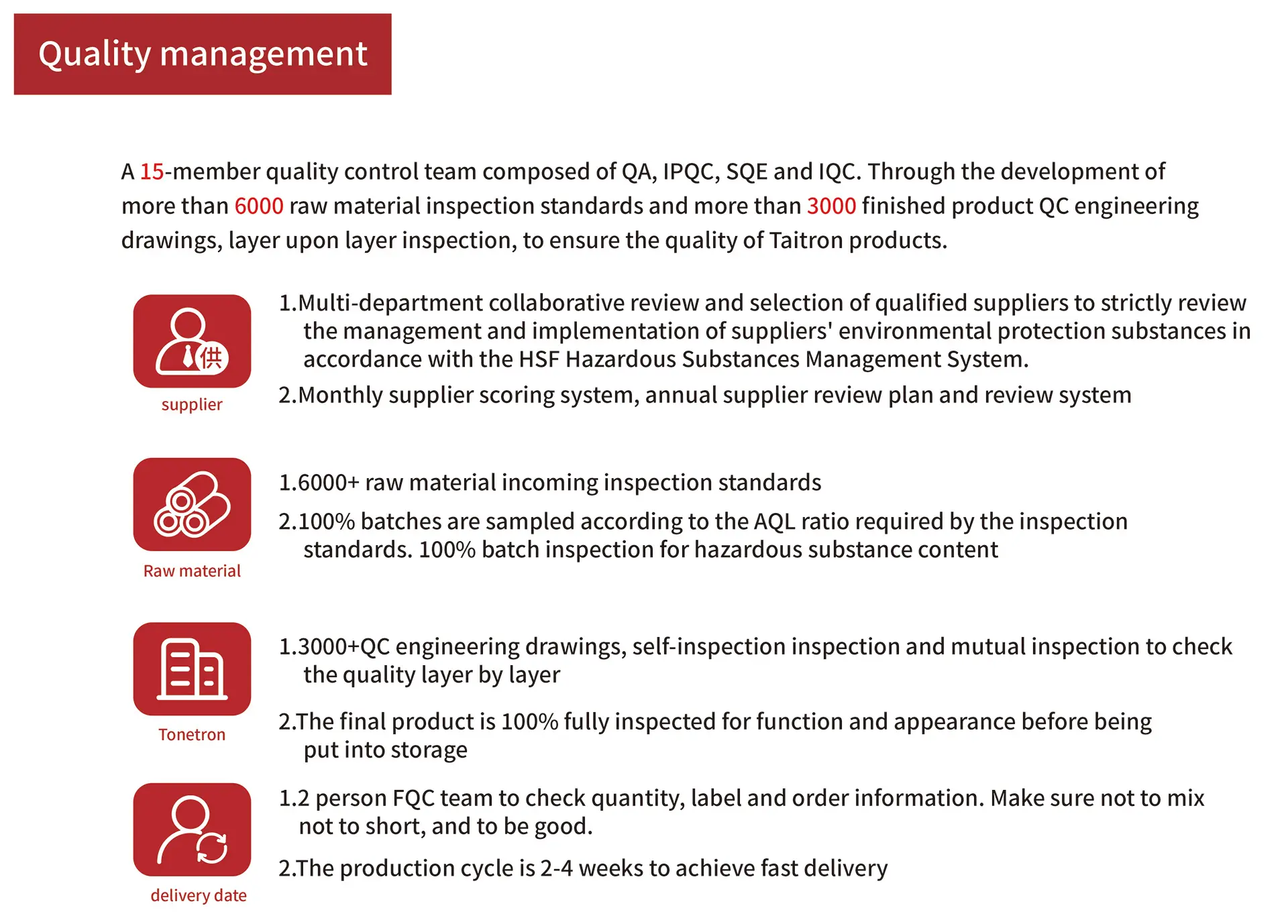
Our production facility is equipped with high-precision wire extrusion machines, automated soldering robots, and advanced test laboratories utilizing time-domain reflectometers (TDR) and network analyzers to verify electrical performance. We maintain certified quality management systems to ensure compliance with international CE, FCC, RoHS, and MFi standards.

Managing procurement for large-scale enterprise rollouts or industrial integrations requires a reliable supply chain. Dongguan Taitron Electronics offers tailored OEM/ODM solutions to streamline procurement for distributors, system integrators, and industrial buyers in Melbourne:
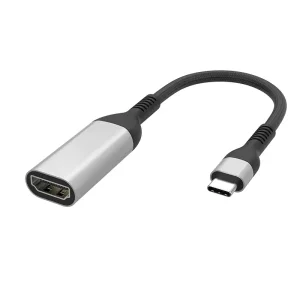
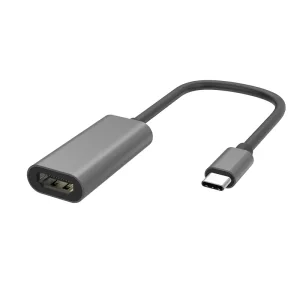
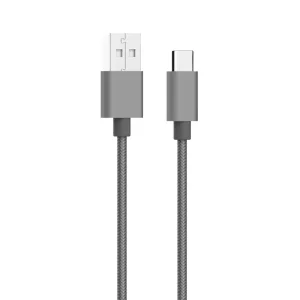
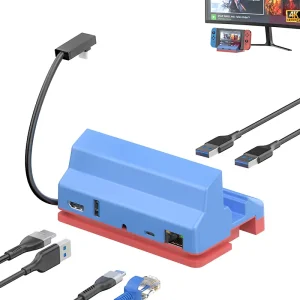
Engineered to meet the specifications of modern corporate and industrial installations across Melbourne.
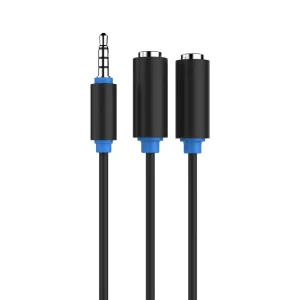
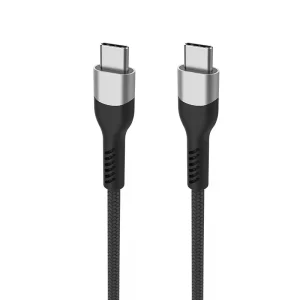
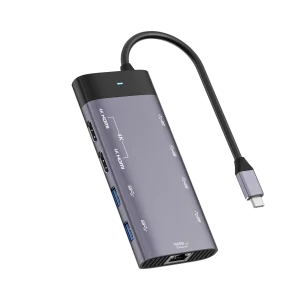
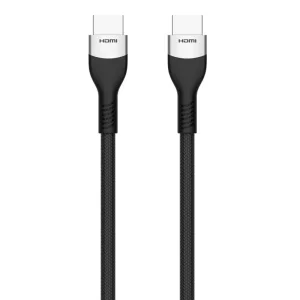
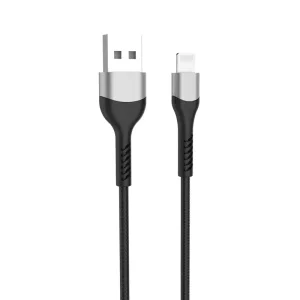
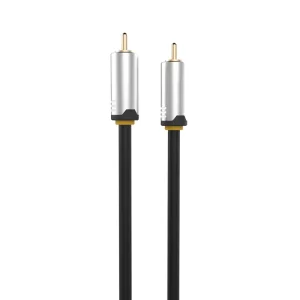
Specialty cables and legacy adapters manufactured to the same high standards to ensure system interoperability.
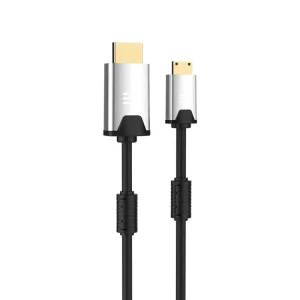
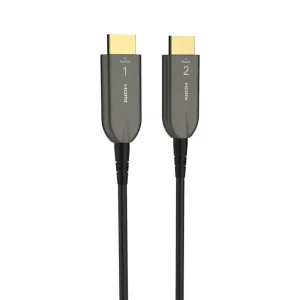
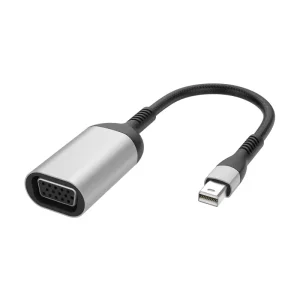
 Taichang Electronic