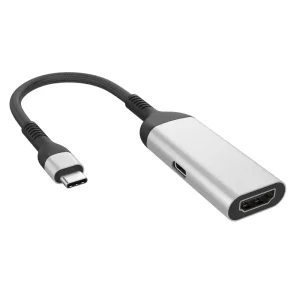
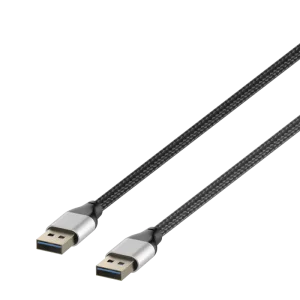
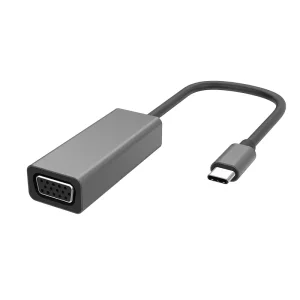
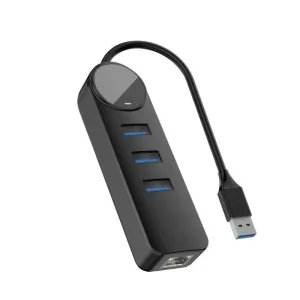
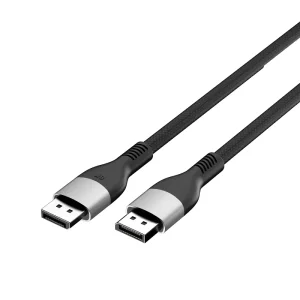
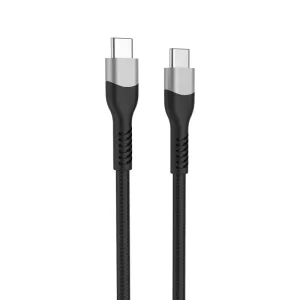
Engineered for maximum signal integrity, ultra-low latency, and reliable high-power charging configurations.
As the Pacific Northwest's undisputed technological capital, the Seattle metropolitan area demands hardware infrastructure that operates on the absolute cutting edge. From the cloud datacenters in Tukwila and West Seattle to the engineering complexes of Redmond, Bellevue, and South Lake Union, the thirst for hyper-fast, highly secure, and massive power-supplying interconnection pipelines is unprecedented.
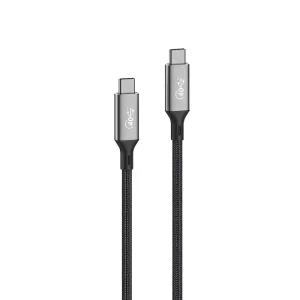
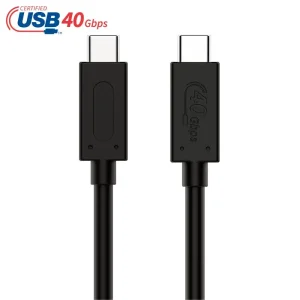
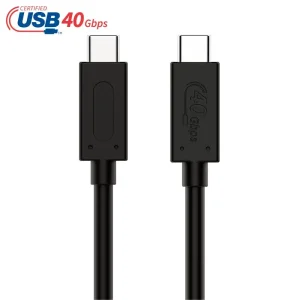
The transition to the USB4 standard represents a paradigm shift in how computing devices transmit data, video signals, and power. Unlike previous generations of connection standards, USB4 is built directly upon the Thunderbolt 3 protocol specification. This ensures a unified architecture that provides up to 40Gbps of bidirectional bandwidth, dynamic bandwidth allocation, and support for up to 240W of Power Delivery (Extended Power Range - EPR).
On a global scale, the consumer and enterprise tech markets are rapidly weeding out legacy proprietary connectors. The European Union's mandate for unified USB-C connectivity, combined with the rising demand for multi-functional work-from-home docking systems, has made certified high-bandwidth USB4 cables the backbone of the computing supply chain.
Whether it is managing multi-display matrices for software development arrays or connecting high-performance external Graphics Processing Units (eGPUs) for artificial intelligence modeling, the quality of physical copper wiring is the defining factor in signal attenuation and electromagnetic interference (EMI) protection.
Verifiable manufacturing standards backed by nearly four decades of technological adaptation.
Achieving 40Gbps transmission over copper without severe data packet dropouts requires extreme mechanical precision. Signal integrity (SI) degrades exponentially as signal frequencies rise. For USB4 Gen 3 protocols running over 2-meter distances, coaxial and twisted-pair wiring must maintain impedance tolerances within fractionally small variances.
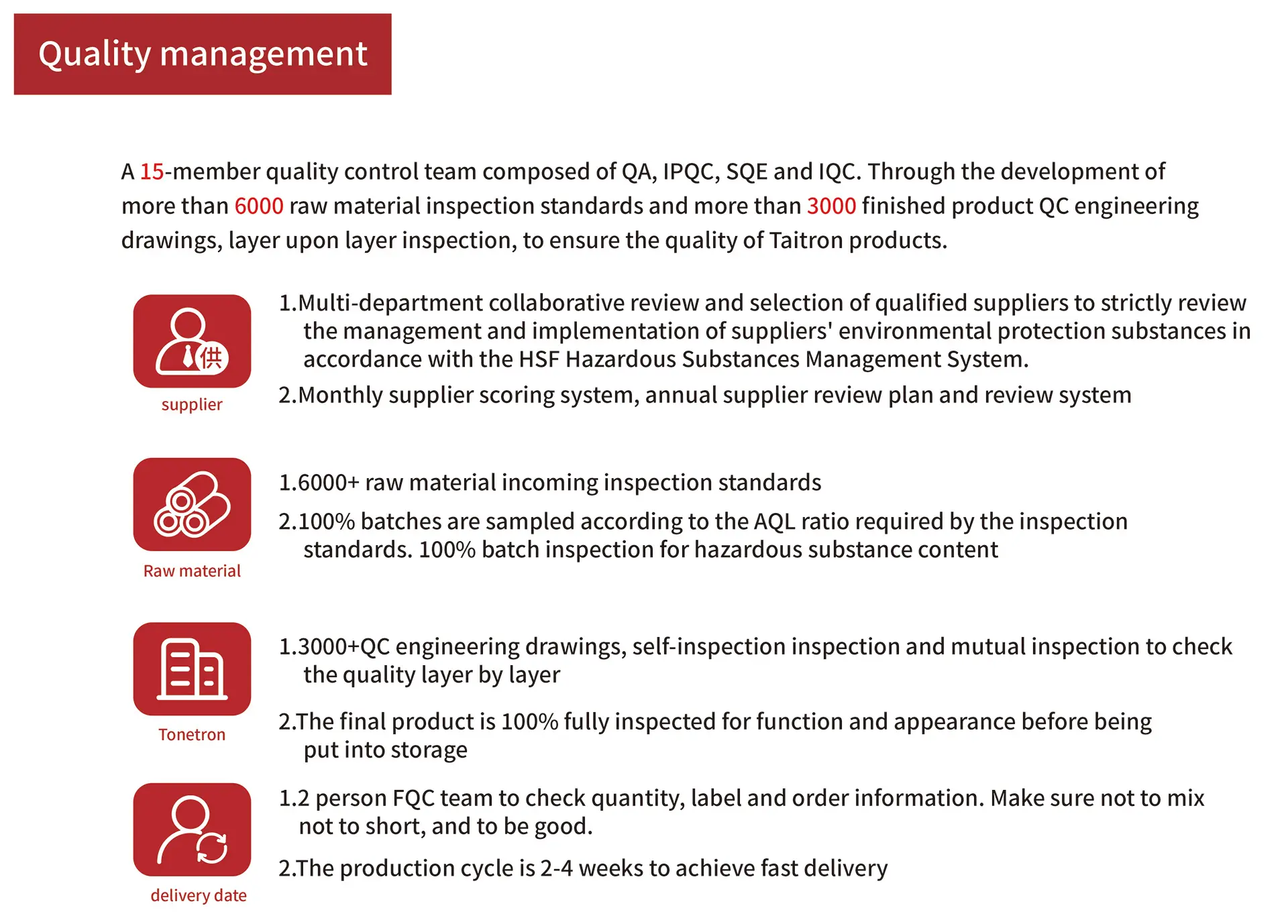
Dongguan Taitron Electronics addresses this engineering challenge through a rigorous multi-stage manufacturing and verification process:
Our USB4 cables employ silver-plated or tin-plated ultra-fine oxygen-free copper (OFC) conductor cores. Silver plating significantly reduces the skin effect, which causes high-frequency signals to travel along the surface of the conductor, resulting in resistance. By optimizing surface conductivity, our cables maintain minimal insertion loss and jitter over longer operational lifespans.
Seattle’s highly congested RF environments (with ubiquitous Wi-Fi 6E/7 and 5G cellular arrays) can disrupt unshielded data transfers. Taitron’s cables implement a triple-shielded architecture:
Any cable carrying currents above 3A or operating beyond USB 3.2 speeds must integrate an electronic marker (E-Marker) IC. Our USB4 cables use certified E-Marker silicon to handle the negotiation protocols of USB Power Delivery (USB-PD 3.1). This chip safely communicates the maximum voltage and current capabilities of the cable to preventing overvoltage events that could damage expensive connected devices like MacBook Pros, gaming rigs, or enterprise NAS systems.
38 years of professional connection technology engineering, from Keelung to Dongguan.
In 1984, Dongguan Taitron Electronics Limited, formerly known as Tonetron, was founded in Keelung, Taiwan. Guided by a commitement to unparalleled signal fidelity and structural durability, the company grew rapidly. In 1993, to scale manufacturing and better serve global supply networks, the operations moved to our self-built independent production industrial park in Dalingshan Town, Dongguan City, China, changing the corporate identity to Dongguan Taitron Electronics Limited.
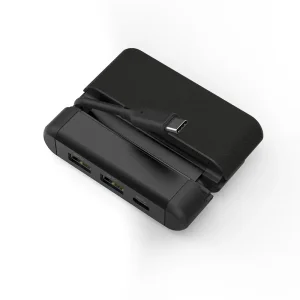
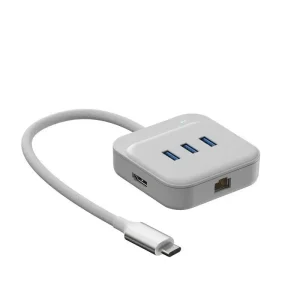
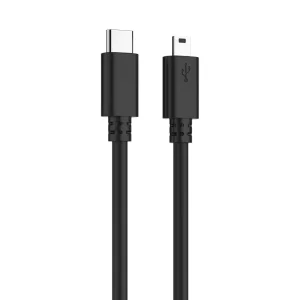
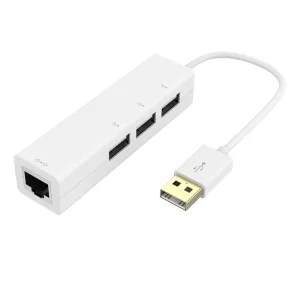
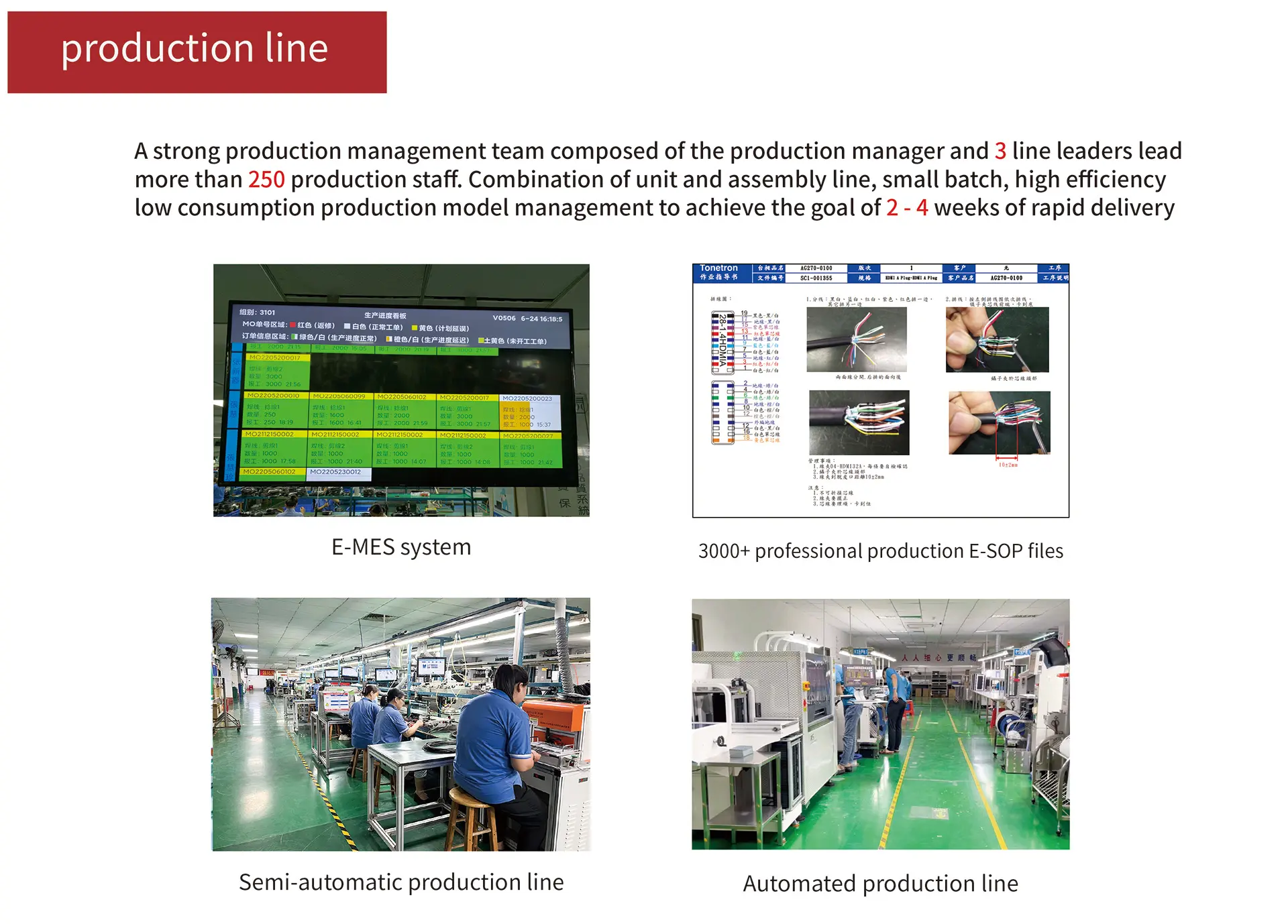
With a foundation established on 38 years of high-performance video and audio peripheral equipment connection line manufacturing, we have systematically scaled our research, development, and high-precision testing workflows. Today, we specialize in high-end audio and video cable data interfaces, including HDMI 2.1 cables, DisplayPort 2.0 (DP2.0) cables, USB4 data cables, USB-C 3.1 Gen 2 systems, high-power USB charging assemblies, 8K HD conversion cables, and multi-functional Type-C expansion docks.

As raw data volumes increase, the USB Implementers Forum (USB-IF) has established the USB4 Version 2.0 specification, which unlocks a theoretical maximum throughput of 80Gbps over copper, and up to 120Gbps in an asymmetric configuration (ideal for ultra-high-definition multi-stream display pipelines). This upgrade transitions from NRZ (Non-Return-to-Zero) signaling to PAM3 (Pulse Amplitude Modulation 3-level) encoding, allowing more data bits per unit cycle.
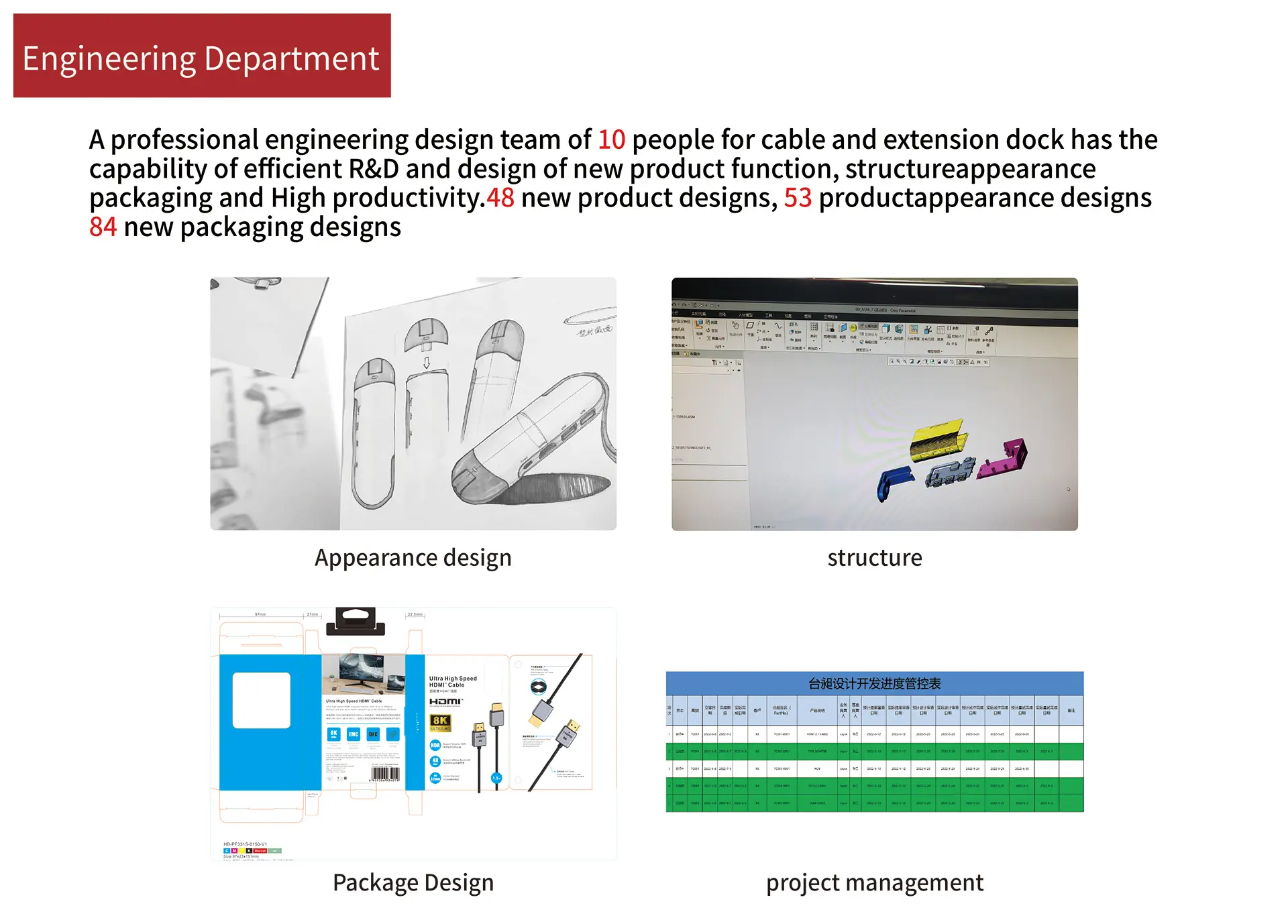
Transitioning to PAM3 requires manufacturers to use advanced high-density PCB boards and extremely precise connector solder joints to minimize signal degradation. At Taitron, our engineering department is already developing prototype cables designed to pass these rigorous frequency parameters. Our focus is ensuring that when enterprises upgrade their servers and workstations, they have cables capable of handling these complex data streams without downtime.
We provide holistic, end-to-end cable solutions for modern tech architectures:
A comprehensive catalog of high-bandwidth adapters, docks, and robust structural interconnects for legacy systems.
Comprehensive technical guidance compiled by our senior signal integrity and supply chain engineers.
 Taichang Electronic