Premium Certified Cables, High-Performance Multiport Hubs, and Enterprise Interconnects
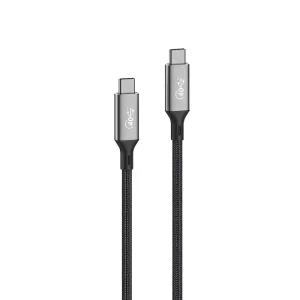
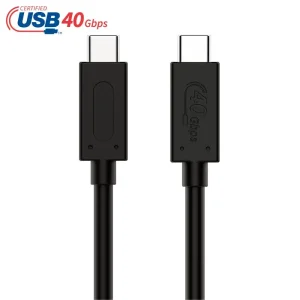
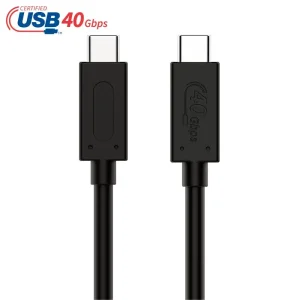
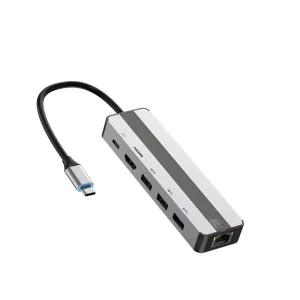
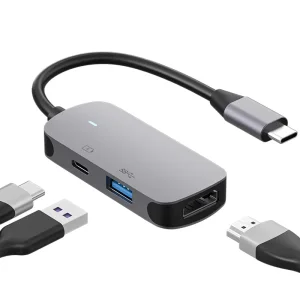
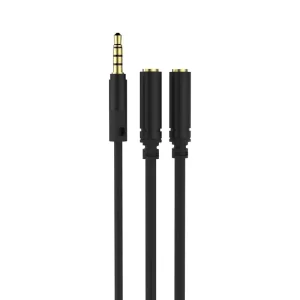
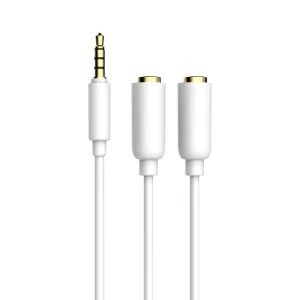
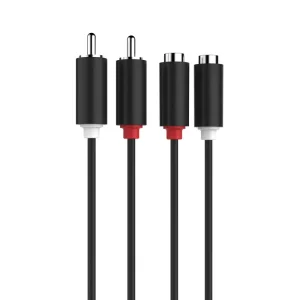
The consumer electronics and industrial computing landscapes are undergoing a profound paradigm shift. High-fidelity data acquisition, real-time multi-stream video pipelines, and high-wattage power delivery demand transmission solutions that push physical media to its absolute limit. At the epicenter of this evolution sits the USB4 protocol. Built on the foundation of Thunderbolt 3 protocol specifications, USB4 consolidates multiple data, display, and power streams onto a single, high-bandwidth interface.
Unlike historical USB standards that relied on static packet routing, USB4 uses dynamic bandwidth allocation, known as Protocol Tunneling. By dynamically allocating bandwidth to USB3 data, DisplayPort video, and PCI Express (PCIe) traffic, USB4 ensures optimal channel utilization. This is critical when connecting to heavy-duty peripherals, eGPUs (External Graphics Processing Units), and low-latency storage arrays. However, these architectural upgrades present massive engineering challenges to manufacturers, demanding rigorous high-frequency validation, precision raw material processing, and advanced E-marker IC integration to prevent packet loss, signal reflection, and thermal runaway.
Why next-generation high-frequency signal transport requires advanced physical engineering
Utilizing USB Power Delivery 3.1 to safely deliver up to 48V at 5A, expanding device compatibility from smartphones to high-performance gaming laptops and industrial equipment.
Simultaneously route DisplayPort 2.0, PCIe, and USB3 data streams. Dynamic allocation ensures maximum bandwidth efficiency without signal degradation.
Engineered with micro-coaxial or shielded twisted-pair cabling to drastically lower Insertion Loss and Crosstalk under high GHz operating environments.
Worldwide deployment of USB4 has transitioned from consumer computing platforms to rugged industrial environments. As AI workloads migrate to edge devices, the necessity for high-bandwidth telemetry links is surging. Industry verticals such as machine vision, medical imaging diagnostics, automotive ADAS systems, and automated test equipment (ATE) are standardizing on the USB4 interface. The capability of a single cable to transfer Gbps-level raw camera data, while supplying power and auxiliary control signals, dramatically simplifies system architecture and reduces maintenance costs.
Furthermore, the global market is witnessing an unprecedented transition from standard copper cabling to Active Optical Cables (AOC) for extended transmission distances. Standard passive copper USB4 cables are typically limited to 0.8 meters to comply with insertion loss requirements at 40Gbps. To bridge physical gaps in server racks and modular instrumentation, suppliers are integrating high-speed VCSEL optoelectronic engines inside the Type-C shell, allowing active optical USB4 signals to maintain full 40Gbps transmission up to 5 meters and beyond.
A historical look at our continuous innovation, production capabilities, and global trade experience
In 1984, Dongguan Taitron Electronics Limited., formerly known as Tonetron, was founded in Keelung, Taiwan. In 1993, the company moved its operations to a self-built, independent production industrial park in Dalingshan Town, Dongguan City, China, changing its legal name to Dongguan Taitron Electronics Limited. Over 38 years of professional connection line manufacturing, we have systematically expanded from fundamental video and audio peripheral equipment connection lines into high-end, high-frequency digital transmission media. This includes research, development, and manufacturing of HDMI2.1 cables, DP2.0 cables, USB4 data cables, USB-C 3.1 Gen 2 data cables, high-power USB charging cables, 8K HD conversion cables, and multi-functional Type-C expansion docks.
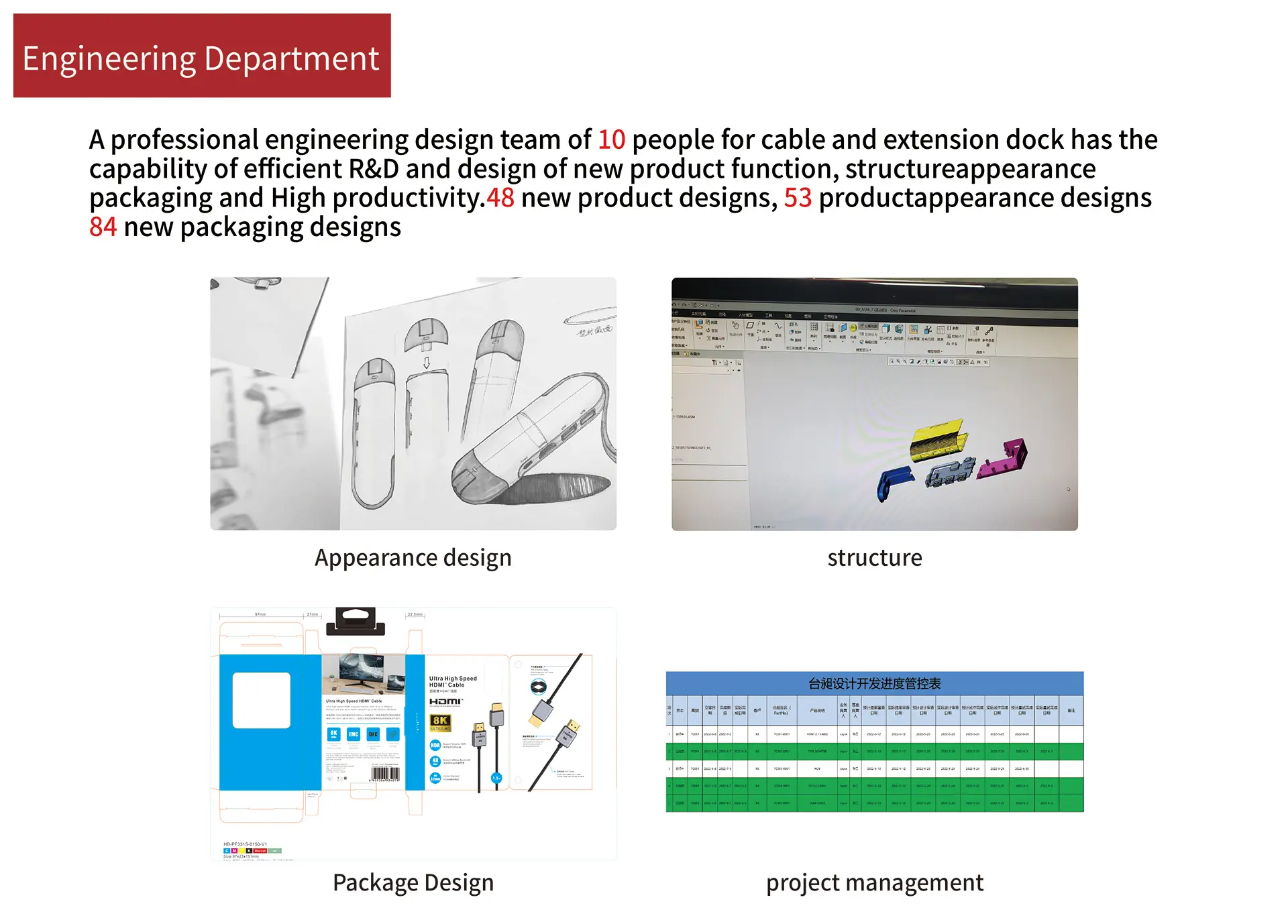

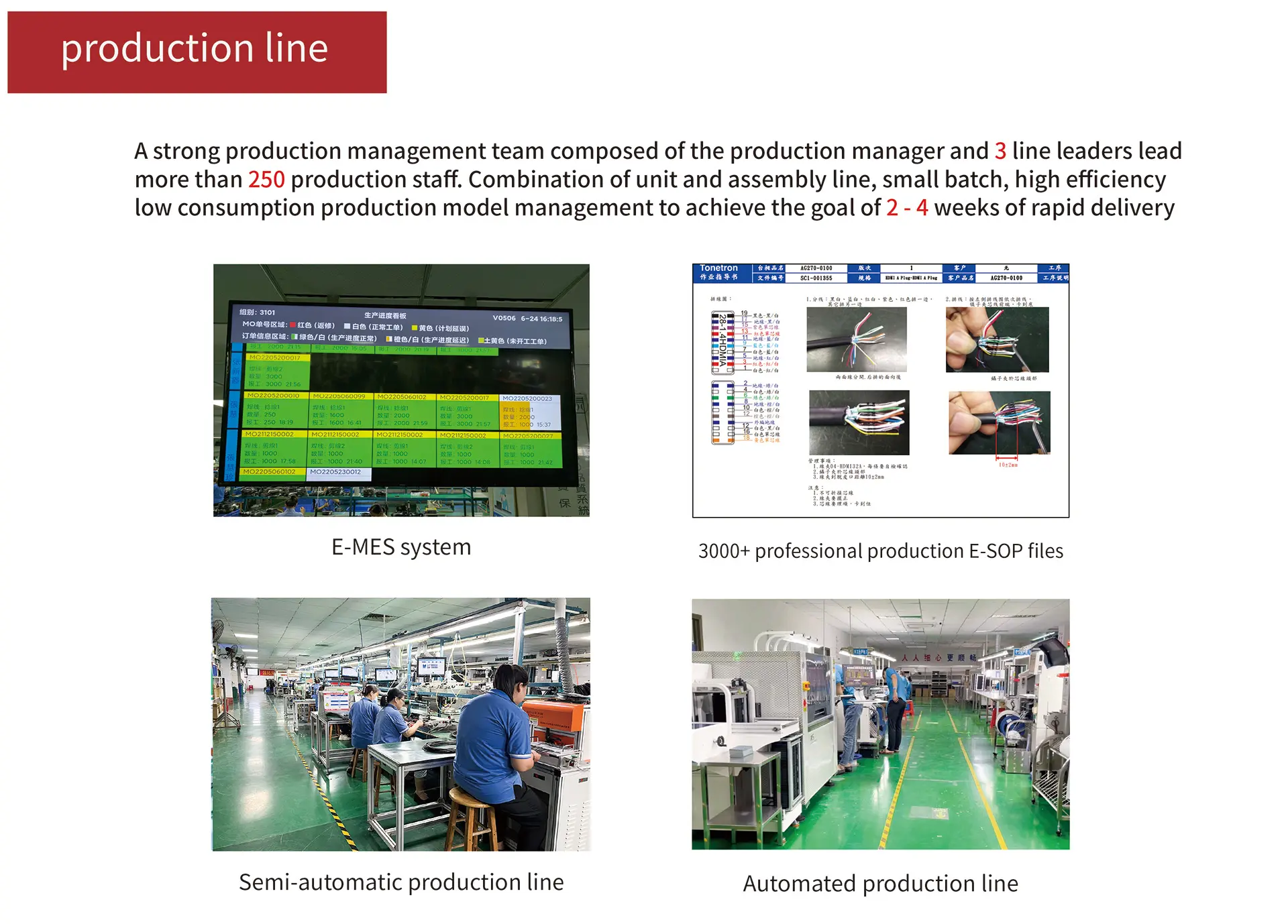
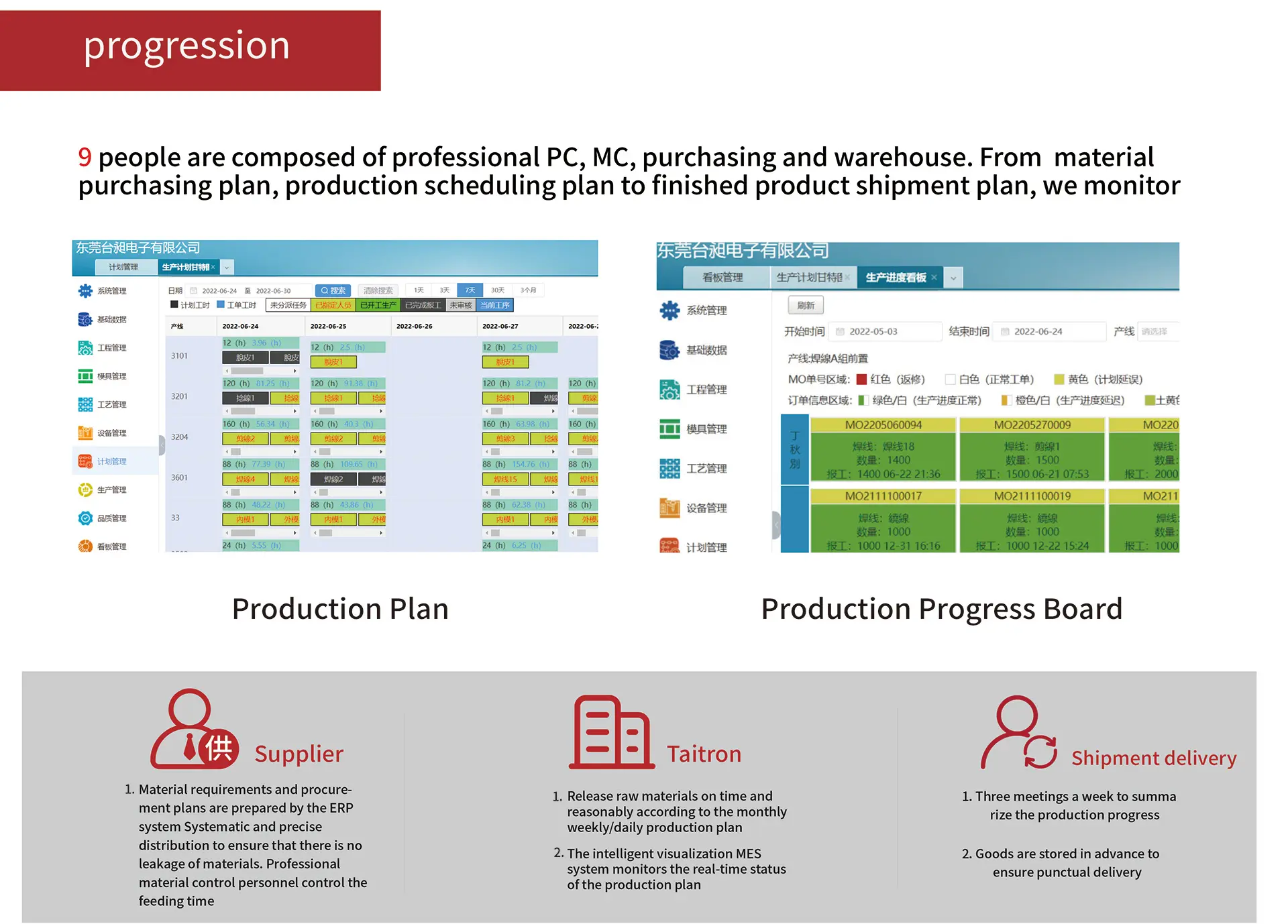
The manufacturing of USB4 cables is not merely a task of assembling wires; it is a discipline of precision physical engineering. The physical structures require tolerances measured in micrometers. Dongguan, China, represents the world’s most sophisticated electronic manufacturing cluster, offering unmatched structural efficiencies. Through proximity to specialized copper extrusion mills, precision injection tooling manufacturers, and advanced chip packagers, Dongguan factories can refine prototypes and transition to mass production at speeds that are impossible elsewhere.
Dongguan Taitron Electronics utilizes this ecosystem to optimize production cost, speed, and precision through several core operations:
High-bandwidth, high-power cables are deployed in specialized environments. Our USB4 and high-frequency connectivity solutions are designed to target critical application topologies:
Uncompressed 8K video editing requires sustained, high-throughput interfaces. By connecting high-speed NVMe RAID arrays and 8K monitors via a single USB4 cable, production companies eliminate cable clutter and prevent frame-dropping. The integration of 100W/240W charging ensures host devices remain powered during prolonged rendering tasks.
Automated assembly lines rely on high-frame-rate cameras to execute real-time QA sorting. USB4 cables support the necessary bandwidth to transmit raw, uncompressed sensor data to host PCs, while their high flexibility and rugged structural sheathing withstand constant robotic movements without signal degradation.
Modern vehicle architectures require high-resolution displays, sensor integrations, and fast-charging interfaces for passenger mobile systems. Custom USB-C and USB4 assemblies are constructed with automotive-grade locking mechanisms to endure high shock and thermal variations in moving vehicles.
Ultra-sound machines and portable CT scanning equipment require rapid file transfer and reliable local monitor connections. The strict shielding standards and premium medical-grade outer jackets of our cables minimize electromagnetic interference (EMI) with adjacent critical medical equipment.
Enterprise procurement departments are no longer looking for standard commodities; they are looking for custom solutions that optimize Total Cost of Ownership (TCO). In the high-speed data transmission sector, purchasing agents face major challenges regarding component durability, regulatory compliance, and thermal performance. To address these demands, our engineering departments provide comprehensive OEM/ODM design customization.
Our OEM/ODM capability encompasses:
Addressing technical, logistics, and quality assurance questions for enterprise purchasers
USB4 pricing is primarily driven by three cost centers: the E-Marker IC choice, the raw cable structure (micro-coaxial copper lines are more expensive but offer superior shielding and flexibility compared to twisted-pair), and the connector shell design. Additionally, the type of shielding (braid, foil, metal can) and the testing frequency required (100% vector network analyzer verification vs. batch testing) affect the unit cost.
USB4 has backward compatibility built into its protocol layer. It contains fallback paths to support USB 3.2, USB 2.0, and DisplayPort Alternate Mode. E-marker chips inside the connectors communicate with the host controller during connection initialization, matching the maximum supported speed and power profiles safely.
240W charging involves high voltages (up to 48V at 5A). Standard USB connectors can cause arcing if disconnected while under load, which can damage the ports. EPR cables require specialized E-Marker chips, larger copper gauges (typically 20AWG to 22AWG for VBUS lines) to prevent overheating, and advanced mechanical isolation to meet safety specifications and prevent thermal runaways.
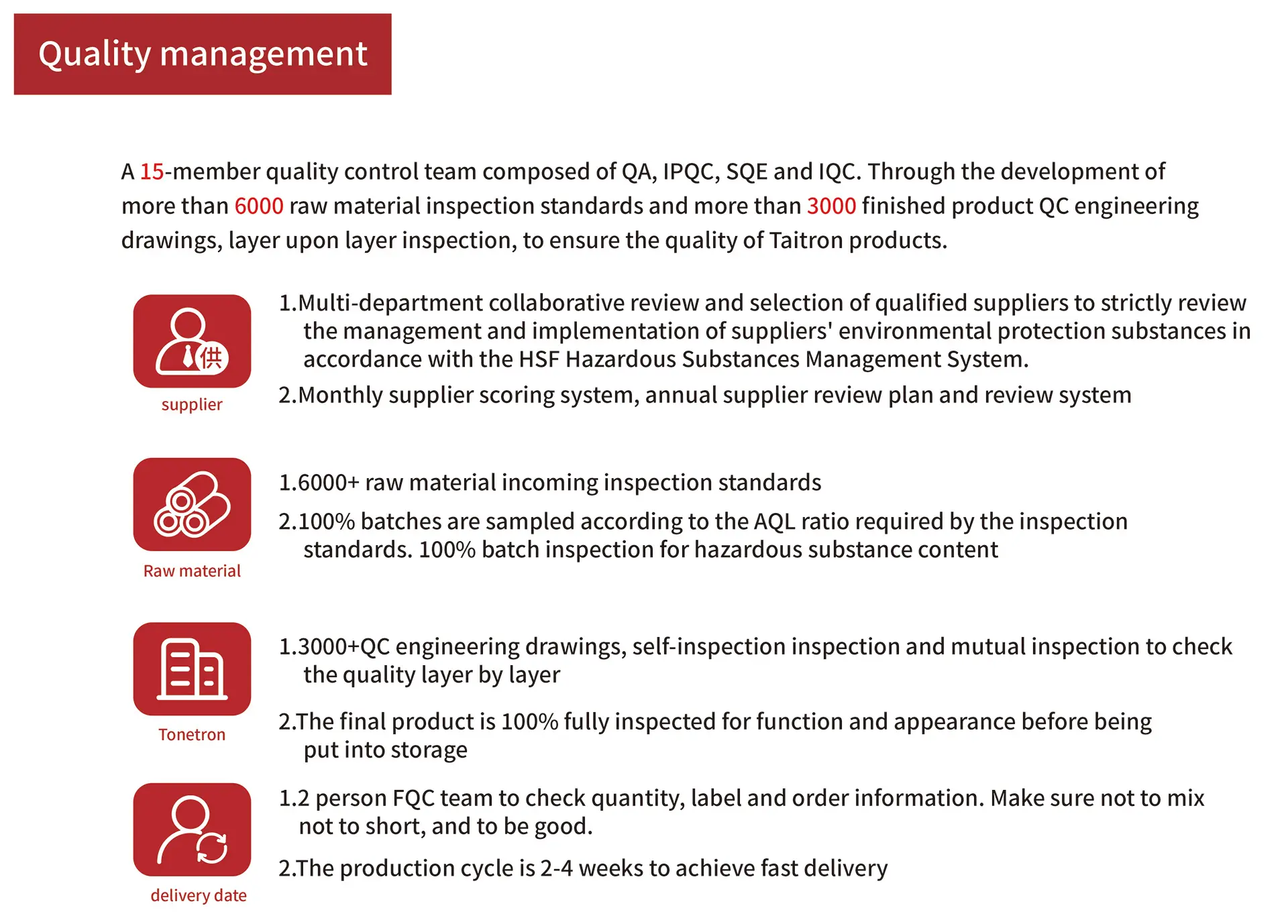
Our facility operates high-speed automated soldering machines and computer-controlled shielding processes. Every batch undergoes time-domain reflectometry (TDR) and eye-diagram testing to ensure impedance is controlled within 85 ohms ± 5% across the entire line, preventing signal reflection and ensuring stable performance at 40Gbps.
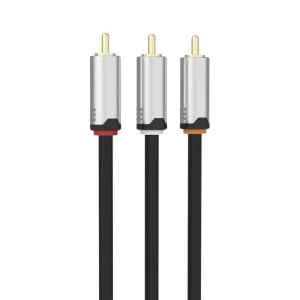
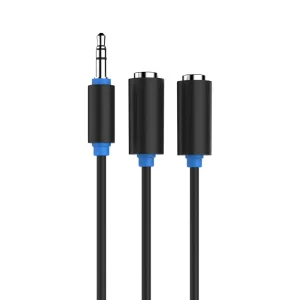
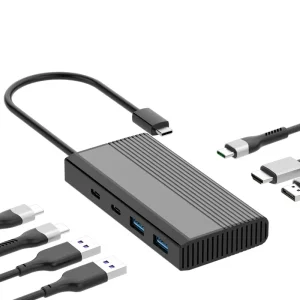
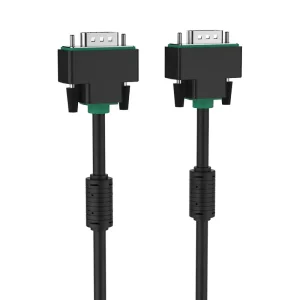
High-fidelity audio, legacy video adapters, and high-performance hubs for industrial and consumer markets
 Taichang Electronic