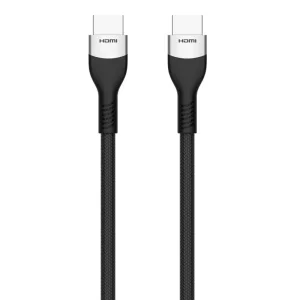
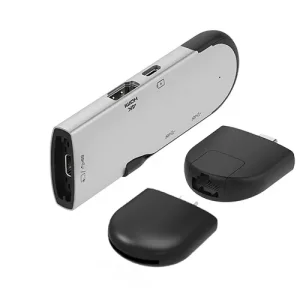
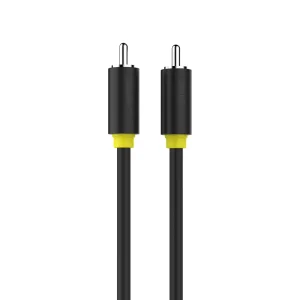
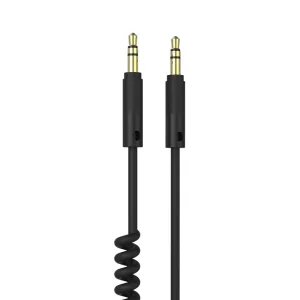
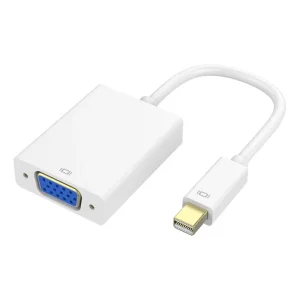
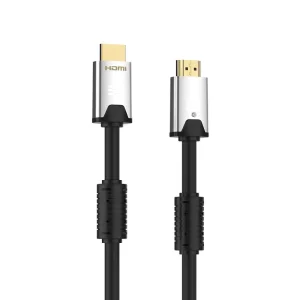
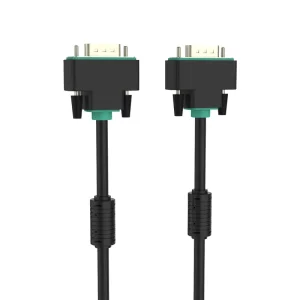
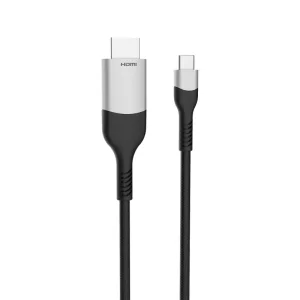
Direct supply line solutions and customized OEM/ODM components optimized for professional AV networks and consumer electronics.
Analyzing physical layer constraints, electromagnetic shielding protocols, and standard compliance in high-speed digital audio/visual transmission.
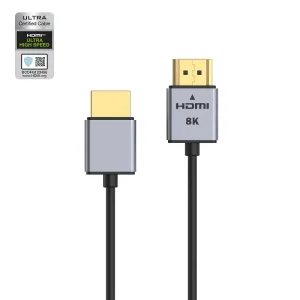
Modern display pipelines require immense data throughput. To reliably carry Ultra HD (4K) frames at high refresh rates without visual compression artifacts, high-speed HDMI cables must comply with strict physical limits. Under the HDMI 2.0 specification, a 4K@60Hz signal containing a 2160p resolution array with 8-bit color depth and 4:4:4 chroma subsampling demands a continuous signal bandwidth of 18 Gbps.
When transitioning to 4K@120Hz or 8K@60Hz (under the HDMI 2.1 specification), the required transmission envelope escalates to 48 Gbps. This requires a shift from Traditional Transition Minimized Differential Signaling (TMDS) to Packet Mode Fixed Rate Link (FRL) technology, utilizing 4 channels running up to 12 Gbps each, instead of 3 channels running at 6 Gbps.
For engineering procurement departments, evaluating these requirements is critical. Purchasing cables constructed with suboptimal copper cross-sections or inadequate shielding will cause high-frequency signal attenuation. This manifests as bit errors, flickering displays, and total link dropouts in commercial installations.
Anatomy matters when maintaining signal integrity over distance. Standard cheap cables often utilize Copper Clad Steel (CCS) or Copper Clad Aluminum (CCA). While these drop raw material costs, their high electrical resistance attenuates digital square waves rapidly over lengths exceeding 3 meters. Professional-grade manufacturers rely on solid Oxygen-Free Copper (OFC) or high-end silver-plated copper cores.
| HDMI Version Standard | Max Bandwidth | Max Resolution / Refresh Rate | Conductor Structure Target | Shielding Architecture | Recommended Applications |
|---|---|---|---|---|---|
| HDMI 1.4 (Category 2) | 10.2 Gbps | 4K @ 30Hz / 1080P @ 120Hz | 30 AWG OFC Copper | Dual-Layer Shielding (Foil + Braid) | Legacy Systems, Basic Displays |
| HDMI 2.0 (Premium High Speed) | 18.0 Gbps | 4K @ 60Hz / 1440P @ 144Hz | 28 - 30 AWG Solid Copper | Triple-Layer Shielding (Al-Mylar + Braid) | UHD Media Centers, Corporate Meeting Rooms |
| HDMI 2.1 (Ultra High Speed) | 48.0 Gbps | 8K @ 60Hz / 4K @ 120Hz | 26 - 30 AWG Solid / Silver-plated | Advanced Triple-Layer Heavy Braid | High-End Gaming (PS5, Xbox), Pro Studio, VR |
| AOC (Active Optical Cable) | 48.0 Gbps | 8K @ 60Hz / 10K @ 120Hz | OM3 Multimode Fiber + Copper Power | Optoelectronic Shielded Shield | Long-haul AV installations (10m - 100m) |
To prevent high-frequency crosstalk, each of the four main differential data pairs is individually wrapped in conductive aluminum foil. A separate copper drain wire runs alongside them to ensure stable grounding. The entire core is then encased in a secondary shielding layer (braided copper/aluminum mesh) to mitigate external electromagnetic interference (EMI) from power lines, cellular signals, and Wi-Fi networks.
The transition from copper to active optics, integration of USB4 ecosystems, and preparation for next-generation display architectures.
As panels push past 4K to 8K and 10K, copper cables encounter physical limits. Bandwidth demands exceeding 48 Gbps require Active Optical Cable (AOC) solutions. These integrate VCSEL lasers into the connectors, converting electric signals to optical pulses, eliminating signal attenuation over long distances.
Enhanced Audio Return Channel (eARC) supports up to 192kHz, 24-bit uncompressed audio, including Dolby Atmos and DTS:X. Future roadmaps prioritize audio latency reduction and lip-sync correction algorithms, integrating them directly into hardware configurations.
The boundaries between display interfaces are blurring. DisplayPort Alt Mode over USB-C, USB4, and HDMI are converging. Next-generation hybrid adapters process high-density video data through highly integrated microchips, supporting multiple interfaces on a single bus.
Copper-based HDMI cables become bulky and lose signal strength beyond 5 meters when handling 48 Gbps. Active Optical Cables (AOC) solve this issue by using optical fiber for high-speed data transmission, while keeping copper for power and low-speed handshake channels (DDC, CEC). This hybrid design makes AOC cables thinner, lighter, and completely immune to electromagnetic interference (EMI).
Providing high-reliability, customized display and communication infrastructure for diverse global industries.
Ultra-low emission and high-resolution HDMI solutions for endoscopic camera units, MRI diagnostics display towers, and hybrid OR theaters. Fully compliant with electromagnetic radiation containment protocols (IEC 60601-1).
Zero-latency copper and optical arrays designed for live broadcast units, TV production trucks, concert venues, and control room displays. Built with heavy-duty connectors to handle repeated setups and teardowns.
Long-distance connectivity platforms for transport hubs, airports, digital billboards, and commercial retail displays. These cables feature LSZH (Low Smoke Zero Halogen) jackets to meet municipal building fire safety codes.
Over 38 Years of Audio/Video Manufacturing Excellence, Research, & Quality Control.
Established in Keelung, Taiwan in 1984 as Tonetron, our company laid the foundation for high-quality audio and video connectivity. To meet growing global demand, we moved to Dalingshan Town, Dongguan City, China in 1993, building an independent manufacturing campus and changing our name to Dongguan Taitron Electronics Limited.
Over the past 38 years, we have transitioned from traditional analog cables to advanced digital interconnects. Today, we specialize in high-end products, including HDMI 2.1 cables, DP 2.0 cables, USB4 cables, USB-C 3.1 Gen2 cables, high-power USB charging cables, 8K HD conversion cables, and multi-functional Type-C expansion docks.
With vertically integrated production lines, raw materials undergo strict inspection, automated wire cutting, high-precision tin welding, double overmolding, and final signal sweep tests. This comprehensive manufacturing process guarantees reliable performance for our global clients.
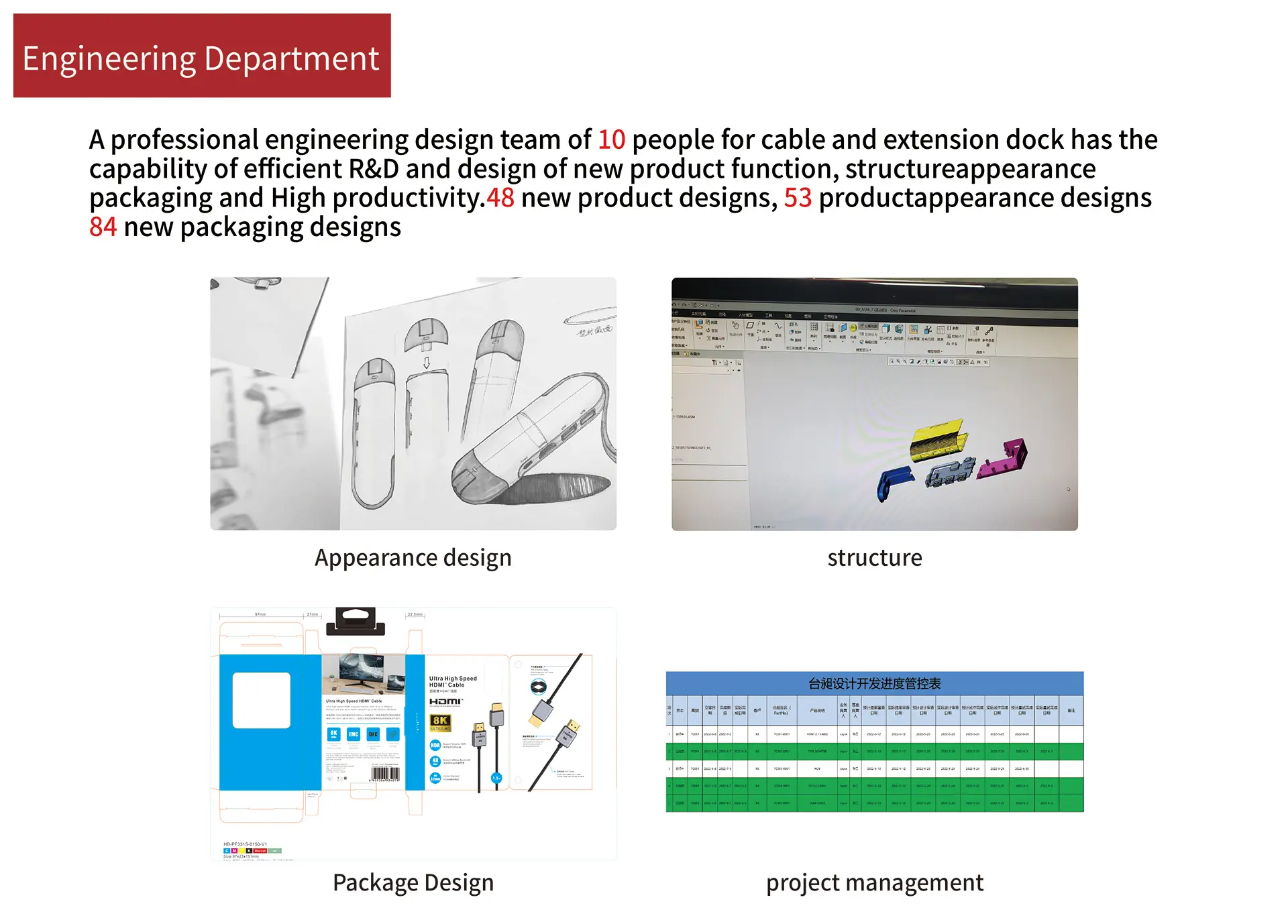
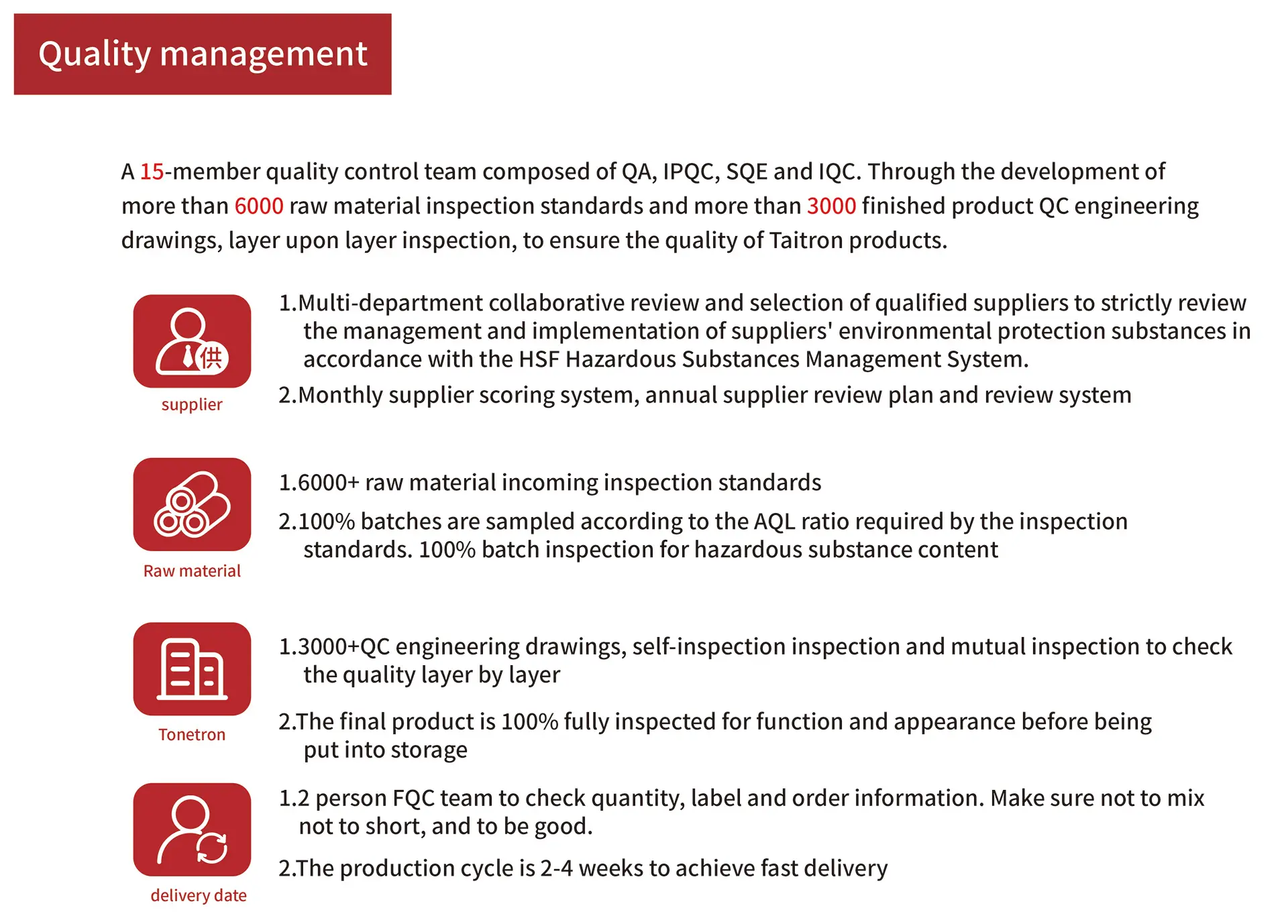

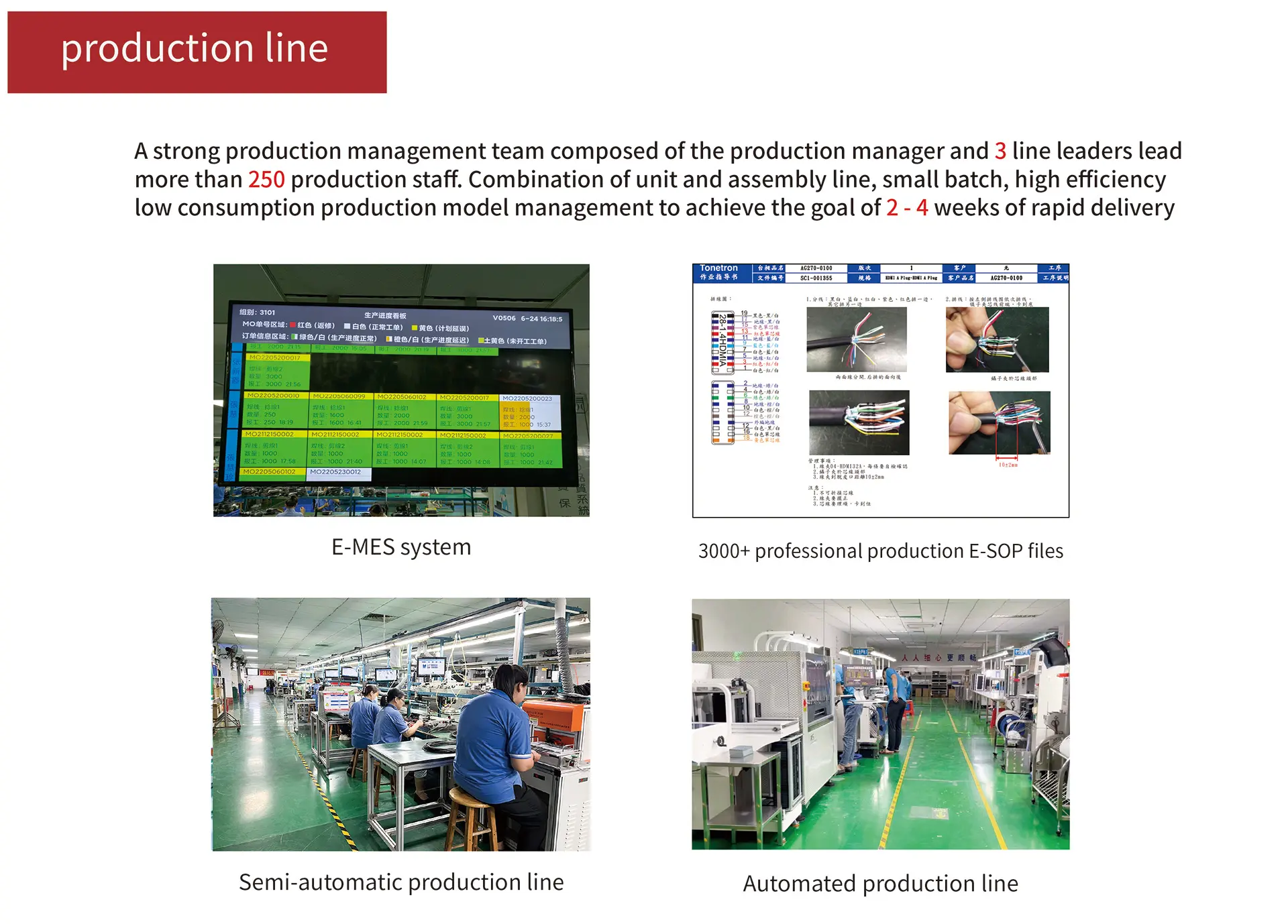
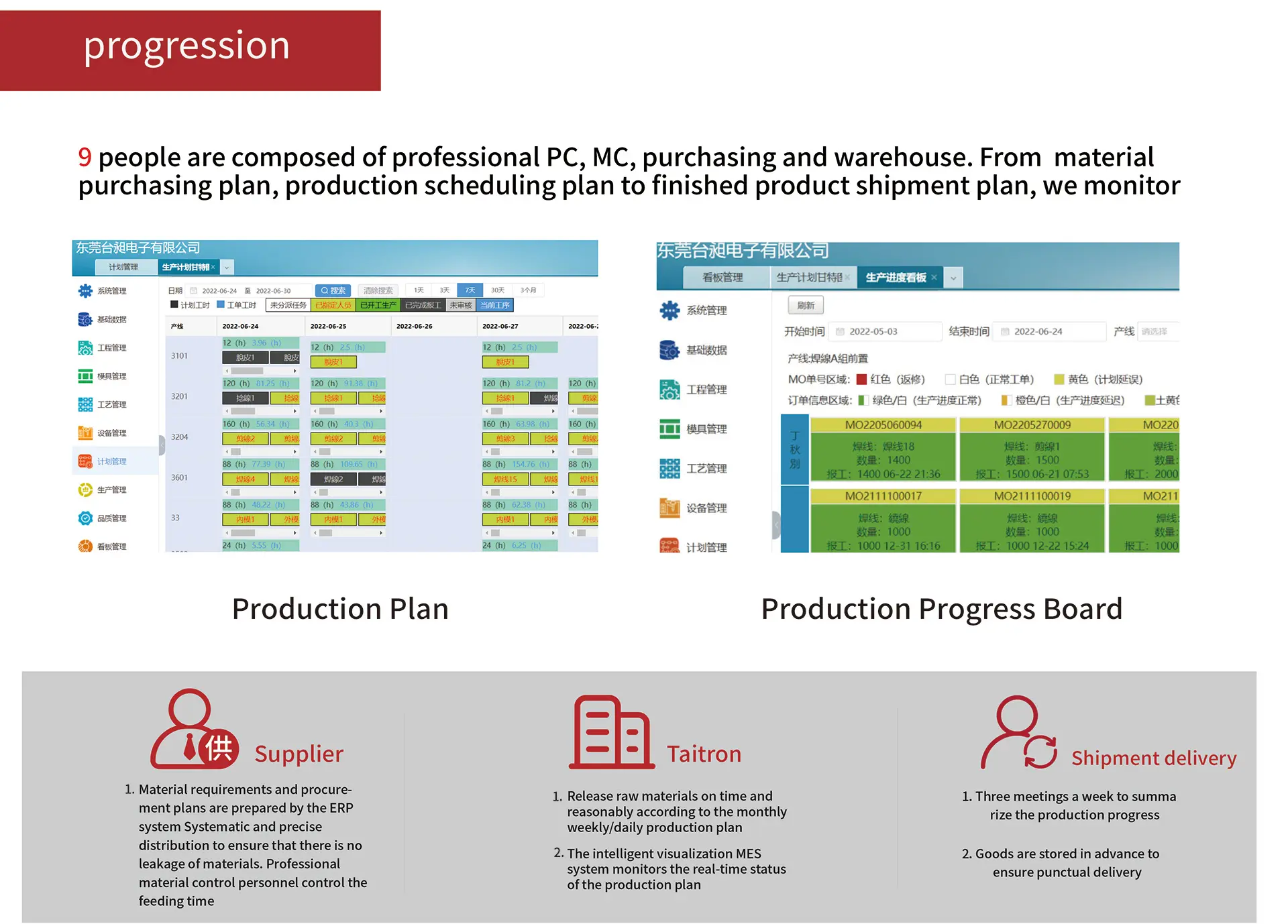
Combining automation, raw material integration, and proximity to shipping hubs to guarantee delivery reliability.
In high-frequency data cable production, modern manufacturing goes beyond basic assembly. Operating from Dalingshan Town, Dongguan, our facility benefits from proximity to key supply chain networks. We source raw plastics, copper wire, shielding foils, and silicon components locally, reducing material lead times to just a few days.
To offset rising labor costs and improve consistency, we invest heavily in automation. Our high-speed copper drawing, double-shielding braiding, and automated soldering machines run continuously. Automating the connection pin welding process minimizes the human errors common in manual assembly.
Our quality control protocols monitor production at every stage. We verify the raw copper's purity and profile before starting the extrusion process. During extrusion, we check outer jackets for diameter consistency, concentricity, and microscopic wall defects. Any deviation triggers an immediate automatic line adjustment.
Our facility maintains active compliance certifications for global shipping. We source and process materials in line with RoHS and REACH standards. We use automated gas chromatography mass spectrometers (GC-MS) to inspect every incoming polymer batch, preventing hazardous heavy metals or prohibited phthalates from entering the factory floor.
Additionally, we design custom plastic packaging and outer cartons to match specific shipping containers. This minimizes wasted space during sea and air shipping, lowering shipping costs and reducing the risk of transport damage for bulk orders.
Understanding cost structures, customization pricing variables, and lead times for high-volume enterprise orders.
For enterprise buyers, the unit price of 4K/8K HDMI cables depends on specific material choices. The main price variables include the cost of raw copper, connector options (nickel plating vs. 24K gold plating), outer jacket materials (PVC, TPE, or double-weave nylon braiding), and certification levels (standard CE/RoHS vs. ATC Certified Ultra High Speed labeling).
We price bulk orders using a tiered volume structure. Orders above 5,000 units benefit from continuous machine run times, lowering setup costs per unit. We also offer customization options (OEM/ODM), including custom lengths, custom overmold designs, and logo printing.
Ensuring compliance with international safety, environmental, and communications agency standards.
Every batch of cables is certified to meet European CE directives and US FCC Part 15 regulations, preventing interference with other electronic equipment in close proximity.
We source materials in line with RoHS and REACH standards. All insulation, copper wire, soldering flux, and outer jackets are free from harmful substances, ensuring safety in commercial applications.
As an authorized HDMI adopter, we perform certification testing at Authorized Testing Centers (ATC). This guarantees our HDMI 2.1 cables display the official hologram labels on their packaging.
Addressing the technical, logistics, and quality issues that purchasing managers face during procurement.
Explore our full range of certified cables, audio connectors, and converter models designed for high-resolution setups.
 Taichang Electronic