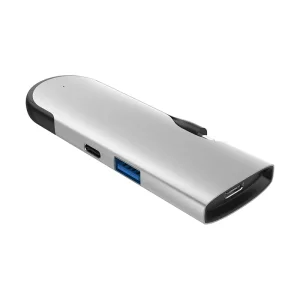
In an era dominated by ultra-thin computing, industrial automation, and high-performance IoT architectures, the demand for stable, low-latency, and high-throughput connections is paramount. USB Ethernet adapters bridge the gap between versatile USB topologies and robust wired IEEE 802.3 networks, delivering enterprise-level security and performance.
Premium solutions optimized for industrial reliability and enterprise hardware integration.
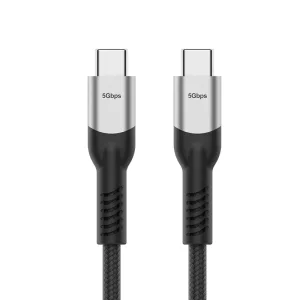
Understanding the hardware layer, controller chipsets, and physical transceivers.
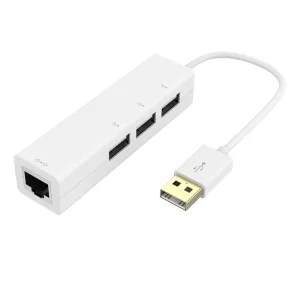
Modern USB Ethernet USB bridges employ sophisticated integrated circuits (ICs) that handle hardware packet parsing, buffer management, and physical layer transceiver properties. Realtek (e.g., RTL8153, RTL8156) and ASIX (e.g., AX88179) serve as the industry standard chipsets, processing network packages natively at the hardware level. The integration of USB-C has unlocked multi-gigabit speeds, transitioning from standard Gigabit Ethernet (1GbE) to high-speed 2.5GbE and 5GbE interfaces without the bottlenecking typical of legacy USB systems.
| Interface Standard | Theoretical Bandwidth | Supported Ethernet Class | Max Throughput (Real-World) | Primary Industrial Use Case |
|---|---|---|---|---|
| USB 2.0 (Legacy) | 480 Mbps | Fast Ethernet (10/100 Mbps) | ~95 Mbps | Embedded IoT Nodes & Legacy PLC Controls |
| USB 3.0 / USB 3.1 Gen 1 | 5.0 Gbps | Gigabit Ethernet (10/100/1000 Mbps) | ~940 Mbps | Corporate Laptops, Thin Clients, Enterprise Workstations |
| USB 3.2 Gen 2 / USB4 | 10.0 Gbps - 40.0 Gbps | Multi-Gigabit (2.5G/5G/10G Ethernet) | ~2.35 Gbps (for 2.5G) / ~9.4 Gbps (for 10G) | High-definition Video Editing, NAS storage arrays, Local Servers |
Utilizes CDC-ECM (Communication Device Class Ethernet Control Model) and CDC-NCM standards to enable plug-and-play operation across modern OS distributions, including Windows 11, macOS, Linux Kernel 3.x+, ChromeOS, and Android systems.
Supports advanced network management configurations, including PXE Boot (Preboot Execution Environment), Wake-on-LAN (WoL), and MAC Address Pass-Through (MAPT) for system administrators managing enterprise device fleets.
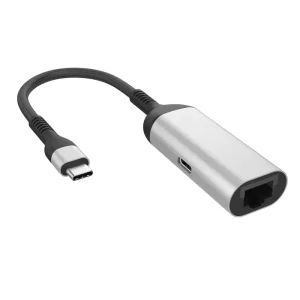
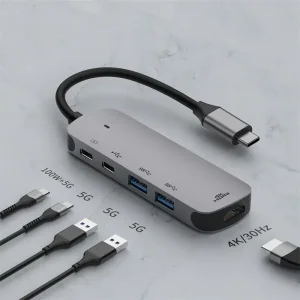
Integrated with USB Power Delivery up to 100W, allowing devices to charge simultaneously while maintaining a stable, zero-latency network connection over a single USB-C connection point.
How USB Ethernet technology resolves connectivity limitations across diverse commercial sectors.
Modern enterprise laptops often sacrifice dedicated RJ45 network ports for slim form factors. Deploying USB-C Ethernet adapters with integrated Power Delivery within meeting rooms allows immediate connection to secure, wired local intranets while providing display output (HDMI/DP) and high-power charging through one interface. This eliminates wireless interference and latency during critical video conferences.
In manufacturing environments, factory floor machinery and PLCs require configuration interfaces that standard consumer Wi-Fi cannot securely service. Industrial USB Ethernet adapters, constructed with robust shielding, provide onsite engineers with reliable diagnostic connections directly from portable field tablets to heavy industrial systems, preserving electrical isolation and preventing electrostatic discharge (ESD).
Small-form-factor PCs used in retail terminals (POS), digital signage, or smart building monitoring often need secondary network adapters to isolate internal controls from public networks. A highly reliable external USB Ethernet controller serves as a dedicated physical firewall interface, providing dual-homed networking configurations without high hardware costs.
Navigating the evolution toward 10Gbps wired connectivity and next-gen integration.
As modern data transfer volumes grow, wireless infrastructure like Wi-Fi 7, despite offering high theoretical speeds, continues to face challenges such as signal decay, channel congestion, and packet loss. Physical, copper-based connections remain the backbone of reliable communications. The integration of USB4 and Thunderbolt 4 technologies is driving the development of compact, bus-powered 10GbE network adapters.
Over the next three to five years, industrial networks are expected to widely adopt NBASE-T technology (supporting 2.5G and 5G connections over legacy Cat5e/Cat6 cabling). Next-generation USB Ethernet converters will natively support IEEE 802.3bz protocols, incorporating advanced thermal-dissipation structures. By utilizing aluminum-alloy housings and high-performance thermal pads, these designs minimize thermal throttling to maintain high speeds during prolonged large-file transfers.
Over 38 Years of High-End Video, Audio, and USB Connection Line Engineering.
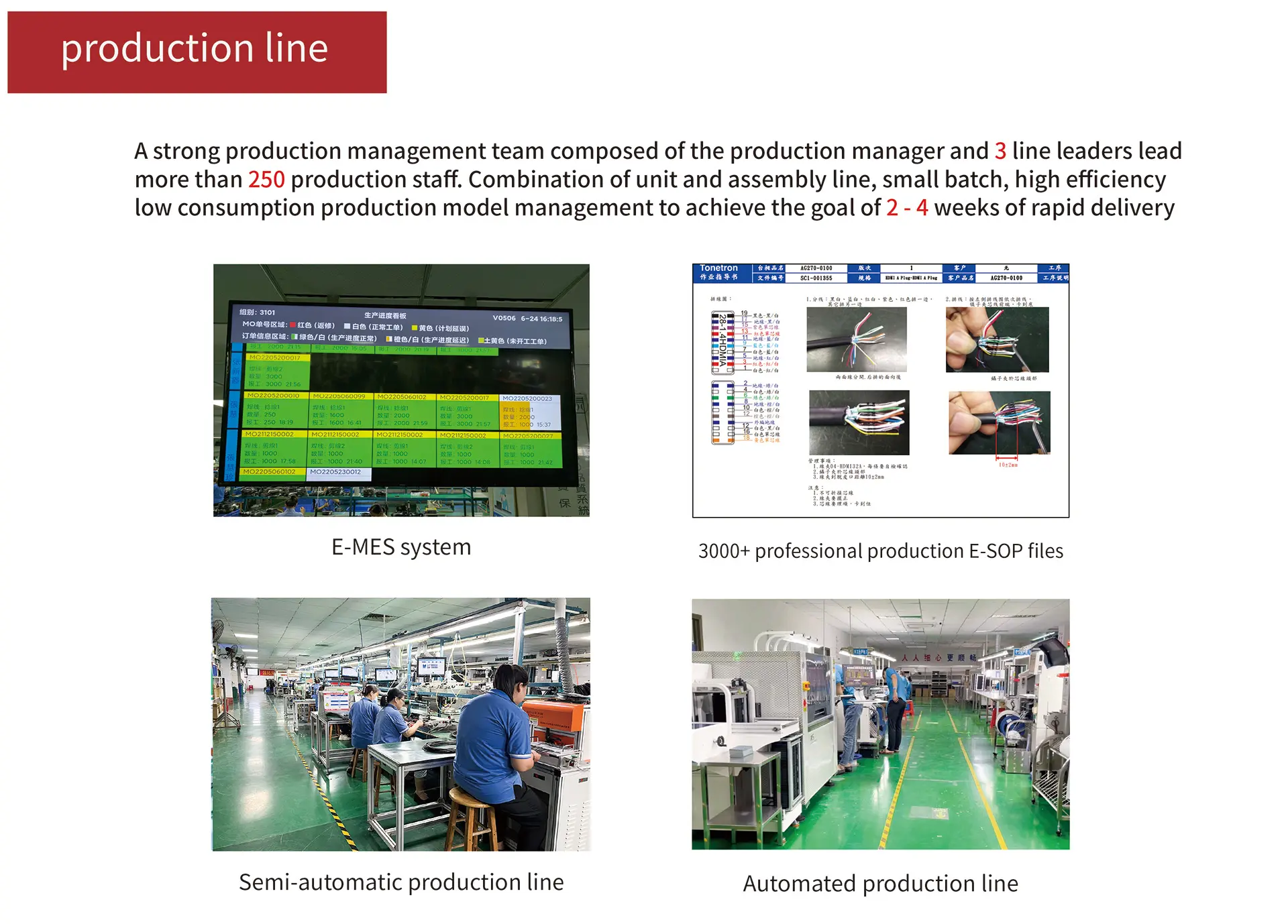
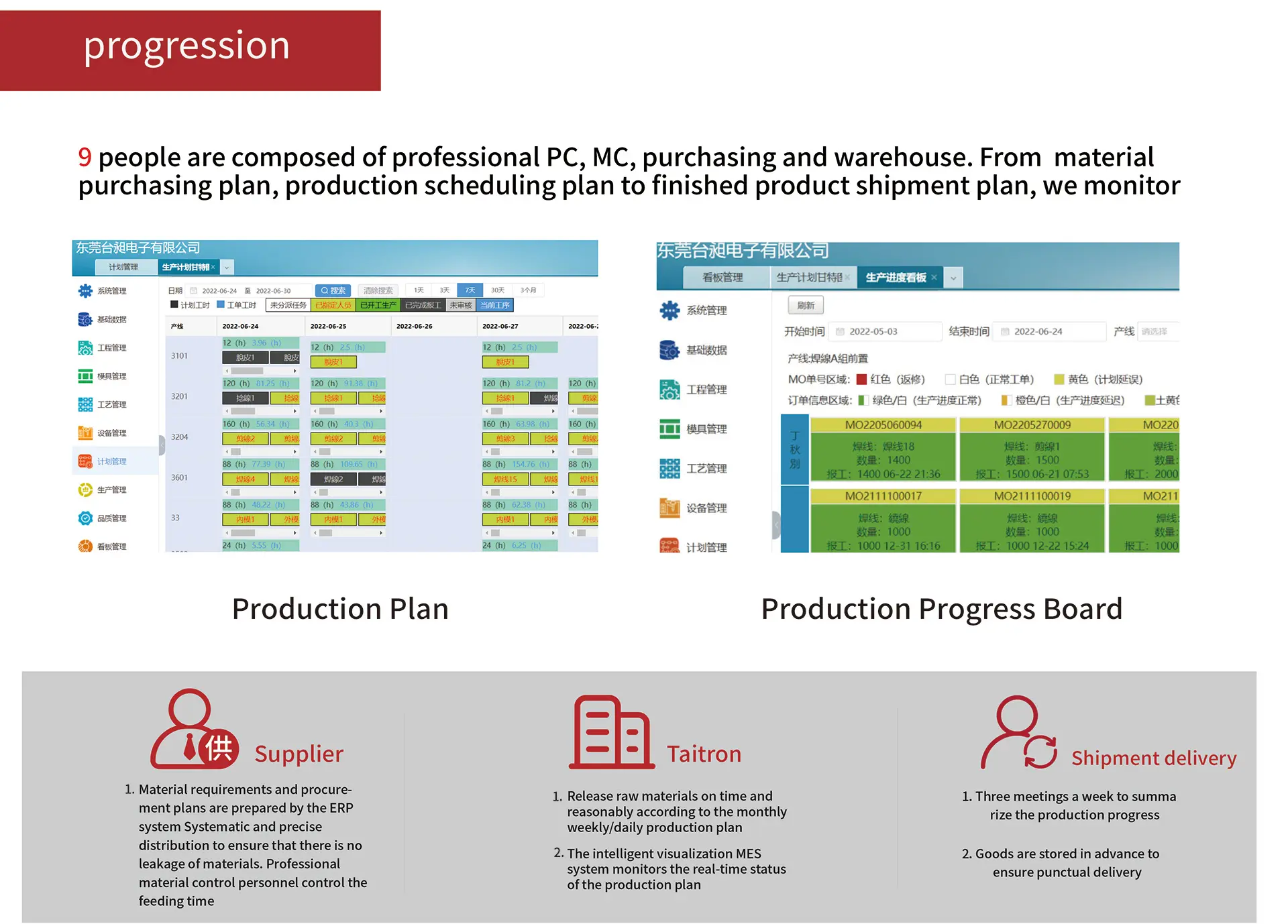
In 1984, Dongguan Taitron Electronics Limited., formerly known as Tonetron, was founded in Keelung, Taiwan. Driven by a commitment to precision engineering, the enterprise relocated in 1993 to a self-built, independent production industrial park in Dalingshan Town, Dongguan City, China, changing its name to Dongguan Taitron Electronics Limited.
Over the course of 38 years, the company has leveraged its expertise in professional video and audio peripheral equipment connection line manufacturing to expand into high-end audio, video, and data transmission cables. Today, our product portfolio features high-speed data cables and adapters, including HDMI 2.1, DisplayPort 2.0, USB4, USB-C 3.1 Gen2, high-power USB charging cables, 8K ultra-HD conversion cables, and multi-functional Type-C expansion docks.
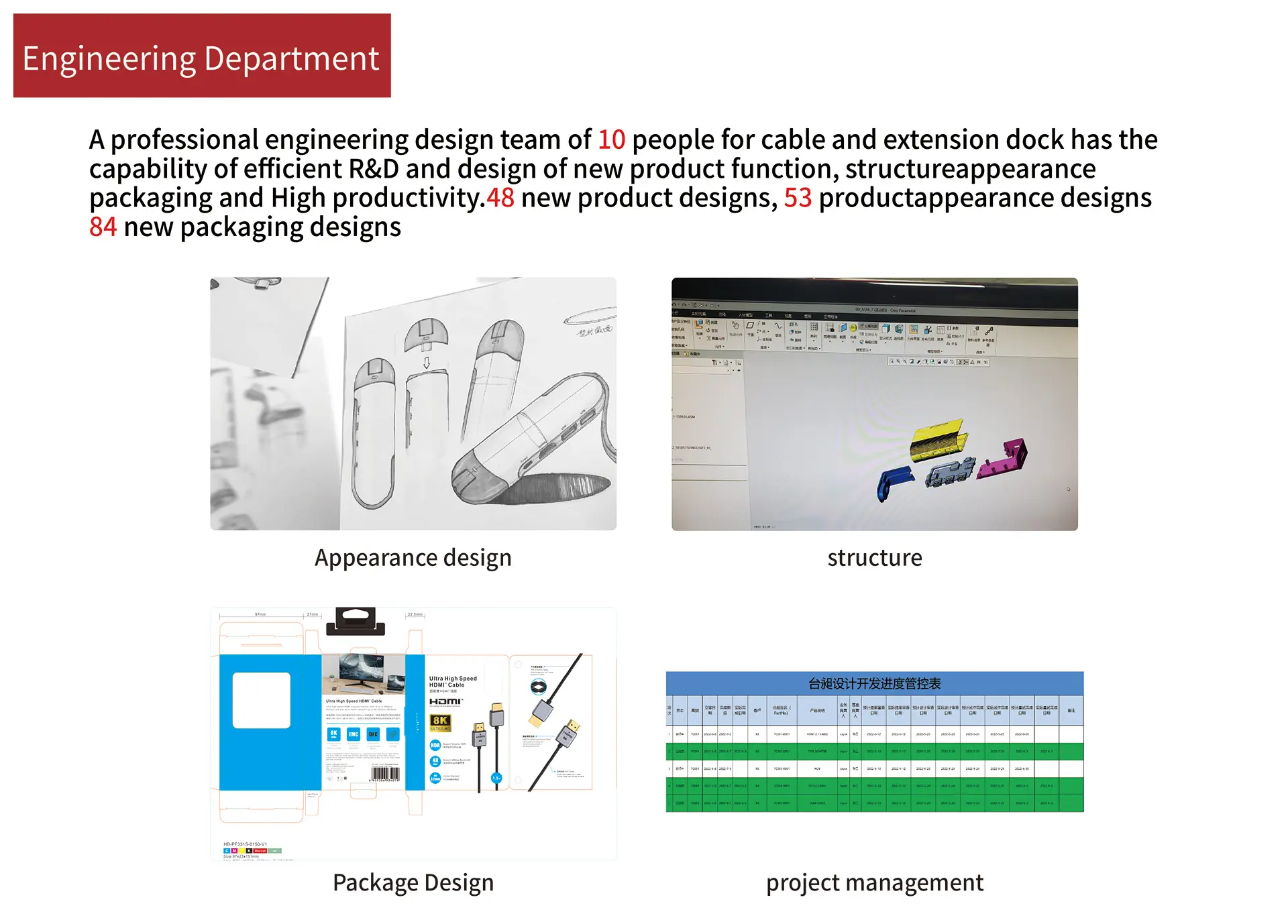
By integrating R&D, structural design, tooling development, and manufacturing under one roof, we provide comprehensive OEM and ODM solutions to global brands. This setup guarantees signal integrity, compliance with strict environmental regulations, and robust mechanical durability.

Why localizing production with Dongguan Taitron ensures lower lead times, quality assurance, and legal compliance.
Our manufacturing operations in Dalingshan Town, Dongguan, leverage the region's highly integrated electronics supply chain. Our facilities feature vertical integration—from raw copper wire drawing, precision outer-jacket extrusion, automated soldering, and dual-shot injection molding to final assembly and testing. This approach ensures consistent product quality and mitigates supply chain risks.
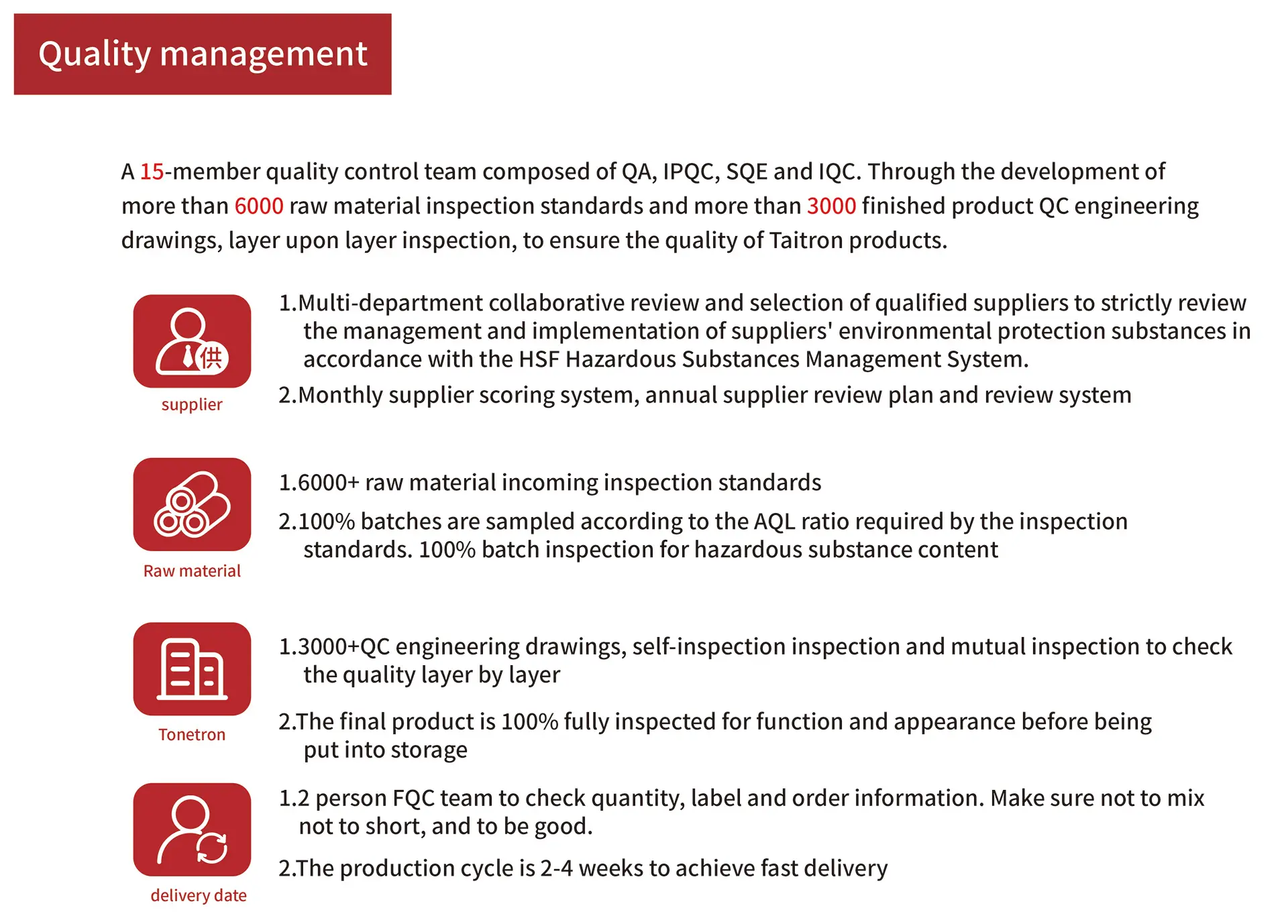
To meet high-speed standards, every batch of USB Ethernet adapters and active cables undergoes high-frequency signal testing using specialized network analyzers. We conduct eye diagram tests and Time Domain Reflectometry (TDR) measurements to ensure minimal crosstalk and packet loss.
Our products comply with international regulatory frameworks, including CE, FCC, RoHS, and REACH. This compliance simplifies customs clearance and ensures our components meet global environmental and safety standards.
We test our designs for durability under demanding conditions. All adapters and cable assemblies undergo testing for insertion and extraction life (up to 10,000 cycles), multi-angle cable bending endurance, and environmental resistance via salt spray testing.
Industrial-grade connectivity components designed for seamless network and multimedia integration.
Expert insights addressing key design, selection, and deployment questions for procurement managers.
 Taichang Electronic