Analyzing the paradigm shift in wired networking interfaces across enterprise, medical, and manufacturing ecosystems.
In the era of hyper-connectivity and software-defined networking, the physical layer remains the ultimate arbiter of data transmission integrity. The traditional Registered Jack 45 (RJ45) interface, which has served as the backbone of Ethernet networking under IEEE 802.3 standards for decades, is encountering a rapidly evolving ecosystem of host devices. Modern devices, from slim-profile enterprise laptops to industrial IoT gateways and medical diagnostics displays, have systematically phased out bulky legacy ports in favor of the versatile USB Type-C (USB-C) interface.
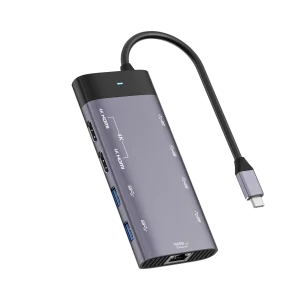
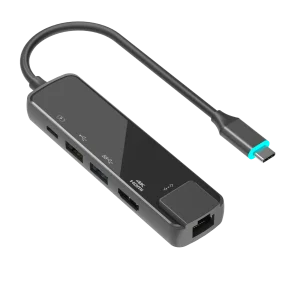
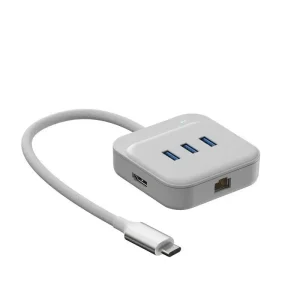
For enterprise network administrators, procurement managers, and systems integrators, bridging the gap between existing LAN infrastructures and USB-C hardware requires more than generic, retail-grade dongles. It demands industrial-grade RJ45 USB C connectivity solutions engineered to handle constant insertion stress, EMI mitigation, power delivery negotiations, and driverless platform compatibility. High-performance RJ45 USB C cables and adapter modules are key to unlocking full Gigabit and Multi-Gigabit networking speeds (up to 2.5 Gbps and 10 Gbps) without relying on unstable wireless connections that compromise corporate security protocols and data throughput stability.
The convergence of these two standards represents a significant milestone in modern B2B connectivity. By utilizing high-bandwidth USB-C alternate modes and advanced PHY (Physical Layer) controller chips inside the connector assembly, industrial RJ45 USB-C products deliver low-latency, secure, and driver-free network provisioning directly through the host device's operating system environment.
Explaining transceiver technology, electromagnetic isolation, and design integrity from factory-level schematics.
Utilizing high-performance controller chipsets such as the Realtek RTL8153, RTL8156, or ASIX AX88179A. These ICs convert USB-C protocol data to Ethernet packets with sub-microsecond latency, supporting PXE boot, Wake-on-LAN (WoL), and MAC address pass-through.
Industrial applications present severe electromagnetic interference. Premium factories employ metal shielding cans enclosing the PCB, dual-layer aluminum foil wrap on conductors, high-density copper braiding, and ESD protection diodes to survive ±15kV static discharge.
Integrating USB Power Delivery (PD 3.0) up to 100W, allowing host systems to charge while transferring packet data. Built-in thermal management ensures the internal PHY chip temperature stays below 45°C even during sustained full-duplex traffic.
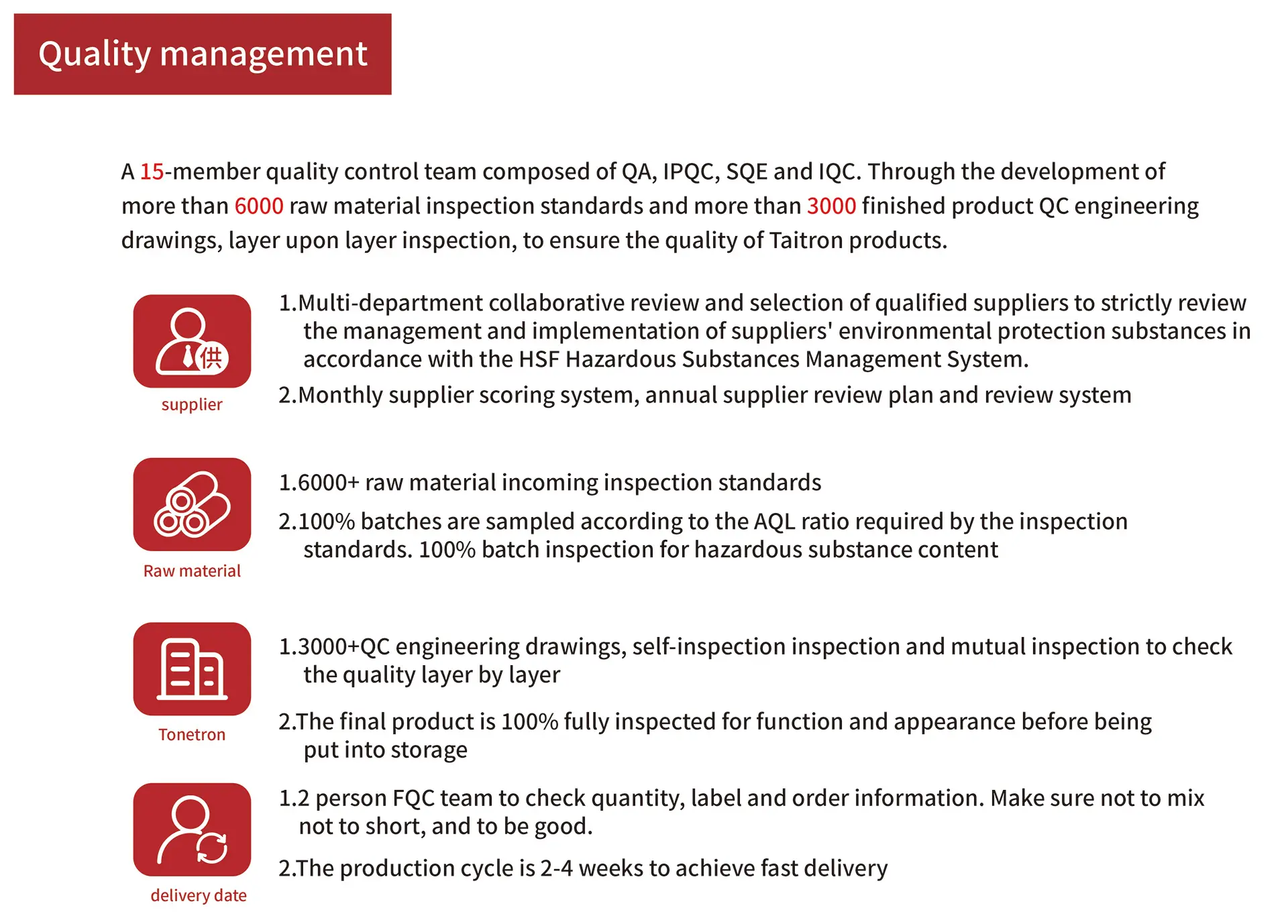
To understand why choosing the right manufacturer matters, consider the routing constraints of the internal PCB. In cheap consumer dongles, the physical layer controller chip is often directly exposed without adequate thermal dissipation pads. Under load, this chip overheats, leading to packet drops, reduced speeds, or complete link drops. Expert OEM suppliers use high-TG PCBs, apply thermal silicone pads to conduct heat to the external aluminum housing, and isolate the power delivery traces from the high-speed differential signal pairs, ensuring consistent transmission under variable voltages.
How sectors optimize their infrastructure with high-reliability RJ45 USB C connectivity solutions.
On the factory floor, operators configure PLCs (Programmable Logic Controllers), robotic arms, and CNC machinery via portable industrial tablets or rugged laptops. Since modern field units only feature USB-C ports, an RJ45 USB C adapter with strain relief is required to interface with EtherCAT or Profinet industrial Ethernet field buses. Our robust injection-molded cables stand up to chemical exposure, constant vibrations, and heavy bending cycles.
Hospital networks are strictly governed by electromagnetic compatibility standards (such as EN 60601-1-2). Inside imaging suites and operating theaters, specialized medical tablets must interface with patient monitoring servers. RJ45 USB C adapters with galvanically isolated Ethernet ports prevent currents from transferring to patients through the networking line, protecting sensitive diagnostics systems from voltage surges.
Tracing 38 years of precision manufacturing from Taiwan origins to Dongguan mass production capability.
Established in Keelung, Taiwan in 1984 as Tonetron, our brand laid its foundations in high-fidelity audio/video peripheral connection lines. In 1993, expanding our vision and manufacturing footprint, we relocated to a self-built, independent production industrial park in Dalingshan Town, Dongguan City, China, renaming our enterprise to Dongguan Taitron Electronics Limited.
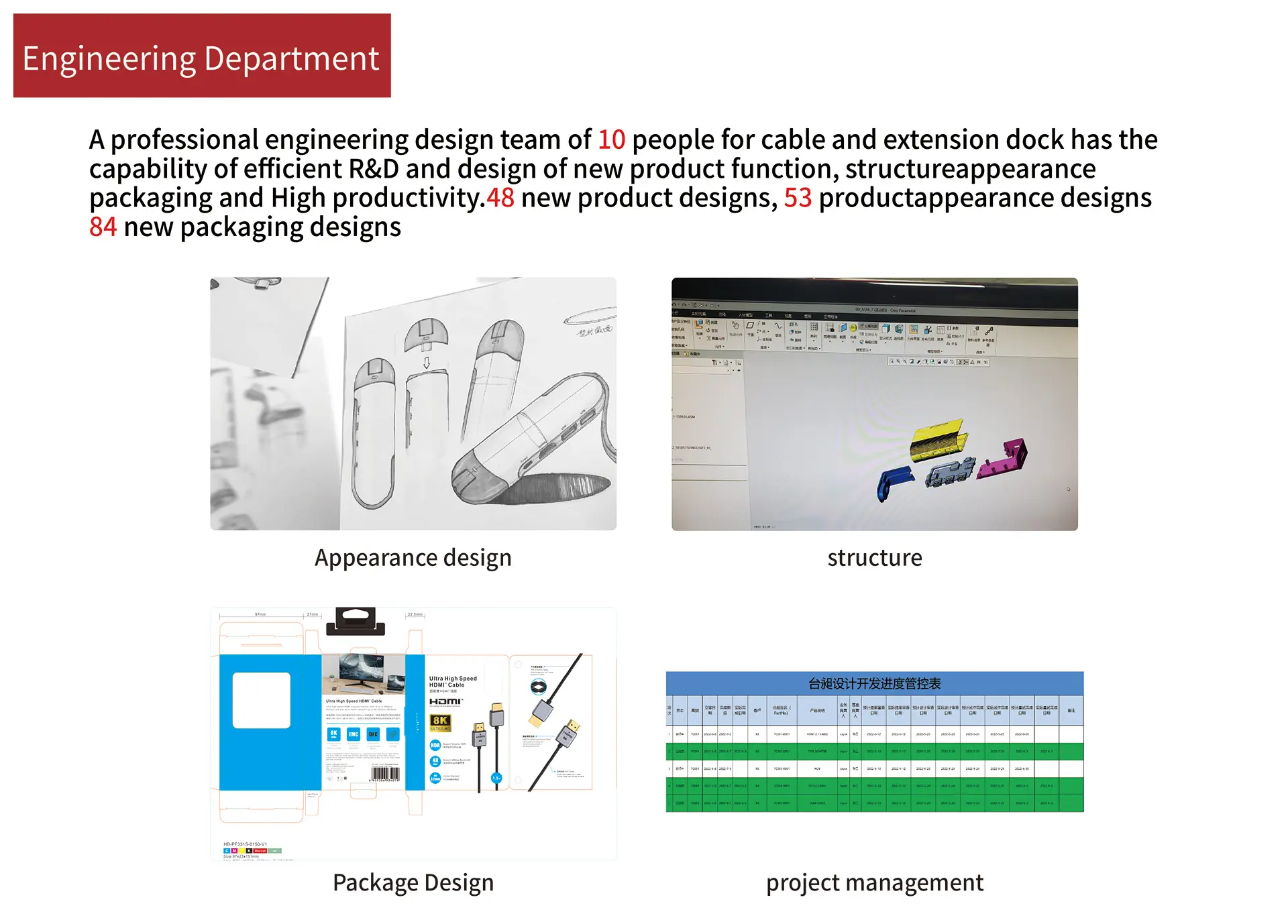
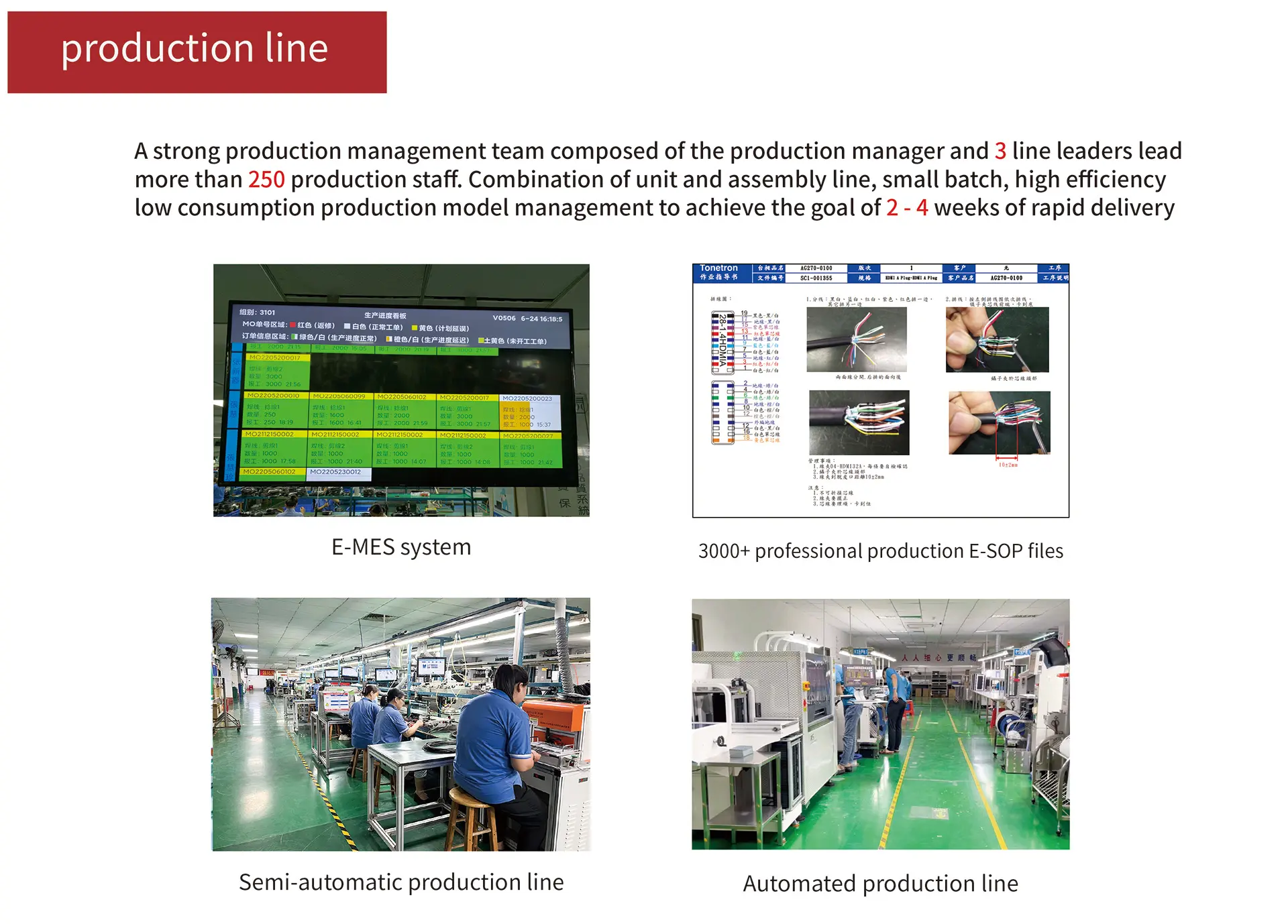
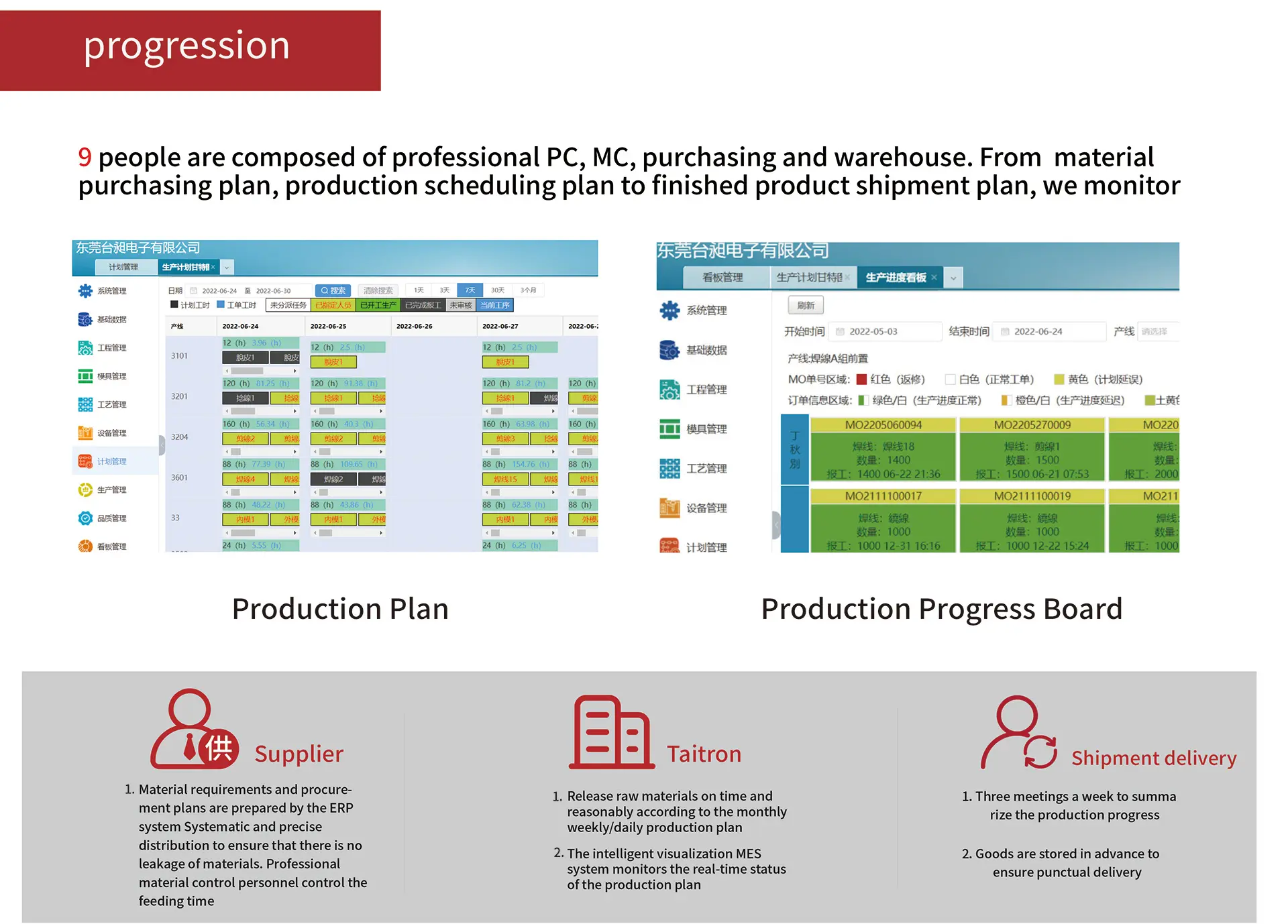
With 38 years of specialized pedigree in cabling systems, we have graduated from legacy analog connections to cutting-edge digital pipelines: HDMI 2.1, DP 2.0, USB4, USB-C 3.1 Gen 2, high-power charging, and multi-functional Type-C expansion docks. Our vertically integrated factory floor coordinates copper drawing, cable extrusion, shield braiding, outer-jacket molding, automated SMT PCB assembly, and final laser-welded connector housing processes under one unified ERP system.

How we address global B2B regulatory standards and optimize regional distribution channels.
B2B sourcing is fundamentally linked to global trade compliance. Hardware destined for enterprise workspaces, government complexes, and data centers must comply with CE, FCC, RoHS, and REACH guidelines. Failure to secure these certifications exposes importers to customs holdups and legal liability. Our RJ45 USB C production lines are certified to meet international criteria, ensuring smooth customs processing and hassle-free retail distribution.
Beyond paperwork, our localized supply chain logistics support helps distributors coordinate delivery lead times with project deployment cycles. By working closely with logistics partners across North America, Europe, and Asia-Pacific, we offer custom consolidation, direct port shipments, and DDP (Delivered Duty Paid) shipping, reducing warehousing overheads for our wholesale distributors.
Fully CE, FCC, and RoHS compliant. Designed to keep electromagnetic emissions well within the limits required by commercial and residential zones.
Custom length modifications, custom PVC/TPE jacket formulations, laser-etched company logos, and retail-ready packaging design services.
Equipped with high-speed automated assembly lines in Dongguan, enabling us to consistently meet volume targets and client lead times.
A look at the technology roadmap for high-bandwidth data systems over the next decade.
The networking landscape continues to demand higher bandwidth. As Gigabit Ethernet transitions to 2.5 Gbps, 5 Gbps, and eventually 10 Gbps (10GBASE-T) over copper lines, RJ45 USB C connectivity solutions must scale accordingly. The introduction of USB4 and Thunderbolt 4 protocols provides the high bandwidth needed to run multi-gigabit PHY chips without standard interface limitations.
In response, Taitron's engineering division is actively prototyping next-generation transceivers that integrate 2.5G/5G Ethernet chipsets into smaller connector housings. By optimizing shielding layouts to handle frequencies up to 500 MHz (Cat6A specifications), our future product pipeline is ready to meet the demands of tomorrow's high-bandwidth systems.
Deploying mature RTL8153 controller architectures across systems, achieving zero-driver setup on Windows, macOS, Linux, and Android environments.
Integrating RTL8156B controllers, designing custom thermal housings to manage the higher power consumption of 2.5G copper transceivers.
Designing advanced fiber/copper hybrid transceivers that connect next-gen high-power storage arrays to local servers at 10 Gbps speeds.
Addressing the common questions raised by system architects and engineering procurement teams.
A heritage of manufacturing excellence in high-end audio, video, and data transmission cables.
In 1984, Dongguan Taitron Electronics Limited., formerly known as Tonetron, was founded in Keelung, Taiwan. In 1993, it moved to the self-built independent production industrial park in Dalingshan Town, Dongguan City, China, and changed its name to Dongguan Taitron Electronics Limited.
Over 38 years, we have built our business on the production of reliable video and audio connection cabling. From that foundation, we have expanded our research, development, and manufacturing capabilities to include high-end digital solutions like HDMI 2.1, DisplayPort 2.0, USB4, USB-C 3.1 Gen 2, high-power USB charging cables, 8K video cables, and multi-functional USB-C expansion hubs. Today, our 30,000 square meter facility houses modern SMT lines and high-precision testing systems, serving customers across the globe.
 Taichang Electronic