 Taichang Electronic
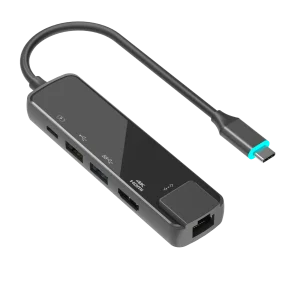
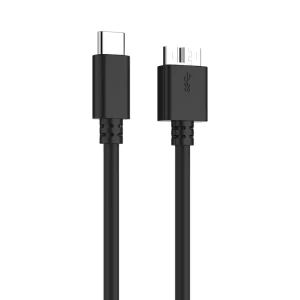
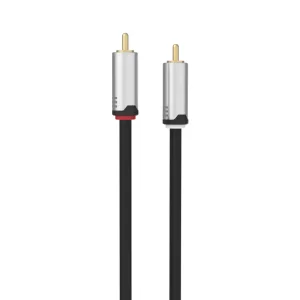
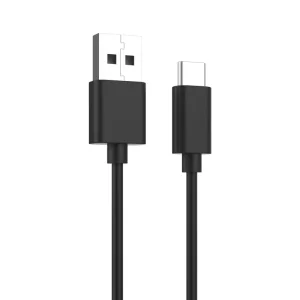
The Strategic Value of Single Port Adapters in Modern Systems Architecture
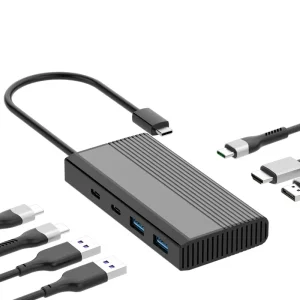
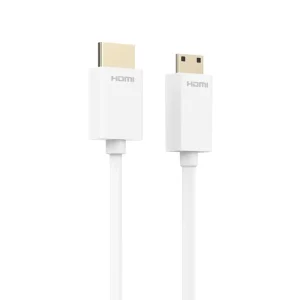
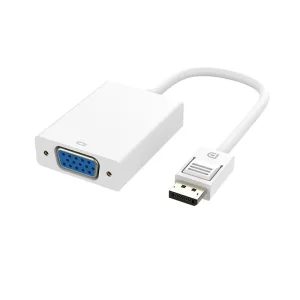
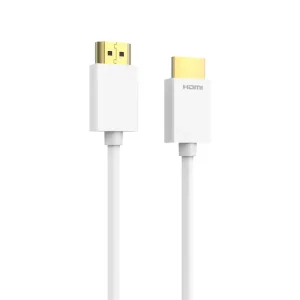
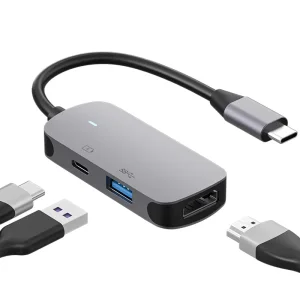
In the rapidly consolidating landscape of hardware interface design, the demand to buy single port adapters directly from established manufacturers has transitioned from simple procurement to a strategic architectural necessity. With silicon-level shifts toward USB Type-C, Thunderbolt 4, and next-generation DisplayPort protocols, corporate enterprise layouts and industrial computing systems often struggle to bridge the gap between cutting-edge source controllers and legacy display outputs like DVI, VGA, or even classic HDMI standards.
Unlike bulky multi-port docking stations, which introduce heat dissipation issues, firmware incompatibilities, and higher cost-per-node structures, single port adapters deliver dedicated, uncompressed bandwidth conversions. By utilizing specialized active IC transceivers, these adapters translate high-speed digital pathways cleanly, keeping electromagnetic interference (EMI) and insertion loss below critical system thresholds.
Key Trends Redefining the Adapter and Cable Manufacturing Industry
As corporate offices and manufacturing lines modernize, several design patterns are steering the connectivity industry. Our engineering division monitors these shifts to maintain production capacity aligned with evolving industrial standards:
- Active Protocol Translation: Modern DisplayPort-to-HDMI conversions increasingly require active level shifters rather than passive components. This guarantees 4K at 60Hz or even 8K at 30Hz display streams from high-density workstation hubs.
- Premium Shielding and Integrity: High-density data transmissions like USB4 or HDMI 2.1 demand triple-layer foil and braid shielding. Internal tin-plated copper assemblies prevent cross-talk and maintain low latency over longer cable runs.
- Mechanical Durability & Material Science: Industrial buyers now prioritize aluminum alloy outer housings and strain reliefs rated for over 10,000 bending cycles. This is vital in automation racks and medical diagnostic carts.
China Industry 4.0: Supply Chain Resilience & Efficiency Advantages
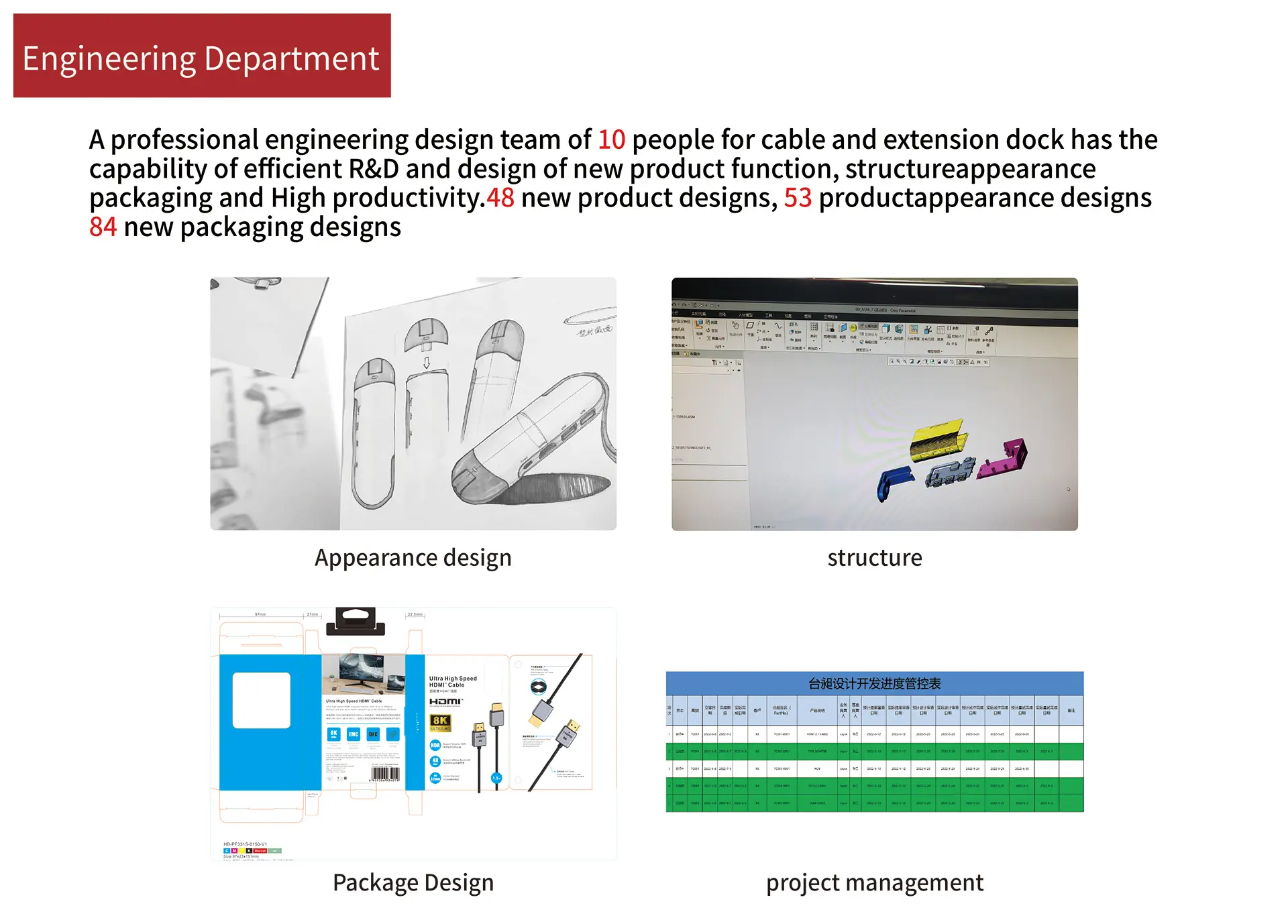
Sourcing connectivity hardware globally demands structural agility and reliable pricing frameworks. Sourcing via mature manufacturing corridors like Dongguan, China provides buyers with integrated raw material supply lines, optimized metal casting networks, and highly advanced SMT (Surface Mount Technology) assembly routes.
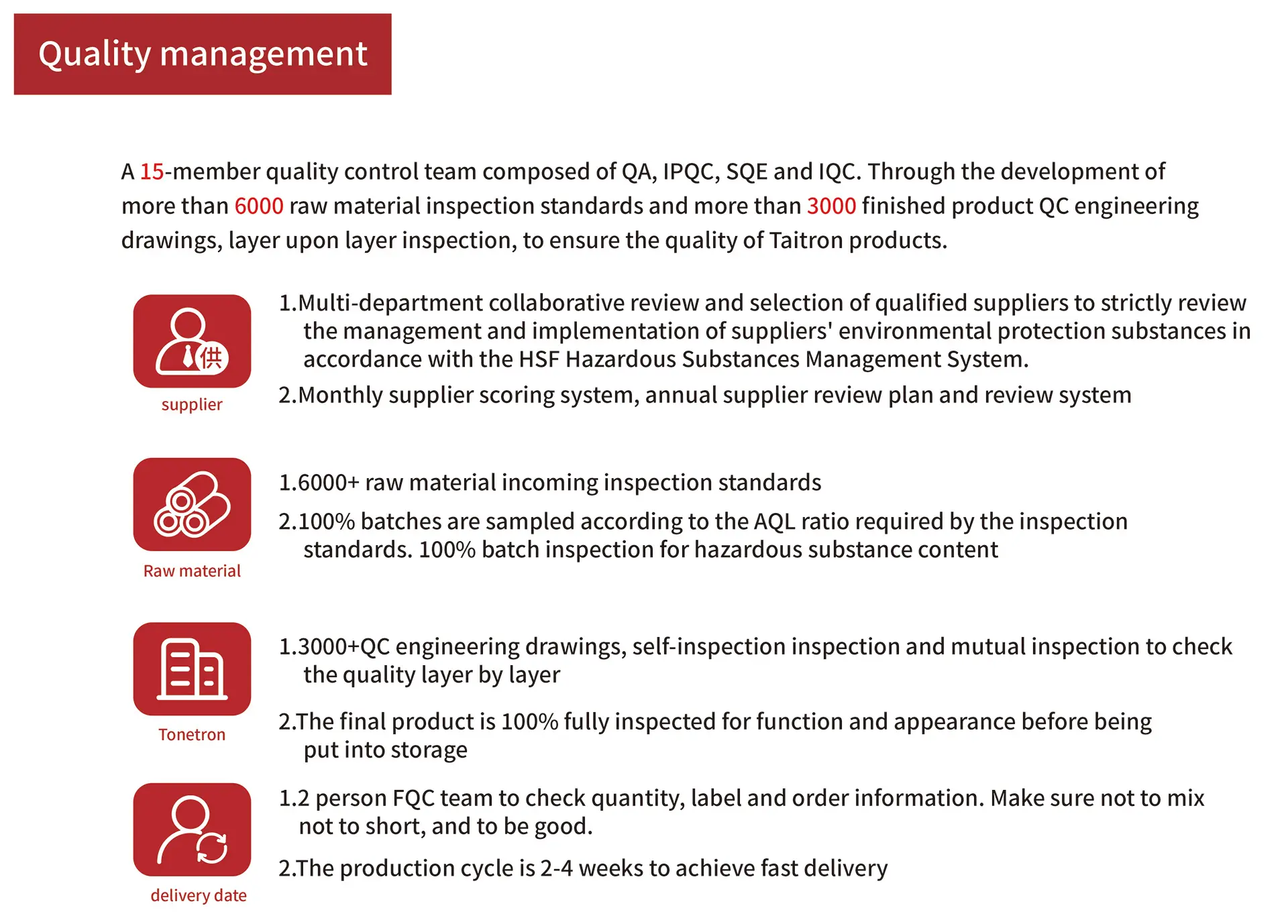
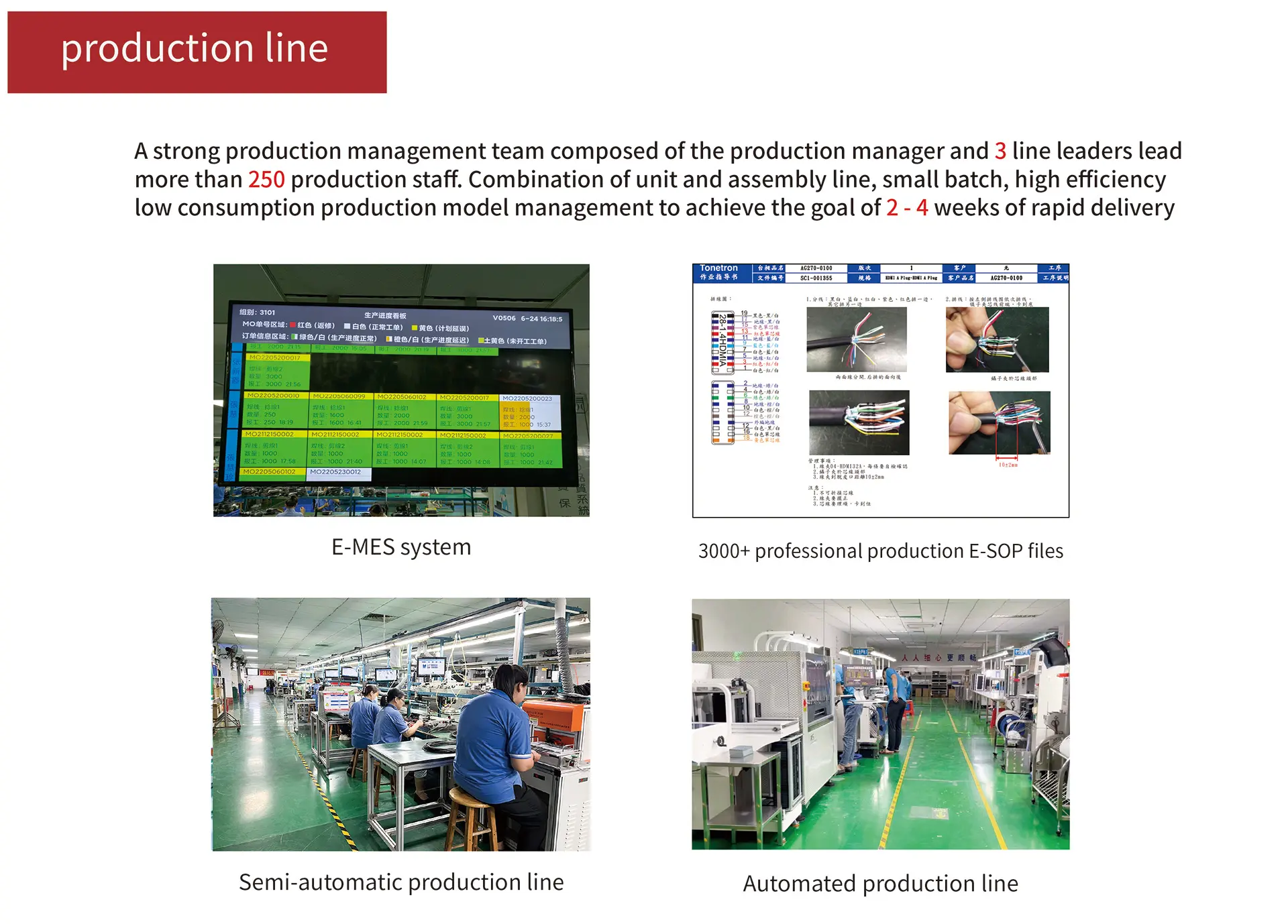
At Dongguan Taitron Electronics Limited, our production flow models integrate design, tooling, plastic injection, cable extrusion, and quality control under a single enterprise management umbrella. This vertically integrated system minimizes logistics delays and protects clients from the supply volatility seen in fragmented outsourcing pipelines. With a factory legacy spanning 38 years, our facilities blend Taiwanese engineering precision with high-capacity mainland production systems, ensuring consistent, high-yield component runs.
Localized Application Use Cases: Tailoring Adapters to Industrial Needs
Medical & Diagnostics
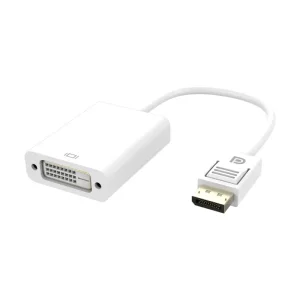
Ensuring ultra-stable DisplayPort to DVI/HDMI conversions for clean imaging feeds without frame drops or signal delay in patient monitoring rooms.
Automotive SMT Testbeds
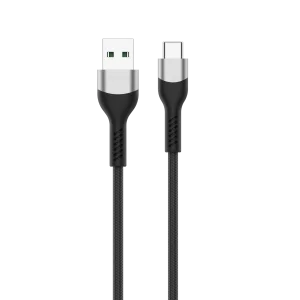
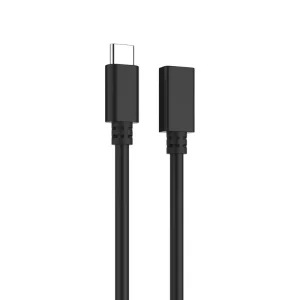
Reliable USB-C to USB-A adapter feeds connecting test instrumentation rigs, maintaining continuous data loops without interference.
Smart Classrooms
Quick-connect dongles bridging legacy projectors with modernized student laptops, avoiding complex software configuration issues.
Enterprise Sourcing Playbook: How to Evaluate Manufacturers and Get Accurate Quotes
To avoid common sourcing mistakes, wholesale procurement teams should request specific data points during the Request for Quote (RFQ) phase:
- IC Model and Specifications: Always ask which protocol converter chip is integrated inside active DP or USB-C adapters (e.g., Parade, Realtek, or Analogix). Cheaper generic chips cause issues with HDCP handshake protocols.
- PCB Assembly Stack-up: Ask about ESD protection levels. Good converters feature dedicated ESD diodes on data lines to protect expensive display interfaces from electrical static.
- AQL Standards: Ensure the factory uses clear Quality Acceptance levels (typically AQL 1.0 Major, 2.5 Minor) and offers 100% video-loop testing on high-definition adapter lines.